Most travelers who want to understand the Vietnam War head to the Cu Chi Tunnels or the War Remnants Museum in Ho Chi Minh City. Far fewer visit Ap Bac, a quiet stretch of rice land in the Mekong Delta where, on 2 January 1963, a battle exposed problems that would shape the war for years to come.
This guide explains what happened at Ap Bac, why historians still discuss it, what a visit looks like today, and how to fit it into a day trip from Ho Chi Minh City. It is aimed at travelers who like history and want something more specific than the usual highlights, which is why it appears in some of the more specialized Vietnam top tours.
Where is Ap Bac?
Ap Bac is a hamlet in Tien Giang Province, in the northern part of the Mekong Delta, close to the city of My Tho. The area is flat and watery, crossed by canals, dikes, and tree lines, with rice fields and orchards stretching out between them. It is roughly a two-hour drive from Ho Chi Minh City, depending on traffic and the route.
That landscape is the key to the story. The terrain is open, wet, and difficult to move through, and it explains much of what happened in 1963.
Why a small battle still matters
By early 1963, the United States had been supporting the South Vietnamese government for years, with American advisers working alongside the Army of the Republic of Vietnam (ARVN). Officials in Saigon and Washington were publicly optimistic about the progress of the war.
Ap Bac tested that optimism. The ARVN went into the battle with clear advantages: more troops, heavier weapons, armored personnel carriers, artillery, aircraft, and American helicopters. Opposing them was a much smaller force of Viet Cong guerrillas, many of them local fighters, dug in along tree lines and canals.
Accounts differ on the exact numbers, but the broad picture is widely accepted. The Viet Cong held their positions through the day and inflicted significant losses, including on the helicopters carrying ARVN troops, before withdrawing during the night. The ARVN did not achieve its objectives.
What happened on 2 January 1963
The plan
The operation aimed to locate and destroy a Viet Cong unit and capture a radio transmitter believed to be in the area. ARVN units, supported by armored vehicles and helicopter-borne troops, moved in against a force that had prepared defensive positions in advance.
The fighting
Helicopters carrying ARVN troops came under heavy fire as they landed in open fields. Several aircraft were hit, and some were lost, which was a shock because helicopters had been presented as a major advantage. Ground units advancing across the paddies and dikes faced well-placed fire from concealed positions, and attempts to move forward and to relieve trapped troops were slow and poorly coordinated, according to accounts from the time.
American advisers on the ground, including the senior adviser to the ARVN division, Lieutenant Colonel John Paul Vann, watched the operation struggle with hesitation, command problems, and a lack of aggressive action. Several Americans were among the dead.
The aftermath
The Viet Cong withdrew under cover of darkness. Casualty figures vary by source, but ARVN and American losses were considerably higher than those of the Viet Cong. Vann was openly critical of the operation, and his frank assessments, and those of journalists who covered the battle, contradicted official claims of success. This is one reason Ap Bac is often cited in histories of the war, including in Neil Sheehan’s well-known book about Vann, A Bright Shining Lie.
Two ways of looking at Ap Bac
Visitors should expect to hear the battle described differently depending on the source.
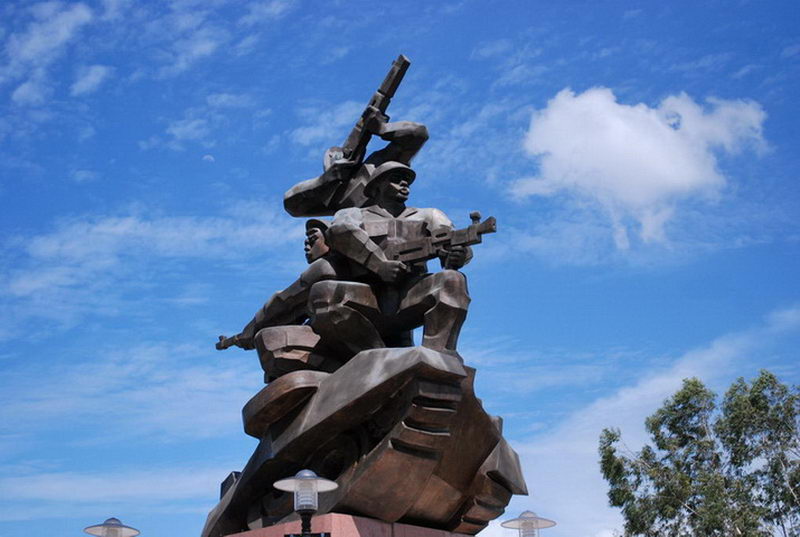
The Vietnamese view. In Vietnam, Ap Bac is remembered as an important victory for revolutionary forces, showing that a smaller, lightly equipped force could stand up to a better-armed opponent and its helicopters. The site is commemorated as a historical monument.
The American and ARVN view. Many Western historians see the battle as a revealing failure for the ARVN and the American advisory effort, rather than a clear-cut military defeat for the government in strategic terms. The criticism focuses on leadership, coordination, and the gap between official statements and conditions on the ground.
Neither view should be treated as the whole story. A good guide will explain the Vietnamese memorial narrative while also placing it alongside Western accounts, so you can draw your own conclusions.
What you will see on an Ap Bac visit
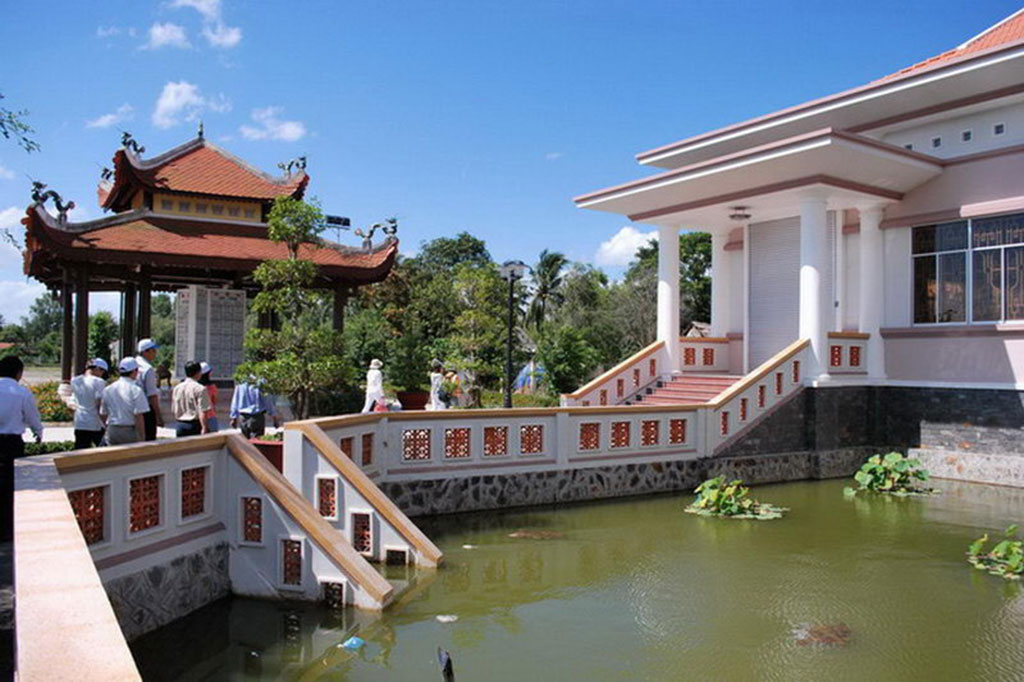
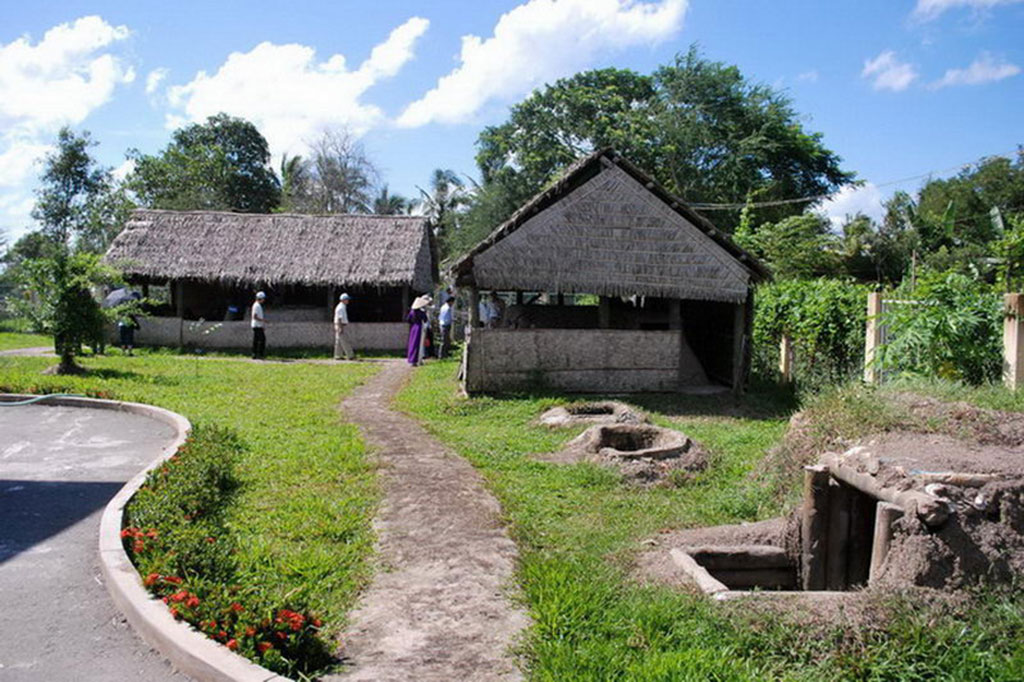
The site today is a memorial area with a small museum, grounds, and monuments, set in the same kind of landscape where the fighting took place.
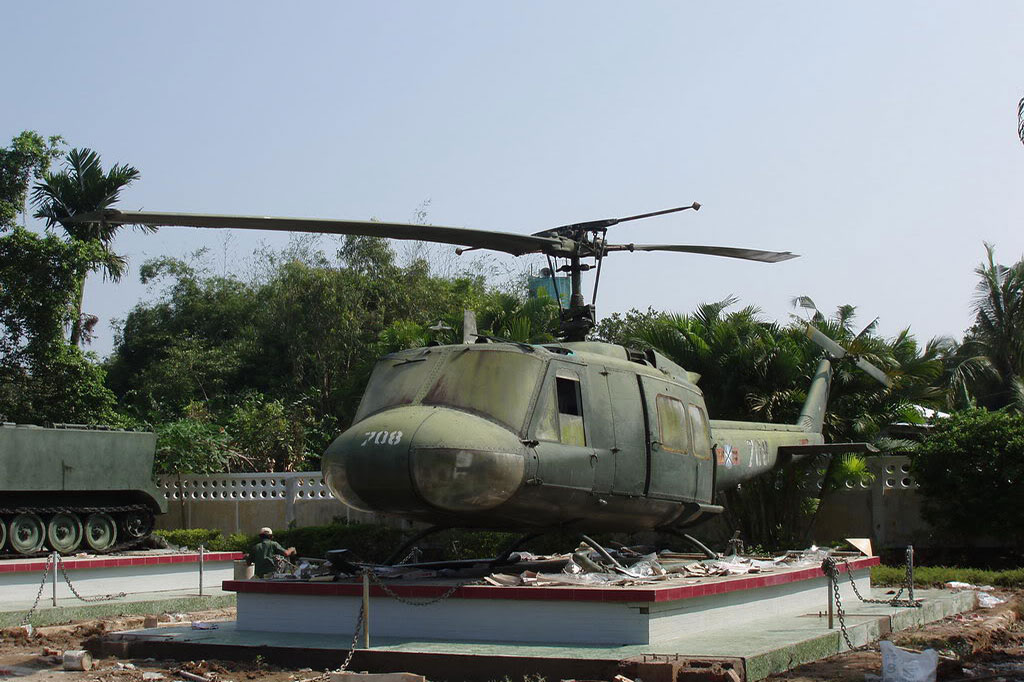
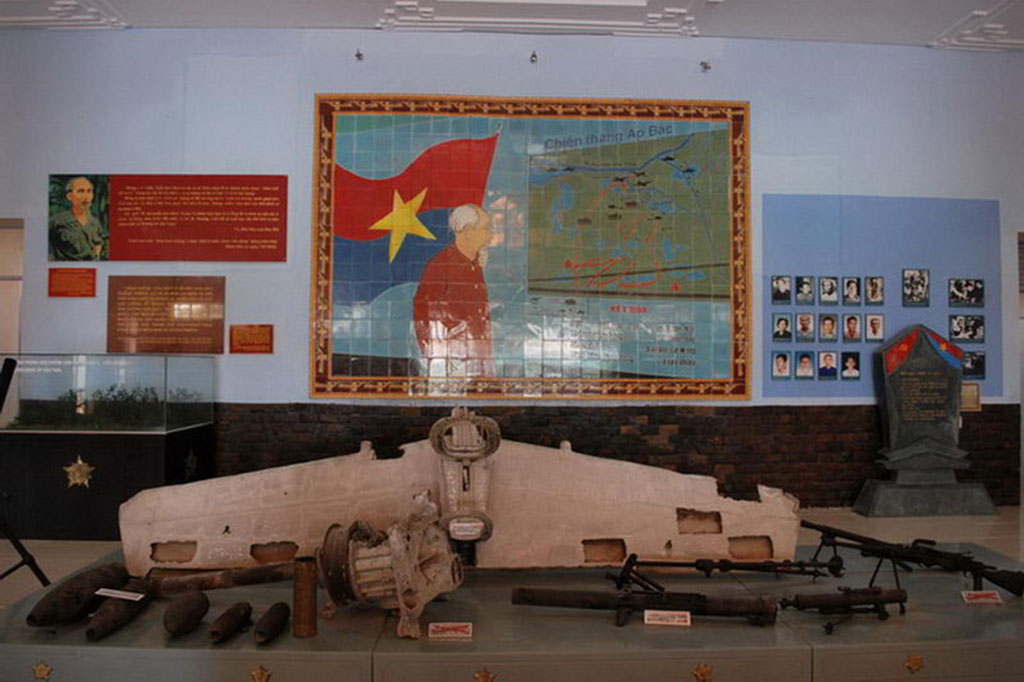
- The museum. A modest exhibition with photographs, maps, and artifacts from the battle. It is not large, but it gives useful context before you walk the grounds.
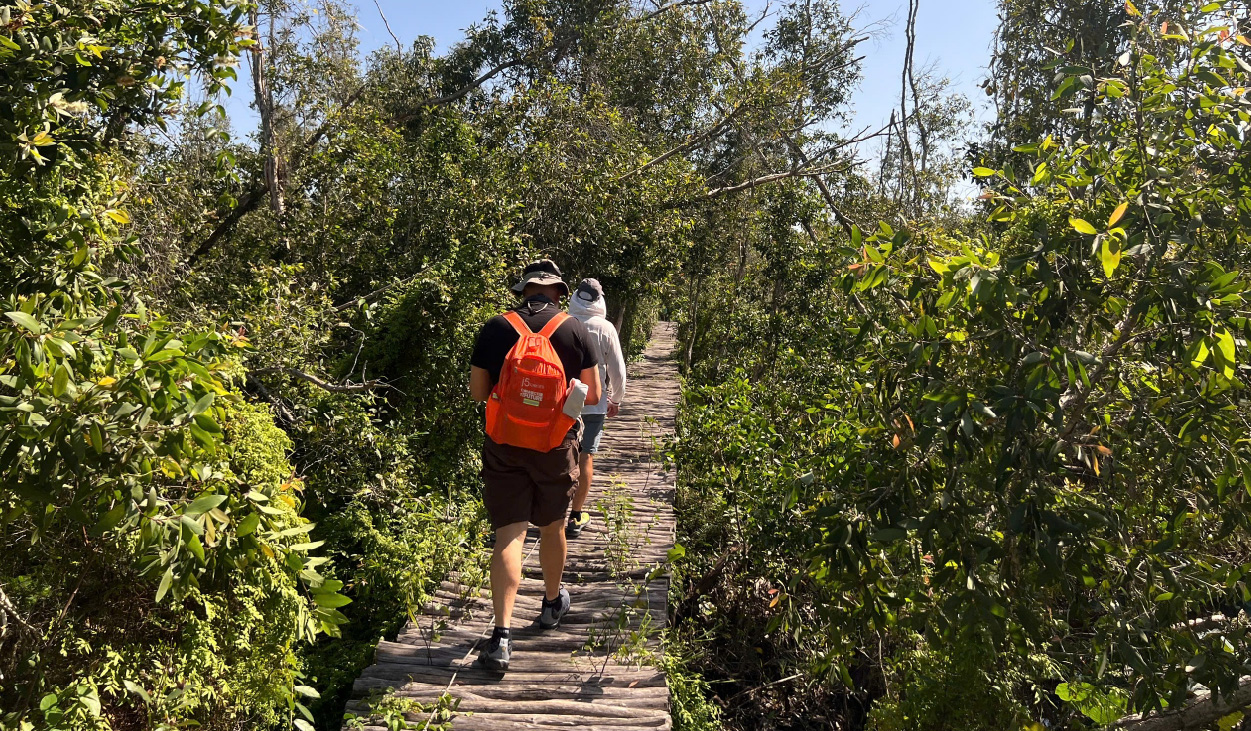
- The grounds. The area includes monuments and open land around dikes and canals. Standing there helps explain why movement was difficult and why defenders in tree lines had an advantage.
- The surrounding landscape. The drive in passes through rural Mekong Delta scenery, with orchards, canals, and small villages.
Exhibits and displays change over time, so ask your operator what is currently on show. The visit itself is usually short, and most of the value comes from the explanation on site.
Ap Bac compared with Cu Chi
Many travelers combine or compare the two, so it helps to know the difference.
| Ap Bac | Cu Chi Tunnels | |
|---|---|---|
| Location | Mekong Delta, near My Tho | North-west of Ho Chi Minh City |
| Focus | One specific 1963 battle and its consequences | Underground tunnel networks used across the war |
| What you do | Walk a memorial site and a small museum, with a guide explaining the battle | Explore tunnel sections, demonstrations, and exhibits |
| Style | Quiet and historical | More developed and hands-on |
| Best for | Travelers who want depth on a single event | Travelers who want the classic Vietnam War site |
If you have time for only one, Cu Chi is the more established visit. If you have already seen it, or you prefer depth to spectacle, Ap Bac adds a different perspective. Our article on Cu Chi history gives the background to that site.
Sample day trip from Ho Chi Minh City
This is a typical private-tour rhythm. Timings are approximate and can be adjusted.
| Time | Plan |
|---|---|
| Morning | Hotel pickup in Ho Chi Minh City and drive to the Mekong Delta |
| Late morning | Arrive at Ap Bac. Short briefing, then the museum |
| Midday | Walk the grounds with your guide and discuss the battle |
| Lunch | Local meal near My Tho |
| Afternoon | Optional stop in the My Tho area, then return to Ho Chi Minh City |
| Late afternoon | Drop-off at your hotel |
If you would like a lighter day, you can combine the visit with a short Mekong Delta experience, such as a boat ride and an orchard visit. A private tour lets you set the pace and spend more time on the history, or less, depending on your interest.
Practical tips
- Best time to go. The dry season, from roughly December to April, is usually more comfortable for walking outdoors. The rest of the year can be hot and humid, with afternoon rain.
- Wear comfortable shoes. Paths can be uneven, and some areas are on dikes or open ground.
- Dress for the weather. Bring a hat, sunscreen, light breathable clothing, and insect repellent.
- Bring water. The site has limited shade.
- Allow enough time. The trip is a full day because of the drive in each direction.
- Choose a guide with historical knowledge. The experience depends heavily on the explanation, since the site itself is low-key.
- Check what is open. Opening hours and exhibits can change, so confirm with your operator before you go.
- Be respectful. This is a memorial to people who died. Keep your tone appropriate and ask before photographing anyone.
Who should visit
Ap Bac suits:
- History enthusiasts who want to look closely at a single event
- Return visitors who have already seen Cu Chi and the main museums
- Veterans and families with a personal connection to the war, who want a quieter setting
- Travelers interested in military and political history, particularly how information and decision-making shaped the conflict
It may be less suitable for travelers who prefer interactive attractions or short, easy outings.
FAQ
Where is the Ap Bac battlefield? In Tien Giang Province in the Mekong Delta, close to My Tho, roughly two hours by road from Ho Chi Minh City.
What happened at Ap Bac? On 2 January 1963, a small Viet Cong force defended prepared positions against a larger ARVN operation supported by armor and helicopters. The Viet Cong held their ground and withdrew at night, and ARVN and American losses were higher.
Why is the Battle of Ap Bac important? It exposed weaknesses in ARVN leadership and coordination, and it led to public disagreement between American advisers and officials over how well the war was going.
Is Ap Bac worth visiting? For travelers interested in Vietnam War history, yes. It offers a focused, quiet look at one event rather than a general overview.
Can I visit Ap Bac and Cu Chi on the same day? It is possible in principle, but it makes for a very long day. Most travelers do them on separate days.
How long does the tour take? A full day from Ho Chi Minh City, including travel time.
Do I need a private tour? It is not required, but a private guide makes a big difference at a site where most of the value comes from explanation.
Is Ap Bac included in Vietnam top tours? It is not a standard stop. It appears in specialized history-focused itineraries and can be added as a private day trip.
Plan your Ap Bac visit
If you would like to explore the Vietnam War beyond the usual sites, Ap Bac is a thoughtful addition. Contact TNK Travel to arrange a private Ap Bac battlefield tour from Ho Chi Minh City, or to add it to a wider Mekong Delta or Vietnam War history itinerary. Our team can arrange transport, a knowledgeable guide, and a pace that suits your group.