Overview
A day trip is the right choice if you have limited time and want a first taste of delta life. An overnight stay is the better choice if you want to see a floating market at its best, slow down, and experience the delta after the day-trippers have left. Both work. The question is which one fits the time you have and what you want from the trip.
This guide compares the two honestly. It covers what each option includes, how much time you really spend traveling, which one suits different kinds of travelers, and sample itineraries you can adapt. Many Vietnam top tours treat the Mekong Delta as either a one-day excursion or a one-night add-on to Ho Chi Minh City, so it helps to know what you give up with each version.
Why the Mekong Delta is worth the trip
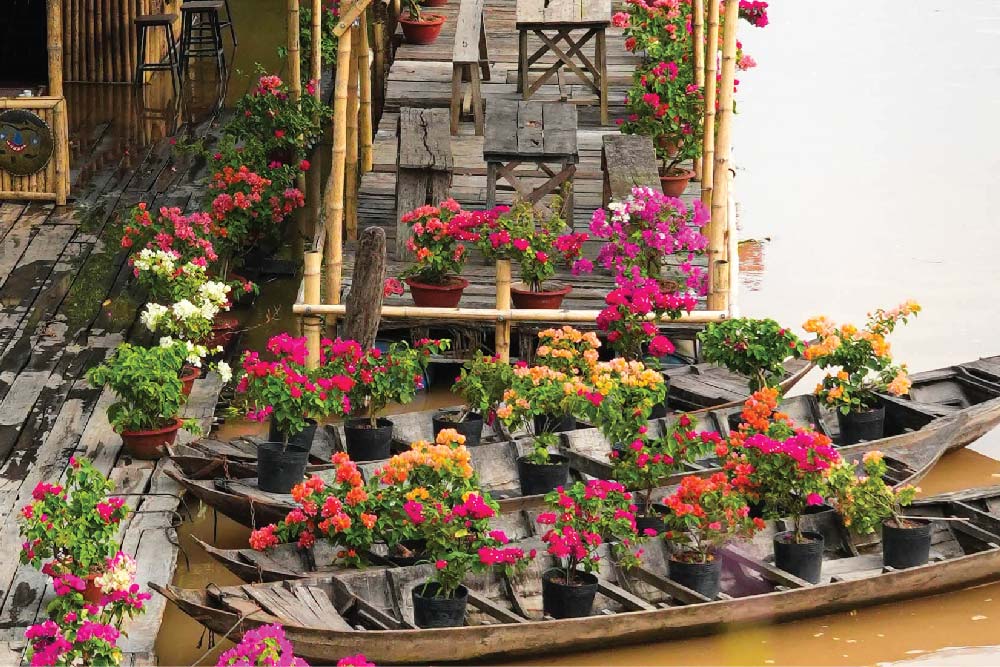
The Mekong Delta is where Vietnam’s biggest river splits into a web of channels before reaching the sea. The land is flat and green, and life revolves around the water. Boats carry people, fruit, and rice, orchards line the canals, and villages sit close to the banks. It is also one of the country’s main food-producing regions, which is why markets, fruit, and local cooking are central to a visit.
It looks and feels different from the mountains and coastline further north, so it adds contrast to almost any itinerary. For a deeper look at how the landscape shapes what people eat here, see our guide to why Vietnamese food varies by region.
The short answer: day trip vs overnight
| Day trip | Overnight (1 night) | |
|---|---|---|
| Time away from Ho Chi Minh City | About 10 to 11 hours | 2 days |
| Time on the road | Often 4 to 5 hours in total | Similar, but spread across two days |
| Floating market at its best | Usually not possible | Yes, with an early start |
| Pace | Busy, structured | More relaxed |
| Typical stops | Boat ride, coconut or candy workshop, orchard, lunch | Same, plus a sunrise market and a quiet evening |
| Best for | Short stays, first impressions | Travelers who want depth and atmosphere |
What a Mekong Delta day trip includes
Most day trips leave Ho Chi Minh City in the morning and return in the late afternoon or early evening. The usual destinations are My Tho and Ben Tre, because they are the closest parts of the delta.
A typical day includes:
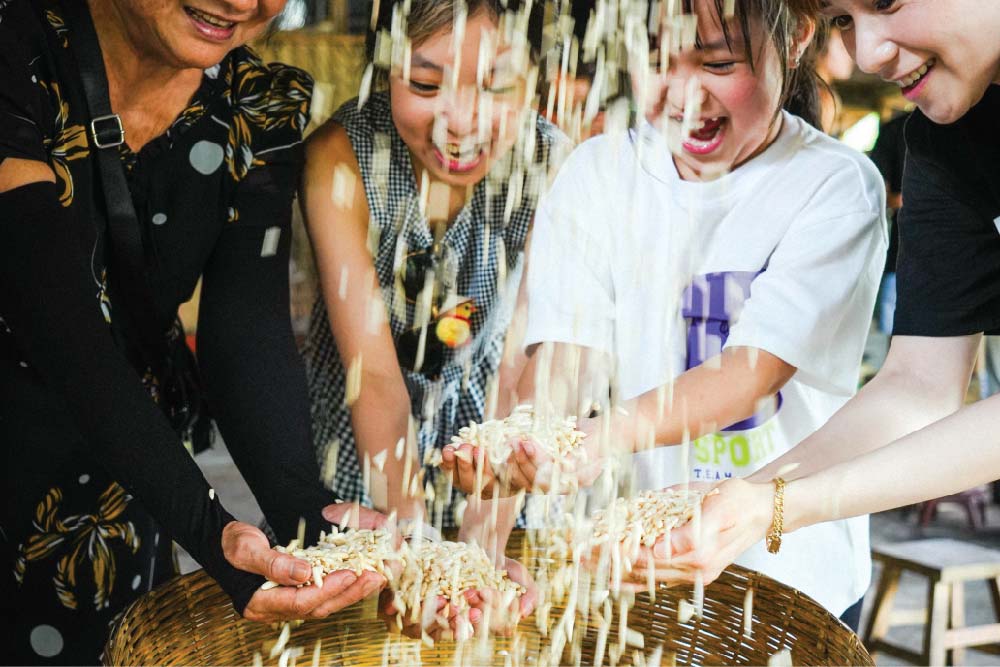
- Transfer from Ho Chi Minh City. Plan on roughly two hours each way, depending on traffic and the exact destination.
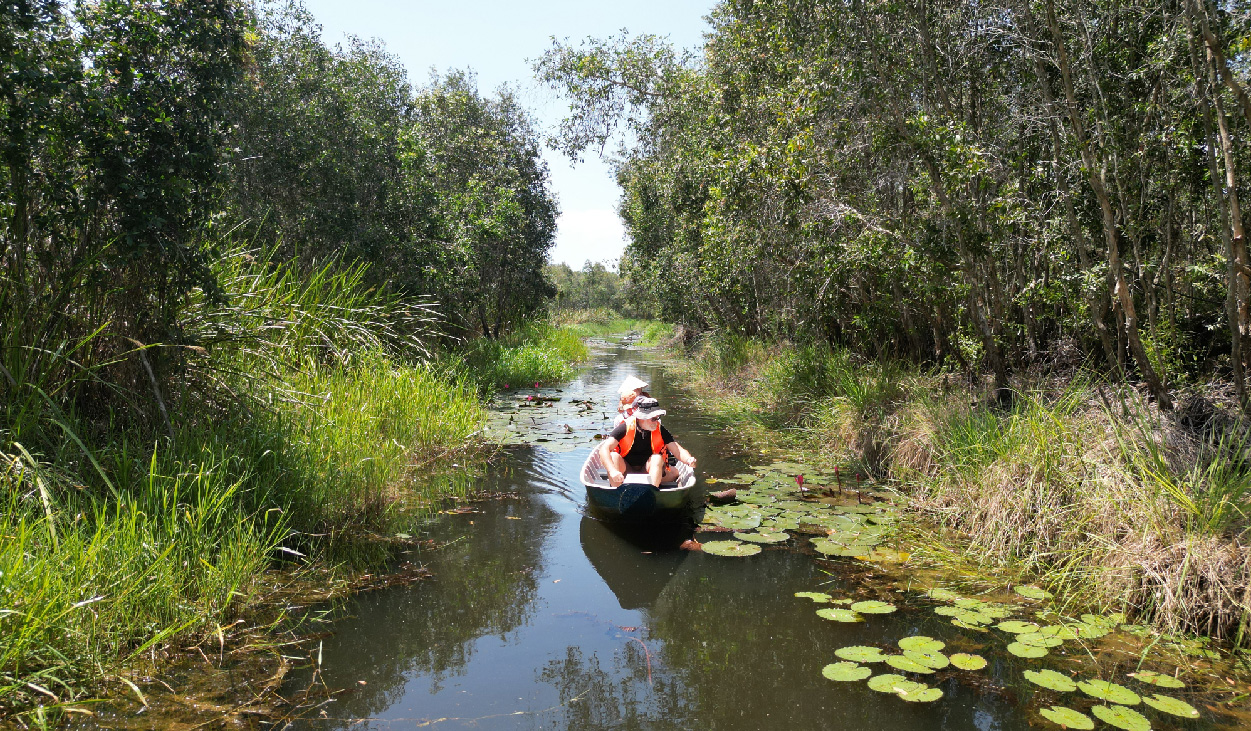
- A boat ride on the main river, often followed by a smaller boat or rowed sampan through narrow canals shaded by coconut palms.
- A village stop to see local crafts, such as coconut candy being made, rice paper, or other small workshops.
- An orchard visit with seasonal fruit and tea with honey.
- A traditional music performance, which is common on organized tours. Southern amateur music, known as don ca tai tu, is a recognized cultural tradition in the region.
- Lunch at a riverside restaurant, often with local fish and fresh vegetables.
What a day trip does well
- It fits easily into a busy itinerary, with no hotel change.
- It gives you the essential delta scenery and a sense of daily life.
- It is the cheapest and simplest way to include the region.
Where a day trip falls short
Be realistic here. A day trip means a lot of time on the road, and the schedule is tight. Some popular stops can feel crowded or commercial, especially in high season. You often arrive when other groups do, and you leave just as the pace of the day is starting to feel natural.
Most importantly, you will almost certainly miss the floating markets in their best form. They are busiest at dawn, which a round trip from Ho Chi Minh City cannot easily reach.
What an overnight Mekong Delta trip adds
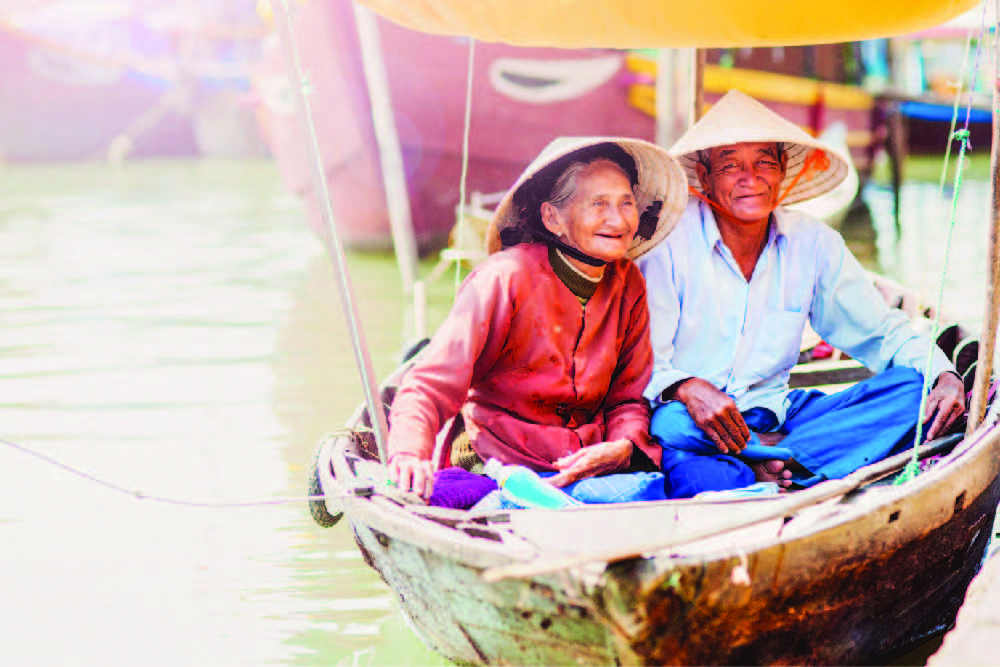
An overnight trip usually runs for two days and one night. Many itineraries head to Can Tho, the largest city in the delta, and stay in a hotel or a homestay.
Here is what the extra night changes.
The floating market. Cai Rang, near Can Tho, is the best-known floating market in the region. Boats trade fruit, vegetables, and other goods, and the activity is strongest early in the morning. Going at sunrise means you see the market while it is still working, rather than a quieter version later in the day. If a floating market is high on your list, an overnight stay is the practical way to get there at the right time.
A slower rhythm. When the day-trippers return to the city, the delta settles down. Evening walks along the river, a bicycle ride through the village lanes, or a simple dinner in a family home all feel very different from a scheduled stop.
More variety. A second day allows additional visits: smaller canals, a local market, a rice noodle workshop, a flower village, or a quieter orchard that large groups skip.
Better photography. Early light on the water and the activity of the morning market are among the most rewarding things to photograph in southern Vietnam.
What an overnight stay costs you
Not everything is better. An overnight trip uses two days, and in a short itinerary that is a big trade-off. Accommodation in the delta can be simpler than in Ho Chi Minh City, particularly in a homestay, and you will usually have fewer dining and nightlife options. It is also usually more expensive than a day trip, though prices vary a lot between operators and styles, so compare what is actually included.
Day trip or overnight: which fits you?
Choose a day trip if…
- You have less than a week in Vietnam, or only a few days in the south.
- The delta is a bonus, not a main reason for your trip.
- You prefer a fixed structure and do not want to change hotels.
- You are traveling with very young children who do better with a single base.
- Your budget is tight.
Choose an overnight trip if…
- You want to see a floating market at its liveliest.
- You like slow travel, local food, and village life.
- You are interested in photography.
- You have at least two or three days in the south.
- You want a break from the pace of Ho Chi Minh City.
Consider a longer trip if…

- You want to see the western delta, including Chau Doc near the Cambodian border, with its markets, temples, and cajuput forest.
- You are connecting to another destination. Some travelers continue by river or road toward Cambodia, or head to Phu Quoc from the delta’s coast. Check the current transport options and border rules before you plan, since they can change.
Sample itineraries
One-day Mekong Delta tour
| Time | Plan |
|---|---|
| Morning | Leave Ho Chi Minh City and drive toward My Tho or Ben Tre. |
| Late morning | Boat ride, then canal trip by small boat. |
| Midday | Visit a coconut candy workshop and orchard. Lunch by the river. |
| Afternoon | Optional bike or cart ride through a village. |
| Late afternoon | Return to Ho Chi Minh City. |
Two-day, one-night tour to Can Tho
| Day | Plan |
|---|---|
| Day 1 | Drive to Ben Tre or My Tho for canal boats and village visits. Continue to Can Tho in the afternoon. Evening stroll along the riverfront and dinner. |
| Day 2 | Early boat trip to the Cai Rang floating market. Breakfast on the water or in town. Visit a noodle workshop or fruit garden. Return to Ho Chi Minh City by midday or afternoon. |
Three-day, two-night tour with Chau Doc
| Day | Plan |
|---|---|
| Day 1 | Ho Chi Minh City to Ben Tre or Vinh Long, then to Can Tho. |
| Day 2 | Cai Rang floating market in the morning. Continue to Chau Doc. Evening in town. |
| Day 3 | Visit a floating village and the cajuput forest. Return to Ho Chi Minh City or continue to the next destination. |
Treat these as starting points. A good operator will adjust the route to the season, the water levels, and what you want to see.
When to go
The delta can be visited year-round, but conditions change.
- Dry season (roughly December to April): Hot, sunny, and the most predictable weather. Roads and boat trips are easier.
- Wet season (roughly May to November): Afternoon showers are common, but the landscape is lush, and the rain often passes quickly. Fruit is abundant, with the peak of many tropical fruits often falling in the early summer months.
- High-water months (usually later in the wet season): Water levels rise, and some routes and stops change. Ask your operator how this affects the itinerary.
Bring sun protection, a light rain jacket, mosquito repellent, and comfortable shoes you do not mind getting dusty or damp.
How to choose a good Mekong Delta tour
The quality of a delta tour varies widely, so a few questions are worth asking before you book.
- How big are the groups? Smaller groups mean more flexibility and less waiting.
- Which route does the tour take? Ask whether it visits quieter canals or only the busiest stops.
- How much time is spent traveling? A realistic schedule is better than a packed one.
- Are shopping stops included? Some tours include several. Ask how many, and whether they are optional.
- What is included? Meals, boat rides, entrance fees, and guides all differ between operators.
- Is the accommodation described honestly? For overnight trips, ask whether it is a hotel, a homestay, or a guesthouse, and what the facilities are.
When you compare Vietnam top tours that include the delta, look for operators that explain these details clearly. Clear answers before you book are usually a good sign of how the trip itself will run.
FAQ
Is a Mekong Delta day trip worth it? Yes, if time is short. It gives you the boat rides, village visits, and fruit-growing scenery in one day. You will not see the floating markets at their best.
Is it better to stay overnight in the Mekong Delta? For most travelers who can spare the time, yes. An overnight stay lets you visit a floating market at sunrise and enjoy a quieter, more authentic side of the delta.
How far is the Mekong Delta from Ho Chi Minh City? It depends on the destination. My Tho and Ben Tre are usually around two hours by road, while Can Tho takes longer, often around three hours or more depending on traffic and the route.
Can I see the floating market on a day trip? Usually not at its best. The Cai Rang floating market is busiest early in the morning, which is hard to reach on a same-day round trip from Ho Chi Minh City.
How many days do you need in the Mekong Delta? One day for a taste, two days for a full experience including a floating market, and three days if you want to reach Chau Doc and the western delta.
What is the best month to visit the Mekong Delta? December to April is the driest and most predictable. The wet season is greener and has abundant fruit but brings afternoon rain.
Do Vietnam top tours include the Mekong Delta? Many itineraries that include Ho Chi Minh City add a day trip or an overnight stay in the delta. Check the group size and route.
Choose the trip that fits your time

If you can only spare a day, a well-run day trip is still a good way to meet the delta. If you can spare a night, you gain the market at dawn and a gentler pace, which many travelers remember long after the trip. To compare options or build a private Mekong Delta plan around your dates, contact TNK Travel. Our team can suggest a route, explain the timing, and fit the trip into your wider Vietnam itinerary.
Itinerary
Price & Bookings
Reservations
Reviews
There is no review for this tour. Be the first to review this tour !!
Share your thoughts with other customers.
Share your thoughts with other customers.
Related Tours