
If you’re weighing up the best places to visit in Vietnam in 2026, timing matters more than it might seem. The north is deep into its rainy season for much of the summer, the central coast enjoys its most reliable dry-season weather before autumn’s storms roll in, and the south moves through its own seasonal rhythm of fruit harvests and river life. Rather than fighting the season, the smartest 2026 trips work with it — choosing destinations where the weather, the scenery, and the calendar align.
Here are three destinations that do exactly that, along with the TNK Travel tours built around each one.
Quick comparison: 2026 at a glance
| Destination | Weather in August | Best for | Suggested trip length |
|---|---|---|---|
| Sa Pa | Cool (20–25°C), rainy season with occasional heavy downpours | Trekking, early golden terraces, highland culture | 2–3 days |
| Da Nang, Hoi An & Hue | Warm, dry, calm seas — the region’s best weather window | Beaches, heritage sites, photography | 3–4 days |
| Mekong Delta | Warm and humid, short daily tropical showers | Floating markets, orchards, river life | 1–2 days |
If you only have time for one, let your priorities decide: cooler mountain air and trekking points to Sa Pa, reliable beach weather points to the central coast, and a shorter, food-focused add-on points to the Mekong Delta. Many TNK Travel itineraries combine two of these into a single trip — more on that below.
Sa Pa: the start of the golden terrace season
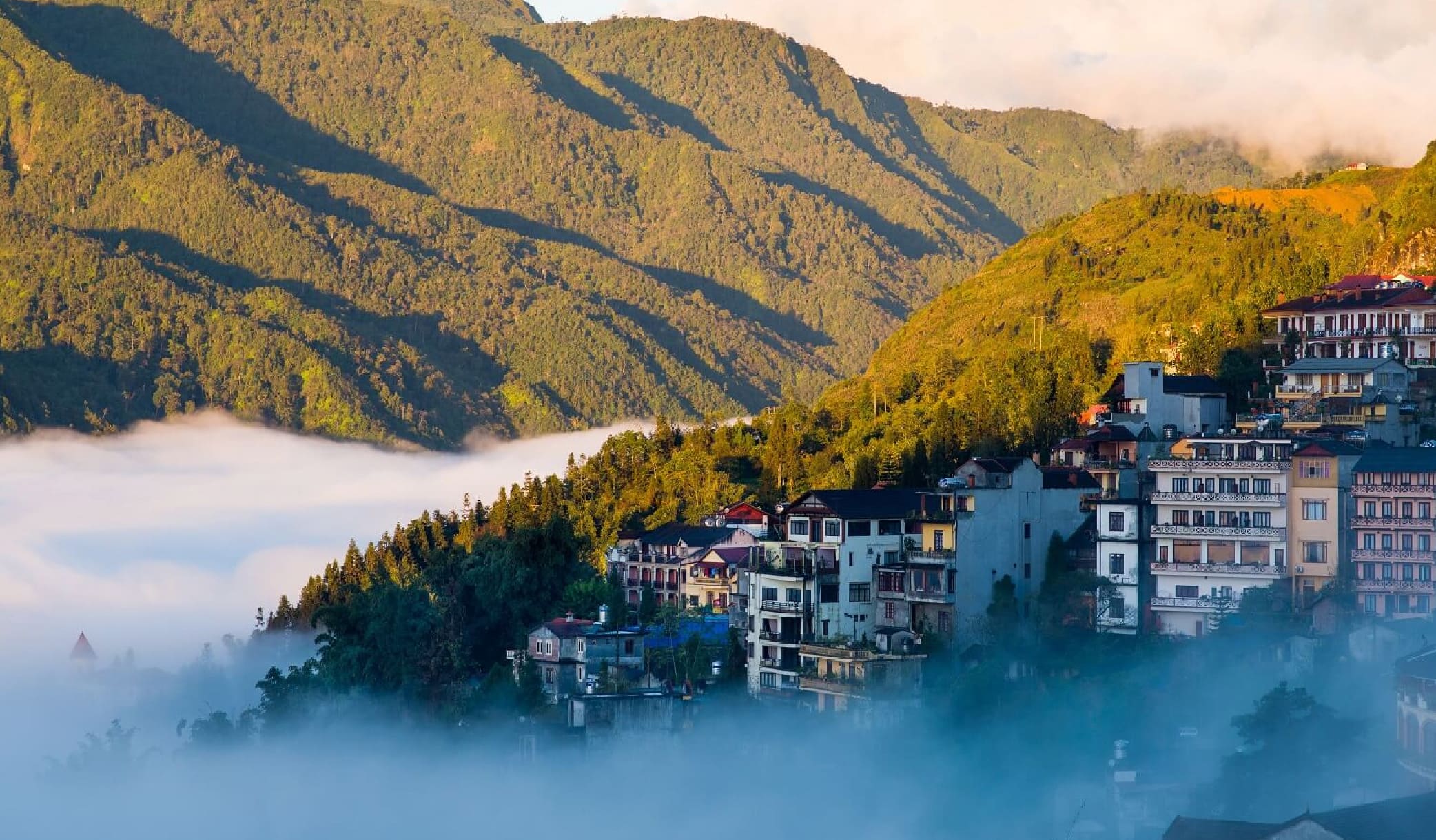
Perched at 1,600 metres in the Hoang Lien Son mountains, Sa Pa runs cooler than almost anywhere else in Vietnam, with August temperatures typically sitting between 20–25°C (68–77°F) — a welcome break from the heat and humidity found elsewhere in the country this time of year.
Mid-August marks the beginning of Sa Pa’s most photographed season, as the terraced rice fields around the Muong Hoa Valley begin shifting from vivid green to gold. Trekking routes through Lao Chai and Ta Van take you through H’mong, Dao, and Giay villages, past the Cau May rattan bridge and the Muong Hoa Stream, with the earliest golden fields typically appearing around the Y Linh Ho route. For sweeping valley views without a multi-day trek, the Fansipan cable car offers a bird’s-eye look at the terraces from above.
For travelers with more time, an overnight homestay in the valley extends the experience well beyond a day trip — waking up in a H’mong or Dao village puts you on the trail before the morning mist clears, which is also when the terraces photograph best. Homestays are simple by design: shared sleeping areas, home-cooked meals with the host family, and an early start the next morning, which suits travelers looking for a slower, more immersive alternative to a hotel stay in Sa Pa town.
Beyond trekking, Sa Pa town itself is worth a half-day on either end of a trip — the market area sells handwoven textiles from local ethnic minority cooperatives, and a short walk to Cat Cat Village offers an easier introduction to the region’s culture and waterfalls for travelers with limited mobility or time.
Traveler’s note: August falls within Sa Pa’s rainy season, which brings a real risk of heavy downpours, flash flooding, and landslides on mountain routes. This is exactly why traveling with an experienced local guide matters — someone who knows current trail conditions and can adjust the route if weather turns. Pack a proper rain shell rather than a travel umbrella, and expect trails to be muddier than in the drier autumn months.
TNK Travel’s Ha Noi – Sa Pa tours are built around exactly this kind of local knowledge, pairing trekking itineraries with experienced guides who track conditions day to day rather than following a fixed route regardless of weather.
Da Nang, Hoi An & Hue: the last of the dry season
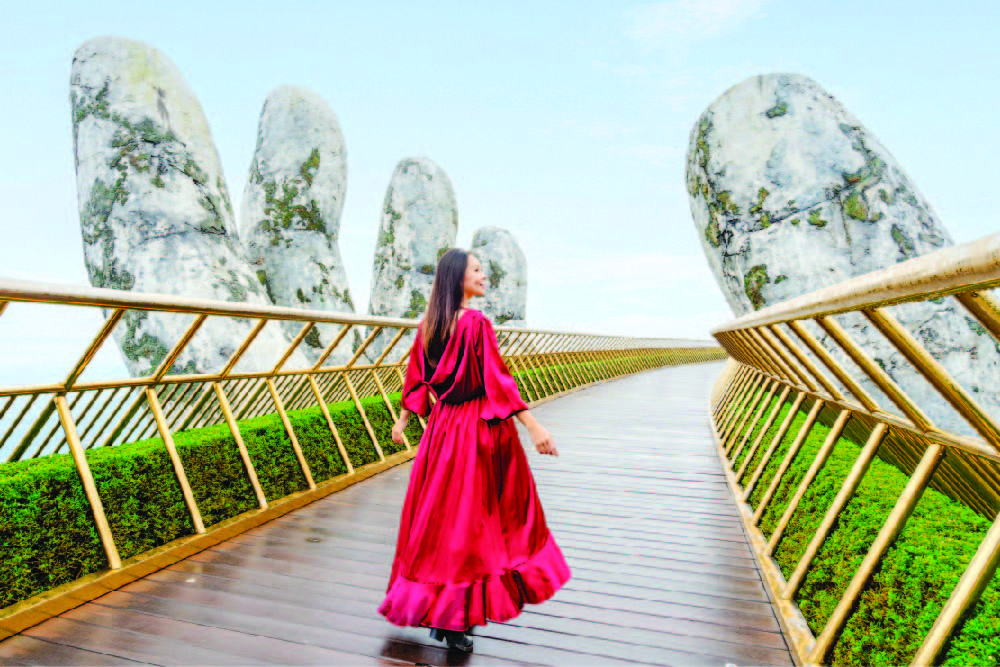
While northern Vietnam is deep in its rainy season, the central coast is having its best weather of the year. August sits at the tail end of central Vietnam’s dry season, which typically runs from February through August — meaning warm, sunny days and calm seas, before the region’s autumn typhoon season begins around September.
This makes August one of the more reliable windows to combine Da Nang’s beaches, Hoi An’s ancient town, and Hue’s imperial history in a single trip. My Khe Beach and the Marble Mountains are at their best under clear skies, Hoi An’s lantern-lit Old Quarter is comfortable for evening walks, and the Perfume River and Hue’s citadel are easy to explore without worrying about sudden rain disrupting a day of sightseeing.
Beyond the three anchor cities, calm August seas also make it a good month for day trips further afield — boat rides to the Cham Islands for snorkeling, or a scenic drive over Hai Van Pass between Da Nang and Hue, both of which depend on the kind of settled weather August reliably delivers.
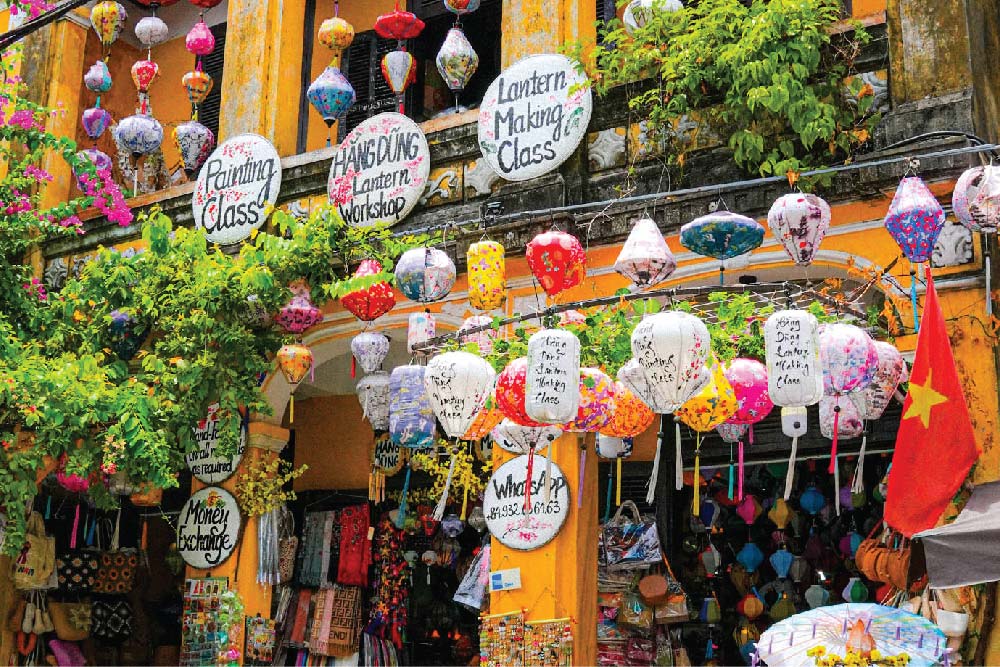
Evenings are just as much a part of the appeal as the daytime sightseeing. Hoi An’s Old Quarter is lit almost entirely by paper lanterns after dark, with small boats carrying floating candles along the river — a scene that depends on calm, dry conditions to feel as atmospheric as it looks in photos. Da Nang’s riverside restaurants and Hue’s quieter, more understated evening streets each offer a different pace, which is part of why combining all three cities into one trip works so well: each stop feels distinct rather than repetitive.
Traveler’s note: August is also peak domestic and international travel season along the central coast, so popular sites and beaches are busier than in the shoulder months. Early mornings are the best way to enjoy My Khe Beach or Hoi An’s Old Quarter before the crowds arrive, and booking accommodation a few weeks ahead is worth doing given the seasonal demand.
TNK Travel’s Da Nang – Hoi An – Hue tours are timed to make the most of this dry-season window, connecting all three destinations into one itinerary rather than requiring separate trips.
Mekong Delta: the summer fruit harvest
While it doesn’t offer the driest weather on this list, the Mekong Delta’s summer rains are exactly what make August one of the best times to visit. From May through August, the Delta’s orchards are at their fullest, heavy with rambutan, durian, mangosteen, and pomelo — a direct result of the season’s rainfall.
The best way to experience it is on the water. Boats set out before dawn for the Cai Rang Floating Market near Can Tho, where the market is busiest between 6 and 8 AM as vendor boats trade produce and locals sell breakfast staples like bún riêu (crab noodle soup) straight from floating kitchens. From there, a visit to a local orchard lets you sample fruit straight from the tree, and stops at riverside communities offer a look at daily life along the waterways that define this region.
Because the Delta is best experienced early in the day, it pairs naturally with a short trip out of Ho Chi Minh City rather than requiring a separate base — most visitors head out before sunrise and are back in the city by early afternoon, or extend to an overnight stay for a slower, less rushed pace along the smaller canals.
An overnight extension also opens up experiences a day trip skips entirely: cycling through orchard villages in the cooler early evening, a traditional folk cake-making class, or simply sitting with a coconut coffee as riverside life continues around you. For travelers who’ve already spent time in Vietnam’s cities and mountains, the Delta’s flat, water-based landscape offers a genuinely different rhythm — slower, quieter, and built entirely around the river.
Traveler’s note: August showers in the Delta tend to be short, tropical downpours rather than all-day rain — usually clearing within an hour and rarely disrupting a full day of boat touring. Light rain gear is worth packing regardless, along with sun protection for the clearer stretches between showers.
TNK Travel’s Ho Chi Minh City & Mekong Delta tours combine the city’s history and food scene with a floating market and orchard excursion, timed to catch the Delta at its most abundant.
Packing and general tips for Vietnam in 2026
Whichever of these three destinations you choose, a few general preparations apply across the board:
- Pack for both heat and rain. August is warm and humid nationwide, but sudden downpours are common in the north and south alike. A lightweight rain shell packs down small and handles this better than a poncho or umbrella, especially on trekking routes.
- Book accommodation ahead of time. August overlaps with peak domestic travel season in Vietnam, particularly along the central coast, so popular hotels and homestays can fill up weeks in advance.
- Stay flexible with mountain itineraries. If Sa Pa is on your route, build a little buffer into the schedule — heavy rain can occasionally affect trekking routes or road conditions, and a flexible itinerary handles this far better than a tightly fixed one.
- Time your outdoor activities around the weather pattern. In both Sa Pa and the Mekong Delta, mornings tend to be clearer, with rain more likely to develop later in the day — a useful rule of thumb when planning treks or boat trips.
- Stay hydrated and sun-protected on the central coast. Clear skies mean strong UV exposure, especially on the beaches around Da Nang and during island boat trips.
Frequently asked questions
Is August a good time to visit Vietnam overall? It depends on the region. August is one of the best months for central Vietnam’s beaches and heritage towns, a good month for the Mekong Delta’s fruit harvest, but a wetter month for the north, including Sa Pa and Ha Long Bay, where rain and occasional flooding are more likely.
Should I avoid Vietnam in August because of rain? Not necessarily — it depends on where you’re headed. The central coast (Da Nang, Hoi An, Hue) is dry and sunny in August, while the north is rainier and the south sees short daily showers rather than sustained rain. Choosing the right region matters more than avoiding the month entirely.
Can I combine more than one of these destinations in a single trip? Yes. A common route pairs Sa Pa with Ha Noi, or the central coast with a Ho Chi Minh City and Mekong Delta extension, depending on whether you’re building a north-to-south itinerary or focusing on one region.
What should I pack for Vietnam in August? Lightweight, breathable clothing for the heat and humidity, a proper rain shell (not just an umbrella) for Sa Pa and the Mekong Delta, sturdy shoes for trekking, and sun protection for the central coast’s clear days.
Is August a good time to see the Mekong Delta floating markets? Yes — the floating markets run year-round, but August’s fruit harvest adds an extra layer to the experience, with orchards at their fullest alongside the usual market activity.
Planning your 2026 trip to Vietnam
2026 rewards travelers who pick their destination with the season in mind rather than working around it — cool highland air and early golden terraces in Sa Pa, the year’s most reliable coastal weather in Da Nang, Hoi An, and Hue, and the Mekong Delta’s fruit harvest in full swing. Browse TNK Travel’s full range of Vietnam tours to build your 2026 itinerary around whichever of these experiences fits your trip.





