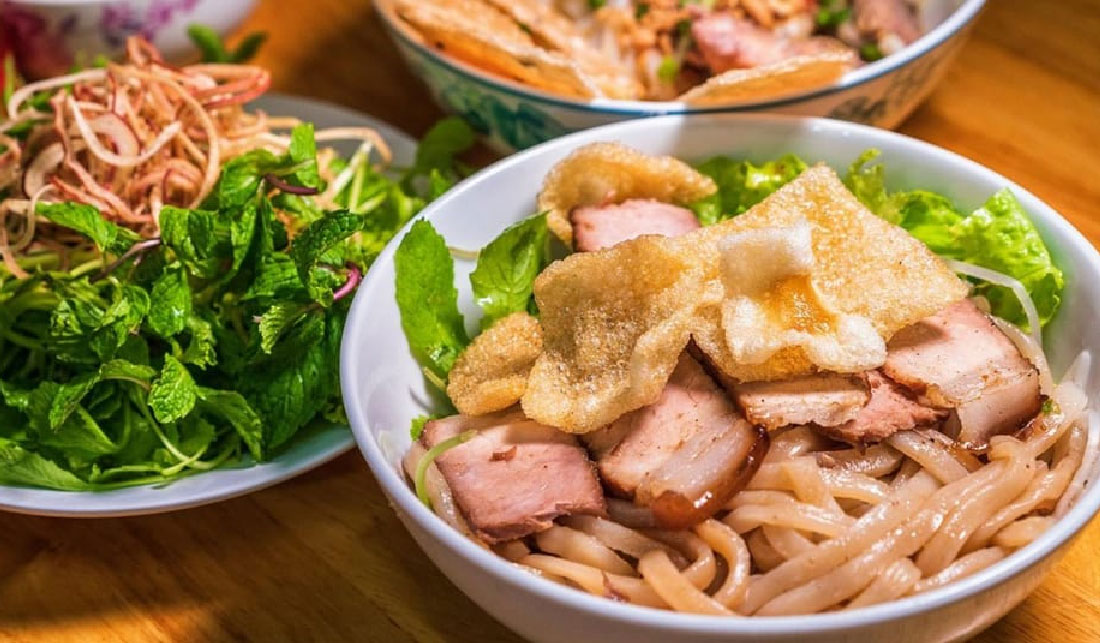
Order a bowl of noodles in Ha Noi, another in Hue, and a third in Ho Chi Minh City, and you could be eating three different cuisines. The broth turns from clear and delicate to red and fiery to light and sweet. The herbs change, the chili changes, and even the sauce on the table changes.
The main reason is geography. Vietnam is long, narrow, mountainous, and coastal, and it holds some of the most fertile river deltas in Asia. Those physical facts decide what grows, what people can catch, how food is preserved, and what the weather asks of a meal. History, trade, and politics added layers, but the land came first.
This guide explains how geography shaped Vietnamese regional cuisine, region by region. If you plan to travel, it also shows how Vietnam top tours can turn these differences into the best meals of your trip.
A long, thin country with very different land
Vietnam stretches roughly 1,650 kilometers from north to south, and it is only a few dozen kilometers wide at its narrowest point in the center. The country has more than 3,200 kilometers of coastline, a mountain range running down most of its western edge, and two large river deltas at either end.
That shape produces three broad food zones, each with its own climate and landscape:
| Region | Landscape | Climate | Flavor in general |
|---|---|---|---|
| North | Red River Delta, northern mountains | Four seasons, with a cool winter | Subtle, savory, balanced |
| Center | Narrow coastal strip between mountains and sea | Hot, with storms and floods | Bold, salty, spicy |
| South | Mekong Delta and tropical lowlands | Warm all year, wet and dry seasons | Sweeter, richer, herb-heavy |
These are generalizations, and the borders blur. A cook in Ha Noi can make a sweet southern dish, and a restaurant in Saigon can serve excellent Hue soup. But as a starting point, the three zones explain most of what you taste.
Northern Vietnam: cool weather, simple flavors
The north has what most of the country lacks: a real winter. Temperatures in Ha Noi can turn cool and damp between December and February, and the hills around Sa Pa get colder still. That climate shapes the food in three ways.
It limits what grows year-round. Northern cooks traditionally relied on rice, vegetables that suit cooler months, pork, freshwater fish, and shellfish from the rivers and rice paddies. Tropical fruits and fresh chilies were less central than they are in the south.
It favors warming dishes. Hot soups and noodle dishes, such as pho, suit a chilly morning. The broth is clear and carefully balanced rather than loaded with chili or sugar.
It rewards restraint. Because the ingredients are fewer and the seasons clear, northern cooking often focuses on the quality of a few components. Bun cha, for example, depends on good grilled pork, fresh herbs, and a well-balanced dipping sauce, not on layers of spice.
The Red River Delta and the northern mountains
The Red River Delta supplies rice, vegetables, pork, ducks, and fish. Rice flour becomes noodles, rolls, and steamed cakes, which is why northern cuisine has so many delicate rice dishes. Banh cuon, thin steamed rice sheets filled with pork and mushrooms, is one example.
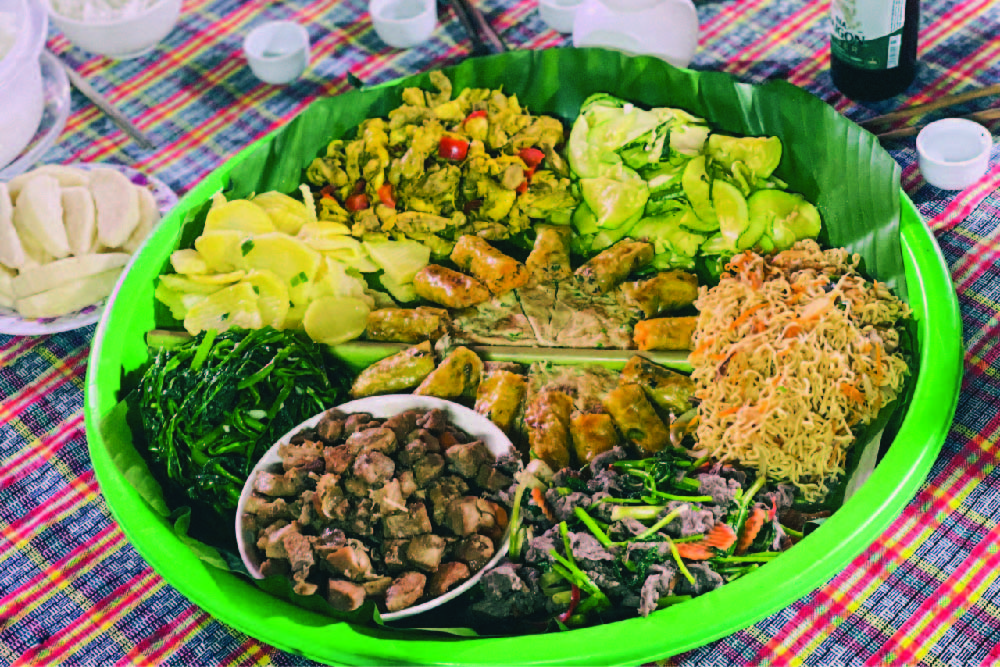
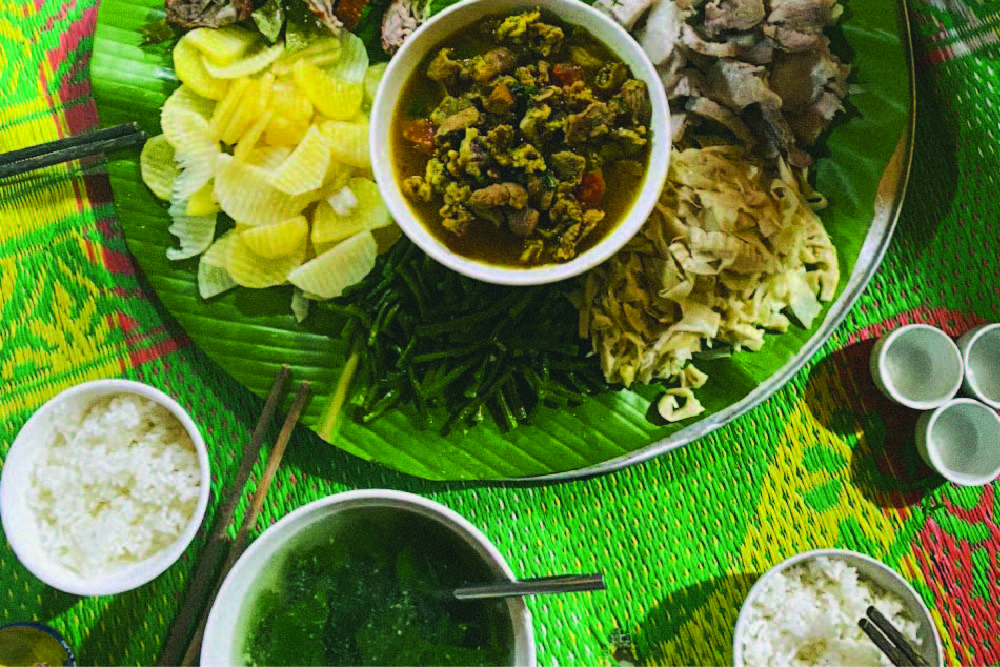
The mountains to the north and northwest add a different layer. Ethnic minority communities there rely on upland rice, sticky rice, corn, forest vegetables, and smoked or cured meats. Food is often preserved by smoking over a kitchen fire, a practical answer to cold weather and long distances between villages. If you visit Sa Pa or Ha Giang, expect hearty, smoky dishes that look nothing like a Ha Noi street stall.
Central Vietnam: a narrow strip and a hard climate
The central coast is the most difficult place to farm in Vietnam. The land is a thin strip squeezed between the Truong Son mountain range and the sea. Soils are often sandy or poor, summers are hot, and the region sits in the path of typhoons and seasonal flooding.
Hard conditions produce resourceful cooking, and that explains much of central cuisine.
Salt, fermentation, and preservation. When storms keep fishing boats in harbor and floods spoil crops, people need food that lasts. Fermented shrimp paste, salted fish, and strong sauces are traditional answers. They add intense flavor, which fits the central taste for bold, salty dishes.
Chili and spice. Central food is the spiciest in Vietnam. Explanations vary, but many cooks and historians point to a mix of climate, scarcity, and the appetite for strong flavors that make simple rice or noodles more satisfying. In bun bo Hue, the broth gets its heat and color from chili oil and its depth from lemongrass and shrimp paste.
Small portions and careful presentation. Hue was the seat of the Nguyen emperors, and the imperial court shaped its food culture. Cooks developed elaborate dishes, small servings, and attention to appearance. Geography supplied the ingredients, and the court supplied the refinement.
Why Hai Van Pass matters

Travelers who drive from Hue to Hoi An cross the Hai Van Pass, a mountain ridge that pushes right up to the sea. Many people describe it as a dividing line between northern and southern climates, and you can often feel the shift in weather as you cross. It makes a handy rule of thumb for food too: ingredients and flavors start to lean one way on one side and the other way on the other, even though the real change is gradual.
Hoi An shows how trade also played a role. The town was an international port, and local dishes such as cao lau reflect the mix of influences that arrived by sea. Even so, the local ingredients and the shape of the coast set the foundation.
Southern Vietnam: delta, abundance, and sweetness
The south has the most generous land in the country. The Mekong Delta is a vast, flat network of rivers and canals fed by silt from upstream. The soil is rich, the water is plentiful, and the climate stays warm all year, so crops can grow almost continuously.
Abundance changes cooking in several ways.
More ingredients, more freedom. Rice, fruit, vegetables, coconut, sugarcane, freshwater fish, shrimp, and herbs all grow or live within a short distance. Southern cooks do not need to preserve and stretch ingredients as much, so they can use fresh ones generously.
Sweetness. Coconut, palm sugar, and cane sugar are easy to find. Many southern dishes include a touch of sweetness, from the sauce on a banh xeo to the broth in a bowl of hu tieu. Coconut water and coconut milk appear in savory dishes and in desserts.
Herbs and greens. A typical southern meal arrives with a plate of fresh herbs, lettuce, bean sprouts, and sliced vegetables. Diners tear, wrap, and assemble their own bites. The tropical climate keeps these plants available all year.
River life. Canals and rivers carry boats, markets, and fish. Freshwater fish, prawns, and river vegetables show up in soups and hotpots, and floating markets once served as the main way to move produce.
The coast and the fish sauce belt
Fish sauce ties the whole country together, but its production is concentrated along the southern and central coast, where anchovies are plentiful. Phu Quoc is the most famous source, and its fish sauce has earned protected geographical status for its quality. Salted, fermented fish is a practical product, and it shows how coastline and climate create a flavor that works across every region.
Mountains, highlands, and rivers: the hidden influences
The three-region model is useful, but the landscape adds more detail.
- The Truong Son range separates the coast from the interior and gives the Central Highlands a cooler climate than the lowlands. Coffee grows well there, and local food traditions differ from the coast.
- Rivers and lakes supply freshwater fish and snails across the country. The same river that irrigates a rice field also feeds the cook.
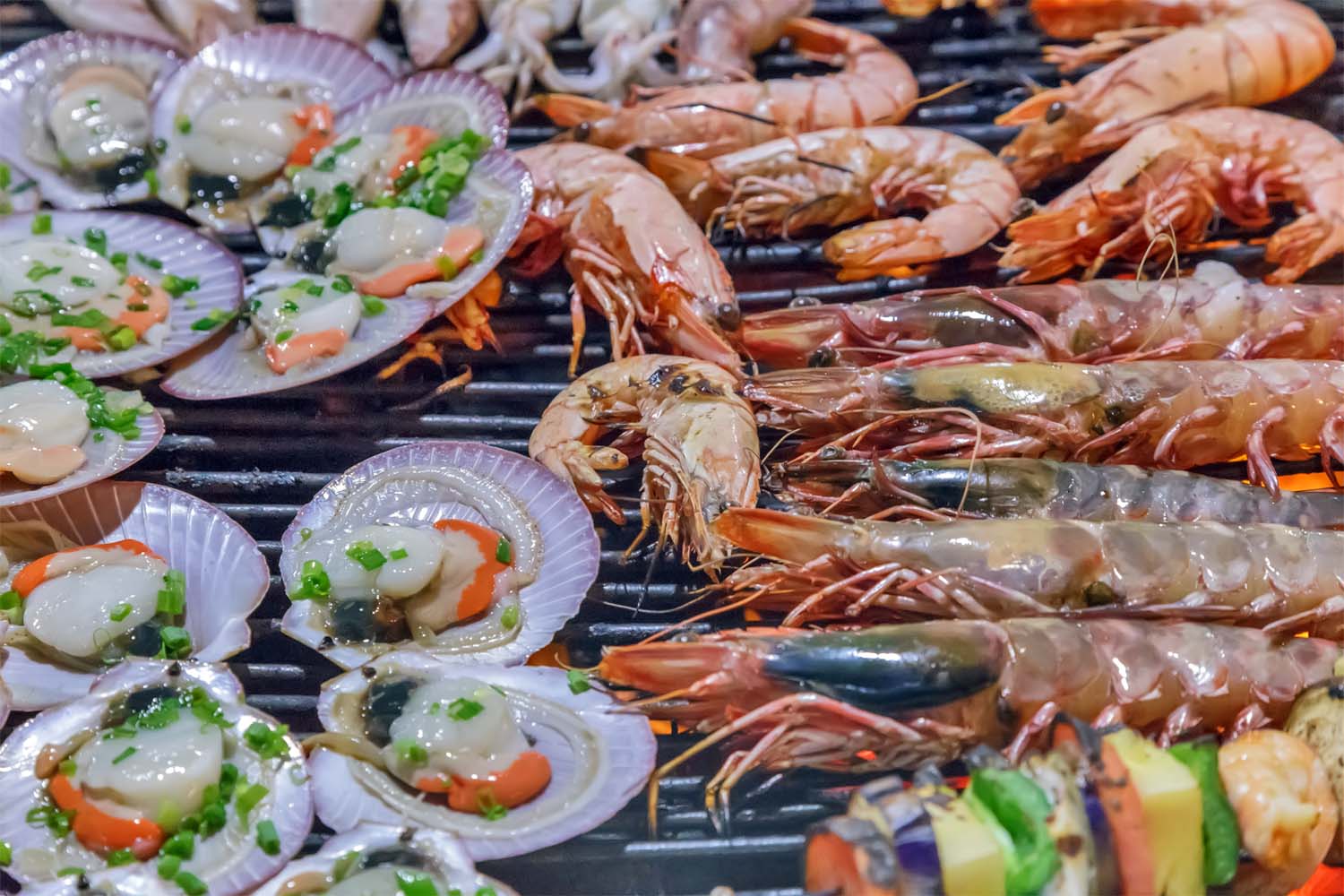
- The sea offers squid, shrimp, crab, and many fish species along the whole coast. Seafood dishes change with the catch, so a grilled fish in Nha Trang tastes different from one in Hai Phong.
- Altitude matters. A traveler in Da Lat can find fresh strawberries, artichokes, and cool-climate vegetables, while someone on the Mekong is eating tropical fruit.
Geography is the base, history adds the layers
Geography explains why each region has the ingredients it does, but people shaped what they did with them. Several factors worked together:
- Trade routes and ports brought spices, noodles, and cooking methods from neighboring countries and farther away.
- Migration within Vietnam carried northern traditions southward over centuries, where cooks adapted them to new ingredients and local tastes.
- Colonial influence left its mark on bread, coffee, and pate, especially in cities.
- Cultural neighbors such as the Khmer and Cham communities shaped dishes in the south and center.
Still, none of these influences would have taken the same form without the land underneath them. Geography set the options, and people made choices within them.
How to taste the differences on a trip
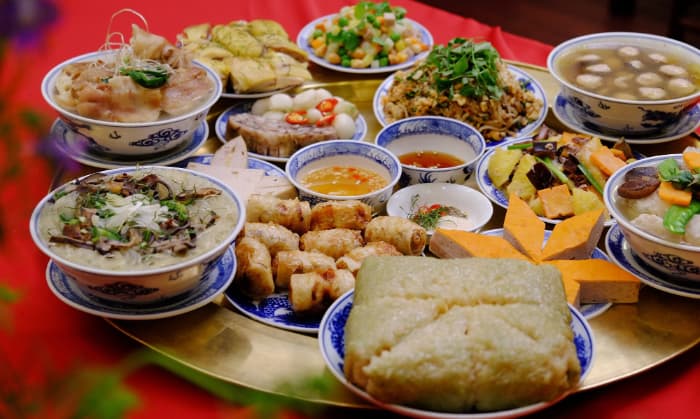
Reading about regional cuisine is one thing. Tasting it is another. A north-to-south route is the easiest way to see how the land changes the plate.
A well-planned trip might include:
- Ha Noi: a bowl of pho and a bun cha lunch to understand northern restraint.
- Hue: bun bo Hue and a few small imperial-style dishes.
- Hoi An: cao lau and a market visit.
- Ho Chi Minh City and the Mekong Delta: banh xeo, hu tieu, and a fruit-and-canal tour.
Many Vietnam top tours covering all three regions build in food experiences like these, such as street food walks, cooking classes, and market visits. If food is a main reason for your trip, ask the operator how many meals are included and whether the itinerary leaves time for local choices. A private tour offers the most freedom to follow your appetite, and a guide can explain why each dish looks and tastes the way it does.
One practical point: fly between regions if time is short. The shift in flavor is easy to notice when you eat in three cities within a week.
FAQ
Why is Vietnamese food different in each region? Because geography, climate, and local ingredients differ. The north has a cool winter and the Red River Delta, the center has a narrow, storm-prone coast, and the south has the fertile Mekong Delta. Each shapes what people grow, catch, preserve, and enjoy.
What is the difference between northern and southern Vietnamese food? Northern food is usually milder, savory, and balanced, with restrained use of spice. Southern food is generally sweeter, uses more fresh herbs and coconut, and takes advantage of year-round tropical produce.
Which region has the spiciest food? Central Vietnam, especially around Hue. Dishes there often use more chili and stronger fermented flavors.
Why is central Vietnamese food so salty and spicy? Often explained by climate and environment: poor soil, storms, and floods encouraged preservation methods and bold flavors. The imperial court in Hue also influenced cooking.
Is Vietnamese food the same everywhere? No. Even a familiar dish such as pho changes between Ha Noi and Ho Chi Minh City in broth, garnishes, and sauces.
What is the best way to try regional food in Vietnam? Travel through more than one region and eat the local specialty in each. Food tours, cooking classes, and market visits help, and many Vietnam top tours include them.
Taste the geography for yourself
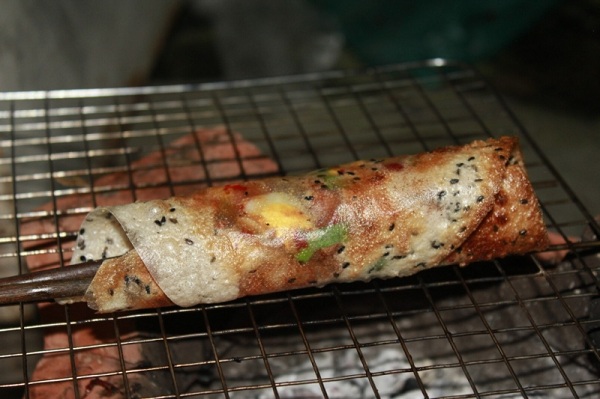
The clearest way to understand Vietnamese cuisine is to follow the land. Start in the cool north, cross the mountains into the central coast, and finish in the warm, green south, and let each meal show you something about where you are. If you would like to build a trip around food, contact TNK Travel to design a route that matches your appetite, your schedule, and the regions you most want to taste.