Vietnam gives photographers an unusual amount to work with. Limestone islands rise from emerald water, lantern-lit streets glow after dark, and terraced hillsides change color with the seasons. Better still, much of it sits within a few hours of the next stop.
This guide covers the most Instagrammable places in Vietnam, region by region. It also explains when to visit each one, how to get better shots, and how to photograph people and sacred sites with respect. Many of the Vietnam top tours that suit photographers already include these stops, so you can use this list to shape your own itinerary or to judge a tour before you book.
Northern Vietnam: karst, mountains, and street life
Ha Long Bay
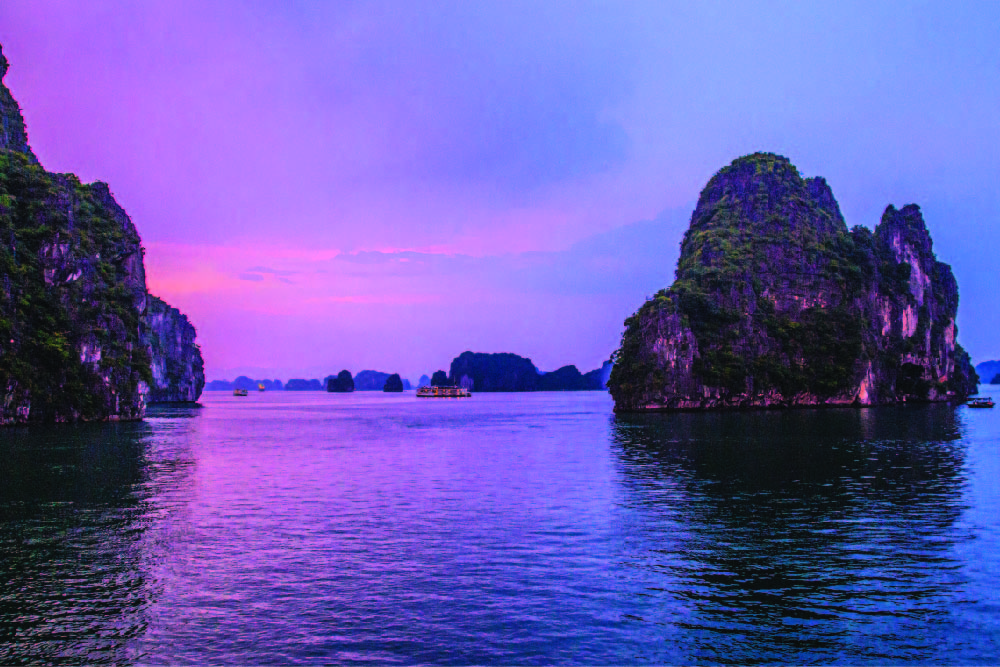
Ha Long Bay is the north’s signature scene. Thousands of limestone karsts rise out of calm green water, and the best light arrives early and late in the day. At sunrise, mist hangs between the islands. At sunset, the rock faces turn gold.
A few tips help here:
- Choose a smaller boat. Fewer guests means more room on deck and fewer people in your frame.
- Look for the traditional junk boats. Their dark wood and red sails make a strong foreground against the karsts.
- Visit a cave. Sung Sot Cave and Thien Cung Cave have lit chambers and rock formations that offer a very different look from the seascapes.
Consider an overnight cruise rather than a day trip. You get both sunset and sunrise on the water, and you avoid the midday crowds.
Ha Noi’s Old Quarter
The Old Quarter works best for street photography. Narrow lanes, tube-shaped shophouses, motorbikes, and food stalls pack into a small area. Walk early in the morning for soft light and quiet streets, or return after dark when the neon and lanterns come on. Weekend night markets add color and movement.
The Temple of Literature offers a calmer contrast. Courtyards, lotus ponds, old trees, and traditional rooftops give you clean, balanced compositions, especially on weekday mornings.
Ha Noi’s Train Street has been a popular photo location, but access has been limited in recent years and rules change. Check the current situation with your hotel or guide before you go, follow staff instructions, and never stand on or near the tracks when a train is due. No photo is worth the risk.

Sa Pa
Sa Pa’s terraced rice fields look best when the rice turns gold, usually from mid-September to October. Earlier in the year, flooded paddies reflect the sky and the surrounding peaks. Mist often fills the valleys at dawn, so an early start pays off.
For sunrise views, head up toward Ham Rong Mountain, or take the cable car on Fansipan if the weather is clear. Cloud can cover the summit for days, so allow a spare day if you can.
Sa Pa is also home to several ethnic minority communities, including the H’mong and the Red Dao. Their clothing is striking, but treat people as people, not as props. Ask before you take a portrait, accept a no, and consider buying something from the person you photograph. A few words of greeting go a long way.
Central Vietnam: lanterns, palaces, and ancient towers
Hoi An
Hoi An is the most photogenic town in the country for many travelers. Yellow shophouses, hanging silk lanterns, and the Thu Bon River create a gentle, romantic mood, particularly after sunset.
The best moments include:
- The monthly full-moon lantern night. Vehicles stay out of the Old Town, candles replace headlights, and the streets fill with soft light.
- The riverfront at dusk. Floating candle lanterns and reflections on the water make an easy, effective shot. The Japanese Covered Bridge and the riverside cafes both give good vantage points.
- Tailor shops. Their fabric displays add color, and many shops welcome photos if you ask first.
Walk the Old Town at dawn too. The same streets look empty and almost pastel before the day-trippers arrive.
Hue
Hue’s Imperial City gives you grand gates, painted halls, quiet courtyards, and moss-covered walls. Large parts were damaged in war, so you will see both restored and weathered sections. Both photograph well, and the contrast tells part of the story.
Outside the citadel, Thien Mu Pagoda sits above the Perfume River and looks best near sunset. The royal tombs, set in landscaped gardens, are quieter and often less crowded. A boat ride on the river gives you a fresh angle on the pagoda and the riverbank.
My Son Sanctuary
My Son’s brick towers date from the Cham civilization, and they look different from Vietnam’s Buddhist temples. The jungle setting adds atmosphere. Arrive when the site opens, because the light is softer and the tour groups have not yet arrived. Short traditional dance performances run during the day and give you color and movement to work with, as long as you stay respectful and do not block the audience.
Southern Vietnam: skylines, rivers, and islands
Ho Chi Minh City
Ho Chi Minh City rewards a night-time approach. From a high vantage point such as the Bitexco Financial Tower’s SkyDeck or one of the rooftop bars around District 1, you can capture the Saigon River, the skyline, and the traffic below. Arrive about thirty minutes before sunset and stay through blue hour, when the sky turns deep blue and the city lights balance against it.
At street level, District 1 mixes French colonial buildings with glass towers. That contrast gives you strong urban frames, and the busy intersections work well for motion shots at slow shutter speeds.
Mekong Delta
The Mekong Delta shows a very different Vietnam. Cai Rang Floating Market, near Can Tho, gathers boats loaded with fruit and vegetables, usually in the early morning. Vendors hang samples from tall poles so buyers can see what each boat sells, which also makes it easy to find a photo. Go at dawn for the best activity and light.
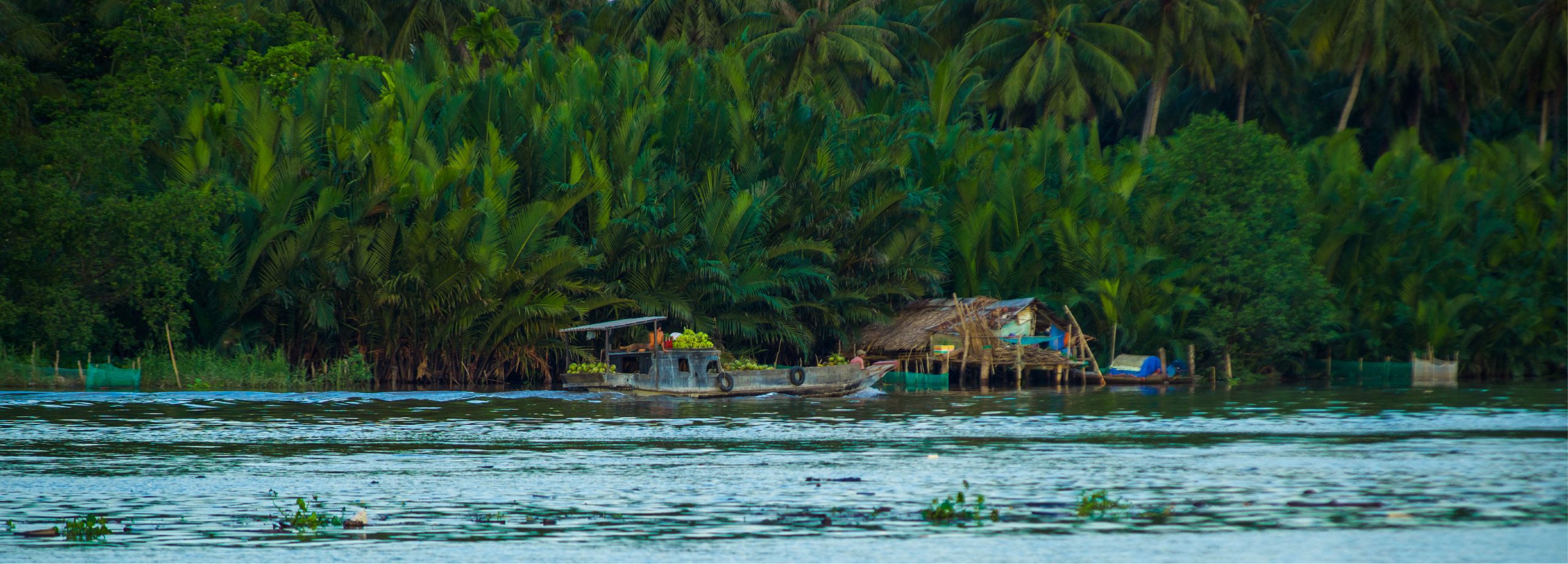
Away from the markets, you can photograph stilt houses, narrow canals, and orchards heavy with dragon fruit, rambutan, and other tropical fruit. Because people live and work here, ask before photographing anyone, and keep your distance from private homes.
Phu Quoc
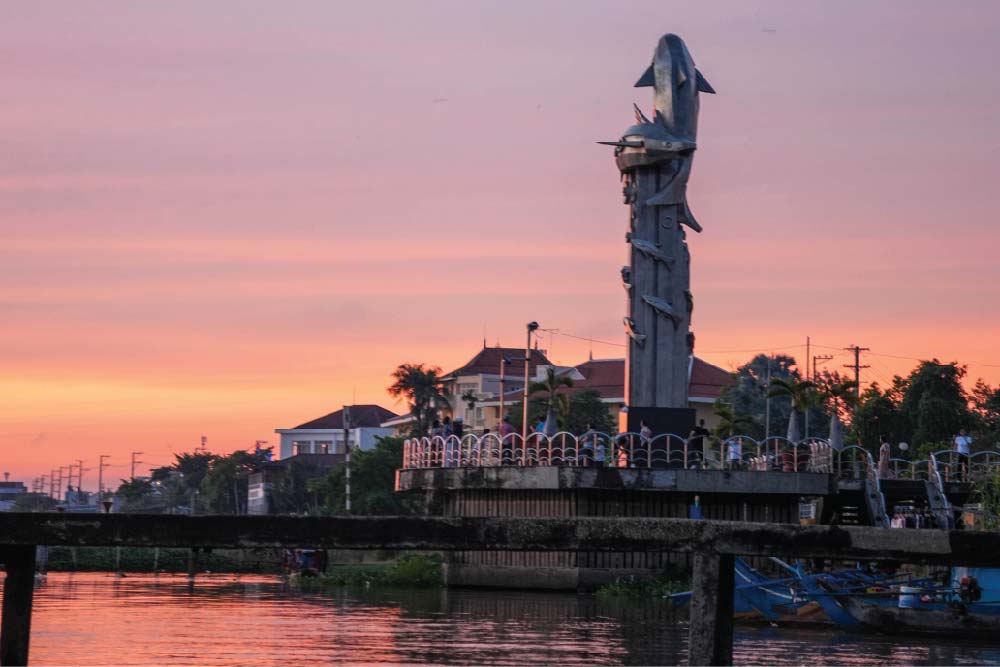
Phu Quoc offers the classic tropical look. Sao Beach has pale sand and clear turquoise water, and the island’s west coast faces the sunset. Dinh Cau Rock, at Duong Dong, gives you a striking sunset silhouette with fishing boats in the foreground. The Hon Thom cable car, one of the longest sea-crossing cable cars in the world, offers aerial views of the islands and the water below.
Photography tips for Vietnam
Plan around the light. Vietnam sits close to the equator, so golden hour is short. Sunrise falls roughly between 5:00 and 6:30 a.m. and sunset between 5:15 and 6:30 p.m., depending on the season and the region. Arrive early and be ready to move quickly.
Protect your gear. Humidity can fog lenses, and sudden rain is common. Carry a microfiber cloth, a rain cover, and a few silica gel packets for your camera bag.
Bring extra power and storage. Long days drain batteries fast, and rural areas may offer few charging points. A power bank and spare memory cards solve both problems. Many sockets accept both flat and round plugs, but bring an adapter if you are unsure.
Learn the basics of exposure. Overcast skies are common and indoor temples can be dim. Adjust exposure compensation and white balance if the colors look flat. Most modern phones handle low light well, especially if you steady them against a wall or a railing.
Etiquette: photograph with respect
- Temples and pagodas. Photography is often allowed in public areas, but restrictions can apply near altars and during ceremonies. Follow posted signs, cover your shoulders and knees, and keep your voice down.
- People. Always ask before taking a portrait. A smile and a gesture usually work, and a simple “xin chao” helps.
- Drones and professional gear. Some locations require permits, and drone rules are strict in many areas. Check local regulations before you fly or set up a shoot.
- Local communities. Do not enter homes, farms, or workshops without invitation. Remember that your best photos come from genuine moments, not from staged scenes.
When to go
| Region | Best season for photos | Why |
|---|---|---|
| North (Ha Noi, Ha Long Bay, Sa Pa) | September to December | Clearer skies, comfortable temperatures, golden rice in Sa Pa from mid-September to October |
| Central (Hue, Hoi An, My Son) | February to August | Drier weather and more predictable light |
| South (Ho Chi Minh City, Mekong Delta, Phu Quoc) | December to April | Dry season, calm seas, clear skies |
Central Vietnam gets heavy rain and occasional typhoons from roughly September to December, so build in a spare day if you travel then.
Why a guided photo itinerary can help
Independent travel works well in Vietnam, but a good guide changes the shoot. Local guides know when the market peaks, which streets empty out first, and where to stand for the best light. Some Vietnam top tours include private guides, small groups, and flexible schedules, which gives you more time at each stop. If photography is your main goal, ask a tour operator about group size, sunrise and sunset timing, and how much flexibility the itinerary allows.
FAQ
What are the most Instagrammable places in Vietnam? Ha Long Bay, Ha Noi’s Old Quarter, Sa Pa’s rice terraces, Hoi An’s lantern-lit Old Town, Hue’s Imperial City, the Mekong Delta’s floating markets, and Phu Quoc’s beaches top most lists.
When is the best time of year for photos in Vietnam? It depends on the region. Aim for September to December in the north, February to August in the center, and December to April in the south.
Is it okay to photograph local people in Vietnam? Yes, if you ask first and accept a refusal. Be especially respectful with ethnic minority communities, and consider buying something from the people you photograph.
Can I fly a drone in Vietnam? Drone rules are strict, and many locations require permits or ban drones entirely. Check current regulations before you bring one.
Do Vietnam top tours include photography stops? Many do, especially itineraries that cover Ha Long Bay, Hoi An, and the Mekong Delta. If photography matters to you, look for smaller groups and flexible schedules.
Plan your shots, then travel slowly
Vietnam is easy to photograph, but the best images come from good timing, a little patience, and respect for the people and places in front of the lens. Pick two or three locations that match your interests, check the season, and leave room for the unplanned moments. They often become the favorites.