South of Ho Chi Minh City, the Mekong River fans out into a maze of rivers, canals, and rice paddies known as the Mekong Delta — Vietnam’s “rice bowl” and one of the most distinct regions in the country. Life here still moves largely by water: floating markets trade produce boat-to-boat at sunrise, homes and orchards line narrow canals only reachable by sampan, and entire villages make their living from fruit farming, fish sauce production, and coconut candy workshops passed down through generations.
For travelers based in Ho Chi Minh City, the Mekong Delta is one of the most rewarding regions to add to an itinerary — offering a completely different pace and landscape from the city, whether you have a single day to spare or several.
Why visit the Mekong Delta
- A different side of Vietnam. Where Ha Noi and Ha Long Bay showcase the north’s mountains and karsts, the Mekong Delta shows the lush, water-based rhythm of the south.
- Living culture, not staged attractions. Floating markets, fruit orchards, and rice paper and coconut candy workshops are still part of daily commerce, not recreations for tourists.
- Flexible trip length. The region works equally well as a single busy day from Ho Chi Minh City or a slower multi-day loop through Can Tho, Ben Tre, and beyond.
Best time to visit the Mekong Delta
| Season | Months | Weather | Notes |
|---|---|---|---|
| Dry season | December–April | Warm, low rainfall, high humidity | The most popular window — reliable weather for boat trips and markets |
| Early wet season | May–July | Hot, occasional afternoon showers | Lush, green scenery; showers are usually short |
| Peak wet season | August–November | Frequent rain, higher river levels | Some low-lying areas may flood seasonally, especially in An Giang and Dong Thap provinces |
Best overall window: December to April, when rainfall is lowest and river conditions are most predictable. If you visit during the wet season, mornings are typically drier than afternoons, so plan floating market visits and boat trips early in the day.
Top things to do in the Mekong Delta
1. Visit a floating market at sunrise
The Mekong Delta’s floating markets are the region’s signature experience — vendors sell produce directly from boat to boat, with each boat displaying a sample of its goods on a tall pole so buyers can spot what they’re selling from a distance. Cai Rang Floating Market, near Can Tho, is the largest and most popular, best visited between 6:00 and 8:00 a.m. before the market thins out.
2. Cruise the smaller canals by sampan
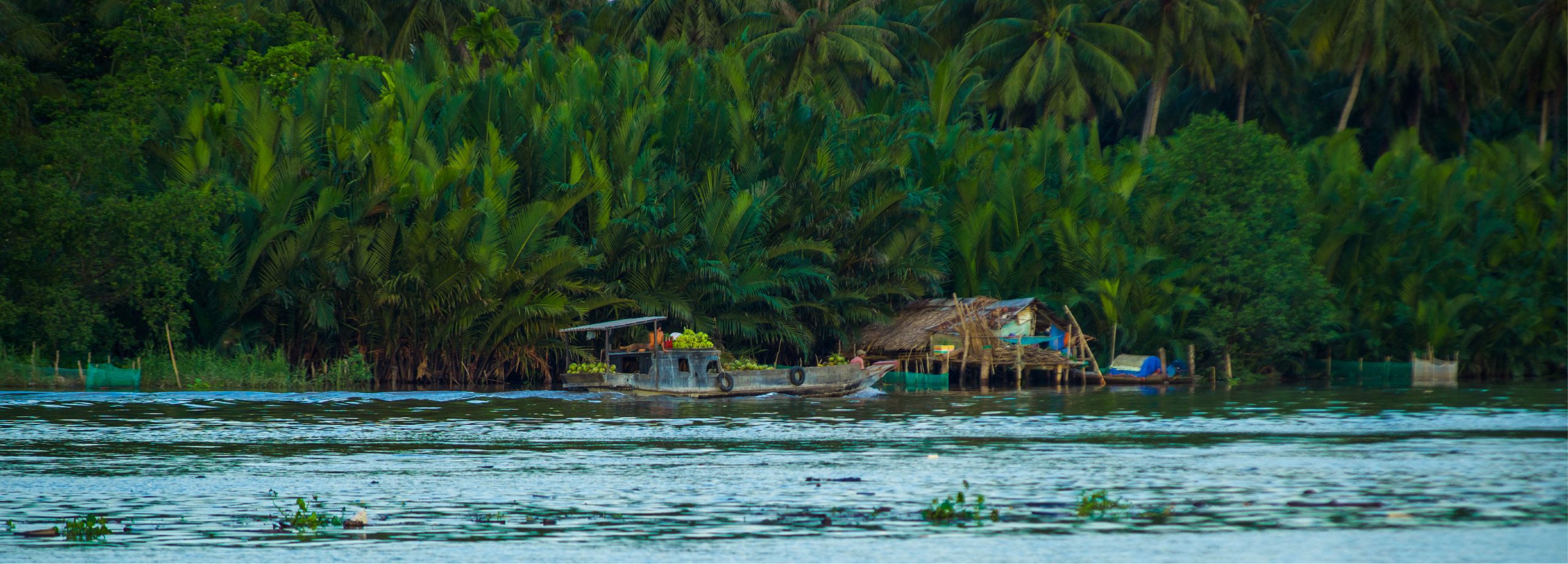
Beyond the main rivers, a network of narrow canals winds through fruit orchards and small villages, accessible only by smaller wooden boats. These quieter waterways offer a closer look at daily life — homes on stilts, fishing nets, and locals paddling to and from market.
3. Visit a coconut candy or rice paper workshop
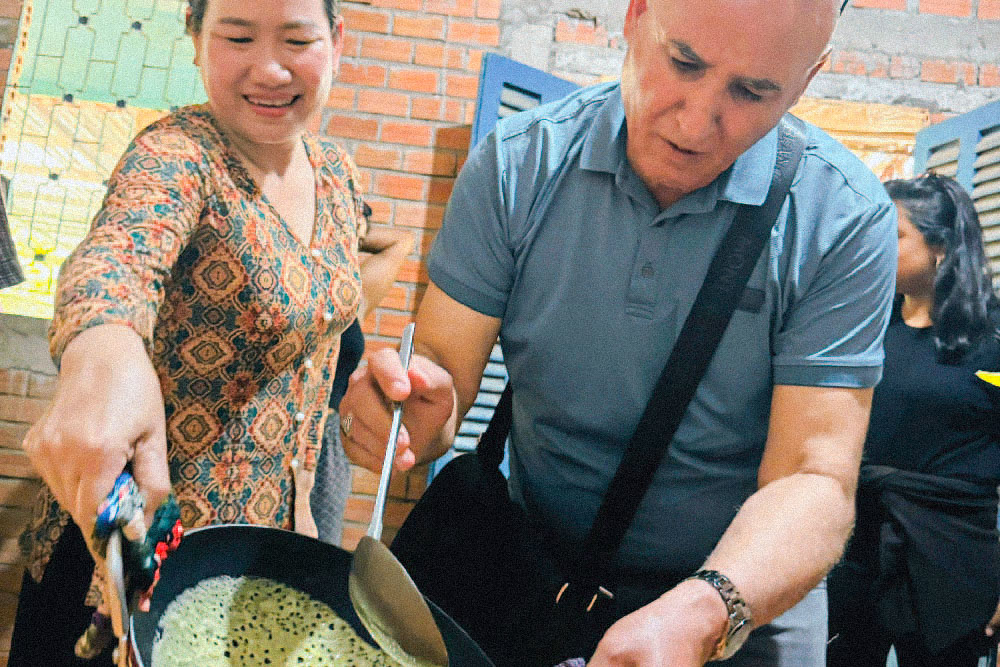
Ben Tre province, often called the “coconut kingdom,” is known for small family-run workshops producing coconut candy, rice paper, and puffed rice by hand. Many welcome visitors to watch the process and sample the results.
4. Explore Can Tho, the delta’s largest city
Can Tho serves as the practical hub for exploring the delta, with easy access to Cai Rang Floating Market and a lively night market along the riverside promenade. It’s the most common overnight base for multi-day Mekong Delta trips.
5. Cycle through orchard villages
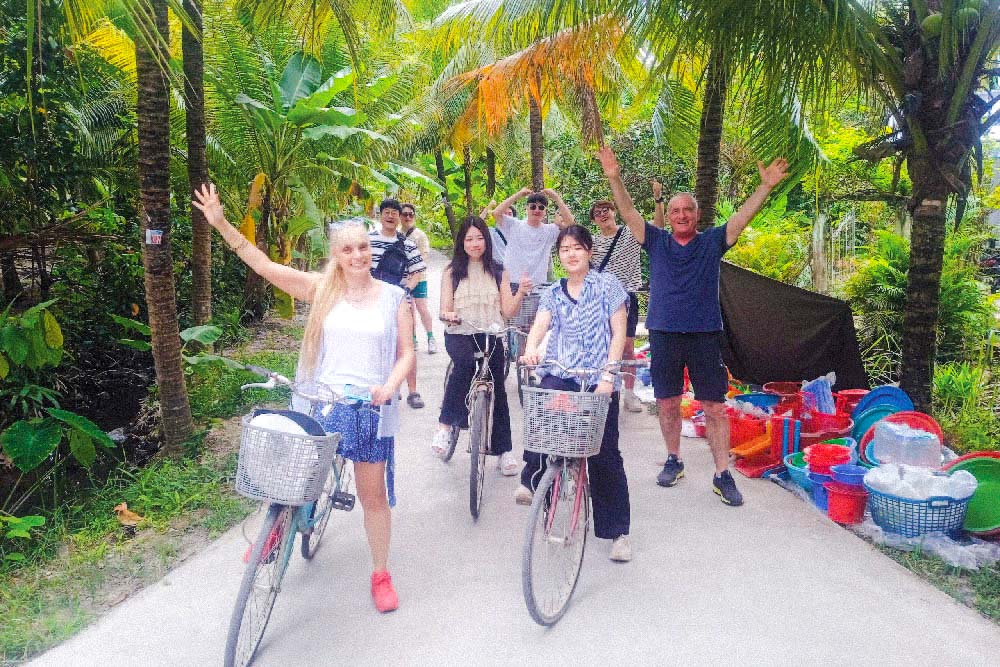
Flat terrain and quiet roads make much of the delta well-suited to cycling, particularly around Ben Tre and Vinh Long, where routes wind through fruit orchards and small hamlets.
6. Try regional specialties
The Mekong Delta has a distinct food identity shaped by its abundance of fresh produce, river fish, and coconut. Look for:
- Hu tieu — a Southern Vietnamese noodle soup, often with pork and seafood
- Ca loc nuong trui — grilled snakehead fish, a delta specialty
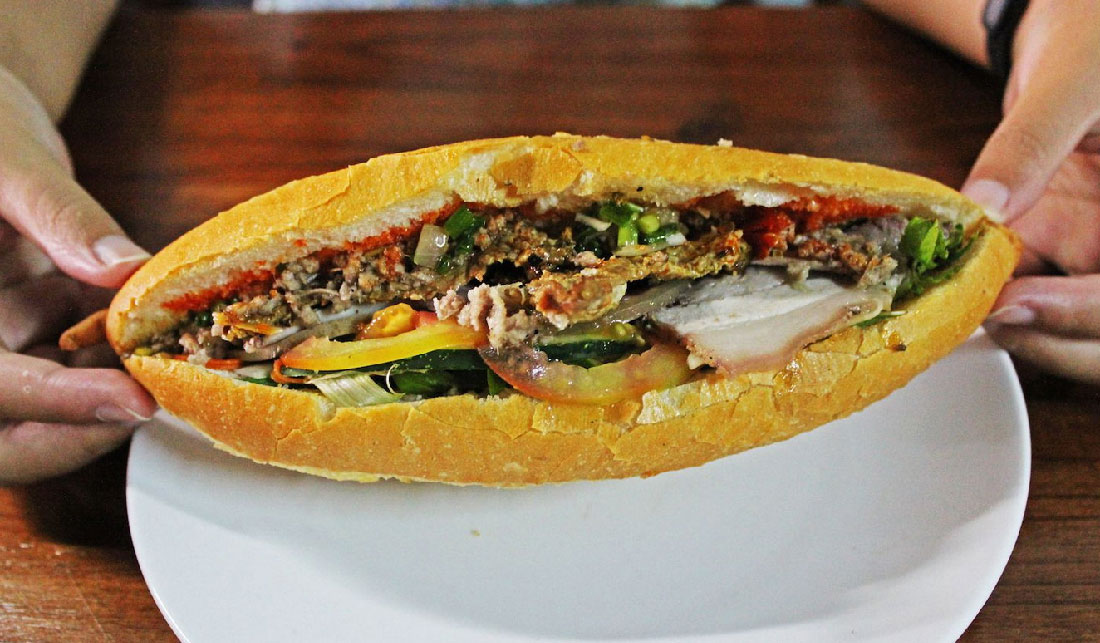
- Banh xeo — crispy Vietnamese savory pancakes, larger and often served differently than in central or northern Vietnam
- Fresh tropical fruit — dragon fruit, rambutan, durian, and mangosteen depending on season, often sampled straight from orchard visits
Day trip vs. multi-day Mekong Delta: which should you choose?
| Factor | Day trip from Ho Chi Minh City | Multi-day trip (2–3 days) |
|---|---|---|
| Travel time | ~2–2.5 hours each way | Same, but with an overnight base (typically Can Tho) |
| What you’ll see | One floating market area, a canal boat ride, one workshop stop | Multiple markets, canals, orchards, and villages across a wider area |
| Pace | Fast — most of the day is scheduled activity | Relaxed — time to linger, cycle, or explore beyond the main stops |
| Best for | Travelers with limited time or already visiting My Tho/Ben Tre area | Travelers who want to reach Can Tho and Cai Rang, the delta’s largest floating market |
| Approximate cost | Lower | Higher (includes accommodation) |
A common trade-off: Cai Rang, the delta’s largest and most photogenic floating market, is near Can Tho — too far from Ho Chi Minh City for a comfortable single-day round trip. Day trips typically visit smaller markets and canals closer to the city (around My Tho or Ben Tre), while multi-day trips are needed to reach Can Tho and Cai Rang comfortably.
Sample 2-day Mekong Delta itinerary
Day 1 — Ho Chi Minh City to Can Tho Morning: Depart Ho Chi Minh City, drive to Ben Tre or Vinh Long Midday: Canal boat ride, coconut candy workshop, lunch by the river Afternoon: Continue to Can Tho, check in Evening: Can Tho night market along the riverside
Day 2 — Cai Rang and return Early morning (5:30–6:00 a.m.): Boat out to Cai Rang Floating Market at sunrise Late morning: Visit a local orchard or rice paper workshop Afternoon: Return journey to Ho Chi Minh City
What to pack for the Mekong Delta

- Sun protection: hat, sunscreen, and sunglasses — most boat time offers little shade
- Light, breathable clothing: humidity is high year-round
- A light rain jacket: useful even in dry season for brief showers
- Insect repellent: canal-side and orchard areas can have mosquitoes, especially near dusk
- Comfortable, secure footwear: boat docks and village paths can be uneven or slippery
- Cash in small denominations: useful for market purchases and workshop tastings
Frequently asked questions
Is one day enough for the Mekong Delta? A day trip gives you a solid introduction — typically a canal boat ride, a smaller floating market, and a workshop visit — but it won’t reach Can Tho or Cai Rang, the delta’s largest floating market, which requires an overnight stay to visit comfortably.
What is the best floating market to visit in the Mekong Delta? Cai Rang, near Can Tho, is the largest and most well-known. Smaller markets closer to Ho Chi Minh City, such as those near My Tho or Ben Tre, are more accessible for day trips but less extensive.

What time should I visit a floating market? Early morning, ideally between 6:00 and 8:00 a.m. Activity drops off significantly by mid-morning as vendors finish trading for the day.
Is the Mekong Delta worth visiting if I’ve already seen Ha Long Bay or Ninh Binh? Yes — the Mekong Delta offers a distinctly different landscape and cultural experience centered on Southern Vietnam’s river-based way of life, making it a strong complement to Northern Vietnam’s karst and mountain scenery rather than a repeat of it.
Do I need a guide to visit the Mekong Delta? It’s not required, but a local guide is particularly useful here — understanding market timing, navigating the smaller canals, and communicating with local vendors and workshop owners is much easier with local knowledge.
Is the Mekong Delta safe for tourists? Yes, the Mekong Delta is generally safe and welcoming to travelers. As with boat travel anywhere, follow standard safety practices such as wearing a life vest when provided.
Plan your Mekong Delta trip with TNK Travel
Whether you have a single day or want to reach Can Tho and Cai Rang Floating Market on a multi-day trip, TNK Travel can build the right itinerary around your schedule. Explore our Mekong Delta day tours and multi-day Mekong Delta packages, or get in touch with our travel consultants to plan your route.