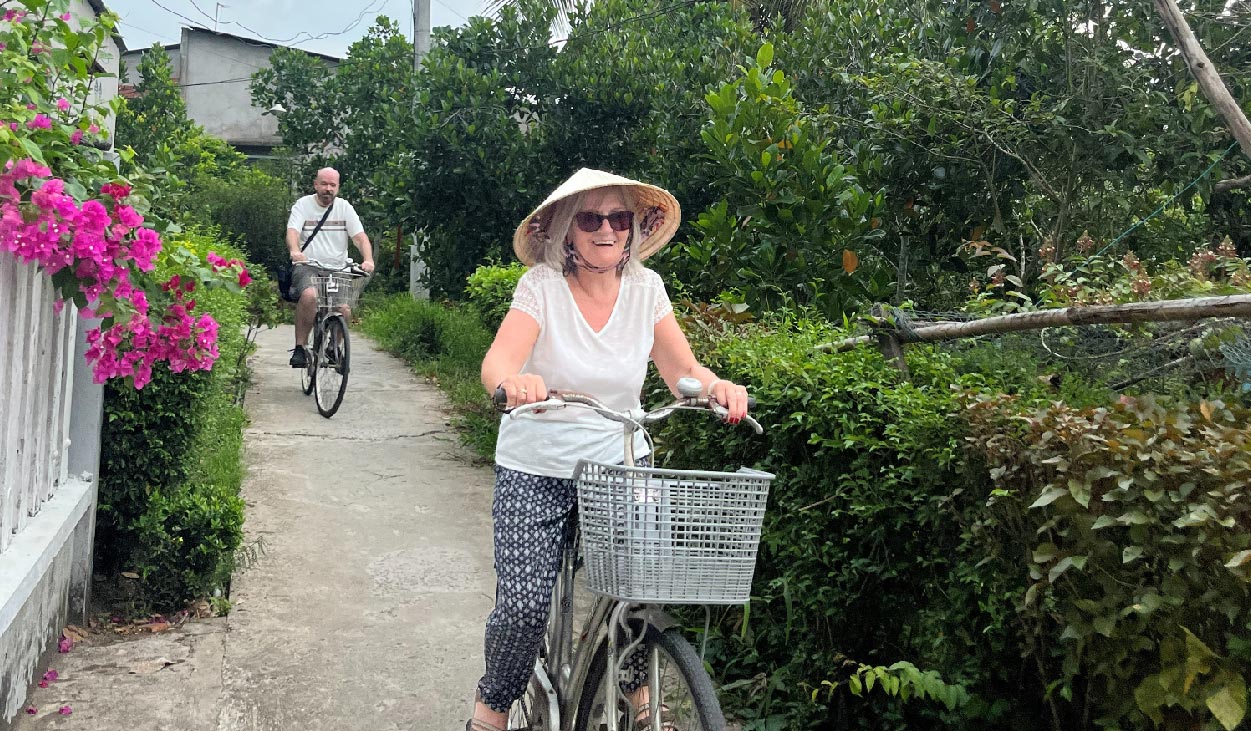
Vietnam is one of the more approachable countries in Southeast Asia for solo female travelers. Violent crime against tourists is rare, women traveling alone are a common sight in every major destination, and the country’s dense street life — cafes spilling onto sidewalks, night markets, families out until late — means you’re rarely walking through empty, unwatched spaces. That said, “generally safe” isn’t the same as “no preparation needed.” The real risks solo female travelers face in Vietnam are mostly practical: petty theft, transport scams, and road safety, rather than personal safety threats.

This guide covers what to actually watch for, how to handle it, and which routes work well for a first solo trip versus a more adventurous one.
Is Vietnam safe for solo female travelers?
Yes, by most measures. Government travel advisories from the US, UK, Australia, and Canada consistently rate Vietnam as requiring only “normal safety precautions” — the lowest risk tier these agencies issue. Solo female travelers regularly describe Vietnam as one of the more comfortable countries in the region to navigate alone, citing welcoming locals and a strong tourism infrastructure in the main destinations.
The honest caveats:
- Petty theft (bag snatching, pickpocketing) is the most common real risk, particularly in Ha Noi and Ho Chi Minh City.
- Road safety is a bigger concern than crime. Traffic accidents, especially involving motorbikes, are a leading cause of traveler injury in Vietnam.
- Harassment is uncommon but not nonexistent — most solo female travelers report occasional stares or unwanted attention rather than aggressive behavior, particularly in more touristed areas.
- Rural and mountain areas require more caution, less because of crime and more because of limited infrastructure, spotty phone signal, and roads that can be genuinely dangerous (the Ha Giang Loop is frequently cited for this).
Practical safety tips for solo traveler

Use ride-hailing apps over street taxis and xe om. Grab, Be, and Xanh SM show the driver, route, and price upfront, which removes most of the ambiguity that leads to overcharging or getting taken somewhere you didn’t ask for. If you do need a street taxi, stick to reputable brands (Mai Linh and Vinasun are the most recognized) and confirm the meter is running before you set off.
Keep valuables away from the curb. Motorbike bag-snatching is a real and specific risk in Ha Noi and Ho Chi Minh City — thieves ride past and grab bags, phones, or cameras from pedestrians walking near the road. Wear crossbody bags across your body rather than on one shoulder, and walk on the side of the sidewalk furthest from traffic when possible.
Carry small bills and count change. The most common transport and market scam is switching a large note for a similar-colored smaller one during payment. Pay with exact change where possible, and check unfamiliar bills before handing them over.
Be selective with overnight buses and trains, especially alone. Book through reputable operators (ask your hotel or a local tour company for current recommendations) rather than the cheapest option available. This matters more for long overnight routes than short city transfers.
Don’t rent a motorbike unless you’re already an experienced rider. Road accidents are consistently one of the more serious risks travelers face in Vietnam, and traffic norms differ significantly from Western countries. If you want the mobility, hire a driver (xe om or a private car) instead, especially on mountain routes.
Trust your hotel or homestay host for local, current advice. Scam patterns and unsafe areas shift over time and vary by city. Front desk staff and homestay hosts are usually the most reliable, up-to-date source for “is it fine to walk here at night” questions.
Avoid walking alone late at night outside well-lit, touristed streets. This isn’t Vietnam-specific advice so much as general solo-travel practice — most solo female travelers report feeling comfortable in central tourist areas after dark, but exercise more caution in quieter side streets or unfamiliar neighborhoods.
Keep a digital and physical copy of your passport and visa. Standard travel practice, but worth repeating given how central visa paperwork is to entering and exiting Vietnam smoothly.

Common scams to know before you go
| Scam | What happens | How to avoid it |
|---|---|---|
| Money switching | A large note is swapped for a similar-colored smaller one during a transaction | Pay with exact change; check bills before handing them over |
| Taxi meter tampering | Meter runs faster than normal, or driver claims it’s “broken” | Use Grab/Be instead of street hails; confirm price or meter use before the ride starts |
| Fake hotel/hostel claims | A taxi driver says your booked hotel is “closed” or “full” and redirects you to a commission-paying alternative | Insist on being taken to your actual booking; have the address and a screenshot ready |
| Overcharging on arrival | A price agreed upfront is inflated once you arrive at your destination | Confirm total price, including luggage or distance surcharges, before starting the trip |
| Motorbike rental disputes | Rental staff “steal back” the bike, then charge the renter for a missing motorbike | Rent only from reputable shops with clear contracts; photograph the bike’s condition before riding off |
None of these are unique to solo female travelers, but they’re worth knowing in advance simply because reacting calmly (rather than escalating) is usually the fastest way to resolve them.
Best routes for solo female travelers

First-timer route: Ha Noi → Ha Long Bay or Ninh Binh → Hoi An → Ho Chi Minh City This is the classic north-to-south route and a strong choice for a first solo trip. It hits well-established tourist infrastructure throughout, keeps overnight transport to a minimum, and offers a mix of city, coast, and countryside without requiring remote or difficult logistics.
City-comfortable route: Ha Noi → Hue → Hoi An → Da Nang A good option if you want strong walkability and a well-developed expat and remote-worker scene alongside sightseeing. Da Nang in particular is often highlighted as an easy, modern base with good English-language infrastructure.
Countryside add-on: Ninh Binh For travelers who want a rural, scenic experience without the logistics of a multi-day trek, Ninh Binh is an easy day or overnight trip from Ha Noi with boat tours and cycling routes through well-touristed limestone karst scenery.
More adventurous route: add Sa Pa Sa Pa’s trekking and homestay culture is very manageable solo, especially with a local guide, which is standard practice for multi-day treks regardless of traveler experience level. It’s a good add-on once you’ve settled into Vietnam’s pace rather than a recommended first stop.
Routes to approach with more preparation: Ha Giang Loop The mountain roads and motorbike-heavy culture of the Ha Giang Loop carry more genuine risk than the rest of the well-touristed circuit, mainly due to road conditions rather than crime. If you’re drawn to it, going with a guided tour or an experienced group — rather than self-driving alone — is the safer approach.
What to pack with solo safety in mind
- A crossbody or anti-theft bag with hidden compartments, worn on the side away from traffic
- A portable charger, so you’re never without a working phone for maps or ride-hailing apps
- A local SIM or eSIM active from arrival, so Grab, Google Maps, and messaging work immediately
- Photocopies (physical and digital) of your passport and visa approval
- Comprehensive travel insurance that covers theft, medical care, and trip disruption
FAQ

Is Ha Noi or Ho Chi Minh City safer for a solo female traveler? Both are broadly comparable in safety and are the two most touristed cities in the country, though petty theft (particularly motorbike bag-snatching) is reported in both. Standard city precautions apply in either.
Do I need to dress conservatively in Vietnam? Vietnamese culture leans modest, especially outside major tourist areas, but there’s no strict dress code for foreign travelers. Covering shoulders and knees is expected at temples and pagodas regardless of gender.
Is it normal to get stared at as a solo female traveler? Some travelers report curious looks, particularly outside major cities, but this is generally not accompanied by aggressive behavior. Most solo female travelers describe it as mild curiosity rather than harassment.
Should I tell my accommodation my daily plans? It’s a reasonable habit, especially for solo trekking or rural day trips, since hosts and hotel staff are often the fastest source of help if plans change or something feels off.
Is solo travel in Vietnam expensive? No — Vietnam is one of the more affordable countries in Southeast Asia for solo travelers, which also makes it easier to book private transport or guided tours where extra safety margin is worth the cost.
Planning your route
The safest version of solo travel in Vietnam is usually the well-supported version — reliable transport, a rough daily plan, and local guidance where it counts, without over-planning every hour. Explore TNK Travel’s Vietnam tours for itineraries and small-group options that give you structure where it helps most, while still leaving room to travel at your own pace.