Vietnam is known for tropical weather, strong sunlight, and humid summers, but many travelers are surprised to discover that not every part of the country feels overwhelmingly hot all year long. While cities like Ho Chi Minh City or Hanoi can become intense during peak heatwave periods, Vietnam also offers destinations where the climate feels significantly cooler, softer, and easier to handle.
For travelers planning longer trips through Vietnam, choosing the right destinations during hotter months can completely change the experience. Cooler mountain towns, elevated cities, coastal areas with stronger sea winds, and slower countryside destinations often provide relief from the heavy tropical heat found in larger urban centers.
The important thing to understand is that Vietnam’s geography changes dramatically from region to region. Elevation, humidity, wind, and seasonal weather patterns all shape how a place feels physically. Some destinations remain surprisingly comfortable even during the hottest periods of the year.

Da Lat: Vietnam’s most famous escape from the heat
Da Lat is easily the first destination most people mention when discussing cooler weather in Vietnam.
Located in the Central Highlands at a much higher elevation than southern cities, Da Lat feels completely different from places like Ho Chi Minh City. Temperatures remain significantly cooler throughout the year, especially during mornings and evenings. Many travelers are shocked the first time they arrive and realize they suddenly need a light jacket after spending days in tropical heat.
The city’s atmosphere also feels calmer because the climate naturally slows things down. Pine trees, flower gardens, lakes, cafés, and misty mornings create an environment that feels more relaxed than Vietnam’s larger cities.
One reason Da Lat works so well during heatwave periods is that the weather encourages outdoor exploration without the physical exhaustion that often comes with tropical humidity. Travelers can comfortably walk around lakes, visit cafés, explore waterfalls, or spend long afternoons outdoors without feeling completely drained by the climate.
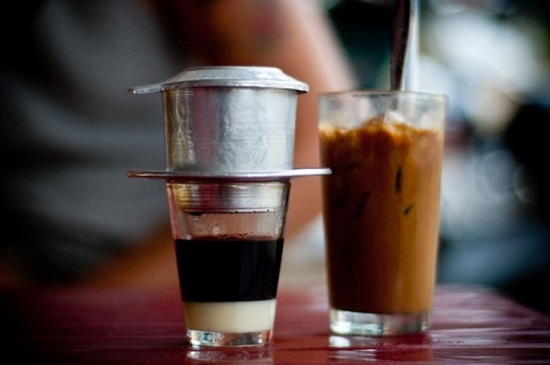
The city also has a strong café culture partly because the cooler air naturally supports slower daily routines. Sitting inside mountain cafés while fog moves through the hills becomes part of the Da Lat experience itself.
Sa Pa: mountain air and cooler temperatures

Sa Pa offers another completely different climate experience compared to lowland Vietnam.
Located high in the mountains of northern Vietnam, Sa Pa becomes one of the best destinations for travelers wanting relief from intense summer heat. Temperatures remain noticeably cooler because of elevation, especially during mornings, evenings, and rainy periods.
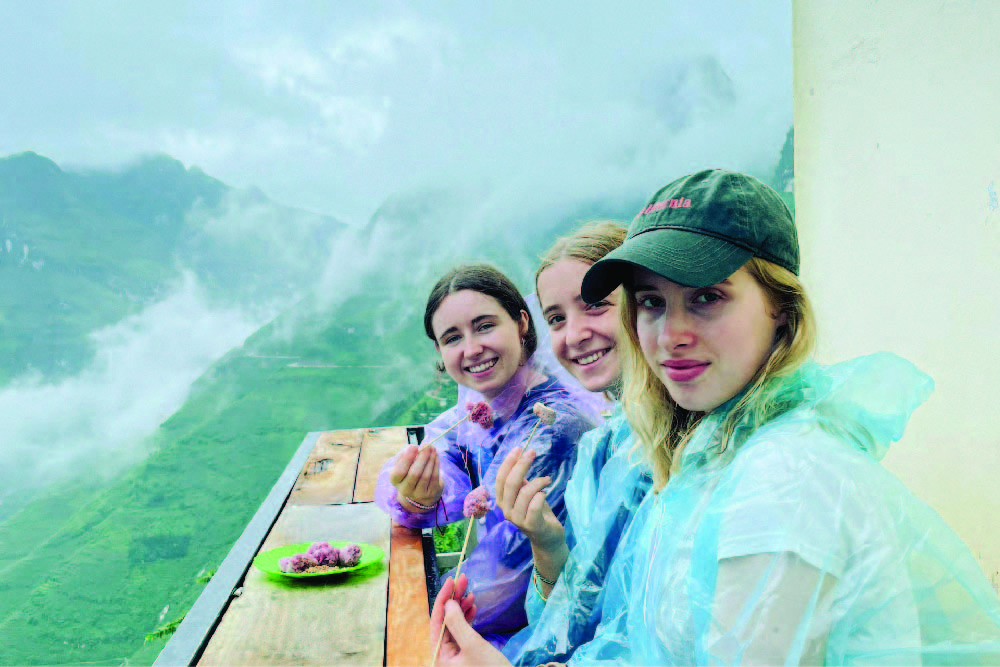
Unlike tropical southern cities, Sa Pa often feels fresh rather than humid. Mist, clouds, mountain winds, and terraced rice fields create an atmosphere that feels much softer physically.
For travelers spending weeks in hotter regions of Vietnam, arriving in Sa Pa can feel like a complete reset. Walking outdoors suddenly becomes enjoyable again, and long treks through villages or rice terraces become physically manageable in ways they might not feel in lower-altitude destinations.
The weather also changes the emotional atmosphere of the destination. Cooler temperatures, fog moving through valleys, and quiet mountain scenery create a slower and calmer travel experience overall.
Ha Giang: cooler air and open landscapes

Ha Giang is not cold year-round, but compared to Vietnam’s major urban centers, the mountainous geography often creates noticeably more comfortable conditions.
The region’s open roads, higher elevation, and lower urban density help reduce the heavy trapped heat often felt in large cities. Motorbike journeys through mountain passes feel far more manageable than walking through dense tropical streets during extreme heatwaves.
One important difference in Ha Giang is airflow. Wind moving through valleys and mountain roads naturally cools the environment, especially during mornings and evenings.
The experience also feels psychologically cooler because the landscapes remain open and green instead of surrounded by concrete and traffic-heavy streets.
Hoi An during early mornings and evenings
Hoi An can still become hot during summer months, but many travelers find it more manageable than larger urban centers because of its slower pace and coastal influence.
One important thing about Hoi An is timing.
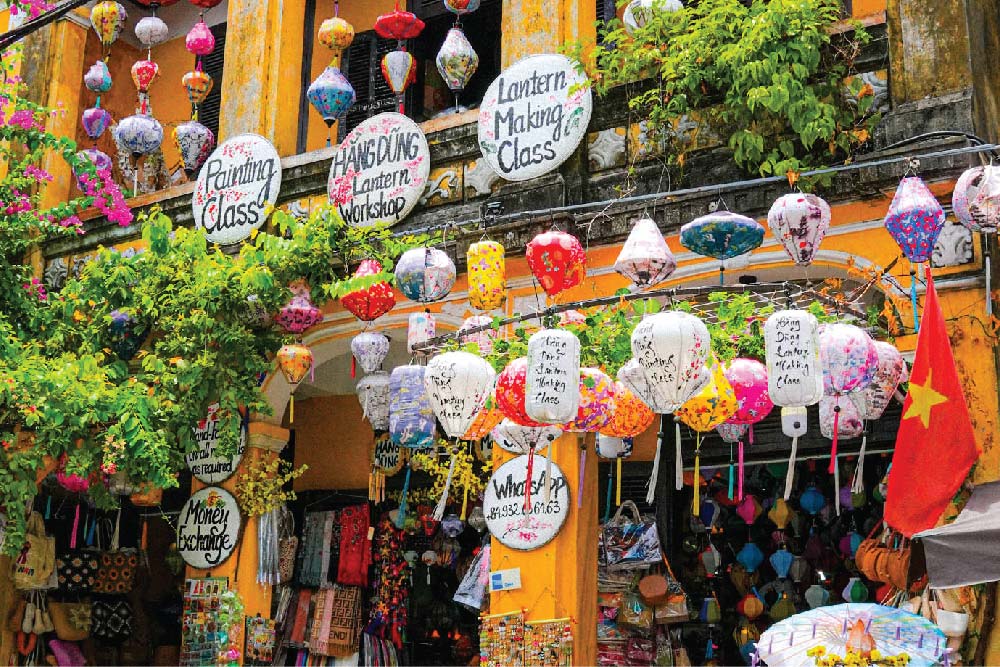
Early mornings and evenings completely transform the experience. Before strong sunlight arrives, the Ancient Town feels calm, quiet, and surprisingly comfortable. After sunset, lantern-lit streets and riverside cafés create a cooler atmosphere where travelers naturally spend more time outdoors.
Unlike major cities built around traffic and concrete, Hoi An’s smaller scale makes it easier to adapt to the weather. Travelers often structure their day around the climate naturally:
- morning exploration
- midday café breaks
- evening walks
- riverside dining after sunset
The nearby beaches also help provide relief during hotter afternoons.
Ninh Binh: countryside atmosphere over urban heat
Ninh Binh does not necessarily stay cool during summer, but it often feels more comfortable than large urban areas because of its natural environment.
Rice fields, rivers, limestone mountains, and open countryside create better airflow compared to dense cities filled with concrete and traffic.
The atmosphere itself also encourages slower travel. Boat rides through Trang An or Tam Coc naturally move at a calmer pace, and many accommodations are surrounded by greenery rather than urban heat.
Travelers who feel overwhelmed by the intensity of larger cities often find Ninh Binh emotionally and physically easier to handle despite the humidity.

Coastal destinations and sea wind advantage
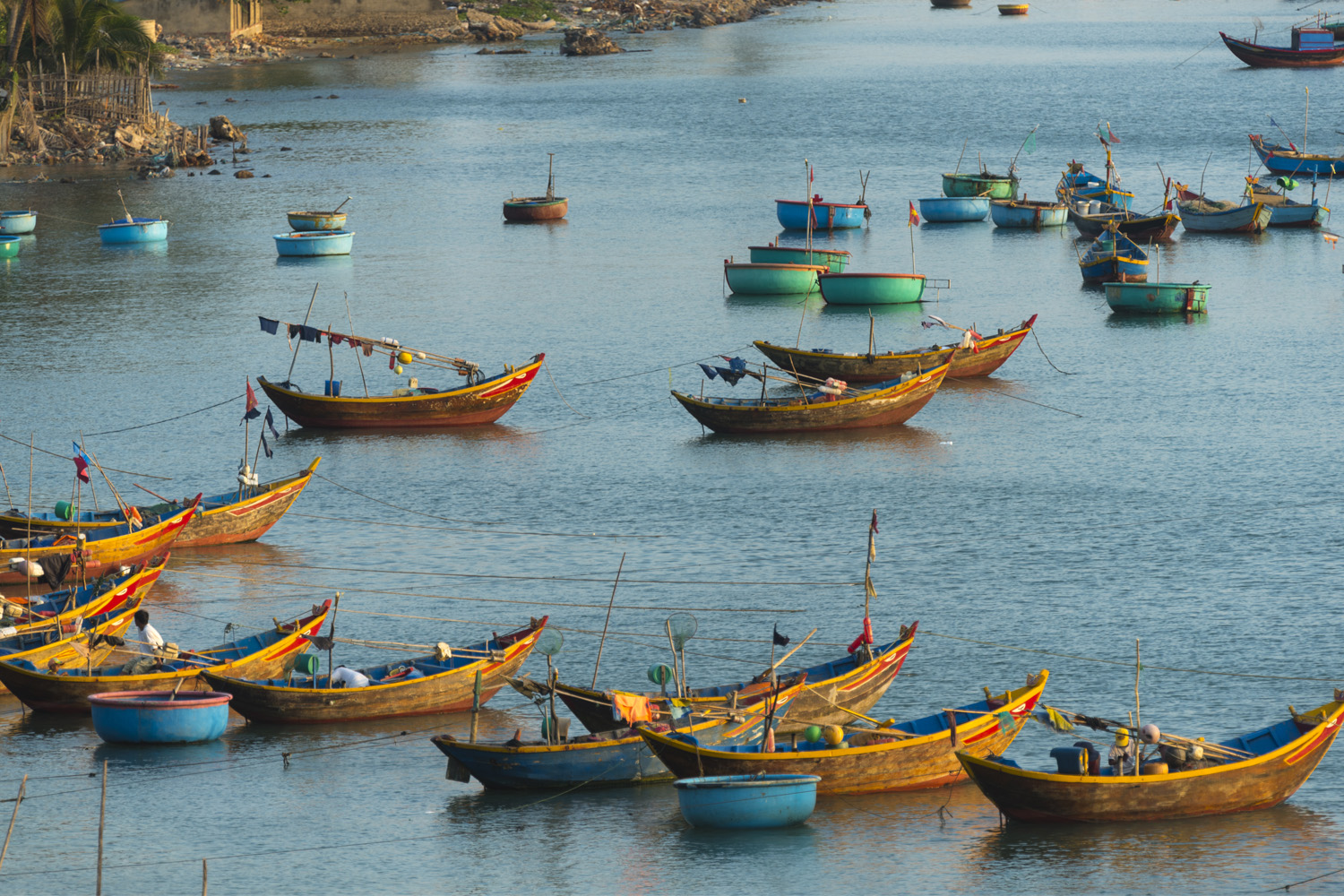
Many of Vietnam’s coastal cities become more manageable during heatwaves because sea winds naturally cool the environment.
Destinations such as Da Nang often feel less suffocating than inland urban centers because airflow remains stronger near the ocean.
Although temperatures can still become very high, the combination of beaches, sea breeze, and easier access to water activities helps travelers recover more comfortably from the heat.
This is one reason beach destinations become extremely popular among both locals and international travelers during peak summer periods.
Why mountain destinations feel emotionally different
Cooler weather changes more than physical comfort.
Travelers often notice that cooler destinations in Vietnam also create a completely different emotional atmosphere. People move slower, spend more time outdoors, drink coffee longer, and explore more comfortably.
Places like Da Lat or Sa Pa feel less exhausting mentally because the climate allows travelers to stay outside without constantly thinking about heat, sweat, or dehydration.
This creates a calmer travel rhythm overall.
The best strategy during Vietnam heatwaves

One of the smartest ways to plan a Vietnam itinerary during hotter months is balancing hotter cities with cooler destinations.
For example:
- Ho Chi Minh City → Da Lat
- Hanoi → Sa Pa
- Da Nang → Ba Na Hills
- Ninh Binh → mountain regions
Alternating climates helps travelers avoid burnout during longer trips.
Many experienced travelers naturally structure their routes this way without even realizing it because the physical difference becomes very noticeable after several days in extreme heat.