
November is one of the more interesting months on Vietnam’s calendar, mainly because the country’s three regions are all doing something different at once. The north settles into crisp, dry autumn. The south moves into its most comfortable dry season stretch. And central Vietnam, inconveniently, hits its wettest month of the year. None of that makes November a bad time to visit — it just means where you go matters more than usual.
Here’s what to actually expect region by region, along with packing and itinerary advice built around those differences.
Northern Vietnam in November: the best window of the year
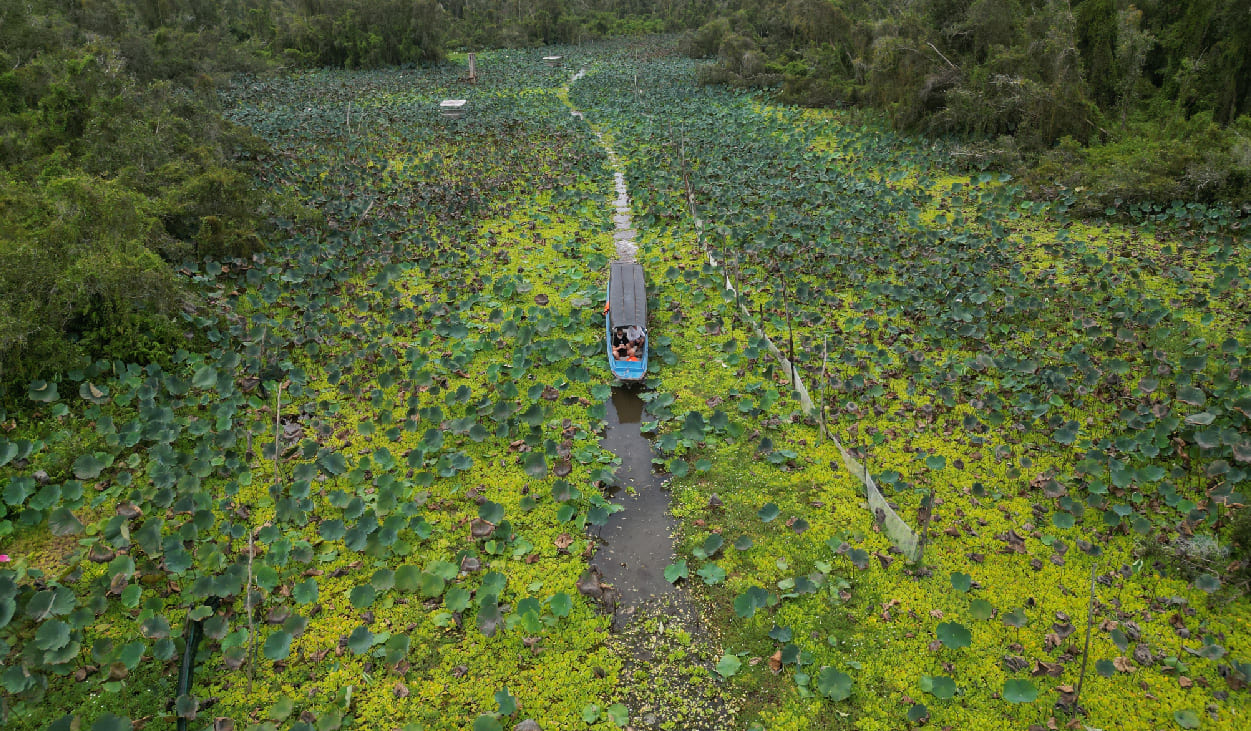
The north is arguably at its best this month. Autumn settles in fully, bringing daytime temperatures around 18–24°C (64–75°F), clear skies, and low humidity — genuinely ideal conditions for trekking, city walking, and photography. Rainfall drops off sharply compared to summer.
Ha Noi: Daytime temperatures run 19–26°C (66–79°F), with the Old Quarter and Hoan Kiem Lake especially pleasant to walk without summer’s heat and humidity. It’s a strong month for street food (pho and bun cha both taste better in cool air, if you ask most locals), the Temple of Literature, and evening night markets.
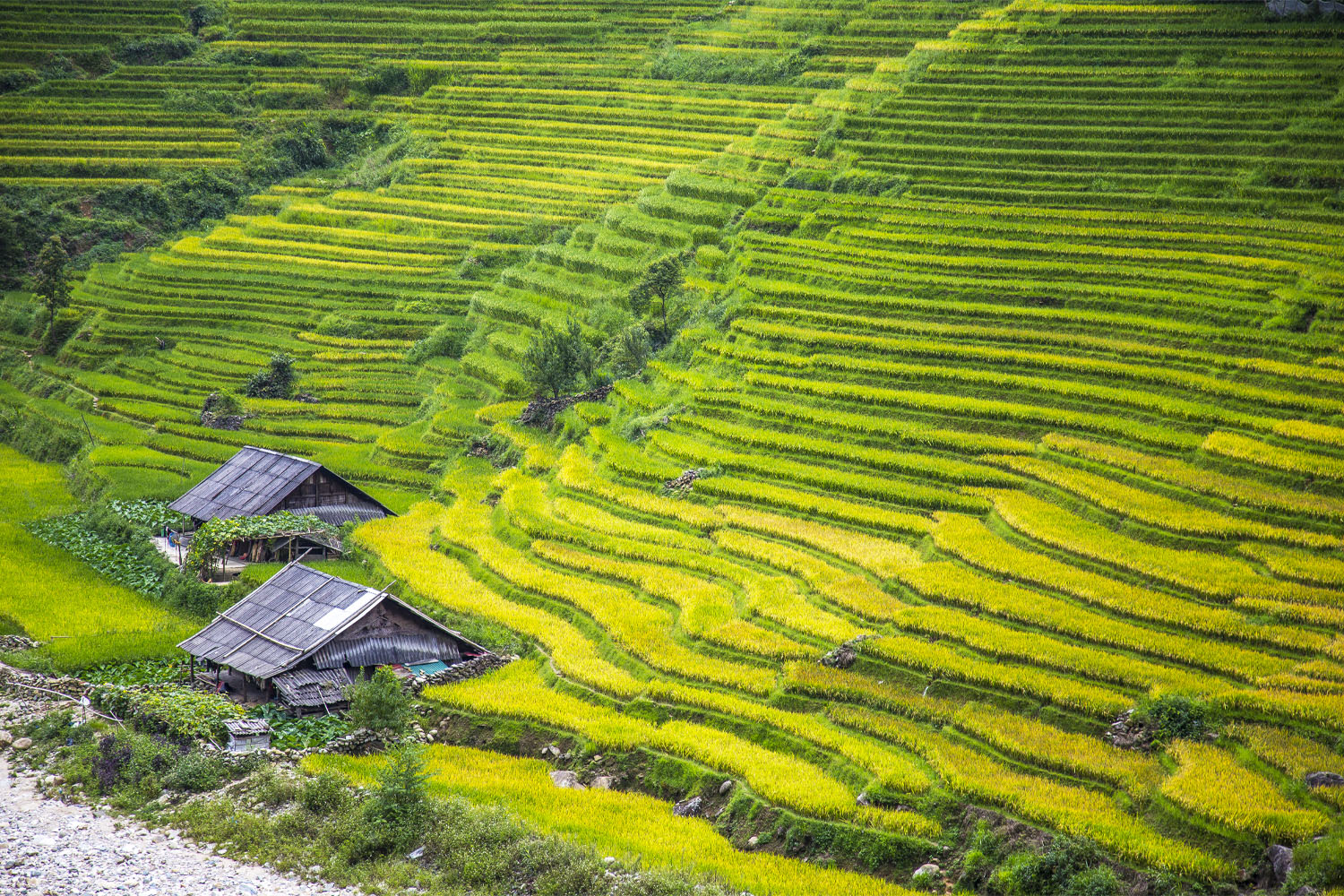
Sa Pa: Cool and dry, with daytime temperatures around 18–22°C (64–72°F) and nights that can drop below 10°C (50°F) — pack accordingly. November falls just after the golden rice terrace harvest, so post-harvest landscapes still photograph beautifully, and trekking routes through Lao Chai, Ta Van, and Cat Cat are in excellent condition. The Fansipan cable car offers reliably clear panoramic views this time of year.
Ha Giang: Dry, clear conditions make November one of the safer, more enjoyable windows for the Ha Giang Loop, with daytime temperatures around 16–22°C (61–72°F). Ma Pi Leng Pass is particularly striking under November’s typically clear skies. It’s peak season here too, so book accommodation and motorbike rentals ahead.
Ha Long Bay: Calm seas, high visibility, and daytime temperatures of 20–24°C (68–75°F) make this one of the best cruising months of the year — a strong pick if a cruise is a priority for your trip.
Worth knowing: November is peak season across the north, so early booking for tours, cruises, and hotels genuinely matters here more than in shoulder months.
Central Vietnam in November: the trickiest region this month
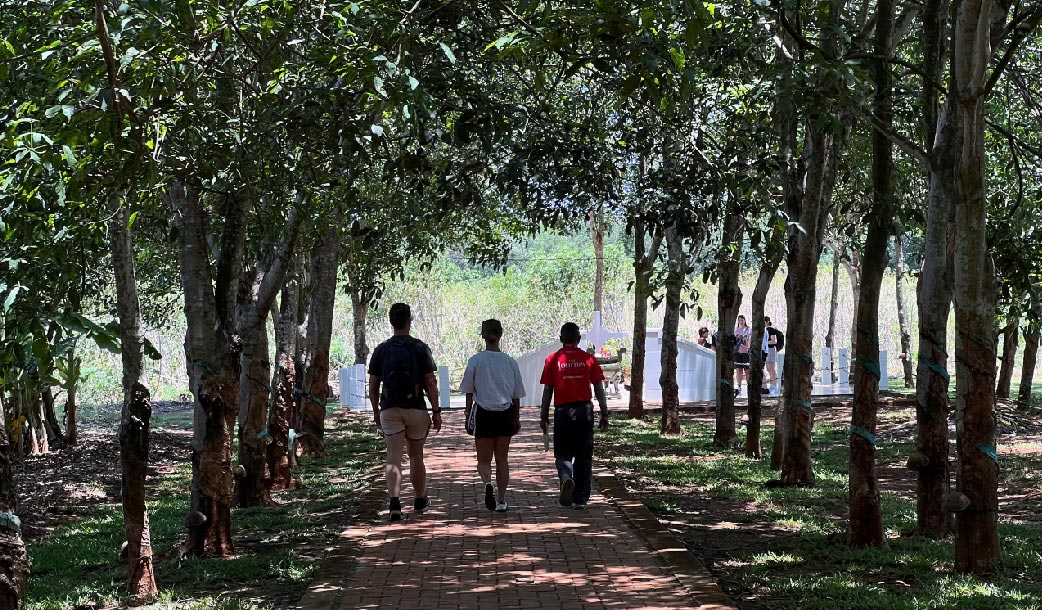
Central Vietnam is the honest exception to November’s good weather story. This is typically the wettest month of the year in Hue, Da Nang, and Hoi An, with real potential for flooding and disrupted outdoor plans.
Hoi An: Flooding is common enough that streets can fill with water up to knee or waist height in a bad year. It doesn’t rule out a visit — cooking classes, lantern-making workshops, and riverside cafes all work well as rain-day alternatives, and some photographers genuinely seek out the flooded streets for their reflective, atmospheric look. Waterproof shoes and a flexible schedule are essential if you’re visiting this month.
Da Nang: Heavy rain and occasional strong winds are common, which can rule out beach days at My Khe or trips up the Marble Mountains. The Cham Museum, Da Nang Museum of Art, and the city’s seafood and cafe scene make reasonable indoor alternatives.
Hue: Also wet, but the Imperial City, royal tombs, and pagodas all work fine as rainy-day sightseeing, and Hue’s cuisine — bun bo Hue in particular — is arguably at its best enjoyed indoors on a rainy afternoon.
Da Lat (Central Highlands): The clear exception to the region’s wet pattern. Da Lat stays dry and cool in November, with daytime temperatures around 18–24°C (64–75°F) — genuinely one of the better November destinations in the country, and a smart substitute if the coastal cities’ weather looks discouraging.
Bottom line: if central Vietnam is on your route this month, build in real flexibility — refundable bookings, a loose schedule, and a willingness to lean on Da Lat as a backup.
Southern Vietnam in November: dry season begins
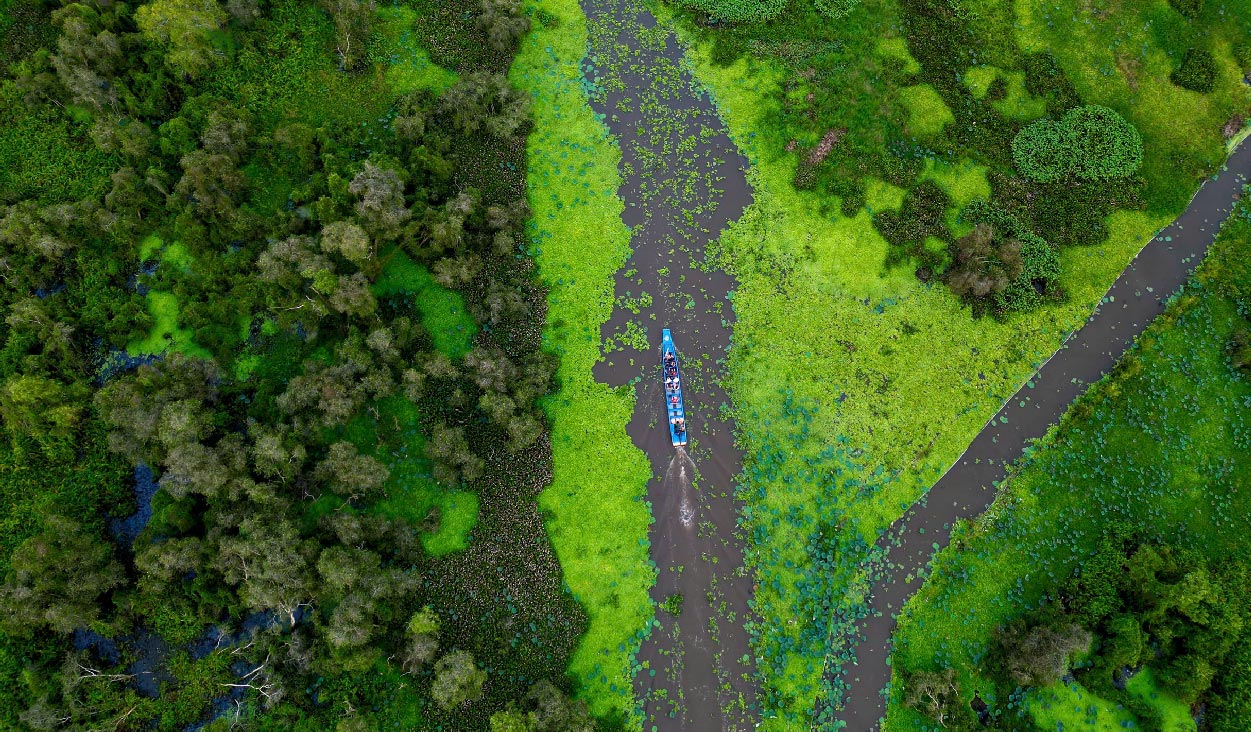
The south flips a switch in November, moving cleanly into its dry season. Daytime temperatures run warm, roughly 26–31°C (79–88°F), but humidity and rainfall both drop sharply compared to the preceding months, which makes the heat feel considerably more manageable.
Ho Chi Minh City: Noticeably more comfortable for walking, market browsing, and sightseeing than in the rainy months — Ben Thanh Market, the War Remnants Museum, and street food tours all benefit from the drier air. Day trips to the Cu Chi Tunnels and the Mekong Delta are especially good this month, since stable water levels make Delta boat trips more reliable.
Phu Quoc: November marks the start of the island’s high season — clear skies, calm seas, and good visibility for snorkeling and diving. Long Beach and Bai Sao are both less crowded than they’ll be by December, so it’s a good window to catch peak conditions before peak crowds.
Mui Ne: Dry and sunny, with daytime temperatures around 29°C (84°F) — solid conditions for sandboarding, kitesurfing, and general beach time at the Red and White Sand Dunes.
Con Dao: Calm seas and strong visibility make this a good diving and snorkeling month, and since Con Dao draws smaller crowds than Phu Quoc generally, November here feels particularly quiet and uncrowded.
Worth knowing: because November is the start of high season for Phu Quoc and Con Dao specifically, book accommodation ahead rather than assuming last-minute availability.
What to pack
Vietnam’s regional split in November means a single packing list has to cover real extremes.
For the north: A fleece or lightweight down jacket for evenings, long sleeves for layering, trekking pants, hiking boots for Sa Pa or Ha Giang, and warm socks or a scarf for genuinely cold mountain nights.
For the central coast: Light, breathable clothing, a proper rain jacket (not just an umbrella), waterproof shoes with good grip, and a spare set of clothes in case flooding disrupts your plans in Hoi An or Hue. Add a light sweater if Da Lat is on your route.
For the south: Light cotton or linen clothing, swimwear, sandals, and strong sun protection — UV levels stay high even with lower humidity.
General accessories worth packing regardless of route: sunscreen (UV stays strong even in the cooler north), insect repellent for rural stops, a reusable water bottle, and a power adapter — Vietnam runs on 220V, primarily Type A and C outlets, with hybrid sockets common in hotels.
Festivals worth knowing about
Ooc Om Bok Festival: The most significant November festival, celebrated by the Khmer community in Mekong Delta provinces like Tra Vinh and Soc Trang. Falling on the full moon of the 10th lunar month (usually mid-to-late November), it centers on giving thanks to the moon for the harvest, with offerings of rice, coconut, and sweet potato. The festival’s Ngo boat races — long, colorfully decorated boats with up to 40 rowers each — are a genuine spectacle worth planning around if your trip includes the Delta this month.
Northern harvest festivals: In mountain provinces like Ha Giang, Lao Cai, and Yen Bai, November marks the post-rice-harvest season, and small local celebrations with music, food, and dance are common. These are far less publicized than Ooc Om Bok, but travelers staying in homestays are sometimes invited to join in.
City-level events: Ha Noi sees a steady stream of art exhibitions and water puppet performances through the month, while Ho Chi Minh City’s dry season brings more outdoor concerts and night markets.
Building a November itinerary

Given the regional split, most well-planned November trips lean on one of two strategies:
North-and-south focus: Spend the bulk of your trip in the two regions with the most reliable November weather, using central Vietnam sparingly or skipping it, and flying directly between north and south rather than working overland through the wetter middle.
Full-country route with built-in flexibility: Include central Vietnam, but book refundable accommodation there, keep the itinerary loose, and lean on Da Lat as your central-region base if the coast looks too wet on a given week.
For a two-week trip, a common, well-balanced route covers Ha Noi, Sa Pa or Ha Giang, Ha Long Bay, Ho Chi Minh City, and Phu Quoc — hitting the two regions with the most dependable November weather while still covering a genuine north-to-south range of experiences.
FAQ
Is November a good time to visit Vietnam? Yes, particularly for the north and south, which both offer some of their best weather of the year. Central Vietnam is the exception, typically experiencing its wettest month.
Is it safe to travel to Hoi An or Da Nang in November? Generally yes, though flooding and heavy rain are common enough to disrupt outdoor plans. Building flexibility into your schedule and prioritizing indoor activities as a backup is the sensible approach.
What should I pack for Vietnam in November? Warm layers for the north (including a jacket for cold Sa Pa and Ha Giang nights), rain gear and waterproof shoes for the central coast, and light, breathable clothing plus sun protection for the south.
Is November peak season in Vietnam? Yes, particularly in the north and for southern islands like Phu Quoc and Con Dao, so booking accommodation and tours ahead of time matters more this month than in quieter shoulder-season periods.
What’s the best alternative to central Vietnam’s rain in November? Da Lat, in the Central Highlands, stays dry and cool through November and makes a strong substitute or addition to a central Vietnam itinerary.
Planning your November trip
November rewards travelers who build their itinerary around the country’s real regional differences rather than treating Vietnam as one climate. Lean into the north’s crisp autumn trekking and cruising conditions, take full advantage of the south’s dry season for beaches and city exploring, and treat central Vietnam with the flexibility its wet season genuinely requires — Da Lat included as a reliable backup. Handled that way, November holds up as one of the stronger months to see the country.





