Vietnam, a remarkable travel destination, is best experienced during November, as this marks our most optimal travel period. Vietnam’s weather in November becomes highly desirable due to the mild temperatures. Tourist crowds are also lessened, leaving us with varied regional climates suitable for any adventurer. Our little travel guide will provide you with all the essential information to ensure that your voyage in Vietnam during November is an unforgettable experience.
Overview of Vietnam’s Climate in November
Across Vietnam, optimal climatic conditions are spread throughout November, presenting the nation at its finest blend of culture born out of its unique climates. A prime time is represented by the month, as North Vietnam is blessed with refreshing autumnal conditions, suitable for exploring the mountains. Central Vietnam sees recovery following its wet period, featuring skies that are slowly becoming clearer. Simultaneously, South Vietnam experiences its driest period, marked by pleasant warmth and plentiful sunlight.
For travelers, remarkable chances to discover Vietnam’s astonishing variety during a single journey are created because of this shift. To develop an impactful Vietnam backpacking schedule for November, understanding these climatic differences is vital, optimizing positive aspects while bypassing weather difficulties.
Northern Vietnam Weather in November
Northern Vietnam in November offers some of the best travel conditions of the year. The region moves fully into autumn, with cooler days, clear skies, and less humidity. Average daytime temperatures range between 18°C and 24°C (64°F to 75°F), while evenings can drop further, especially in mountain areas. Rainfall is minimal, which makes November ideal for hiking, cultural exploration, and city sightseeing.
Travelers can enjoy a mix of experiences in the north. Cities like Hanoi are full of autumn charm, while mountainous destinations such as Sapa, Ha Giang, and Mu Cang Chai reveal stunning landscapes for trekking. Halong Bay also shines with calm seas and crisp air, creating excellent conditions for cruising. November is considered peak season for northern Vietnam, so early booking for tours and hotels is highly recommended.
Hanoi Weather in November
Hanoi is one of the most beautiful cities in Vietnam during November. The weather ranges from 19°C to 26°C (66°F to 79°F), with refreshing breezes in the evening. Humidity drops compared to the summer months, making it comfortable to walk through the Old Quarter or around Hoan Kiem Lake.
November in Hanoi is famous for its golden autumn leaves and gentle sunlight. Travelers can explore the Temple of Literature, Ho Chi Minh Mausoleum, or take a food tour without the discomfort of heat. Street food such as pho, bun cha, and egg coffee taste even better in the cool air.
Evenings in Hanoi are lively and perfect for outdoor exploration. Night markets open across the Old Quarter, and cultural shows like water puppetry become more enjoyable in the pleasant climate. Clear skies also make rooftop bars and lakeside walks particularly inviting.
Sapa in November: Trekking and Scenery
Sapa is a top destination for trekking in November. The weather is cool and dry, with average daytime temperatures around 18°C to 22°C (64°F to 72°F). Skies are often clear, offering panoramic views of terraced rice fields and mountain peaks. At night, temperatures can fall below 10°C (50°F), so warm clothing is essential.
November is also the best time to visit Sapa’s ethnic minority villages. Popular trekking routes pass through Lao Chai, Ta Van, and Cat Cat. Staying in a local homestay gives travelers the chance to experience daily life and traditional meals. Post-harvest landscapes provide stunning photography opportunities, with golden terraces glowing under soft sunlight.
For adventure seekers, the climb to Fansipan—known as the “Roof of Indochina”—is especially rewarding in November. The cable car also offers an easy way to enjoy breathtaking views of the Hoang Lien Son mountain range.
Halong Bay Weather in November: Best Time for Cruises
Halong Bay enjoys excellent cruising conditions in November. The average temperature ranges from 20°C to 24°C (68°F to 75°F), and the seas are calm. Rain is rare, and visibility is high, making it one of the best months of the year to visit this UNESCO World Heritage Site.
Cruise itineraries include kayaking, cave exploration, and swimming in emerald waters. Clear skies and crisp air make limestone karsts look even more dramatic, perfect for photography. Overnight cruises are especially memorable in November. Travelers can relax on deck, enjoy starlit skies, and experience the cool breeze of the bay.
Ha Giang in November: Motorbike Loop Highlights
Ha Giang is considered one of the most adventurous destinations in Vietnam, and November is one of the best times to explore it. Dry weather and clear skies make the famous Ha Giang motorbike loop safe and enjoyable. Temperatures average between 16°C and 22°C (61°F to 72°F), which is perfect for long rides.
The Ma Pi Leng Pass offers some of the most stunning views in Southeast Asia, with limestone cliffs dropping into the jade-green Nho Que River. Villages along the route provide opportunities for cultural interaction and homestays with ethnic minority families.
Because November is peak season, accommodations and motorbike rentals should be booked early. However, the atmosphere remains authentic, and the region is far less commercialized than other tourist destinations.
Packing Tips for Northern Vietnam in November
Travelers should prepare for varied conditions in northern Vietnam. Days are mild, but mountain nights can be very cold. A fleece jacket or lightweight down coat is necessary for Sapa and Ha Giang. Hiking boots are essential for trekking, while casual walking shoes work well in Hanoi.
Sunscreen is important, even in cooler weather, as UV rays remain strong. A compact raincoat or umbrella is useful for unexpected showers. In rural areas, insect repellent is recommended. With the right preparation, November is the best time to enjoy northern Vietnam’s landscapes and cultural richness.
\
Central Vietnam Weather in November
Central Vietnam in November is the most unpredictable region of the country. While the north enjoys cool autumn days and the south enters its dry season, the central coast often faces storms and heavy rains. November is typically the wettest month of the year in cities like Hue, Da Nang, and Hoi An. Flooding is common, and many outdoor activities are disrupted.
Despite the challenges, Central Vietnam in November is not without charm. Dalat and the Central Highlands offer a pleasant alternative, with dry skies and cool mountain air. With smart planning and flexibility, travelers can still find rewarding experiences in the central region.
Hoi An Weather in November: Flooding & Travel Tips
Hoi An is one of Vietnam’s most visited UNESCO World Heritage towns, but in November it often struggles with flooding. Streets may fill with water up to the knees or even the waist. This makes walking difficult and sometimes dangerous. Still, the charm of Hoi An does not disappear.
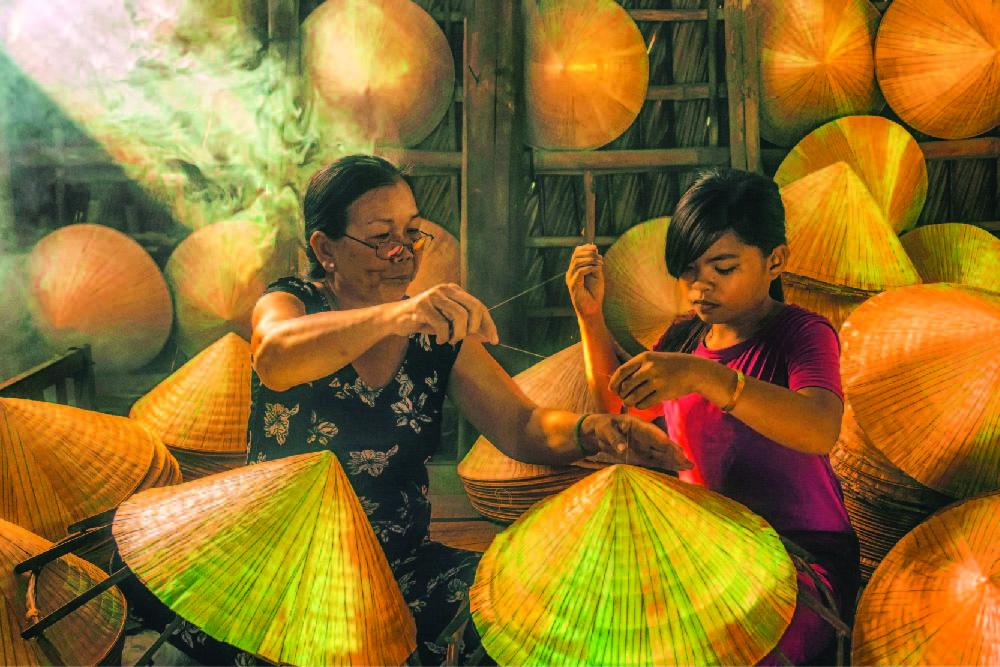
Travelers can focus on indoor activities. Cooking classes, traditional craft workshops, and lantern-making lessons are excellent ways to experience Hoi An culture. Cafés and restaurants in the Old Town remain cozy places to enjoy local cuisine. Photography enthusiasts may even find the flooded streets create unique scenes of reflection and color.
If visiting Hoi An in November, flexibility is key. Check weather forecasts often and prepare to adjust plans quickly. Waterproof shoes, umbrellas, and raincoats are essential. Many travelers still find Hoi An rewarding during this month because of its cultural depth and welcoming atmosphere.
Da Nang Weather in November: Stormy Season Guide
Da Nang faces heavy rains and storms in November. Outdoor activities like visiting My Khe Beach or climbing the Marble Mountains may be disrupted. Rain can fall for several days in a row, and strong winds sometimes affect transportation.
Even so, Da Nang has attractions that can be enjoyed indoors. Museums such as the Cham Museum or Da Nang Museum of Art provide cultural insights. Shopping malls and local markets are good places to spend rainy afternoons. The city’s modern cafés and seafood restaurants remain popular, regardless of the weather.
Travelers should avoid planning beach days in Da Nang during November. Instead, use the city as a base for cultural exploration and enjoy its vibrant food scene.
Nha Trang in November: Rainy Coastal City
Nha Trang is one of Vietnam’s most famous beach cities, but November is far from its best season. Nearly half of the city’s annual rainfall occurs in October and November. Heavy rains often flood streets, and the sea can become rough.
Swimming and diving are not ideal during this time. Instead, travelers can focus on alternative attractions. Mud baths and hot springs are popular ways to relax indoors. Covered markets such as Dam Market provide opportunities to shop for souvenirs and experience local life. Spa resorts also offer treatments to pass rainy days in comfort.
While beach activities are limited, Nha Trang in November still has value for those who seek relaxation and wellness experiences. Travelers looking for sunshine should, however, consider shifting their plans toward the south.
Dalat Weather in November: Best Highland Escape
In contrast to the rainy coast, Dalat in the Central Highlands enjoys clear skies and dry, cool weather in November. Temperatures range between 18°C and 24°C (64°F to 75°F). The fresh mountain air and bright sunshine make this upland city one of the best destinations during this month.
Dalat is often called the “City of Eternal Spring.” November is perfect for outdoor activities such as hiking, cycling, and exploring waterfalls like Datanla or Pongour. Visitors can also tour flower gardens, coffee farms, and vibrant local markets.
The city’s French colonial architecture adds to its charm, especially in the cool, misty mornings. Evenings can get chilly, so a light jacket is recommended. Compared to the rainy coast, Dalat offers travelers a refreshing and reliable escape in November.
Travel Tips for Central Vietnam in November
- Always check weather forecasts and keep plans flexible.
- Book refundable accommodations when possible.
- Focus on indoor cultural experiences during heavy rains.
- Carry waterproof gear and be prepared for sudden flooding.
- Consider shorter stays in coastal areas and longer stays in Dalat or the highlands.
Southern Vietnam Weather in November
Southern Vietnam in November marks the official start of the dry season. Rainfall decreases sharply, skies turn bright blue, and humidity drops compared to previous months. Average temperatures range from 26°C to 31°C (79°F to 88°F). The weather is warm but comfortable, making it the perfect time for outdoor exploration, cultural tours, and beach relaxation.
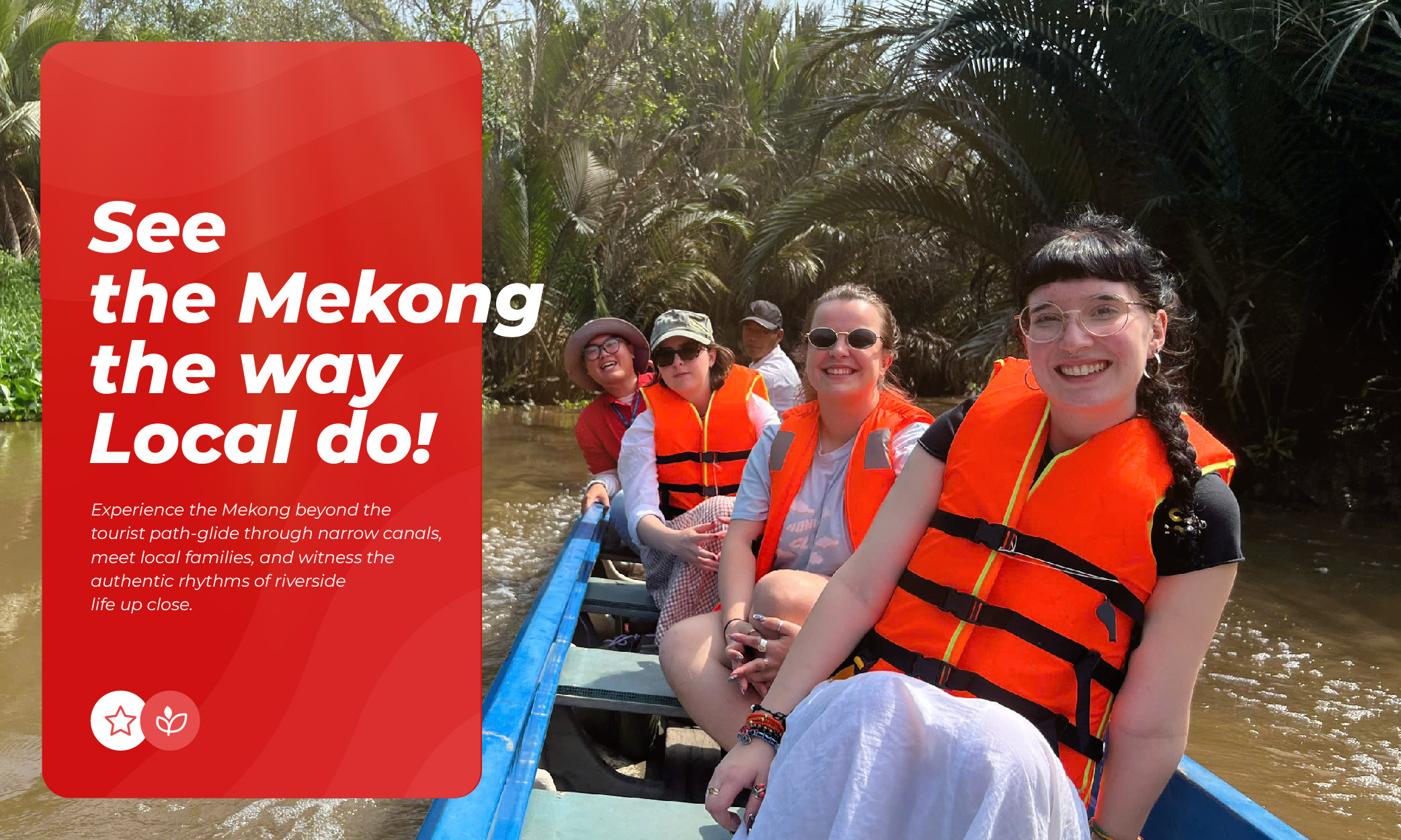
November is one of the best months to travel across the south. Ho Chi Minh City becomes lively yet easier to explore without the sticky heat. The Mekong Delta offers boat trips under clear skies. Islands like Phu Quoc and Con Dao, along with beaches such as Mui Ne, shine in their peak season with ideal conditions for swimming, diving, and sunbathing.
Ho Chi Minh City Weather in November
Ho Chi Minh City experiences a major improvement in weather during November. Average daytime temperatures stay between 26°C and 31°C (79°F to 88°F), with much lower humidity compared to the rainy season. Rain showers become rare, allowing travelers to spend long days exploring the city.
This is the best time to enjoy the city’s vibrant markets, from Ben Thanh Market to smaller local stalls. Landmarks like the War Remnants Museum, Independence Palace, and Notre Dame Cathedral are more comfortable to visit. Street food tours become even more appealing in the cooler weather, with banh mi, pho, and fresh tropical fruits widely available.
Day trips from Ho Chi Minh City also benefit from November weather. Excursions to the Cu Chi Tunnels are more comfortable, as underground passages remain cool and dry. Mekong Delta tours become highly recommended, with stable water levels and sunny days that make boat rides more enjoyable.
Phu Quoc Weather in November: Best Beach Season
Phu Quoc Island is one of the most popular destinations in Vietnam during November. Average temperatures hover around 30°C (86°F). The skies are clear, and the seas are calm, making it the perfect time for water sports and beach activities.
Travelers can swim, snorkel, and dive around coral reefs with excellent visibility. Beaches such as Long Beach and Bai Sao are pristine and less crowded compared to the peak holiday season in December. November also marks the start of Phu Quoc’s high season, so booking accommodations in advance is recommended.
Beyond beaches, visitors can explore Phu Quoc National Park, pepper farms, and night markets. The combination of sunny weather and diverse attractions makes November the ideal month to visit Phu Quoc.
Mui Ne Weather in November: Sand Dunes & Water Sports
Mui Ne, a coastal town famous for its sand dunes, also enjoys excellent weather in November. The average temperature is around 29°C (84°F), with dry and sunny conditions dominating.
This is the perfect time to try outdoor activities such as sandboarding, quad biking, and kitesurfing. The Red Sand Dunes and White Sand Dunes are particularly stunning under November sunlight. Beaches are clean and inviting, offering both relaxation and adventure.
Fishing villages near Mui Ne also provide cultural experiences. Travelers can watch fishermen bring in fresh catches and taste seafood at local restaurants. With fewer storms and calm seas, Mui Ne in November is one of the most attractive beach escapes in southern Vietnam.
Con Dao Weather in November: Hidden Island Paradise
Con Dao, often less visited than Phu Quoc, also enters peak season in November. Clear skies and calm seas create perfect conditions for diving and snorkeling. The island’s coral reefs are at their most vibrant, and marine life sightings are frequent.
Beaches such as Dam Trau remain quiet and untouched, offering a sense of seclusion. Beyond the beaches, travelers can hike through Con Dao National Park, visit historical prisons, and enjoy the tranquil atmosphere.
November is one of the best times to experience Con Dao’s natural beauty without the large crowds that arrive later in December and January.
Travel Tips for Southern Vietnam in November
- Book accommodations early in Phu Quoc and Con Dao, as high season begins.
- Carry sunscreen and hats, as UV levels are strong despite comfortable temperatures.
- Take advantage of dry weather to plan boat trips in the Mekong Delta.
- Stay hydrated during outdoor activities, especially in beach destinations.
- Consider combining city tours in Ho Chi Minh City with beach escapes for a balanced itinerary.
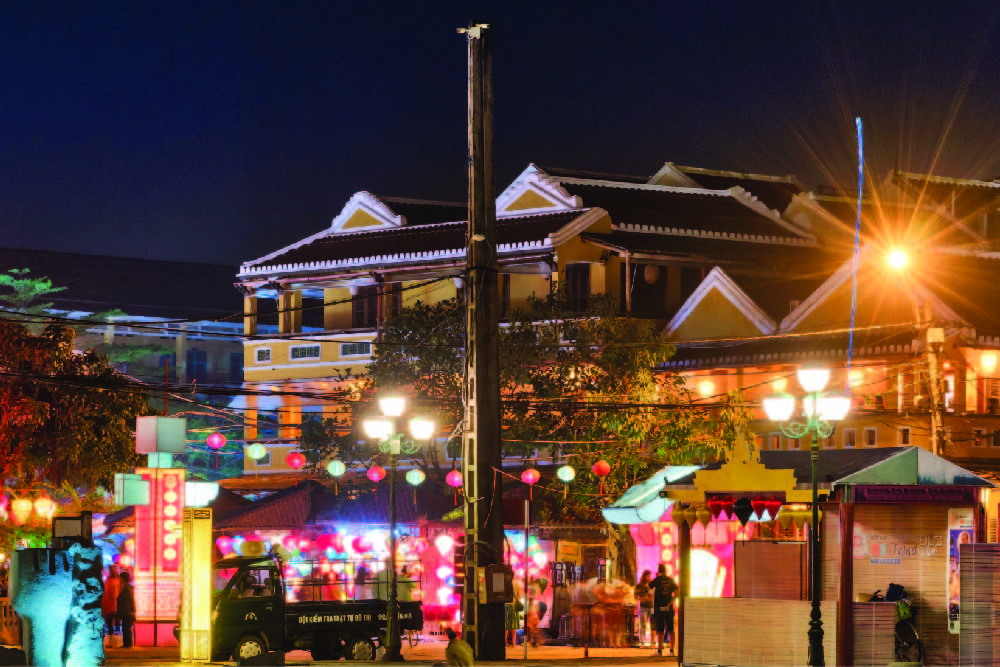
Vietnam Temperatures in November by Region
Vietnam in November shows clear contrasts in temperature between the north, central region, and south. These differences shape what travelers can expect and how they should prepare. Understanding regional temperatures helps visitors pack the right clothing and plan suitable activities.
Overall, November is cooler and drier than previous months. The north enjoys crisp autumn days, the central coast stays warm but wet, and the south feels hot yet comfortable thanks to lower humidity.
Northern Vietnam Temperatures in November
Northern Vietnam in November experiences pleasant daytime temperatures ranging from 18°C to 24°C (64°F to 75°F). Skies are clear, and humidity levels drop compared to summer. These conditions create ideal settings for walking tours, trekking, and cultural discovery.
Mountain areas such as Sapa, Ha Giang, and Mu Cang Chai can be much colder. Daytime averages remain comfortable at around 18°C (64°F), but night temperatures often drop below 10°C (50°F). In some high-altitude villages, the thermometer may fall close to 5°C (41°F). Travelers should pack layered clothing, warm jackets, and scarves to handle these shifts.
The sharp difference between day and night is one of the most notable features of northern weather in November. While mornings and afternoons feel refreshing, evenings and early mornings can be chilly. This makes November perfect for mountain trekking but also requires careful packing.
Central Vietnam Temperatures in November
Central Vietnam in November stays warm, with averages between 22°C and 27°C (72°F to 81°F). However, constant rain and high humidity make it feel hotter and stickier than the numbers suggest. This is especially true in coastal cities like Hue, Hoi An, and Da Nang.
Flooding is common, and heavy rains create a damp and muggy atmosphere. Travelers may find even moderate temperatures uncomfortable due to the humidity. Waterproof gear and breathable clothing are essential.
In contrast, the Central Highlands such as Dalat enjoy cooler and more stable conditions. Daytime temperatures range from 18°C to 24°C (64°F to 75°F). The air is fresh and dry, providing relief from the wet coastal climate. This makes Dalat an attractive escape for travelers seeking outdoor activities without the discomfort of coastal rains.
Southern Vietnam Temperatures in November
Southern Vietnam welcomes the dry season in November. Average daytime temperatures range from 26°C to 31°C (79°F to 88°F). Nights are cooler but rarely drop below 23°C (73°F). The main advantage is lower humidity compared to the rainy season, which makes the warmth pleasant instead of overwhelming.
On islands like Phu Quoc and Con Dao, the sea breeze moderates the heat, creating perfect conditions for beach activities. Clear skies and steady sunshine make it comfortable for both city tours and coastal adventures.
Travelers should still protect themselves from the sun, as UV levels remain strong. Sunscreen, hats, and hydration are essential for long outdoor days. November temperatures in the south make it one of the best times of year for beaches, cultural tours, and nature trips.
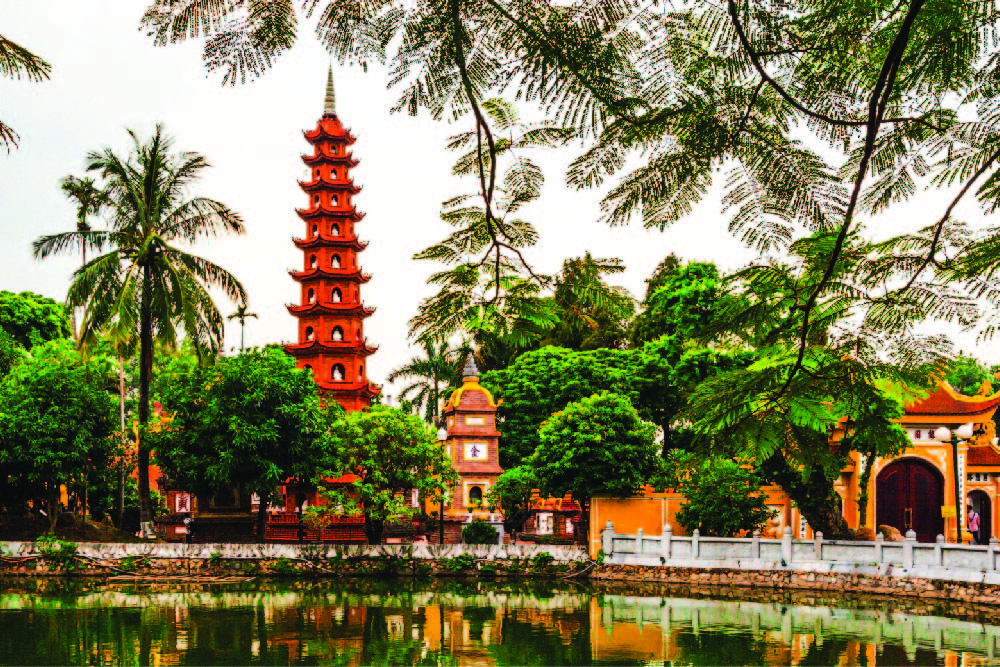
Packing Advice Based on Temperatures
- North: Pack layers, warm jackets, and trekking shoes for chilly mountain nights.
- Central Coast: Light, breathable clothes plus rain jackets and waterproof shoes.
- Central Highlands: A mix of light clothes for the day and sweaters for the evening.
- South: Light summer clothing, swimsuits, sunscreen, and hats for sunny beaches.
Where to Go in Vietnam in November: Top Destinations
November is one of the most exciting months to travel through Vietnam because the country offers such different experiences from north to south. The cooler north, the challenging yet cultural central region, and the sunny south all present unique travel opportunities. Knowing where to go in Vietnam in November helps travelers design the perfect itinerary that balances weather, activities, and cultural highlights.
Hanoi in November: Autumn Charm in the Capital
Hanoi in November is at its most romantic. The city glows under golden sunlight, with autumn leaves falling around Hoan Kiem Lake and tree-lined boulevards. Temperatures stay between 19°C and 26°C (66°F to 79°F), making it easy to explore without the discomfort of heat or humidity.
Travelers can walk through the Old Quarter, visit the Temple of Literature, and tour the Ho Chi Minh Mausoleum. Food lovers enjoy pho, bun cha, and egg coffee in cooler weather that makes outdoor dining comfortable. Night markets and cultural shows like water puppetry add to the charm of evenings.
For photography, November provides soft lighting and vibrant colors that highlight the city’s colonial architecture and lively street scenes.
Sapa in November: Trekking and Local Culture
Sapa is one of the best places to go in Vietnam in November. The weather is cool and dry, skies are clear, and terraced rice fields shine after harvest. Average temperatures range from 18°C to 22°C (64°F to 72°F) during the day, with colder nights below 10°C (50°F).
Travelers can trek through villages such as Lao Chai, Ta Van, and Cat Cat, staying in homestays that offer authentic cultural immersion. Ethnic minority groups like the Hmong and Dao welcome guests with local meals and traditions. The landscapes provide endless opportunities for photography, especially at sunrise when mist covers the valleys.
Fansipan, Vietnam’s highest peak, is also accessible. Adventurers can trek to the summit or ride the cable car for panoramic views of the Hoang Lien Son mountains.
Ha Giang in November: Motorbike Adventure
Ha Giang is a must for travelers seeking adventure in November. The weather is dry and clear, with average temperatures between 16°C and 22°C (61°F to 72°F). The famous Ha Giang motorbike loop becomes safer and more enjoyable without summer rains.
Highlights include the Ma Pi Leng Pass, which offers dramatic views of limestone mountains and the jade-green Nho Que River. Villages along the route provide insight into ethnic minority cultures, with opportunities for homestays and local meals.
Because November is peak season, accommodations and motorbike rentals should be booked in advance. Still, the atmosphere in Ha Giang remains authentic, and the region feels far less commercialized than other destinations.
Halong Bay in November: Cruising at Its Best
Halong Bay is one of the top destinations in Vietnam in November. With calm seas, mild temperatures, and excellent visibility, it is the perfect time for a cruise. Average daytime temperatures range from 20°C to 24°C (68°F to 75°F).
Travelers can kayak through caves, swim in emerald waters, and explore limestone islands. Photography is exceptional in November, as crisp air makes the dramatic cliffs stand out clearly. Overnight cruises are particularly rewarding, with starlit skies and cool breezes enhancing the experience.
For those who want a similar but less crowded experience, Bai Tu Long Bay and Lan Ha Bay are excellent alternatives.
Hue in November: History and Culture Despite the Rain
Hue, the former imperial capital, often experiences heavy rain in November. However, for travelers who value history and culture, the city remains a rewarding destination. Temperatures stay between 22°C and 26°C (72°F to 79°F).
Rainy days are perfect for exploring the Imperial Citadel, royal tombs, and traditional pagodas. Indoor attractions such as museums and markets allow visitors to enjoy the city even when the weather is wet. Hue’s famous cuisine, including bun bo Hue and vegetarian royal dishes, is also best enjoyed indoors.
Hoi An in November: Lanterns and Flooded Streets
Hoi An in November is often affected by flooding, with streets submerged up to knee or waist level. Yet, this UNESCO town still attracts travelers thanks to its unique charm. Average temperatures range from 23°C to 26°C (73°F to 79°F).
Visitors can take part in cooking classes, lantern-making workshops, and cultural performances. Cafés and restaurants along the Thu Bon River remain atmospheric, even when waters rise. Many photographers find the flooded streets add a surreal beauty to the Old Town.
Prepared travelers who carry waterproof gear and keep flexible schedules can still find November in Hoi An unforgettable.
Dalat in November: Best Highland Escape
Dalat in November is a highlight of the Central Highlands. With cool, dry weather ranging from 18°C to 24°C (64°F to 75°F), the city offers refreshing conditions for outdoor activities.
Known as the “City of Eternal Spring,” Dalat is perfect for hiking, cycling, and visiting waterfalls like Datanla and Pongour. Travelers can tour coffee farms, flower gardens, and bustling markets. French colonial villas and misty mornings add to the city’s charm.
Dalat is an excellent alternative for those who want to escape the rain-soaked central coast.
Ho Chi Minh City in November: Vibrant and Comfortable
Ho Chi Minh City becomes far more comfortable in November. Average temperatures range from 26°C to 31°C (79°F to 88°F), and humidity drops significantly.
Visitors can enjoy markets, museums, and historical sites without the discomfort of rain. Street food tours are lively, and day trips to the Cu Chi Tunnels and Mekong Delta are popular. November also marks the start of festival season, with outdoor events benefiting from dry weather.
Phu Quoc in November: Peak Beach Season
Phu Quoc is one of the best islands to visit in Vietnam in November. With average temperatures around 30°C (86°F), clear skies, and calm seas, the island offers perfect beach weather.
Travelers can relax on Bai Sao or Long Beach, snorkel in coral reefs, and explore Phu Quoc National Park. Night markets provide seafood feasts and local crafts. November marks the start of the high season, so accommodations should be booked early.
Mui Ne in November: Dunes and Water Sports
Mui Ne enjoys dry, sunny weather in November, with average temperatures around 29°C (84°F). The town is famous for its Red and White Sand Dunes, which are especially photogenic under November sunlight.
Kitesurfing, sandboarding, and quad biking are popular activities. Fishing villages add cultural depth, offering fresh seafood and insight into local life.
Mui Ne in November is a great choice for travelers who want both adventure and relaxation by the sea.
Con Dao in November: Secluded Island Paradise
Con Dao offers a quieter island escape compared to Phu Quoc. November brings calm seas and excellent visibility for diving and snorkeling. Beaches such as Dam Trau remain peaceful and pristine.
Beyond the beaches, visitors can hike in Con Dao National Park, explore historical prisons, and enjoy the island’s tranquil atmosphere. November is one of the best months to experience Con Dao’s natural beauty before the peak crowds of December arrive.
Vietnam Itinerary Ideas for November (7–21 Days)
The northern highlights adventure (14 days)
Days 1-4: Hanoi exploration and cultural immersion. Arrive in Hanoi during November’s perfect autumn conditions and spend your first days thoroughly exploring Vietnam’s captivating capital. Take advantage of the comfortable temperatures and clear skies to wander through the old quarter’s labyrinthine streets, where every corner reveals new culinary adventures and cultural discoveries. Visit major attractions like the Temple of Literature, Ho Chi Minh Mausoleum, and Hoan Kiem Lake during the pleasant daytime temperatures, while spending evenings exploring night markets and street food scenes that become particularly enjoyable in November’s mild conditions.
Days 5-9: Sapa trekking and mountain adventures. Transfer to Sapa to experience northern Vietnam’s mountain regions during their optimal weather period. Plan multi-day trekking adventures through ethnic minority villages and terraced rice fields, taking advantage of the dry, clear conditions and comfortable hiking temperatures. The excellent visibility during November means panoramic mountain views are at their best, while cool evenings provide perfect conditions for homestay experiences with local families.
Days 10-12: Ha Giang loop motorbike journey. Complete the famous Ha Giang loop during November, when ideal road conditions prevail, offering dry weather and excellent visibility that make this challenging route both safer and more spectacular. The clear mountain air provides stunning views of karst landscapes and deep valleys, while comfortable temperatures make long days of riding enjoyable rather than exhausting.
Days 13-14: Halong Bay cruise finale. End your northern adventure with a Halong Bay cruise during some of the year’s best weather conditions. November’s calm seas, clear skies, and excellent visibility showcase the UNESCO World Heritage site at its most magnificent, while comfortable temperatures make both deck relaxation and adventure activities, such as kayaking, particularly enjoyable.
The complete Vietnam discovery (21 days)
Days 1-5: Introduction to Ho Chi Minh City and Southern Vietnam. Begin your comprehensive Vietnam journey in Ho Chi Minh City, taking advantage of the improving southern weather conditions in November. Explore the city’s historical sites, vibrant markets, and incredible food scene while the comfortable temperatures make urban exploration particularly pleasant. Take day trips to nearby attractions, such as the Cu Chi tunnels, where November’s moderate conditions make underground exploration more comfortable.
Days 6-10: Mekong Delta and cultural immersion. Travel to the Mekong Delta during November, when the region’s optimal conditions prevail. Experience floating markets, traditional villages, and boat journeys through intricate waterways while enjoying the clear skies and stable water levels that make this region most accessible. Participate in homestay experiences and cultural activities that take advantage of November’s comfortable temperatures and dry conditions.
Days 11-15: Southern beaches and island paradise. Visit southern beach destinations like Phu Quoc, Con Dao, or beaches near Ho Chi Minh City during November, when the peak conditions for these areas are at their best. Enjoy pristine beaches, water sports, and island exploration while the dry season creates perfect conditions for beach activities and coastal adventures.
Days 16-18: Strategic northern transition (skip central Vietnam). Fly directly from southern Vietnam to northern destinations, strategically avoiding the challenging weather in central Vietnam during November. This approach maximizes your time in regions with excellent conditions while minimizing exposure to the challenges of central Vietnam’s rainy season.
Days 19-21: Northern Vietnam highlights. Conclude your journey in northern Vietnam during the region’s optimal November conditions. Focus on must-see destinations like Hanoi, Sapa, or Halong Bay, taking advantage of the excellent weather to experience northern Vietnam’s cultural and natural highlights under perfect conditions.
The flexible weather-aware explorer (10-14 days)
A customized plan prioritizing weather considerations is essential, allowing travel arrangements to be adjusted according to current circumstances and focusing on locations and activities ideally suited for November’s climate.
Fundamental strategy: concentrating on North and South, with adaptable Central choices
Vietnam’s northern and southern areas, where consistent, pleasant weather is typically found during November, should form the foundation of itineraries. Still, adaptable arrangements for central Vietnam should be included if the weather permits. Fully refundable lodging should be reserved, and alternative plans allowing adjustments influenced by predictions must be prepared.
Weather observation and adjustment protocol
Daily weather predictions should be monitored, and modifications driven by developments must be anticipated. Destinations such as Hoi An or Hue could be visited, seizing unexpected opportunities if conditions improve. If unforeseen difficulties affect northern Vietnam, indoor activities or alternate locations should be emphasized.
Budget efficiency via adaptability
Flexibility influenced by climate should be used to leverage last-minute savings and availability in locations that present optimal circumstances. Better pricing and extraordinary experiences frequently result from this method, guaranteeing exceptional weather for activities.
What to Pack for Vietnam in November
Packing for Vietnam in November can be tricky because the country spans multiple climate zones. The north is cool and sometimes chilly, the central coast is warm but wet, and the south is hot and sunny. A smart packing list helps travelers stay comfortable in every situation. Knowing what to pack for Vietnam in November ensures you can enjoy both mountain treks and beach escapes without stress.
Clothing for Northern Vietnam in November
Northern Vietnam in November requires warm layers, especially for mountain regions like Sapa and Ha Giang. Daytime temperatures average 18°C to 24°C (64°F to 75°F), but nights can drop below 10°C (50°F).
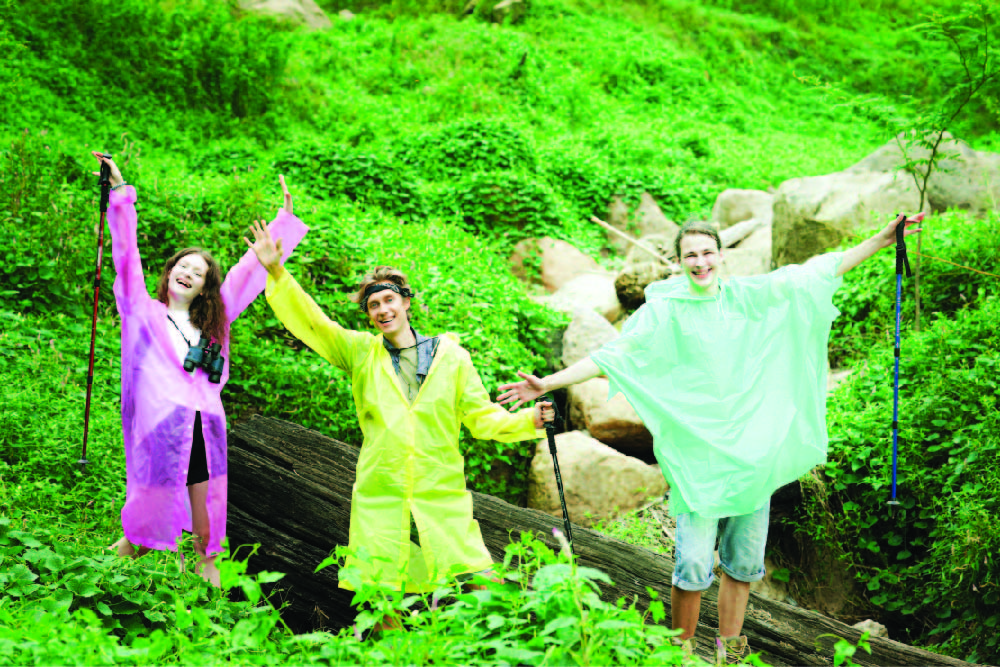
Recommended clothing for northern Vietnam in November:
- A fleece jacket or lightweight down coat for evenings.
- Long-sleeved shirts and sweaters for layering.
- Comfortable jeans or trekking pants for outdoor activities.
- Hiking boots for Sapa or Ha Giang treks.
- Warm socks, scarves, and gloves for cold nights.
Travelers staying mainly in Hanoi can pack slightly lighter, but should still bring a jacket for breezy evenings.
Clothing for Central Vietnam in November
Central Vietnam in November is warm but rainy. Average temperatures range from 22°C to 27°C (72°F to 81°F). High humidity makes the weather feel hotter, and frequent showers demand waterproof gear.
Recommended clothing for central Vietnam in November:
- Light, breathable shirts to stay cool.
- Quick-dry pants or shorts.
- A waterproof rain jacket and umbrella.
- Waterproof shoes or sandals with good grip for slippery streets.
- A spare set of clothing in case of flooding in Hoi An or Hue.
For Dalat in the Central Highlands, add a sweater or light jacket, as evenings can be cool.
Clothing for Southern Vietnam in November
Southern Vietnam in November is hot and sunny. Temperatures average 26°C to 31°C (79°F to 88°F), with low humidity compared to the rainy season.
Recommended clothing for southern Vietnam in November:
- Light cotton or linen shirts.
- Shorts or skirts for hot days.
- Swimwear for Phu Quoc, Con Dao, or Mui Ne.
- Flip-flops or sandals for the beach.
- Sun hats and sunglasses to protect from strong UV rays.
Southern cities like Ho Chi Minh City also have vibrant nightlife, so packing a casual outfit for bars or restaurants is useful.
Travel Accessories for Vietnam in November
Beyond clothing, travelers should pack smart accessories to handle different conditions across the country.
- Rain protection: Umbrella, compact poncho, or waterproof backpack cover.
- Sun protection: Sunscreen with SPF 30+, sunglasses, and a wide-brimmed hat.
- Insect repellent: Especially for rural areas and the Mekong Delta.
- Reusable water bottle: Stay hydrated while reducing plastic waste.
- Power adapter: Vietnam uses 220V with A, C, and F plug types.
- Small backpack: Useful for day trips, hikes, and carrying rain gear.
Packing List for Vietnam in November
Here is a sample Vietnam packing list for November that balances weather differences between regions:
- 4–5 light shirts or T-shirts.
- 2–3 pairs of pants (including one trekking pair).
- 1 fleece jacket or sweater.
- 1 lightweight rain jacket.
- 1 set of warm clothing for mountains.
- Swimwear for beaches.
- Hiking shoes and sandals.
- Socks, underwear, and a hat.
- Sunscreen, insect repellent, and personal medication.
Tips for Packing Smart in November
- Use packing cubes to separate warm clothes for the north and light clothes for the south.
- Always carry one set of waterproof gear in your daypack, especially in central Vietnam.
- Choose quick-dry fabrics, as laundry services are available across Vietnam.
- Pack light but flexible — you can buy affordable clothing, ponchos, or sandals in local markets if needed.
Festivals in Vietnam in November
November in Vietnam is not only about great weather. It is also a month filled with cultural activities and traditional festivals. Travelers who plan their trip during this time can enjoy authentic celebrations that highlight local beliefs, customs, and community life. Learning about festivals in Vietnam in November adds depth to any travel experience.
Ooc Om Bok Festival in November: Khmer Moon Worship
The most important festival in November is the Ooc Om Bok Festival, also known as the Moon Worship Festival. It is celebrated mainly in the Mekong Delta provinces of Tra Vinh and Soc Trang by the Khmer ethnic community.
The festival takes place on the full moon of the 10th lunar month, usually falling in mid or late November. Traditionally, locals thank the moon for a good harvest and pray for health and prosperity. Offerings of rice, sweet potatoes, coconuts, and bananas are placed under the moonlight, while children are fed these foods as blessings.
One of the highlights of Ooc Om Bok is the Ngo boat race. Dozens of long, colorful boats, each manned by up to 40 rowers, compete along local rivers. Thousands of spectators gather to cheer, creating an exciting and festive atmosphere. For travelers, attending this event offers a rare chance to experience Khmer culture in Vietnam.
Local Harvest Festivals in Northern Vietnam
In northern mountain provinces such as Ha Giang, Lao Cai, and Yen Bai, November is the post-harvest season. Communities celebrate the end of the rice harvest with small festivals that include music, dance, and food sharing.
These harvest festivals are not as large or famous as Ooc Om Bok, but they provide intimate cultural experiences. Travelers staying in homestays may be invited to join in local celebrations, taste traditional rice wine, and watch ethnic dances performed by villagers.
Participating in these community gatherings allows visitors to learn about agricultural life and the importance of rice farming in northern Vietnam.
Cultural Events in Major Cities
For those visiting big cities, there are also cultural activities and events in November:
- Hanoi: Art exhibitions, music performances, and water puppet shows are common throughout the month. Autumn also brings photography contests and literature festivals.
- Ho Chi Minh City: Outdoor concerts, night markets, and cultural fairs benefit from the start of the dry season. Travelers can enjoy lively street performances and seasonal festivals.
- Hue and Hoi An: Despite the rain, cultural centers often hold indoor shows that feature traditional music, dance, and handicrafts.
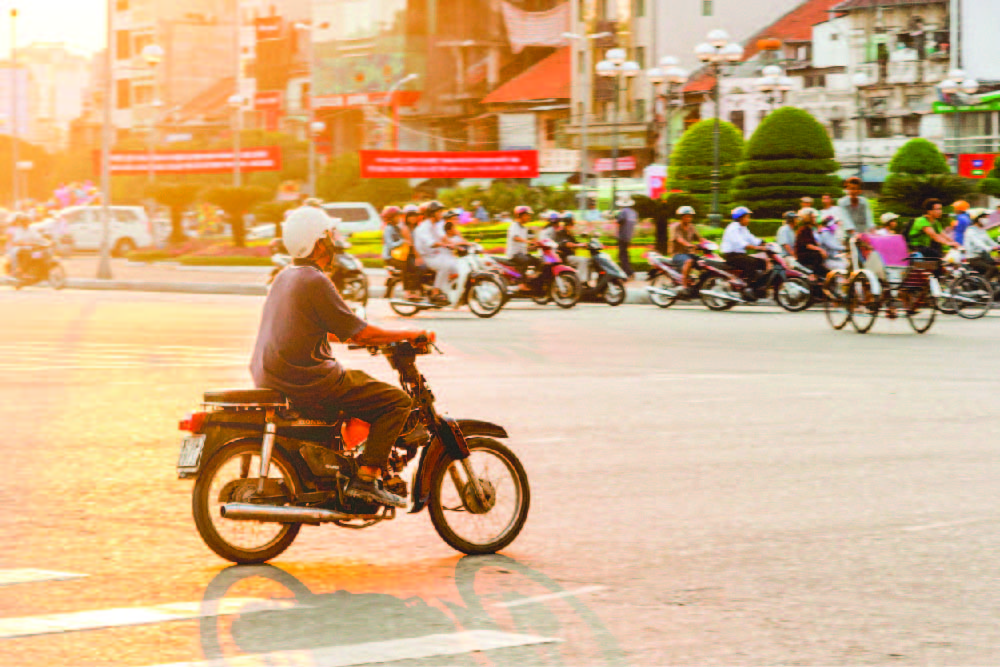
These events may not be tied to major religious festivals but they showcase the vibrant cultural life of urban Vietnam.
Why Festivals Make November Special
Festivals in Vietnam in November highlight the diversity of the country’s culture. From Khmer boat races in the Mekong Delta to small community gatherings in the mountains, these events add color and meaning to any trip.
For travelers, joining a festival offers a chance to connect with locals, witness traditions passed down for generations, and create lasting memories beyond sightseeing. November’s mild weather and festive spirit make it one of the most rewarding months to explore Vietnam.
Why November Is the Best Time to Visit Vietnam
November is widely considered one of the best times to visit Vietnam. The month combines pleasant weather, cultural richness, and diverse landscapes that make traveling across the country both comfortable and rewarding. From north to south, November offers experiences that are difficult to match at any other time of year.
Perfect Weather Across Regions
In the north, autumn is in full swing. Hanoi glows under golden sunlight, while Sapa and Ha Giang offer clear skies for trekking. Halong Bay presents calm seas, making November the best time for cruising.
The central region is more challenging due to heavy rains, but Dalat provides an excellent highland escape with cool, dry air. Cultural cities like Hue and Hoi An may still be visited if travelers are flexible, and indoor attractions continue to impress even on rainy days.
The south begins its dry season in November. Ho Chi Minh City is vibrant yet comfortable, the Mekong Delta is perfect for boat trips, and islands like Phu Quoc and Con Dao shine as top beach destinations. Warm temperatures with lower humidity make outdoor adventures highly enjoyable.
Unique Festivals and Cultural Experiences
Another reason why November is the best month to travel in Vietnam is the range of festivals. The Ooc Om Bok Festival in the Mekong Delta showcases Khmer traditions through moon worship rituals and exciting boat races. In the north, harvest festivals bring music, food, and community spirit to mountain villages.
Cities also host cultural events, from art exhibitions to traditional performances. This mix of local and urban celebrations ensures that visitors can experience Vietnam’s vibrant culture no matter where they travel.
Flexible Travel Itineraries
November allows travelers to design flexible itineraries that combine multiple regions. With three weeks, visitors can explore both the north and south, adding central destinations if the weather is favorable. With two weeks, a balanced plan can include Hanoi, Sapa, Halong Bay, Ho Chi Minh City, and Phu Quoc. Even in just one week, travelers can enjoy highlights by focusing on either the north or the south.
Because of stable conditions in the north and south, November provides more reliable travel options compared to months with extreme weather.
Best Photography Opportunities
Photographers also find November the best time to visit Vietnam. Autumn colors in Hanoi, misty valleys in Sapa, sunrise over Halong Bay, and golden beaches in Phu Quoc all provide stunning backdrops. Clear skies and crisp air enhance visibility, ensuring that every shot captures the beauty of Vietnam at its finest.
Travel Tips for Visiting Vietnam in November
- Book flights, cruises, and hotels early, especially for Phu Quoc and Halong Bay, as November is peak season.
- Pack layers for the cool north, light clothes for the hot south, and rain gear for the central coast.
- Stay flexible in central Vietnam, where rain may affect plans.
- Combine cultural experiences, natural exploration, and beach relaxation for the most rewarding trip.
Final Thoughts: Why Visit Vietnam in November
November combines everything that makes Vietnam special. Cool mountain air in the north, festive cultural events, and sunny beaches in the south create the perfect travel mix. Travelers can enjoy trekking, cruising, sightseeing, and island escapes all in one journey.
With pleasant weather, fewer crowds than December, and vibrant festivals, Vietnam in November truly offers the best of the country. For those asking “When is the best time to visit Vietnam?”, the answer is clear: November is one of the most rewarding months to explore this diverse and fascinating destination.