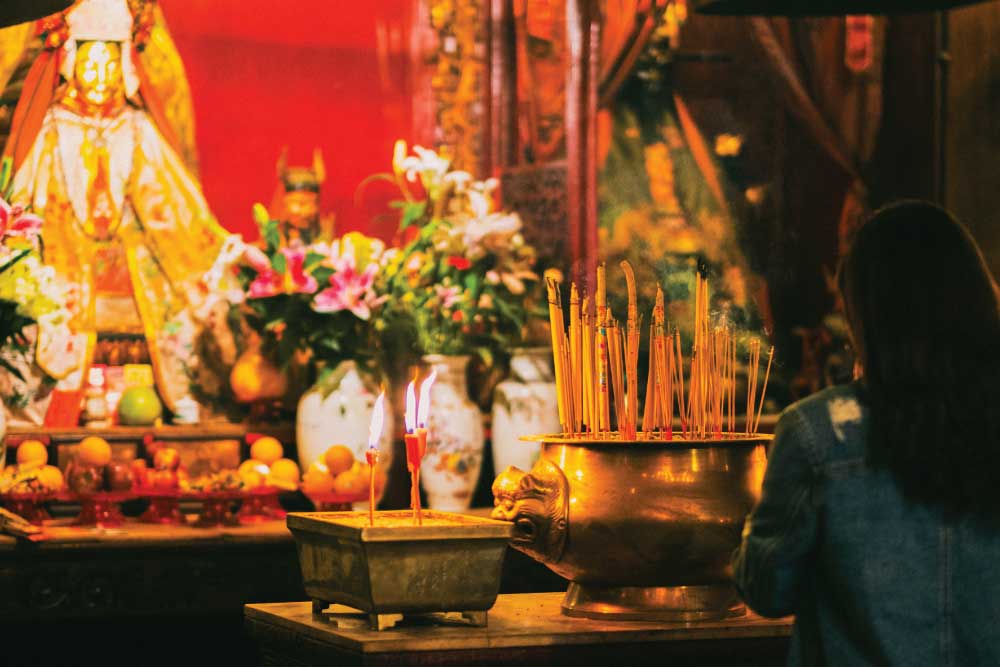
 Vietnam is undoubtedly home to some of Southeast Asia’s most diverse collections of temples, pagodas, and sacred grounds. From ancient Buddhist temples nestled in misty mountains to ornate Cao Dai shrine, the country’s religious architecture is home to ancient stories spanning over a millennium. Understanding Vietnam’s sacred sites is the key to a most meaningful travel experience through this culturally rich nation.
This comprehensive guide explores Vietnam’s most significant temples and pagodas, from the bustling streets of Hanoi to the vibrant energy of Ho Chi Minh City, providing practical information for incorporating spiritual sites into your Vietnam travel itinerary.
Vietnam temples and pagodas: historical overview
Ancient Vietnamese spiritual traditions
Vietnam’s spiritual heritage reflects their unique blend of indigenous beliefs, Chinese Buddhism, Confucianism, and the late French colonial influences. The country’s numerous temples serve not only as places of worship but as landmarks of Vietnamese culture, architecture, and artistic expression. Many sacred sites date back over thousands of years, surviving wars, political changes, and modernization to remain spiritual centers of community life.
Vietnamese Buddhism, predominantly Mahayana tradition, arrived from China during the early centuries CE, gradually integrating with existing ancestor worship and animistic beliefs. This synthesis created distinctly Vietnamese spiritual practices reflected in temple architecture, ceremonial customs, and religious festivals celebrated throughout the country.
Temple architecture and spiritual significance
Lots of Vietnamese temple architecture combines Chinese influences with local materials to create elements suited to withstand tropical climate conditions. Traditional temples feature curved rooflines, intricate wooden carvings, and colorful ceramic decorations representing dragons, phoenixes, and other spiritual symbols. Pagodas often include multiple levels symbolizing the path to enlightenment, while communal houses honor village guardian spirits and historical figures.
Understanding architectural elements enhances appreciation for Vietnam’s sacred sites, as each design feature carries spiritual meaning deeply embedded in Vietnamese cultural consciousness.
North Vietnam temples and sacred sites
Hanoi temples: spiritual heart of Vietnam
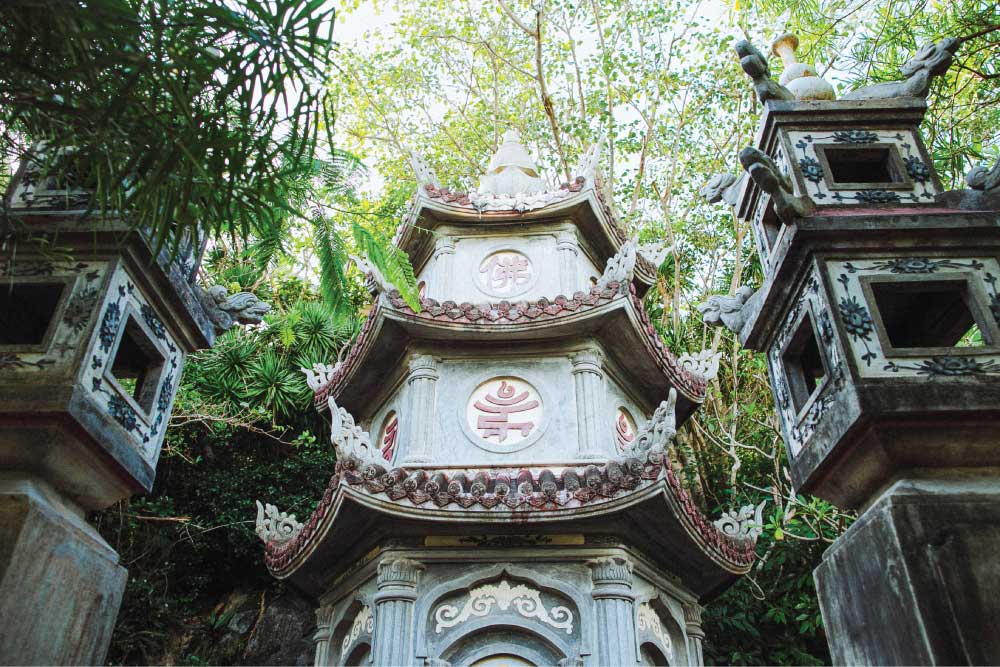
Hanoi, Vietnam’s capital for over 1,000 years, contains the country’s most historically significant temples and pagodas. These spiritual sites reflect Hanoi’s role as the political and cultural center, housing temples dedicated to national heroes, Confucian scholars, and Buddhist masters who shaped Vietnamese civilization.
Temple of Literature (Van Mieu): Vietnam’s first ever university, established in 1070, which was made in honor of Confucius and Vietnamese scholars, is a complex that exemplifies traditional Vietnamese architecture with its series of courtyards, ancient stelae, and gardens. Till this very day, the site remains active for educational ceremonies and cultural events, making it essential for understanding Vietnamese intellectual culture.
Bach Ma Temple: Located in Hanoi’s Old Quarter, this temple dates to the 11th century and is dedicated to the White Horse spirit believed to have guided King Ly Thai To in establishing Thang Long (ancient Hanoi). The temple’s location within the bustling commercial district demonstrates how sacred spaces integrate with daily urban life in Vietnam.
Quan Su Pagoda: Serving as Vietnamese Buddhism’s headquarters, this pagoda attracts thousands of worshippers during important festivals. The site offers insight into contemporary Buddhist practices while maintaining traditional architectural elements and ceremonial customs.
Ha Long Bay spiritual sites and floating temples
Ha Long Bay, famous for its limestone karsts and emerald waters, is also home to several sacred sites built within caves and floating platforms. With both natural beauty and religious significance, these temples offering visitors a contemplative space surrounded by some of Vietnam’s most spectacular scenery.
Hang Dau Go (Wooden Stakes Cave): This cave-hidden shrine dedicated to General Tran Hung Dao, who defeated the Mongol invasions during the 13th century. The spiritual site within the cave demonstrates Vietnamese traditions of honoring historical heroes in locations believed to possess spiritual power.
Floating temples: Several Ha Long Bay tours include visits to floating temples maintained by the fishermen communities. The people here honor sea spirits and Buddha, seeking protection for those yearn for livelihoods from the bay’s waters.
Sapa temples and mountain spirituality
Sapa’s mountainous terrain houses temples reflecting both Vietnamese Buddhism and ethnic minority spiritual traditions. The region’s sacred sites offer insight into highland spiritual practices often differing from lowland Vietnamese customs.
Sapa Stone Church: Built by French colonists in 1930, this Catholic church demonstrates religious diversity within Vietnam’s mountainous regions. The stone architecture contrasts with traditional wooden temples while playing an important role in Sapa’s Christian community.
Ethnic minority spiritual sites: Of course, many ethnic minority villages around Sapa still maintain their traditional altars and sacred groves dedicated to ancestor spirits and natural forces. While not temples in the conventional sense, these sites provide understanding of indigenous spiritual practices predating Buddhism’s arrival in Vietnam.
Central Vietnam sacred sites and ancient temples
Hue temples and imperial pagodas
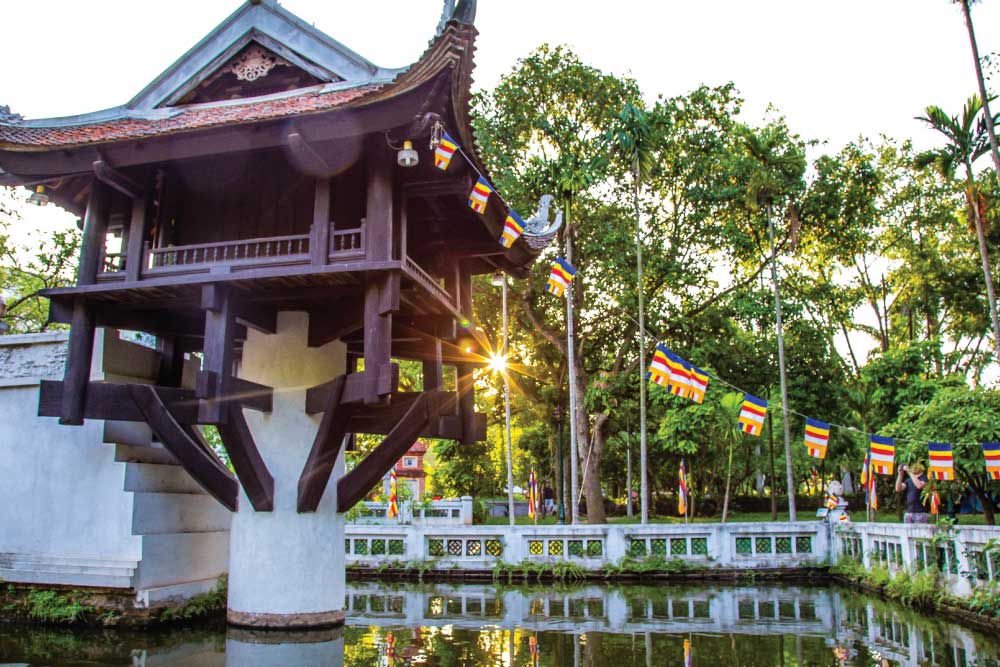
Hue, Vietnam’s former imperial capital, contains the country’s most magnificent religious complexes, many built during the Nguyen Dynasty (1802-1945). The city’s spiritual sites reflect imperial patronage of Buddhism but still maintain connections to Confucian traditions governing Vietnamese royal culture.
Thien Mu Pagoda: Hue’s most iconic pagoda, built in 1601, overlooks the Perfume River from a hillside location. The seven-story octagonal tower has become a symbol of both Hue and Vietnamese Buddhism. The pagoda gained international attention during the 1960s when monk Thich Quang Duc’s car, used in his protest self-immolation, was displayed here.
Tu Hieu Pagoda: This working monastery, founded in 1843, provides insight into monastic life and Buddhist education in Vietnam. The peaceful complex allows visitors to observe daily religious practices while exploring traditional architecture and gardens designed for meditation and contemplation.
Imperial Tombs: While technically mausoleums rather than temples, the Nguyen emperors’ tomb complexes combine Confucian principles with Buddhist elements, creating unique spiritual environments. Each tomb reflects its emperor’s personality and spiritual beliefs, offering diverse architectural and landscape design approaches.
Hoi An temples and Chinese influence
Hoi An’s position as a major trading port from the 15th-19th centuries created a unique spiritual landscape reflecting Chinese, Japanese, and Vietnamese influences. The ancient town’s temples demonstrate how commercial communities maintained cultural and religious connections with their homelands while adapting to local conditions.
Japanese Covered Bridge (Chua Cau): Built by Japanese merchants in the 1590s, this small temple bridges a canal while serving as a spiritual landmark. The structure demonstrates Japanese architectural influences adapted to Vietnamese tropical conditions and community needs.
Chinese Assembly Halls: Several Chinese community groups built elaborate assembly halls serving both social and religious functions. These buildings feature intricate decorations, ancestral altars, and courtyards designed for community gatherings and religious ceremonies.
Quan Cong Temple: Dedicated to the Chinese general Quan Cong, this temple reflects Vietnamese adoption of Chinese historical figures as spiritual protectors. The red and gold decorations, guardian statues, and incense-filled atmosphere create an intensely spiritual environment popular with local worshippers.
My Son sanctuary and Cham spiritual heritage
My Son, a UNESCO World Heritage site, contains Vietnam’s most important Hindu temple ruins, built by the Cham people between the 4th-14th centuries. These brick temples dedicated to Shiva demonstrate the religious diversity existing in Vietnam before Vietnamese expansion southward.
The temple complex provides insight into Cham spiritual traditions, architectural techniques, and artistic expressions that influenced Vietnamese culture even as political control shifted. Many decorative elements and construction techniques from My Son appear in later Vietnamese temple architecture.
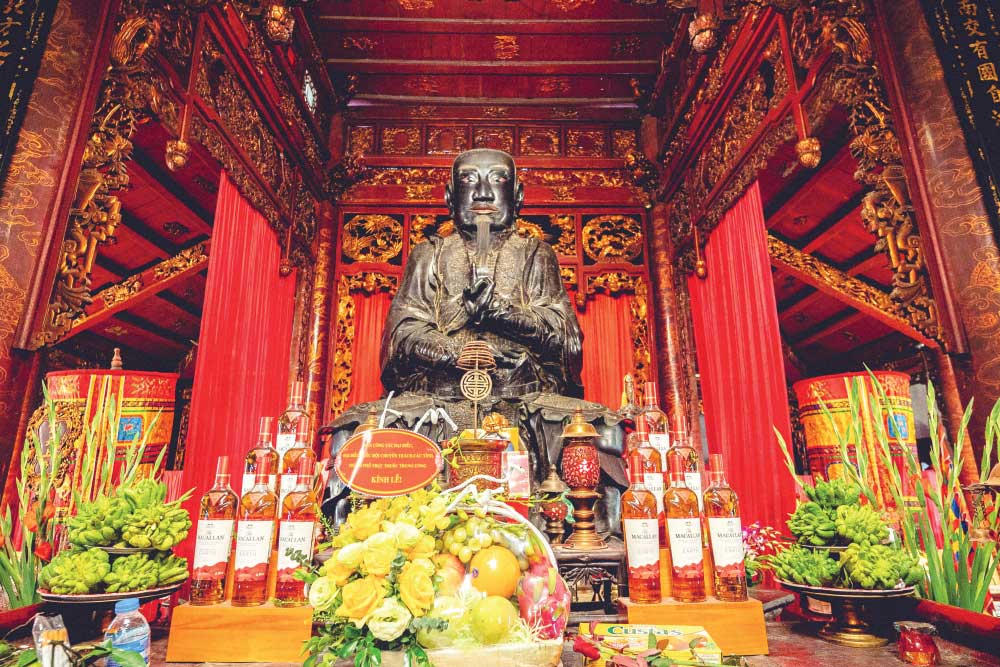
South Vietnam temples and spiritual diversity
Ho Chi Minh City temples: urban spirituality
Ho Chi Minh City (formerly Saigon) contains Vietnam’s most diverse collection of religious sites, reflecting the southern region’s history of cultural mixing and religious tolerance. The city’s temples serve communities maintaining distinct spiritual traditions while adapting to urban conditions and modern Vietnamese society.
Jade Emperor Pagoda (Chua Ngoc Hoang): Built in 1909, this atmospheric pagoda dedicated to the Jade Emperor combines Taoist and Buddhist elements in a dimly lit, incense-filled environment. The temple’s wooden statues, turtle pond, and mystical atmosphere make it one of Ho Chi Minh City’s most memorable spiritual sites.
Cao Dai Temple: Cao Daism, a uniquely Vietnamese religion combining elements from multiple world religions, originated in southern Vietnam in the 1920s. The Cao Dai Temple in Ho Chi Minh City provides insight into this syncretic faith that claims Buddha, Jesus Christ, and Confucius among its saints.
Vinh Nghiem Pagoda: This modern pagoda, completed in 1971, represents contemporary Vietnamese Buddhist architecture while maintaining traditional spiritual functions. The seven-story tower and spacious halls accommodate large congregations for festivals and ceremonies.
Mekong Delta temples and river spirituality
The Mekong Delta’s network of rivers and canals creates unique conditions for spiritual life, with many temples built on stilts or elevated platforms to accommodate seasonal flooding. The region’s temples often combine Buddhist practices with river spirit worship reflecting local environmental conditions.
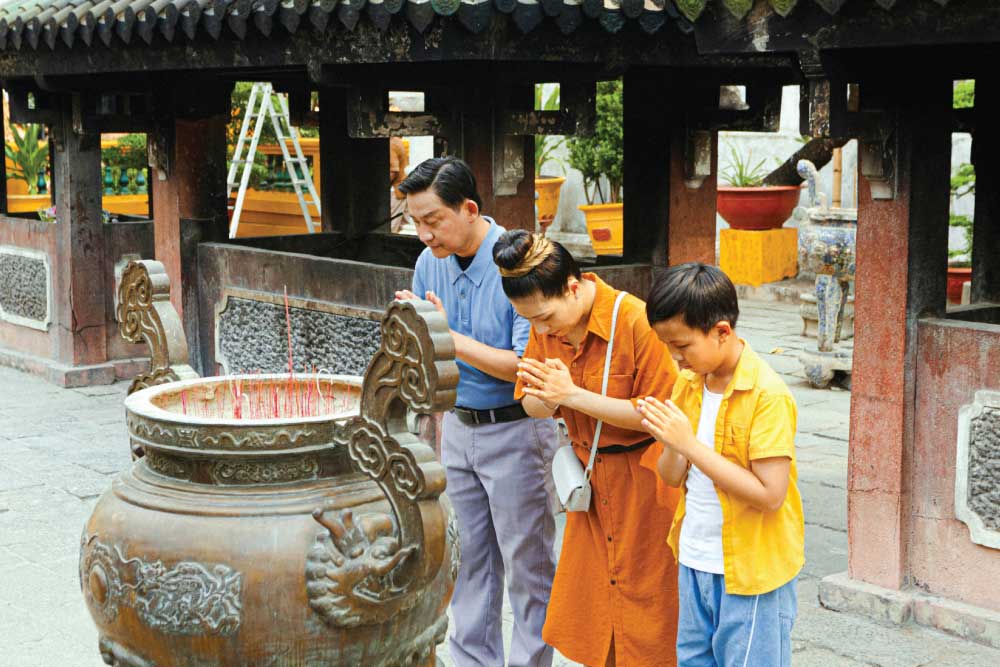
Vinh Trang Pagoda: Located in My Tho, this 19th-century pagoda combines Vietnamese, Chinese, and Khmer architectural elements, reflecting the delta’s cultural diversity. The beautiful gardens, ornate decorations, and peaceful atmosphere make it a popular destination for both pilgrims and tourists.
Floating temples: Several Mekong Delta boat tours include visits to small temples built on platforms or islands accessible only by water. These spiritual sites serve local communities while providing visitors insight into how Vietnamese Buddhism adapts to riverine environments.
Phu Quoc island temples and maritime spirituality
Phu Quoc Island’s temples reflect maritime spiritual traditions, with many dedicated to sea spirits and Buddha’s protection for fishermen and sailors. The island’s relative isolation allowed unique spiritual practices to develop while maintaining connections to mainland Vietnamese Buddhism.
Su Muon Pagoda: This hilltop pagoda offers panoramic views over Phu Quoc’s forests and coastline while providing a peaceful environment for meditation and contemplation. The temple’s elevated location creates a sense of spiritual elevation enhanced by the island’s natural beauty.
Vietnam temple tours and spiritual travel planning
Best time for temple visits by region
Understanding seasonal patterns enhances temple visits across Vietnam’s diverse climate zones. Different regions offer optimal conditions for spiritual exploration during specific periods, aligning with both weather patterns and religious festival calendars.
North Vietnam temple visits: October through December provides ideal conditions for exploring Hanoi’s temples and northern spiritual sites. Cool, dry weather creates comfortable conditions for extended temple visits, while clear skies enhance photography and contemplation. Many important Buddhist festivals occur during this period, offering opportunities to observe active religious practices.
Central Vietnam spiritual exploration: February through August offers the best conditions for visiting Hue’s imperial pagodas and Hoi An’s ancient temples. Dry season conditions prevent flooding that can affect temple access, while moderate temperatures create comfortable environments for extended spiritual site exploration.
South Vietnam temple touring: December through April provides optimal conditions for Ho Chi Minh City temple visits and Mekong Delta spiritual exploration. Lower humidity and minimal rainfall create comfortable conditions for urban temple touring and river-based spiritual site visits.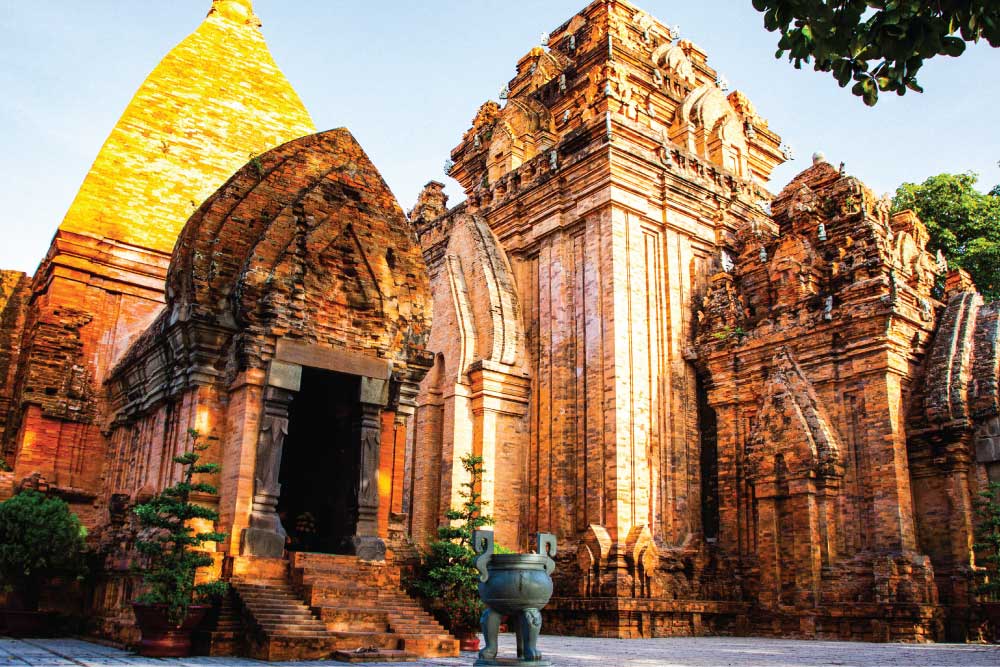
Vietnam family tours including temples
Family visits to Vietnam’s temples and pagodas provide educational opportunities about Vietnamese culture, history, and spiritual traditions. Many temples welcome families and offer environments suitable for children to learn about different religious practices and architectural traditions.
Child-friendly temple sites: Larger temple complexes often include gardens, ponds, and architectural features that engage children’s interest while adults explore spiritual and historical significance. Temple festivals frequently include performances, food stalls, and activities appealing to family visitors.
Educational opportunities: Temple visits provide hands-on learning about Vietnamese history, art, and religious practices that enhance cultural understanding for travelers of all ages. Many temples include museums or information displays explaining their historical significance and spiritual traditions.
Vietnam luxury tours and premium temple experiences
Luxury Vietnam tours can incorporate temple visits through private guides, exclusive access opportunities, and premium transportation that enhances the spiritual exploration experience while maintaining comfort and convenience standards expected by discerning travelers.
Private temple tours: Expert guides provide deeper insights into temple history, architecture, and spiritual significance while managing logistics and cultural etiquette requirements. Private tours allow flexible scheduling that accommodates personal interests and spiritual reflection time.
Exclusive temple experiences: Some luxury tours arrange special access to temples during less crowded periods or include meetings with monks and temple caretakers who can provide insider perspectives on Vietnamese spiritual traditions.
Vietnamese temple etiquette and cultural considerations
Proper temple behavior and dress codes
Visiting Vietnamese temples requires understanding cultural norms and religious etiquette that demonstrate respect for spiritual traditions and local customs. Proper behavior enhances personal experience while showing consideration for worshippers and temple communities.
Dress requirements: Modest clothing covering shoulders, legs, and midriffs is required for temple visits. Removing shoes before entering main temple halls shows respect for sacred spaces. Avoid revealing clothing, shorts, or sleeveless tops that may be considered disrespectful in religious settings.
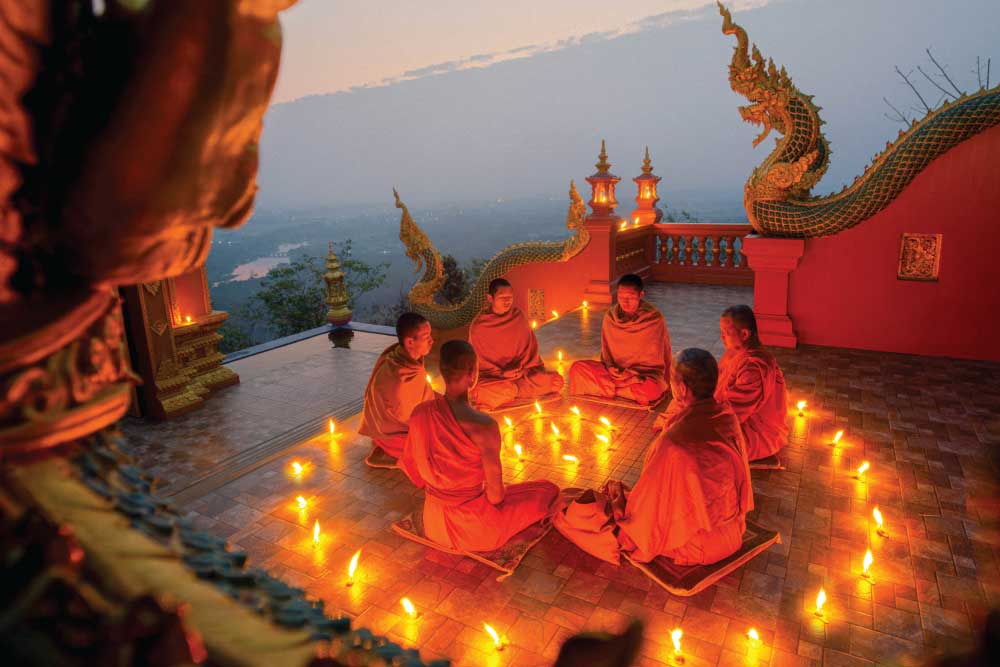
Behavioral guidelines: Speaking softly, moving quietly, and avoiding disruptive behavior maintains the contemplative atmosphere temples are designed to provide. Photography may be restricted in certain areas, particularly around altars or during religious ceremonies.
Understanding Vietnamese spiritual practices
Vietnamese spiritual practices often combine multiple religious traditions, creating unique customs that may differ from pure Buddhist or Confucian practices found elsewhere. Understanding these syncretic traditions enhances appreciation for Vietnam’s spiritual landscape.
Ancestor veneration: Many Vietnamese temples include ancestor shrines alongside Buddhist altars, reflecting the importance of family spiritual traditions in Vietnamese culture. Observing how families honor deceased relatives provides insight into Vietnamese spiritual values.
Festival participation: Temple festivals offer opportunities to observe Vietnamese spiritual practices in action, but require understanding appropriate visitor behavior that respects religious significance while allowing cultural observation and learning.
Regional temple festivals and spiritual celebrations
North Vietnam spiritual festivals
Northern Vietnam’s temple festivals often coincide with agricultural seasons and historical commemorations, creating opportunities to experience Vietnamese spiritual traditions within their cultural contexts.
Tet celebrations: Vietnamese New Year brings intensive temple activity as families honor ancestors and seek blessings for the coming year. Temple visits during Tet provide insight into Vietnam’s most important spiritual and cultural celebration.
Autumn festivals: Mid-Autumn Festival and other seasonal celebrations bring communities together at temples for ceremonies, performances, and shared meals that demonstrate social aspects of Vietnamese spiritual life.
Central Vietnam religious ceremonies
Central Vietnam’s imperial history creates unique religious ceremonies that combine Buddhist practices with Confucian traditions honoring Vietnamese cultural achievements and historical figures.
Hue Festival: This biennial celebration includes temple ceremonies, traditional performances, and cultural displays that showcase central Vietnam’s spiritual and artistic heritage within historical contexts.
South Vietnam spiritual gatherings
Southern Vietnam’s religious diversity creates varied spiritual celebrations reflecting the region’s cultural mixing and innovative spiritual traditions.
Cao Dai ceremonies: Cao Dai temples hold regular ceremonies open to visitors, providing opportunities to observe this uniquely Vietnamese religious tradition that combines elements from multiple world religions.
Practical temple visiting information
Transportation to temple sites
Accessing Vietnam’s temples and pagodas requires understanding transportation options that vary by location and region. Urban temples typically offer easy access, while remote mountain temples may require specialized transportation arrangements.
Urban temple access: City temples in Hanoi and Ho Chi Minh City are accessible by taxi, motorcycle taxi (xe om), or public transportation. Many temples are within walking distance of tourist areas or can be combined with other sightseeing activities.
Rural temple visits: Temples in mountainous areas or remote locations may require tour arrangements, private transportation, or motorcycle travel that provides access to sites unreachable by conventional vehicles.
Temple visiting costs and donations
Most Vietnamese temples are free to enter, though donations are welcomed and often expected. Understanding appropriate donation practices and associated costs helps visitors prepare for temple visits while supporting temple maintenance and community activities.
Donation guidelines: Small donations placed in collection boxes or offered directly to monks demonstrate respect and support temple operations. Donations typically range from small amounts for individual visits to larger contributions for special ceremonies or educational programs.
Conclusion: Vietnam’s spiritual journey awaits
Vietnam’s temples and pagodas offer profound insights into the country’s spiritual heritage, cultural evolution, and contemporary religious practices. From Hanoi’s ancient temples honoring Confucian scholars to Ho Chi Minh City’s diverse spiritual communities, Vietnam’s sacred sites provide transformative experiences that deepen understanding of Vietnamese culture and spirituality.
Whether you’re planning comprehensive Vietnam tours, focused spiritual journeys, or incorporating temple visits into broader travel itineraries, Vietnam’s spiritual landscape offers rewards for travelers seeking cultural enrichment, historical understanding, and personal contemplation. The country’s religious diversity, architectural beauty, and living spiritual traditions create opportunities for meaningful encounters with Vietnamese culture that extend far beyond conventional tourist experiences.
Planning temple visits around optimal weather conditions, seasonal festivals, and personal spiritual interests ensures maximum benefit from Vietnam’s remarkable spiritual heritage. As you explore these sacred sites, remember that temples and pagodas remain active centers of community life where respect, understanding, and cultural sensitivity enhance both personal experience and positive community impact.
Vietnam’s spiritual journey through hidden temples and sacred pagodas awaits travelers ready to discover the profound cultural heritage that continues shaping Vietnamese society and individual spiritual practice in the modern world.