
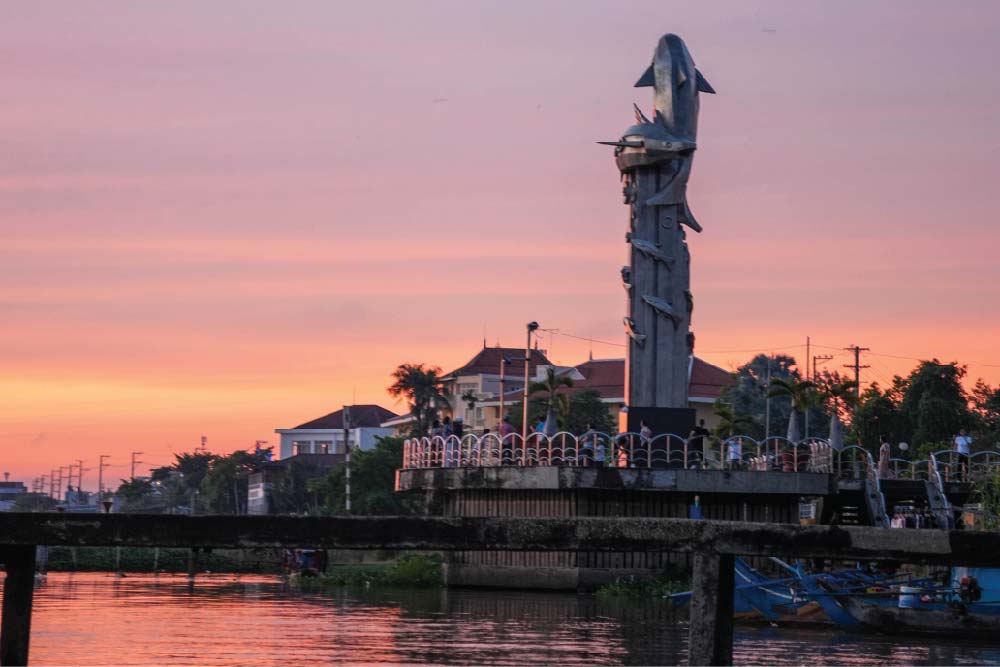
Best time to visit Vietnam overview
Vietnam’s climate is dominated by natural monsoons, creating two distinct seasons across different regions. The country experiences tropical and subtropical climates, with temperature and rainfall patterns varying significantly between the mountainous north and the tropical south. This diversity means that somewhere in Vietnam enjoys pleasant weather year-round, making it an ideal destination regardless of when you choose to travel.
The key to planning your Vietnam holiday package lies in understanding these regional variations and aligning your travel dates with optimal weather conditions for your preferred destinations.
Best time to visit North Vietnam
October marks the beginning of North Vietnam’s most spectacular season. The weather in North Vietnam during these months offers cool, dry conditions perfect for Vietnam private tours and outdoor exploration. October temperatures range from 20-26°C (68-79°F), with minimal rainfall and crystal-clear skies ideal for photography and sightseeing.
November brings even more comfortable conditions, with temperatures dropping to 17-23°C (63-73°F). This is considered peak season for Hanoi walking tours and Ha Long Bay cruises, as the humidity decreases significantly and the air becomes crisp and refreshing. December temperatures can drop to 15-20°C (59-68°F), requiring light jackets but providing perfect conditions for exploring Hanoi’s old quarter and nearby attractions.
Hanoi weather timing
Hanoi experiences four distinct seasons, with autumn (October-December) and spring (March-April) offering the most pleasant conditions. During autumn, Hanoi’s tree-lined streets transform into golden corridors, making it ideal for Vietnam walking tours and cultural exploration. Spring brings blooming flowers and moderate temperatures, perfect for visiting temples, museums, and enjoying street food culture.
Summer in Hanoi (May-September) brings hot, humid conditions with frequent afternoon thunderstorms, while winter (January-February) can be surprisingly cool with temperatures occasionally dropping below 10°C (50°F).
Ha Long Bay cruise seasons
Ha Long Bay weather follows North Vietnam’s general patterns, but the maritime environment creates unique conditions. October through April offers the best weather for Ha Long Bay cruises, with calm seas, clear visibility, and comfortable temperatures. During this period, the bay’s limestone karsts emerge dramatically from emerald waters under brilliant blue skies.
The summer months (May-September) bring higher temperatures, increased humidity, and occasional typhoons that can disrupt cruise schedules. However, summer also offers warmer water temperatures for swimming and water activities.
Sapa mountain conditions
Sapa’s elevation of 1,500 meters creates a cold microclimate year-round. But still the best time for Sapa tours is during the dry season (October-March), when clear mountain views showcase terraced rice fields and ethnic minority villages. October and November offer particularly stunning scenery as rice terraces turn golden before harvest.
Winter in Sapa can be quite cold, with temperatures dropping near freezing and occasional frost. Spring brings blooming flowers and comfortable hiking conditions, while summer offers lush green landscapes but frequent fog that can obscure mountain views.
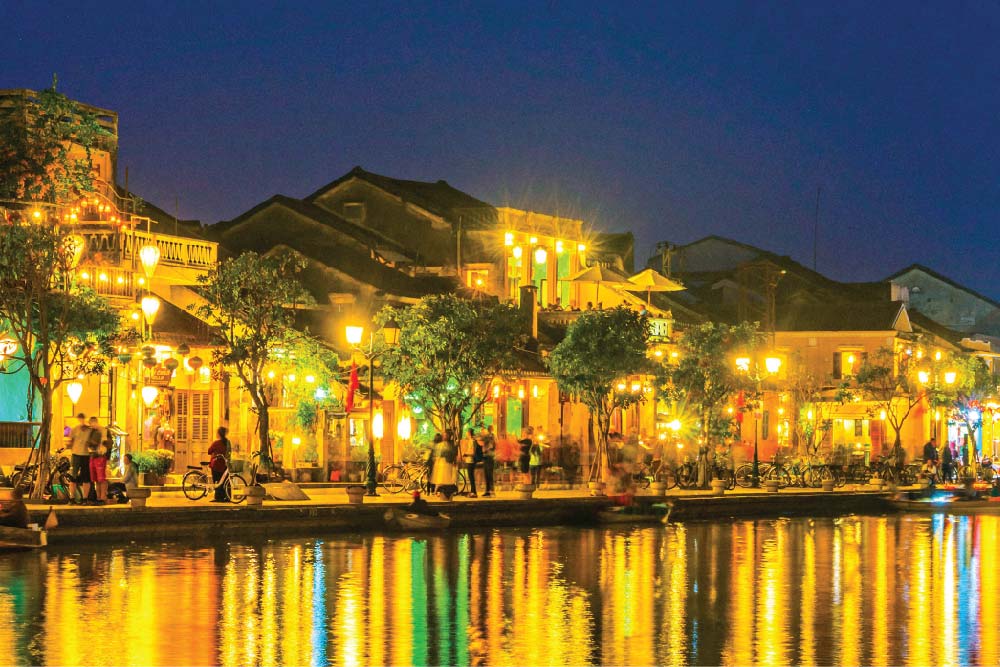
Best time to visit Central Vietnam
Hue imperial city timing
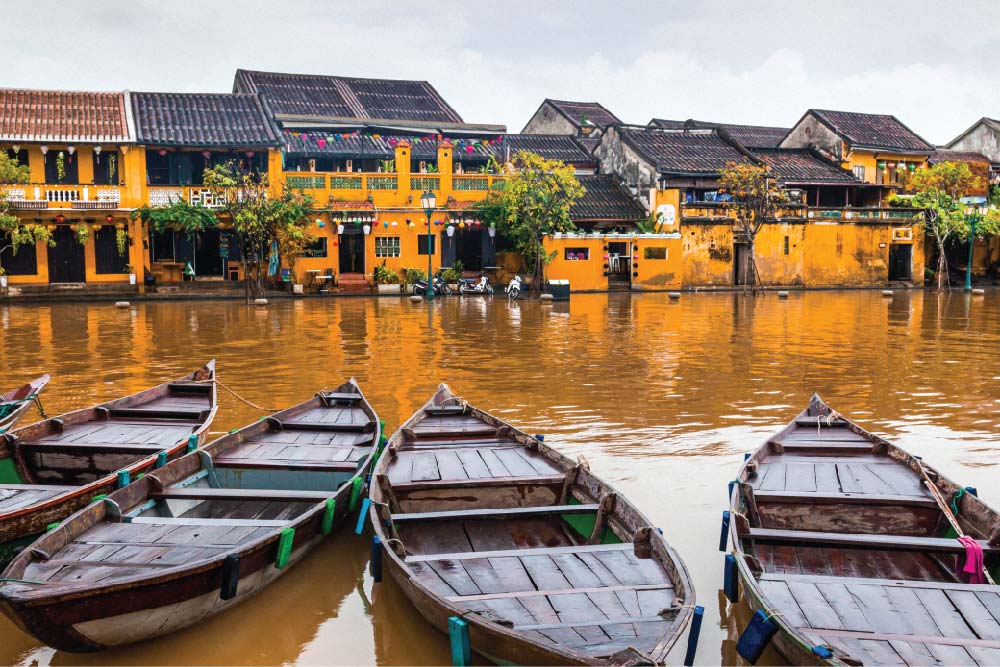
Central Vietnam, including the historic city of Hue, experiences a unique weather pattern influenced by both monsoons and geographical barriers. The best time to visit Hue is from February to August, when temperatures remain comfortable and rainfall is relatively low.
Hue’s weather during February through April offers ideal conditions for exploring the Imperial City, royal tombs, and Perfume River. Temperatures range from 20-25°C (68-77°F) with minimal rainfall, perfect for walking tours and cultural immersion.
The challenging period for Central Vietnam travel occurs from September to January, when the northeast monsoon brings heavy rainfall and occasional flooding. This wet season can significantly impact outdoor activities and transportation, making it less ideal for first-time visitors.
Hoi An ancient town season
Hoi An’s weather closely mirrors the broader Central Vietnam pattern, with the dry season (February-August) offering optimal conditions for exploring the Ancient Town’s lantern-lit streets and nearby beaches. March through May represents the sweet spot, with comfortable temperatures, low humidity, and minimal rainfall perfect for cycling tours and beach activities.
During the wet season (September-January), Hoi An can experience significant flooding, particularly in October and November. However, this period also brings fewer crowds and lower accommodation prices for budget-conscious travelers.
Da Nang coastal weather
Da Nang serves as Central Vietnam’s main gateway, offering both beach and mountain experiences. The city enjoys warm weather year-round, with the dry season (January-August) providing optimal conditions for beach activities, Ba Na Hills visits, and marble mountain exploration.
The wet season (September-December) brings heavy rainfall that can limit outdoor activities, but temperatures remain warm for those willing to work around occasional downpours.
Best time to visit South Vietnam
Ho Chi Minh City conditions
South Vietnam, anchored by Ho Chi Minh City (formerly Saigon), enjoys relatively consistent tropical weather throughout the year. The region experiences two main seasons: the dry season (December-April) and the wet season (May-November).
The dry season offers ideal conditions for Saigon tours, with temperatures ranging from 25-35°C (77-95°F), low humidity, and minimal rainfall. This period is perfect for exploring the city’s historic sites, vibrant markets, and nearby Cu Chi Tunnels.
Mekong Delta tours timing
Contrary to the mountainous landscape of the country, the Mekong Delta’s flat terrain and numerous waterways look just like your typical South Vietnam weather pattern, but with additional humidity from the extensive river system. The best time for Mekong Delta tours is during the dry season (December-April), when boat trips and floating market visits are most comfortable.
During the wet season (May-November), the delta experiences daily afternoon thunderstorms that usually last 1-2 hours. While this can briefly interrupt activities, the rain often provides welcome relief from the heat and creates lush, green landscapes perfect for photography.
Phu Quoc island season
Phu Quoc Island has the most consistent weather in Vietnam, with year-round tropical conditions ideal for beach activities. The dry season (October-March) offers the best conditions for water sports, island hopping, and beach relaxation, with minimal rainfall and calm seas.
The wet season (April-September) brings regular afternoon showers but rarely disrupts entire days. This period often offers better value for accommodations and fewer crowds at popular beaches.
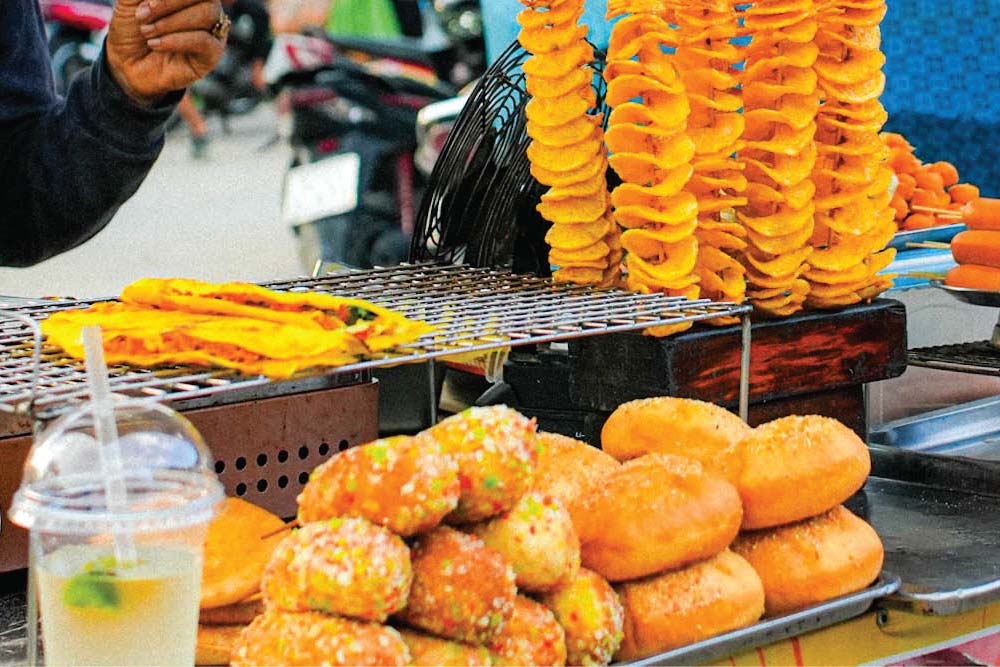
Vietnam travel planning strategies
Luxury tour timing
Luxury Vietnam tours require careful seasonal planning to ensure optimal comfort and experiences. The ideal strategy involves following the dry seasons across regions: starting in the south during December-February, moving to central Vietnam in March-April, and concluding in north Vietnam during October-November.
This approach allows travelers to experience each region during its most pleasant weather while avoiding the challenging wet seasons and extreme temperatures that can impact luxury travel comfort.
Family travel considerations
Vietnam family tours benefit from strategic seasonal planning that considers children’s comfort and school schedules. The optimal family travel periods are December-February (focusing on South and Central Vietnam) and October-November (ideal for North Vietnam).
These periods offer comfortable temperatures, minimal rainfall, and excellent visibility for sightseeing activities that engage travelers of all ages. Additionally, these months typically align with school holiday periods in many countries.
Budget travel timing
Understanding seasonal pricing helps optimize Vietnam holiday package value. Peak season (October-March) generally commands higher prices but offers optimal weather conditions. Shoulder seasons (April and September) can provide excellent value with acceptable weather conditions, while low season (May-August) offers the best prices but requires flexibility with weather-related activity changes.
Regional festivals and cultural events
Northern Vietnam celebrations
North Vietnam hosts numerous festivals that coincide with optimal weather periods. The Mid-Autumn Festival (September-October) occurs during perfect autumn weather, while Tet celebrations (January-February) happen during the cooler winter months, creating unique cultural experiences enhanced by seasonal atmospheres.
Central Vietnam cultural timing
Central Vietnam’s festival calendar often aligns with the dry season, with major events like Hue Festival (biennial, April-May) and Hoi An Lantern Festival (monthly full moon) offering cultural immersion during optimal weather conditions.
Southern Vietnam year-round events
South Vietnam’s consistent climate allows for year-round cultural events, with major celebrations like Tet and various temple festivals occurring regardless of season, though the dry season often provides more comfortable conditions for outdoor festivities.
Monthly weather breakdown
January-February conditions
Northern Vietnam experiences its coolest temperatures, occasionally requiring warm clothing, while South Vietnam enjoys ideal dry season conditions. Central Vietnam can still experience wet season effects, particularly in January.
March-April transitions
North Vietnam emerges into pleasant spring weather, perfect for Hanoi exploration and Ha Long Bay cruises. Central Vietnam transitions from wet to dry season, with improving conditions throughout the period.
May-August patterns
North Vietnam becomes hot and humid with frequent afternoon storms. Central Vietnam enjoys its best weather period with minimal rainfall and comfortable temperatures. South Vietnam experiences regular wet season patterns.
September-November changes
North Vietnam enters its most beautiful season with cool, dry conditions perfect for travel. Central Vietnam faces challenging wet season conditions. South Vietnam transitions from wet to dry season.
December optimal timing
North Vietnam becomes cool and dry, requiring warm clothing but offering crystal-clear skies. Central Vietnam begins improving from wet season conditions. South Vietnam starts its premium dry season period.

Practical travel considerations
Packing strategies
Different regions and seasons require specific packing approaches. North Vietnam winters demand warm layers, while South Vietnam’s consistent heat requires light, breathable clothing year-round. Central Vietnam’s wet season necessitates waterproof gear and quick-dry fabrics.
Transportation planning
Weather patterns significantly impact transportation options. Domestic flights may face delays during typhoon season, while road travel can be challenging during heavy rainfall periods in Central Vietnam. Planning buffer time and alternative routes ensures smooth travel experiences.
Accommodation booking
Peak season demand (October-March) requires advance booking, particularly for premium properties and popular destinations like Ha Long Bay and Hoi An. Shoulder and low seasons offer more flexibility and better rates but may coincide with challenging weather conditions.
Conclusion: optimizing your Vietnam experience
Vietnam’s diverse climate zones create opportunities for year-round travel, but understanding regional weather patterns is essential for optimizing your experience. The key lies in matching your travel dates with each region’s optimal seasons: October-December for North Vietnam, February-August for Central Vietnam, and December-April for South Vietnam.
For comprehensive Vietnam exploration, consider extended trips that follow the favorable weather patterns across regions, or plan multiple visits to experience different areas during their peak seasons. Whether you’re interested in luxury Vietnam tours, adventurous trekking, cultural immersion, or beach relaxation, proper seasonal planning ensures your Vietnam holiday package delivers unforgettable experiences under optimal conditions.
Remember that Vietnam’s weather can be unpredictable, and climate change continues to influence traditional patterns. Always check current weather forecasts and remain flexible with your itinerary to make the most of your Vietnamese adventure, regardless of the season you choose to visit this captivating Southeast Asian destination.