Vietnamese festivals and holidays offer travelers extraordinary opportunities to experience authentic cultural celebrations. Vietnamese festivals and holidays, like any other countries, have long been a part of our society’s rich heritage for centuries. From the grand spectacle of Tet (Vietnamese New Year) to intimate village festivals honoring local deities, Vietnamese festivals and holidays provide insights into spiritual traditions, family values, and community bonds that define Vietnamese culture. Whether you’re planning Vietnam family tours, luxury Vietnam tours, or independent cultural exploration, timing your visit with major Vietnamese festivals and holidays transforms ordinary travel into unforgettable cultural immersion experiences.
Our guide explores Vietnam’s most significant Vietnamese festivals and holidays, providing practical information for incorporating cultural celebrations into your travel itinerary across North, Central, and South Vietnam regions. Understanding Vietnamese festivals and holidays helps travelers connect with authentic Vietnamese culture while participating in meaningful celebrations.
Vietnamese festival calendar overview
Vietnamese festivals and holidays origins and cultural significance
Vietnamese festivals and holidays reflect the country’s complex cultural heritage, combining indigenous beliefs with Chinese influences, Buddhist traditions, and Confucian values. Most traditional festivals follow the lunar calendar, creating annual celebrations that honor ancestors, agricultural cycles, historical figures, and spiritual beliefs central to Vietnamese identity.
Understanding festival origins help you better appreciate contemporary celebrations while providing context for customs that may seem unfamiliar to outsiders. Many festivals serve multiple functions: spiritual observance, community bonding, cultural preservation, and social celebration that strengthens family and community relationships.
Vietnamese festivals and holidays timing and lunar calendar
Vietnamese festivals primarily follow the lunar calendar, meaning dates shift annually compared to the Western calendar. This lunar system creates festival timing that aligns with traditional agricultural seasons and astronomical events significant to Vietnamese spiritual beliefs.
Planning travel around Vietnamese festivals requires understanding lunar calendar timing and regional variations in celebration dates. Some festivals span multiple days or weeks, offering extended opportunities for cultural participation and observation.
Major Vietnamese holidays and national celebrations
Tet: Vietnamese New Year celebration
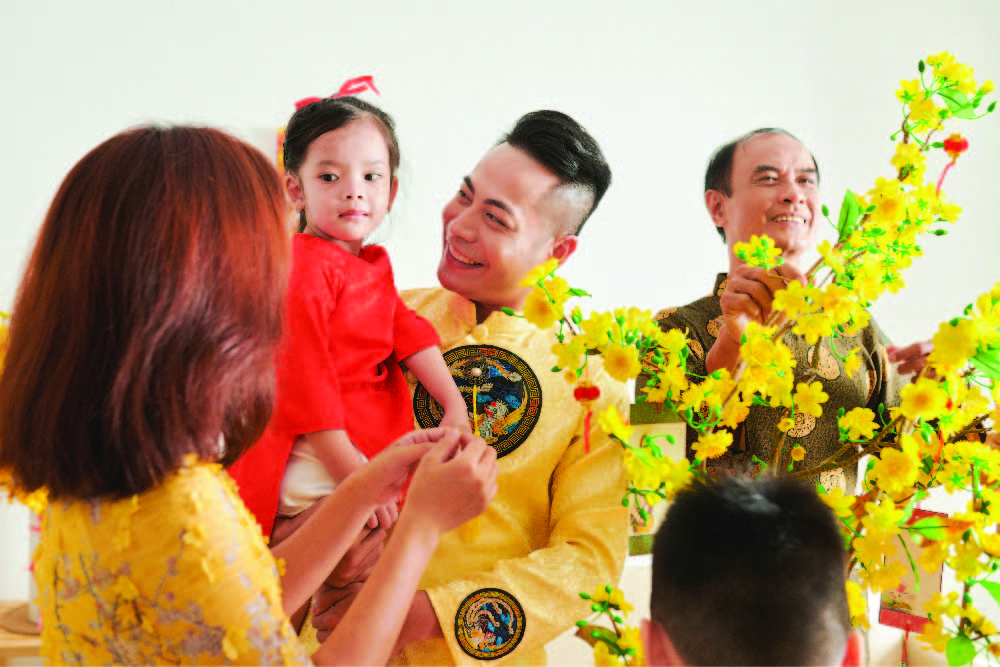
Tet (Tết Nguyên Đán) represents the most important celebration among Vietnamese festivals and holidays, marking the arrival of spring according to the lunar calendar.
Tet preparation period: The weeks leading to Tet feature intensive preparation as families clean homes, purchase new clothes, prepare traditional foods, and decorate houses with flowers and lucky symbols. Markets overflow with cuisine specialties like banh chung (sticky rice cakes), pickled vegetables, and flowering branches of different kinds that create festive atmospheres in cities and villages alike.
Tet celebration activities: The first three days of Tet focus on family gatherings, temple visits, and traditional customs believed to influence fortune for the entire year. Families visit ancestral graves, exchange gifts, and participate in community activities that strengthen social bonds while honoring cultural traditions.
Tet travel considerations: Many businesses close during Tet, and transportation becomes extremely crowded as people travel to family homes. However, the festival atmosphere creates unique cultural experiences unavailable during other times, making Tet an extraordinary period for cultural immersion despite logistical challenges.
Mid-Autumn Festival: celebration of harvest and family
The Mid-Autumn Festival represents one of the most beloved Vietnamese festivals and holidays occurring during the full moon, typically in September or October. This beloved celebration focuses on children, family unity, and harvest gratitude, with magical atmospheres in cities and villages throughout Vietnam.
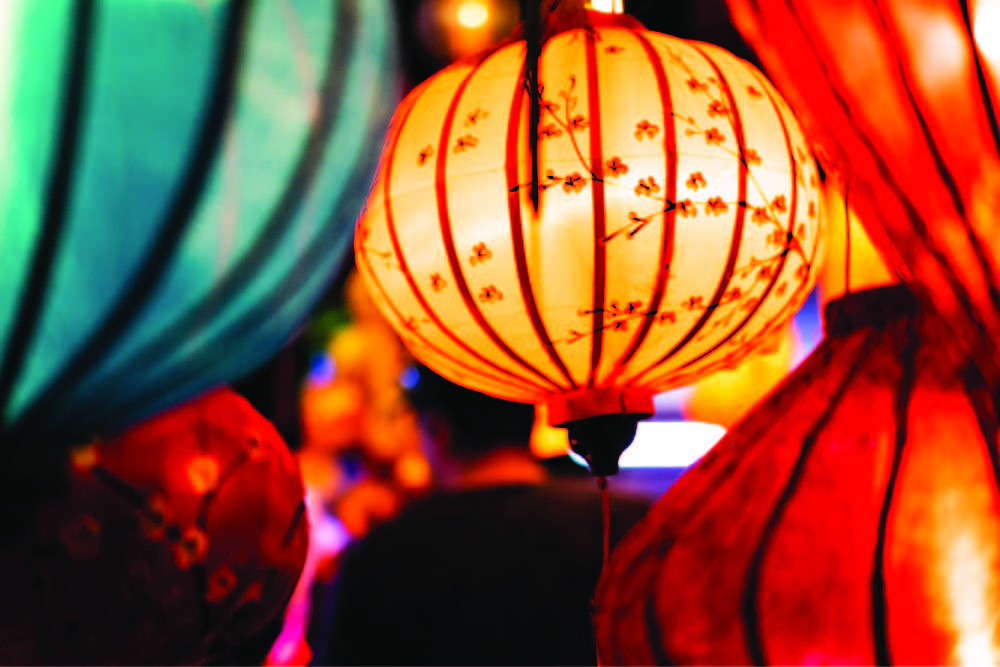
Lantern displays and moon cake traditions: Children carry colorful lanterns through streets while families share moon cakes, special pastries filled with lotus seeds, mung beans, or salted egg yolks. The round cakes symbolize family completeness and lunar beauty, creating gift-giving traditions that strengthen family relationships.
Dragon dances and cultural performances: Many communities organize elaborate dragon dances, lion dances, and cultural performances that transform public spaces into celebration venues. Visitors can experience Vietnamese performing arts within authentic cultural history behind every dance moves and costume designs by the locals.
National Day: celebrating Vietnamese independence
National Day (September 2nd) stands as one of the key Vietnamese festivals and holidays commemorating Ho Chi Minh’s declaration of independence in 1945.
Hanoi National Day celebrations: The capital hosts the largest National Day parade, featuring military displays, cultural performances, and community gatherings that showcase Vietnamese achievements and national unity. Ba Dinh Square becomes the focal point for official ceremonies and public celebrations.
Regional National Day activities: Cities and towns throughout Vietnam organize local celebrations including fireworks displays, cultural performances, and community gatherings that create festive atmospheres while honoring Vietnamese independence and national identity.
North Vietnam festivals and cultural celebrations
Hanoi Vietnamese festivals and holidays calendar and urban celebrations
Hanoi’s status as Vietnam’s cultural capital creates a rich calendar of Vietnamese festivals and holidays combining national celebrations with unique local traditions. Hanoi’s status creates a rich festival calendar featuring many significant Vietnamese festivals and holidays throughout the year. The city’s ancient temples, cultural venues, and public spaces provide settings for diverse festivals throughout the year.
Dong Da Hill Festival: This January celebration commemorates Quang Trung Emperor’s victory over Chinese invaders in 1789. The festival includes historical reenactments, traditional games, and cultural performances that bring Vietnamese history to life while honoring military achievements that protected Vietnamese independence.
Hanoi Temple of Literature Festival: Held twice yearly (spring and autumn), this festival honors Confucian education traditions and Vietnamese intellectual achievement. The celebration includes traditional ceremonies, calligraphy demonstrations, and cultural performances that showcase Vietnamese scholarly traditions and educational values.
Hanoi Old Quarter cultural festivals: Throughout the year, Hanoi’s historic Old Quarter hosts street festivals, craft fairs, and cultural celebrations that transform ancient streets into vibrant celebration venues. These events provide intimate opportunities to experience Hanoi’s living cultural traditions within historic settings.
Ha Long Bay water festivals and maritime celebrations
Ha Long Bay’s maritime environment creates unique festival traditions celebrating fishing communities, sea spirits, and natural beauty. These water-based festivals offer distinctive cultural experiences combining spiritual traditions with stunning natural scenery.
Bai Chay Festival: This summer celebration honors local fishing traditions and maritime safety, featuring boat races, seafood festivals, and cultural performances on floating stages. The festival provides insight into fishing community life while showcasing Ha Long Bay’s natural beauty as a celebration backdrop.
Dragon Boat Festivals: Several communities around Ha Long Bay organize dragon boat races during various lunar calendar celebrations. These events combine competitive sports with spiritual ceremonies honoring water spirits and community solidarity.
Sapa ethnic minority festivals
Sapa’s mountainous location and diverse ethnic populations create lots of distinction from lowland Vietnamese celebrations. These highland festivals offer insights into ethnic minority cultures and mountain spiritual traditions.
Sapa Love Market Festival: This traditional gathering allows young ethnic minorities to meet potential marriage partners through cultural exchanges, traditional music, and community socializing. While modernization has changed traditional aspects, the festival continues celebrating ethnic minority courtship traditions and cultural identity.
Ethnic minority New Year celebrations: Various ethnic groups celebrate New Year according to different calendars, creating multiple celebration opportunities throughout the year. These festivals feature traditional costumes, folk music, and community activities that showcase cultural diversity within Vietnam’s mountain regions.
Central Vietnam cultural festivals and historical celebrations
Hue Festival: imperial city cultural showcase
Central Vietnam hosts some of the most spectacular Vietnamese festivals and holidays including the biennial Hue Festival. Central Vietnam’s imperial history creates unique Vietnamese festivals and holidays religious ceremonies that combine Buddhist practices with Confucian traditions.
Imperial palace performances: The festival features elaborate performances within Hue’s Imperial City, including traditional court music, classical dance, and theatrical presentations that recreate royal cultural traditions. These performances provide unique opportunities to experience Vietnamese imperial culture within authentic historical settings.
International cultural participation: The Hue Festival attracts international artists and cultural groups, creating cultural exchange opportunities while showcasing Vietnamese traditions to global audiences. This international dimension enhances the festival’s cultural significance while promoting Vietnam’s cultural heritage internationally.
Traditional craft demonstrations: Master craftspeople demonstrate traditional techniques including silk weaving, pottery making, and woodcarving that preserve Vietnamese artistic traditions. These demonstrations offer hands-on learning opportunities about Vietnamese craftsmanship and artistic heritage.
Hoi An Lantern Festival: monthly full moon celebration
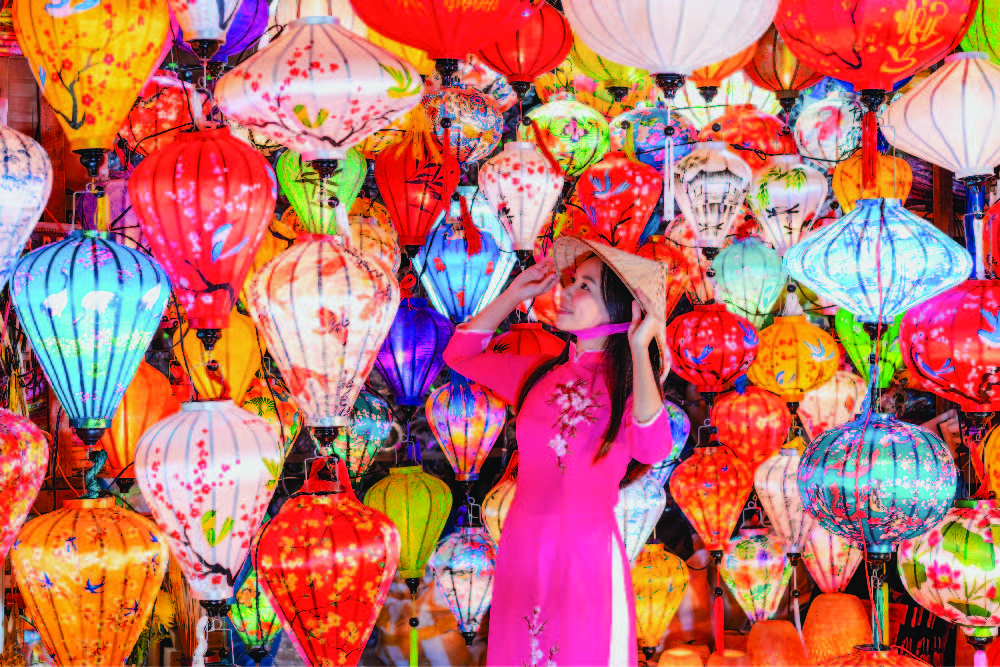
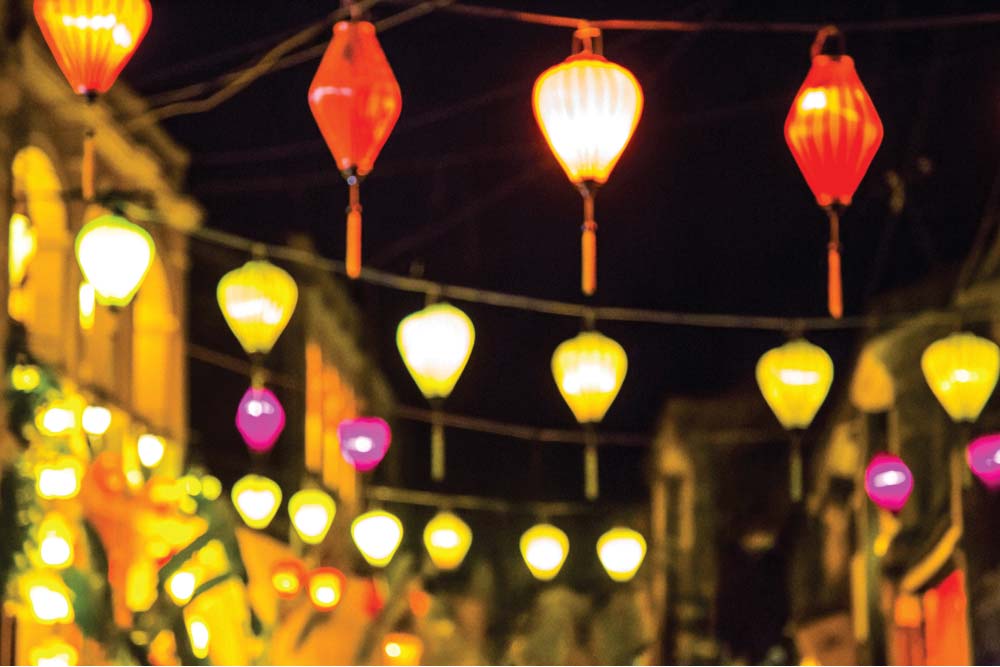
Hoi An’s monthly Lantern Festival transforms the ancient town into a magical landscape of colorful lanterns, traditional performances, and cultural activities that celebrate the full moon while preserving Hoi An’s merchant town heritage.
Lantern processions and river ceremonies: Families and visitors release floating lanterns on the Thu Bon River while making wishes for good fortune and family happiness. These river ceremonies create ethereal atmospheres that combine spiritual traditions with stunning visual beauty.
Traditional games and cultural activities: The festival features traditional Vietnamese games, folk music performances, and cultural demonstrations that engage visitors in authentic cultural participation. Food vendors offer traditional specialties while artisans demonstrate traditional crafts within historic settings.
My Son Cham cultural festivals
My Son’s Cham temple ruins host occasional cultural festivals celebrating Cham heritage and Hindu traditions that shaped Central Vietnam’s cultural landscape before Vietnamese expansion southward.
Cham traditional music and dance: These festivals feature authentic Cham performing arts including traditional music, ceremonial dances, and cultural presentations that preserve Cham cultural identity while educating visitors about Vietnam’s cultural diversity.
Historical commemoration activities: Festivals at My Son often include historical presentations and educational activities that explain Cham civilization’s contributions to Vietnamese culture while honoring the site’s UNESCO World Heritage significance.
South Vietnam festivals and regional celebrations
Ho Chi Minh City urban festivals and modern celebrations
Southern Vietnam’s diverse cultural landscape creates unique Vietnamese festivals and holidays reflecting the region’s innovation.
Nguyen Hue Flower Street Festival: This Tet celebration transforms Ho Chi Minh City’s main pedestrian street into a spectacular flower display featuring elaborate arrangements, cultural performances, and festive activities that attract millions of visitors during Vietnamese New Year.
Southern Food Festivals: Ho Chi Minh City hosts various culinary festivals throughout the year, celebrating southern Vietnamese cuisine’s distinctive flavors and cooking techniques. These events provide excellent opportunities to experience authentic southern Vietnamese food culture and regional specialties.
Modern cultural festivals: The city organizes contemporary cultural festivals including music festivals, art exhibitions, and cultural celebrations that blend traditional Vietnamese elements with modern urban culture, reflecting southern Vietnam’s dynamic cultural evolution.
Mekong Delta water festivals and agricultural celebrations
The Mekong Delta’s riverine environment and agricultural focus create festival traditions celebrating water, rice cultivation, and rural community life that provide insights into Vietnamese agricultural culture and river-based lifestyles.
Ok Om Bok Festival: This Khmer cultural celebration in the Mekong Delta honors the moon, water, and rice harvest through boat races, traditional performances, and community gatherings that demonstrate cultural diversity within southern Vietnam.
Rice harvest festivals: Various communities throughout the Mekong Delta organize harvest celebrations featuring traditional games, cultural performances, and community feasts that honor agricultural achievements while strengthening rural community bonds.
Floating market festivals: Some floating markets host special celebrations during lunar festivals, creating unique opportunities to experience traditional commerce combined with cultural festivities on the delta’s waterways.
Phu Quoc island maritime festivals
Phu Quoc Island’s maritime location creates festival traditions celebrating fishing, sea spirits, and island community life that offer distinctive cultural experiences within Vietnam’s tropical island environment.
Dinh Cau Festival: This celebration honors the sea spirit believed to protect fishermen and ensure safe fishing expeditions. The festival features traditional ceremonies, community gatherings, and cultural activities that demonstrate island spiritual traditions and maritime culture.
Island seafood festivals: Phu Quoc hosts seafood festivals celebrating the island’s fishing industry and distinctive seafood cuisine. These events provide excellent opportunities to experience island food culture while enjoying tropical island atmospheres.
Vietnam family tours during festival seasons
Vietnamese festivals and holidays: family-friendly experiences
Vietnamese festivals offer exceptional opportunities for families to experience authentic cultural celebrations while creating educational experiences for travelers of all ages. Many festivals include activities specifically designed for children and family participation.
Interactive cultural activities: Festivals often feature hands-on activities including traditional game participation, craft making, and cultural demonstrations that engage children while providing educational experiences about Vietnamese culture and traditions.
Festival food experiences: Vietnamese festivals showcase traditional foods and cooking techniques that introduce families to authentic Vietnamese cuisine within cultural contexts. Many festivals include cooking demonstrations and food sampling opportunities perfect for family cultural exploration.
Vietnamese festivals and holidays educational opportunities
Festival participation provides educational opportunities about Vietnamese history, culture, and social traditions that enhance family travel experiences while creating lasting cultural memories and understanding.
Cultural learning activities: Many festivals include educational components explaining historical significance, cultural meanings, and social importance of celebrations. These learning opportunities help families understand Vietnamese culture beyond superficial tourist experiences.
Photography and documentation opportunities: Festivals provide excellent opportunities for families to document cultural experiences through photography and journaling that creates lasting memories while encouraging cultural observation and appreciation skills.
Vietnam luxury tours and premium festival experiences
Exclusive festival access and VIP experiences
Luxury Vietnam tours can arrange exclusive Vietnamese festivals and holidays access, premium viewing locations, and cultural experiences.
Private festival guides: Expert cultural guides provide deeper insights into festival significance, customs, and appropriate participation while managing logistics and cultural etiquette requirements. These guides enhance understanding while ensuring respectful cultural engagement.
Premium festival accommodations: Luxury tours arrange accommodations near festival venues with convenient access to celebrations while providing comfortable retreat spaces when needed. Some arrangements include private balconies or viewing areas for festival observation.
Cultural immersion and authentic experiences
Luxury festival experiences can include authentic cultural participation opportunities including private meetings with cultural practitioners, exclusive cultural demonstrations, and behind-the-scenes access to festival preparation activities.
Artisan interactions: Premium tours may arrange meetings with master craftspeople, traditional musicians, and cultural experts who provide insider perspectives on Vietnamese cultural traditions and festival significance.
Exclusive cultural experiences: Some luxury arrangements include private cultural performances, traditional meal experiences with local families, and special access to cultural sites during festival periods.
Festival timing and seasonal considerations
Best seasons for festival travel by region
Understanding regional festival timing and seasonal weather patterns helps optimize cultural travel experiences while ensuring comfortable conditions for festival participation and cultural exploration.
North Vietnam festival seasons: October through December offers ideal conditions for experiencing northern festivals, with comfortable weather perfect for outdoor celebrations and temple festivals. This period includes several important Buddhist festivals and agricultural celebrations.
Central Vietnam cultural celebrations: February through August provides optimal conditions for central Vietnam festivals, avoiding the wet season while offering comfortable temperatures for cultural activities and outdoor celebrations.
South Vietnam festival timing: December through April offers excellent conditions for southern festivals, with lower humidity and minimal rainfall perfect for outdoor cultural celebrations and urban festival activities.
Vietnam holiday package planning around festivals
Planning Vietnam holiday packages around major festivals requires advance booking and careful timing considerations, as festival periods often coincide with increased domestic travel and higher accommodation demand.
Festival accommodation strategies: Major festivals create increased demand for accommodations, requiring early booking and flexible arrangements. Some festivals may impact transportation and business operations, requiring careful itinerary planning.
Cultural preparation and expectations: Festival participation benefits from cultural preparation including understanding customs, appropriate behavior, and participation opportunities. This preparation enhances experiences while ensuring respectful cultural engagement.
Festival etiquette and cultural participation guidelines
Appropriate festival behavior and cultural respect
Participating in Vietnamese festivals requires understanding cultural norms and appropriate behavior that demonstrates respect for traditions while allowing meaningful cultural participation and observation.
Dress codes and cultural sensitivity: Festival participation often requires modest, respectful clothing that honors the cultural and spiritual significance of celebrations. Understanding appropriate attire demonstrates cultural sensitivity and respect for Vietnamese traditions.
Photography and documentation etiquette: Festival photography requires sensitivity to spiritual ceremonies, family gatherings, and cultural activities where photography may be inappropriate or intrusive. Asking permission and understanding restrictions shows cultural respect.
Cultural participation opportunities
Many Vietnamese festivals welcome respectful visitor participation in cultural activities, traditional games, and community celebrations that provide authentic cultural experiences while supporting community traditions.
Community involvement guidelines: Understanding appropriate participation levels and cultural boundaries helps visitors engage meaningfully with festivals while respecting cultural significance and community ownership of traditions.
Gift giving and cultural exchange: Some festivals include gift exchange traditions or donation opportunities that allow visitors to participate in cultural customs while supporting community celebrations and cultural preservation.
Regional festival foods and culinary traditions
Traditional festival cuisine by region
Vietnamese festivals feature distinctive foods and culinary traditions that reflect regional ingredients, cooking techniques, and cultural preferences while honoring seasonal celebrations and spiritual significance.
Northern festival foods: Northern festivals often feature sticky rice dishes, traditional sweets, and ceremonial foods that honor ancestors and seasonal celebrations. These specialties provide insights into northern Vietnamese culinary traditions and festival customs.
Central Vietnam festival cuisine: Central Vietnam’s imperial heritage creates elaborate festival foods including royal cuisine adaptations and regional specialties that demonstrate sophisticated culinary traditions and cultural refinement.
Southern festival specialties: Southern festivals showcase tropical ingredients, distinctive flavors, and innovative cooking techniques that reflect the region’s agricultural abundance and cultural diversity.
Festival cooking demonstrations and food experiences
Many festivals include cooking demonstrations, food preparation activities, and culinary experiences that provide hands-on learning about Vietnamese cuisine while participating in cultural traditions.
Traditional cooking techniques: Festival cooking demonstrations often showcase traditional preparation methods, ingredients, and cooking techniques that preserve Vietnamese culinary heritage while educating visitors about authentic food culture.
Family recipe sharing: Some festivals include opportunities to learn family recipes and cooking traditions from local cooks who share cultural knowledge while preparing traditional festival foods.
Practical festival travel information
Transportation during festival periods
Festival periods often create transportation challenges due to increased domestic travel, road closures for celebrations, and modified transportation schedules that require flexible planning and advance arrangements.
Urban transportation during festivals: City festivals may include street closures, modified public transportation schedules, and increased traffic that affects travel times and route planning. Understanding these impacts helps optimize festival travel experiences.
Rural festival access: Rural festivals may require special transportation arrangements including private vehicles, motorbike taxis, or organized tours that provide access to remote celebration venues while ensuring safe and convenient travel.
Accommodation and booking considerations
Festival periods create increased demand for accommodations, particularly near celebration venues and in popular destinations. Early booking and flexible arrangements help secure appropriate accommodations while maintaining reasonable costs.
Festival season pricing: Accommodation prices often increase during major festivals, particularly during Tet and other national celebrations. Understanding seasonal pricing helps budget appropriately while securing quality accommodations.
Location considerations: Choosing accommodations near festival venues provides convenient access to celebrations while allowing easy retreat when needed. Some locations offer better access to multiple festival activities and cultural sites.
Conclusion: enhancing your Vietnam journey through cultural celebrations
Vietnamese festivals and holidays provide extraordinary opportunities to experience authentic cultural traditions, spiritual practices, and community celebrations that illuminate Vietnamese values, beliefs, and social customs. From the grand spectacle of Tet celebrations to intimate village festivals honoring local traditions, Vietnam’s festival calendar offers cultural immersion experiences that transform ordinary travel into profound cultural encounters.
Whether you’re planning comprehensive Vietnam tours, focused cultural exploration, or incorporating festival experiences into broader travel itineraries, Vietnamese celebrations provide rewards for travelers seeking authentic cultural engagement, historical understanding, and meaningful connections with Vietnamese communities. The country’s diverse festival traditions, regional variations, and living cultural practices create opportunities for transformative experiences that extend far beyond conventional tourist activities.
Planning travel around Vietnamese festivals and holidays requires understanding cultural significance, appropriate participation methods, and practical considerations. As you explore Vietnam’s rich festival heritage, remember that celebrations remain deeply meaningful expressions of Vietnamese identity, community values, and spiritual traditions that continue shaping contemporary Vietnamese society.
Vietnam’s festivals await travelers ready to discover the profound cultural celebrations that have sustained Vietnamese communities through centuries of change while maintaining relevance and meaning in the modern world. These cultural treasures provide windows into Vietnamese hearts and minds that reveal the beauty, complexity, and enduring strength of Vietnamese cultural traditions.