Planning a first-time Vietnam itinerary can feel overwhelming, given the country’s incredible diversity that stretches over 1,600 kilometers from north to south. This S-shaped nation offers a diverse range of experiences, from misty mountain villages to pristine beaches, ancient imperial cities to bustling modern metropolises, and emerald rice terraces to limestone karst seascapes. Understanding how to maximize limited vacation time while experiencing Vietnam’s highlights proves essential for first-time visitors, according to Vietnam tourism planning research.
The perfect first-time Vietnam itinerary balances iconic must-see destinations with authentic cultural experiences, while maintaining a realistic pacing that prevents exhaustion. Many first-time visitors attempt too much, trying to see everything in limited time frames. This creates rushed and uncomfortable travel experiences that miss the essence of Vietnamese culture, according to visitor satisfaction studies.
Most first-time visitors spend between one and three weeks in Vietnam, with two weeks representing the most popular duration. This timeframe allows experiencing the country’s diversity without feeling rushed while fitting typical vacation schedules. Understanding optimal routing, essential destinations, and practical logistics transforms what would otherwise be an overwhelming planning process into an exciting adventure, adhering to travel planning principles.
This comprehensive guide offers detailed itinerary options for first-time visitors to Vietnam, spanning one week, two weeks, and three weeks. It includes specific daily plans, transportation advice, accommodation recommendations, and insider tips, ensuring successful and memorable trips based on expert destination knowledge.
Understanding Vietnam’s geography for itinerary planning
Vietnam’s elongated shape creates natural routing patterns that significantly impact first-time itinerary planning in Vietnam. The country stretches 1,650 kilometers north to south but measures only 50 kilometers at its narrowest point. This geography yields three distinct regions with varying climates, cultures, and attractions, as determined by geographical tourism analysis.
Northern Vietnam centers around Hanoi, featuring cooler temperatures, four distinct seasons, a strong Chinese cultural influence, and dramatic mountain landscapes. The region encompasses the iconic Ha Long Bay, the mountain town of Sapa, and the capital’s rich cultural heritage. Northern cuisine emphasizes subtle flavors, with famous dishes like pho originating from this region, reflecting its unique characteristics.
Central Vietnam showcases its ancient imperial history, centered in Hue, the charming UNESCO town of Hoi An, the modern beach city of Da Nang, and the spectacular cave systems of Phong Nha. The region experiences hot, dry summers and rainy winters, creating seasonal considerations. Central Vietnamese cuisine features spicier flavors, with royal culinary traditions from Hue’s imperial past, reflecting the distinct culinary traditions of the central region.
Southern Vietnam revolves around the dynamic Ho Chi Minh City, which boasts tropical weather year-round, French colonial influences, war history sites, the intricate Mekong Delta waterways, and beautiful island beaches, such as Phu Quoc. Southern cuisine incorporates more sugar and coconut, creating sweeter profiles. The region’s flat delta landscape contrasts sharply with the northern mountains, adopting characteristics more typical of the south.
Understanding these regional differences helps create balanced first-time Vietnam itinerary plans that showcase the country’s diversity. Most visitors choose either north-to-south or south-to-north routes, depending on international flight options and personal preferences, according to routing strategies.

North to south or south to north: Choosing your direction
The direction of travel has a significant impact on first-time Vietnam itinerary experiences. Both routes offer advantages, with the choice depending on international flights, weather timing, and personal energy management, as determined by routing analysis.
North to south itinerary advantages
Starting in Hanoi and traveling south follows the most popular route for first-time visitors. This direction offers several practical and experiential advantages, particularly in relation to north-to-south travel patterns.
The gradual transition from Hanoi’s temperate climate to Ho Chi Minh City’s tropical heat allows for a comfortable adjustment. Bodies naturally acclimate to increasing temperatures rather than being shocked by immediate tropical heat. The temperature progression feels natural and comfortable according to climate adaptation research.
Cultural immersion deepens when starting in traditional northern Vietnam before experiencing more westernized southern regions. The progression from subtle northern culture to energetic southern lifestyle creates a meaningful contrast, highlighting regional differences. Understanding traditional roots first provides context for modern adaptations according to cultural learning principles.
Energy management works better starting with busy Hanoi before relaxing on the beaches. Most travelers arrive energetic, wanting to explore intensively. Scheduling demanding sightseeing early, when energy levels are at their peak, and then finishing with beach relaxation creates optimal pacing according to travel energy patterns.
International flight options favor north-to-south routing. More direct international flights serve Hanoi than Ho Chi Minh City from many origins. The routing convenience and often better pricing make northern starts practical according to flight availability data.
South to north itinerary advantages
Starting in Ho Chi Minh City and traveling north offers distinct advantages for sure travelers, with timing that aligns with south-to-north patterns.
Beach relaxation at the start of the trip helps alleviate jet lag. Landing in the southern tropical warmth and heading straight to the beaches provides a gentle transition before embarking on an intensive sightseeing experience. The relaxed start facilitates physical recovery from long flights, aligning with jet lag management strategies.
Weather optimization is more effective for specific travel periods. Southern Vietnam’s stable tropical climate during the northern monsoon season makes southern starts practical. The weather-dependent routing ensures better conditions throughout trips, optimized according to seasonal timing.
Ending in Hanoi positions travelers well for a visit to Ha Long Bay as a final highlight. Finishing trips with stunning bay cruises creates memorable conclusions. The iconic scenery and relaxing boat experience provide a perfect ending to the trip, according to experiential pacing.
Slightly lower tourism crowds in southern regions first provide a gentler introduction to Vietnam before facing busier northern tourist areas. The gradual increase in crowds enables cultural adjustment in response to tourism flow patterns.
Essential destinations for a first-time Vietnam itinerary
Specific destinations prove essential for comprehensive first-time Vietnam itinerary plans, regardless of trip duration. These highlights showcase Vietnam’s diversity while offering authentic experiences, prioritizing destinations according to their importance rankings.
Hanoi: Cultural capital
Hanoi stands as essential for first-time visitors as Vietnam’s capital and cultural heart. The thousand-year-old city blends French colonial architecture, ancient temples, chaotic Old Quarter streets, and a vibrant food scene, creating authentic northern Vietnamese experiences according to Hanoi’s tourism significance.
Two to three days allow for adequate exploration of Hanoi, including wandering through the Old Quarter, visiting the Temple of Literature, attending water puppet shows, taking street food tours, and taking day trips to nearby attractions. Hanoi offers an excellent introduction to Vietnamese culture and history, according to its time allocation.
Ha Long Bay: Natural wonder
Ha Long Bay represents Vietnam’s most iconic landscape and is a UNESCO World Heritage Site. The emerald waters, dotted with limestone karsts, create scenery that matches any world destination. Overnight cruises through the bay offer unforgettable experiences, which are essential for first-time visitors, highlighting the significance of Ha Long.
One to two nights on a cruise allows for proper bay appreciation, including kayaking, cave visits, and peaceful sunrise experiences. The overnight experience proves more valuable than rushed day trips, according to Ha Long visit optimization.
Hoi An: Ancient town charm
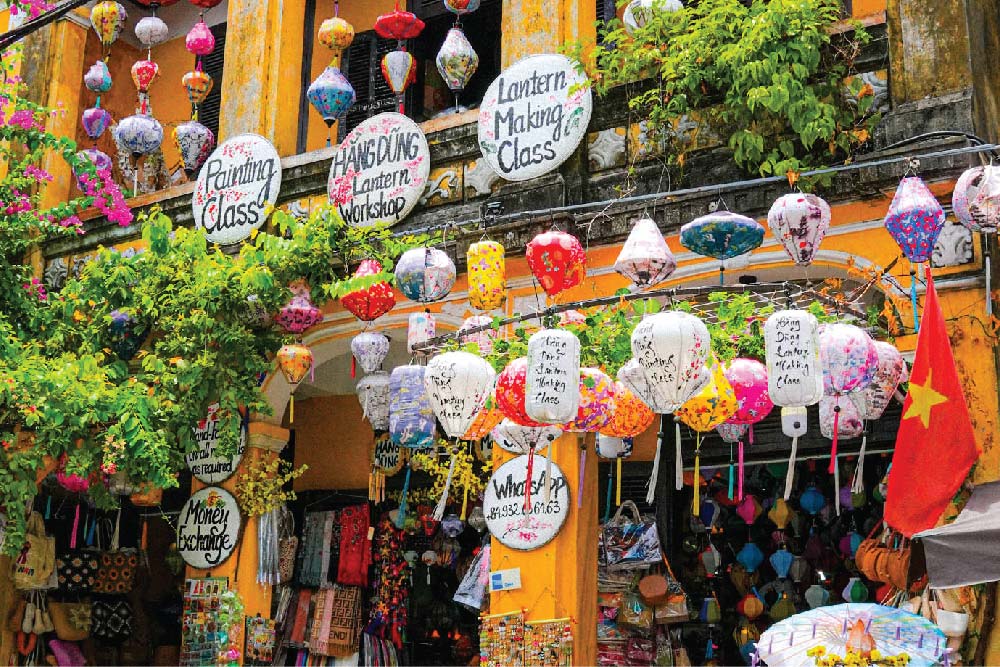
Hoi An offers a magical atmosphere with its preserved ancient architecture, lantern-lit streets, riverside setting, nearby beaches, and an outstanding food scene. The UNESCO town provides a perfect blend of culture, relaxation, and activities, making it a favorite among many visitors, as indicated by Hoi An’s popularity data.
Three to four days allow for a comprehensive Hoi An experience, including ancient town exploration, beach time, cooking classes, bicycle tours to rice paddies, and custom tailoring. The relaxed pace matches the town’s laid-back atmosphere, according to Hoi An time recommendations.
Ho Chi Minh City: Modern energy
Ho Chi Minh City showcases Vietnam’s dynamic modern face while preserving war history and French colonial heritage. The bustling metropolis offers museums, markets, street food, nightlife, and day trip options to Cu Chi Tunnels and Mekong Delta, according to HCMC tourism features.
Two to three days provides adequate city exploration while allowing meaningful day trips. The energetic atmosphere contrasts strongly with quieter destinations, creating valuable diversity according to HCMC allocation.
Additional worthy destinations
Sapa mountain town offers stunning rice terraces and ethnic minority culture worth including for three-week itineraries. Hue Imperial City provides historical depth between Hanoi and Hoi An. Phong Nha cave systems impress adventure travelers. Mekong Delta showcases rural water life. Phu Quoc beaches offer tropical island experiences, ranking as a secondary destination.
One week first-time Vietnam itinerary
Seven days provides the minimum time for meaningful first-time Vietnam itinerary experiences. This condensed schedule requires focusing on absolute highlights while accepting the reality of not being able to see everything, given the limitations of one-week planning.
One week north-focused itinerary
This routing emphasizes northern Vietnam’s cultural and natural highlights, creating a cohesive regional experience that focuses on the north.
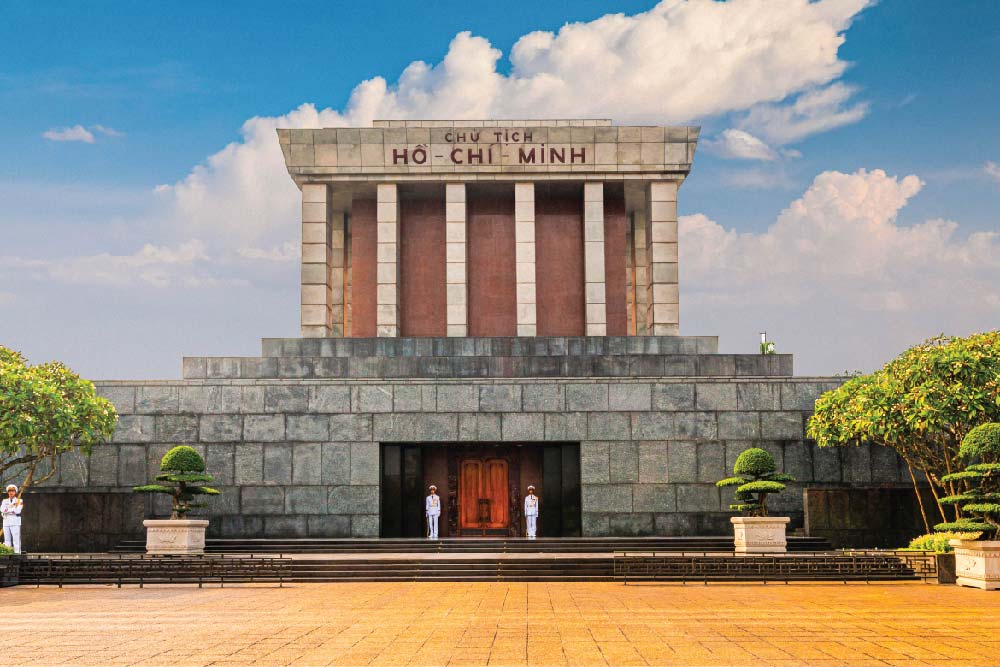
Day 1-2: Hanoi Arrive in Hanoi, spending two days exploring the capital. Visit Old Quarter streets, Hoan Kiem Lake, Temple of Literature, and Ho Chi Minh Mausoleum. Enjoy an evening water puppet show and sample street food, including pho, bun cha, and egg coffee. The introduction to Vietnamese culture provides an essential foundation, according to the Hanoi orientation.
Day 3-4: Ha Long Bay Transfer to Ha Long Bay for an overnight cruise. Spend two days cruising through karst landscapes, including kayaking, cave visits, swimming, and enjoying peaceful sunrise experiences. The bay delivers iconic scenery, justifying a two-night investment according to bay experience optimization.
Day 5-6: Return to Hanoi, spending an additional day exploring missed attractions, shopping for souvenirs, taking a cooking class, or making a day trip to nearby Ninh Binh. The extra time allows deeper exploration and practical trip closure according to return day strategies.
Day 7: Departure Morning departure or optional additional activities before the afternoon evening flight home, according to departure day flexibility.
One week highlights itinerary
This faster-paced routing connects north and south, showcasing maximum diversity in a limited time according to the highlights coverage approach.
Day 1-2: Hanoi Two days exploring Hanoi highlights, focusing on essential attractions while getting oriented to Vietnamese culture and cuisine according to an efficient capital introduction.
Day 3: Ha Long Bay day trip. Full-day cruise to Ha Long Bay, returning to Hanoi in the evening. While overnight trips prove better, day trips work for tight schedules, according to time constraint adaptations.
Day 4: Fly to Hoi An. Take a morning flight to Da Nang, then transfer to Hoi An. Afternoon: exploring the ancient town and evening: enjoying the riverside lantern atmosphere, according to the relocation day’s planning.
Day 5: Hoi An Full day for cooking class, beach time, or bicycle tour to the countryside showcasing central Vietnamese culture and landscapes according to Hoi An activities.
Day 6-7: Ho Chi Minh City Fly to Ho Chi Minh City, spending the final days exploring the southern metropolis, including Cu Chi Tunnels, before departure according to the south of the conclusion.
Two-week first-time Vietnam itinerary
Two weeks represents the optimal duration for a comprehensive and balanced first-time Vietnam itinerary that covers major highlights with comfortable pacing, as per the two-week planning analysis.

Two-week classic north to south
This routing provides a thorough introduction to Vietnam, following the classic north-to-south path at a comfortable pace, according to an optimal two-week structure.
Day 1-3: Hanoi Three days in Hanoi, allowing thorough capital exploration, including Old Quarter wandering, temple visits, museums, street food tours, water puppet shows, and a possible day trip to Ninh Binh for a countryside experience. The extended time allows for deep cultural immersion, as evidenced by comprehensive coverage of Hanoi.
Day 4-5: Ha Long Bay Two-night cruise through Ha Long Bay with kayaking, cave exploration, swimming, and sunrise viewing. The overnight experience offers a full appreciation of the bay, which is impossible to achieve on day trips, according to the bay immersion value.
Day 6: Travel to Hoi An. Morning: Return to Hanoi. Afternoon: Flight to Da Nang, then transfer to Hoi An. Evening settling into the ancient town atmosphere, according to the transition day plan.
Day 7-10: Hoi An Four days in Hoi An, allowing a comprehensive town experience including ancient architecture exploration, beach relaxation at An Bang, cooking class, bicycle tours through rice paddies, custom tailoring, and simply soaking in magical lantern-lit evenings. The extended stay enables proper appreciation of town life according to Hoi An’s time optimization.
Day 11: Travel to Ho Chi Minh City. Morning flight to Ho Chi Minh City. In the afternoon, begin your city exploration in District 1, which includes Ben Thanh Market, Notre Dame Cathedral, and the Central Post Office. In the evening, experience bustling Bui Vien Street or rooftop bars, depending on the day’s activities.
Day 12: Cu Chi Tunnels Full-day tour to Cu Chi Tunnels, learning about Vietnam War history and experiencing the underground network. Return in the evening for a street food dinner, as per the history day trip.
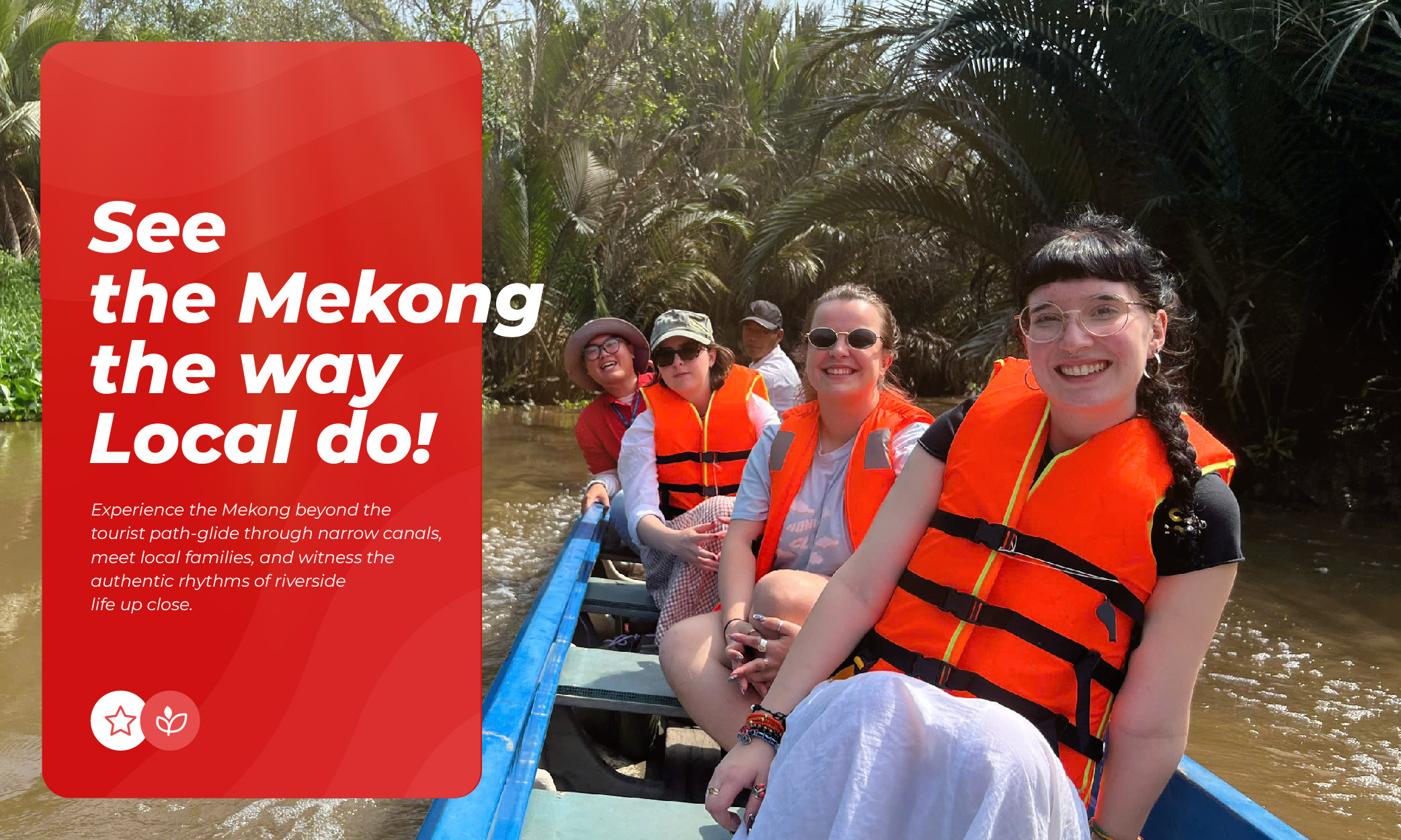
Day 13: Mekong Delta Full-day tour to the Mekong Delta, experiencing floating markets, fruit orchards, local villages, and river life. The rural experience contrasts beautifully with urban Ho Chi Minh City, according to the Delta Excursion value.
Day 14: Departure Final morning shopping for souvenirs and enjoying the last Vietnamese meal before afternoon departure according to final day flexibility.
Two-week beach lovers variation
This adaptation incorporates beach time while preserving cultural highlights in accordance with beach-focused preferences.
Follow the classic itinerary through Day 10 in Hoi An. Then modify:
Day 11: Travel to Nha Trang or Phu Quoc. Fly to a beach destination, spending the final days combining cultural sightseeing with beach relaxation. Nha Trang offers a city beach experience, while Phu Quoc provides a tropical island experience, depending on the beach options.
Day 12-13: Beach relaxation Beach days with swimming, snorkeling, island tours, spa treatments, and seafood dinners according to the beach itinerary.
Day 14: Departure via Ho Chi Minh City. Fly to Ho Chi Minh City for an international connection or direct departure, depending on routing flexibility.
Three-week first-time Vietnam itinerary
Three weeks allow for a comprehensive exploration of Vietnam, including secondary destinations, while maintaining a comfortable and unhurried pace according to the extended itinerary’s advantages.
Three weeks of complete discovery
This routing encompasses major highlights, as well as valuable secondary destinations, providing a comprehensive understanding of Vietnam through a structured three-week itinerary.
Day 1-3: Hanoi Three days thoroughly exploring the capital, including the mentioned attractions plus additional temples, museums, and neighborhood exploration according to extended capital time.
Day 4-5: Sapa Overnight train to Sapa, spending two days trekking through rice terraces, visiting ethnic minority villages, and enjoying mountain scenery. Return overnight by train to Hanoi, following the mountain culture route.
Day 6-7: Ha Long Bay Two-night premium cruise through Ha Long Bay with extended activities and less-visited areas according to enhanced bay experience.
Day 8: Fly to Hue. Morning flight to Hue, beginning Imperial City exploration. Visit the Perfume River and the royal tombs, as described in the introduction to imperial history.
Day 9: Hue continued, Full day exploring Imperial Citadel complex, additional royal tombs, and Thien Mu Pagoda. Enjoy the evening with Hue cuisine as part of a complete imperial experience.
Day 10: Hoi An Morning transfer to Hoi An via Hai Van Pass. Afternoon settling into an ancient town along the scenic route.
Day 11-14: Hoi An for four days for a comprehensive town experience, plus a possible day trip to My Son ruins or countryside explorations, according to an extended Hoi An stay.
Day 15-16: Nha Trang Fly to Nha Trang for beach relaxation, island hopping, and watersports. The coastal break provides perfect mid-itinerary relaxation, complemented by the addition of a beach.
Day 17: Fly to Ho Chi Minh City on a Morning flight, beginning southern exploration according to the final region transition.
Day 18: Cu Chi Tunnels Full day war history exploration according to history immersion.
Day 19: Mekong Delta Full day delta experience according to rural culture exposure.
Day 20: Ho Chi Minh City Final day city exploration, shopping, and trip reflection according to the conclusion activities.
Day 21: Departure Morning flexibility before departure according to final day planning.
Essential tips for a first-time Vietnam itinerary success
Practical knowledge significantly enhances first-time Vietnam itinerary experiences. These insider tips help navigate challenges and maximize enjoyment according to veteran traveler insights.
Visa requirements
Most nationalities require a visa for Vietnam, although some enjoy visa exemptions—research specific requirements for your nationality well in advance. E-visas provide convenient online application options for eligible nationalities. The visa process proves straightforward with proper planning according to visa procedures.
Best time to visit
Vietnam’s elongated geography creates distinct optimal seasons compared to those of other regions. Generally, November through March offers the best overall conditions, though specific regional timing varies. Understanding seasonal patterns helps optimize the timing of the first-time Vietnam itinerary according to the importance of weather planning.
Transportation between cities
Domestic flights offer the fastest intercity travel with multiple daily options on routes such as Hanoi-Da Nang-Ho Chi Minh City. Budget carriers offer excellent value, while full-service airlines provide a higher level of comfort—book flights in advance for better pricing by following established flight booking strategies.
Overnight trains between major cities offer economical options, saving hotel nights. The Hanoi-Hue-Da Nang route offers scenic coastal views. Sleeper berths range from basic hard seats to private, soft-bed cabins, depending on the train travel option.
Tourist buses connect all major destinations with various service levels. While the cheapest option, buses take longer and offer less comfort than flights. Reserve judgment until experiencing Vietnamese roads according to bus travel realities.
Accommodation booking
Book accommodations in advance, especially during peak seasons and in popular destinations like Hoi An and Ha Long Bay cruises. However, booking entire trips ahead reduces flexibility. Consider booking the first few nights with flexibility for the remaining days according to the booking strategy balance.
Money matters
The Vietnamese Dong remains the primary currency, although US dollars are gaining acceptance in tourist areas. ATMs provide widespread access to local currency at reasonable rates. Carry some cash, as many small businesses still operate on a cash-only basis, according to money management tips.
Food safety
Vietnamese food is generally safe when followed by basic precautions. Choose busy restaurants with high turnover. Observe food handling and preparation. Start with cooked foods before trying raw items. The incredible cuisine rewards adventurous eating, while basic caution prevents problems, according to the balance of food safety.
Communication
English proficiency varies widely, with better communication in tourist areas compared to rural regions. Learn basic Vietnamese phrases for courtesy and practical needs. Translation apps help bridge language gaps. Most hotels and tour operators offer English service, considering the realities of communication.
Conclusion: Creating your perfect first-time Vietnam itinerary
Planning a first-time Vietnam itinerary requires striking a balance between ambitious sightseeing desires and a realistic pace that prevents exhaustion while allowing for cultural immersion. The ideal itinerary showcases Vietnam’s diversity through carefully selected highlights, maintaining comfortable and unhurried travel according to successful planning principles.
Two weeks provides an optimal duration for a meaningful introduction to Vietnam, covering major regions and attractions without feeling rushed. One week forces difficult choices, focusing on limited areas, while three weeks enable comprehensive exploration, including secondary destinations. Understanding personal priorities regarding cultural depth versus breadth informs duration decisions based on personal planning factors.

The classic north-to-south routing from Hanoi through Hoi An to Ho Chi Minh City offers an excellent first-time introduction, showcasing regional diversity. Flexibility in planning allows for adaptation based on interests, weather conditions, and discoveries made during travel. Over-scheduling prevents spontaneous experiences that often create the most memorable moments, according to the importance of flexibility.
A successful first-time Vietnam itinerary combines famous highlights with authentic local experiences, strikes a balance between intensive sightseeing and relaxation, allows for adequate time in fewer places rather than rushing through many destinations, and maintains a realistic daily pace, preventing exhaustion. These principles ensure enjoyable and meaningful trips, creating a desire to return based on satisfaction optimization.
Book your expertly planned first-time Vietnam itinerary.
Ready to experience Vietnam with a perfectly crafted first-time Vietnam itinerary that matches your timeframe and interests? Our destination specialists create personalized itineraries based on years of expertise in Vietnam, ensuring smooth and seamless trips through expert planning services.
Contact VietnamFirstTimers.com for a complimentary itinerary consultation. Our advisors discuss your available time, interests, budget, and preferences to design custom first-time Vietnam itinerary plans that maximize your specific priorities, ensuring personalized service excellence.
We handle all logistics, including domestic flights, accommodations, tours, and transportation, to create stress-free experiences. Our on-the-ground support throughout your trip ensures immediate assistance for any needs or questions, adhering to a comprehensive service approach.
Download our free Vietnam First Timer Planning Guide featuring detailed destination information, packing lists, cultural etiquette tips, and insider recommendations from years of helping first-time visitors, according to resource availability.
Browse hundreds of authentic reviews on TripAdvisor and Google Reviews from first-time visitors who trusted us with their introduction to Vietnam. Their experiences reveal how expert planning transforms potentially overwhelming trips into smooth, unforgettable journeys, as evidenced by testimonials.
Subscribe to our newsletter to receive exclusive first-time discounts, seasonal travel tips, and destination updates, helping you optimize your first-time Vietnam itinerary timing and preparation with ongoing support.

Join our Vietnam First-Timers Community, connecting with others who are planning their inaugural Vietnam visit. Share questions, concerns, and excitement with travelers at similar planning stages, creating a supportive environment that benefits the community.
Book now for peak season travel as popular dates and accommodations fill months in advance. Our flexible cancellation policies protect your investment while securing preferred options, ensuring your first-time Vietnam itinerary occurs during optimal timing, according to innovative booking strategies.
Your Vietnam adventure awaits with an expertly crafted first-time Vietnam itinerary, ensuring a smooth introduction to this magnificent country. Whether choosing one-week highlights or a three-week comprehensive exploration, proper planning creates seamless experiences that highlight Vietnam’s magic.
Take action today and start your Vietnam journey with specialists who understand the needs and concerns of first-time travelers. Our experience guiding thousands of inaugural visitors creates confidence that your first-time Vietnam itinerary will exceed expectations, creating memories that last a lifetime.