Tet, known officially as Tết Nguyên Đán, is the most significant, emotional, and culturally impactful celebration in Vietnam. More than a holiday, Tet represents a moment of renewal that reaches into every layer of Vietnamese life. It marks the arrival of spring according to the lunar calendar, usually falling between late January and mid-February. Families begin preparing weeks in advance, transforming homes, markets, and entire cities. The atmosphere becomes unmistakably vibrant, yet deeply rooted in tradition. Tet is not simply a festive season but a cultural cornerstone that shapes values, relationships, and the rhythm of national life.
The holiday blends ancient agricultural beliefs, ancestral worship, and the Vietnamese emphasis on family harmony. For travelers, Tet can be both fascinating and challenging. The country enters its busiest domestic travel period, but the cultural immersion is unlike any other time of year. Pagodas overflow with incense smoke, flower markets bloom with bright displays, street decorations appear almost overnight, and homes become centers of elaborate cooking and gathering. Every region celebrates in its own way, yet the shared foundation remains the same: Tet is a time for renewal, gratitude, and togetherness.
To truly understand Tet, it helps to look beyond the surface-level celebrations and explore the cultural systems behind them. The rituals, the foods, the travel patterns, the offerings, and the quiet days that follow all reflect long-standing customs shaped by centuries of Vietnamese identity. This guide explains the meaning of Tet, the traditions practiced across the country, the regional differences, and what travelers should expect if they visit Vietnam during this period.
The Historical and Cultural Roots of Tet
Tet traces its origins to ancient agricultural cycles that governed the lives of early Vietnamese communities. Before modern calendars and technologies existed, farmers relied on signs from the natural world to determine planting and harvesting seasons. Tet emerged from this agricultural foundation as a moment to welcome spring, honor ancestors, and hope for a prosperous year ahead. Over time, Tet absorbed influences from Chinese Confucianism, Taoism, and Buddhism, while still retaining distinctly Vietnamese values centered around family bonds and filial piety.
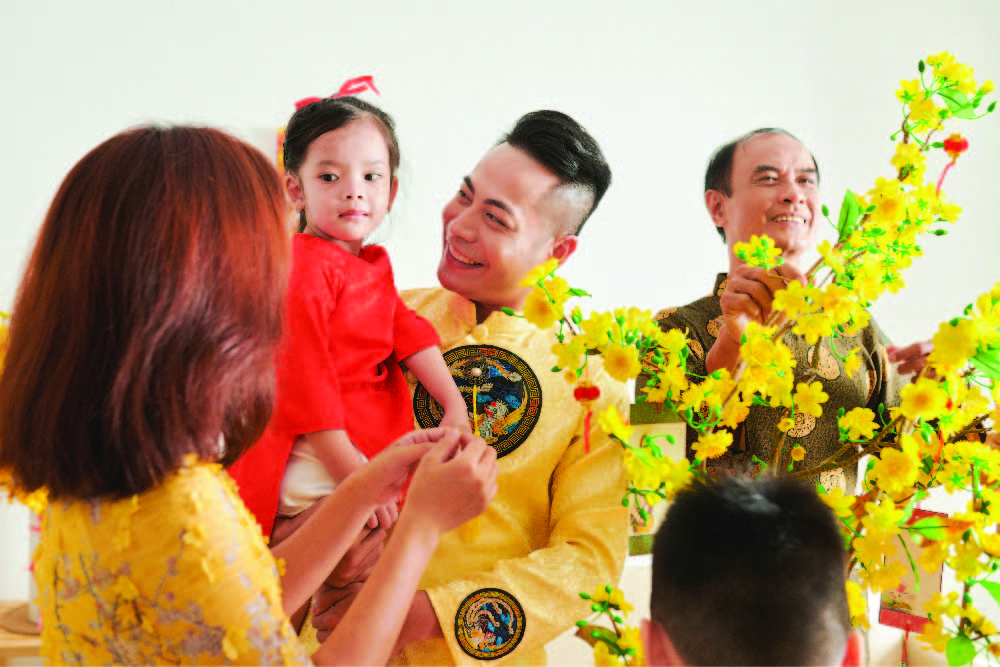
The importance of Tet in Vietnamese culture cannot be overstated. Families consider this period the most sacred time of the year, when ancestors are invited to return home to celebrate with the living. This belief turns homes into spiritual spaces, carefully cleaned and decorated to welcome ancestral spirits. The act of inviting ancestors home reinforces the Vietnamese idea that identity is shared between generations, not bound by time. Ancestral altars become the focal point of many households, offering a bridge between past and present.
The cultural significance of Tet also lies in the concept of “starting anew.” Vietnamese people believe that the first days of the new year set the tone for the entire year to come. Because of this, people behave with extra care, speak kindly, avoid disputes, and act generously. Homes must be clean before Tet begins, as cleaning during the holiday is believed to sweep away good fortune. New clothes symbolize renewal, and carefully chosen foods represent prosperity, health, and happiness.
Beyond spiritual and family values, Tet has historically been a time for communities to strengthen ties. Traditional village festivals often coincided with Tet, with games, markets, lion dances, and communal feasts uniting residents. These communal gatherings helped reinforce cultural identity, transmit traditions, and maintain social cohesion. Today, even in large cities, this sense of community remains visible as neighborhoods organize celebrations and families visit one another to exchange greetings and wishes.
Preparing for Tet: A National Transformation
As Tet approaches, Vietnam undergoes a transformation that is visible in every province. Streets fill with flowers, markets swell with seasonal goods, transportation hubs become crowded, and a general sense of anticipation permeates daily life. The preparation period, known as “Tết Đến, Xuân Về” (Tet arrives, spring returns), can start several weeks before the actual holiday, and the entire country collectively shifts into preparation mode.
Homes are cleaned thoroughly, sometimes including repairs or small renovations. This deep cleaning symbolizes removing the old year’s misfortune and welcoming new beginnings. Families often repaint walls, wash ancestral altar items, tidy gardens, and organize storage spaces. It is considered essential to complete all cleaning before Tet begins, because cleaning during the holiday could symbolically sweep away the new year’s good luck.
Shopping becomes one of the most important pre-Tet activities. Markets overflow with goods such as dried fruits, candied lotus seeds, sticky rice, pork, spices, fresh flowers, and Tet decorations. The energy of Tet markets feels different from regular shopping experiences. Even local people describe the atmosphere as one that encourages generosity, excitement, and good-humored chaos. Families purchase new clothes to wear during Tet, decorations for their homes, and gifts for relatives and friends.
One of the most recognizable features of Tet preparation is the abundance of flowers. Peach blossoms dominate markets in the northern regions, symbolizing growth and vitality. In the south, yellow apricot blossoms signal prosperity and good fortune. Kumquat trees, with their round, orange fruits, represent wealth and family fullness. Street corners and parks transform into vibrant open-air flower markets, and transporting large flower trees on motorbikes becomes a common sight.
Food preparation is equally significant. Entire families gather to cook signature Tet dishes, especially bánh chưng or bánh tét, depending on the region. Preparing these traditional rice cakes can take many hours and requires cooperation among multiple generations. The process becomes a cherished family tradition that strengthens bonds while honoring ancestral customs. Days before Tet, the smell of boiling rice cakes drifts through neighborhoods, signaling the holiday’s approach.
The preparation phase is not only about material tasks but also about emotional readiness. People settle debts, mend relationships, and tie up loose ends to enter the new year with a clean slate. The deeper purpose of preparation reflects the Vietnamese belief that one’s mindset and relationships shape the year ahead. Tet preparation, therefore, becomes a blend of physical, emotional, and spiritual renewal.
The Meaning of New Year’s Eve in Vietnam
New Year’s Eve, called “Giao Thừa,” holds profound significance in Vietnamese culture. It represents the exact moment when the old year ends and the new year begins, symbolizing transition, renewal, and the departure of past misfortunes. Families often gather around the ancestral altar to light incense, offer prayers, and invite ancestors to join them for the holiday. The intimate atmosphere of these rituals highlights the Vietnamese belief that families, both living and departed, welcome the new year together as one.
In many households, New Year’s Eve includes preparing offerings of fruits, sweets, tea, and incense. The offerings honor the Kitchen Gods, who are believed to return to the heavens to report on each household’s activities from the past year. This ritual reflects the importance of moral conduct and family harmony, reinforcing cultural values that prioritize respect, sincerity, and accountability.
Cities and towns across Vietnam often host fireworks displays to welcome the new year. In major destinations such as Hanoi, Da Nang, and Ho Chi Minh City, public spaces fill with people gathering to witness the celebration. The festive environment mixes modern entertainment with traditional customs, creating a cross-generational experience that resonates with both locals and visitors.
For travelers, New Year’s Eve is a chance to witness Vietnamese culture at its most emotional and symbolic. Streets remain lively, families return to their ancestral homes, and the atmosphere holds a sense of both excitement and reflection. Though crowds can be large in major cities, smaller towns offer quieter celebrations that still hold the richness of Tet traditions.
The First Day of Tet: Family, Rituals, and Symbolic Beginnings
The first day of Tet, known as “Mùng Một,” centers heavily on family gatherings and symbolic actions meant to bring luck for the year. It is considered the most important day of the holiday, and many Vietnamese spend it exclusively with immediate family. Visiting relatives outside the household typically begins on the second day, emphasizing the first day’s sacred family focus.
Food plays a major role in first-day traditions. Families prepare special meals that include traditional dishes such as bánh chưng or bánh tét, Vietnamese sausages, boiled chicken, sticky rice, pickled onions, and various sweets. These meals are not casual celebrations but culturally meaningful feasts designed to honor ancestors and strengthen family unity. The presence of these dishes on the table carries symbolic meanings associated with abundance, fertility, and prosperity.
One of Tet’s most meaningful customs is “xông đất,” the act of being the first person to enter a home in the new year. Vietnamese families believe that this person’s personality, fortune, and compatibility can influence the household’s luck for the entire year. Because of this, families often invite someone with a favorable zodiac sign or a respected reputation to perform this role. The belief reflects the Vietnamese concept that luck can be influenced by human relationships and personal traits.
Lì xì, or giving lucky red envelopes containing money, is another essential custom. Adults give envelopes to children or younger relatives as a gesture of generosity and encouragement. The money inside is symbolic rather than monetary in significance, representing the transfer of blessings, luck, and positive energy. Even in modern urban settings, this tradition maintains deep cultural value.
The first day of Tet generally remains quiet on the streets, as businesses close and families stay home. Travelers will notice reduced traffic and minimal commercial activity. However, this quietness is part of Tet’s charm, revealing the intimate side of Vietnamese family culture.
The Following Days of Tet: Visiting, Celebrating, and Strengthening Relationships
After the first day, Tet celebrations expand outward from the household into extended family circles, neighborhoods, and communities. The second day, known as “Mùng Hai,” is traditionally reserved for visiting relatives on the mother’s side. The third day, or “Mùng Ba,” often involves visiting teachers or mentors to express gratitude and respect. These structured visitation days reflect Confucian values that continue to influence Vietnamese society.
The festive atmosphere becomes more public during these days. Temples and pagodas fill with visitors offering incense and prayers for health, prosperity, and protection. Families bring fruits, flowers, and symbolic offerings to seek blessings for the year ahead. Pagodas become important community gathering spaces, blending spiritual practice with social connection.
Traditional games and cultural performances may appear in villages or small towns. Lion dances, folk singing, and water puppet shows sometimes take place, depending on the region. Urban centers also host cultural events, although these may vary from year to year. The blend of entertainment and tradition contributes to Tet’s celebratory spirit.
Travelers will find that the streets gradually grow livelier as the days progress, but many businesses still operate on a limited schedule. Markets begin reopening, but some restaurants and shops may remain closed until the holiday concludes. Transportation options also increase after the second or third day, making travel easier for visitors who want to move between destinations.
What stands out most about the days following Tet is the social energy. Vietnamese families use this period to reconnect, express gratitude, and share hopes for the new year. For visitors, it offers an opportunity to observe cultural values in action and gain a deeper understanding of Vietnamese social bonds.
Regional Differences in Tet Celebrations
Tet is celebrated throughout Vietnam, but each region incorporates traditions and flavors that reflect local customs, climate, and history. These regional variations add depth to Tet’s cultural landscape and offer travelers unique perspectives depending on where they visit.
In Northern Vietnam, Tet traditions tend to be more conservative and closely aligned with historical practices. Families prepare bánh chưng, a square sticky rice cake symbolizing the Earth. Peach blossoms dominate the flower markets, and kumquat trees are common household decorations. The colder climate also influences food choices, with dishes that are warm, hearty, and designed for family sharing. Hanoi becomes quieter during the early days of Tet, as many residents return to their ancestral homes in surrounding provinces.
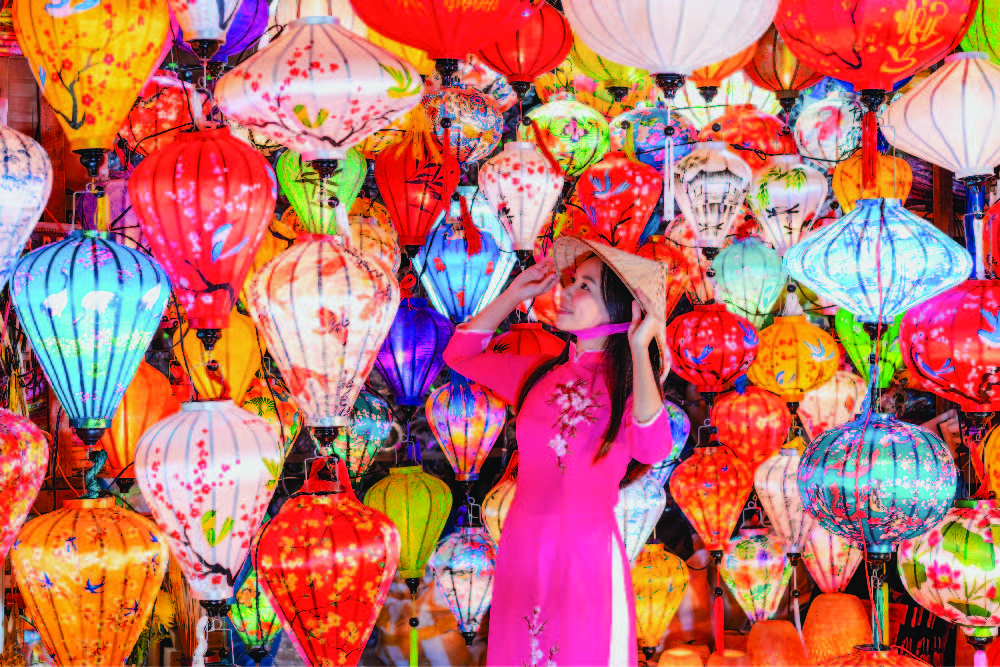
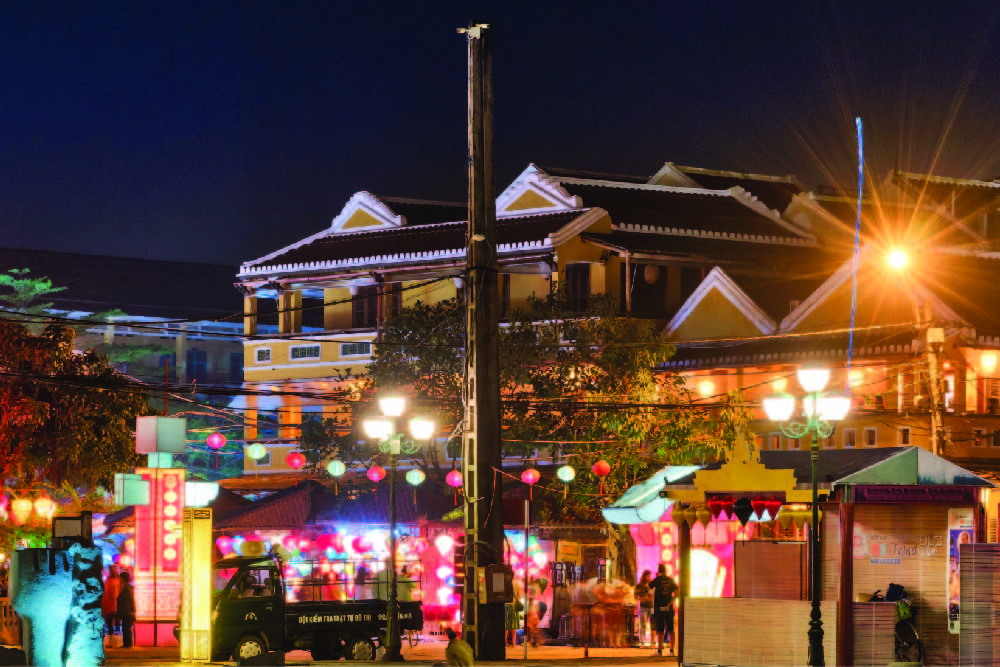
Central Vietnam blends both northern and southern influences with its own characteristics. Hue, the former imperial capital, has long-standing royal traditions that shape its Tet rituals. Households in the central region often prepare special foods such as bánh tét in cylindrical form, and many families include both sweet and savory variations. The climate can be unpredictable during Tet, with occasional rain or cool winds, but the cultural celebrations remain vibrant. In cities like Da Nang and Hoi An, public decorations, night markets, and festivals often continue throughout the Tet period.
Southern Vietnam, particularly Ho Chi Minh City and the Mekong Delta, showcases a more energetic and colorful Tet atmosphere. Apricot blossoms, with their bright yellow petals, symbolize prosperity and happiness. Markets in the south become extremely lively, with vendors selling decorative items, traditional snacks, and flowers in massive quantities. Families prepare bánh tét, a cylindrical rice cake wrapped in banana leaves. The warmer climate makes outdoor gatherings, river cruises, and public celebrations more frequent. Southern hospitality becomes especially visible during Tet, as families welcome guests with abundant food and enthusiastic greetings.
Each region’s approach to Tet enhances the cultural richness of the holiday, offering travelers insight into how geography and local customs shape Vietnamese identity.
Food Traditions: The Culinary Core of Tet
Tet cuisine carries deep symbolic meaning and reflects the values Vietnamese people associate with prosperity, family unity, and ancestral respect. Food preparation often begins days before the holiday and involves multiple generations working together. For many families, Tet cooking is a cherished tradition that brings relatives together long before the celebrations officially begin.
Bánh chưng in the North and bánh tét in the Central and Southern regions are the most iconic Tet dishes. These rice cakes, made from glutinous rice, mung beans, and pork, wrapped in dong or banana leaves, represent gratitude to ancestors and symbolize the Earth in Vietnamese mythology. Preparing these cakes is labor-intensive, often requiring overnight boiling and constant supervision. Families gather around the cooking pots, sharing stories, tea, and snacks while waiting for the cakes to finish.
Other Tet dishes vary by region but share common themes of abundance and good fortune. Boiled chicken is an important dish symbolizing purity and prosperity. Pickled onions or pickled vegetables help balance the richness of Tet meals while representing freshness and renewal. Various sweets such as candied fruits, coconut preserves, and roasted watermelon seeds appear in households as symbolic treats that visitors enjoy throughout the holiday.
Food during Tet also reflects the cultural value placed on hospitality. Homes keep their tables stocked with snacks, tea, and fruits to welcome guests at any time. Visitors often arrive unannounced, and offering food is a sign of respect and generosity. For travelers, experiencing Tet cuisine provides a window into the emotional and cultural significance of the holiday, revealing how food plays a central role in expressions of gratitude, celebration, and community.
Traveling During Tet: What Visitors Should Expect
Traveling in Vietnam during Tet requires preparation and flexibility. While the cultural immersion is remarkable, the holiday impacts transportation, accommodation, business operations, and overall travel logistics. Understanding these impacts helps travelers navigate the festive season smoothly.
One of the most noticeable changes during Tet is the large volume of domestic travel. Millions of Vietnamese return to their hometowns, making transportation hubs extremely busy in the days before Tet. Flights, buses, and trains are often fully booked weeks in advance, and ticket prices may increase. Travelers planning to move between cities during this period should secure transportation early to avoid last-minute complications.
Accommodation in major tourist destinations may remain available, but smaller towns can be difficult to book because locals often reserve rooms for returning family members. Hotels in big cities such as Hanoi and Ho Chi Minh City usually stay open, but some smaller guesthouses may close during the first days of Tet. Visitors should confirm bookings and operating hours ahead of time.
Restaurant and shop closures can surprise travelers. Many businesses close entirely for the first two or three days of Tet, especially in non-touristic areas. However, large hotels, international restaurants, and establishments near tourist attractions typically remain open. Street food options may decrease temporarily, but larger markets reopen gradually as the holiday progresses.
Despite these practical challenges, Tet offers rewarding travel experiences. The festive decorations, cultural traditions, and family gatherings create a unique atmosphere. Pagodas fill with visitors making new year prayers, streets transform into flower-filled displays, and neighborhoods light up with colorful decorations. Travelers who embrace the slower pace and cultural focus of Tet often find it one of the most memorable times to visit.
The Emotional and Cultural Significance of Tet in Modern Vietnam
Tet continues to hold profound emotional significance in contemporary Vietnamese society, even as lifestyles modernize and cities expand. Many families see Tet as an anchor that balances fast-paced urban life with traditional values. Young professionals working far from home often return to their ancestral villages during this period, keeping family connections strong and reinforcing cultural continuity.
The holiday also serves as an opportunity for reflection. Vietnam’s rapid development can create stress, but Tet provides a structured pause where people reconnect with family, honor ancestors, and reset personal goals. The rituals offer a sense of stability and meaning in a changing world. For many, Tet is not only about celebration but also about gratitude, resilience, and hope.
In urban areas, modern Tet incorporates Western influences such as New Year’s countdowns, concerts, and public festivities, yet traditional values remain central. The blend of old and new reflects Vietnam’s dynamic culture. Traditional Tet customs maintain their importance, but younger generations also bring contemporary interpretations, merging global influences with Vietnamese identity.
For travelers, experiencing Tet offers insight into how Vietnam balances tradition and modernity. Observing families gather, witnessing rituals at pagodas, and participating in local celebrations reveal the emotional depth of the holiday. Tet highlights what Vietnamese people value most: family, respect, resilience, and connection.
Understanding Tet as Vietnam’s Living Heritage
Tet Vietnam Lunar New Year is far more than a holiday; it is a profound cultural event that reveals the country’s deepest values. The rituals, the food, the family gatherings, and the nationwide transformation reflect a blend of ancient beliefs and modern traditions. Tet carries emotional weight because it touches every aspect of Vietnamese life, from family dynamics to community spirit, from ancestral respect to personal renewal.
For travelers, Tet presents both challenges and extraordinary opportunities. The closures, crowding, and logistical complications require planning, but the cultural immersion and emotional authenticity of Tet make it one of the most meaningful times to visit Vietnam. Understanding the customs and significance behind the celebration allows visitors to appreciate the holiday’s richness rather than view it simply as a festive event.
Whether experiencing Tet in a bustling city like Ho Chi Minh City or Hanoi, a quiet village in the Mekong Delta, or a historic town in Central Vietnam, visitors witness a moment when the entire country pauses, reflects, and celebrates together. Tet represents Vietnam’s cultural heartbeat—a celebration of renewal, identity, and connection that continues to shape its people and traditions year after year.
Frequently Asked Questions About Tet Vietnam Lunar New Year
When is Tet celebrated in Vietnam?
Tet follows the lunar calendar, usually falling between late January and mid-February.
How long does Tet last?
The official holiday lasts around one week, but preparations and celebrations can stretch over two to three weeks.
Is Tet a good time to visit Vietnam?
It can be, but travelers must expect business closures, busy transport, and slower schedules. The cultural atmosphere is extraordinary.
Do shops and restaurants close during Tet?
Many do, especially in the first two or three days. Tourist areas have more places that remain open.
Is it difficult to travel during Tet?
Yes, transportation is crowded and tickets often sell out early. Booking in advance is essential.
What foods are associated with Tet?
Families prepare traditional holiday dishes such as bánh chưng or bánh tét, boiled chicken, pickles, sweets, and dried fruits.
What is the main purpose of Tet?
Tet is a time to honor ancestors, reunite with family, welcome the new year, and set intentions for a fresh start.
Why do families clean their homes before Tet?
Cleaning symbolizes removing the old year’s bad luck and making space for new blessings.
What are the red envelopes given during Tet?
They are called “lì xì,” containing small amounts of money meant to bring luck and encouragement for the new year.
Are there fireworks during Tet?
Major cities like Hanoi, Da Nang, and Ho Chi Minh City usually organize public fireworks shows on New Year’s Eve.