
Ha Giang, the mountainous province at the northernmost tip of Vietnam, is a region defined by dramatic landscapes, ethnic diversity, and rugged beauty. Travelers who journey here often describe the experience as stepping into a world where nature dominates every horizon and where life follows traditions far older than modern Vietnam. December adds an entirely different character to this remote region. It is the first full month of winter in northern Vietnam, creating colder temperatures, misty valleys, and shifting conditions that turn the mountains into something both challenging and deeply atmospheric. Understanding Ha Giang’s December weather is essential for planning a safe, comfortable, and meaningful journey, especially for travelers unfamiliar with the north’s winter climate.
Unlike destinations further south that stay warm year-round, Ha Giang experiences a genuine winter. December brings cool to cold temperatures depending on altitude, frequent early-morning fog, occasional drizzles, strong winds at high passes, and a dry, crisp atmosphere that replaces the lush humidity of the rainy season. Conditions can be changeable, yet the month also offers many clear days that reveal mountain ranges, limestone peaks, river valleys, and terraced fields stretching toward the Chinese border. For visitors who enjoy raw, authentic landscapes, December often becomes one of the most memorable times to visit.
This guide provides a detailed view of what Ha Giang feels like in December. It covers climate patterns, regional variations, daily weather routines, landscape changes, cultural rhythms, road conditions, travel safety, and the impact of winter on local communities. With these insights, travelers can prepare realistically and understand both the opportunities and the challenges of visiting Vietnam’s northernmost province as winter arrives.
Ha Giang’s December climate: a true northern winter
Temperature and altitude differences
Ha Giang’s geography plays the most important role in shaping its December weather. The province lies at high altitude and includes some of Vietnam’s highest mountain passes. Towns and villages are spread across steep slopes, deep valleys, karst formations, and plateaus that hold cold air. As December settles in, the entire region follows winter patterns influenced by monsoon winds moving south from China.
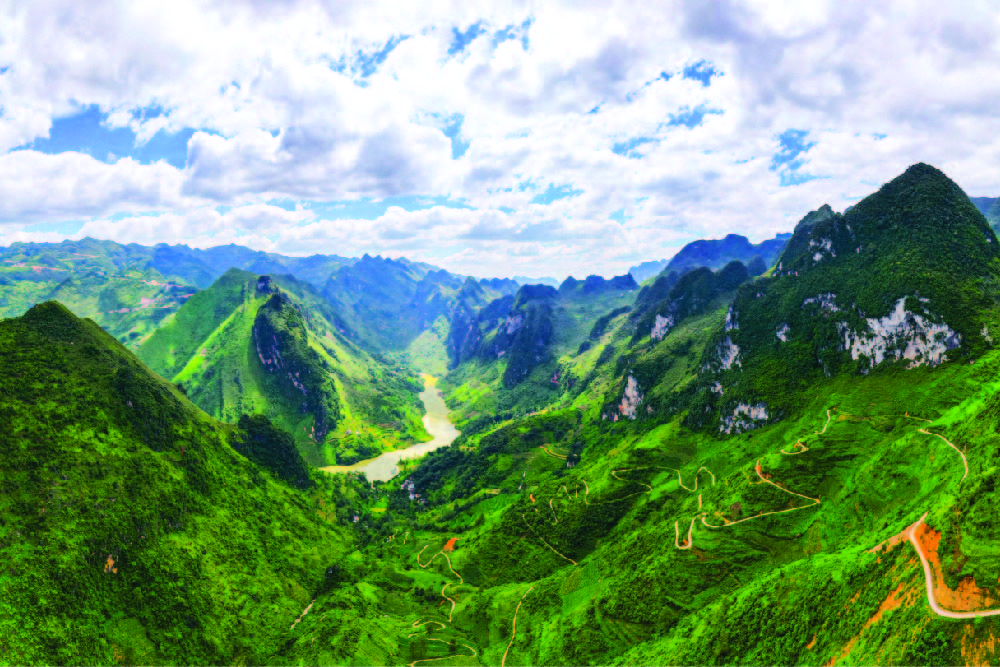
Temperatures vary widely with elevation. Ha Giang City, which lies at a lower altitude, usually sees daytime temperatures between 15°C and 20°C. At night, the mercury falls to around 12°C or lower and can briefly reach single digits during strong cold spells. Further north and higher up toward Dong Van, Meo Vac, Lung Cu, or Yen Minh, conditions feel sharper. Daytime temperatures in these districts often hover between 10°C and 15°C. After dark, they can drop to 5°C or below, and in rare years frost appears on mountain peaks or stone plateaus.
Humidity, rainfall, and sunlight
Humidity falls noticeably compared with the rainy months, leaving the air crisp and dry. Lower humidity makes walking or riding a motorbike more comfortable during the day, but the wind can make the cold feel stronger, especially on exposed ridges. Many travelers underestimate wind chill in Ha Giang; the mix of low temperatures and steady mountain breezes often feels colder than the numbers suggest.
Rainfall is minimal in December because the dry season dominates most of northern Vietnam. Showers become rare and are usually limited to drizzle or mist. This pattern benefits travelers exploring Ha Giang by motorbike, since heavy rain that would make the roads slippery is unlikely. Dry surfaces mean better traction, clearer views, and easier riding. Fog still appears frequently in the early morning, especially in valleys where cool air traps moisture overnight, but it normally lifts later in the day.
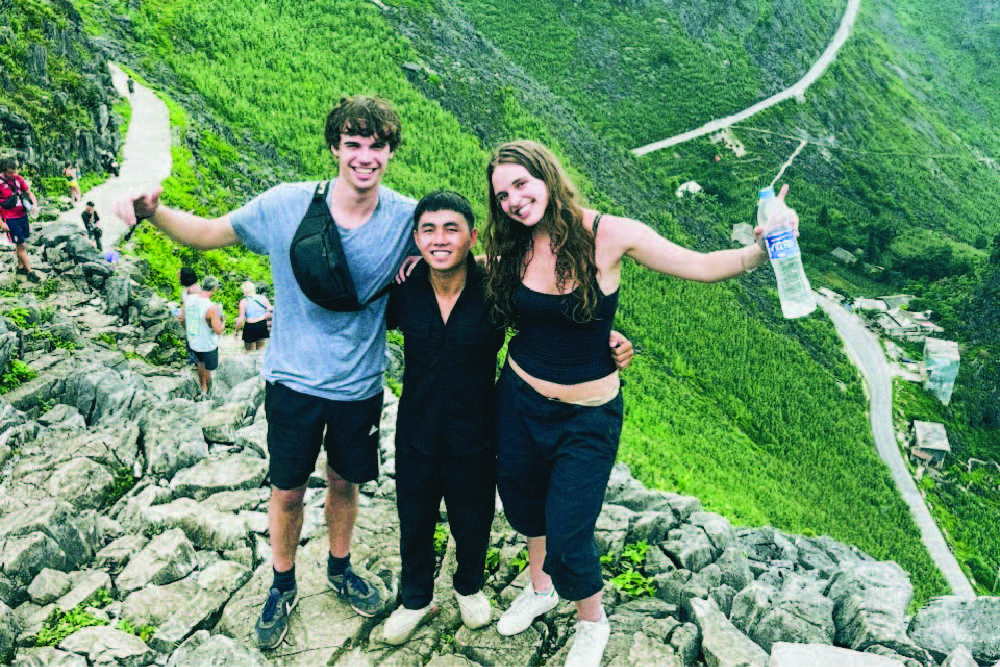
Sunlight in December is softer and more diffused than in summer. Days are shorter, and cloud cover is common in the morning. Many afternoons are clear after midday, creating excellent lighting for photography. Viewpoints such as Ma Pi Leng Pass, Quan Ba Heaven Gate, or Lung Cu Flagpole are particularly striking when the clouds break, and sunlight sweeps across the karst mountains.
Overall, December weather in Ha Giang is cold but manageable, dry but sometimes misty, and more atmospheric than harsh. It demands warm clothing and some planning, yet it rewards travelers who arrive ready for a true mountain winter.
How December weather shapes Ha Giang’s landscapes
Winter colours and open views
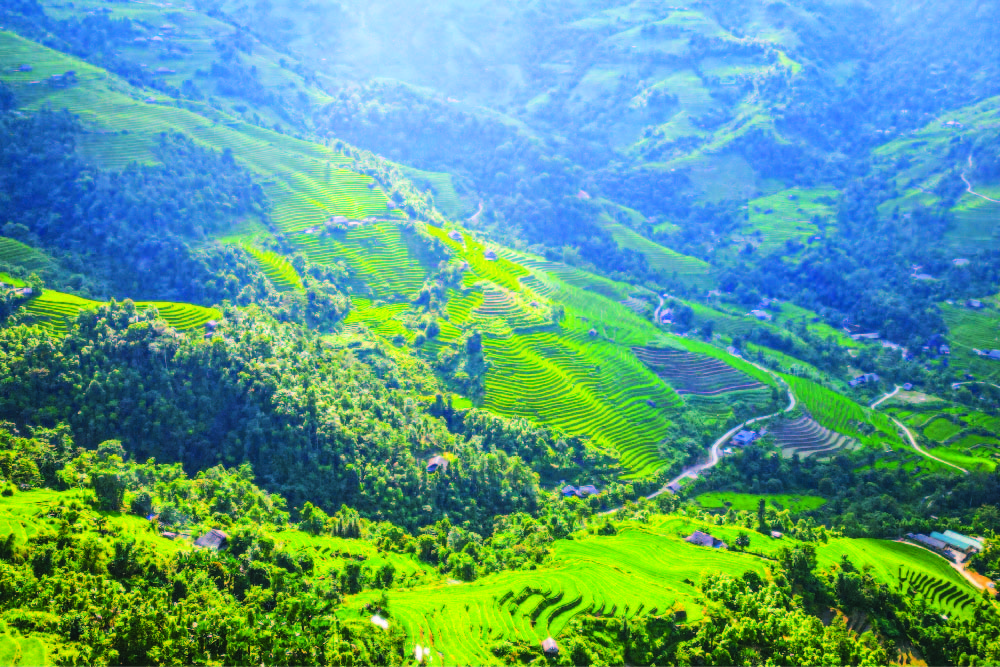
December transforms Ha Giang in ways that differ from any other month. The rainy season ends, leaving clean air and, on clear days, far-reaching views. Terraced fields that turn green in summer and golden in autumn shift into a muted winter palette of browns, greys, and deep greens from karst vegetation. This quieter mix of colours gives the province a raw, rugged look that contrasts with the lush tropical scenes many visitors expect from Vietnam.
Mist, fog, and changing perspectives
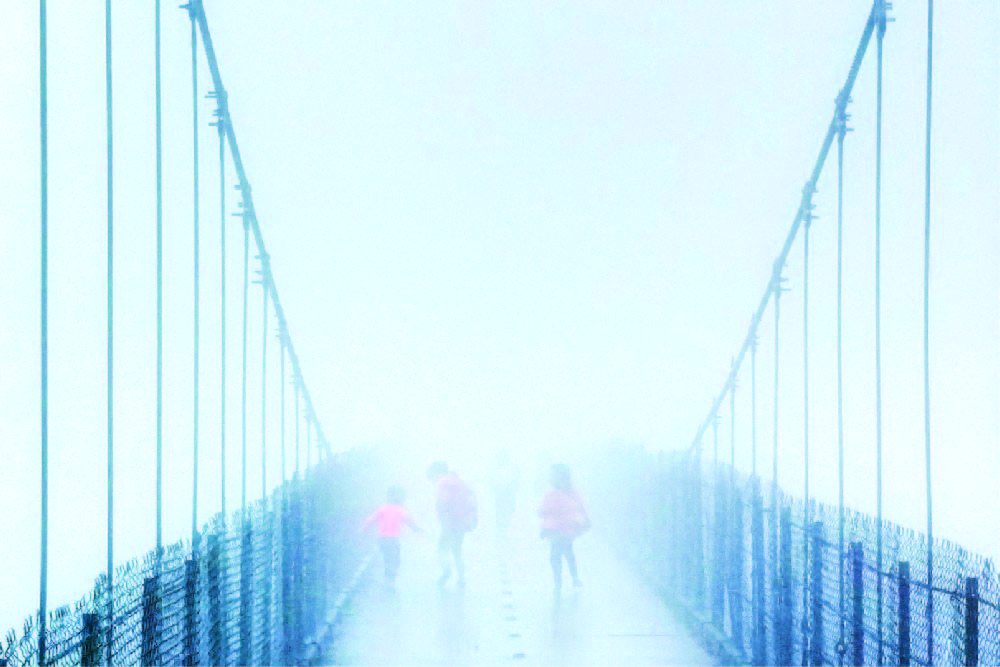
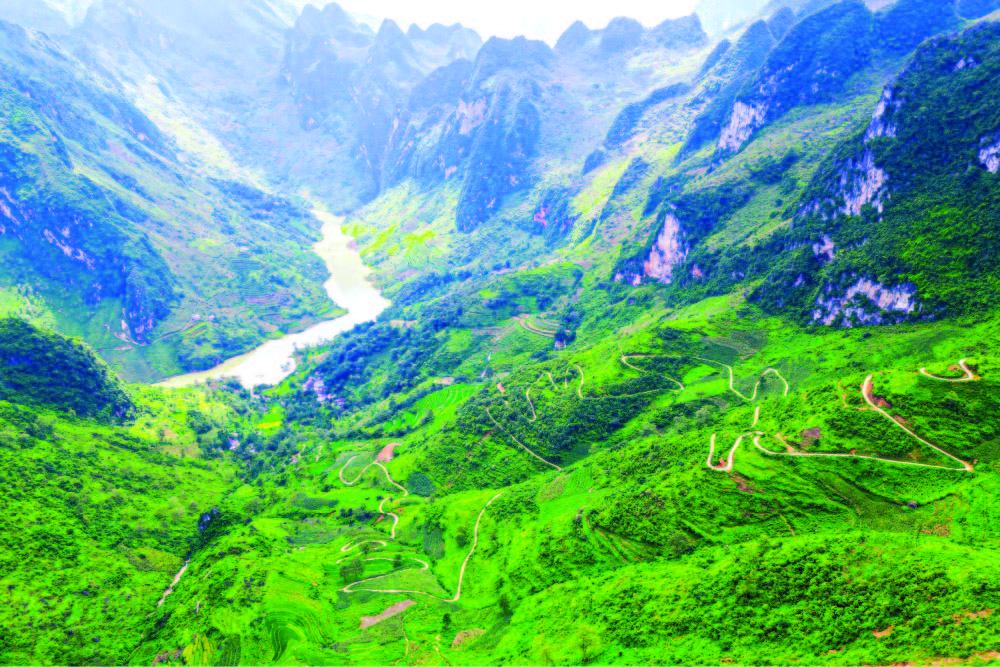
One of the most striking features of Ha Giang in December is the constant movement of mist and fog. Early mornings often begin with low clouds hugging the valley floors and slowly rising as the sun appears. Roads toward Yen Minh, Tam Son, and Dong Van weave through these layers, creating dramatic alternations between hidden and revealed landscapes. A rider on a mountain pass may spend several minutes in thick fog with only a few metres of visibility, then round a bend and suddenly face a wide panorama of peaks and ridges under a bright winter sky.
Rivers and streams still carry strong flows thanks to the months of rain that preceded December. On clear days the Nho Que River, especially the section beneath Ma Pi Leng Pass, turns a noticeable shade of turquoise. The cool air sharpens the colour of the water and outlines the cliffs above, making this stretch of river one of the highlights of a winter visit.
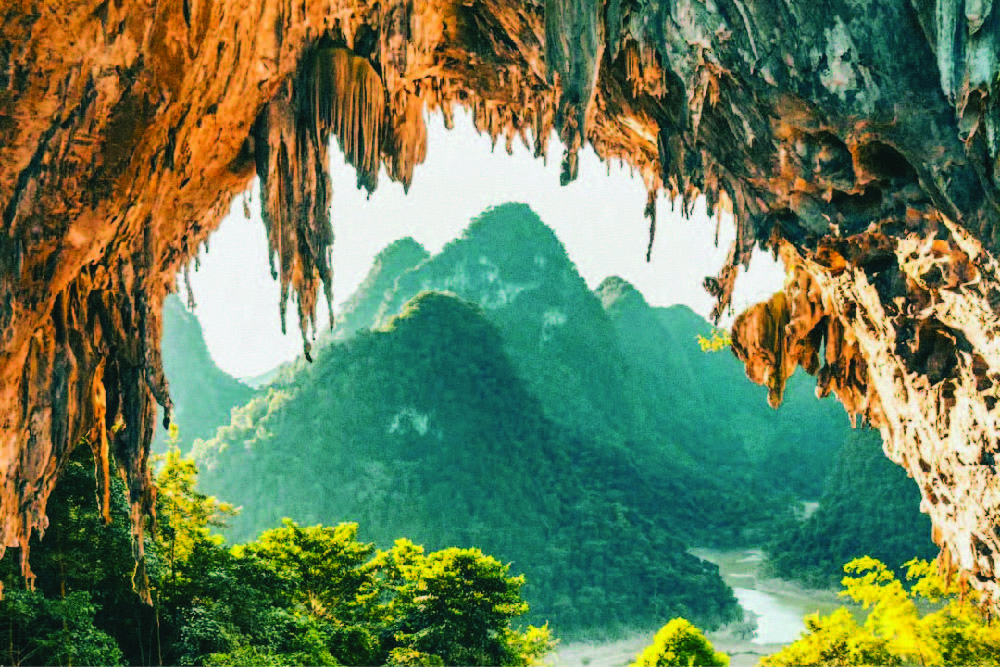
Karst formations dominate Dong Van and Meo Vac districts and look especially dramatic at this time of year. Dark stone peaks stand out under the softer light, creating high-contrast scenery compared with the hazier view in summer. Villages nestled among these formations become easier to pick out from a distance, and stone houses, small fields, and winding tracks are clearly visible from viewpoints along the Loop.
Vegetation and village scenes
Vegetation moves into a resting phase in December. Corn fields that cover slopes during the warm months stand bare, exposing the underlying shape of the hills. Buckwheat flower fields, at their best in October and November, fade by December, although a few patches may still survive in protected valleys. Plum and peach trees begin to form the first buds that will open later in winter. Across the region, the landscape shifts from autumn abundance toward a simple, stripped-back winter look.
This season also emphasises the architecture of ethnic minority villages. Traditional Hmong stone houses, clay-walled homes, wooden stilt houses belonging to Tay and Dao families, and narrow terraces around village centres appear clearer under winter light. Thin columns of smoke from kitchen fires add a small but noticeable warmth to the cold air, especially in remote hamlets near Lung Cu or Du Gia.
The overall result is a travel atmosphere very different from spring or summer. The scenery is less colourful but more dramatic, less lush yet more sharply defined, and feels more like a highland environment than a tropical one. Travelers who enjoy genuine winter landscapes usually find December in Ha Giang especially appealing.
Daily weather patterns and what travelers should expect
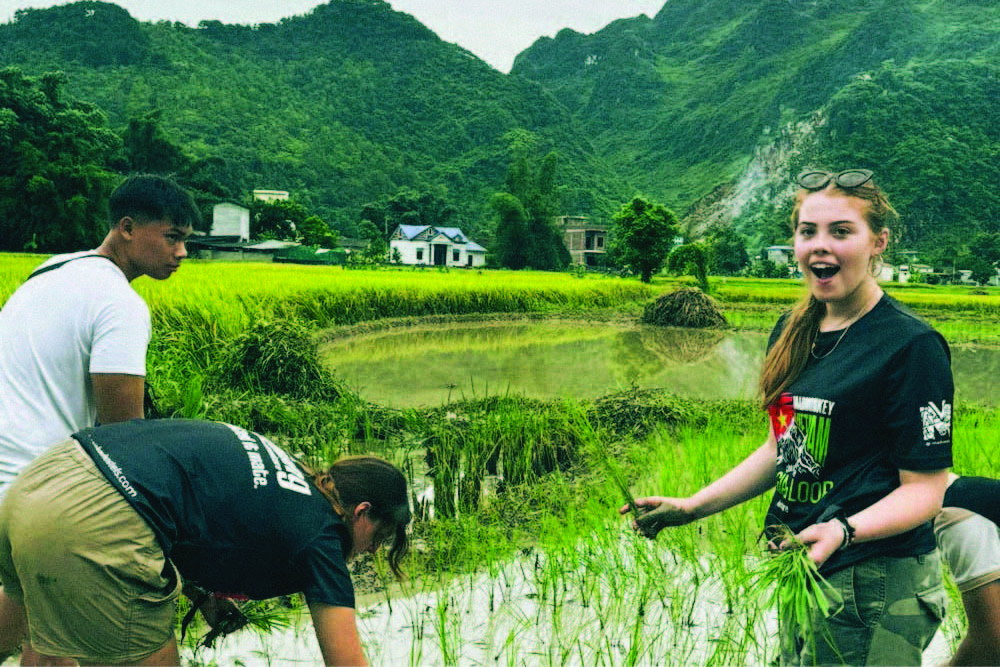
Mornings in December
The weather in Ha Giang follows a daily rhythm in December, and understanding that rhythm helps travelers plan routes and activities. Early mornings are usually the coldest time. In highland areas such as Dong Van, Lung Cu, and Meo Vac, temperatures can fall close to 5°C. Mist often fills the valleys and can cover the roads as well. Fog sometimes remains dense until mid-morning, making motorbike riding and downhill hiking more demanding.
Anyone starting a journey early in the day should dress for winter conditions. Gloves, layered clothing, scarves, and a windproof jacket are not optional but basic equipment. The foggy mornings do create atmospheric views and photos, yet they also reduce visibility significantly, so slow and careful driving becomes important.
Afternoons and evenings
By late morning, temperatures slowly rise, and the fog starts to break. This is usually when clearer views return across the passes and valleys. The air stays cool but becomes comfortable for walking, photography, and visits to villages or markets. Many travelers time visits to the Hmong King’s Palace in Sa Phin, weekly markets, or short hikes for this part of the day, when both weather and light conditions are more favourable.
Afternoons tend to offer the best visibility. Clouds shift or open, lighting up the karst formations and terraces. Sunlight reflecting off rock and soil in winter creates strong contrasts, which suit landscape photography and long, scenic rides along stretches such as the Ma Pi Leng Pass or the road to Lung Cu.
Once the sun drops behind the mountains, temperatures fall quickly again. Even around Ha Giang City the evening air feels chilly, and in the highlands the cold returns as soon as daylight fades. Travelers finishing long legs of the Loop or remote hikes should aim to reach their homestay or guesthouse before dark to avoid riding in thick fog or strong winds.
Nights in December feel very still. Villages quiet down early, and the lack of street lighting leaves the mountains dark. During strong cold waves, frost can appear on the ground or rooftops. Guests usually gather around indoor fires or hot pots, sharing simple meals while the temperature continues to fall outside. Over the course of a typical day, Ha Giang’s winter weather moves from cold and foggy, to mild and clear, and back to cold again.
How December weather influences cultural and local life
Winter routines in ethnic villages
Winter in Ha Giang affects not only the landscape but also how local communities live and work. The province is home to more than twenty ethnic groups, including Hmong, Tay, Dao, Nung, and Lo Lo communities. December marks the end of the main farming season and the beginning of a quieter period focused on family, repairs, and preparation for the coming year.
For Hmong families in the highlands, December follows the harvest of corn and other crops. Livestock graze on leftover stalks in the fields. Colder weather keeps many daily activities close to home. Smoke rising from chimneys becomes a familiar sight as wood fires provide heat for both cooking and warmth. Thick stone walls and small windows help houses keep in heat, creating small pockets of comfort while the air outside stays cold.
Markets, food, and early Tet preparations
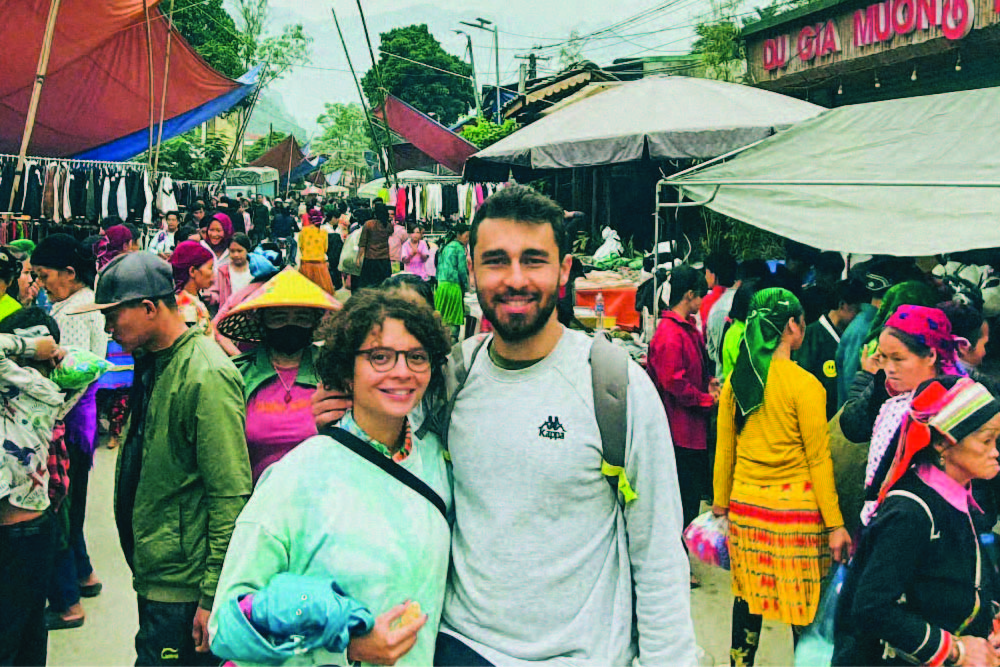
Local markets remain active all winter, but they feel more communal in December. Weekly markets in Dong Van, Pho Cao, Meo Vac, and Quan Ba draw villagers from surrounding hamlets who come to buy warm clothing, trade farming tools, and meet friends or relatives. Stalls serving hot dishes such as thang co, corn wine, grilled meat, noodle soup, and sticky rice do brisk business because customers want something warm before returning home.
December also overlaps with the early stages of Tet preparation. Vietnam’s Lunar New Year usually falls in January or February, and families begin getting ready weeks in advance. In Ha Giang, this means cleaning houses, repairing fences and tools, and raising animals for holiday meals. Decorations and special foods appear gradually. Travelers visiting in December may notice small signs of these preparations in markets and homestays, even if the full celebration is still weeks away.
Children continue attending school, often walking long distances along mountain paths while wrapped in thick jackets and scarves. Older villagers gather around fire pits or outdoor stoves to talk and share tea. Because there is less farm work to complete, families spend more time together, giving the season a calm, collective feel.
For visitors, December offers a chance to see local life at a slower pace. The combination of cool air, steady routines, and less tourist traffic makes interactions with families and homestay hosts feel more relaxed and genuine.
Traveling the Ha Giang Loop in December: conditions, safety and practical tips
Road and riding conditions
The Ha Giang Loop is the province’s best-known journey and December is a good month to ride it, provided travelers come prepared. The main advantage is dry, stable roads. Landslides are uncommon in winter, and gravel sections or side roads become firmer once the rains have stopped. Major links between Ha Giang City, Tam Son, Yen Minh, Dong Van, and Meo Vac usually stay open and in reasonable condition.
The weather still demands attention. Fog and wind can complicate riding, especially in the early morning or on higher passes. The Ma Pi Leng Pass, one of the most scenic sections of the Loop, is also one of the windiest in winter. Slow speeds, steady control of the handlebars, and a cautious approach to blind corners are essential when clouds or mist settle over the road.
Gear, comfort, and homestays
Cold is the second major factor. A temperature of 10°C feels much colder when you are riding through mountain wind. Proper clothing matters just as much as riding skill. Layered outfits, thermal base layers, a good windproof jacket, gloves, a scarf or neck warmer, and closed shoes or boots help keep the ride comfortable. Many shops in Ha Giang City rent protective gear, but bringing your own warm layers is still a good idea.
Motorbikes themselves handle the season well, though engines may need a little extra time to warm up each morning. Roads are busy enough during the day that help is usually not far away if a small issue occurs. Villages along the Loop provide regular places to stop for hot tea, pho, or corn wine, which breaks up long days on the road.
Hiking is also possible in December, particularly around Lung Cu, Du Gia, or smaller villages off the main route. Cooler temperatures make uphill walking less exhausting than in summer. Trails may still be rocky or muddy in shaded areas, so sturdy shoes are important, and it is wise to return before dusk when the temperature drops quickly.
Homestays stay open through winter, though heating remains basic. Thick blankets, extra duvets, hot showers in the evening, and shared meals all help offset the cold. Evenings around a fire or hot pot often become the most memorable part of a winter trip, as hosts and guests share stories while the wind blows outside.
December is not the month for travelers who want warm sunshine and lush rice fields, but it is an excellent choice for those who enjoy fresh mountain air, a sense of adventure, and quieter rural roads.
Why December is one of Ha Giang’s most atmospheric months
December stands out because it balances winter conditions with relatively clear skies and low rainfall. The air is cold yet energising, the landscapes subdued yet powerful, and local life slower but more open to conversation. Mass tourism has not yet fully reached Ha Giang, and the winter months feel especially far from city noise or coastal resort crowds.
Photographers gain plenty from this season. Clear afternoon light, mist hanging in valleys, and the contrast between dark rocks and pale sky all combine to produce strong images. Cultural travelers gain something different: a close look at winter routines, market visits, and family life among ethnic minorities. For riders, December gives challenging but rewarding conditions on the Loop without the hazards of heavy rain or extreme heat. Travelers who prefer cooler climates also avoid the humidity that can make other parts of Vietnam uncomfortable.
Ha Giang in December is not the easiest destination, and it is neither warm nor lush. However, it offers one of the most genuine ways to experience Vietnam’s northern mountains. Winter reveals the structure of the land, the resilience of its people, and the simple rhythm of life in remote villages. For many visitors, that combination makes December one of the most atmospheric times of year to explore this remarkable province.
Frequently asked questions
Is December a good month to visit Ha Giang?
Yes. December offers dry weather, dramatic winter scenery, and good road stability, though temperatures are cold and mornings can be foggy.
How cold does Ha Giang get in December?
Lowland areas stay around 15–20°C during the day, but highland districts such as Dong Van and Meo Vac can drop to 5–10°C, especially at night.
Does Ha Giang get foggy in December?
Fog is common in the early morning, especially in valleys and mountain passes. Visibility usually improves by late morning or midday.
Is it safe to ride the Ha Giang Loop in December?
Yes, as long as you ride carefully. Roads are dry and stable, but cold winds and fog can reduce visibility in the morning. Proper clothing is essential.
Does it rain in Ha Giang in December?
Rainfall is low. You may encounter light drizzle or mist, but heavy rain is uncommon.
What should travelers wear in Ha Giang in December?
Warm layers, a windproof jacket, gloves, thick socks, and a scarf. Motorbike riders need extra layers because of wind chill.
Is December a crowded month in Ha Giang?
No. It is quieter than September to November, making December ideal for travelers who prefer fewer crowds.
Can you see good views in December?
Yes. Mornings may be misty, but afternoons often bring clear skies with dramatic lighting across the mountains.
Are homestays warm enough in winter?
Homestays provide thick blankets, but indoor temperatures remain cold. Some offer heated pads or small indoor stoves.
What part of Ha Giang is best to visit in December?
Dong Van, Yen Minh, Ma Pi Leng Pass, Lung Cu, and Meo Vac all offer atmospheric winter landscapes with crisp views on clear days.