
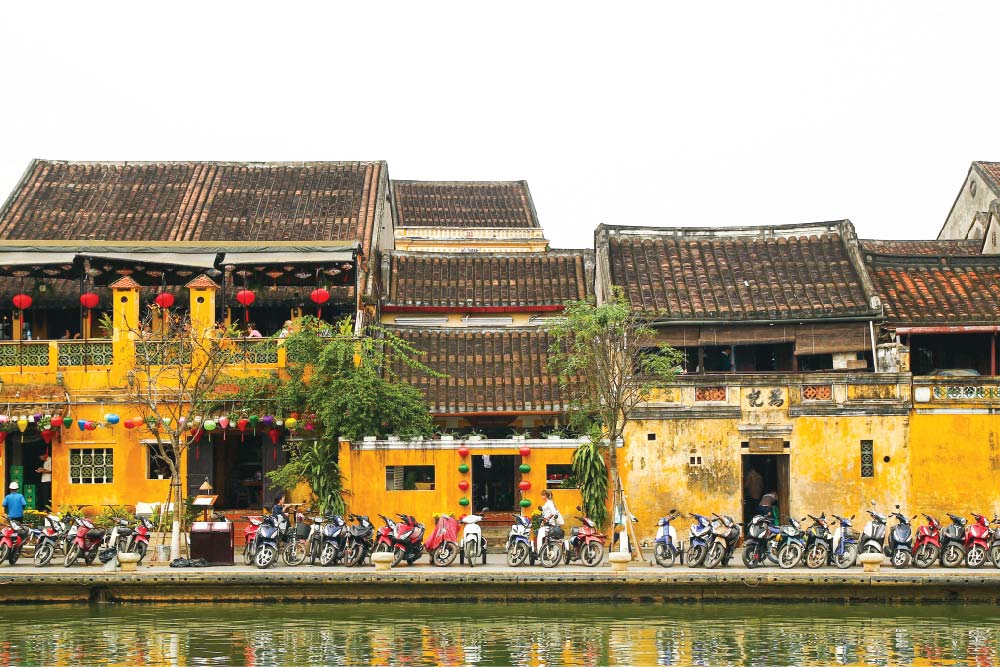
Central Vietnam in January offers one of the most balanced, comfortable, and traveler-friendly climates of the entire year. As the region moves away from the wet and unpredictable months of autumn and early winter, the skies begin to clear, temperatures moderate, the sea calms, and outdoor life slowly returns to normal along the coast. Da Nang, Hoi An, Hue, Quy Nhon, and the surrounding coastal towns all feel as if they are reopening after a long reset. This turning point lets travelers enjoy cultural attractions, beaches, day trips, and food scenes under some of the most reliable conditions of the dry season.
Unlike northern Vietnam, which sinks into a cool winter, or southern Vietnam, which stays warm and mostly stable, Central Vietnam in January sits comfortably in the middle. Temperatures remain mild without dropping into the chill of Hanoi or climbing into the intense heat typical of Ho Chi Minh City. The heavy rainfall that dominated November and early December eases off, giving the land time to dry and the sky more room for light. What remains is a refreshing middle climate that suits almost every kind of visitor, from culture-focused travelers and beach-goers to families and food lovers who want calm, predictable weather.
This guide explains Central Vietnam weather in January in a clear, practical way. It looks at temperature patterns, rainfall, humidity, and wind, and then shows how these conditions shape daily life in Da Nang, Hoi An, Hue, and the wider central coast. With this overview, inbound travelers can plan confidently and know what January really feels like in Central Vietnam.
How January shapes the climate across Central Vietnam
Transition into the dry season
January sits firmly in the dry season, but it still carries traces of the transitional weather that comes before it. The intense rains of autumn have finished, and the storm season is over, yet the long run of blue-sky days typical of February, March, and April has not completely settled in. Instead, the month brings a steady, more moderate atmosphere with a mix of cooler breezes, growing sunshine, and lighter cloud cover.
The most important feature of January weather is this new stability. Rain is still possible, especially during the first half of the month, but showers are usually short and light rather than long and heavy. A brief drizzle or cloudy morning can appear and then clear within a few hours. For travelers, that means full-day excursions rarely need to be cancelled or heavily adjusted because of the weather.
Temperature, humidity, and wind

Average daytime temperatures tend to fall between 20°C and 25°C. The air feels warm enough for comfortable sightseeing yet not hot enough to drain energy. Nights cool to around 18°C, sometimes a degree or two lower inland, which creates a refreshing evening atmosphere for riverside walks or outdoor dinners. Because the heat never reaches extreme levels, most visitors can keep a steady pace throughout the day and still feel comfortable in the evening.
Humidity drops noticeably compared with the previous months. The air feels cleaner and lighter, and the sticky feeling associated with the wet season gradually disappears. Walking long distances, browsing markets, or climbing temple steps becomes easier when the air is not saturated with moisture. Even simple activities such as cycling through the countryside or strolling along the beach feel less tiring.
Wind also plays a role. Along the coastline, beaches receive a regular sea breeze that keeps the temperature mild and helps clear the air. These breezes can feel cool during the early morning but usually soften by midday, leaving behind a pleasant mix of sun and sea air.
Taken together, these elements make January a bridge month that carries the region fully into dry-season conditions. For travelers, this means weather that supports almost any activity without the need to check the forecast every hour.
Temperature and daily comfort: what travelers actually experience
Morning and midday conditions

January temperatures in Central Vietnam rarely swing to extremes. Days usually start with mild mornings around 20°C. At this time locals open their cafés and homes to the fresh air, commuters enjoy breezy motorbike rides, and travelers step out into streets that feel cool but not cold. Light layers work well, and many visitors are comfortable in short sleeves by late morning.
By midday, the temperature typically climbs into the 23–26°C range. This level of warmth is ideal for exploring the Imperial City in Hue, wandering around Hoi An’s Old Town, or walking Da Nang’s riverside promenades. The sea remains on the cooler side but is generally manageable for a short swim, particularly on sunny days later in the month. Because humidity is lower than in summer, the midday sun feels gentle rather than harsh, and shaded outdoor seating remains pleasant.
Afternoons and evenings
Afternoons usually keep this moderate warmth. Some days stay bright and sunny; others carry thin clouds that soften the light without bringing rain. Either way, the pattern is stable enough for beach time, countryside bike rides, or city-to-city transfers.
After sunset, temperatures slip into the high teens. Evenings along the river in Hoi An or Da Nang feel comfortably cool. Many travelers from colder climates walk around in light shirts, while visitors from warmer regions might add a thin jacket. Night markets, open-air restaurants, and lantern-lit streets all benefit from this gentle drop in temperature, which makes it easy to stay outside well into the night.
This steady comfort level is one of January’s greatest strengths. The region avoids both the oppressive humidity of midsummer and the heavy, unpredictable showers of autumn. Whether travelers spend their days exploring historical sites, relaxing on the beach, or combining both, the climate rarely gets in the way.
Da Nang in January: a city finding its winter rhythm
Da Nang enjoys one of its most pleasant periods of the year during January. The city has fully shifted into dry-season mode, which means beaches, riverfront areas, and urban attractions all become easier to explore without worrying about monsoon-style rain.
Along My Khe Beach and Non Nuoc Beach, the shoreline starts to feel alive again. The sand is drier, and the atmosphere more relaxed. Many locals return to their early morning routines of jogging, stretching, or swimming along the coast. Sea conditions still vary at the start of the month, but waves gradually calm, especially as the weeks progress. On bright afternoons, the cool water pairs nicely with the soft warmth of the sun.
The Han River area becomes a highlight in January. Pedestrian paths, bridges, and riverfront cafés all benefit from the mild air. Travelers walking along Bach Dang Street can sit outside, enjoy coffee or seafood, and watch the river traffic without the discomfort of strong heat or sudden showers.

Urban attractions respond well to the weather too. The Cham Museum and Da Nang Museum of Fine Arts provide comfortable indoor visits, while Marble Mountains becomes far easier to explore. Climbing its stairways and visiting the hilltop pagodas and caves is much more pleasant when temperatures sit in the low twenties instead of the thirties. Clearer air also improves the views from the top over the city and coastline.
The Son Tra Peninsula, with its winding roads and forested hillsides, is especially appealing in January. The cooler air makes scooter or car rides along the peninsula more enjoyable, and the chance of clear views from spots such as Ban Co Peak increases as the month goes on. For travelers who like photography, the combination of gentle winter light and cleaner air often produces excellent conditions.
In the evenings, Da Nang’s nightlife benefits from the stable climate. Restaurants open their terraces, rooftop bars draw crowds, and river cruises operate without the weather disruptions common in the rainy season. The city feels active but relaxed, with many people choosing to eat, drink, and socialize outdoors.
Hoi An in January: cool evenings and atmospheric streets
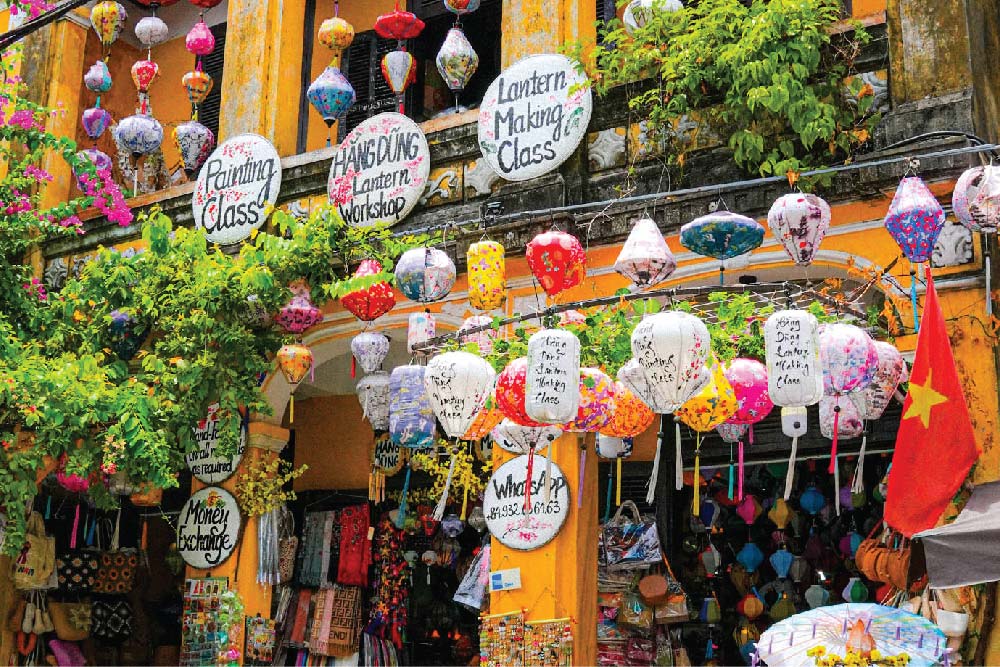
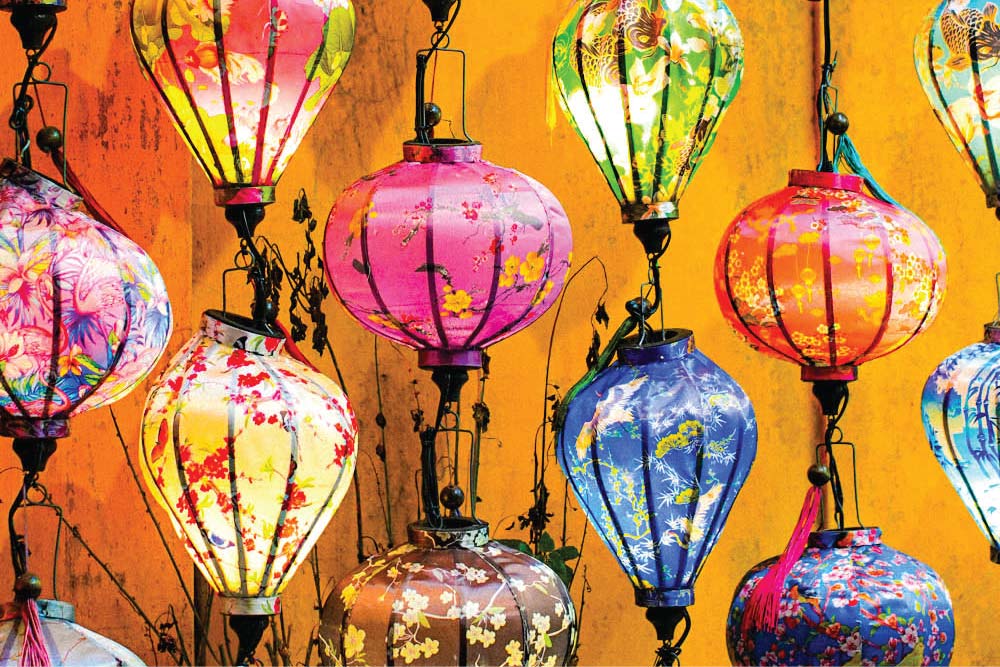
Hoi An’s ancient town feels particularly charming in January. The cooler air, softer light, and calmer river combine with the town’s lantern-lined streets to create an easygoing mood that suits slow exploration.
During the day, visitors can wander the UNESCO-listed old streets without being pushed indoors by heat. Tailor shops, handicraft stores, and small galleries stay comfortable even at midday. The reduced humidity means that walking between sites—assembly halls, old merchant houses, pagodas, and riverside cafes—remains enjoyable throughout the day.
The Thu Bon River mirrors this relaxed pace. Boat rides are possible from morning until evening, and the lack of heavy rain reduces the risk of sudden cancellations. Markets and street stalls along the river have more space to operate as the pavements stay dry and clean.
Hoi An’s nearby beaches, especially An Bang and Cua Dai, also start to look more inviting. The sand dries out and becomes better suited for long walks or sunbathing. Although the sea may still feel brisk, many travelers are comfortable swimming for short periods when the sun is out. Beachfront restaurants and bars gradually reopen their full outdoor seating as they move deeper into the dry season.
The countryside around Hoi An benefits from January’s climate as well. Cycling trips through Tra Que Vegetable Village or along quiet back roads become more practical, as temperatures stay mild and paths are less muddy. Coconut boat rides in Cam Thanh, farming experiences, and village cooking classes all run more smoothly when the weather is stable.
As night falls, Hoi An turns on its lanterns and becomes one of the most atmospheric places in Central Vietnam. The air stays comfortably cool, making it easy to walk, shop, and eat outdoors. Dishes such as cao lầu and mì Quảng feel particularly satisfying under these conditions, and many visitors end up spending several evenings simply wandering and tasting their way through the town.
Hue in January: a cooler, historic season
Hue, the former imperial capital, usually feels a little cooler than Da Nang or Hoi An in January. This climate aligns well with the city’s historic and reflective character.
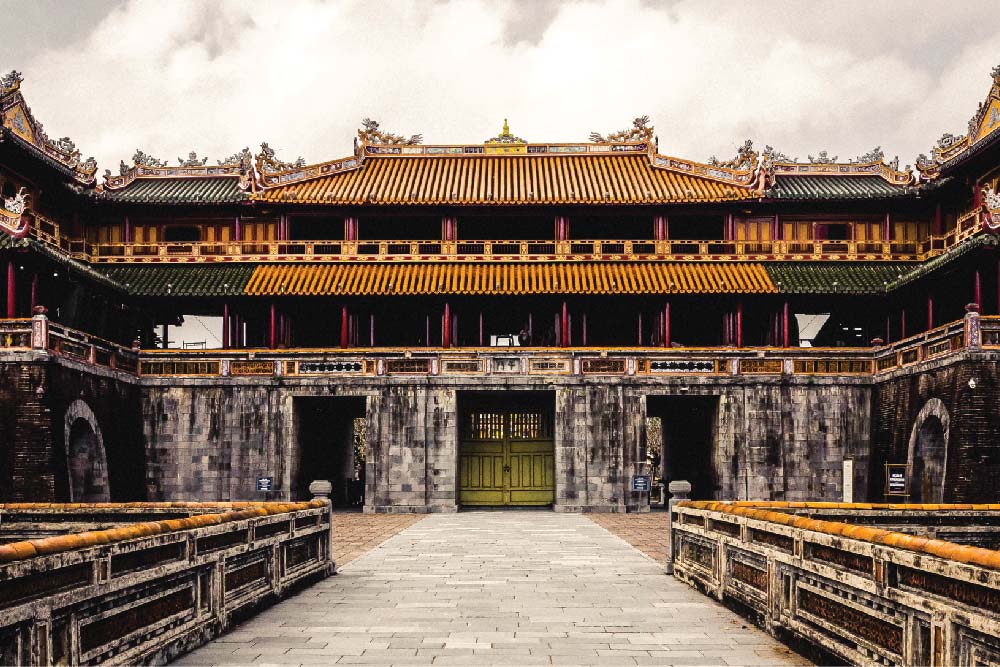
Daytime temperatures often sit between 18°C and 22°C, with evenings dropping to around 16°C. That makes long visits to the Imperial City, the royal tombs, or Thien Mu Pagoda far more manageable than in warmer months. Instead of rushing between shady spots, travelers can take their time walking through courtyards, climbing stone steps, and examining architectural detail.
Hue’s sky remains more overcast than other central cities, especially at the beginning of the month. Light drizzle still appears now and then, although the heavy rain of previous months is largely gone. Rather than interrupting plans, these short showers often add to the city’s mood, softening the light and bringing out the colors of mossy walls and old roof tiles.
The Perfume River reflects January’s calmness. Boat rides on dragon boats feel peaceful under the cool air, and riverside walks are pleasant at any time of day. Farther out, areas such as Thanh Toan Bridge or the Tam Giang Lagoon are easier to reach thanks to drier roads and milder temperatures.
Food is one of Hue’s great strengths, and winter conditions make it even more attractive. Bowls of bún bò Huế, warm bánh canh, and steamed rice cakes feel perfectly suited to cool evenings. Street food markets and small family-run restaurants stay busy as people gather for hot soups and shared dishes.
Beaches and coastal life in January
Travelers often ask whether January is a good beach month in Central Vietnam. The honest answer is that it is very good for spending time by the sea and increasingly good for swimming as the month progresses.
The coast is still recovering from the wet season when January begins. Early in the month, waves can remain stronger than in later dry-season months, and some beaches may put up red flags on rough days. However, compared with November, conditions are noticeably improved. The sand is drier, trash washed ashore by storms has mostly been cleared, and the sky tends to be brighter.
By mid-January, most beaches begin to resemble their classic dry-season form. The water grows clearer, beachfront cafés and seafood stalls operate more regularly, and umbrellas and loungers return to the sand. For walking, sunrise viewing, photography, and general relaxation, this period works very well. For serious sunbathing and long swimming sessions, the best conditions still lie slightly ahead in March and April, but many travelers find January more than good enough.

How the weather shapes daily life and travel activities
The moderate weather of January changes how people use the city. Streets remain lively all day because neither heat nor rain pushes everyone inside. Local residents spend more time on the pavements, in parks, and along riverbanks. Travelers notice that city life feels more open and accessible.
Markets in Da Nang, Hoi An, and Hue become easier to explore. Sellers can display goods outside without worrying about heavy showers, and shoppers are more willing to browse slowly. The lighter air also helps preserve produce and seafood, which in turn improves the quality of food served in nearby restaurants and street stalls.
Walking tours, motorbike journeys, and cycling routes all benefit from the stable climate. Visitors can link several attractions in one day without planning long midday breaks just to escape the sun. Museums, pagodas, old merchant houses, and imperial sites feel welcoming rather than exhausting. Photography also becomes easier, as the soft light and clear air provide reliable conditions throughout the day.
Evenings are one of the best parts of January travel. Outdoor dining areas fill up but rarely feel oppressive. Night markets operate comfortably. Lantern-lit streets, river promenades, and beachside bars gain a relaxed energy that lasts well into the night. The reduced humidity keeps clothing dry and makes moving around the city after dark more pleasant.
January food culture and seasonal eating in Central Vietnam
Weather and food go hand in hand in Central Vietnam, and January shows this clearly. Warm dishes feel especially appealing in the mild winter air.
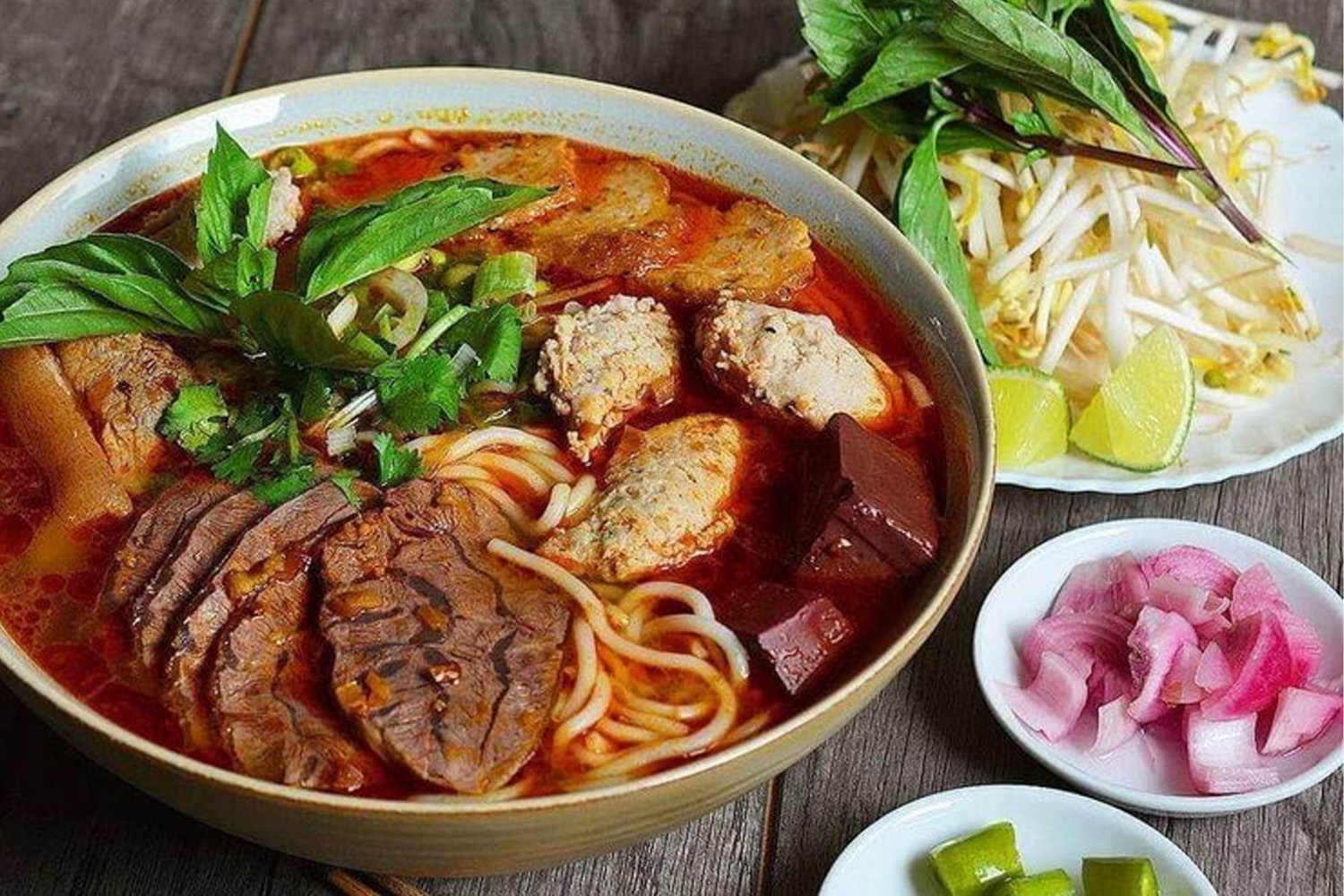
In Da Nang, seafood remains a star attraction. Grilled fish, clams, squid, and shrimp taste even better when eaten outdoors on a cool evening. In Hoi An, noodle dishes such as cao lầu and mì Quảng take on an extra level of comfort when the temperature drops after sunset. In Hue, rich broths, steamed cakes, and spicy soups match the cooler climate perfectly.
Café culture also thrives in January. Many cafés have open façades or rooftop terraces, which work well during this season. Travelers can sit for long periods with Vietnamese drip coffee, coconut coffee, or a hot chocolate while watching everyday life unfold below. The comfortable air makes these breaks feel like an integral part of the trip rather than just an escape from the weather.
Street food exploration is easier too. Night markets and roadside stalls are less affected by heat, so travelers can move from vendor to vendor without feeling tired. Trying small portions of different regional dishes becomes a natural way to spend an evening.
Transport and travel logistics in January
From a practical point of view, January is one of the easiest months for moving around Central Vietnam. Roads are generally dry, visibility is good, and major weather disruptions are rare.
Flights into and out of Da Nang International Airport tend to run smoothly, with far fewer delays than during the stormy months. The same is true for domestic connections to cities such as Hanoi, Ho Chi Minh City, or Nha Trang. For travelers combining several regions in one itinerary, this reliability is a clear advantage.
On the ground, buses, trains, and private transfers operate on predictable schedules. Motorbike rentals become more attractive when the roads are not wet and temperatures remain moderate. Scenic drives to places like Ba Na Hills or Hai Van Pass feel more comfortable and safer in these conditions.
Accommodation is widely available throughout January. Around Tet (Vietnamese Lunar New Year), which sometimes falls near the end of the month, hotels and homestays can become busier, and prices may rise. Booking in advance for that specific period is wise, but outside of the holiday window, travelers usually have plenty of choice.
Why January is an excellent time to visit Central Vietnam
January brings together many conditions that travelers look for: mild temperatures, improving sunshine, lower humidity, and generally manageable visitor numbers. Cultural sightseeing, beach time, food exploration, and day trips all work well in this climate.
Landscapes look clearer as the air dries and clouds thin out. Cities settle into a comfortable rhythm. Markets expand their offerings. Outdoor activities regain stability. Beaches reopen more facilities. Cycling routes, riverfront promenades, and heritage sites all become easier to enjoy.
For first-time visitors, January offers one of the most reliable windows to experience Central Vietnam at a balanced, easygoing pace. Returning travelers often appreciate how different the region feels compared with the heat of summer or the storms of autumn. With its combination of comfort, variety, and increasingly bright days, January stands out as a smart and rewarding month to explore this part of Vietnam.
Frequently Asked Questions
Is January a good month to visit Central Vietnam?
Yes. It’s mild, dry, and comfortable—one of the best months of the year.
Does it rain in January?
Light drizzles may happen early in the month, but heavy rain is uncommon.
How warm is it?
Around 20–26°C during the day and cooler in the evenings.
Can I swim at the beach?
Yes, especially from mid-January onward when the sea becomes calmer.
Which city has the best weather?
Da Nang and Hoi An are warmer and brighter. Hue is cooler and cloudier.
Is Hoi An nice in January?
Very. Cool days, comfortable evenings, and calm river views.
What should I pack?
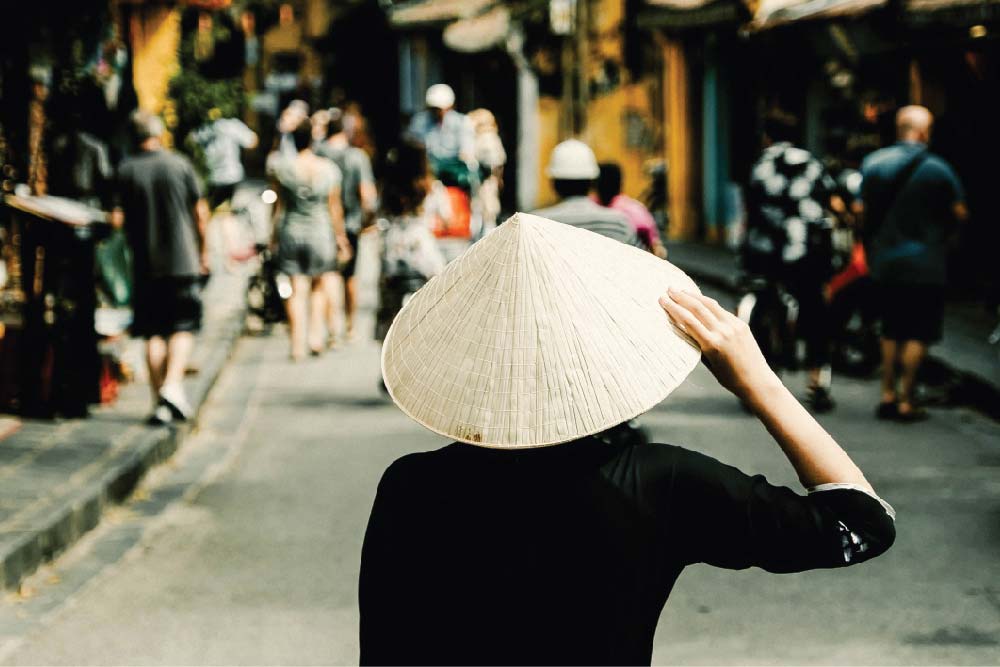
Light clothing for the day and a light jacket for evenings.
Is January crowded?
Moderate. Crowds increase near Tet (Lunar New Year).
Are day trips easy in January?
Yes. Dry roads and mild weather make it ideal for most activities.
Is it safe to ride a motorbike?
Yes. Roads are dry and visibility is good.