Vietnam sits high on the list of the world’s most welcoming destinations, drawing travelers with its mountain landscapes, tropical coastlines, vibrant cities, layered history, and warm hospitality. As more international travelers return to Asia and start planning long-awaited trips, one question appears repeatedly in travel forums, social media groups, and conversations among friends: Is it safe to travel to Vietnam right now?
The question makes sense. Planning a trip abroad always involves balancing excitement with caution. Travelers want reassurance about crime levels, transportation safety, food hygiene, weather risks, and cultural expectations. They want to know whether Vietnam feels stable, how its cities function, whether the streets are safe at night, and what real-life experiences other travelers report when walking through local neighborhoods or moving between regions.
The reassuring news is that Vietnam consistently ranks among the safest countries in Asia, with low violent crime, a highly regulated society, strong community networks, a stable political atmosphere, and a deeply rooted cultural emphasis on hospitality. It is a destination that welcomes travelers warmly, and that warmth is reflected not only in its tourism industry but in the everyday interactions visitors experience with locals across the country.
However, safety is not a single concept. It varies by context—urban versus rural, rainy season versus dry season, solo traveler versus family, first-time visitor versus experienced backpacker. To truly understand the safety landscape in Vietnam, travelers benefit from a nuanced, practical, honest explanation of what the country feels like right now, grounded in reality rather than vague generalizations.
This extended guide provides a comprehensive look at what travelers can expect, covering everything from crime trends and traffic realities to weather patterns, health standards, cultural etiquette, regional differences, and the broader atmosphere that shapes daily life in Vietnam. Instead of brief lists or simplistic statements, this article offers a thoughtful, detailed perspective designed to help inbound travelers feel fully informed and confident as they plan their trip.
Vietnam’s overall safety reputation: Why travelers feel secure here
Travelers who visit Vietnam often describe the experience using words such as “comfortable,” “friendly,” and “welcoming.” Safety is a major part of that impression. Compared to many global destinations, Vietnam maintains extremely low levels of violent crime. Incidents involving weapons, serious assault, or large-scale crime targeting tourists are exceptionally rare. Instead, the environment is characterized by community-driven public life, high social accountability, and a cultural emphasis on non-confrontation.
Most travelers feel safe walking through Vietnamese cities—whether navigating Hanoi’s Old Quarter in the evening, strolling along Da Nang’s riverfront, or exploring Ho Chi Minh City’s busy District 1. The sense of security extends beyond major tourism zones. Smaller towns, rural villages, and countryside communities offer an even calmer environment, where locals often greet travelers with curiosity, kindness, and genuine hospitality.
The country’s stability also contributes significantly to its safety reputation. Vietnam has maintained political stability for decades, with predictable government policies and a society that values order and harmony. This stability creates a reliable foundation for tourism infrastructure, cleanliness, and efficient public services, all of which shape the traveler experience.
Safety, however, is not about eliminating all risk. Minor scams, petty theft in crowded places, and occasional weather disruptions exist here just as in any country. Vietnam is safe, but not risk-free. Understanding what those risks look like—and how easily they can be avoided—empowers travelers to navigate the country with calm confidence.
Crime in Vietnam: Understanding the real situation on the ground
When examining whether Vietnam is safe to travel right now, crime is often the first issue travelers ask about. The country’s crime profile differs significantly from many other popular destinations.
Violent crime toward tourists is extremely rare.
 Vietnamese society places strong cultural and legal pressure against violence, especially public aggression. Major cities maintain visible security presence, and communities operate on informal social monitoring, where neighbors stay aware of each other’s activity.
The risks travelers should realistically expect are petty theft and opportunistic scams, not physical danger. These issues cluster in high-traffic tourist areas—Hanoi’s Old Quarter, Bui Vien in Ho Chi Minh City, major night markets, or busy beachfront promenades in Da Nang and Nha Trang. Pickpockets operate mainly where crowds gather. Opportunistic motorbike thieves may attempt to snatch phones from travelers holding them loosely near the roadside. Vendors in tourist-centric areas may offer inflated prices.
Despite this, Vietnam remains highly manageable for travelers because the risks are predictable and easy to reduce with simple awareness. Vietnamese people also tend to intervene quickly when witnessing theft or wrongdoing, which contributes to a safer environment than many realize.
Hotels, cafés, and restaurants are generally safe spaces with reliable staff and secure environments. Theft from hotel rooms is extremely uncommon, especially in reputable accommodations.
When evaluating safety, travelers should recognize that Vietnam’s crime landscape is mild and largely non-threatening. Petty theft exists but can be minimized with basic precautions. Violent crime is not a common part of the travel experience.
Traffic and transportation: The most common misconception
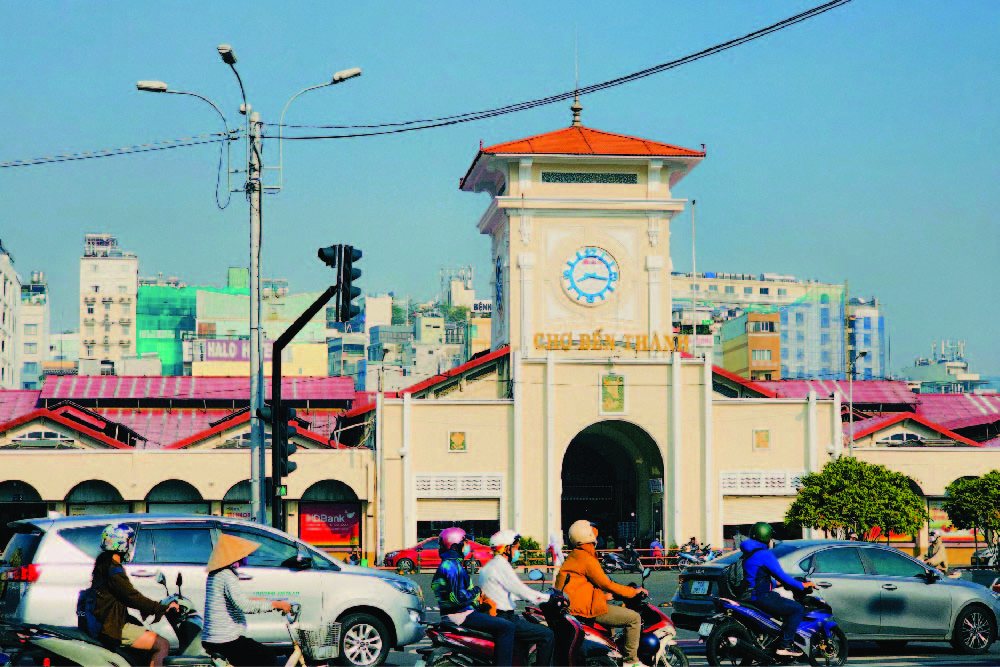
Many first-time travelers are surprised to learn that the greatest safety adjustment in Vietnam is not crime—it is traffic. The flow of motorbikes, buses, cars, and pedestrians can appear chaotic to the untrained eye, particularly in major cities. Hanoi and Ho Chi Minh City are famous for streets filled with endlessly moving streams of motorbikes, and crossing those streets can feel intimidating at first.
However, Vietnam’s traffic is less dangerous than it appears. Local drivers operate with a predictable rhythm based on expectation, observation, and flow rather than strict lane discipline. Pedestrians who walk slowly and consistently across the street find that motorbikes glide around them naturally.
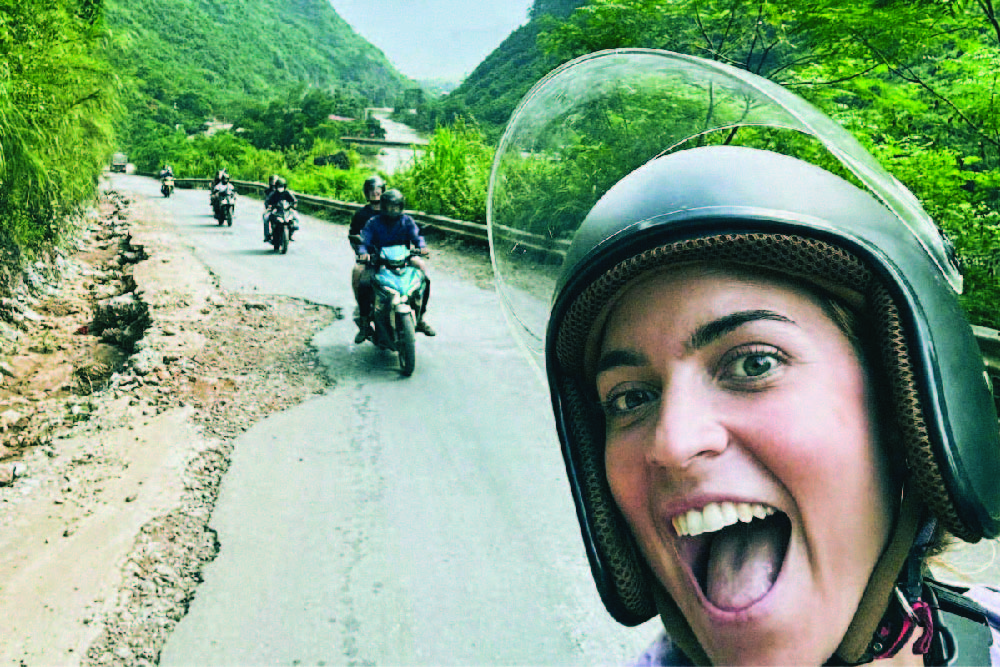
Still, travelers should remain aware. Rushing or stopping abruptly during crossings causes confusion for drivers accustomed to steady pedestrian movement. Holding valuables close to the body helps prevent opportunistic theft by passing motorbikes. And riding a motorbike without experience in dense traffic can pose unnecessary risk.
Public transportation remains safe and widely used. Buses in large cities are regulated, drivers typically undergo formal training, and routes operate on fixed schedules. Ride-hailing apps such as Grab and Be provide safe, reliable options for both car and motorbike travel, allowing travelers to choose drivers with strong ratings and transparent pricing.
Long-distance transportation also performs well on safety standards. The Reunification Express railway offers stable, scenic travel between major cities and tourist destinations such as Hue and Da Nang. Domestic flights maintain strong safety records and modern fleets. Intercity limousines and buses vary by operator but generally maintain good service quality, particularly on popular routes.
Traffic safety in Vietnam requires awareness, not fear. Understanding how the system works—and choosing appropriate transportation based on comfort level—ensures a smooth and secure travel experience.
Weather-related safety: Knowing how Vietnam’s climate affects travel right now
Vietnam spans more than 1,600 kilometers from north to south. This long, narrow geography creates dramatically different weather patterns across the country. Understanding these variations is essential for safe, comfortable travel.
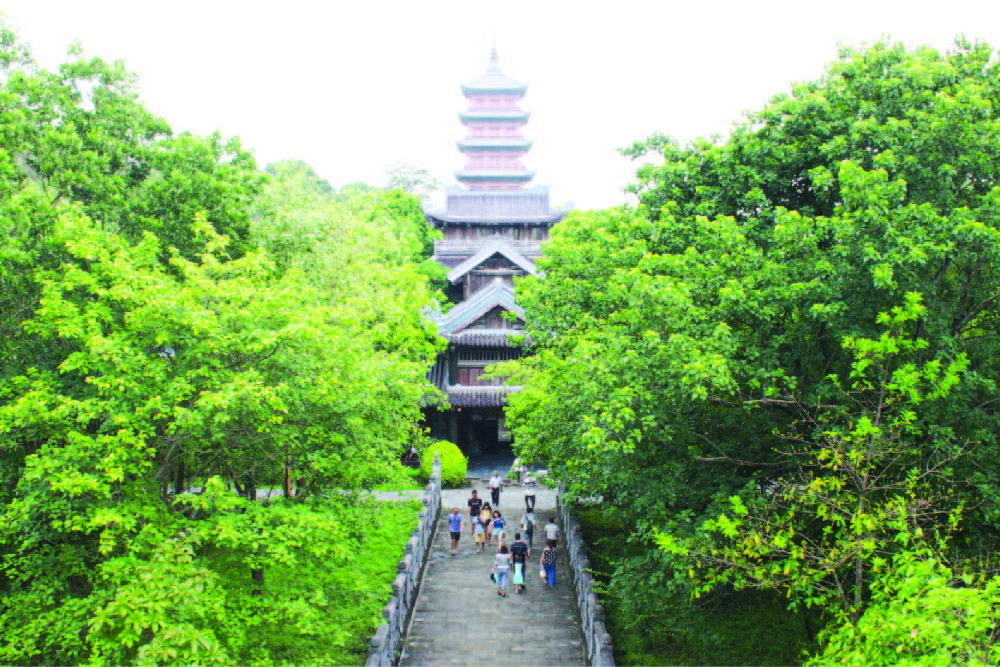
Northern Vietnam experiences cool winters and mild summers. From December to February, regions like Hanoi, Ha Long Bay, Sapa, and Ha Giang can feel unexpectedly cold for travelers expecting a tropical climate. Temperatures may drop into the low teens and occasionally lower in mountainous areas. While these conditions are not dangerous, inadequate clothing can impact comfort.
Central Vietnam experiences a rainy season from September to December, occasionally influenced by typhoons or prolonged rainfall. By January, conditions begin stabilizing, marking the transition toward dry season. There can still be cloudy days, occasional drizzle, or temporarily rough seas, but dangerous weather conditions become unlikely. From February onward, central Vietnam enjoys some of its most stable weather of the year.
Southern Vietnam enjoys a predictable dry season from December through April, with warm temperatures, low humidity, and minimal rainfall. The wet season runs from May to October, bringing brief afternoon showers rather than prolonged storms. Dangerous weather events are rare in the south.
Understanding these patterns allows travelers to prepare appropriately, select the right clothing, and plan activities without encountering unexpected disruptions. Vietnam’s weather does not typically pose safety threats, but knowing the seasonal cycles helps visitors avoid placing themselves in situations where discomfort or logistical challenges might occur.
Health and hygiene standards: What travelers should expect in Vietnam
Vietnam maintains strong public health standards, particularly in urban centers where tourism is concentrated. The country’s healthcare system includes advanced hospitals in Hanoi, Da Nang, and Ho Chi Minh City, many of which feature international wings with English-speaking doctors. Rural areas may have small clinics, but serious medical needs can be handled efficiently through intercity transport.
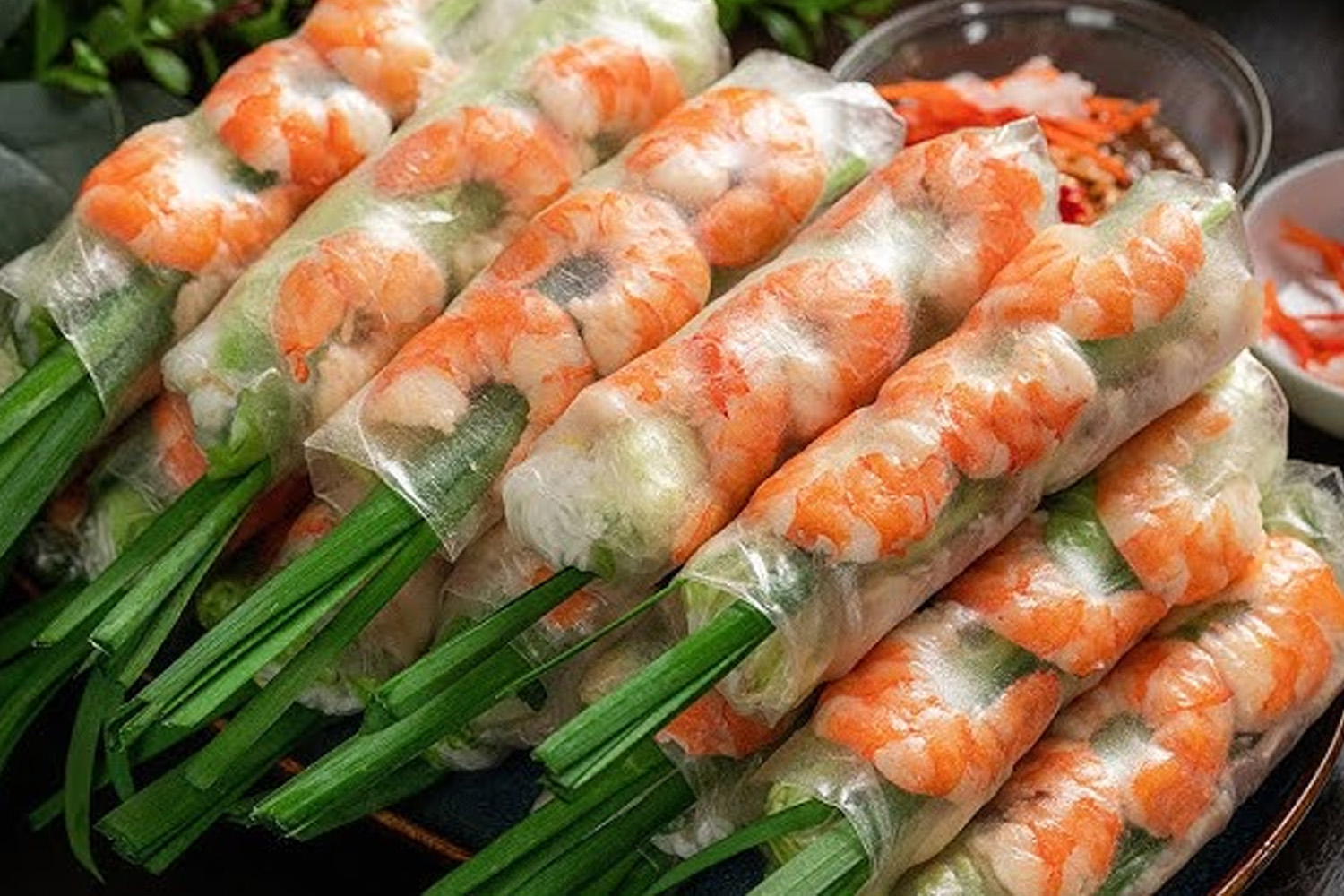
Food hygiene has improved significantly over the past decade. Restaurants and reputable street vendors maintain clean preparation practices, and most travelers enjoy Vietnamese cuisine without health issues. Avoiding undercooked food, choosing vendors with steady customer flow, and drinking bottled or filtered water are simple habits that ensure safety.
Tap water is not recommended for direct drinking, though it is safe for showering and brushing teeth in most cities. Filtered water is widely available in hotels and restaurants.
Mosquito activity varies by region, but Vietnam does not currently face widespread mosquito-borne disease outbreaks in urban centers. Travelers to rural areas should follow standard precautions, especially during wet months.
Local pharmacies are common and well-stocked. Many medicines that require prescriptions in Western countries can be purchased over the counter in Vietnam, though travelers should rely on reputable pharmacies to avoid counterfeit products.
Health risks in Vietnam are manageable with standard awareness. Travelers generally find the country safe, clean, and well-equipped for medical needs.
Regional differences: How safety feels across Vietnam
Each region of Vietnam has its own character and safety profile. Understanding these differences enriches the travel experience.
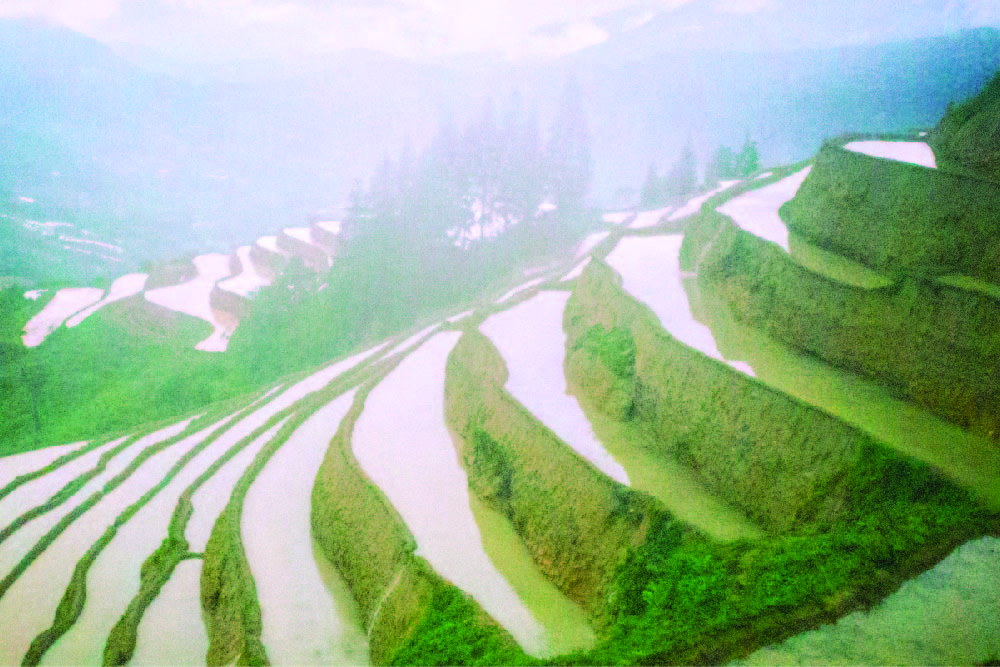
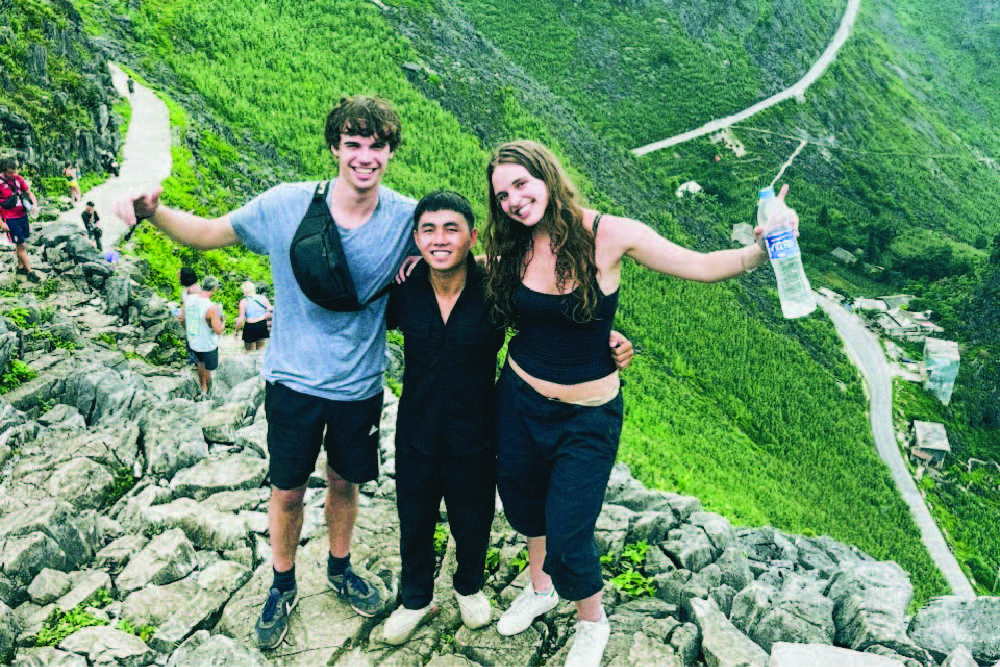
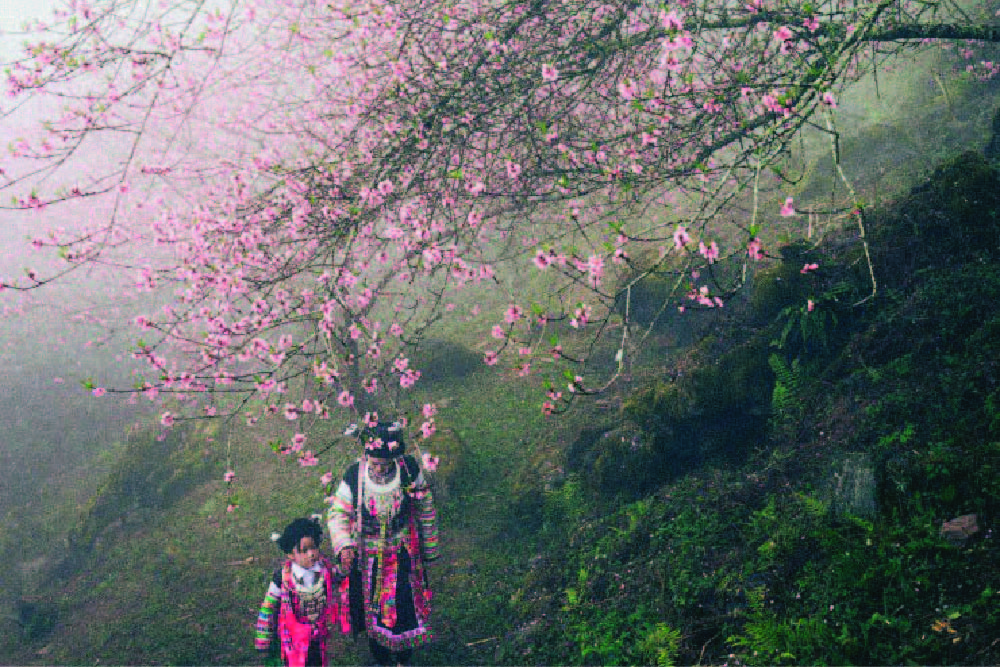
Northern Vietnam offers a blend of cultural depth and natural landscapes. Cities such as Hanoi feel lively but not overwhelming. The Old Quarter has more traffic complexity, but streets are well lit and active late into the evening. Mountain regions like Sapa and Ha Giang provide exceptionally safe environments, with local ethnic communities known for hospitality. The only real safety considerations involve weather conditions and road terrain.
Central Vietnam combines historical heritage with modern coastal cities. Da Nang is considered one of the safest urban environments in the country, with clean streets, friendly locals, and reliable infrastructure. Hoi An is peaceful, especially in the Ancient Town where vehicles are restricted. Hue is calm and introspective, with a slower pace that enhances its safety. Weather patterns affect central Vietnam more than crime, and understanding seasonal rainfall is the main safety consideration here.
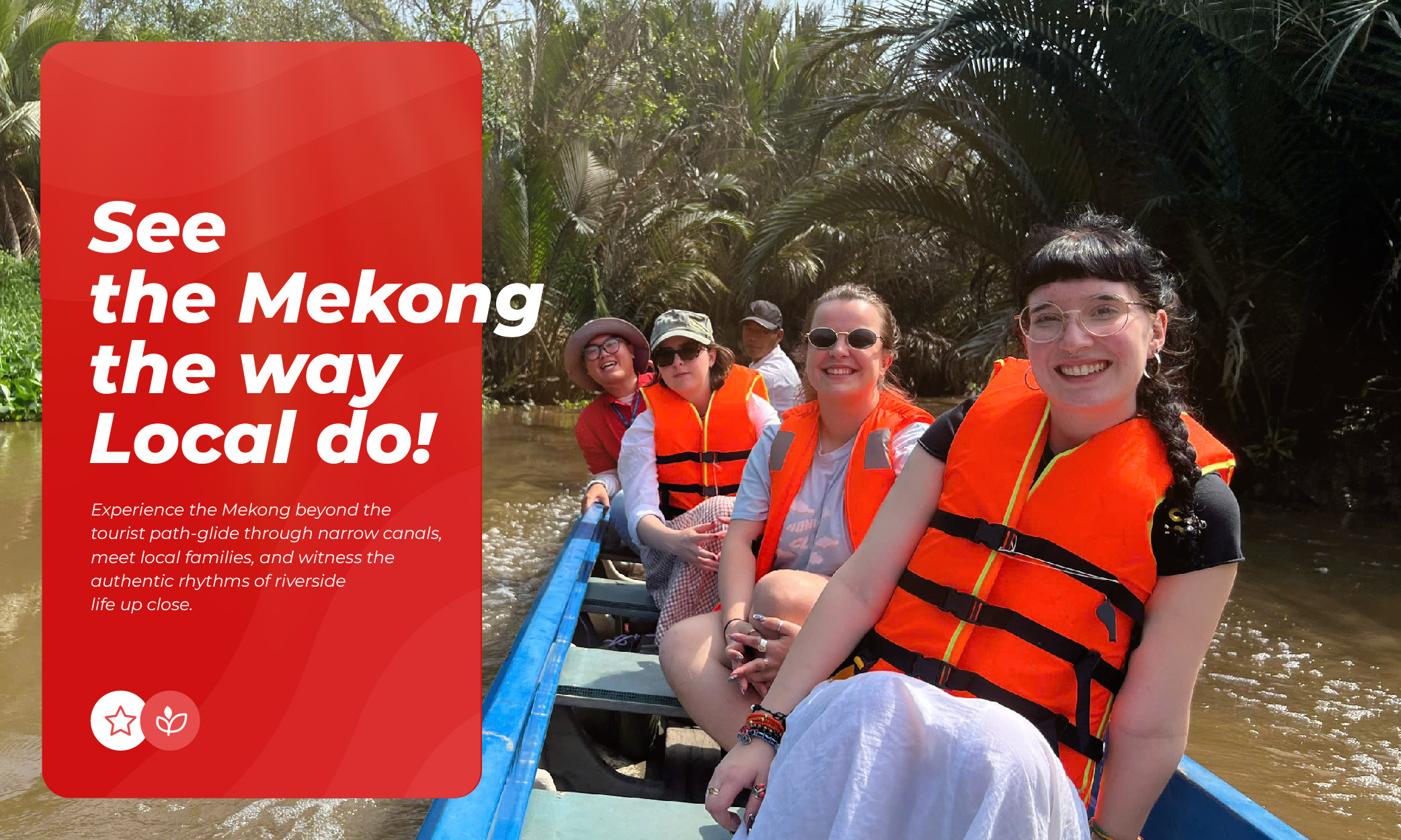
Southern Vietnam is energetic and warm, especially Ho Chi Minh City. The city’s fast pace may initially feel overwhelming, but it is still one of the safest major cities in Southeast Asia. District 1 and popular tourist areas remain busy late into the night, supported by restaurants, cafés, and hotels that maintain strong safety oversight. The Mekong Delta, in contrast, feels tranquil and community-oriented, with exceptionally low crime risk.
Across the country, Vietnam’s combination of stability, low violent crime, and cultural respect creates a safe foundation for travel.
Safety for solo travelers: Why Vietnam works especially well
Solo travel requires an environment where people feel not only physically secure but also socially comfortable. Vietnam excels in this category.
Solo female travelers often report feeling safe walking around cities, joining group tours, sitting in cafés, and using ride-hailing services. Harassment is uncommon and socially discouraged. Many women describe Vietnam as one of the easiest Asian countries for independent travel.
Solo male travelers also find Vietnam highly approachable, as locals are open to conversation and helpful toward visitors. Street food vendors, taxi drivers, hotel staff, and tour guides frequently engage in friendly interactions that make solo travel feel communal rather than isolating.
Solo travelers benefit from Vietnam’s strong tourism ecosystem, which includes hostels, boutique hotels, walking tours, cooking classes, and excursions designed to bring people together. This structure ensures that solo travelers never feel alone unless they choose to be.
Scams and tourist misunderstandings: What travelers should actually expect
Scams in Vietnam tend to be small-scale and focused on minor financial gain rather than deceptive danger. They are not aggressive and rarely involve threats or physical confrontation. Understanding common patterns helps travelers avoid frustration.
Taxi overcharging is the most common tourist annoyance, often stemming from drivers who avoid using the meter or take longer routes. Using trusted taxi companies or app-based rides eliminates this issue.
Restaurants or shops in crowded tourist districts may attempt inflated pricing. Asking for menus, checking prices beforehand, and choosing well-reviewed locations ensures a transparent experience.
Some street vendors may pressure tourists into buying souvenirs or offering unsolicited shoe-cleaning services. A simple, polite decline is enough to avoid engagement.
These experiences are not unique to Vietnam, and they rarely escalate. Most travelers complete their entire trip without encountering any scams at all.
Cultural awareness and safety: Understanding local norms
Vietnamese culture values respect, calm communication, and community harmony. Travelers who engage with locals using these principles often find themselves treated with hospitality and care.
Showing modest behavior in temples, wearing appropriate clothing in rural areas, and handling disagreements gently all contribute to positive interactions. Loud confrontations or public criticism may create tension, not because they lead to safety concerns but because they contradict cultural norms.
Understanding the rhythm of daily life also enhances safety. Locals wake early, with markets active at dawn and cafés bustling by sunrise. Streets remain lively late into the evening, and night markets create safe public spaces for socializing. The presence of families, elders, and children outdoors contributes to an environment that feels communal rather than risky.
Practical Safety Tips That Actually Matter in Vietnam
While Vietnam is safe, thoughtful preparation improves the travel experience. Traveling with awareness—not fear—allows visitors to enjoy everything the country offers.
Carrying a crossbody bag, staying mindful in crowded areas, and keeping phones secure near streets reduces the already-low chance of petty theft. Learning the rhythm of pedestrian crossings reduces stress when moving through cities. Choosing reputable transportation companies and avoiding unlicensed taxis ensures safe travel between destinations.
Staying informed about weather conditions helps travelers plan trips across regions, especially during transitional months. Packing layers for northern winters, light clothing for southern summers, and rain jackets for central autumn enhances comfort and safety.
These simple habits align with common-sense travel behavior and require no special effort.
Final Reflections: Is It Safe to Travel to Vietnam Right Now?
Yes—Vietnam is not only safe to travel right now, but it remains one of the safest and most enjoyable destinations in Asia for international visitors. Travelers benefit from an environment shaped by low crime, cultural warmth, predictable infrastructure, and a national commitment to hospitality.
While awareness is always important, Vietnam allows travelers to explore freely and confidently. Whether wandering through Hanoi’s historical streets, drifting along the Mekong Delta, hiking in Ha Giang, or relaxing on the beaches of Da Nang and Phu Quoc, travelers encounter a country that is open, inviting, and grounded in cultural respect.
For inbound travelers asking whether Vietnam is a safe choice right now, the answer is not only yes—it is one of the most rewarding decisions they can make.
Frequently asked questions
Is Vietnam safe for tourists right now?
Yes. Vietnam is considered one of the safest countries in Asia, with low crime and strong tourism infrastructure.
Is violent crime common?
No. Violent crime toward travelers is extremely rare.
Is it safe to walk around at night?
In most areas, yes. City centers, beaches, and tourist districts are active and well lit.
How safe is the traffic?
Traffic can be busy, especially in big cities, but predictable. Walk steadily when crossing.
Is Vietnam safe for solo female travelers?
Yes. Vietnam is widely regarded as safe, with respectful social norms and low harassment risk.
Are natural disasters a concern?
Typhoons affect the central coast mainly from September to November. The rest of the year is stable.
How safe is the food?
Very safe in reputable restaurants. Choose busy food stalls for fresh street food.
Is the tap water safe?
Not for drinking, but filtered or bottled water is widely available.
Is public transportation safe?
Yes. Taxis, rideshares, buses, and trains are generally reliable and safe.