
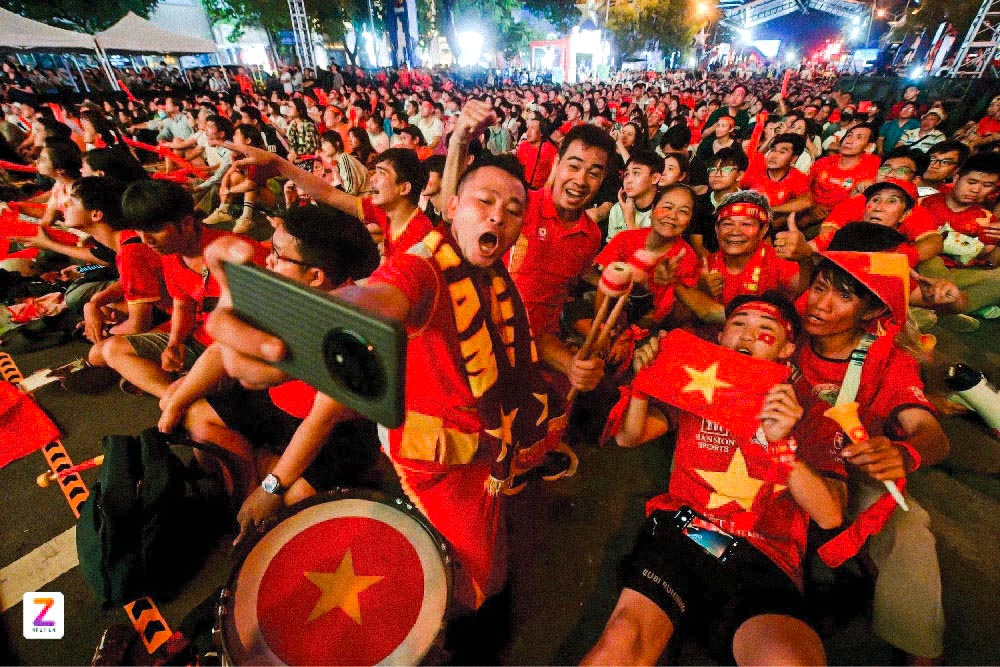
Football in Vietnam is a shared language, an emotional outlet, a reason for strangers to hug each other in the street, and sometimes a reason for an entire city to stay awake long past midnight. To understand Vietnam, especially modern Vietnam, you have to understand how deeply football runs through daily life.
You don’t need a stadium ticket to feel it. You can sense it in the way plastic stools line the sidewalks during match nights, in the sudden silence that falls over a neighborhood when a penalty kick is about to happen, and in the explosion of motorbikes, horns, flags, and cheers when Vietnam scores a decisive goal. Football culture in Vietnam lives far beyond the pitch. It lives in cafés, alleyways, living rooms, barbershops, universities, factories, and construction sites.
This blog explores how football became embedded in Vietnamese culture, how people experience the game at every level, and why football in Vietnam feels more emotional, more communal, and more personal than in many other countries.
How football arrived in Vietnam and quietly stayed
Football arrived in Vietnam during the French colonial period, introduced through schools, military institutions, and urban communities. At first, it was simply another imported activity, played by a small group of elites and students. But over time, the game began to spread organically, because it required very little equipment and offered something universally appealing: competition, teamwork, and pride.
Unlike sports that depend on expensive facilities, football adapted easily to Vietnam’s urban and rural environments. Children could play barefoot in small alleys, open fields, schoolyards, or even empty parking lots. A ball, or sometimes something shaped like one, was enough. The rules did not need to be perfect. The joy came from movement, scoring, and playing together.
After independence and through decades of hardship, football remained present. Even during periods when resources were scarce, people continued to play and follow the sport. Radios carried match commentary. Newspapers reported scores. Stories of legendary local players circulated long before social media existed.
Football stayed because it fit the Vietnamese way of life. It encouraged collective effort. It rewarded discipline. It allowed people to express emotion in a society that often values restraint in everyday situations.
Why football resonates so deeply with Vietnamese people
Football culture in Vietnam is rooted in emotion more than analysis. Many fans do not talk about tactics, formations, or statistics in detail. Instead, they talk about heart, effort, spirit, and pride.
When Vietnam plays, the question is not only whether the team will win. The question is whether they will fight hard enough, represent the country with dignity, and show resilience. A loss can still be respected if the players give everything. A win feels almost sacred when it comes after struggle.
This emotional connection reflects broader cultural values. Vietnamese society places strong importance on perseverance, collective responsibility, and endurance. Football mirrors these traits in a visible, dramatic way. Each match becomes a story about effort against odds, unity under pressure, and belief despite uncertainty.
That is why national team matches feel so intense. People see themselves in the players. Victories feel personal. Defeats feel shared.
Match day in Vietnam: a street-level experience
On the day of a major match, especially when the national team plays, cities across Vietnam begin to change rhythm hours before kickoff.
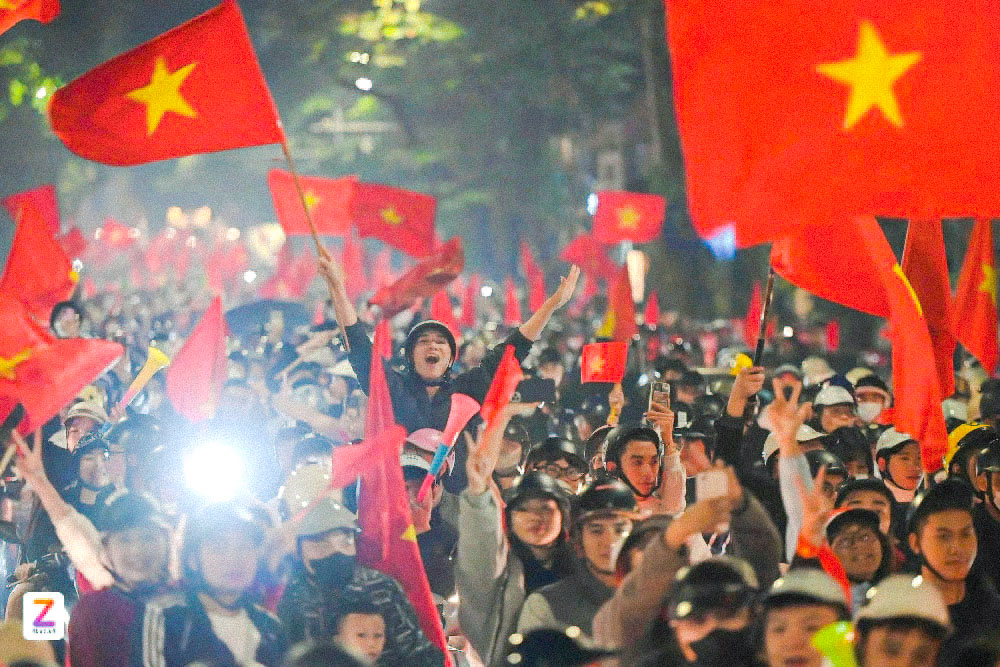
Cafés rearrange furniture to face televisions. Extra screens appear outside shops. Street vendors prepare more food than usual. Beer sales increase noticeably. Flags, headbands, and red shirts with yellow stars appear everywhere.
As kickoff approaches, traffic thins. Motorbikes disappear from the streets. Entire neighborhoods seem to pause. Inside homes, families gather around televisions. In cafés, strangers sit shoulder to shoulder, commenting on every pass and decision.
What makes football culture in Vietnam unique is the public nature of watching. People rarely watch alone. Even if someone is physically alone at home, they know thousands of others nearby are watching the same match at the same moment.
When Vietnam scores, the reaction is immediate and collective. Cheers echo across streets. People jump from their seats. Drinks spill. Someone inevitably shouts a player’s name at the top of their lungs. And when the final whistle confirms a victory, the celebration spills outdoors.
The motorbike parade: celebration as movement
Few images capture Vietnamese football culture better than the spontaneous motorbike parades that follow important wins.
After a major victory, especially in regional or international tournaments, people pour onto the streets waving flags, honking horns, and chanting. There is no official organizer. No schedule. No route. The celebration organizes itself naturally.
Young people, families, office workers, and even elderly fans join in. Some wear full national team kits. Others wrap flags around their shoulders. Motorbikes move slowly, forming rivers of red and yellow through city centers.
These celebrations are loud, joyful, and deeply emotional. They represent a release of collective energy that has been building throughout the match. For many people, it is the only time they openly express such intense national pride in public.
Importantly, these parades are not limited to big cities. Smaller towns, provincial capitals, and even rural areas experience similar scenes, adapted to local scale. Football creates a shared national moment that crosses geography and social class.
Football cafés and the culture of watching together
Football cafés play a crucial role in shaping how the sport is experienced in Vietnam. These are not specialized sports bars in the Western sense. They are everyday cafés that transform into communal viewing spaces during matches.
Plastic chairs replace usual seating. Screens are mounted at every possible angle. Some cafés place speakers outside so people on the street can hear commentary. Owners often know regular customers by name and greet them with knowing smiles on match days.
Watching football in these cafés is participatory. People comment loudly. They criticize referees. They argue about decisions. They applaud good plays from both teams. It is informal, expressive, and unfiltered.
This culture reinforces football as a social activity rather than private entertainment. The café becomes an extension of the living room, but one shared with dozens of others. Over time, regular viewers form loose communities bonded by repeated shared experiences.
Local football: playing, not just watching
While professional and national football draws the most attention, grassroots football remains central to Vietnamese football culture.
In the early mornings and late afternoons, parks fill with people playing football. Office workers play before work. Students play after class. Older men organize casual matches that focus more on enjoyment than competition.
In many neighborhoods, informal teams exist with no official structure. Members contribute small amounts of money to buy balls, jerseys, or drinks. Matches are scheduled through messaging apps. Players rotate depending on availability.
These games matter. They are spaces where friendships form, stress dissolves, and social boundaries blur. A construction worker, a university student, and a small business owner can all play on the same team without hierarchy.
This everyday participation keeps football grounded. It ensures that the sport remains accessible and personal rather than distant and commercial.
The rise of the national team and modern pride
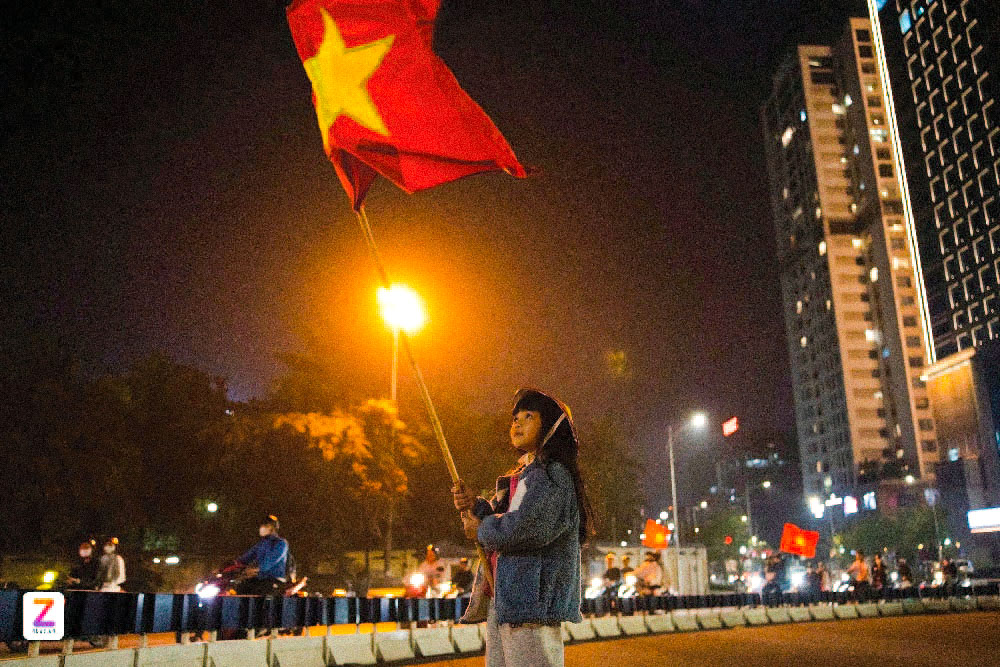
Vietnam’s recent football success has significantly reshaped national confidence. Over the past decade, improved training, better organization, and international exposure have elevated the national team’s performance.
Success in regional tournaments and strong showings at continental competitions have changed how fans view Vietnamese football. There is greater belief. Greater expectation. And greater emotional investment.
Players have become household names. Coaches are discussed in mainstream media. Tactical decisions are debated on social platforms. Football has entered everyday conversation in ways that did not exist before.
Yet even as professionalism increases, the emotional core remains unchanged. Fans still value effort over perfection. Passion over polish. Representation over trophies.
Football and identity across generations
Football culture in Vietnam is not limited to one age group. Older generations remember listening to matches on the radio or reading results in newspapers. Middle-aged fans recall the early days of televised football. Younger fans grew up with social media, highlight reels, and online debates.
Despite these differences, football creates rare intergenerational connection. Families watch together. Parents explain rules to children. Grandparents comment on how the game has changed.
During Tet holidays or family gatherings, football often becomes a shared activity that bridges age gaps. It provides common ground in conversations that might otherwise feel strained.
Football and emotion: why the highs feel so high
One reason football feels so intense in Vietnam is because people experience it emotionally rather than analytically. Matches become emotional journeys rather than technical contests.
Hope builds. Anxiety rises. Relief arrives. Disappointment hurts deeply. Joy feels explosive.
These emotions are amplified because they are shared. Watching football in Vietnam means feeling everything together. That shared emotional arc creates strong memories tied to specific matches, moments, and goals.
Years later, people still remember where they were when Vietnam won or lost an important game. They remember who they were with. They remember how the streets sounded that night.
Where this culture is heading
Vietnamese football culture continues to evolve. Social media has expanded discussion. International leagues influence young fans. Professionalization changes expectations.
Yet the core remains remarkably consistent. Football in Vietnam is still about community, emotion, and shared experience. It still lives in everyday spaces. It still belongs to everyone.
As Vietnam continues to grow economically and culturally, football remains one of the few things that consistently brings people together without asking for anything in return.
Football fandom in the age of social media
While street celebrations and café gatherings remain central to football culture in Vietnam, the way fans engage with the game has expanded dramatically through social media. Platforms like Facebook, YouTube, TikTok, and messaging apps have turned football into a constant, ongoing conversation rather than something limited to match days.
Before big matches, prediction posts flood timelines. During games, live commentary appears faster than television broadcasts. After matches, highlight clips, memes, emotional reactions, tactical debates, and humorous edits circulate for days. Even people who did not watch the match live quickly absorb the atmosphere through their feeds.
What is striking about Vietnamese football social media is its emotional honesty. Fans do not hesitate to celebrate wildly, criticize openly, or express disappointment publicly. Players become symbols, heroes, or cautionary tales overnight. Coaches are praised and questioned with equal passion. The language used online mirrors the language heard in cafés and living rooms: informal, expressive, and often deeply personal.
Social media has also made football culture more inclusive. Fans from rural areas, overseas Vietnamese communities, and people unable to attend public viewings still feel connected. Comment sections become virtual cafés where people argue, joke, and relive moments together.
At the same time, this constant engagement intensifies emotional investment. Victories feel bigger. Losses linger longer. Football is no longer something you leave behind after the final whistle; it follows you in your pocket, on your screen, and in your conversations.
Women and football: changing visibility, changing roles

Football culture in Vietnam has traditionally been seen as male-dominated, especially in public spaces like street cafés and night celebrations. However, this image has been changing steadily over the past decade.
More women now openly identify as football fans, not just casual viewers but passionate supporters who follow leagues, players, and tournaments closely. Women’s voices are increasingly visible in online discussions, sports journalism, fan pages, and football commentary.
Women’s football itself has played a major role in this shift. Vietnam’s women’s national team has achieved significant success regionally and internationally, earning respect and admiration across the country. Their achievements have helped reshape how football is perceived, expanding it beyond gendered expectations.
In everyday life, it is now common to see mixed groups watching matches together. Couples plan evenings around games. Female fans wear national jerseys with pride. In universities and workplaces, football discussions include everyone.
This shift matters because it reflects a broader cultural change. Football is becoming less about proving toughness and more about shared emotion and collective experience. The game belongs to everyone who cares enough to watch, cheer, and feel.
Youth, dreams, and football as aspiration
For many young people in Vietnam, football represents more than entertainment. It represents possibility.
Children playing in alleys or schoolyards do not only imagine scoring goals; they imagine recognition, pride, and belonging. Even when professional football careers remain statistically unlikely, the dream itself carries meaning.
Youth football academies have grown in number and visibility. Parents increasingly see football as a legitimate pursuit alongside academics, not necessarily as a career path, but as a way to build discipline, confidence, and teamwork.
At the same time, football heroes provide role models. Young fans follow players not only for their skills but for their stories: humble beginnings, perseverance, national pride, and international exposure. These narratives resonate strongly in a society where upward mobility and self-improvement are deeply valued.
Football also offers young people a space to express emotion openly. Cheering, disappointment, frustration, and joy are all socially acceptable during matches. In a culture that often emphasizes emotional restraint, football becomes a safe outlet.
Rivalries, humor, and the language of football
Vietnamese football culture is full of humor. Fans joke relentlessly about missed chances, dramatic losses, referee decisions, and even their own unrealistic expectations.
Rivalries, both domestic and regional, fuel this humor. Matches against traditional rivals generate playful teasing long before kickoff. After games, jokes circulate quickly, often turning disappointment into laughter.
Football has also influenced everyday language. Match metaphors appear in business conversations, school discussions, and casual talk. People describe life situations as “extra time,” “defensive play,” or “a tough away match.” These phrases are instantly understood because football provides a shared reference point.
Memes play a huge role in this linguistic culture. A single facial expression from a coach or player can become shorthand for an entire emotional reaction. Humor softens criticism and makes emotional investment easier to carry.
This playful side of football culture prevents it from becoming too heavy or divisive. Even after painful losses, laughter helps people process disappointment together.
Football and urban life
In Vietnam’s rapidly changing cities, football acts as a stabilizing cultural thread. Amid new buildings, rising costs, and shifting lifestyles, football remains familiar.
Urban neighborhoods still gather for matches. Old cafés coexist with modern sports bars. Street celebrations continue even as city regulations evolve. Football adapts without losing its communal core.
In cities like Hanoi and Ho Chi Minh City, football nights temporarily reshape urban space. Streets slow down. Noise patterns change. Public squares transform into celebration zones. The city breathes differently for a few hours.
This temporary transformation highlights how deeply football is embedded in urban rhythm. It is not an external event imposed on the city; it is something the city itself produces.
Football, nationalism, and collective identity
Football’s connection to national identity in Vietnam is powerful but complex. Matches involving the national team trigger strong expressions of pride, unity, and belonging.
Flags appear everywhere. Anthems are sung with intensity. Victories are framed as national achievements rather than sporting results alone.
Yet this nationalism is largely inclusive and celebratory rather than aggressive. It is less about opposing others and more about affirming shared identity. People celebrate not because they want to dominate, but because they want to feel connected.
For many, football offers a rare moment when social differences fade. Age, occupation, income, and background matter less. Everyone becomes a supporter first.
Football as emotional memory
Ask a Vietnamese fan about football, and they will often respond with a memory rather than an opinion.
They remember watching a match with their father. They remember a goal that made them cry. They remember running into the street after a win. They remember disappointment that lingered for days.
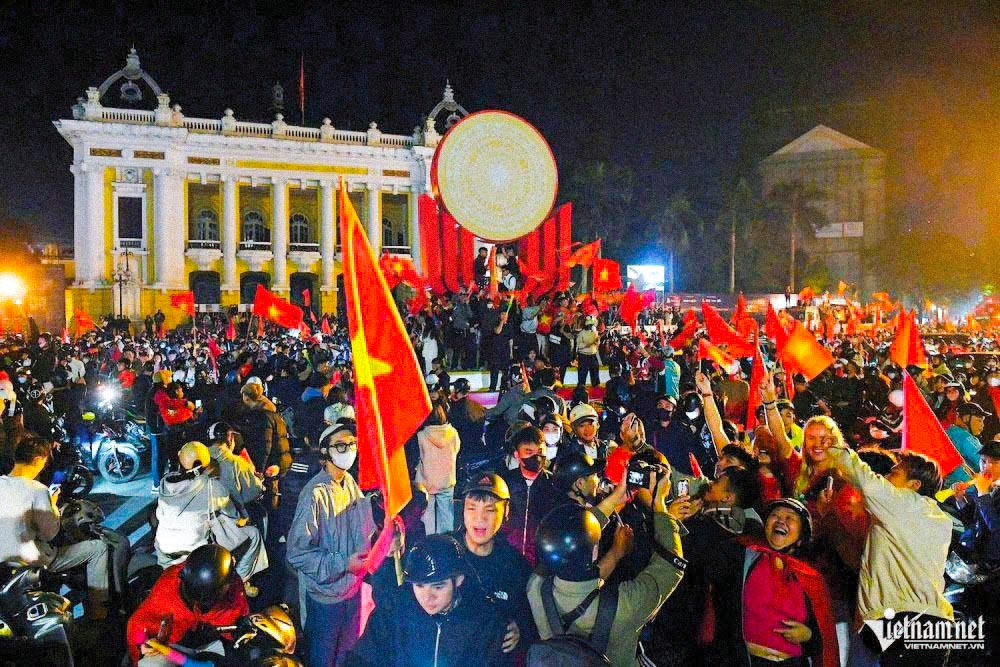
These memories accumulate over time, forming a personal archive of emotional experiences tied to football. The game becomes part of people’s life stories.
That is why football culture in Vietnam feels so alive. It is not abstract. It is deeply personal.
What football reveals about Vietnam today
Football culture reveals a Vietnam that values community, emotion, resilience, and shared experience. It shows a society comfortable with collective joy and collective disappointment.
It also reflects change. The influence of globalization, social media, and professionalization is visible, but these forces have not erased local character. Instead, they have layered onto existing traditions.
Vietnamese football culture is neither purely traditional nor fully modern. It exists in between, shaped by history but open to evolution.
Why football still matters
In a world of constant change, football remains a reliable source of connection. It brings people together without requiring agreement on politics, lifestyle, or belief.
It offers release in stressful times. It offers joy in uncertain moments. It offers stories that people carry with them long after matches end.
For travelers, understanding football culture offers insight into Vietnamese society that no museum or guidebook can provide. For locals, football remains a mirror reflecting who they are and who they hope to be.
Final thoughts: more than a game
Football in Vietnam is not just about goals, trophies, or rankings. It is about shared emotion, collective memory, and everyday connection.
It lives in alleyways and cafés, in motorbike parades and quiet living rooms, in laughter and frustration, in hope and heartbreak.
To watch football in Vietnam is to witness the country feeling itself, openly and together.
And once you have experienced that, the game never looks the same again.