Vietnam has become one of Southeast Asia’s most visited destinations, and the reasons are easy to see. The country offers dramatic mountain passes in the north, fertile river landscapes in the south, a deep culinary tradition, and a culture shaped by resilience and community. All of this exists within a geography that appears compact on a map, encouraging travelers to believe that everything can be seen quickly.
However, as Vietnam’s popularity continues to rise, a familiar travel mistake has become increasingly common. Many visitors try to see too much in too little time. The result is an itinerary that looks impressive on paper but feels exhausting in reality.
It is not unusual for first-time travelers to plan Hanoi today, Ha Long Bay tomorrow, a night train to Sapa, followed by a flight south and three cities in four days. At first glance, this approach seems efficient. Yet once the journey begins, the cracks appear. Long transfers replace exploration. Early mornings blur into late nights. Cultural encounters become brief and transactional.
As a result, travelers often leave Vietnam with beautiful photos but a lingering sense of distance. They have seen the country, but they have not truly experienced it.
This is where slow travel changes everything.
Slow travel in Vietnam is not about doing less for the sake of comfort. Instead, it is about experiencing more by moving with intention, staying longer in each place, and allowing genuine connections to develop. When applied thoughtfully, slow travel does not reduce the richness of a journey. It amplifies it.
Throughout this article, we explore why slow travel in Vietnam consistently delivers deeper, more meaningful, and more memorable experiences than fast itineraries. From the waterways of the Mekong Delta to the remote mountain roads of Ha Giang, Vietnam reveals its true character only to those willing to slow down.
Understanding slow travel in the Vietnamese context
Slow travel is often misunderstood, especially by travelers accustomed to short vacations and tightly packed schedules. Many assume that slow travel requires unlimited time, luxury budgets, or months on the road. In reality, slow travel is defined far more by mindset than by duration.
At its core, slow travel prioritizes depth over distance, quality over quantity, and lived experience over checklist sightseeing. Rather than asking how many places can be visited, slow travel asks how deeply each place can be understood.
In Vietnam, this philosophy feels especially natural.
Local life in Vietnam rarely moves at a rushed pace. Daily routines unfold gradually, shaped by weather, seasons, and social rhythms rather than rigid timetables. Markets begin before sunrise and stretch into late morning. Meals are shared events, not quick refueling stops. Conversations take time and often unfold indirectly, through gestures, smiles, and shared activities.
Even transportation reflects this rhythm. Ferries wait for passengers rather than the other way around. Mountain roads demand patience and attention. Rural paths invite walking or cycling instead of speed.
Because of this, slow travel aligns seamlessly with how Vietnam already functions.
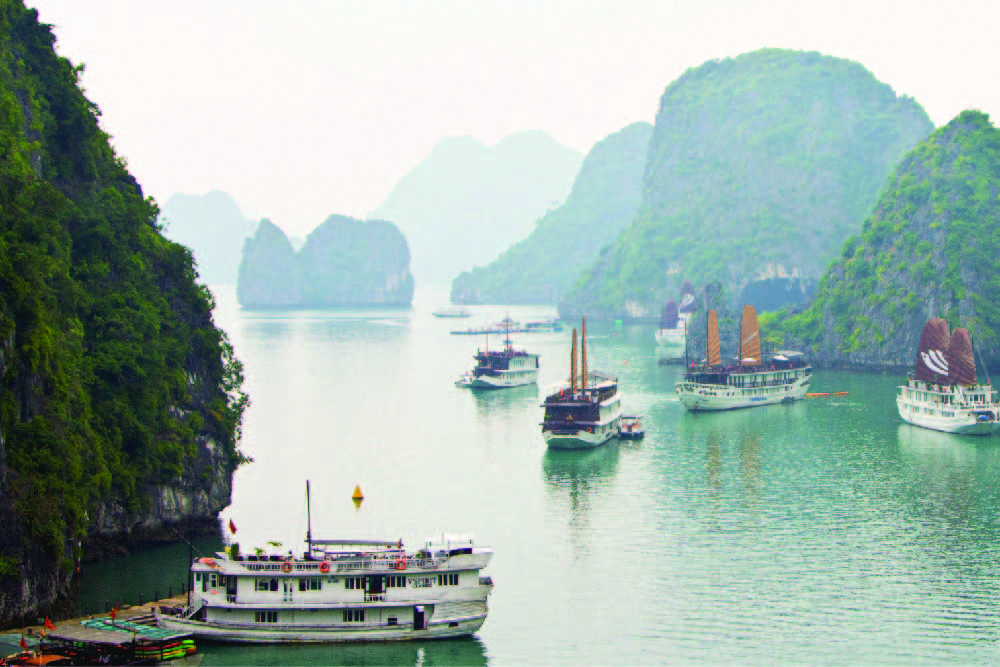
A slow travel itinerary in Vietnam might mean spending three or four nights in one village instead of changing locations every day. It could involve cycling through countryside paths, learning to cook regional dishes with a local family, or sitting quietly on a riverboat while daily life drifts past.
By contrast, fast itineraries often compress Vietnam into a sequence of highlights. Famous landmarks are visited, photos are taken, and schedules remain tight. While this approach delivers surface-level exposure, it keeps travelers at a distance from everyday life. Vietnam becomes something to observe, rather than something to participate in.
Why fast itineraries struggle in Vietnam
On a map, Vietnam appears long but narrow. This visual simplicity leads many travelers to underestimate the realities of movement across the country. In practice, Vietnam rewards patience far more than speed.
Several factors cause fast itineraries to struggle.
First, travel times are frequently underestimated. Mountain roads in the north are slow, winding, and affected by weather. In rural regions, infrastructure prioritizes local needs rather than tourist efficiency. A journey of 200 to 300 kilometers can easily consume an entire day, especially outside major highways.
As a result, fast itineraries often dedicate more time to transit than travelers expect. Hours are spent on buses, trains, and transfers, leaving limited energy for meaningful exploration upon arrival.
Second, Vietnam’s cultural experiences cannot be rushed. Hospitality in Vietnam is relational rather than transactional. Meals, conversations, and shared activities carry meaning precisely because they unfold slowly. When travelers rush through these moments, they lose their depth.
Third, constant movement creates cumulative fatigue. Early departures, overnight transport, frequent packing, and repeated hotel check-ins take a physical and mental toll. Over time, travelers arrive at destinations tired rather than curious, reducing their ability to engage.
Finally, fast travel increases dependence on standardized tourist infrastructure. Tight schedules push travelers toward large tour groups, crowded attractions, and familiar dining options. Meanwhile, spontaneous moments and local encounters become difficult to access.
In short, fast itineraries often work against Vietnam’s natural rhythm instead of with it.
How slow travel allows Vietnam to reveal itself
Vietnam is not a country that performs on demand. Its most powerful moments are rarely scheduled and almost never advertised.
A shared coffee with a farmer in the early morning. A spontaneous invitation to join a family meal. A quiet sunrise over rice fields as village life slowly awakens. These experiences cannot be booked in advance or compressed into fixed time slots.
Slow travel creates the conditions necessary for such moments to appear.
By staying longer in one place, travelers begin to notice patterns. Morning light shifts across rivers and fields. Familiar faces appear at local markets. The sounds of daily life become recognizable rather than foreign.
Gradually, repetition builds understanding. What once felt unfamiliar begins to feel intuitive. What once felt distant begins to feel personal.
These experiences remain largely inaccessible to fast itineraries, not because they are hidden, but because they require stillness. When movement slows, meaning has room to emerge.
The Mekong Delta: slow travel in its purest form
The Mekong Delta offers perhaps the clearest example of why slow travel works so well in Vietnam.
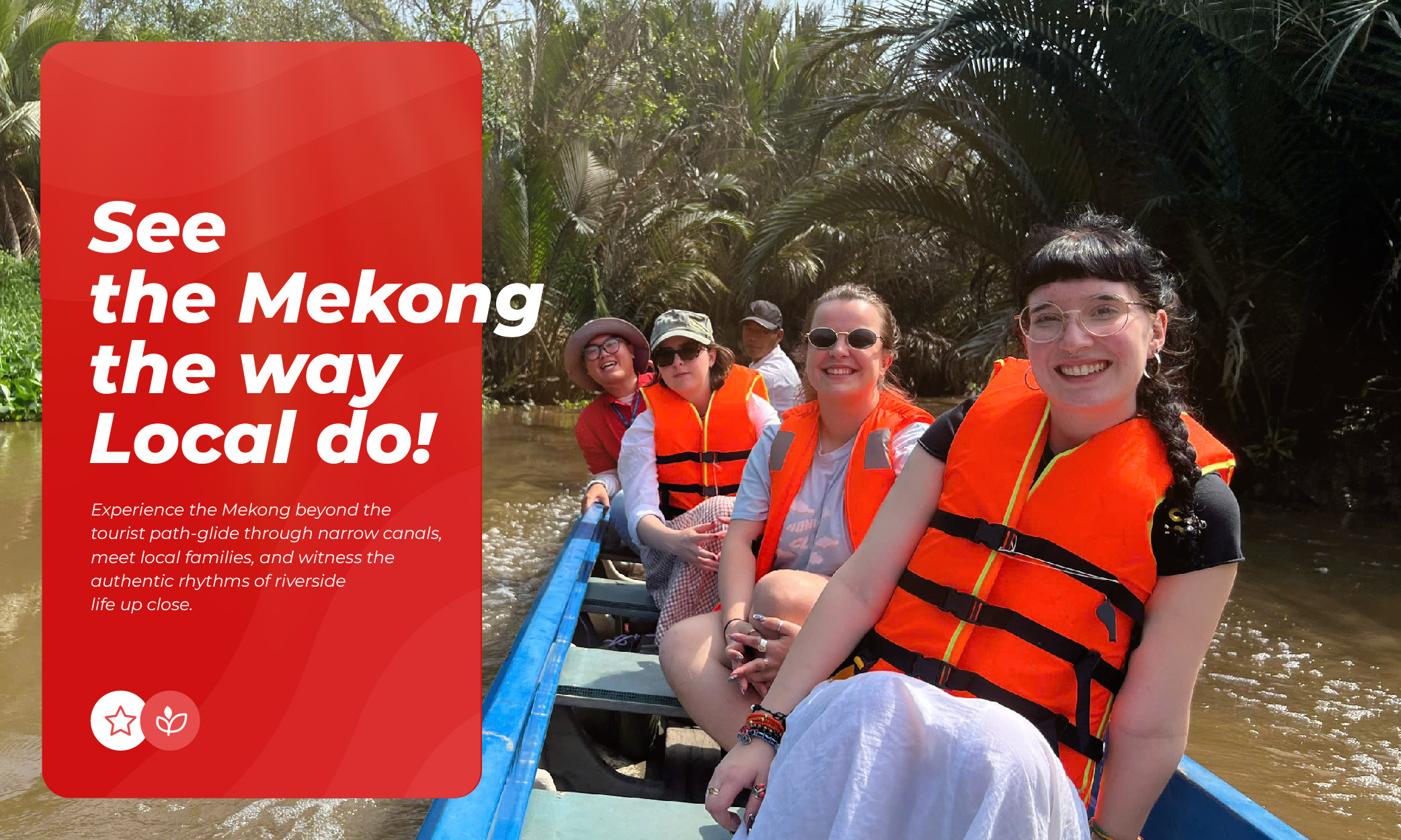
This vast river system in southern Vietnam is not designed for rushing. Life here follows the movement of water, the rise and fall of tides, and the rhythms of agriculture. Canals replace roads. Boats replace buses. Conversations unfold over tea rather than schedules.
Despite this, many visitors experience the Mekong Delta only as a brief stop on a fast itinerary. A single-day tour typically includes a floating market visit, a fruit garden, a souvenir shop, and a return to the city by late afternoon. While visually interesting, this format barely scratches the surface.
Slow travel in the Mekong Delta tells a very different story.
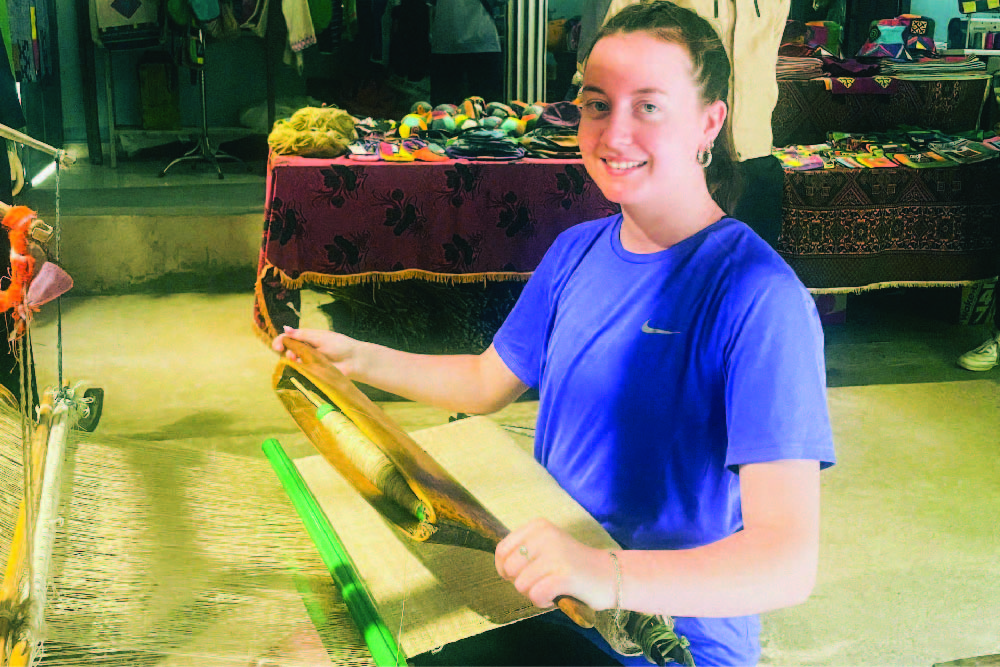
Spending multiple days in the region allows travelers to understand how water shapes every aspect of life. Early mornings at floating markets reveal more than commerce. They reveal community. Boats gather for daily trade, not for tourism. Familiar faces greet each other across the water, exchanging news as naturally as goods.
Choosing to stay in a homestay rather than a hotel deepens this experience further. Meals become shared activities rather than services. Ingredients come from nearby gardens or the river itself. Cooking happens together, without performance or pressure.
In the evenings, conversations unfold slowly. Language barriers exist, yet meaning travels through gestures, laughter, and shared routines. Over time, hosts become more than service providers. They become part of the journey.
Cycling through village paths instead of driving highways reveals a human-scale landscape. Children play outside their homes. Farmers tend coconut groves. Small workshops produce rice paper, coconut candy, and fishing nets using techniques passed down through generations.
None of these moments can be scheduled into a tight itinerary. They appear naturally when time allows them to.
Why the Mekong Delta resists fast travel
The Mekong Delta resists fast travel not because of inconvenience, but by design.
Transportation remains slow because waterways matter more than speed. Daily routines follow natural cycles rather than clocks. Most importantly, the region’s value lies not in monuments or landmarks, but in living culture.
When experienced quickly, the delta feels fragmented. When experienced slowly, it feels cohesive.
Fast travel turns the Mekong Delta into a checklist. Slow travel turns it into a story.
For this reason, travelers who slow down often describe the Mekong Delta as one of the most emotionally resonant parts of their Vietnam journey. Not because it is dramatic, but because it feels authentic.
Transitioning from water to mountains
While the Mekong Delta represents Vietnam’s river-based rhythm, the northern highlands offer a striking contrast. Here, water gives way to stone, and flat landscapes rise into dramatic mountain passes.
This shift sets the stage for another powerful slow travel destination: Ha Giang.
Ha Giang: slow travel through Vietnam’s highlands
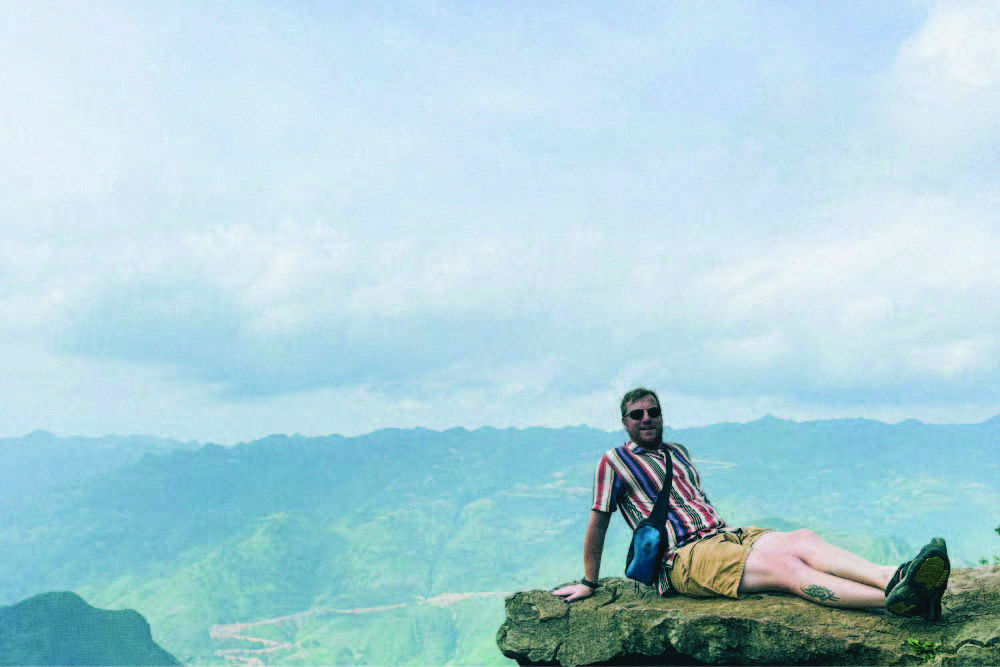
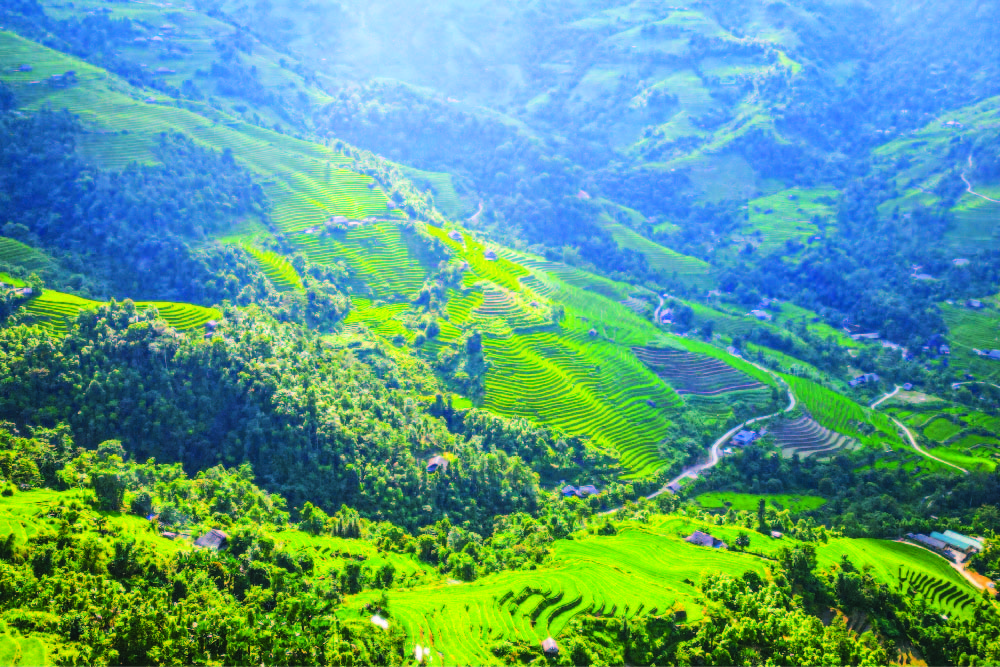
If the Mekong Delta reflects Vietnam’s water-based rhythm, the northern mountains offer a completely different expression of slow travel. Here, life is shaped not by rivers, but by altitude, weather, and isolation.
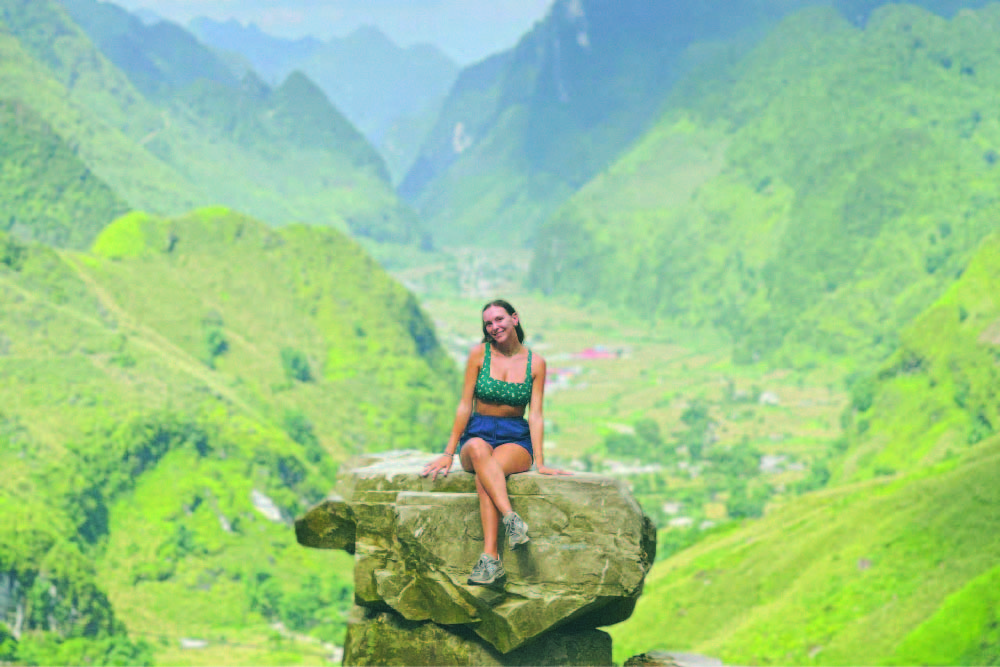
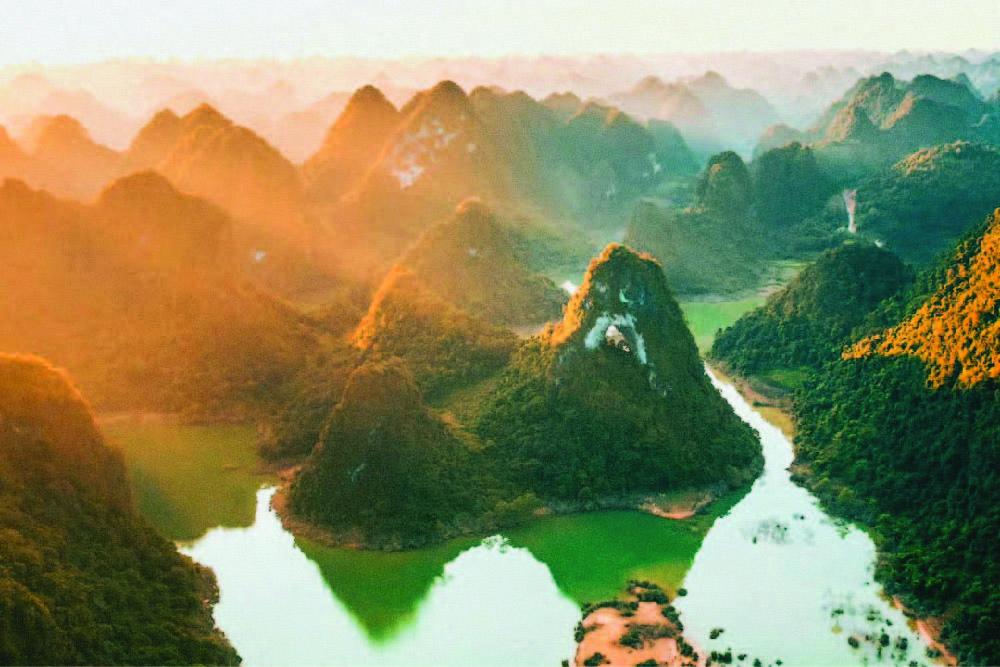
Ha Giang lies at Vietnam’s northern frontier, close to the Chinese border. Towering limestone peaks, deep valleys, and winding roads define the landscape. Ethnic minority communities have lived here for generations, maintaining traditions that remain closely tied to the land.
In recent years, Ha Giang has gained attention for its dramatic motorbike loop. Images of mountain passes and cloud-filled valleys circulate widely online, drawing adventurous travelers from around the world. However, the way this journey is approached makes a critical difference.
Fast itineraries attempt to complete the Ha Giang Loop in two or three intense days. Riders spend long hours on the road, pushing through distance rather than absorbing place. Stops become functional rather than meaningful. Villages pass by as scenery rather than communities.
Slow travel transforms this experience entirely.
By extending the journey to four or five days, travelers shift their focus from speed to immersion. Driving distances shorten. Time opens up. Curiosity replaces urgency.
Villages become destinations rather than checkpoints. Markets are visited when they are alive, not when they fit a timetable. Homestays replace generic guesthouses, offering insight into daily routines rather than just a bed for the night.
Evenings in Ha Giang feel markedly different from other parts of Vietnam. There is little nightlife and no rush to be entertained. Instead, conversations unfold slowly around shared meals. Hosts share stories, traditions, and perspectives shaped by generations of life in the mountains.
As a result, Ha Giang becomes more than a scenic route. It becomes a lived experience.
Why mountain regions demand a slower pace
Mountain environments impose natural limits on speed. Roads curve sharply, weather changes quickly, and visibility shifts with altitude. Attempting to rush through these conditions increases risk while diminishing enjoyment. Slow travel respects these realities.
Shorter daily distances allow travelers to stop frequently, observe landscapes from different angles, and engage with people along the way. Riding or driving becomes less about endurance and more about appreciation.
Moreover, cultural depth in Ha Giang cannot be accessed in passing. Ethnic minority cultures here are not staged for visitors. Markets follow lunar calendars. Farming cycles dictate daily life. Traditions persist quietly, often unnoticed by those who do not stay long enough to observe them.
Slow travel provides the time required to understand these layers.
Cultural depth cannot be rushed
Ha Giang is home to a mosaic of ethnic minority groups, each with its own language, clothing, agricultural practices, and social structures. These cultures are living systems, not historical reenactments.
Fast travel often reduces this diversity to visual impressions. Traditional clothing becomes a photo subject. Markets become spectacles. Interaction remains superficial.
Slow travel creates the space for understanding rather than consumption.
By staying longer, travelers begin to recognize patterns. Market days follow predictable cycles. Clothing colors carry meaning. Farming practices reflect adaptation to difficult terrain. Modern influences coexist with tradition in complex ways.
These insights cannot be delivered through guide commentary alone. They emerge through observation, repetition, and presence.
How slow travel reshapes food experiences in Vietnam
Food is one of Vietnam’s strongest cultural expressions, yet it is often misunderstood on fast itineraries.
When time is limited, meals become logistical necessities. Restaurants are chosen for convenience rather than context. Menus are simplified. Regional distinctions blur together. Food becomes fuel instead of culture.
Slow travel reverses this dynamic.

Staying longer in one place allows food to re-enter daily life naturally. Breakfast becomes routine rather than novelty. Lunch reflects what is locally available. Dinner becomes a shared moment rather than a scheduled stop.
In rural areas, many meals are prepared at home using ingredients sourced nearby. Fish come from rivers or ponds. Vegetables are harvested from family gardens. Herbs are gathered rather than purchased. Cooking follows habit rather than performance.
Over time, travelers begin to notice subtle differences. The same dish tastes different from village to village. Southern flavors lean sweeter and more abundant. Northern food feels restrained and seasonal. Central cuisine emphasizes balance and intensity.
These distinctions rarely reveal themselves on fast itineraries, where repetition is minimal and context is missing. Slow travel allows food to be understood as an expression of place.
Why local meals matter more than famous dishes
Vietnam’s most famous dishes are known worldwide, yet everyday meals often reveal more about the country than iconic street food.
Fast travel tends to prioritize recognition. Travelers seek dishes they have heard of. Restaurants cater to expectations. Familiarity takes precedence over discovery.
Slow travel shifts this focus.
A bowl of noodle soup eaten at the same stall each morning reveals consistency, routine, and care. A family meal prepared without expectation of praise reveals hospitality rather than performance. A shared cooking session reveals techniques passed down quietly, without written recipes or formal instruction.
These experiences require time, familiarity, and trust. They cannot be rushed.
Accommodation as part of the journey, not just a place to sleep
Fast itineraries treat accommodation as a functional necessity. Hotels are chosen for location, efficiency, and predictability. Rooms are occupied briefly before the journey continues.
Slow travel treats accommodation as an extension of the destination.
In Vietnam, this distinction carries particular weight. Homestays, small guesthouses, and family-run lodges do more than provide shelter. They offer access to local rhythms, values, and perspectives.
When travelers stay longer, hosts become familiar faces rather than service providers. Conversations deepen naturally. Advice becomes personal. Small details, such as how meals are planned or how families organize daily life, begin to matter.
Even simple accommodations gain meaning over time. A sense of belonging develops through repetition and interaction. This feeling cannot emerge from one-night stays.
Slow travel transforms accommodation into a relationship rather than a transaction.
Transportation: moving less, experiencing more

Transportation often represents the weakest link in fast itineraries.
Vietnam’s geography encourages movement, but not speed. Long-distance buses, overnight trains, ferries, and mountain roads all require patience. Compressing these journeys creates stress rather than excitement.
Slow travel reduces unnecessary movement.
By staying longer in each region, travelers minimize backtracking and long transfers. Energy is conserved. Transportation becomes part of the experience rather than an obstacle.
A slow boat ride becomes an opportunity to observe daily life. A mountain road becomes a sequence of viewpoints rather than a test of endurance. A bicycle replaces a bus, offering closer contact with surroundings.
In Vietnam, how one moves shapes how one understands place.
Why slow travel often costs less, not more
There is a common assumption that slow travel increases costs. In Vietnam, the opposite often proves true.
Fast itineraries rely heavily on flights, private transfers, and standardized tours. These services command higher prices and reduce flexibility. Short stays increase accommodation costs while limiting access to local pricing.
Slow travel reduces these pressures.
Longer stays often come with better accommodation rates. Local transport replaces private vehicles. Home-cooked meals and local eateries cost less while offering greater value. Activities organized at a community level tend to be more affordable and meaningful.
More importantly, slow travel delivers better value for money. Travelers gain richer experiences without paying for constant movement.
Designing a slow travel route without extending trip length
One of the most common concerns about slow travel is time. Many travelers assume that slowing down requires a longer trip. In practice, it requires better prioritization.
A two-week journey through Vietnam does not need to include every region. Choosing fewer destinations and staying longer in each often results in a more balanced and satisfying experience.
For example, instead of visiting four regions briefly, travelers might choose two and explore them deeply. Travel time decreases. Rest increases. Engagement improves.
Slow travel is not about seeing less. It is about seeing better.
Emotional connection and lasting memories
The strongest argument for slow travel in Vietnam is emotional.
Fast itineraries produce memories of movement. Slow travel produces memories of meaning.
Travelers who slow down often describe a sense of belonging. They feel welcomed rather than hosted. They feel engaged rather than entertained.
These emotions shape how Vietnam is remembered long after the journey ends. They influence how stories are told, how photos are viewed, and how the country is spoken about.
Slow travel turns Vietnam from a destination into a relationship.
Why Vietnam rewards those who take their time
Vietnam does not reveal itself all at once. It unfolds gradually.
Landscapes change with light and weather. Culture reveals itself through repetition. People open up through familiarity.
Slow travel allows these layers to emerge naturally.
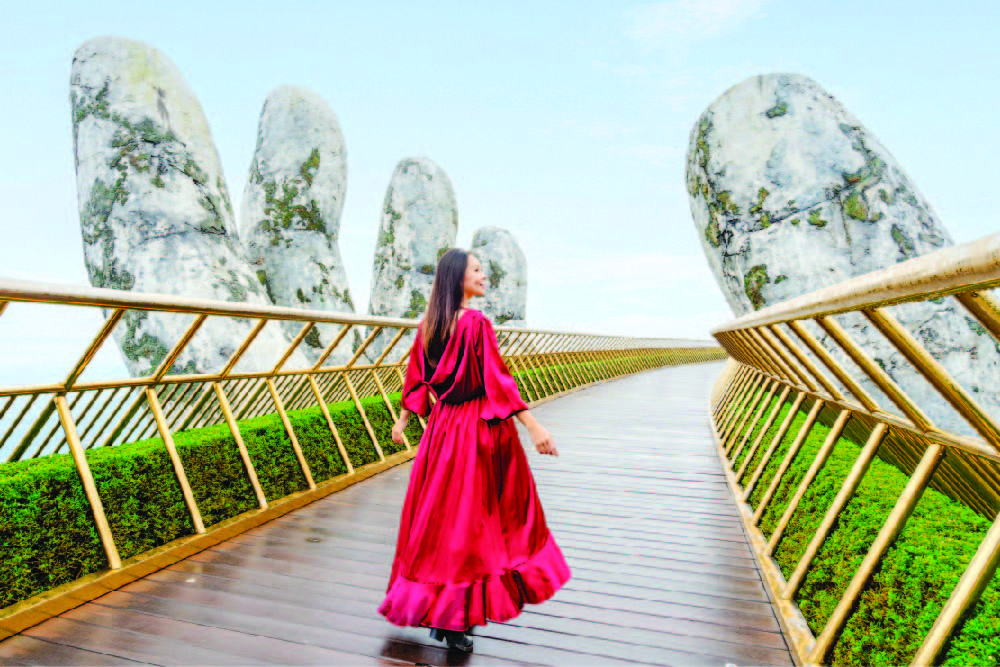
From quiet river mornings in the Mekong Delta to mist-filled evenings in Ha Giang, Vietnam’s most meaningful moments rarely appear in guidebooks or schedules. They exist in the spaces created by time.
Final thoughts: choosing depth over distance
Fast itineraries promise efficiency, but often deliver fatigue. Slow travel promises simplicity, yet delivers richness.
In Vietnam, where culture lives in daily routines and beauty exists beyond landmarks, slowing down is not a compromise. It is an advantage.
Travelers who choose slow travel do not miss out. They gain insight, connection, and understanding.
They leave Vietnam not just with photos, but with stories. Not just with memories, but with perspective.
And ultimately, that is what travel is meant to offer.