
Southern Vietnam in February represents one of the most reliable and enjoyable travel windows anywhere in Southeast Asia. Warm days, dry skies, manageable humidity, and predictable conditions allow travelers to explore freely without constantly adjusting plans around weather changes. For many visitors, February becomes the benchmark against which all other months are compared.
Unlike northern and central Vietnam, where February can bring cold air, mist, or lingering rain, the southern region remains firmly within the dry season. This consistency shapes not only the climate but also the rhythm of daily travel, the availability of activities, and the overall comfort of moving between destinations.
This in-depth guide explains exactly what southern Vietnam February weather is like, how it varies across destinations, how it affects travel decisions, and how travelers can realistically plan a February trip. Whether you are visiting cities, islands, rivers, or rural areas, this article is designed to help you travel smarter and more comfortably.
Understanding southern Vietnam’s climate system
Southern Vietnam lies close to the equator and follows a tropical monsoon climate, which behaves very differently from the seasonal patterns seen in northern Vietnam.
Rather than four seasons, southern Vietnam experiences two main seasons:
- the dry season
- the rainy season
The dry season typically runs from December to April, while the rainy season extends from May to November. February sits comfortably in the middle of the dry season, making it one of the most stable months of the year.
During this period, large-scale weather systems remain consistent. There are no cold fronts, no typhoons, and very little atmospheric instability. This predictability is one of the main reasons February is favored by long-haul travelers, families, and first-time visitors.
Why does February feel different from January and March
Although January, February, and March all fall within the dry season, February often stands out as the most balanced month.
January can still carry residual effects from late-year weather transitions. Nights may feel slightly cooler, especially inland, and humidity levels can fluctuate. March, on the other hand, marks the beginning of rising heat, with afternoon temperatures climbing noticeably higher.
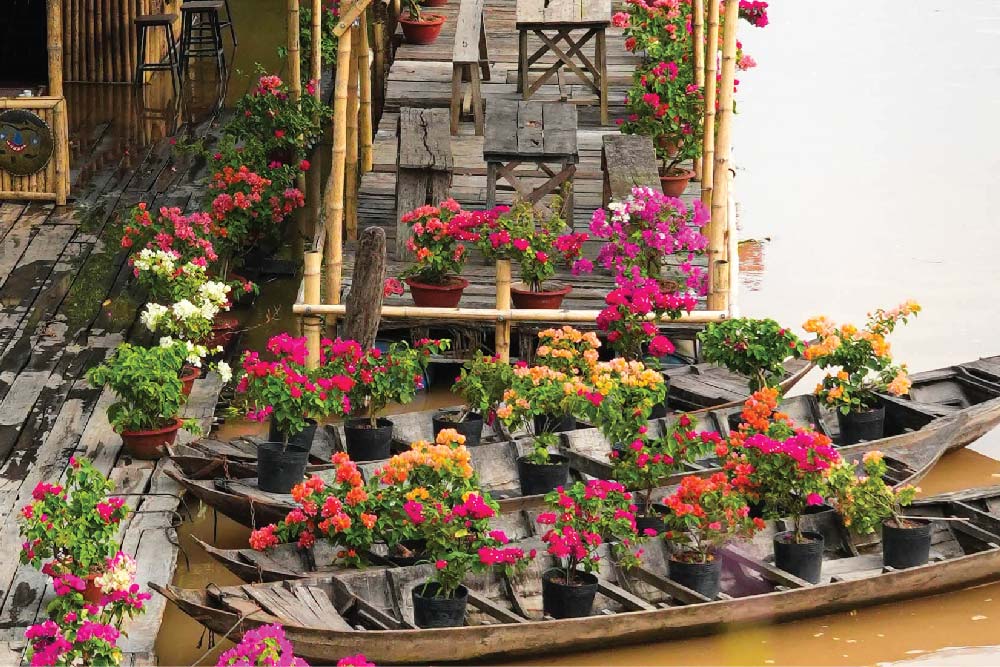
February sits between these two extremes. Temperatures stabilize, humidity drops further, and rainfall reaches some of the lowest levels of the year. For travelers, this translates into comfort without compromise.
Average temperatures in southern Vietnam in February
Temperature is the defining factor of February travel comfort in southern Vietnam.
Across the region, daytime temperatures typically range between 27°C and 33°C. Coastal and island areas tend to stay closer to the lower end of this range due to sea breezes, while inland cities experience warmer afternoons.
Nighttime temperatures usually fall between 22°C and 25°C, creating pleasant evenings that rarely require extra layers. Air conditioning remains common indoors, but outdoor dining and evening walks feel comfortable rather than oppressive.
Unlike April or May, February rarely produces heat that feels overwhelming. Travelers can stay active for longer periods without excessive fatigue.
Humidity levels and how they affect comfort
Humidity is often overlooked, but it plays a major role in how temperatures feel.
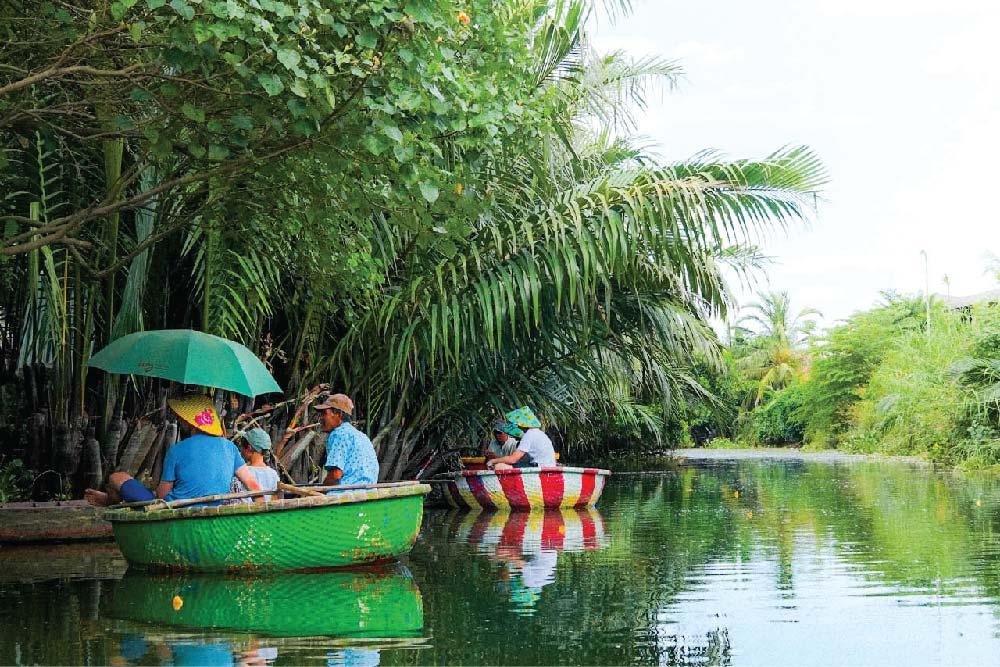
In February, humidity in southern Vietnam averages between 60 and 70 percent, which is significantly lower than during the rainy season. This reduction makes warm temperatures far more tolerable, especially for travelers coming from cooler or drier climates.
Lower humidity also means less persistent sweating, faster cooling in shaded areas, and improved sleep quality at night. For many visitors, February is the first time tropical weather feels genuinely comfortable rather than draining.
Rainfall patterns in February
Rainfall in February is minimal across southern Vietnam.
Most destinations receive 10–30 mm of rain during the entire month. In practical terms, this often means no rain at all for weeks at a time. When rain does occur, it usually appears as a brief, isolated shower that passes quickly.
There are no prolonged downpours, no flooding, and no travel-disrupting storms. Roads remain dry, riverbanks accessible, and outdoor activities uninterrupted.
This reliability is a key reason February is considered one of the safest months for tightly planned itineraries.
Sunshine and daylight conditions
February brings abundant sunshine to southern Vietnam.
Most days feature clear or lightly clouded skies, with 7 to 9 hours of sunshine per day. Sunrise occurs around 6:15 am, while sunset falls close to 6:00 pm, offering long daylight windows.
This consistent daylight allows travelers to:
- start early without darkness
- plan long day trips
- enjoy golden-hour photography
- dine outdoors comfortably in the evening
Unlike the rainy season, where cloud cover can persist for days, February offers visual clarity that enhances both travel experience and photography.
Southern Vietnam February weather by destination
While February weather is broadly consistent across southern Vietnam, geography creates subtle variations. Understanding these differences helps travelers choose destinations that best match their interests.
Ho Chi Minh City weather in February
Ho Chi Minh City experiences some of its most pleasant conditions of the year in February.
Daytime temperatures typically range from 28°C to 33°C, while evenings cool slightly. Rainfall is rare, and humidity remains manageable, making long walks and outdoor sightseeing far more comfortable than during hotter months.
February is an excellent time for:
- walking tours
- museum visits
- historical sightseeing
- street food exploration
Traffic remains busy, but weather-related delays are almost nonexistent. Air quality also tends to be more stable than during wetter months.
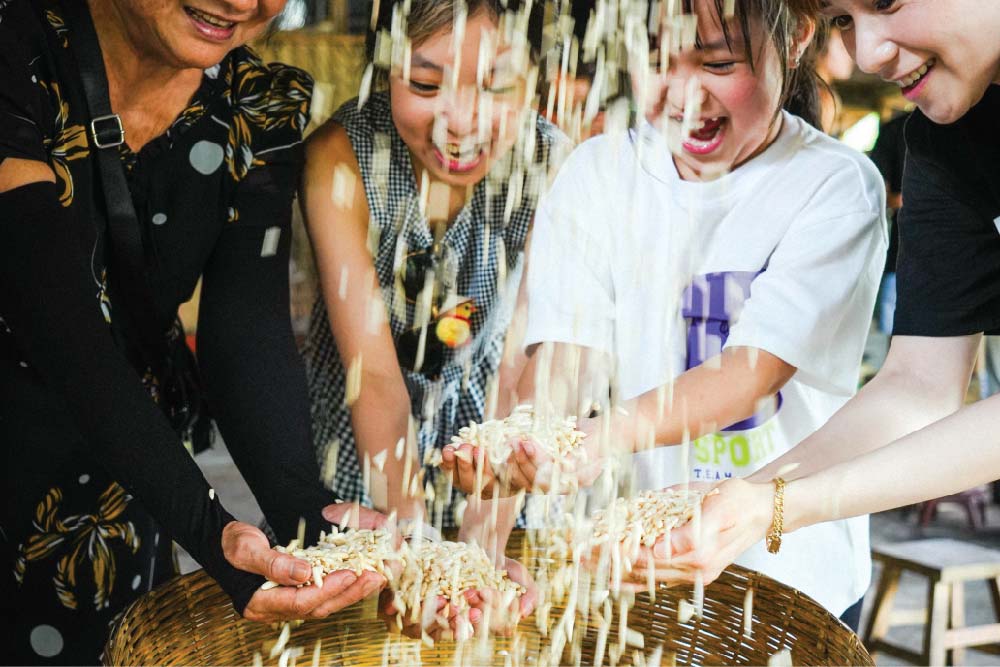
Mekong Delta weather in February
Mekong Delta is particularly rewarding in February.
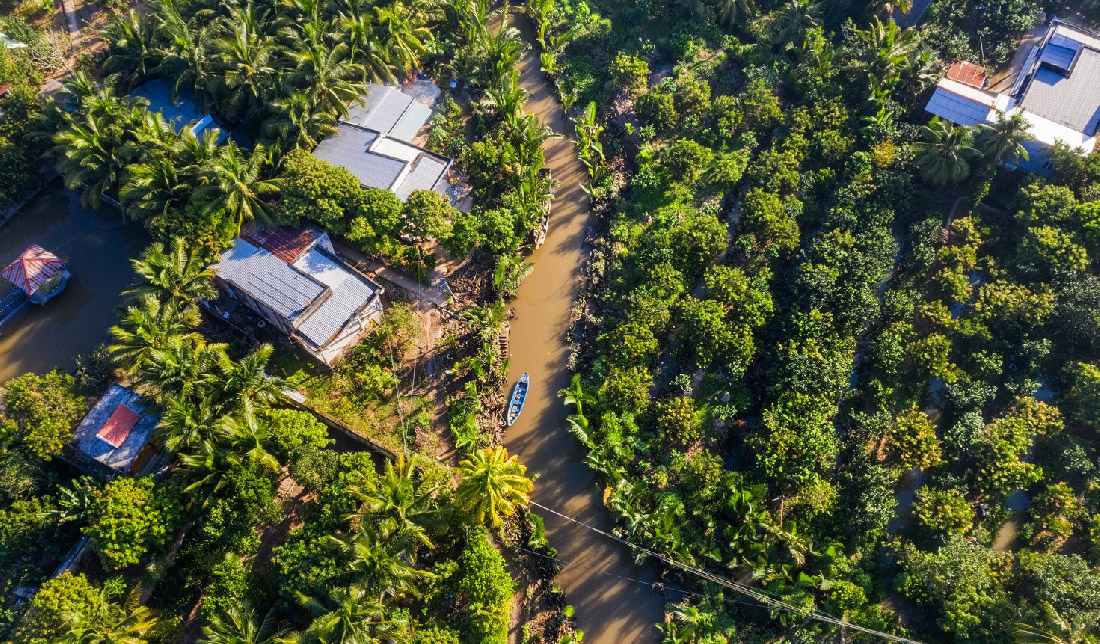
Dry conditions mean stable river levels and smooth boat travel. Canals are clear, roads remain firm, and village paths are easily accessible. Temperatures stay warm, but constant breezes from the waterways moderate the heat.
February coincides with active agricultural periods. Orchards are green, farms are busy, and floating markets operate normally without weather disruption.
For travelers interested in slow travel, homestays, cycling, and local life, February offers near-ideal conditions.
Phu Quoc and southern islands in February
Phu Quoc reaches peak weather conditions in February.
Temperatures range between 27°C and 32°C, rainfall is extremely low, and sea conditions are calm. Visibility improves both above and below water, making February ideal for:
- swimming
- snorkeling
- diving
- island hopping
Evenings are warm but pleasant, supporting beachside dining and sunset activities.
Because of these conditions, February is considered high season for Phu Quoc, and accommodation demand is strong.
Coastal southern Vietnam weather in February
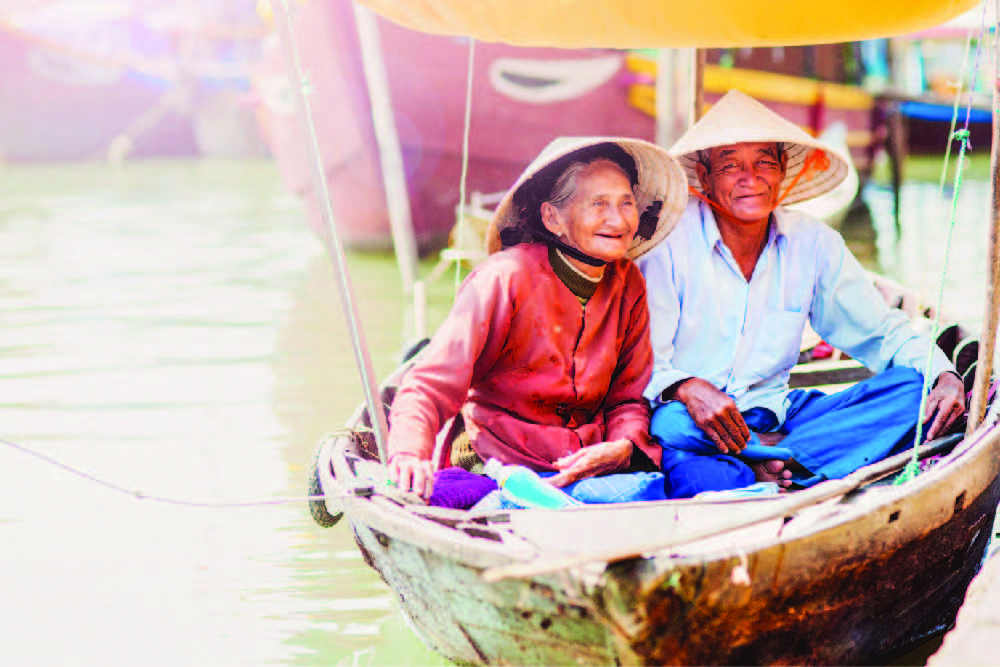
Southern coastal destinations such as Vung Tau and nearby beach towns benefit from February’s dry season as well.
Warm days, gentle winds, and stable seas create favorable conditions for short beach escapes, sightseeing, and seaside dining. While these destinations may not offer the tropical island feel of Phu Quoc, they remain reliable options during February.
How February weather shapes travel activities
Southern Vietnam February weather actively enables travel rather than limiting it.
City sightseeing becomes more enjoyable due to lower humidity and manageable heat. Visitors can explore markets, neighborhoods, and landmarks without constant breaks.
River travel becomes smoother and more predictable, allowing travelers to plan full-day excursions without weather anxiety.
Beach activities reach peak quality, with calm seas and consistent sunshine allowing uninterrupted leisure.
Outdoor photography, cycling, and countryside exploration are all supported by February’s stable conditions.
Packing for southern Vietnam in February
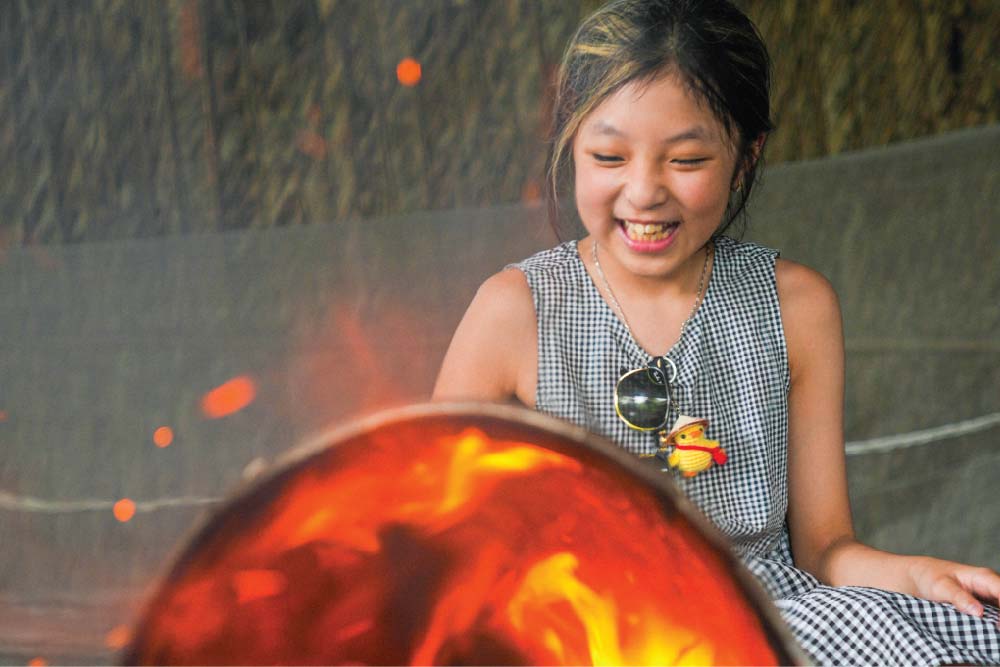
Packing for February travel requires planning for warmth rather than rain.
Lightweight, breathable clothing is essential. Cotton and linen fabrics perform well in warm, dry conditions. Long sleeves are useful primarily for sun protection rather than warmth.
Comfortable walking shoes are important for urban exploration, while sandals suit beach destinations.
Sun protection is essential. Strong midday sun makes hats, sunglasses, and sunscreen necessary throughout the month.
Rain gear is optional. A compact umbrella may be useful but is rarely essential.
February and Tet holiday overlap
February often overlaps with Tet, Vietnam’s Lunar New Year, which affects travel logistics but not weather conditions.
During Tet, domestic travel increases, some businesses close temporarily, and cities may feel quieter. However, weather remains unchanged and often enhances the festive atmosphere with clear skies and warm days.
Travelers visiting during Tet should plan accommodations and transport in advance, particularly in popular destinations.
Is February the best month to visit southern Vietnam?

For many travelers, February ranks among the best months to visit southern Vietnam.
It offers:
- dry, predictable weather
- comfortable temperatures
- excellent outdoor conditions
- minimal travel disruption
The main trade-offs are higher prices and increased visitor numbers. For travelers prioritizing weather reliability over budget or solitude, February remains an outstanding choice.
Southern Vietnam February weather compared with other months
To truly understand why February stands out, it helps to place it in context with the rest of the year in southern Vietnam. While the region does not experience dramatic seasonal shifts like the north, the differences between months still matter significantly for travelers.
From December to January, the dry season begins, but weather patterns are still stabilizing. January can feel slightly cooler in the evenings, particularly in inland areas, and humidity may fluctuate from day to day. For some travelers, this variability makes planning slightly less predictable.
February marks the point when the dry season fully settles. Rainfall drops to its lowest levels, humidity stabilizes, and temperatures become consistently warm without reaching extreme levels. This balance creates the most comfortable overall travel conditions of the year.
By March, heat begins to intensify. While rain remains rare, afternoons become noticeably hotter, and outdoor sightseeing can feel tiring without careful pacing. April often brings the highest temperatures of the year, pushing many travelers indoors during midday hours.
The rainy season, from May through October, transforms southern Vietnam into a lush, green landscape but introduces heavy afternoon downpours, flooding in some areas, and travel disruptions. While still rewarding for certain travel styles, it lacks the reliability that defines February.
How February weather affects crowd dynamics

Because February offers the best weather conditions, it naturally attracts more travelers. Understanding crowd patterns helps visitors plan realistically.
International arrivals increase sharply in February, particularly from Europe, Australia, and North America, where winter conditions drive demand for warm destinations. This is especially noticeable in beach destinations such as Phu Quoc and popular urban areas like Ho Chi Minh City.
Domestic tourism also peaks around Tet, when many Vietnamese travel or return home. Interestingly, this can create a contrast: major cities may feel quieter during the first days of Tet, while tourist destinations experience increased activity.
Despite higher numbers, southern Vietnam rarely feels overcrowded compared to other Southeast Asian hotspots. Destinations are spread out, and infrastructure handles peak season relatively well.
Accommodation trends and pricing in February
February is considered high season, and accommodation pricing reflects this reality.
Hotels and resorts in beach destinations often operate at near-full capacity. Rates in Phu Quoc, Con Dao, and other island locations can be significantly higher than during shoulder or rainy seasons. Booking well in advance is strongly recommended.
In cities, price increases are more moderate. While central hotels in Ho Chi Minh City may raise rates slightly, a wide range of accommodation options remains available across different neighborhoods and budgets.
Homestays in the Mekong Delta often maintain more stable pricing, though popular properties may still fill up quickly due to favorable weather.
Southern Vietnam February weather and transportation reliability
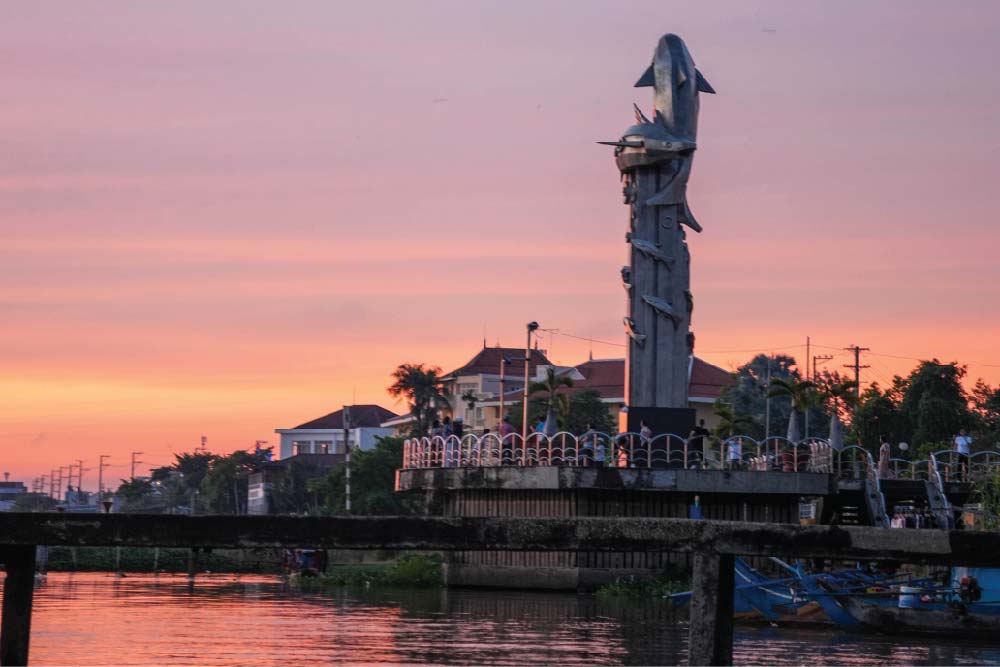
One of February’s greatest advantages is how it improves transportation reliability across the region.
Dry roads mean long-distance travel by car or bus is rarely delayed. Rural routes in the Mekong Delta remain accessible, allowing travelers to explore villages and countryside areas without concern for mud or flooding.
River transport benefits from stable water levels and calm conditions. Boat tours, ferry crossings, and floating market visits operate on predictable schedules.
Air travel experiences fewer weather-related delays compared to the rainy season, particularly for short domestic flights.
For travelers with tight schedules or multi-destination itineraries, February offers peace of mind.
February weather and health considerations
Travel comfort is not only about enjoyment but also about health and energy levels.

Lower humidity in February reduces the risk of heat exhaustion compared to later months. However, warm temperatures still require hydration, sun protection, and rest during peak midday heat.
Sun exposure is stronger during the dry season, especially on islands and open waterways. Travelers should treat sun protection as essential, not optional.
Air quality in urban areas tends to be more stable in February, though traffic pollution remains a factor in large cities. Travelers sensitive to air quality may benefit from balancing city stays with coastal or rural destinations.
February weather and food experiences
Weather plays a subtle but important role in how food is experienced in southern Vietnam.
February’s dry, warm evenings make outdoor dining more enjoyable. Street food stalls, night markets, and riverside restaurants become comfortable places to linger rather than quick stops.
In the Mekong Delta, dry conditions support agricultural cycles that influence seasonal produce. Fresh fruits, herbs, and vegetables appear in abundance, shaping daily meals.
Beach destinations benefit from calm evenings ideal for seaside dining, where breezes soften the heat and enhance the overall experience.
February weather and photography opportunities
For photographers and content creators, February is one of the best months to shoot in southern Vietnam.
Clear skies reduce haze, especially in the mornings and late afternoons. Sunlight creates strong contrast and vivid colors, while golden-hour conditions are consistent day after day.
In river regions, calm water improves reflections and composition. In coastal areas, sea color becomes deeper and more vibrant.
Because rain is rare, photographers can plan shoots confidently without weather interruptions.
Southern Vietnam February weather for different travel styles
February suits different travelers in different ways.
For first-time visitors, predictable weather removes uncertainty and reduces planning stress.
For slow travelers, stable conditions allow longer stays in one place without rushing to avoid rain.
For families, February reduces logistical challenges associated with weather disruptions.
For luxury travelers, February provides peak conditions for resorts, private tours, and premium experiences.
For budget travelers, February may feel expensive, but careful planning and flexible location choices can offset costs.
Sample itineraries optimized for February weather
A February itinerary benefits from balance rather than speed.
A 10–14 day trip might include:
- Ho Chi Minh City for culture and food
- Mekong Delta for slow travel and local life
- Phu Quoc or Con Dao for beach relaxation
Shorter trips can focus on one main base with day trips, using dry weather to maximize daily exploration.
February’s stability allows travelers to plan tighter itineraries without needing weather buffer days.
Common misconceptions about February travel
Some travelers believe February is unbearably hot. In reality, humidity levels are lower, making temperatures more tolerable than later months.
Others assume February means constant crowds everywhere. While popular destinations are busier, many areas remain calm, especially outside peak holiday dates.
Another misconception is that rain never occurs. While rare, occasional short showers can happen, though they rarely impact plans.
When February might not be ideal
Despite its advantages, February may not suit everyone.

Travelers seeking solitude or lower prices may prefer shoulder months such as early December or late March.
Those who enjoy dramatic weather, lush rainy landscapes, or fewer tourists may prefer the rainy season.
Understanding personal priorities helps determine whether February is the right fit.
Final conclusion: why southern Vietnam February weather stands out
Southern Vietnam February weather offers a rare combination of warmth, stability, and comfort.
Dry skies, manageable temperatures, low humidity, and reliable transport conditions create an environment where travelers can explore freely without compromise. From vibrant cities and river landscapes to island beaches, February supports nearly every travel style.
While higher demand brings increased prices and visitor numbers, the payoff lies in predictability and quality of experience. For travelers who value smooth logistics and outdoor freedom, February remains one of the most dependable and rewarding months to visit southern Vietnam.