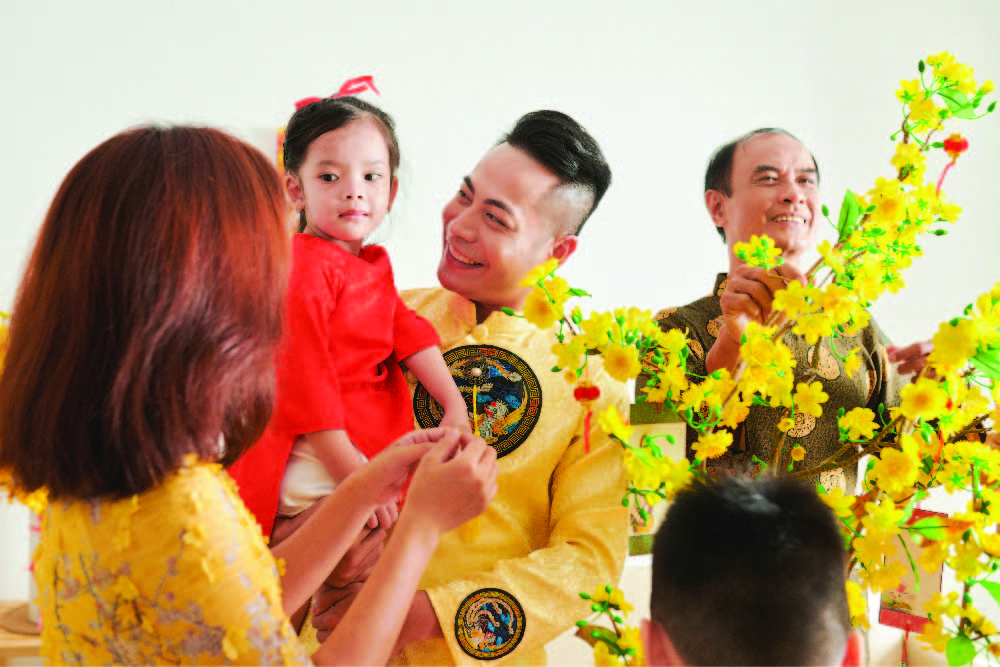
The Vietnamese Lunar New Year, known locally as Tet, is the most important celebration of the year in Vietnam. More than a holiday, Tet represents renewal, family reunion, spiritual reflection, and cultural identity. For travelers, it is also one of the most fascinating times to be in the country, offering a rare chance to witness traditions that shape Vietnamese life far beyond tourism.
Unlike Western New Year celebrations that focus on a single night, Tet unfolds over several days, sometimes weeks. Streets change their appearance, family homes become gathering places, temples fill with incense, and food takes center stage in every household. The pace of life slows down, yet the emotional energy feels stronger than at any other time of the year.
This guide explores what to do during the Vietnamese Lunar New Year, especially for travelers spending Tet in southern Vietnam and major cities like Ho Chi Minh City (still commonly called Saigon). Rather than rushing through attractions, Tet invites you to experience Vietnam from the inside, through food, rituals, neighborhoods, and personal connections.
Understanding Tet before you experience it
To truly appreciate Tet, it helps to understand what it represents to Vietnamese people.
Tet marks the beginning of the lunar calendar and symbolizes a fresh start. Families reunite after a long working year, debts are settled, homes are cleaned, and ancestral altars are prepared. It is believed that how the first days of the year unfold will influence the months ahead, which is why Tet is treated with deep respect.
For travelers, this means two important things. First, Tet is not business as usual. Some shops close, schedules change, and cities feel different. Second, Tet is a rare opportunity to see Vietnam at its most personal and cultural, rather than commercial.
Experiencing Tet through traditional food
One of the most meaningful ways to experience Tet is through food. Vietnamese Lunar New Year cuisine is not just about eating well, but about symbolism, memory, and togetherness.
Discovering traditional Tet dishes
During Tet, certain dishes appear in almost every household, regardless of region. In southern Vietnam, Bánh Tét plays a central role. This cylindrical sticky rice cake is made from glutinous rice filled with mung beans and pork, wrapped in banana leaves, and slowly cooked for many hours.
Bánh Tét is more than a festive dish. It is placed on ancestral altars, shared during family meals, and offered to guests throughout the holiday. Its shape and ingredients symbolize continuity, prosperity, and gratitude toward ancestors.
In northern Vietnam, the equivalent dish is Bánh Chưng, which is square in shape and wrapped in dong leaves. While different in form, both cakes represent the same cultural values and are considered essential during Tet.
Other Tet specialties you should try
Tet meals are generous and intentionally prepared in advance so families can spend more time together. Popular dishes include:
- Giò chả, a Vietnamese sausage made from finely ground pork or beef
- Nem, traditional spring rolls served fried or fresh
- Thịt kho tàu, a slow-braised dish of pork belly and eggs cooked in coconut water
Thịt kho tàu is especially symbolic in southern Vietnam. It is often cooked one or two days before Tet and eaten throughout the holiday. The dish represents abundance, warmth, and family comfort.
In addition to main dishes, Tet snacks play an important role. Roasted watermelon seeds, pumpkin seeds, sunflower seeds, candied fruits, and dried nuts are served to guests as a gesture of hospitality.
For travelers, joining a food-focused experience during Tet, whether through a local home visit or a guided culinary tour, is one of the most authentic ways to understand Vietnamese culture.
Exploring Tet markets and flower streets
As Tet approaches, cities across Vietnam transform through temporary markets dedicated entirely to the Lunar New Year. These markets are not just places to shop, but spaces where the festive spirit becomes visible and tangible.
Visiting Tet markets in southern Vietnam
Tet markets sell everything needed for the New Year: flowers, kumquat trees, decorations, traditional clothing, incense, and gifts. The atmosphere is lively, colorful, and emotional, as families prepare their homes for the most important holiday of the year.
In Ho Chi Minh City, major districts host flower markets that attract both locals and visitors. The colors red and yellow dominate, symbolizing luck, happiness, and prosperity. Walking through these markets allows travelers to feel the anticipation building before Tet officially begins.
Chinatown and Cholon during Tet
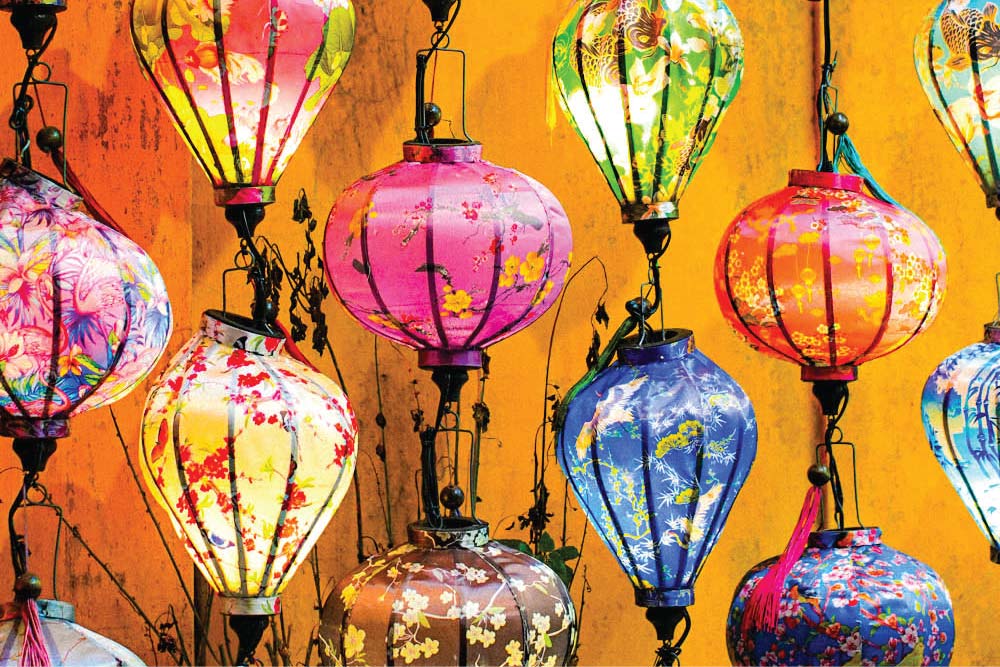
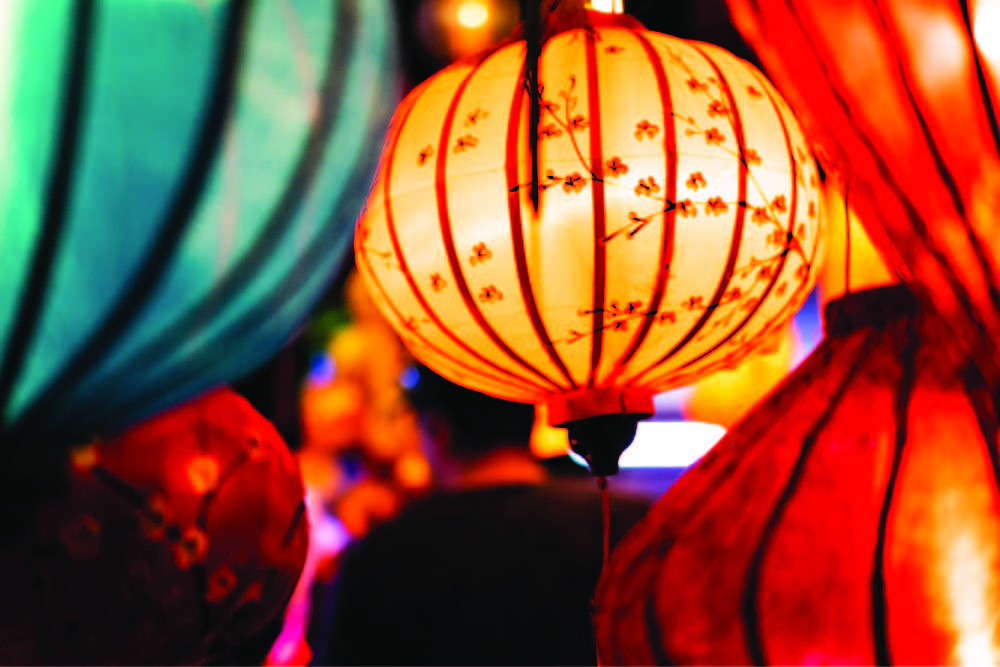
The Cholon area, also known as Chinatown, becomes especially vibrant during the Lunar New Year period. Decorations are elaborate, temples are active, and markets stay busy late into the evening.
For travelers interested in photography, culture, and atmosphere, visiting Cholon during Tet offers one of the richest visual experiences in the city.
Visiting temples and pagodas during Tet
Tet is also a deeply spiritual time in Vietnam. Visiting temples and pagodas is a meaningful tradition observed by people of all backgrounds, not only practicing Buddhists.
During the early days of Tet, families visit temples to light incense, pray for health and prosperity, and seek peace for the year ahead. These visits are calm yet powerful, filled with ritual and quiet reflection.
For travelers, visiting a temple during Tet offers insight into Vietnamese beliefs and values. It is also an opportunity to experience a slower, more contemplative side of the holiday, away from crowds and noise.
Temples are often busiest in the mornings of the first few days of Tet. Dressing respectfully and observing quietly allows visitors to participate without intruding.
The tradition of lucky money and New Year greetings
One of the most heartwarming Tet traditions is the exchange of New Year greetings and lucky money, known as lì xì.
Children greet their grandparents, parents, and elders with wishes for health and longevity. In return, they receive red envelopes containing money, symbolizing good fortune and protection. The color red represents luck and positive energy, rather than the monetary value inside.
This tradition reinforces family bonds and respect between generations. For travelers visiting local homes during Tet, witnessing or participating in this exchange offers a deeply personal glimpse into Vietnamese family life.
Preparing Tet dishes together as a family ritual
In many Vietnamese families, Tet preparation begins days before the holiday itself. Cooking traditional dishes is not just about food, but about storytelling, bonding, and memory.
Families gather to prepare Bánh Tét or Bánh Chưng, often cooking through the night. Elders share stories of past Tets, children learn traditions, and everyone participates in some way.
For travelers, being invited to witness or join this preparation is an unforgettable experience. It transforms Tet from an observed event into a shared moment.
Experiencing Tet in the city versus the countryside
One of the most interesting aspects of traveling during the Vietnamese Lunar New Year is the contrast between urban and rural celebrations. While Tet customs are shared nationwide, how they are experienced differs greatly depending on location.
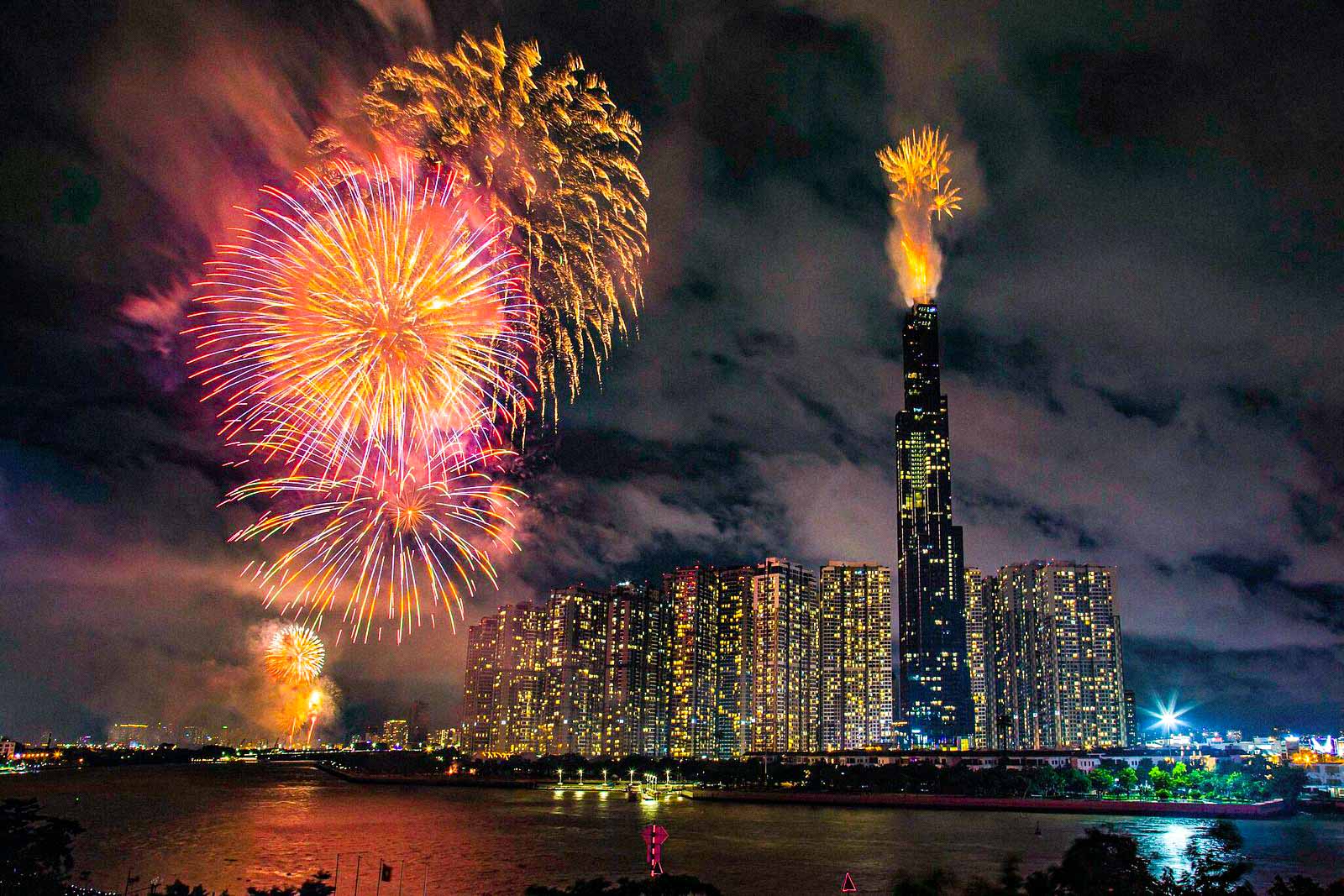
In large cities such as Ho Chi Minh City, Tet feels visually festive yet unexpectedly calm. Many residents return to their hometowns, leaving the streets quieter than usual. Traffic decreases dramatically, especially during the first two days of the holiday, creating a rare sense of space in a normally busy city.
In contrast, the countryside becomes lively and deeply communal. Villages fill with returning family members, homes stay open to visitors, and traditions are practiced in their most intimate form. For travelers who have the opportunity to visit rural areas or stay with local families, Tet becomes a deeply human experience rather than a sightseeing activity.
Both environments offer valuable perspectives. Cities provide comfort, accessibility, and organized festivals, while rural areas offer authenticity, warmth, and emotional depth.
Visiting Saigon’s landmarks during Tet
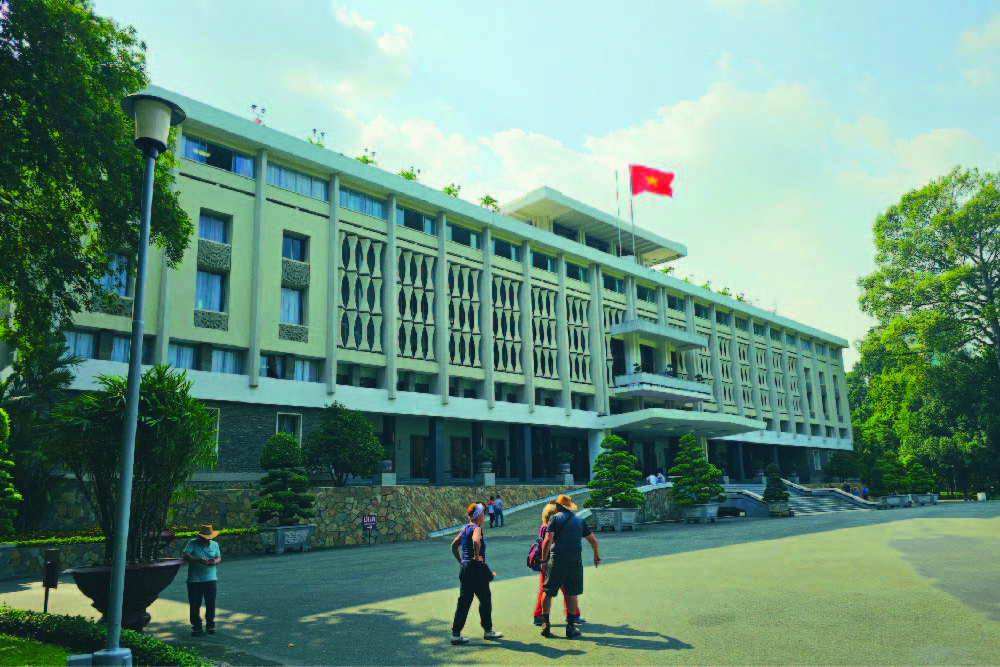
Visiting famous attractions in Saigon during Tet feels very different from other times of the year. While landmarks remain the same, the atmosphere surrounding them changes completely.
With fewer vehicles on the roads, walking becomes easier and more enjoyable. Landmarks that are usually crowded become peaceful backdrops for photography and reflection. Decorations, banners, and symbolic displays related to the Lunar New Year add a festive layer to familiar sights.
Popular areas such as Chinatown, shopping malls, and walking streets remain active, though opening hours may vary. It is always recommended to check availability in advance, as some museums and businesses may close temporarily during the first days of Tet.
For travelers, this quieter version of Saigon offers a rare chance to see the city without its usual intensity.
Fully joining the festival atmosphere on Nguyen Hue Walking Street
Nguyen Hue Walking Street becomes one of the most important public spaces during Tet. Each year, it transforms into a large-scale flower street filled with elaborate floral installations, symbolic displays, and themed decorations reflecting the zodiac animal of the year.
The street is carefully designed to showcase Vietnamese beliefs, agricultural heritage, and artistic creativity. Flowers dominate the space, symbolizing renewal, prosperity, and harmony with nature. Every section tells a story, combining traditional motifs with modern design.
Visiting Nguyen Hue early in the day is ideal for photography, as the flowers appear freshest and crowds are smaller. Evenings bring a livelier atmosphere, with families, couples, and visitors strolling through the displays and enjoying the festive mood.
For many travelers, this experience becomes one of the visual highlights of Tet in southern Vietnam.
Parks and public spaces during Tet
Parks play an important role in Tet celebrations, especially in major cities. They serve as gathering places for families and venues for cultural performances.
In Saigon, parks such as Dam Sen Cultural Park, Tao Dan Park, and Le Van Tam Park host a variety of activities during the Lunar New Year. These may include traditional games, folk music, modern performances, food stalls, and art exhibitions.
These spaces attract both locals and visitors, creating a welcoming environment that feels festive without being overwhelming. For travelers with children or those seeking relaxed daytime activities, parks offer an excellent alternative to crowded streets.
Nguyen Van Binh Book Street during Tet
Nguyen Van Binh Book Street takes on a special atmosphere during Tet. Known for its cozy, intellectual charm, the street often hosts themed events celebrating literature, culture, and learning during the New Year period.
Spring-themed book festivals, exhibitions, and interactive activities appear along the street, drawing book lovers and curious visitors alike. The combination of books, decorations, and cultural programming creates a reflective space that contrasts beautifully with louder festivities elsewhere.
For foreign travelers, this is a meaningful place to observe how Vietnamese culture values education, knowledge, and tradition, especially during important holidays.
Pilgrimage to Black Virgin Mountain after the new year
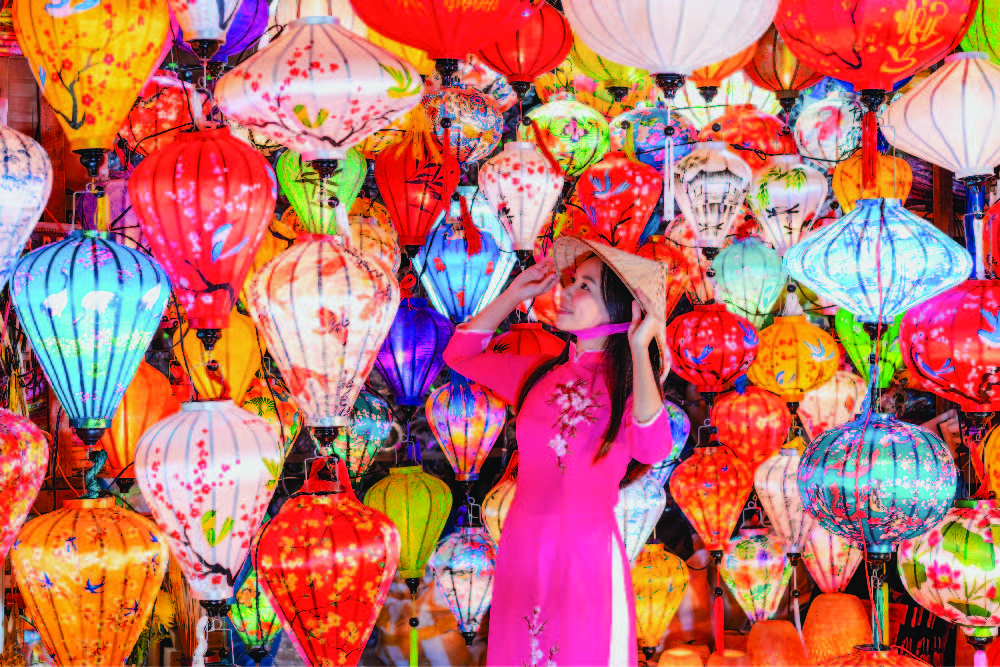
From the fourth day of Tet onward, many Vietnamese people begin making pilgrimages to sacred sites to pray for luck and prosperity. One of the most significant destinations in southern Vietnam is Black Virgin Mountain (Núi Bà Đen).
At 966 meters, it is the highest mountain in southern Vietnam and holds deep spiritual importance. Local belief associates the mountain with Lady Black Virgin, a revered figure believed to protect and bless those who visit.
During this period, thousands of people travel to the mountain to participate in ceremonies, make offerings, and begin the year with spiritual intention. The atmosphere is both festive and reverent.
For travelers, visiting Black Virgin Mountain offers insight into Vietnamese spiritual life, blending Buddhism, folk beliefs, and local traditions. It also provides scenic views and physical activity, making it both a cultural and natural experience.
Visiting local homes during Tet
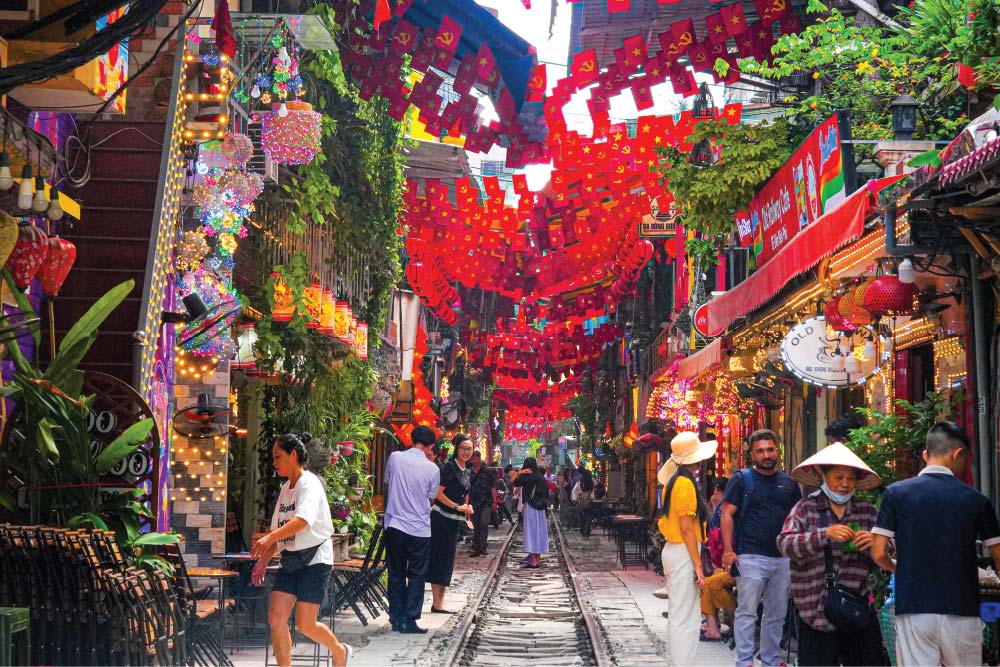
One of the most unforgettable Tet experiences for travelers is being welcomed into a Vietnamese home. During Tet, hospitality reaches its highest level, and guests are treated with warmth, generosity, and pride.
Visiting a local home allows travelers to move beyond observation and become participants in the holiday. Guests are often served traditional dishes, offered tea and snacks, and invited to listen to stories about family traditions and past Tets.
This experience transforms the traveler’s role from outsider to honored guest. It also provides context for everything seen outside, from markets and decorations to rituals and meals.
For many travelers, this becomes the most meaningful memory of their Tet journey.
Practical travel tips for Tet holiday in Vietnam
Traveling during Tet requires a different mindset from traveling at other times of the year.
Accommodation should be booked early, especially in popular destinations. Transportation schedules may change, and some services operate at reduced frequency during the first days of the holiday.
Restaurants and shops may close temporarily, particularly family-run businesses. However, tourist-oriented establishments usually remain open.
Patience and flexibility are essential. Rather than focusing on checking off attractions, Tet travel rewards those who slow down and embrace the rhythm of the holiday.
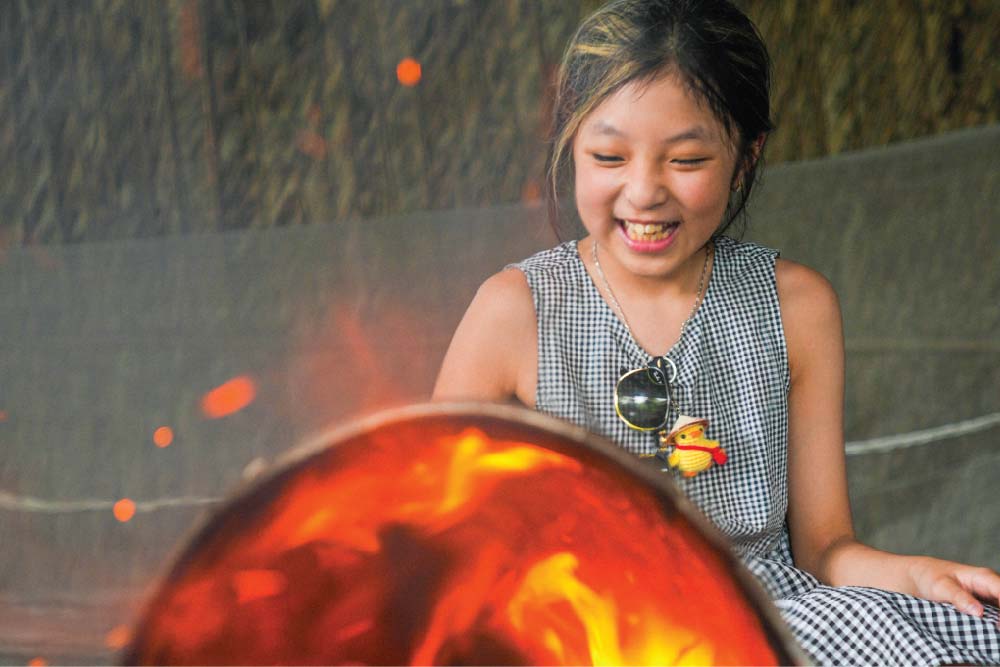
Learning a few simple New Year greetings in Vietnamese can also create meaningful connections with locals and enhance interactions.
Cultural meanings behind Tet colors and symbols
Two colors dominate Tet celebrations: red and yellow.
Red symbolizes luck, happiness, and protection from misfortune. Yellow represents wealth, prosperity, and hope for the future. These colors appear everywhere, from decorations and envelopes to clothing and flowers.
Understanding these symbols adds depth to the visual experience of Tet and explains why the streets feel so vibrant and unified during the holiday.
Final thoughts on experiencing the Vietnamese Lunar New Year
The Vietnamese Lunar New Year is not simply an event to observe. It is a living tradition that shapes the emotional and cultural landscape of the country.
For travelers, Tet offers a rare opportunity to see Vietnam beyond its tourist image. It reveals the importance of family, respect for ancestors, spiritual balance, and shared joy.
Whether you experience Tet through food, markets, temples, festivals, or personal connections, it leaves a lasting impression. The holiday invites you to slow down, reflect, and begin the year with intention, just as Vietnamese people have done for generations.
Experiencing Tet is not about doing everything on a list. It is about being present in a moment that defines Vietnamese culture itself.
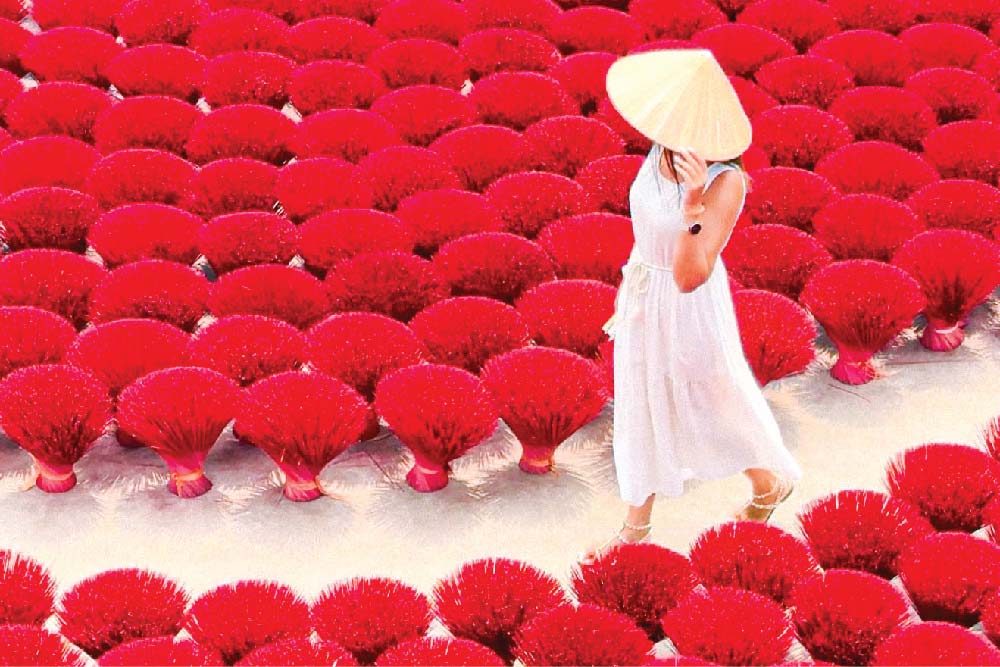
Q&A: Vietnamese Lunar New Year travel guide
What is Tet and why is it important in Vietnam?
Tet, or the Vietnamese Lunar New Year, is the most important holiday in Vietnam. It marks the beginning of the lunar calendar and represents renewal, family reunion, and respect for ancestors. During Tet, daily life slows down and cultural traditions take center stage.
Is it a good idea to travel to Vietnam during Tet?
Yes, but travelers should plan carefully. Tet offers a rare opportunity to experience Vietnamese culture at its most authentic. However, some shops and restaurants close temporarily, transport can be limited, and popular routes sell out early.
What are the best things to do during Tet as a traveler?
Some of the best Tet experiences include enjoying traditional food, visiting Tet markets, exploring flower streets, visiting temples, joining public festivals, and spending time with local families. Observing daily life during Tet can be just as rewarding as visiting attractions.
What traditional foods should travelers try during Tet?
Travelers should try Bánh Tét or Bánh Chưng, thịt kho tàu, giò chả, spring rolls, candied fruits, and roasted seeds. These dishes are deeply symbolic and commonly served in Vietnamese homes throughout the holiday.
Are tourist attractions open during the Lunar New Year?
Many major attractions remain open, especially in large cities like Ho Chi Minh City. However, opening hours may be reduced during the first days of Tet, and smaller family-run businesses may close.
What should travelers expect in cities during Tet?
Cities are often quieter than usual, as many residents return to their hometowns. Traffic decreases, streets feel more spacious, and the atmosphere becomes calm and festive at the same time, especially during the first two days of Tet.
Is Tet celebrated the same way across Vietnam?
The core traditions are the same nationwide, but celebrations differ by region. Southern Vietnam emphasizes Bánh Tét and open, social gatherings, while northern Vietnam focuses more on Bánh Chưng and family rituals. Rural areas tend to celebrate more traditionally than cities.
Can foreigners visit temples during Tet?
Yes. Temples and pagodas welcome everyone during Tet. Visitors should dress respectfully, move quietly, and observe local customs. Visiting temples during Tet offers insight into Vietnamese spiritual life and beliefs.
What is lucky money and should travelers participate?
Lucky money, known as lì xì, is given in red envelopes as a symbol of good fortune. Travelers are not expected to give lucky money, but understanding the tradition helps appreciate its cultural importance.
What are the main travel tips for visiting Vietnam during Tet?
Travelers should book accommodation and transport early, expect limited services during the first days of Tet, remain flexible with plans, and focus on cultural experiences rather than packed itineraries.