Vietnam is not the kind of country you simply “visit.” It’s a place you feel — in the rhythm of street life, in the quiet of rice fields at dawn, and in the deep layers of history woven into everyday moments. From misty mountain villages in the north to lantern-lit ancient towns and tropical islands in the south, Vietnam offers an incredible range of experiences within a single journey.
This guide to the top places to visit in Vietnam is designed as a true travel blog, not just a checklist. It follows the natural flow of a north-to-south journey, helping you understand not only where to go, but why each place matters — and what kind of traveler it suits best.
Whether this is your first time in Vietnam or a return trip to explore deeper, these destinations form the backbone of an unforgettable itinerary.
Northern Vietnam: where culture, history, and landscapes meet
Northern Vietnam is often where travelers first fall in love with the country. Life here feels grounded in tradition, shaped by centuries of history and dramatic geography. Mountains rise sharply from valleys, ancient cities guard stories of dynasties and revolutions, and daily life moves at a pace that invites observation.
Hanoi — the cultural heart of the country
Hanoi is not flashy, and that’s exactly its charm. Vietnam’s capital reveals itself slowly, through early-morning tai chi by the lake, the hum of scooters weaving through narrow streets, and the smell of simmering broth drifting from sidewalk kitchens.
The Old Quarter is where Hanoi’s soul lives. Each street once specialized in a single craft, and while the city has evolved, that layered identity remains. Walk here without a plan. Let coffee shops, street vendors, and hidden courtyards pull you in. Sit on a low plastic stool and watch the city move around you — this is Hanoi at its most honest.
Beyond the Old Quarter, Hanoi offers quieter reflections of Vietnam’s past. The Temple of Literature speaks to the country’s respect for education and philosophy. Tree-lined boulevards still carry traces of French colonial influence. Hoan Kiem Lake becomes a social gathering place at sunrise and sunset, where locals and visitors blend naturally.
Hanoi also serves as the gateway to northern Vietnam. From here, travelers fan out toward limestone bays, rural countryside, and mountain regions — making it an essential starting point on any Vietnam journey.
Ha Long Bay — limestone icons and emerald water
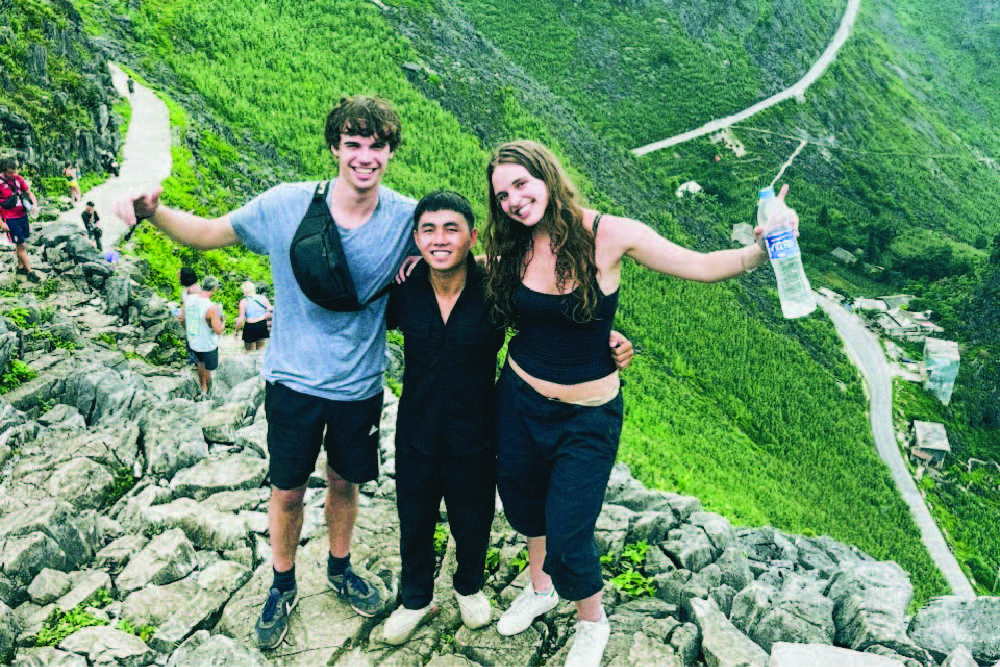
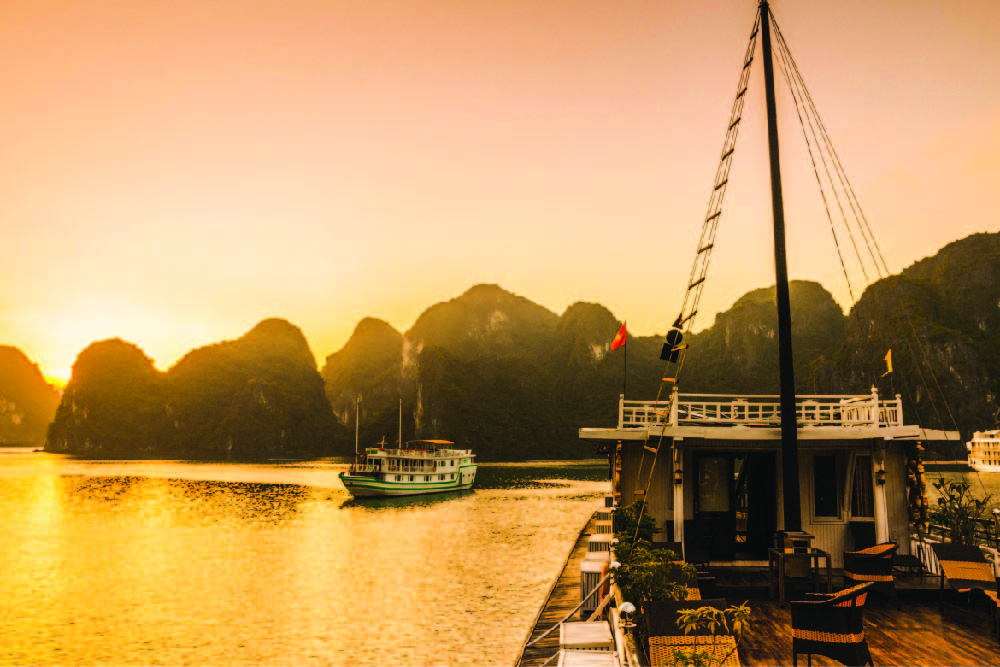
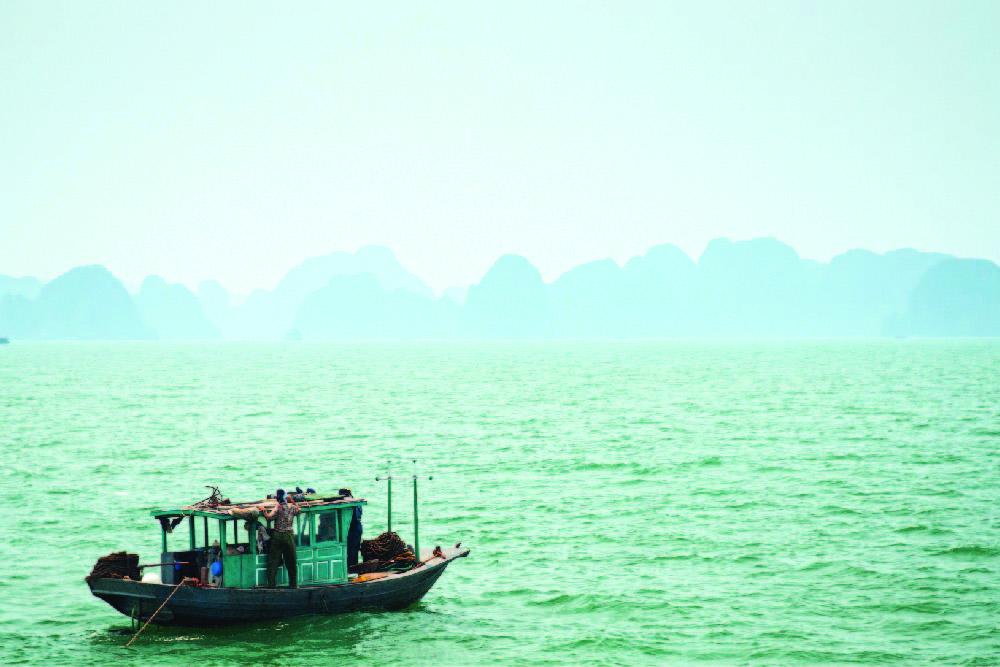
Few places in Southeast Asia are as instantly recognizable as Ha Long Bay. Thousands of limestone karsts rise dramatically from calm, jade-colored water, creating a landscape that feels almost unreal.
Seeing Ha Long Bay is not about rushing through it. The magic happens early in the morning, when mist hangs low between the rocks, or in the evening, when the bay turns quiet and golden. An overnight cruise allows you to experience these moments — drifting between islands, kayaking into hidden lagoons, and sleeping under a sky untouched by city lights.
For travelers seeking a less crowded experience, nearby Lan Ha Bay offers similar scenery with fewer boats and a more relaxed atmosphere. Cat Ba Island, meanwhile, combines limestone views with hiking and beach time, making it a great option for active travelers.
Ha Long Bay remains one of the top places to visit in Vietnam for a reason — it is nature at its most cinematic.
Ninh Binh — the quiet beauty of the countryside

If Ha Long Bay is Vietnam’s dramatic masterpiece, Ninh Binh is its gentle poem.
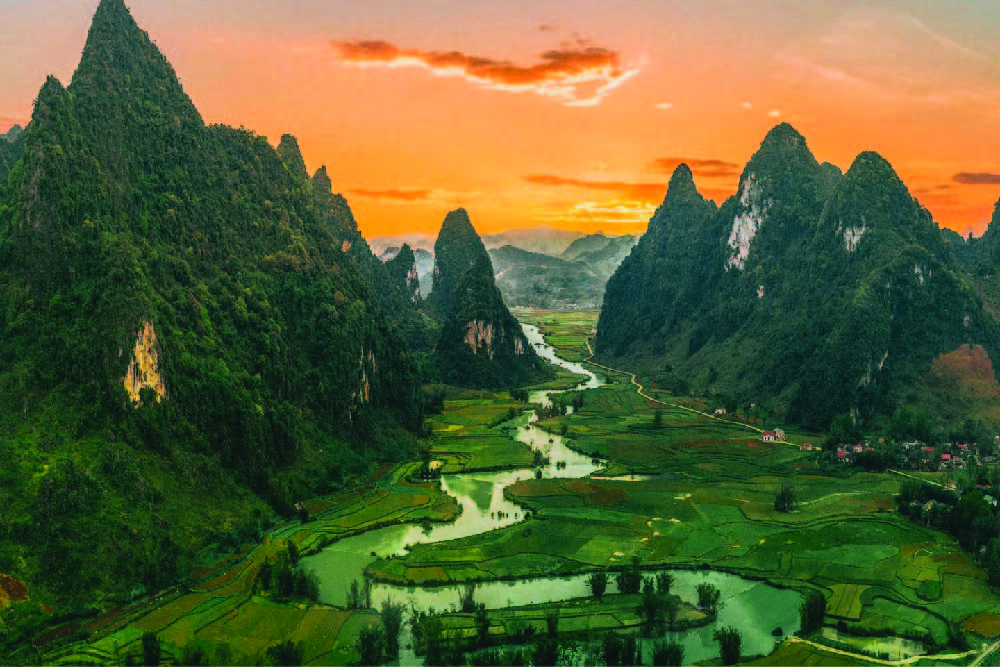
Often called “Ha Long Bay on land,” Ninh Binh replaces open water with rice fields, rivers, and towering limestone peaks scattered across the countryside. Life here feels slower, shaped by farming cycles and quiet village routines.
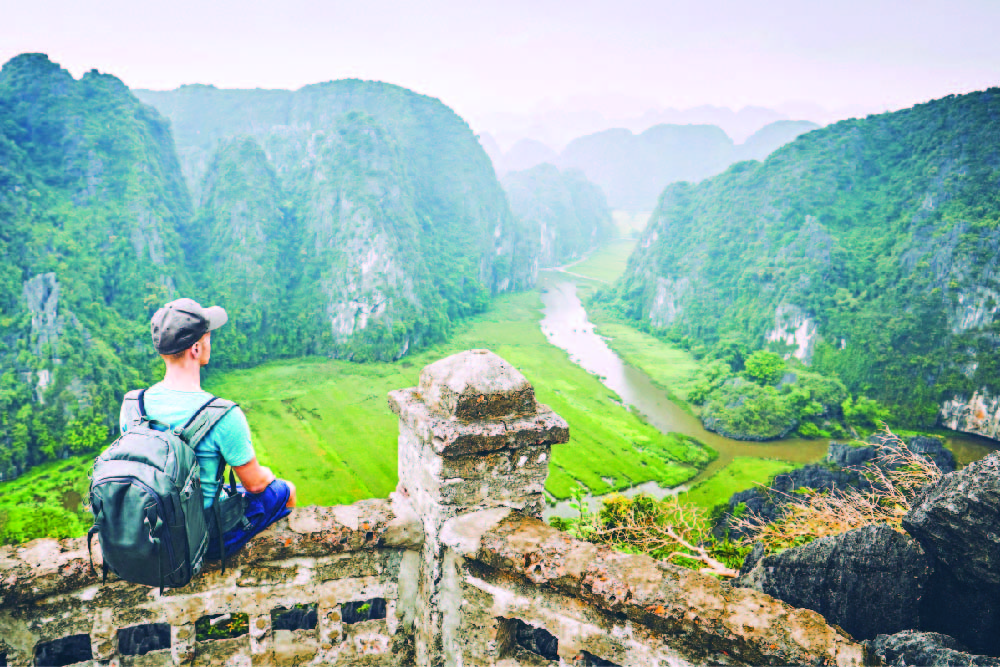
A boat ride through Trang An or Tam Coc glides you past golden paddies and into low caves carved by water over centuries. The rhythm of the oars, the sound of birds, and the stillness of the landscape create a deeply calming experience. From above, Hang Mua offers one of the most iconic views in northern Vietnam — a sweeping panorama that rewards those willing to climb.
Ninh Binh is ideal for travelers who want to slow down, reconnect with nature, and experience rural Vietnam without venturing too far off the beaten path.
Sapa — misty mountains and ethnic cultures
High in the Hoang Lien Son mountains, Sapa feels like a different world altogether. Cool air, drifting clouds, and terraced rice fields define the landscape, while ethnic minority communities preserve traditions passed down for generations.
Sapa is best experienced on foot. Trekking through Muong Hoa Valley takes you past cascading terraces, small wooden houses, and quiet villages where daily life unfolds much as it has for decades. These walks are not about speed or distance, but about connection — to the land and the people who call it home.
While Sapa town itself has grown more developed, stepping just a short distance beyond brings you into a landscape that feels timeless. For travelers interested in culture, photography, and mountain scenery, Sapa remains one of the most rewarding destinations in Vietnam.
Why Northern Vietnam sets the tone for your journey
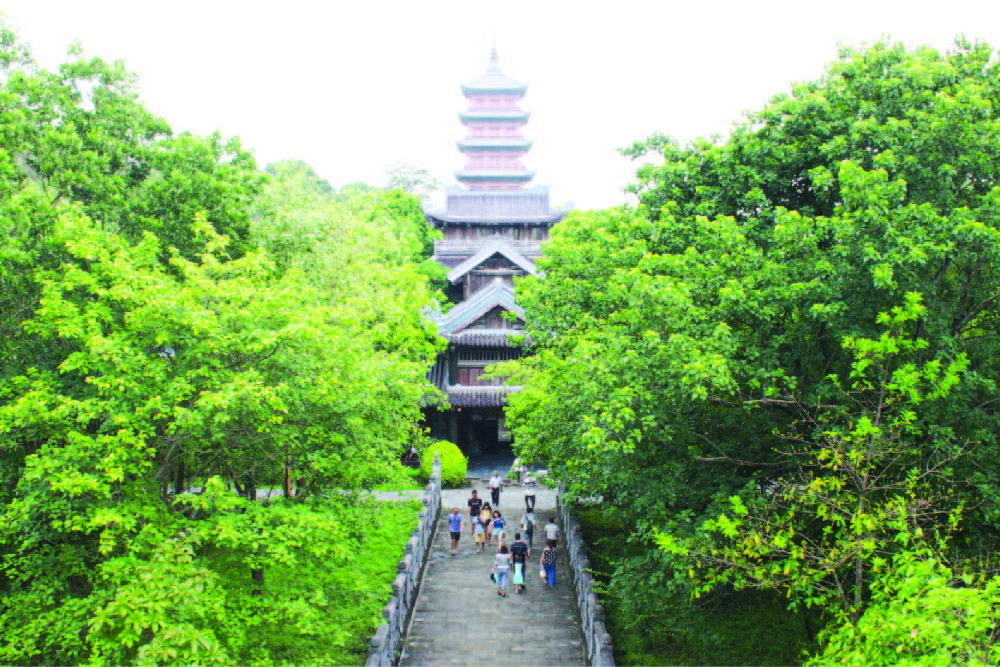
Northern Vietnam introduces travelers to the country’s depth — its history, its landscapes, and its everyday rhythms. From the layered streets of Hanoi to the stillness of Ninh Binh and the misty trails of Sapa, this region offers contrast without chaos, beauty without excess.
It’s a beginning that grounds you, preparing you for the color, energy, and warmth that unfold as you move south.
Central Vietnam: heritage, coastline, and timeless towns
If northern Vietnam introduces you to the country’s roots, central Vietnam reveals its soul. This is where imperial history, ancient trade routes, and coastal life intersect. The pace slows slightly here, and the landscapes shift from mountains to rivers, beaches, and lantern-lit streets.
Hue — echoes of imperial Vietnam
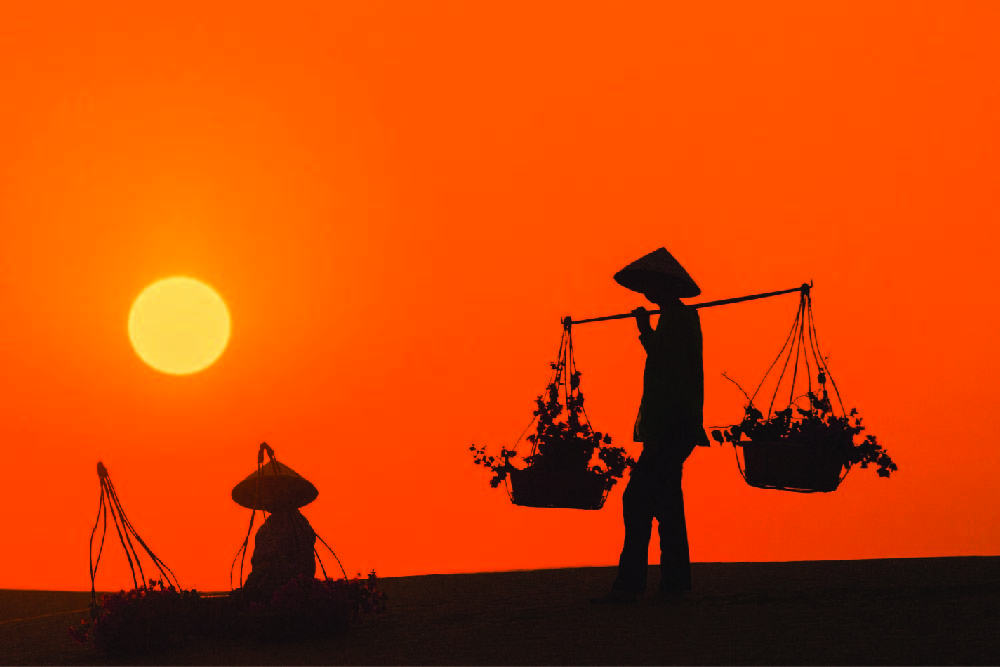
Hue once served as the imperial capital of the Nguyen Dynasty, and its legacy still shapes the city today. Unlike Vietnam’s busier urban centers, Hue feels contemplative. The Perfume River cuts gently through the city, reflecting citadels, pagodas, and royal tombs that speak of a powerful past.
Walking through the Imperial City is like stepping into another era. Thick stone walls, ornate gates, and weathered palaces tell stories of emperors, scholars, and court life. Beyond the citadel, the surrounding countryside hides royal tombs scattered among pine trees, lotus ponds, and quiet villages.
Hue’s cuisine is another reason it stands out among the top places to visit in Vietnam. Refined and delicate, imperial dishes were once created for royalty and remain deeply tied to local identity. For travelers interested in history, culture, and slower exploration, Hue offers a meaningful experience.
Hoi An — where time seems to pause
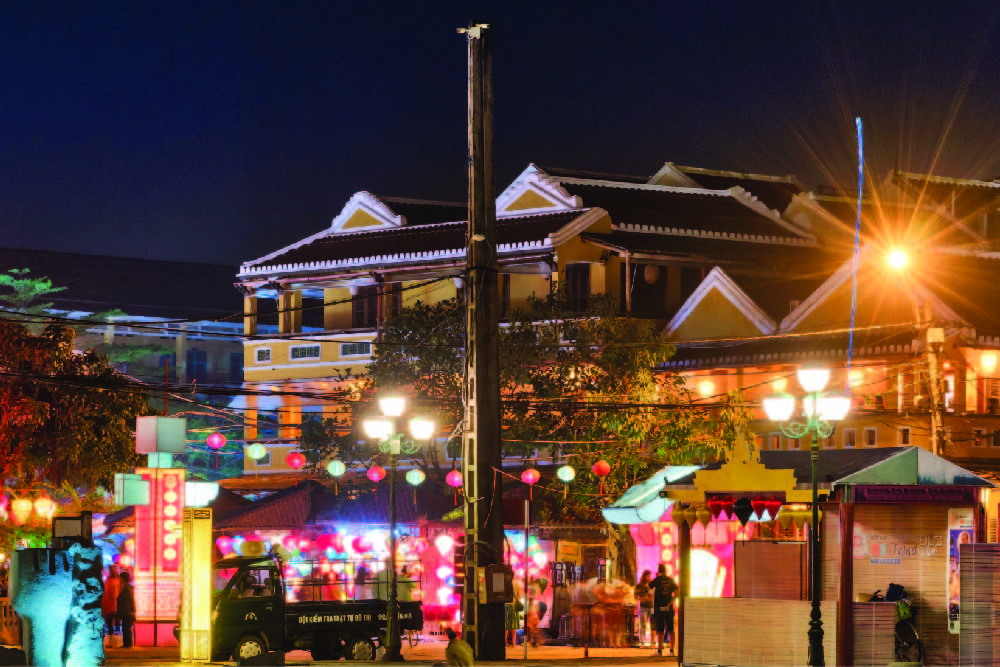
Hoi An is not a city you rush through. It’s a place you linger in, especially as the sun sets and lanterns begin to glow across the old town. Once a major trading port, Hoi An reflects centuries of cultural exchange, blending Vietnamese, Chinese, Japanese, and European influences.
The old town’s narrow streets are lined with yellow-walled houses, wooden shophouses, and historic assembly halls. By day, it feels warm and nostalgic. By night, it becomes magical, with lantern-lit rivers and soft reflections dancing on the water.
Beyond its beauty, Hoi An offers experiences that connect travelers with daily life. Cycling through nearby villages, visiting rice fields, joining a cooking class, or spending a quiet afternoon at the beach all feel natural here. Hoi An balances heritage and relaxation better than almost anywhere else in Vietnam.
Da Nang — modern Vietnam by the sea
Just north of Hoi An, Da Nang represents a more modern face of Vietnam. Clean, open, and forward-looking, the city sits between mountains and the sea, offering both natural beauty and urban comfort.
Da Nang’s beaches stretch wide and uncrowded, ideal for travelers who want coastal scenery without the heavy resort atmosphere. The Marble Mountains rise dramatically nearby, combining caves, temples, and viewpoints. A short drive inland brings you to Ba Na Hills, where misty landscapes and cooler air contrast sharply with the coast below.
Da Nang works well as a base for exploring central Vietnam, especially for travelers who appreciate convenience, good infrastructure, and scenic surroundings.
Southern Vietnam: energy, rivers, and tropical escapes
Southern Vietnam feels different from the rest of the country. Life here moves faster, the air feels warmer, and the culture reflects openness and adaptability shaped by trade, migra tion, and modern development.
Ho Chi Minh City — Vietnam’s dynamic heartbeat
Ho Chi Minh City, still often called Saigon, is Vietnam at full speed. The city pulses with energy, from early morning coffee shops to late-night street food scenes. Skyscrapers rise beside colonial-era buildings, and old neighborhoods sit just blocks away from modern shopping districts.
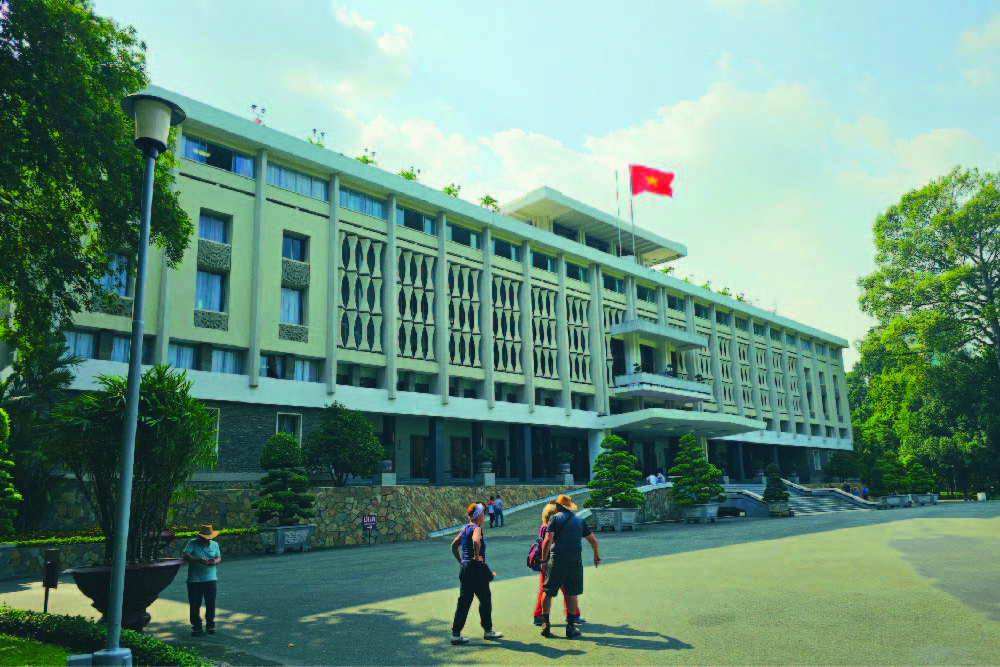
History remains deeply present here. Museums, historic landmarks, and preserved architecture offer insight into Vietnam’s recent past, while daily life continues energetically around them. Street food defines the city’s culture — bold flavors, quick bites, and endless variety at every corner.
For many travelers, Ho Chi Minh City is more than a stopover. It’s a place to understand modern Vietnam, where ambition, creativity, and resilience are on full display.
Mekong Delta — life shaped by water

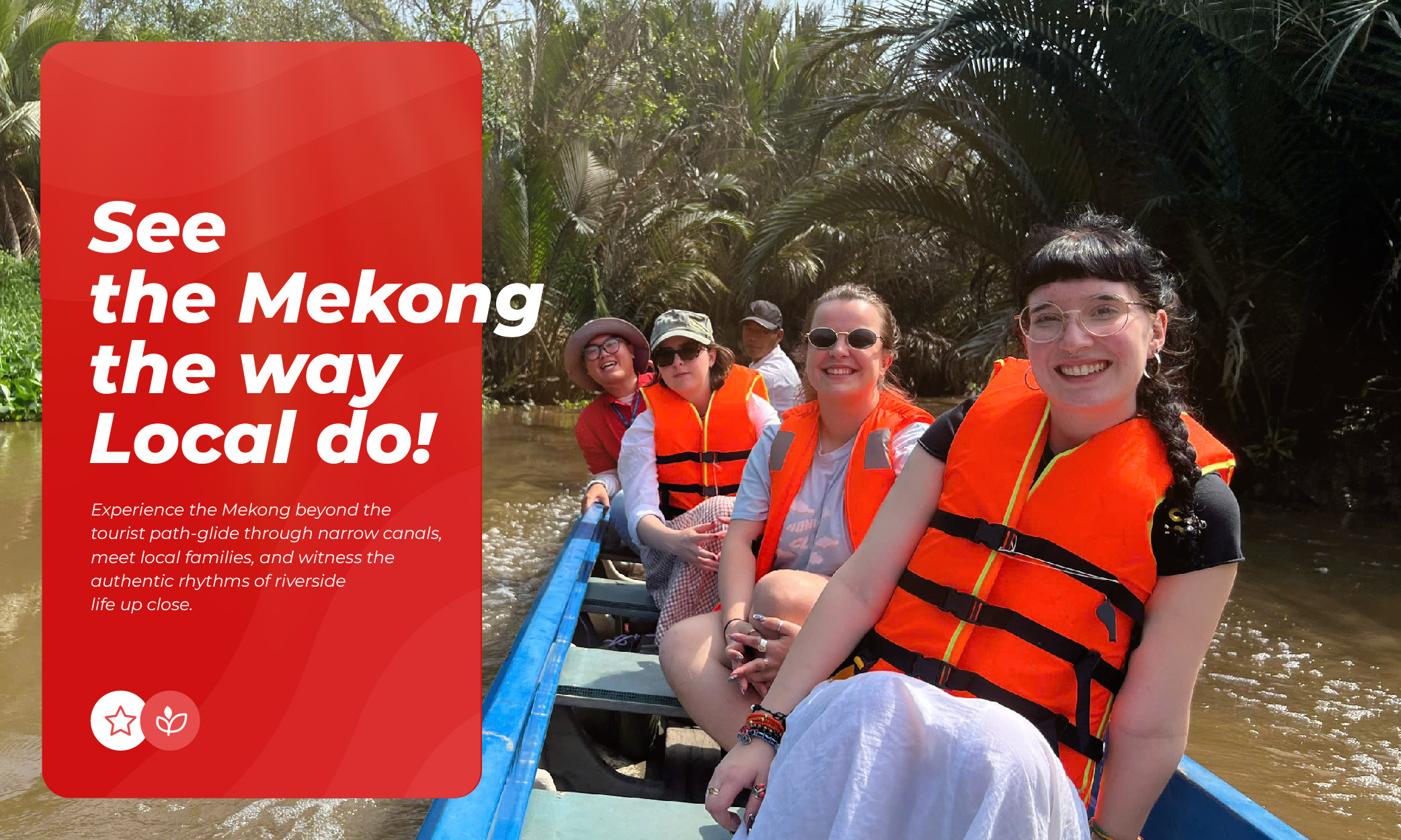
South of Ho Chi Minh City, the Mekong Delta unfolds into a maze of rivers, canals, and fertile land. Here, water is not just a feature of the landscape — it defines how people live, work, and connect.
Floating markets come alive early in the morning, with boats piled high with fruit, vegetables, and local goods. Small villages line narrow canals, where daily routines unfold quietly. Visiting the Mekong Delta offers a glimpse into rural southern Vietnam, far removed from the city’s pace.
Homestays, cycling paths, and boat journeys allow travelers to experience this region slowly and authentically. It’s one of the most immersive ways to understand Vietnam beyond its cities.
Phu Quoc — a tropical ending to your journey
For many travelers, Phu Quoc is the perfect way to end a Vietnam trip. Located off the southern coast, the island combines palm-lined beaches, clear water, and a relaxed atmosphere.
Phu Quoc offers more than just beach time. Local fishing villages, pepper farms, and traditional fish sauce production reveal another layer of island life. National parks protect dense jungle interiors, ideal for light trekking and exploration.
Whether you choose luxury resorts or simple beachfront stays, Phu Quoc provides rest and reflection after weeks of travel across Vietnam.
How to choose the best places to visit in Vietnam

Vietnam’s diversity means there is no single perfect itinerary. Some travelers are drawn to history and culture, others to nature and adventure, and many seek a mix of both. The beauty of Vietnam lies in how easily these experiences connect.
From the cultural depth of Hanoi and Hue to the peaceful countryside of Ninh Binh and the Mekong Delta, and from the lantern-lit charm of Hoi An to the tropical calm of Phu Quoc, these destinations together define the top places to visit in Vietnam.
Traveling north to south is more than a route — it’s a journey through landscapes, lifestyles, and stories that stay with you long after you leave.
Frequently asked questions:
What are the top places to visit in Vietnam for first-time travelers?
First-time travelers to Vietnam should focus on a north-to-south route that includes Hanoi, Ha Long Bay, Hoi An, Ho Chi Minh City, and the Mekong Delta. This route offers a balanced introduction to Vietnam’s culture, history, landscapes, and daily life without rushing.
How many days are ideal to explore Vietnam?
Two to three weeks is ideal to explore Vietnam properly. This allows time for northern highlights like Hanoi and Sapa, cultural stops in central Vietnam such as Hue and Hoi An, and southern destinations including Ho Chi Minh City and the Mekong Delta.
Is Vietnam suitable for slow travel?
Vietnam is very suitable for slow travel. Destinations like Ninh Binh, Hoi An, the Mekong Delta, and mountain villages in the north encourage longer stays, local interaction, and a deeper understanding of daily life rather than fast sightseeing.

What is the best time of year to visit Vietnam?
The best time to visit Vietnam is generally from February to April and from September to November. These months offer more comfortable temperatures and less rainfall across most regions, making it easier to travel from north to south.
Are the top places to visit in Vietnam crowded?
Some popular destinations such as Ha Long Bay and Hoi An can be crowded during peak seasons. However, visiting early in the morning, staying overnight, or choosing nearby alternatives like Lan Ha Bay can help avoid crowds.
Is it easy to travel between destinations in Vietnam?
Traveling within Vietnam is relatively easy thanks to domestic flights, trains, and private transfers. Most major destinations are well connected, making a north-to-south itinerary practical even for first-time visitors.
Which part of Vietnam is best for nature lovers?
Northern Vietnam is ideal for nature lovers, offering mountains, rice terraces, and limestone landscapes in places like Sapa and Ninh Binh. Southern Vietnam’s Mekong Delta and Phu Quoc also provide unique natural environments shaped by water and tropical ecosystems.
Is Vietnam a good destination for families?
Vietnam is a family-friendly destination with a wide range of experiences suitable for all ages. Beaches, countryside stays, food culture, and easy transportation make it comfortable for families traveling together.
Can Vietnam be traveled on a budget?
Vietnam is one of Southeast Asia’s most affordable destinations. Accommodation, food, transportation, and activities offer excellent value, making it suitable for both budget travelers and those seeking comfort at reasonable prices.
What makes Vietnam different from other Southeast Asian destinations?
Vietnam stands out for its strong cultural identity, regional diversity, and everyday authenticity. Each region feels distinct, from northern traditions to central heritage towns and southern river life, creating a journey that feels varied and meaningful.