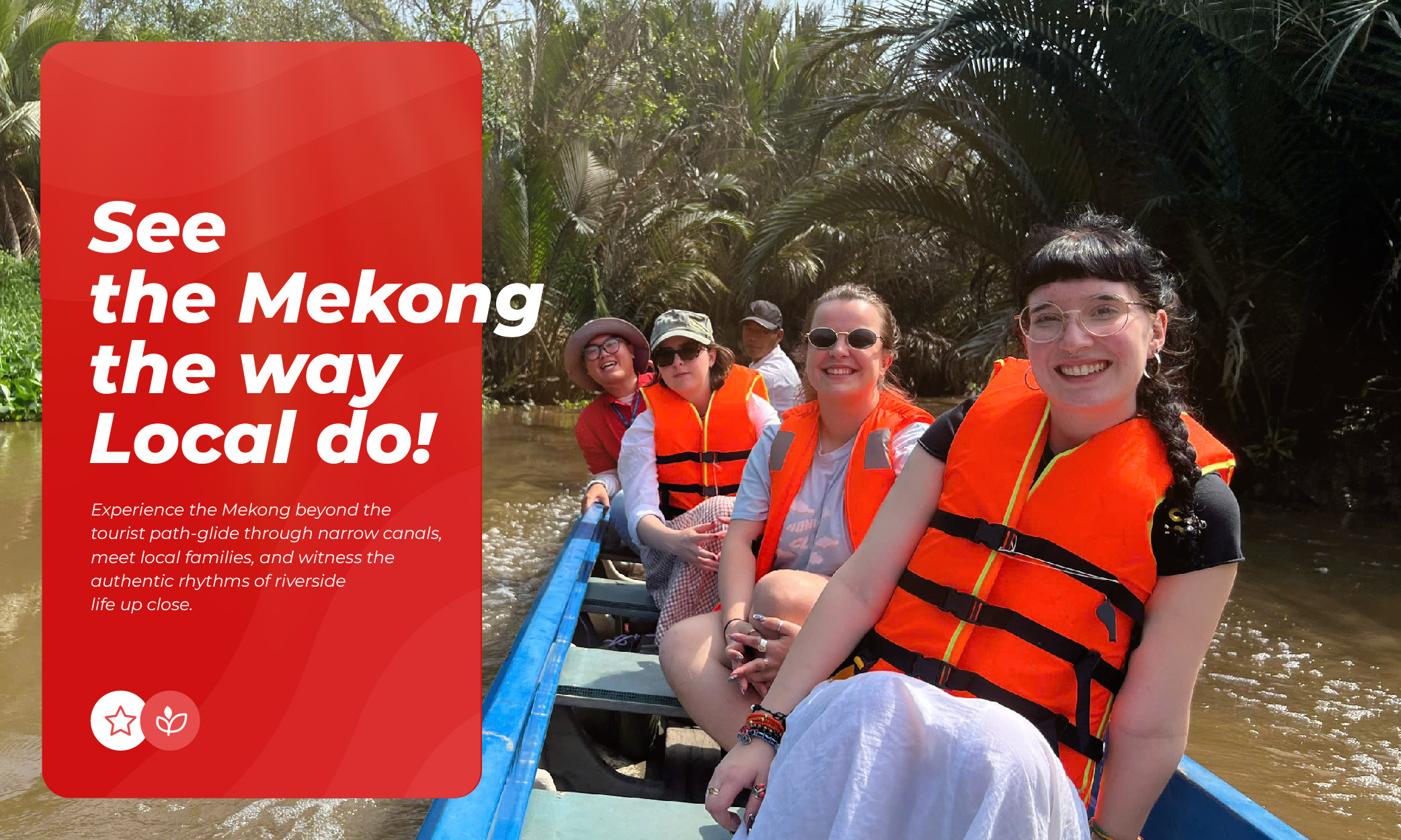
Global tourism is entering a new chapter. After years of disruption, adaptation, and reflection, travel in 2026 is no longer about simply going somewhere new. It is about how, why, and with what impact we travel. Travelers are becoming more intentional, destinations more selective, and the industry more focused on balance between growth and responsibility.
The five key trends defining global tourism in 2026 reveal a clear shift away from mass consumption and toward meaningful experiences. These trends are not passing fads. They are the result of changing traveler values, environmental realities, digital transformation, and a deeper desire for connection in a fast-moving world.
This article examines these five trends in depth, explaining their implications for travelers, destinations, and tourism businesses worldwide.
Global tourism in 2026: a shift in mindset

Before examining individual trends, it is important to understand the broader context. Tourism in 2026 is shaped less by novelty and more by intention. Travelers are asking deeper questions before booking a trip.
They want to know how their travel affects local communities. They want experiences that reflect their personal values. They want flexibility, authenticity, and emotional reward, not just photos.
At the same time, destinations are rethinking how tourism fits into local life. Rather than maximizing visitor numbers, many regions are focusing on sustainability, quality, and long-term resilience.
This shift in mindset is the foundation upon which the five key trends defining global tourism in 2026 are built.
Trend one: purpose-driven travel becomes the norm
Purpose-driven travel is no longer niche. In 2026, it will become the standard expectation for many travelers.
People are no longer satisfied with trips that feel empty or extractive. Instead, they seek travel experiences aligned with personal values such as sustainability, cultural respect, education, wellness, or social contribution.
This does not mean travelers want every trip to feel like volunteering or self-sacrifice. Rather, they want meaning woven naturally into the experience. Staying in locally owned accommodation, learning traditional crafts, supporting conservation efforts, or choosing slower itineraries are all expressions of this trend.
Purpose-driven travel reflects a desire to return home not just with memories, but with perspective.
How purpose changes destination choice

In 2026, destinations are increasingly chosen based on values rather than popularity alone. Travelers are drawn to places that demonstrate responsible tourism practices, cultural preservation, and environmental awareness.
This explains why secondary destinations, rural regions, and emerging locations are gaining attention. These places often offer stronger connections with local life and fewer negative impacts associated with overtourism.
For destinations, purpose-driven travel creates both opportunity and responsibility. Those who invest in community-based tourism, heritage protection, and environmental stewardship are more likely to attract conscious travelers in the years ahead.
Trend two: slower travel replaces rushed itineraries
The era of checking off destinations as quickly as possible is fading. In 2026, slow travel is no longer a counterculture movement. It is becoming mainstream.
Slow travel prioritizes depth over distance. Travelers spend more time in fewer places, forming stronger emotional connections with destinations. Instead of rushing through five cities in ten days, travelers might choose one region and explore it deeply.
This trend is driven by several factors. Travelers are more aware of travel fatigue. Remote work allows longer stays. Environmental concerns encourage fewer flights. And emotionally, people crave immersion rather than surface-level experiences.
Slow travel allows space for spontaneity, rest, and real human interaction.
The impact of slow travel on local communities
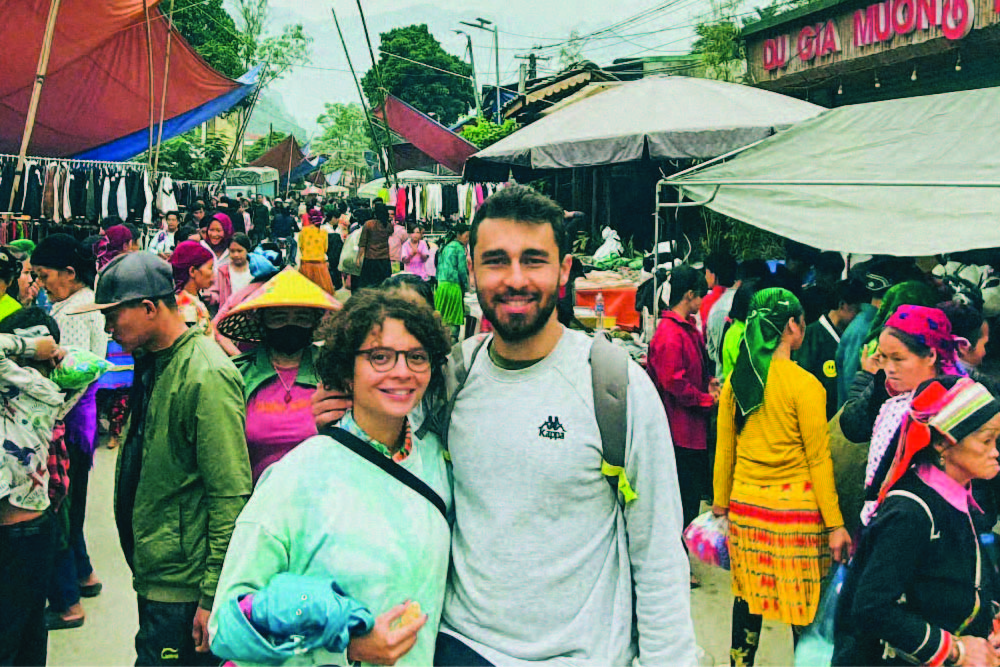
When travelers stay longer, local communities benefit more directly. Longer stays often mean shopping locally, using neighborhood services, and forming relationships beyond transactional tourism.
In 2026, destinations that support slow travel through flexible visas, longer-stay accommodation, and community-based experiences are positioning themselves strongly for the future.
This trend also encourages a more respectful rhythm of travel, reducing pressure on infrastructure and helping destinations manage visitor flows more sustainably.
Trend three: technology becomes invisible but essential
Technology continues to shape tourism, but in 2026, its role becomes quieter and more integrated. Rather than being a novelty, technology becomes a background enabler of seamless travel.
Artificial intelligence, data personalization, and digital platforms are used to anticipate traveler needs, simplify logistics, and reduce friction throughout the journey.
Travelers expect smooth digital experiences, from booking to arrival to post-trip engagement. At the same time, they want technology to support human connection, not replace it.
This balance defines the technological trend shaping global tourism in 2026.
Personalization without intrusion

In 2026, travelers are more open to personalized experiences, but they are also more protective of privacy. Successful tourism platforms use data ethically, transparently, and with clear value for the traveler.
Personalization appears in curated recommendations, flexible itineraries, and responsive customer service rather than aggressive marketing.
For tourism businesses, the challenge is not adopting technology, but using it thoughtfully to enhance experience without overwhelming it.
Digital tools reshape decision-making
Travel inspiration increasingly comes from digital ecosystems rather than traditional advertising. Short-form video, user-generated content, and trusted community voices influence travel decisions more than polished brochures.
In this environment, authenticity matters more than perfection. Travelers want to see real experiences, real people, and honest storytelling.
Destinations and brands that communicate with transparency and consistency build stronger trust in the digital age.
Trend four: sustainability moves from promise to practice

Sustainability is no longer optional. In 2026, it is a core expectation.
Travelers are more informed about environmental and social issues. They recognize greenwashing and increasingly support businesses that demonstrate measurable, genuine commitment to sustainability.
This includes reducing plastic use, conserving water, supporting local employment, and protecting natural and cultural heritage.
Importantly, sustainability in 2026 is not framed as restriction, but as enhancement. Responsible practices are presented as adding value to the travel experience, not limiting enjoyment.
Destinations take control of tourism growth
Many destinations are actively managing tourism rather than passively receiving it. This includes visitor caps, reservation systems, seasonal dispersion, and pricing strategies that prioritize quality over volume.
These measures aim to protect local life, ecosystems, and cultural integrity. While they may reduce short-term numbers, they support long-term viability.
Travelers in 2026 increasingly respect destinations that set boundaries, understanding that responsible management leads to better experiences for everyone.
Sustainability as a competitive advantage

In 2026, sustainability becomes a differentiator. Destinations and tourism businesses that invest early in responsible practices stand out in a crowded global market.
This trend rewards long-term thinking and collaboration between governments, communities, and private operators.
Trend five: emotional connection becomes the true luxury
Luxury in tourism is being redefined. In 2026, it is no longer primarily about price, exclusivity, or material comfort.
The new luxury is emotional connection.
Travelers value experiences that make them feel present, grounded, and connected. This includes meaningful conversations, cultural exchange, quiet moments in nature, and experiences that feel personal rather than staged.
Luxury is found in authenticity, not excess.
Experiences over possessions

This trend reflects a broader cultural shift. People increasingly prioritize experiences over material goods. Travel becomes one of the most meaningful ways to invest time and resources.
In 2026, successful tourism experiences are those that create lasting emotional impact rather than temporary excitement.
This applies across all travel segments, from budget travelers to high-end guests.
What these trends mean for the future of tourism
Together, the five key trends defining global tourism in 2026 point toward a more thoughtful, balanced industry.
Travel is becoming slower, deeper, and more intentional. Technology supports rather than dominates. Sustainability becomes standard practice. Emotional value outweighs material display.
For travelers, this means richer, more fulfilling journeys. For destinations, it means managing tourism as a shared responsibility rather than a numbers game. For businesses, it means adapting to values-driven demand rather than chasing volume.
Why these trends matter now

The choices made today will shape tourism for decades. Destinations that ignore these trends risk irrelevance or burnout. Those that embrace them thoughtfully position themselves for resilience and long-term success.
These trends are not predictions. They are already visible in how people travel, plan, and reflect on their journeys.
How these trends reshape travel behavior in Asia and emerging destinations
The five key trends defining global tourism in 2026 are especially visible across Asia and other emerging travel regions. These destinations are well positioned to respond to changing traveler expectations because they offer diversity, cultural depth, and strong local identity.
Travelers visiting Asia in 2026 are no longer focused solely on iconic landmarks. Instead, they seek layered journeys that combine culture, food, nature, and local life. Longer stays, regional exploration, and deeper engagement are becoming more common.
Countries with strong community traditions and natural diversity benefit from this shift. Rural areas, small towns, and lesser-known regions gain attention as travelers look beyond capital cities and famous attractions.
This creates new opportunities for destinations that were previously overshadowed by mass tourism hubs.
Vietnam as a case study of future-ready tourism

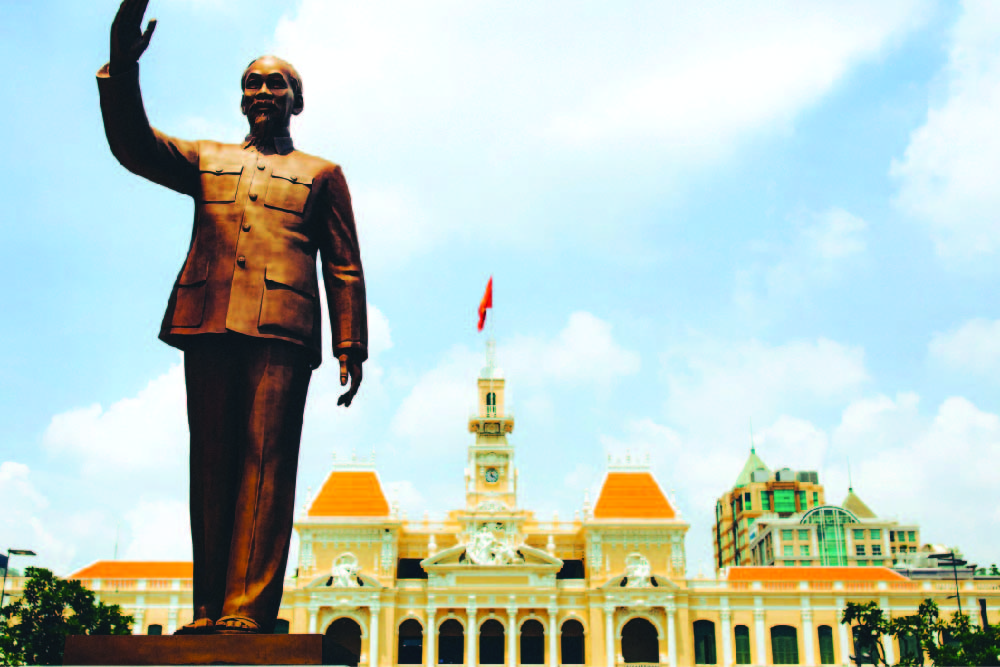
Vietnam reflects many of the global tourism trends shaping 2026. Its tourism landscape already aligns naturally with purpose-driven travel, slow exploration, and cultural immersion.
Travelers are increasingly interested in experiences such as village stays, food-focused journeys, heritage exploration, and nature-based travel. These experiences emphasize connection rather than consumption.
Vietnam’s diversity allows travelers to design journeys that move slowly, stay longer, and engage meaningfully. From highland communities to river deltas and historic towns, the country offers space for deeper exploration without requiring luxury infrastructure.
This positions Vietnam as a destination well suited to the future of tourism.
How travelers are planning trips differently in 2026
Travel planning itself has changed. In 2026, travelers spend more time researching and less time rushing into bookings.
They compare values as much as prices. They read long-form content, follow real traveler stories, and seek transparent information. Trust plays a larger role than promotion.
Flexibility is another key expectation. Travelers prefer itineraries that allow changes, personal pacing, and room for rest. Rigid schedules are increasingly seen as limiting rather than efficient.
This shift changes how destinations and businesses communicate. Storytelling becomes more important than selling.
The role of content and storytelling in tourism

In 2026, content is not just marketing. It is education, inspiration, and reassurance.
Travelers respond to honest narratives that explain not only what a destination offers, but how it feels and how it fits into local life. This is why blogs, long-form guides, and authentic storytelling perform better than generic promotional content.
Tourism brands that succeed in this environment focus on clarity, empathy, and consistency. They speak to travelers as partners rather than customers.
This approach builds long-term loyalty rather than short-term attention.
Opportunities for tourism businesses in 2026
The five key trends defining global tourism in 2026 present clear opportunities for tourism businesses willing to adapt.
Operators who design flexible itineraries, emphasize local partnerships, and invest in experience quality rather than volume will stand out. Smaller groups, slower pacing, and personalized service become competitive advantages.
Sustainability investments are no longer optional costs. They are signals of credibility. Travelers increasingly support businesses that demonstrate responsible practices rather than simply claiming them.
Technology also plays a supporting role. Efficient systems, clear communication, and ethical data use improve customer experience without dominating it.
Challenges destinations must navigate

While these trends offer opportunity, they also present challenges. Managing growth while protecting local life requires careful planning and cooperation between public and private sectors.
Destinations must balance accessibility with preservation. This includes controlling visitor numbers, protecting housing availability, and ensuring tourism benefits local communities rather than displacing them.
Communication is critical. Travelers are more accepting of limits when they understand the reasons behind them. Transparency builds respect.
In 2026, successful destinations are those that lead with intention rather than reaction.
Emotional value as the measure of success
One of the most important shifts in 2026 is how success is measured. Instead of counting visitors alone, destinations increasingly consider emotional and social impact.
Did travelers feel connected? Did local communities benefit? Did the experience leave a positive footprint?
These questions redefine what it means for tourism to succeed.
Experiences that foster understanding, respect, and memory carry value beyond economic metrics. This emotional dimension becomes central to tourism’s future.
What travelers can expect beyond 2026

Looking ahead, the trends shaping tourism in 2026 are likely to deepen rather than reverse.
Travel will continue moving toward intentional choices, meaningful engagement, and responsible design. Destinations that invest in culture, people, and environment will remain relevant.
Travelers will increasingly expect journeys that align with who they are, not just where they go.
This evolution reflects a broader human desire for balance in an increasingly fast and digital world.
Why the five key trends defining global tourism in 2026 matter
These five trends matter because they signal maturity in global tourism. After decades of growth driven by numbers and novelty, the industry is recalibrating.
Tourism in 2026 is about care. Care for places, people, and personal experience.
For travelers, this means journeys that feel richer and more rewarding. For destinations, it means tourism that supports rather than strains local life. For businesses, it means long-term resilience rather than short-term gain.
Final thoughts on the future of global tourism

The five key trends defining global tourism in 2026 do not point toward less travel. They point toward better travel.
Travel that is slower, deeper, and more human. Travel that respects limits while expanding understanding. Travel that values connection over consumption.
As travelers, destinations, and businesses adapt to these changes, tourism becomes not just an industry, but a shared responsibility.
The future of travel is not about how far we go, but how thoughtfully we move through the world.