

Choosing the best time to visit Vietnam in 2026 is less about finding a single perfect month and more about understanding how Vietnam’s climate, regions, and travel styles interact. Vietnam stretches over 1,600 kilometers from north to south, which means weather patterns change dramatically depending on where and when you travel.
Some months are ideal for mountain trekking in the north but unsuitable for beaches in the center. Others are perfect for southern river life while northern cities feel cold and misty. This regional contrast is what makes Vietnam exciting, but it also means planning matters.
This guide breaks down Vietnam’s seasons, regional weather differences, and travel experiences so you can decide when Vietnam is best for you, not just according to a generic calendar.
Understanding Vietnam’s climate before choosing when to go
Vietnam does not follow a single weather pattern. Instead, it is shaped by monsoons, elevation, and geography. The country is typically divided into three travel regions: northern, central, and southern Vietnam.
Each region has its own rhythm. When one area enjoys dry, pleasant weather, another may be experiencing rain or cooler temperatures. Understanding this is the foundation for choosing the best time to visit Vietnam in 2026.
Northern Vietnam weather and travel seasons
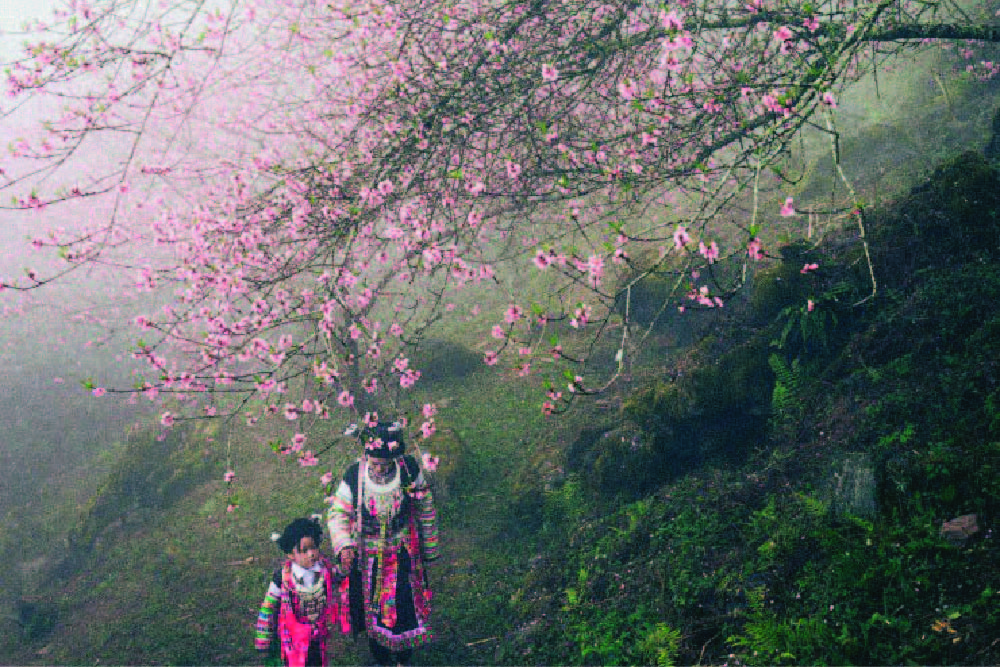
Northern Vietnam experiences four distinct seasons, making it the most varied region climate-wise.
Winter, from December to February, brings cooler temperatures, especially in cities like Hanoi and mountain areas such as Sapa. Temperatures can drop significantly in the highlands, with mist and light drizzle common.
Spring, from March to April, is often considered one of the best times to visit northern Vietnam. The weather becomes warmer, rainfall is low, and landscapes start to come alive. This is a comfortable period for sightseeing, trekking, and cultural exploration.
Summer, from May to August, is hot and humid. Heavy rain can occur, especially in July and August. However, summer also brings lush green rice terraces and dramatic scenery, particularly in mountainous regions.
Autumn, from September to November, is another excellent season. Cooler air, clear skies, and golden rice fields make this a favorite time for photographers and outdoor travelers.
Central Vietnam weather and seasonal patterns
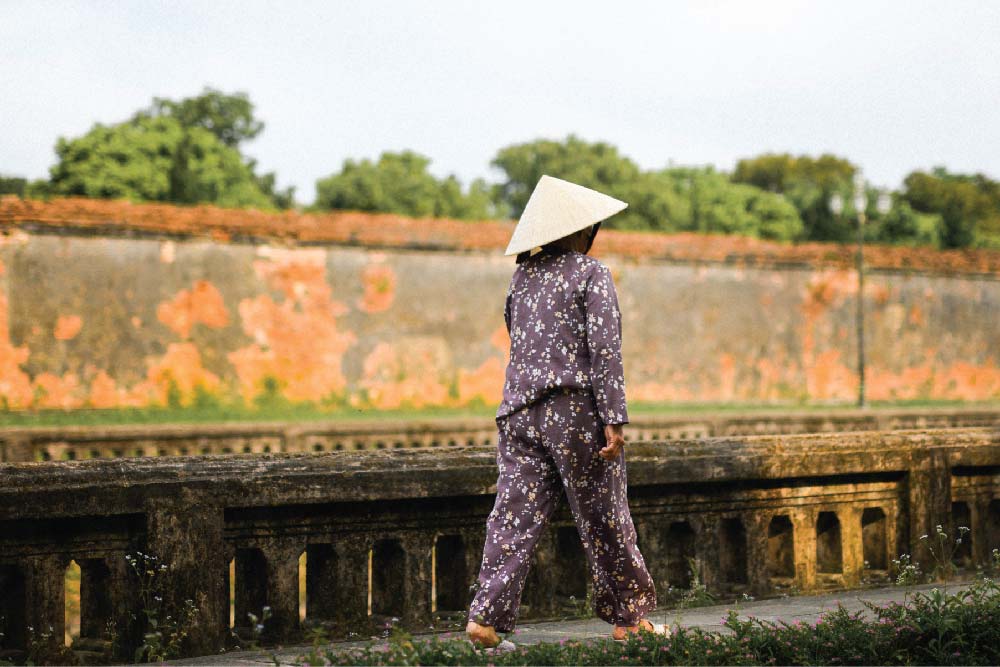
Central Vietnam has a unique climate that differs significantly from the north and south.
The dry season generally runs from February to August, making this period ideal for coastal destinations such as Hoi An, Da Nang, and beach areas along the coast.
From September to January, central Vietnam often experiences heavy rain and occasional storms. Flooding can occur in low-lying areas, particularly in October and November. While travel is still possible, flexibility is important during these months.
For travelers prioritizing beaches and heritage towns, late spring and early summer are often the best time to visit central Vietnam.
Southern Vietnam weather throughout the year
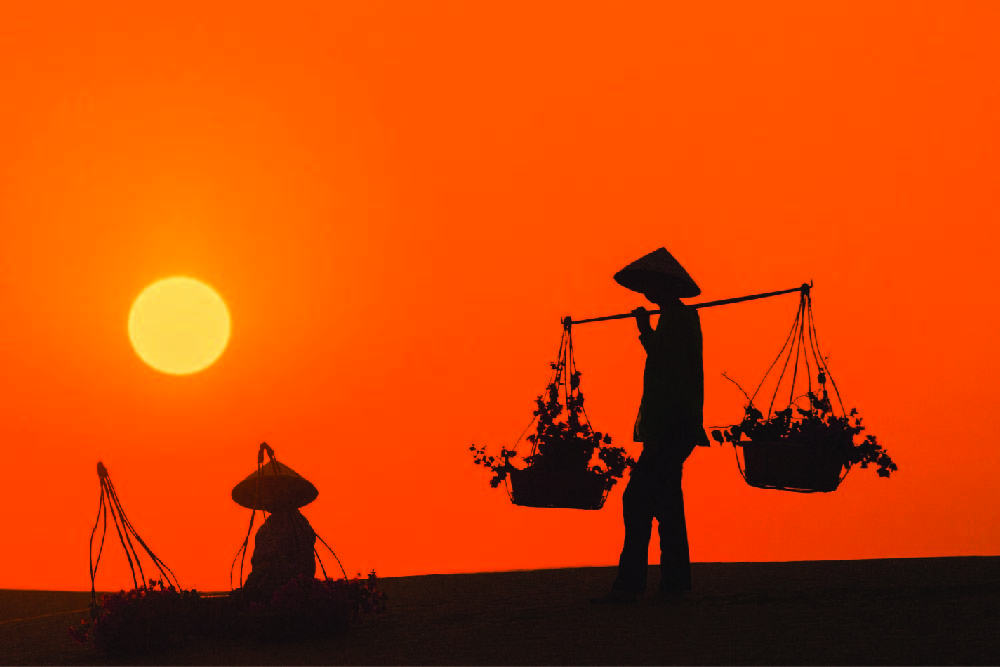
Southern Vietnam has a tropical climate with two main seasons: dry and rainy.
The dry season typically runs from December to April. During this time, cities like Ho Chi Minh City and destinations such as Phu Quoc enjoy warm temperatures, low rainfall, and sunny skies.
The rainy season usually lasts from May to November. Rainfall often comes in short, intense bursts rather than all-day rain. While humidity increases, travel remains very possible, and landscapes become greener and more vibrant.
Southern Vietnam is the most consistent region weather-wise, making it a safe choice year-round, especially for travelers sensitive to cold.
So when is the best time to visit Vietnam in 2026?
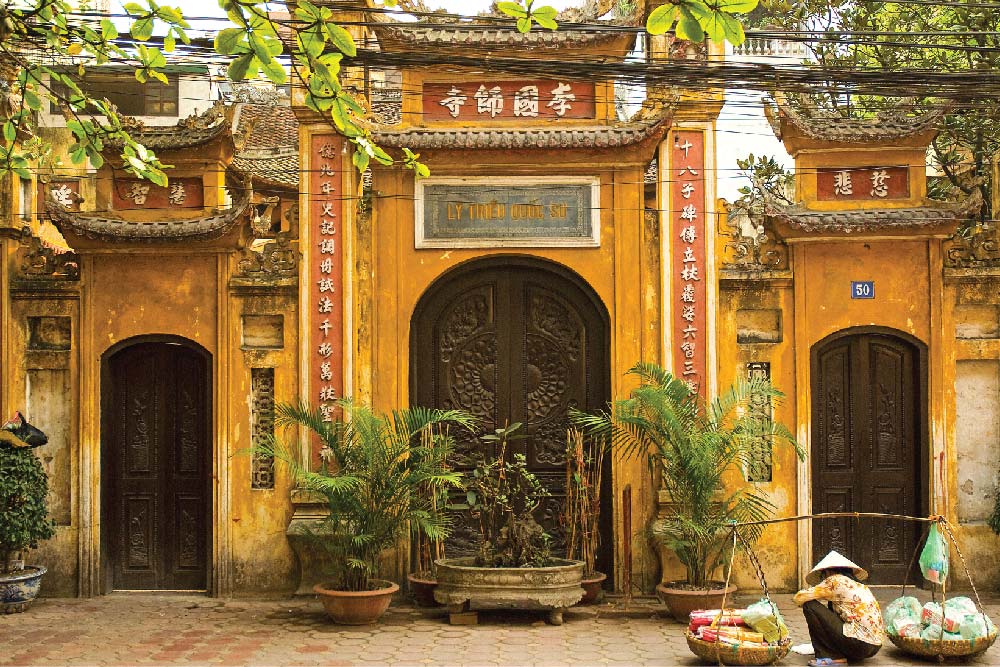
The short answer is February to April and September to November. These periods offer the best balance of weather across most regions.
However, the best time to visit Vietnam in 2026 ultimately depends on your travel priorities. A beach-focused itinerary differs from a cultural or adventure-focused one. Understanding what you want from your trip matters more than following a universal rule.
Best time to visit Vietnam for first-time travelers
For first-time visitors, timing is crucial. You want comfortable weather, minimal disruption, and the ability to see multiple regions in one trip.
Late February to April is often ideal. During this period, northern Vietnam is warming up, central Vietnam is dry, and southern Vietnam remains sunny. This allows for a smooth north-to-south itinerary without major climate challenges.
Another good option is October and early November, especially if you focus on northern and southern Vietnam while being flexible in central regions.
Best time to visit Vietnam for culture and city exploration
If your main interest is culture, history, and urban life, cooler months are preferable.
In northern cities like Hanoi, winter and early spring offer comfortable walking conditions. Museums, temples, and old quarters are more enjoyable without intense heat.
Central heritage cities such as Hue and Hoi An are best visited during the dry season when walking streets and cycling through villages feels effortless.
Southern cities are accessible year-round, but cooler months provide more comfort for long explorations.
Best time to visit Vietnam for nature and scenery
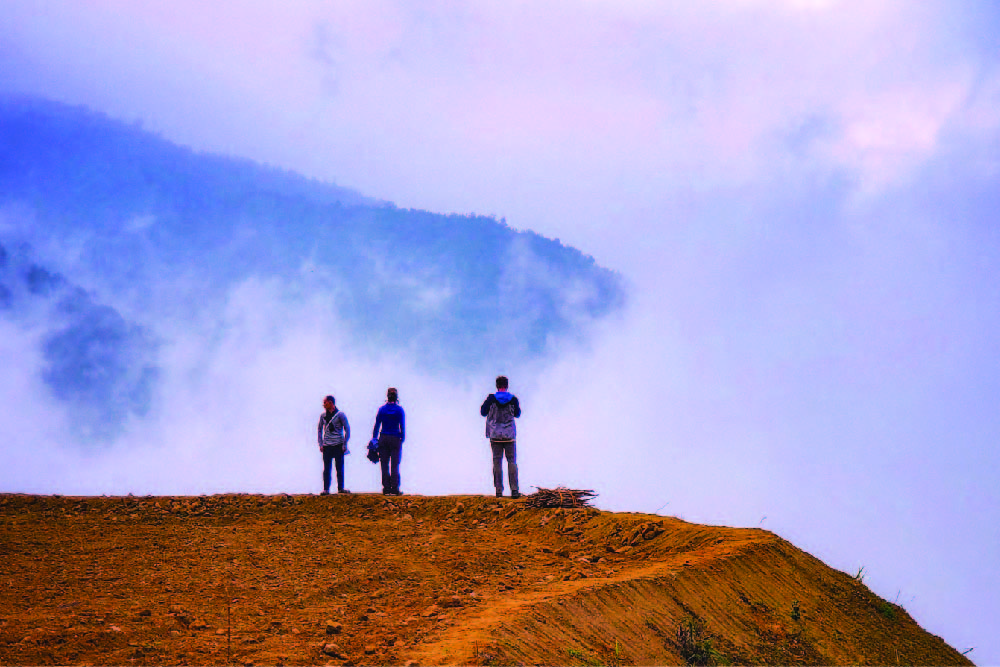
Nature-focused travelers often prefer shoulder seasons. Rice terraces, mountains, and rivers are most impressive when water levels are high but rainfall is manageable.
September and October are especially beautiful in northern Vietnam, when rice fields turn golden and air temperatures cool. Mountain trekking becomes more comfortable, and visibility improves.
In the south, the rainy season enhances the Mekong Delta’s lush landscapes, making it a rewarding experience despite occasional rain.
Best time to visit Vietnam for beaches and islands

Beach lovers should plan carefully, as coastal weather varies by region.
Central Vietnam beaches are best from March to August, when seas are calm and skies are clear. Southern islands like Phu Quoc are best during the dry season from December to April.
Northern beaches are more seasonal and generally best visited during summer months.
For a beach-focused trip in 2026, aligning your itinerary with regional dry seasons is essential.
How festivals and holidays affect travel timing
Vietnam’s cultural calendar plays a significant role in travel planning. The most important event is Tet, the Lunar New Year, which usually falls between late January and mid-February.
During Tet, travel demand spikes, transportation becomes crowded, and many businesses close temporarily. While Tet offers a deep cultural experience, it requires advance planning and flexibility.
Other festivals throughout the year can enhance travel experiences, especially for those interested in cultural immersion.
Is Vietnam crowded during the best travel months?
Peak travel periods generally align with good weather and school holidays. February, March, and April are popular months for international travelers.
Crowds are manageable but more noticeable in major destinations. Choosing alternative routes, staying longer in fewer places, or traveling slightly outside peak weeks can improve the experience.
Vietnam still offers plenty of space for slow travel, even during popular seasons.
Budget considerations when choosing the best time to visit Vietnam

Travel costs vary throughout the year. High season brings higher prices for flights and accommodation, while shoulder and rainy seasons offer better deals.
Travelers flexible with dates can save significantly by traveling during quieter months without sacrificing quality experiences.
Understanding your budget priorities helps determine whether peak-season comfort or off-season value matters more.
Why 2026 is a great year to visit Vietnam

Vietnam continues to invest in tourism infrastructure, sustainability, and regional connectivity. In 2026, travelers benefit from improved transportation, broader accommodation options, and more curated experiences.
At the same time, Vietnam remains authentic, diverse, and accessible, making it one of the most rewarding destinations in Southeast Asia.
Choosing the right timing allows you to experience the country at its best.
Month by month guide to visiting Vietnam in 2026
Understanding Vietnam month by month helps you fine-tune your travel plans. Each month offers a slightly different experience depending on region and travel style.
January: cool north, pleasant south
January is winter in northern Vietnam. Cities like Hanoi can feel cool, misty, and atmospheric, while mountainous areas may be cold. Central Vietnam may still experience rain, but southern Vietnam enjoys dry, sunny weather.
This month suits travelers focused on southern destinations, food exploration, and cultural experiences rather than beaches in the center or trekking in the north.
February: spring begins and Tet season
February often marks the transition from winter to spring in northern Vietnam. Temperatures become more comfortable, though mist can linger. Tet, the Lunar New Year, usually falls in late January or February, deeply affecting travel.
While Tet brings vibrant cultural experiences, it also means crowded transport and limited services for a few days. Travelers seeking cultural immersion may enjoy this period, while others may prefer traveling before or after the holiday.
March: one of the best months overall
March is widely considered one of the best months to visit Vietnam. Northern Vietnam becomes warmer and drier, central Vietnam enters its dry season, and southern Vietnam remains sunny.
This month is ideal for first-time visitors planning a north-to-south itinerary. Outdoor activities, sightseeing, and city exploration are all comfortable.
April: balanced weather across the country
April continues the excellent conditions of March. Temperatures rise slightly, but humidity remains manageable. This is a strong month for beaches in central Vietnam, cultural cities, and nature exploration.
April is also popular, so booking accommodation and transport in advance is recommended.
May: early summer and greener landscapes
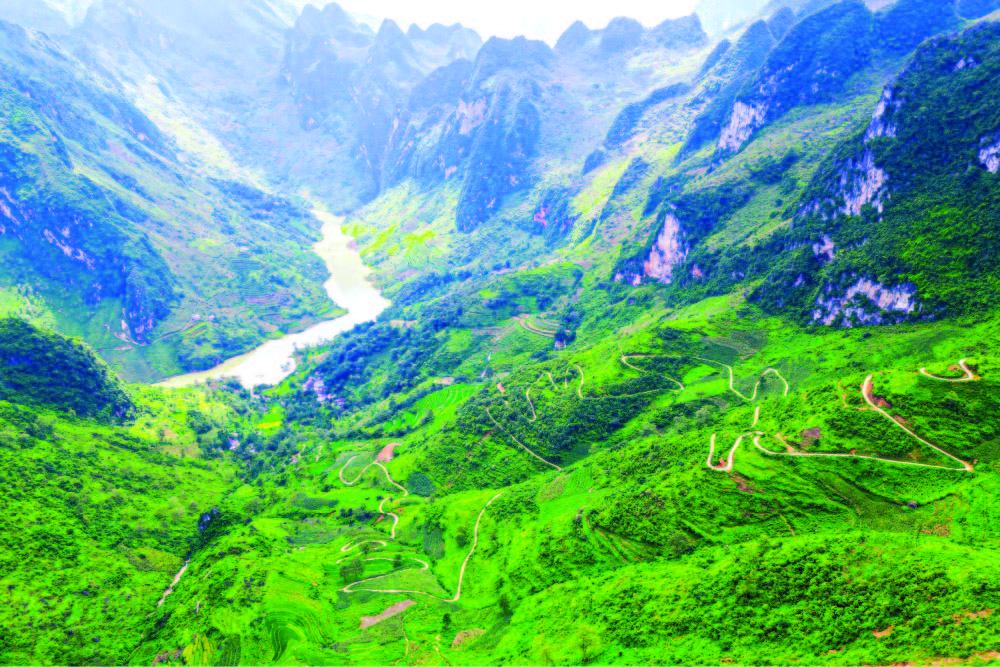
May signals the start of summer. Northern and central regions become warmer, and rainfall begins to increase gradually. Southern Vietnam starts seeing afternoon showers.
While heat increases, landscapes turn lush and vibrant. This month suits travelers who prefer fewer crowds and don’t mind occasional rain.
June: hot but rewarding for nature lovers
June is hot and humid across much of Vietnam. Rainfall becomes more frequent, especially in the north and south.
However, this is when rice fields are at their greenest, waterfalls are full, and nature feels alive. Travelers focused on photography, countryside, and local life may still find June rewarding.
July: peak summer conditions
July is one of the hottest and wettest months in Vietnam. Heavy rain can occur, particularly in northern and southern regions.
Despite this, travel is still possible. Rain often comes in short bursts, and prices are generally lower. This month suits flexible travelers seeking value rather than ideal weather.
August: transition toward autumn
August remains hot and humid, but toward the end of the month, conditions slowly begin to improve in the north. Central Vietnam stays relatively dry.
Crowds thin out, making it a good month for budget-conscious travelers who can adapt plans around weather.
September: autumn beauty in the north
September marks the beginning of autumn in northern Vietnam. Temperatures cool, skies clear, and rice terraces turn golden in mountainous regions.
This is a favorite month for photography and trekking. Central Vietnam may begin experiencing rain, so route planning is important.
October: cooler air and scenic landscapes
October is another excellent month, especially for northern and southern Vietnam. The weather becomes cooler and more comfortable, and scenery remains stunning.
Central Vietnam can experience heavy rain during this period, but travelers focusing on other regions enjoy some of the year’s best conditions.
November: calm and comfortable
November brings pleasant weather to much of the country. Northern Vietnam is cool and dry, southern Vietnam transitions out of the rainy season, and crowds are moderate.
This month is ideal for travelers seeking a relaxed, balanced experience.
December: festive and mild
December offers mild weather in most regions. Northern Vietnam is cool, central Vietnam improves after the rainy season, and southern Vietnam enters its best weather window.
Christmas and year-end travel increase demand, but conditions are excellent for sightseeing and city exploration.
Best time to visit Vietnam in 2026 by travel style
Choosing the best time to visit Vietnam in 2026 also depends on how you like to travel.
For first-time visitors
Late February to April and October to November offer the best balance across regions.
For slow travel
March, April, September, and November allow deeper exploration without weather pressure.
For beach holidays
Central Vietnam is best from March to August, while southern islands are best from December to April.
For adventure and trekking
September to November and March to April provide cooler temperatures and better visibility.
For budget travelers
May to August offers lower prices, with the trade-off of heat and rain.
Festivals and events to consider in 2026
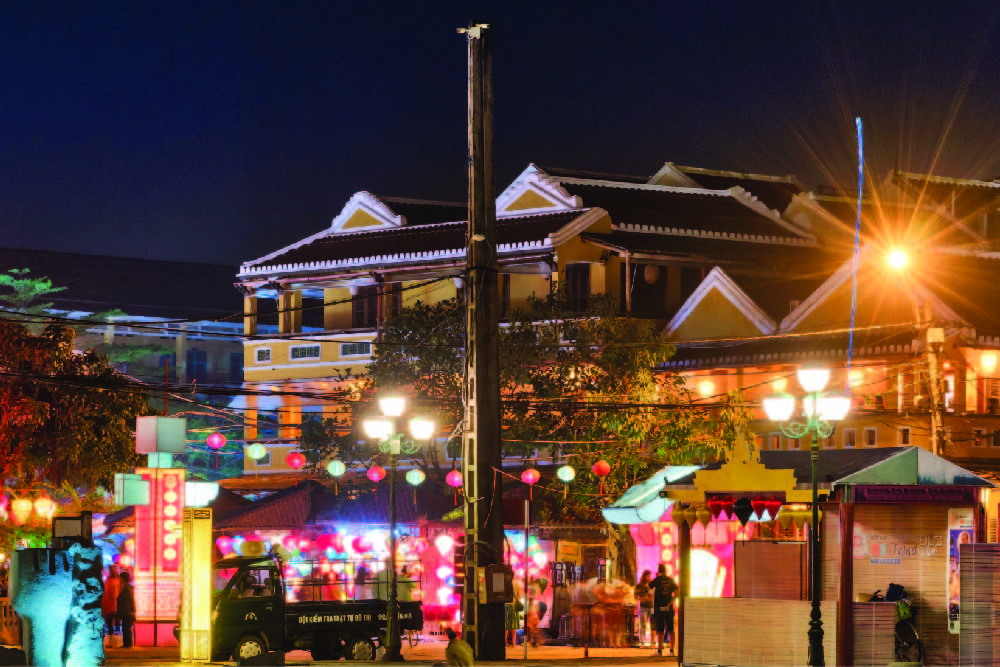
Vietnam’s festivals add cultural depth but also affect travel logistics.
Tet remains the most influential event, followed by regional festivals throughout the year. Planning around these events can enhance your experience if you are prepared for crowds and schedule changes.
Common questions about the best time to visit Vietnam in 2026
Is there a single best month to visit Vietnam?
There is no single best month for the entire country. March and April offer the most balanced conditions nationwide.
Can Vietnam be visited year-round?
Yes. Vietnam can be visited year-round, but itineraries should be adjusted to regional weather patterns.
Is the rainy season a bad time to visit?
Not necessarily. Rain often comes in short bursts, and the countryside is at its most beautiful.
When should I avoid traveling to Vietnam?
Travel during Tet requires careful planning. Otherwise, no month is completely unsuitable if expectations are realistic.
Final thoughts on the best time to visit Vietnam in 2026
The best time to visit Vietnam in 2026 depends on understanding the country’s diversity rather than searching for a perfect date. Vietnam rewards travelers who align their plans with regional seasons and personal travel goals.
Whether you visit during spring’s balance, autumn’s beauty, or even the lush rainy months, Vietnam offers meaningful experiences year-round. With thoughtful planning, 2026 can be an exceptional year to explore the country.