Vietnam is an exciting, diverse country that offers families vibrant cities, calm countryside, pristine beaches, and friendly people. This guide highlights the best places to travel with kids in Vietnam, practical travel tips, family itineraries, recommended activities, accommodation and food advice, safety and health considerations, and answers to common questions to help you plan an unforgettable family trip.
Why Vietnam is Great for Family Travel
Vietnam is naturally suited to family travel: it’s affordable, compact, and easy to get around with many child-friendly activities. From boat trips in Halong Bay to beach days on Phu Quoc and cultural experiences in Hoi An, there’s a variety of experiences that appeal to children of all ages. Vietnamese people are generally welcoming to kids, and many tourist facilities cater to families. Traveling in Vietnam also exposes children to rich history, different cuisines, and interactive learning outside the classroom.
How to Use This Guide
This long-form guide is organized by destination, with each section covering why the place is great for kids, recommended activities, logistics (how to get there and where to stay), food tips, accessibility for strollers and young children, and safety notes. At the end you’ll find sample itineraries for different trip lengths and ages, packing checklists for families, and frequently asked questions.
Top Destinations: Best Places to Travel with Kids in Vietnam
Below are the top family-friendly destinations across Vietnam, grouped by region. Each entry includes highlights and practical tips that make them ideal when traveling with children.
1. Hanoi (North)

Why visit: Hanoi is the cultural heart of Vietnam, with parks, lakes and interactive museums that appeal to families. It’s a good entry point for northern excursions like Halong Bay and Ninh Binh.
Kid-friendly activities: Visit Hoan Kiem Lake and Ngoc Son Temple, watch a water puppet show (an engaging cultural performance especially for younger children), explore the Vietnam Museum of Ethnology where kids can learn about ethnic groups through replicas and hands-on exhibits, cycle around West Lake, and visit botanical gardens and city parks for downtime.
Getting around and staying: Hanoi has many family-friendly hotels in the Old Quarter and around Hoan Kiem Lake. Taxis and ride-hailing apps (Grab) are convenient for short trips. Traffic can be busy; consider walking excursions during quieter morning hours.
Food and child-friendly dining: Hanoi street food is delicious and fresh, but choose cleaner, busier stalls or family restaurants for safety. Try pho, banh mi, and fresh fruit smoothies; many restaurants will adapt spice levels for kids.
2. Halong Bay & Lan Ha Bay (North Coast)
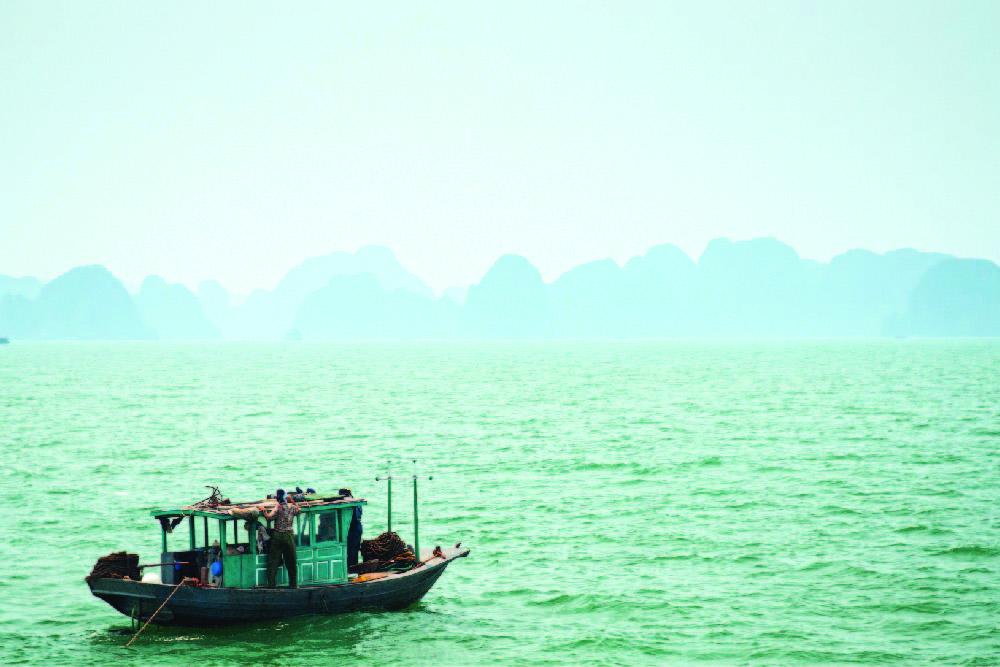
Why visit: The iconic limestone karsts rising from emerald water create an unforgettable backdrop for family adventure. Overnight cruises, day trips and kayaking offer child-friendly ways to experience this UNESCO region.
Kid-friendly activities: Choose a family-oriented cruise that offers shorter itineraries (1-2 nights), kids’ activities on board, swimming off the boat, short cave visits, and kayaking in calm waters. Many boats provide life jackets for children and have shaded areas for resting.
Logistics and safety: Pick reputable cruise operators with good safety records. Weather can determine which areas are accessible—Lan Ha Bay and Cat Ba Island are often quieter and less crowded than central Halong Bay.
3. Ninh Binh (Tam Coc & Trang An)
Why visit: Often called “Halong Bay on land,” Ninh Binh features karst landscapes, rice paddies and easy boat rides—perfect for families who prefer land-based exploration.
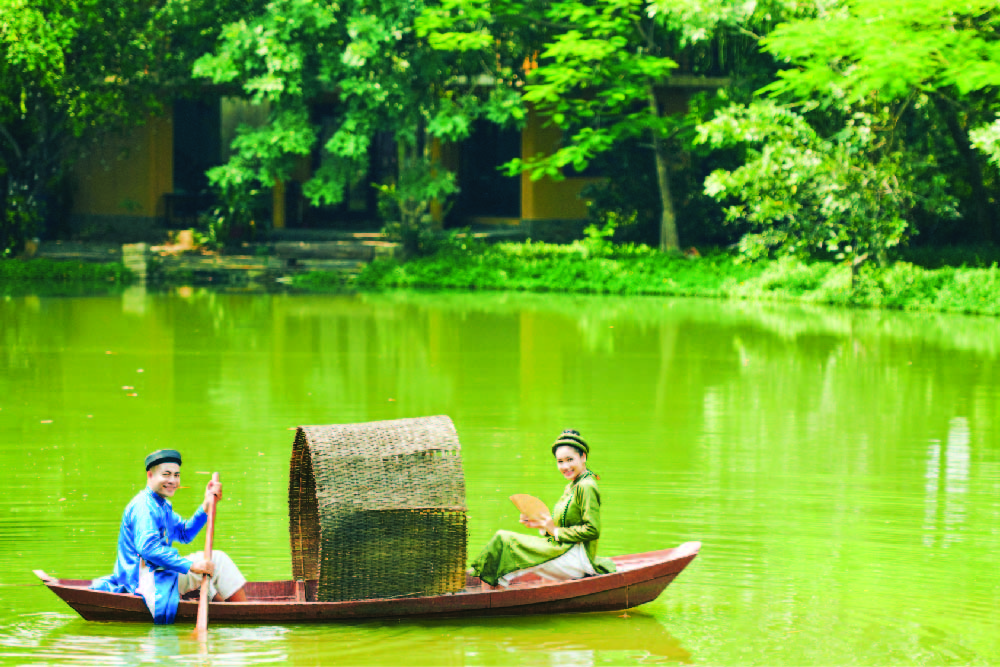
Kid-friendly activities: Take a sampan boat ride in Tam Coc or Trang An (slow, shallow, and safe for kids when life jackets are worn), cycle through rural lanes, visit ancient temples and the Bai Dinh Pagoda (large open spaces where kids can run). Boat rides are calm and scenic, usually short enough for little ones.
Where to stay: Family-friendly homestays and boutique hotels in Tam Coc or nearby towns offer spacious rooms and family meals.
4. Sapa (Northern Highlands)
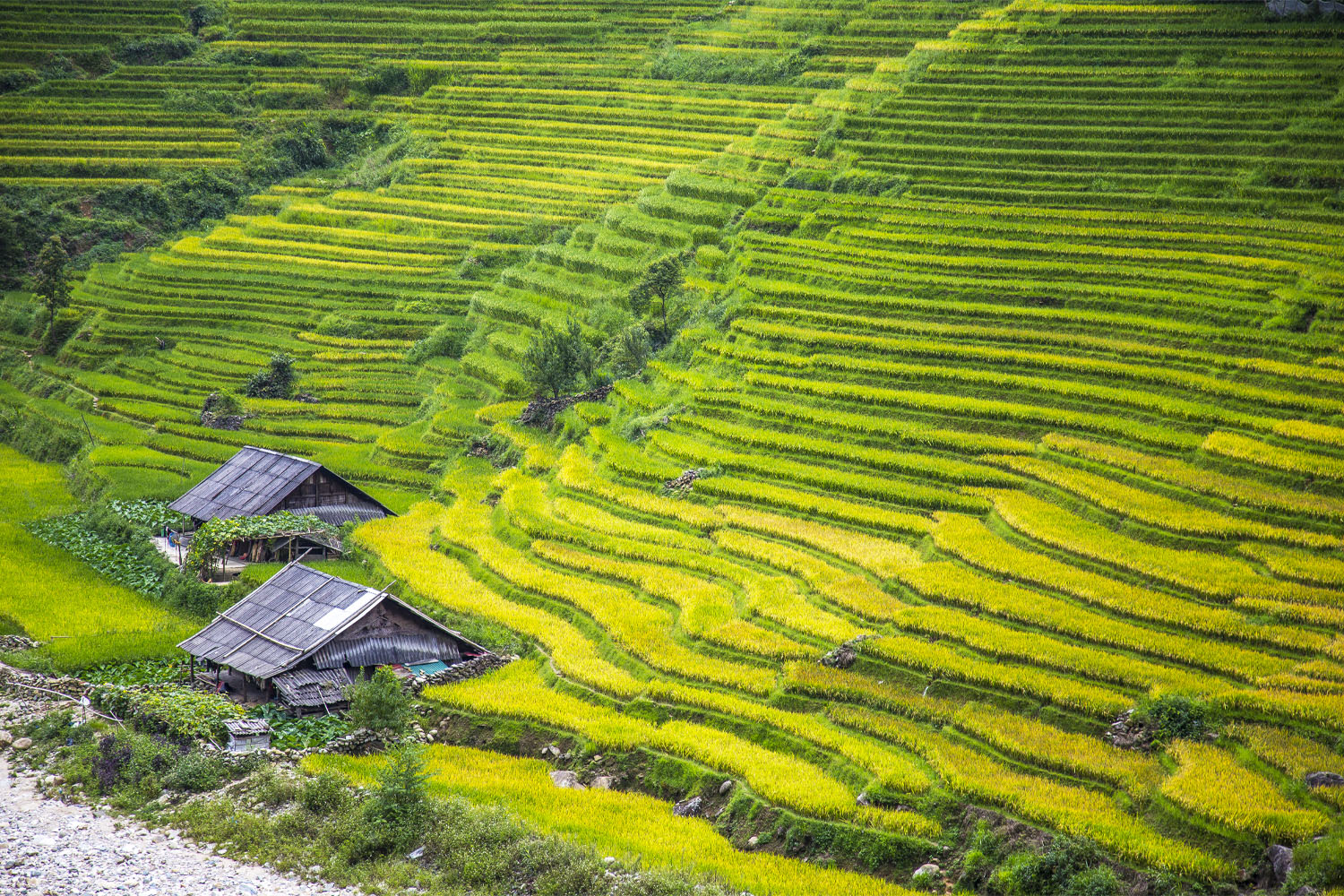
Why visit: For families with older kids who enjoy hiking, Sapa offers dramatic rice terrace scenery and cultural encounters with hill tribes.
Kid-friendly activities: Short guided walks through terraced fields and village visits can be educational and manageable for active children. Cable car rides to Fansipan (Vietnam’s highest peak) are exhilarating and avoid long treks.
Considerations: Sapa’s highland climate can be cold and misty; pack warm layers. For very young children, avoid strenuous treks—choose short, flat routes or cultural experiences instead.

5. Hoi An (Central Vietnam)
Why visit: Hoi An is a charming, compact town with pedestrianized streets, lantern-lit evenings and beaches nearby. It’s often considered one of the best places to travel with kids in Vietnam because of its calm atmosphere and many tailor-made family experiences.
Kid-friendly activities: Children will enjoy the colorful lanterns, bicycle rides through rice fields, family cooking classes that allow kids to make simple dishes, visiting the toy and paper lantern shops, and beach days at An Bang or Cua Dai. Boat rides on the Thu Bon River and simple fishing experiences are also great options.
Accommodation: Hoi An has many family rooms, resorts with pools and beachfront stays that suit different budgets.
6. Da Nang (Central Coast)
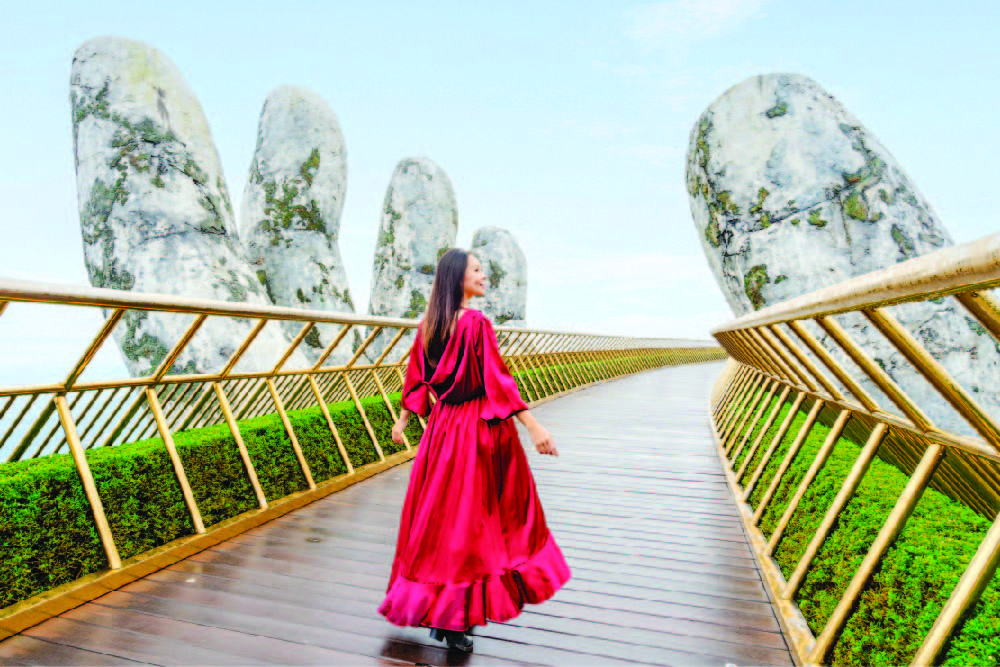
Why visit: Modern, relaxed and beach-focused, Da Nang is a good base for families who want beaches, museums, and day trips to attractions like the Marble Mountains and the Golden Bridge at Ba Na Hills.
Kid-friendly activities: Beach play at My Khe Beach, Vinpearl Land (amusement park) for rides and water play, Son Tra Peninsula for nature drives, and the Dragon Bridge evening show where a dragon breathes fire and water on weekends.
7. Hue (Central Vietnam)
Why visit: Hue offers a quieter, historical experience with imperial citadels, royal tombs and river cruises that can interest older kids learning about history.
Kid-friendly activities: Short boat rides on the Perfume River, cyclo rides in the city, and exploring the citadel’s wide courtyards where children can run and play. Avoid long, repetitive temple tours for younger attention spans—mix history with outdoor play.
8. Nha Trang & Coastal Cities (South Central)
Why visit: Nha Trang is a classic beach destination with a lively seaside promenade and family-friendly resorts. Islands and marine activities are within easy reach.
Kid-friendly activities: Beach days, island hopping to calm coves, snorkeling in shallow reefs, Vinpearl Amusement Park on Hon Tre Island (combining rides, aquarium and water park), and mud baths for curious kids (if age-appropriate).
9. Phu Quoc (Gulf of Thailand)
Why visit: Phu Quoc is one of the best beach islands for families in Vietnam—white sand beaches, shallow waters, family resorts and low-key island vibe.
Kid-friendly activities: Beach play, snorkeling in protected areas, Vinpearl Safari and Amusement Park, and simple island tours. Many resorts provide kids’ clubs, pools with shallow areas, and family bungalows.
10. Mui Ne (Southern Coast)
Why visit: Famous for sand dunes and calmer beaches, Mui Ne offers unique natural landscapes and activities that children often love.
Kid-friendly activities: Sand sledding on the dunes, visiting Fairy Stream (a short, colorful walk through a shallow stream), kite flying on the beach, and relaxing in beachfront family resorts.
11. Mekong Delta (South)
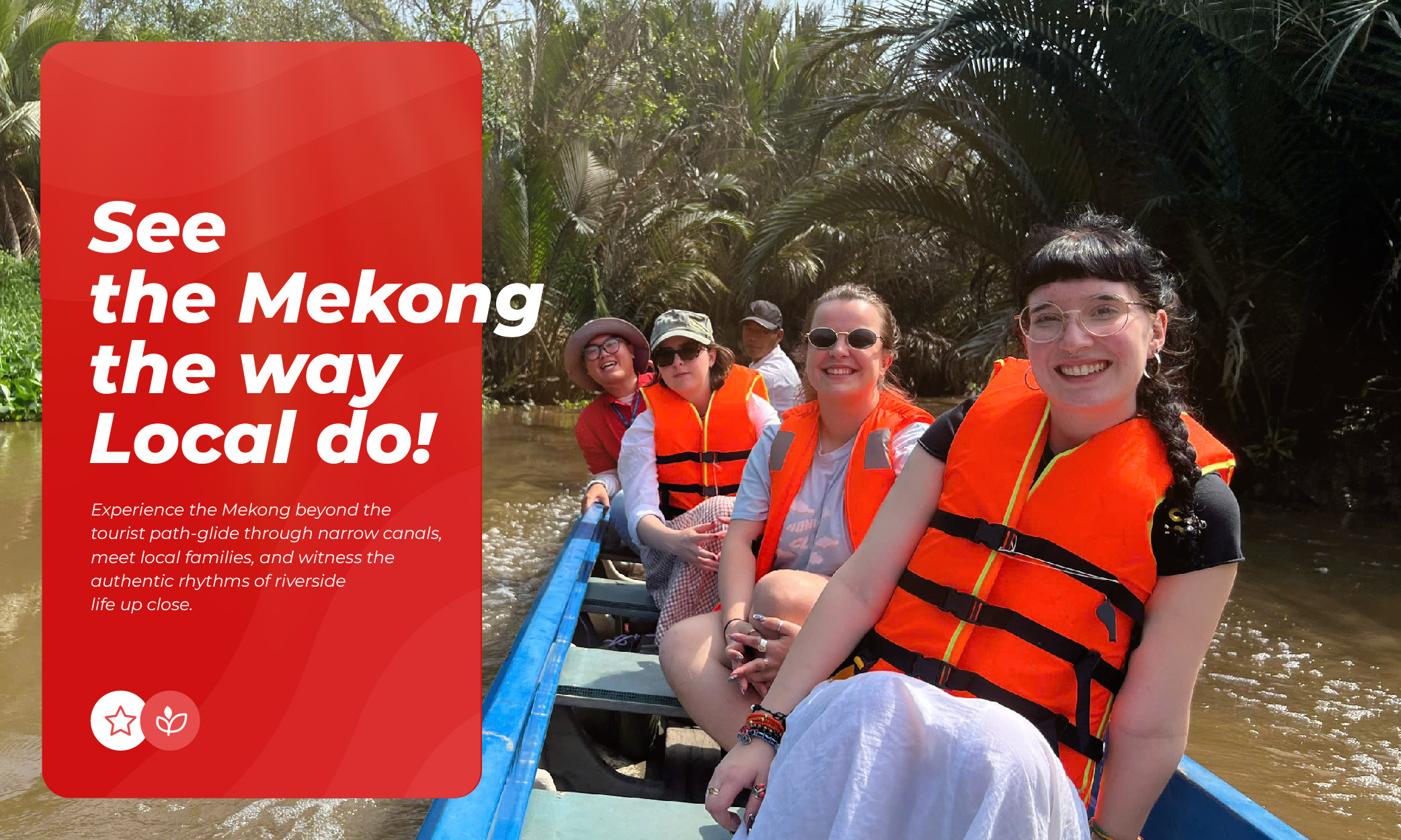
Why visit: The Mekong Delta provides an educational and sensory-rich experience for kids: boat rides, floating markets, fruit orchards and small-scale farming demonstrations.
Kid-friendly activities: Take a day trip to Cai Rang or Cai Be floating markets with short boat rides, visit orchards and coconut candy workshops, and try simple boat rowing with a local guide. Choose short, well-paced tours to avoid overstimulation.
12. Ho Chi Minh City / Saigon (South)
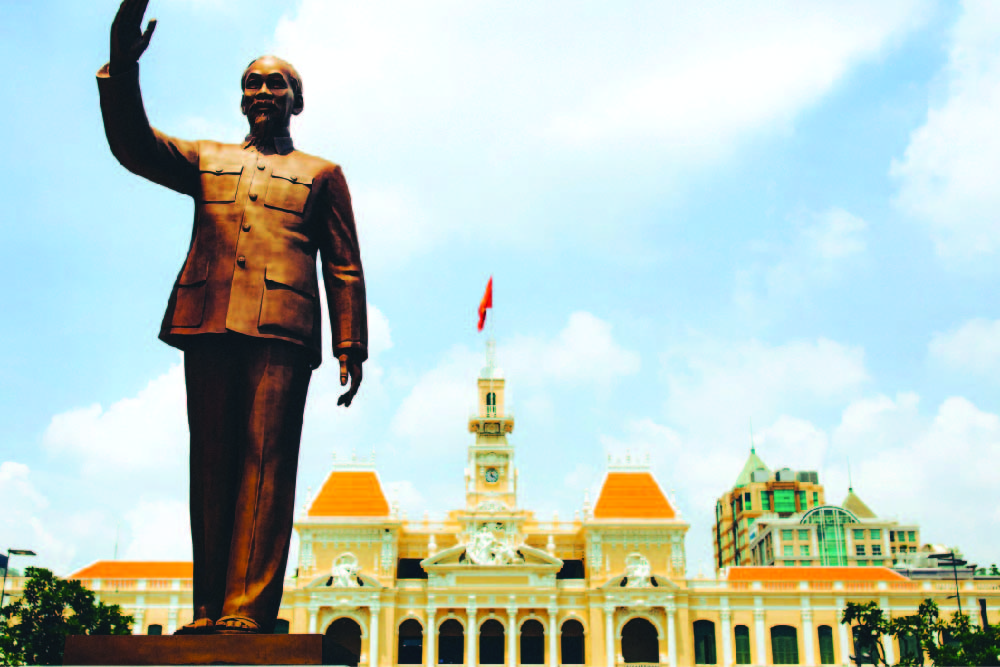
Why visit: Dynamic and modern, Ho Chi Minh City offers museums, parks, rooftop pools, amusement centers and easy access to Cu Chi Tunnels and Mekong Delta day trips.
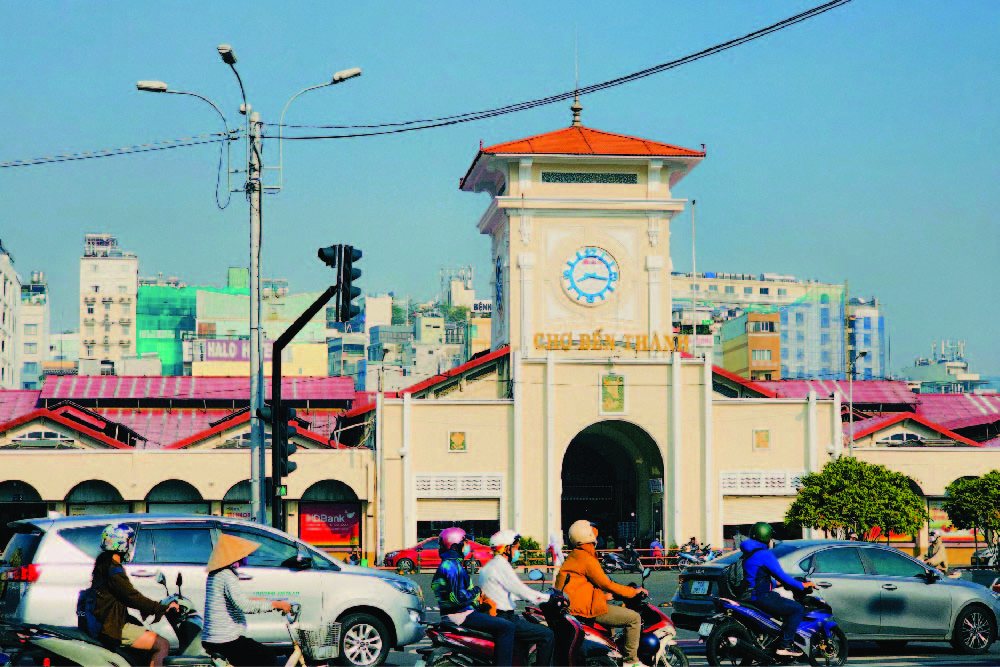
Kid-friendly activities: War Remnants Museum may be too heavy for very young children but older kids can benefit from curated explanations; Saigon Zoo & Botanical Gardens offers a safe outdoor morning visit; take a cyclo ride around District 1, explore Ben Thanh Market for colorful snacks and souvenirs, and spend downtime at family-friendly shopping malls with playgrounds and cinemas.
Sample Family Itineraries
Below are suggested itineraries optimized for families and the keyword “best places to travel with kids in Vietnam”—use them as templates and adapt by pace and interests.
7-Day Family Itinerary (Best for first-time visitors with kids)
- Day 1: Arrive in Hanoi, easy afternoon exploring Hoan Kiem Lake and water puppet show.
- Day 2: Morning at Vietnam Museum of Ethnology; afternoon train/short flight to Halong Bay or Van Don for an overnight cruise (alternative: day trip for shorter lines).
- Day 3: Return to Hanoi, overnight train or flight to Da Nang; transfer to Hoi An.
- Day 4: Hoi An exploration—lantern-making or family cooking class, beach afternoon.
- Day 5: Day trip to My Son Sanctuary or free beach day.
- Day 6: Flight to Ho Chi Minh City, afternoon at zoo or park for kids.
- Day 7: Mekong Delta day trip with short boat rides; evening departure.
10-Day Family Itinerary (Balanced pace with beaches and culture)
- Days 1–2: Hanoi, Museum and water puppet show.
- Days 3–4: Halong Bay overnight cruise (choose a child-friendly operator).
- Days 5–7: Fly to Da Nang, transfer to Hoi An—beaches, lanterns, cooking class.
- Day 8: Transfer to Hue for a relaxed historical day (short, child-friendly tours).
- Days 9–10: Fly to Phu Quoc or Nha Trang for two beach days before flying home.
14-Day Family Itinerary (Comprehensive family trip)
- Days 1–3: Hanoi and Ninh Binh day trip (boat rides, cycling).
- Days 4–5: Halong Bay cruise (2-day overnight) or Lan Ha Bay for quieter waters.
- Days 6–8: Fly to Da Nang, Hoi An for culture, beach and family activities.
- Days 9–10: Hue or Ba Na Hills day trip from Da Nang (Golden Bridge via cable car for panoramic views).
- Days 11–14: Fly south to Phu Quoc or Nha Trang for beach relaxation and marine parks; finish in Ho Chi Minh City for city sights and the Mekong Delta.
How to Choose the Best Places to Travel with Kids in Vietnam for Your Family
Choosing the right mix of destinations depends on your children’s ages, energy levels, and interests. Here are considerations:
- Under 5 years: Favor short transfers, beach stays and gentle boat rides (Phu Quoc, Halong day trips, Hoi An, Nha Trang).
- 5–10 years: Mix beaches with interactive activities like cooking classes, bike rides and easy hikes (Hoi An, Ninh Binh, Da Nang).
- 11+ years: Older kids can handle longer hikes and cultural depth—consider Sapa treks, longer cruises and historical tours (Sapa, Hue, Cu Chi Tunnels).
- Travel pace: Avoid back-to-back long travel days. If flying domestically, choose direct flights when possible. Trains can be fun for kids if you book comfortable cabins.
Practical Tips for Family Travel in Vietnam

Booking and transportation
- Domestic flights: Vietnam has many low-cost carriers; book early for the best fares and choose family-friendly flight times. Pack a few snacks and entertainment for kids.
- Trains: Overnight trains between Hanoi and Lao Cai (Sapa) can be a fun experience; buy soft sleepers and request lower berths for safety and comfort.
- Road transfers: For intercity transfers, private cars with drivers are recommended for families with young children; seat belts may vary—bring a travel car seat if your child needs one.
- Boats and cruises: Use reputable companies for Halong Bay and Mekong Delta trips. Ensure life jackets are available and that you understand on-board safety procedures.
Accommodation
- Choose family rooms, adjoining rooms or apartments when possible to give space. Resorts with pools are a great option for downtime.
- Look for kid amenities like cots, baby-proofing on request, kids’ menus, and laundry services.
Food and water safety
- Drink bottled water and use it for brushing teeth. Avoid street food that appears uncooked or served on unsanitary surfaces for young children.
- Many restaurants will cook milder versions of spicy dishes. Carry simple snacks children prefer (crackers, dried fruit) when touring remote areas.
Safety, Health and Practical Advice
Health precautions
- Vaccinations: Check routine childhood vaccinations and consult a travel clinic for recommended vaccines before visiting. Hepatitis A and typhoid are commonly recommended for travel to Vietnam.
- Medical care: Major cities have good private hospitals and clinics. Carry a basic first-aid kit with medications for fever, upset stomach, and minor cuts. Bring supplies for common needs like insect repellent and sunscreen.
Safety tips
- Traffic: Always hold hands with younger children when crossing roads. Use pedestrian crossings and consider stroller harnesses in busy areas.
- Water safety: Supervise children closely near water—beaches, pools, and boat decks. Ask about tidal conditions and currents at beaches.
- Sun protection: The sun can be strong—use hats, sunscreen and hydrate often.
Practical Packing Checklist for Families
Essentials for a family trip to Vietnam:
- Passports, copies and travel insurance documents including coverage for children.
- Lightweight clothing, sun hats, sunglasses and swimwear.
- Comfortable walking shoes and sandals.
- Basic first-aid kit, any prescription medication, child-size fever reducer, rehydration salts, motion-sickness medication if needed.
- Travel car seat or booster if required, stroller for younger children, baby carrier for narrow streets or trails.
- Reusable water bottles (fill with bottled water), snacks, and wet wipes for quick clean-ups.
- Portable entertainment (books, small toys, tablet with headphones) for flights and transfers.
Eating with Kids: Vietnamese Food for Families
Vietnamese cuisine has many simple, fresh dishes children usually enjoy: pho (noodle soup), banh mi (adjust spice), fresh spring rolls, rice porridge (chao), grilled chicken or fish with rice, fried rice and fresh fruits. Most restaurants will adjust spice and salt to suit children. Look for vegetarian options, and keep an eye on hygiene when dining street-side.
Family-Friendly Tours and Experiences
When searching for tours, choose operators who advertise family-friendly options and shorter durations. Good family experiences include:
- Short guided sampan rides in Ninh Binh and Mekong Delta.
- Family cooking classes (many schools welcome kids and tailor dishes for them).
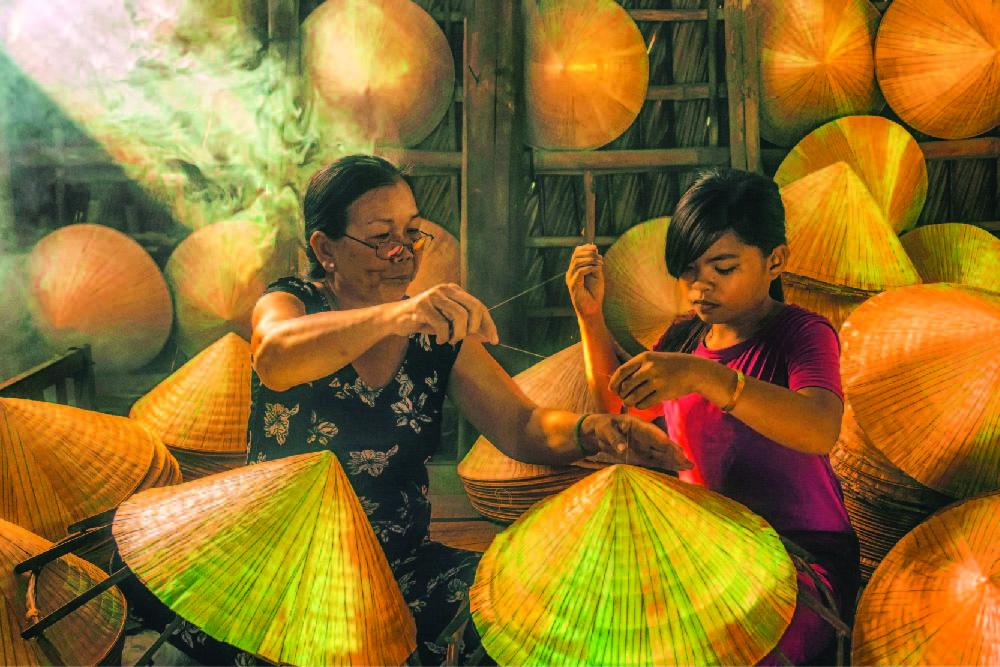
- Lantern-making workshops in Hoi An and simple craft classes.
- Animal and wildlife interactions at responsibly managed parks like Vinpearl Safari (check animal welfare standards).
- Beach resorts offering kids’ clubs and supervised activities for parents seeking downtime.
Budget Tips for Families
Vietnam is budget-friendly, but traveling with children increases costs. Tips to save:
- Eat street food at trusted stalls for cheap meals—choose busy stalls with fresh food and good turnover.
- Book accommodations with kitchens or refrigerators to prepare simple meals and store snacks.
- Use public transport in cities where safe and convenient; Grab rides can be economical for families on short trips.
- Travel off-peak for lower airfares and hotel rates, and consider booking longer stays for discounts.
Accessibility and Traveling with Babies or Toddlers
Vietnam’s infrastructure varies. Urban centers and major resorts are more accessible, but narrow sidewalks, uneven pavements and crowded markets can be challenging with strollers. A lightweight, foldable stroller and a baby carrier are both useful. Bring enough diapers and baby formula if your child has specific brands; certain brands are available in larger cities but may be limited in rural areas.
Culture and Respectful Travel with Children
Teach children simple local customs: greeting with a smile, removing shoes before entering some homes or temples, dressing modestly when visiting sacred sites, and asking before taking photographs of people. Encourage kids to try new foods and learn basic Vietnamese phrases—kids often get warm responses when they try the language.
Best Time to Travel with Kids in Vietnam
Vietnam’s climate varies by region. Consider these general guidelines:
- North (Hanoi, Sapa, Halong): Spring (March–May) and autumn (September–November) offer mild weather. Winters can be cold in the north—pack layers.
- Central (Hoi An, Da Nang, Hue): February to August is generally pleasant. Typhoon season (September–November) can bring rain and disruption.
- South (Ho Chi Minh City, Mekong Delta, Phu Quoc): Dry season from December to April is ideal for beaches and outdoor activities.
Frequently Asked Questions (FAQs)
Is Vietnam safe for families with kids?
Yes—Vietnam is generally safe for families. Common-sense precautions apply: supervise children near traffic and water, use reputable transport providers, and secure valuables. Health care is good in major cities; travel insurance is recommended.
What vaccinations do children need for Vietnam?
Standard childhood vaccinations should be up to date. Consult a travel clinic for boosters and recommended vaccines such as Hepatitis A and typhoid. For infants, follow pediatric guidance before travel.
Are there many child-friendly accommodations?
Major cities and tourist centers offer many family-friendly hotels and resorts with pools, family rooms and kids’ services. Rural areas have comfortable homestays but may lack baby-proofing—ask ahead.
Can I drink tap water in Vietnam?
No—drink bottled or filtered water. Use bottled water for brushing teeth to be safe. Many hotels provide filtered water or offer bottled water for purchase.
How long should a first family trip to Vietnam be?
For a relaxed first trip, 7–10 days is a good start to sample highlights (Hanoi, Halong or Ninh Binh, Hoi An, and a southern beach or Ho Chi Minh City). For a deeper experience, plan 2 weeks to include the north and south at a comfortable pace.
Final Thoughts: Planning the Best Places to Travel with Kids in Vietnam
Vietnam offers a range of family-friendly experiences, from calm beaches and amusement parks to cultural workshops, scenic boat rides and interactive museums. The best places to travel with kids in Vietnam depend on your family’s pace, interests and the ages of your children—Hoi An, Phu Quoc, Ninh Binh, Halong Bay, and Hanoi are consistently family-friendly picks. Planning ahead, choosing family-focused accommodations and tours, pacing travel days, and packing with local conditions in mind will help ensure a memorable family holiday.
Use this guide to pick the right destinations and design an itinerary that keeps kids engaged, rested and excited. Vietnam’s warmth, colors, tastes and experiences make it an excellent choice for families seeking adventure, culture and relaxation together.