
If you’re mapping out a trip to Hanoi, Ha Long Bay, Sapa, or Ninh Binh in August, weather will shape almost every decision you make — from what you pack to which days you save for outdoor adventures versus museums and food tours. August sits in the heart of Northern Vietnam’s summer monsoon season, which means hot temperatures, high humidity, and a real chance of rain almost every day.
That doesn’t mean August is a bad time to visit. It means you need to plan smarter. This guide breaks down exactly what to expect region by region, how typhoon season factors in, and how to build an itinerary that works with the weather instead of against it.
Quick answer: Northern Vietnam weather in August at a glance
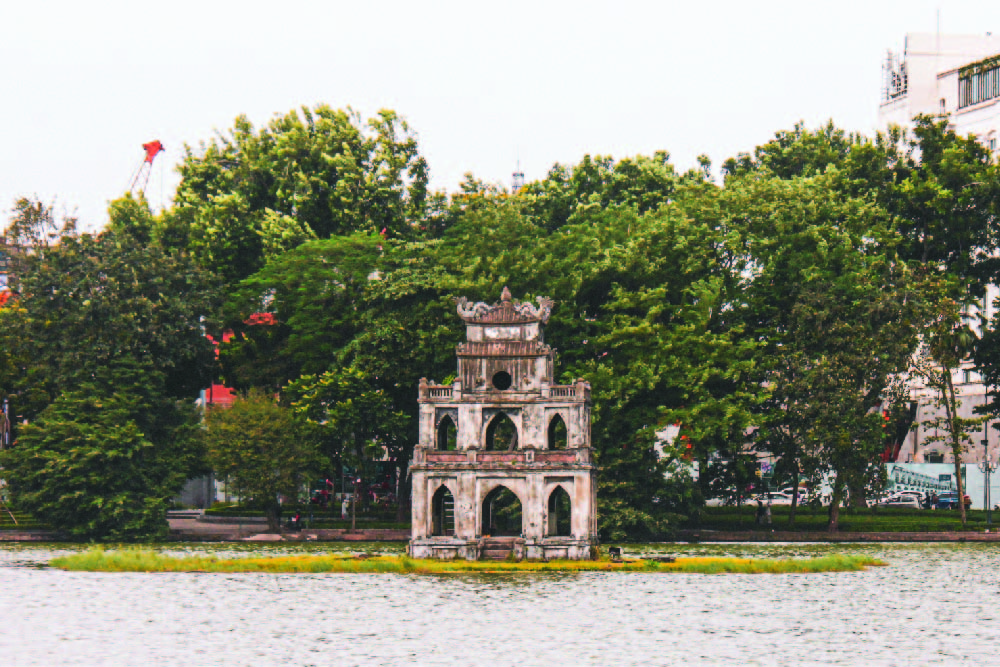
| Factor | What to Expect |
|---|---|
| Average temperature | 27°C–34°C (81°F–93°F) |
| Humidity | 80–90% |
| Rainfall | High — one of the wettest months of the year |
| Typhoon risk | Elevated (peak season is July–September) |
| Sea conditions (Ha Long Bay) | Can be choppy; occasional cruise cancellations |
| Sapa & mountain areas | Cooler, but frequent mist and afternoon rain |
| Best time of day to plan activities | Morning, before afternoon thunderstorms roll in |
Now let’s look at what this means for each destination.
Understanding why August is so wet in Northern Vietnam
Northern Vietnam has a tropical monsoon climate with two clearly defined seasons: a hot, rainy season from May to October, and a cooler, drier season from November to April. August falls squarely in the rainy season, driven by the southwest monsoon that pulls moisture in from the Gulf of Tonkin and the South China Sea.
This is also the peak of Vietnam’s typhoon season, which typically runs from June through November, with the highest concentration of storms hitting the northern and central coast between July and September. Tropical depressions and typhoons that form in the western Pacific frequently make landfall or pass near northern Vietnam during this window, bringing intense but usually short bursts of heavy rain, strong winds, and occasionally rough seas.
The upside: rain in August is rarely an all-day event. Most days follow a predictable pattern — sunny or partly cloudy mornings, building humidity through midday, and a heavy downpour in the afternoon or evening that clears within an hour or two. Travelers who structure their days around this rhythm tend to have a much smoother experience than those who don’t.
Hanoi Weather in August
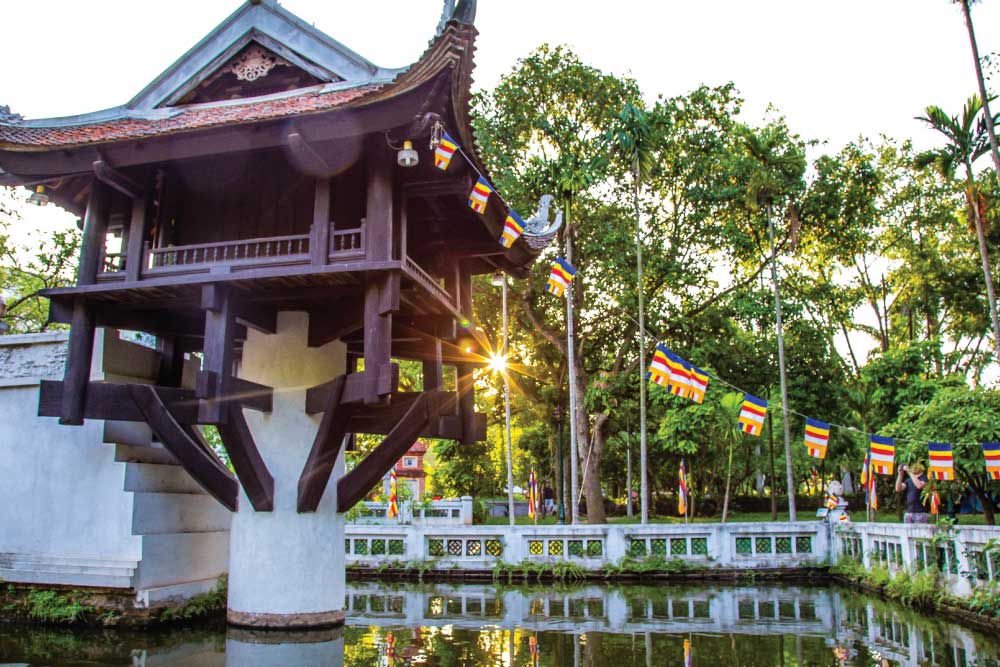
Hanoi in August is hot, humid, and lush — the city’s parks and lakes are at their greenest, and the atmosphere has an energetic, tropical feel.
Typical conditions:
- Average high: 32–34°C (90–93°F)
- Average low: 25–26°C (77–79°F)
- Rainfall: 300–350mm across the month, among the highest of any month
- Rainy days: Roughly 15–18 days with measurable rainfall
- Humidity: Frequently above 85%
What this means for your trip: Expect warm, sticky mornings that are ideal for exploring the Old Quarter, Hoan Kiem Lake, and the Temple of Literature before the midday heat peaks. Afternoon downpours are common and can be intense, but they’re usually brief. Street flooding can occur in low-lying areas of the Old Quarter after the heaviest storms, so waterproof footwear is worth packing.
Indoor attractions like the Vietnam Museum of Ethnology, the Hoa Lo Prison Museum, and Hanoi’s many cafés and cooking classes make excellent backup plans for the rainiest hours of the day.
Ha Long Bay weather in August
Ha Long Bay’s weather in August is defined by warm water, dramatic skies, and the possibility of storm-related cruise adjustments.
Typical conditions:
- Average temperature: 28–32°C (82–90°F)
- Sea temperature: Warm, around 28–30°C — excellent for swimming
- Rainfall: Frequent afternoon and evening showers
- Typhoon sensitivity: This is the region most affected by tropical storm activity in the north
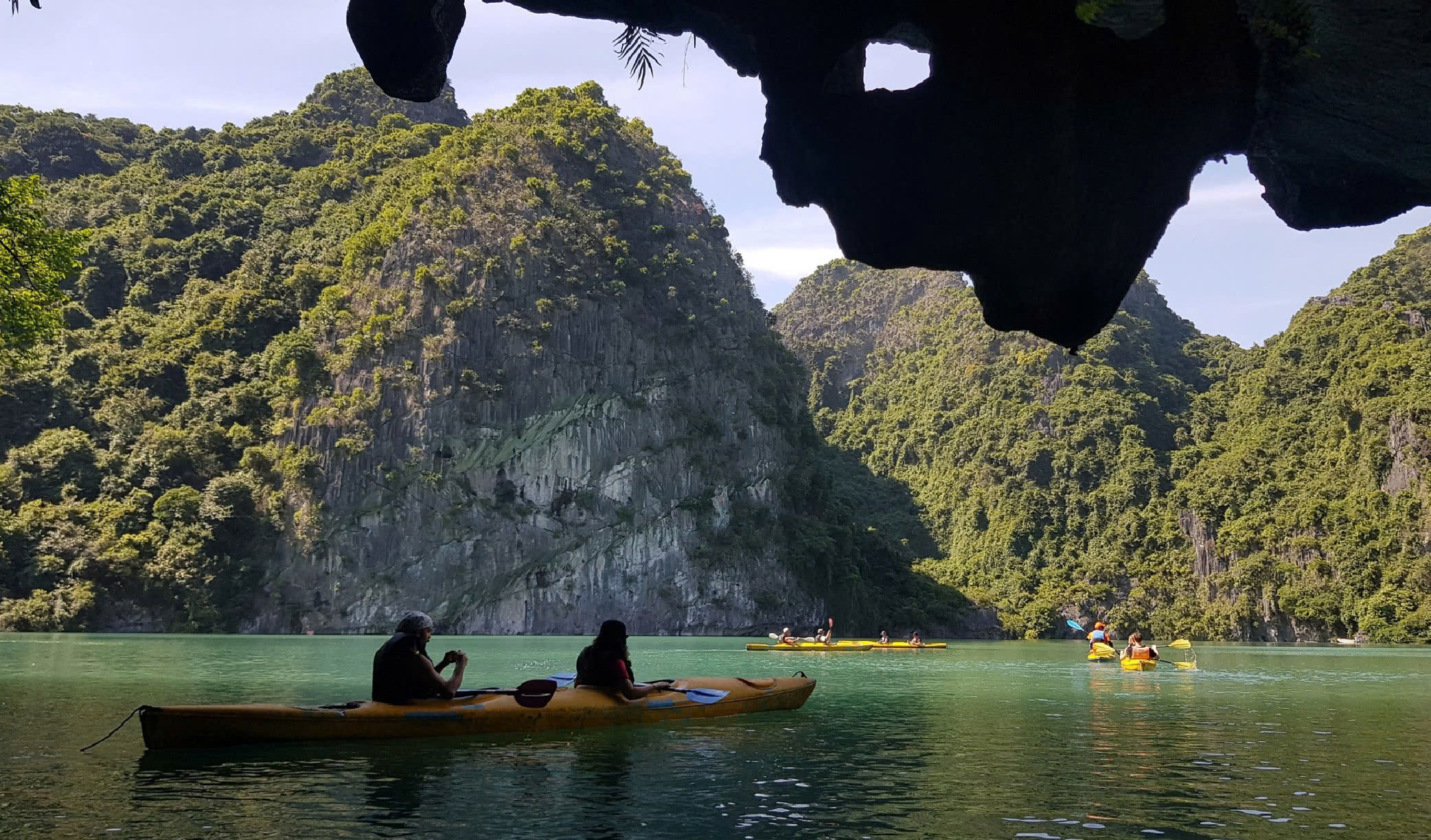
What this means for your trip: Cruises generally continue to operate through light rain, and many travelers find that misty, moody skies over the limestone karsts make for stunning, atmospheric photography. However, when a typhoon or strong tropical depression is forecast, cruise operators may adjust routes, delay departures, or in rare cases cancel sailings for passenger safety.
Practical tip: Book Ha Long Bay cruises with operators that have clear, traveler-friendly rebooking or refund policies for weather-related cancellations, and build a one-day buffer into your itinerary if possible so a delay doesn’t derail your whole trip.
Sapa Weather in August
Sapa, sitting at roughly 1,500 meters elevation in Lao Cai Province, is noticeably cooler than the lowlands, but it comes with its own weather quirks in August.
Typical conditions:
- Average high: 24–27°C (75–81°F)
- Average low: 18–20°C (64–68°F)
- Rainfall: Very high — August is one of Sapa’s wettest months
- Mist and cloud cover: Frequent, especially in early morning and late afternoon
- Trail conditions: Can be muddy and slippery after heavy rain
What this means for your trip: Sapa’s terraced rice fields are at their most vivid green in August, which is a major draw for photographers and trekkers despite the rain. That said, trekking routes through Cat Cat, Lao Chai, and Ta Van villages can become slick, and river crossings may be higher than usual after storms.
Practical tip: Choose a reputable local trekking guide who monitors trail and weather conditions daily, wear proper hiking shoes with grip, and build flexibility into multi-day treks in case a guide recommends rerouting around a particularly muddy section.
Ninh Binh Weather in August
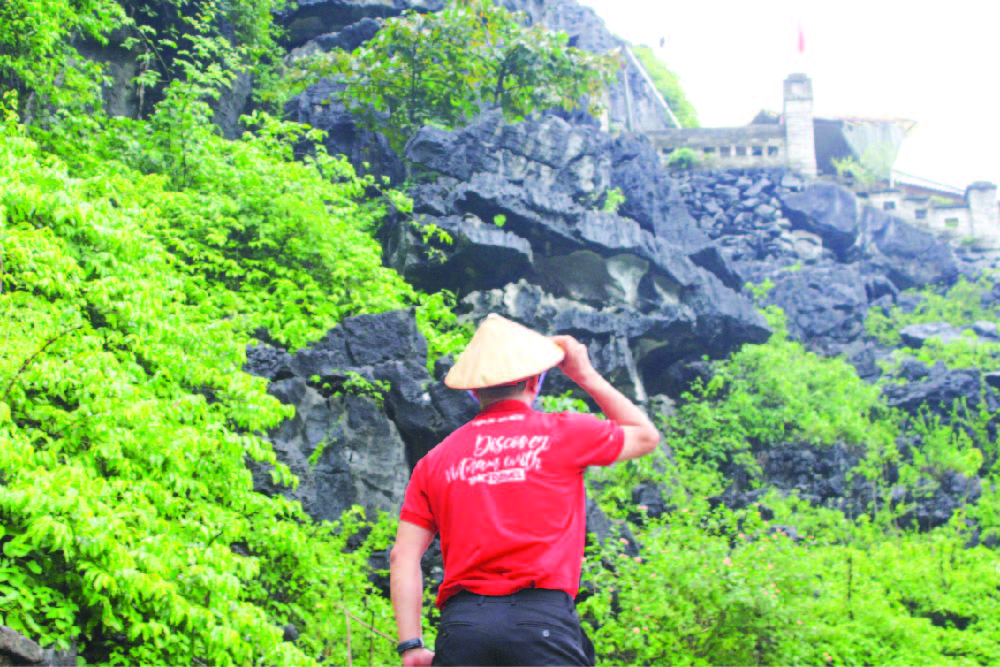
Ninh Binh, home to Tam Coc, Trang An, and Hoa Lu, shares a similar climate profile to Hanoi given its relatively close proximity and lowland geography.
Typical conditions:
- Average high: 32–33°C (90–91°F)
- Average low: 25°C (77°F)
- Rainfall: High, with frequent afternoon storms
- River levels: Can rise noticeably after heavy rain, affecting boat routes through Trang An and Tam Coc
What this means for your trip: Boat tours through Trang An’s limestone caves and Tam Coc’s rice paddies are usually still enjoyable in August, though early morning departures are best to avoid both the heat and the afternoon rain. Rowers navigating the caves may adjust routes slightly if water levels rise significantly.
Ha Giang and Cao Bang: The mountainous far North

Travelers heading further north to Ha Giang Loop or Cao Bang (home to Ban Gioc Waterfall) should note that August is peak waterfall season — rivers are full and Ban Gioc Waterfall is at its most powerful and photogenic. However, this region sees some of the heaviest rainfall in the country during August.
What this means for your trip: Mountain roads on the Ha Giang Loop can be affected by landslides or reduced visibility during heavy storms. Motorbike travelers should check local conditions daily and consider building in rest days. This is a trip best done with an experienced local guide or driver familiar with current road conditions, especially in August.
Typhoon season: What travelers should actually do about it
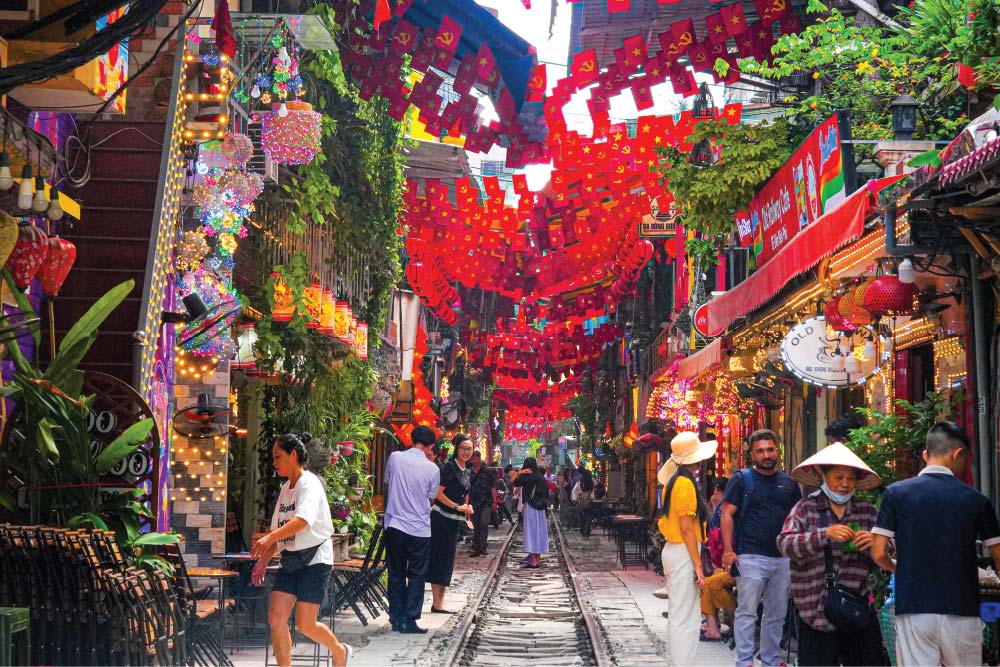
Typhoon risk is the single most important weather factor to understand about visiting Northern Vietnam in August. Here’s a realistic breakdown:
- Frequency: Northern Vietnam typically sees a handful of tropical storms or typhoons make direct or near-direct impact each season, with landfalls concentrated between July and September.
- Duration of impact: Most storm-related disruption lasts one to three days — heavy rain, strong wind, and rough seas — followed by a return to typical monsoon conditions.
- What actually gets affected: Ha Long Bay cruises and flights are the most commonly disrupted activities. Inland attractions like Hanoi, Ninh Binh, and Sapa are far less likely to see major disruption beyond heavy rain.
Recommended approach for travelers:
- Monitor forecasts starting 5–7 days before departure using a reliable source such as the U.S. National Hurricane Center’s Pacific tracking or local Vietnamese meteorological services.
- Avoid booking single-day, non-flexible Ha Long Bay cruises if traveling during a period with an active storm warning — opt for operators with flexible rescheduling.
- Build one buffer day into multi-city itineraries so a delayed flight or cruise doesn’t cause a cascade of missed connections.
- Trust local guides and tour operators — Vietnamese tour companies track storm developments closely and will proactively reschedule activities for safety.
Pros and cons of visiting Northern Vietnam in August
Advantages
- Lush, vivid landscapes: Rice terraces in Sapa and the countryside around Ninh Binh are at peak green.
- Fewer crowds than peak season: August falls outside the busiest Vietnam tourist months (which cluster around October–April), meaning better rates and more availability at popular hotels.
- Warm sea temperatures: Ha Long Bay swimming and kayaking conditions are excellent when weather cooperates.
- Dramatic scenery: Misty mountains and storm-lit skies create striking photography opportunities.
Challenges
- Unpredictable rain: Outdoor plans need built-in flexibility.
- Typhoon disruption risk: Occasional cruise or flight delays.
- High humidity: Can be physically tiring, especially for trekking.
- Muddy trekking conditions: Particularly in Sapa and Ha Giang.
What to pack for Northern Vietnam in August

- Lightweight, quick-dry clothing (breathable fabrics over cotton)
- A compact, sturdy travel umbrella or lightweight rain jacket
- Waterproof or quick-dry footwear for city walking
- Proper grip hiking shoes for Sapa or Ha Giang trekking
- A dry bag or waterproof phone pouch for boat trips and treks
- Reusable water bottle — dehydration risk is high in the humidity
- Light sun protection (sunscreen, hat) for the sunnier morning windows
- A change of clothes packed in your day bag in case of sudden downpours
How to structure your itinerary around August weather
The single most effective strategy for an August trip to Northern Vietnam is sequencing activities around the daily weather pattern rather than fighting it:
- Early morning (6:00–10:00 AM): Typically the clearest window of the day. Schedule outdoor sightseeing, trekking departures, and boat tours here.
- Midday (10:00 AM–2:00 PM): Heat and humidity peak. Good time for indoor museums, markets with covered areas, spa visits, or a relaxed lunch.
- Afternoon (2:00–6:00 PM): Highest likelihood of rain. Keep flexible plans, indoor backups, or simply enjoy a café culture break — a very authentic Hanoi experience in its own right.
- Evening: Skies frequently clear, making this a good window for night markets, water puppet shows, or rooftop dining.
Is August a good time to visit Northern Vietnam?
August rewards travelers who value lush scenery, lower crowds, and don’t mind adjusting plans around an afternoon shower. It is not the ideal month for travelers who want guaranteed sunny days for extended outdoor trekking, or who have zero flexibility in their schedule.
If your primary goal is dry, cool weather for trekking in Sapa or Ha Giang, the shoulder months of March–April or September–November are generally more reliable. If your travel dates are fixed to August, the destinations above remain fully worth visiting — the key is designing an itinerary with built-in flexibility rather than a rigid, weather-dependent schedule.
Frequently asked questions
Is it safe to travel to Northern Vietnam during typhoon season? Yes, with sensible planning. Most storms cause short-term disruption rather than trip-ending danger. Choosing flexible tour operators and monitoring forecasts a week out significantly reduces risk.
Will my Ha Long Bay cruise be cancelled due to rain in August? Light to moderate rain rarely cancels a cruise. Cancellations typically only occur when authorities issue official storm warnings restricting boat traffic for safety, which reputable operators will communicate in advance with rebooking options.
Is Sapa trekking possible in August? Yes, but expect muddy trails and occasional visibility-limiting mist. Trekking with an experienced local guide who can adjust routes based on daily conditions is strongly recommended.
What is the rainiest region in Northern Vietnam in August? The far northern mountainous provinces, including Ha Giang and Sapa, tend to see the heaviest total rainfall, while Hanoi and Ninh Binh see slightly less but still substantial precipitation.
Should I avoid Northern Vietnam entirely in August? Not necessarily. Many travelers successfully visit in August by prioritizing morning activities, staying flexible with cruise and trek bookings, and packing appropriately for rain and humidity.
Plan your August trip with local expertise
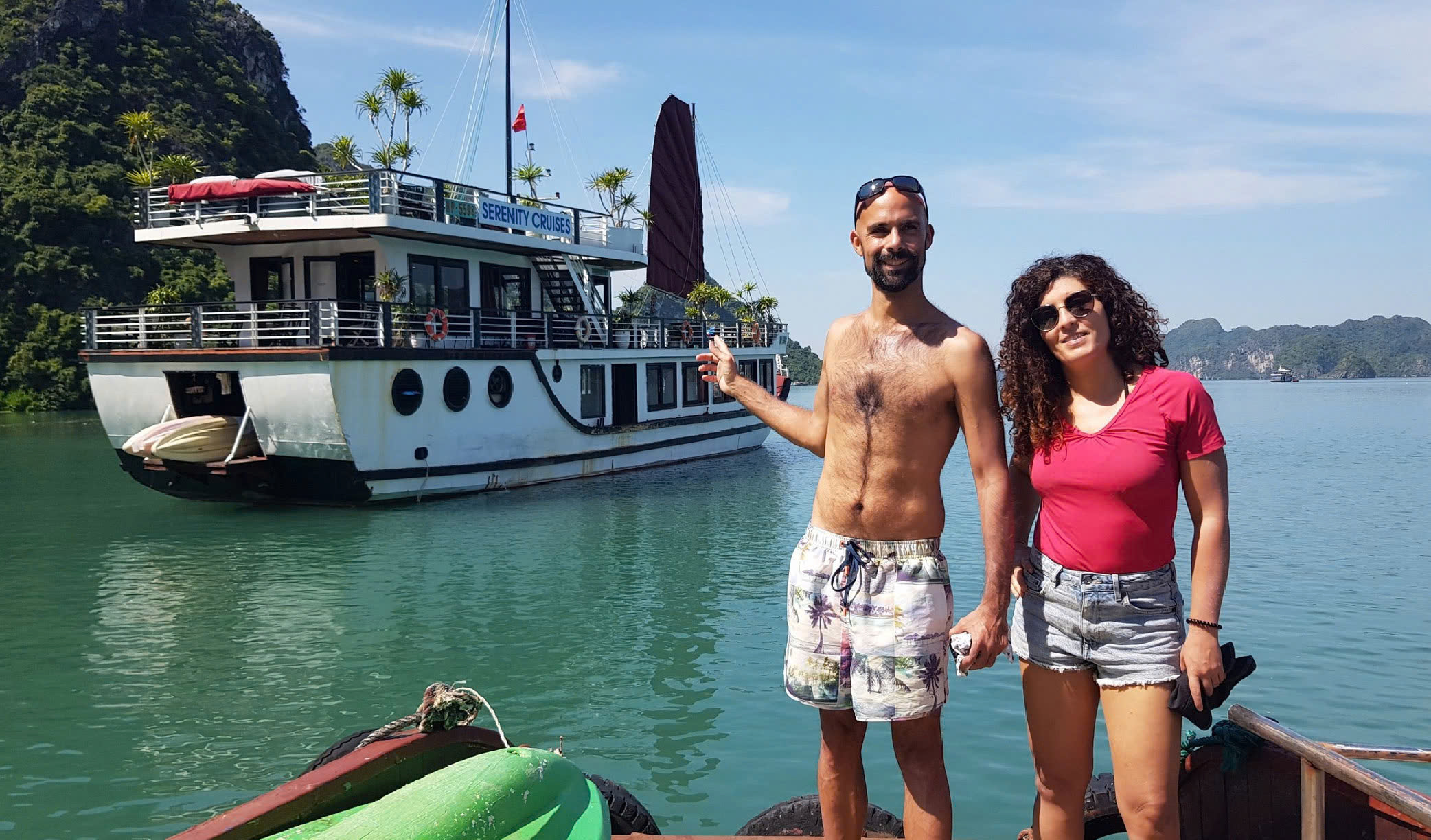
Weather in Northern Vietnam can shift quickly during monsoon season, and the difference between a smooth trip and a frustrating one often comes down to local knowledge — knowing which roads to avoid after heavy rain, which cruise operators handle storm delays professionally, and how to sequence a day so rain becomes a minor inconvenience rather than a trip-ruining event.
At TNK Travel Group, our itineraries for Hanoi, Ha Long Bay, Sapa, and Ninh Binh are built with seasonal flexibility in mind, backed by on-the-ground guides who monitor conditions daily. If you’re planning a trip during August or any month of the rainy season, we can help you build an itinerary designed to make the most of it — rain or shine.
Explore our [Northern Vietnam tour packages] or get in touch for a custom itinerary tailored to your travel dates.