Vietnamese cuisine ranks among the world’s most beloved food cultures, earning recognition from international chefs, food critics, and millions of travelers who have experienced its fresh, vibrant flavors. Understanding which cities offer the best food in Vietnam helps food-focused travelers maximize culinary experiences while exploring this diverse country. From steaming bowls of pho in Hanoi to fresh seafood in coastal towns, each destination showcases unique regional specialties and cooking traditions according to culinary tourism research.
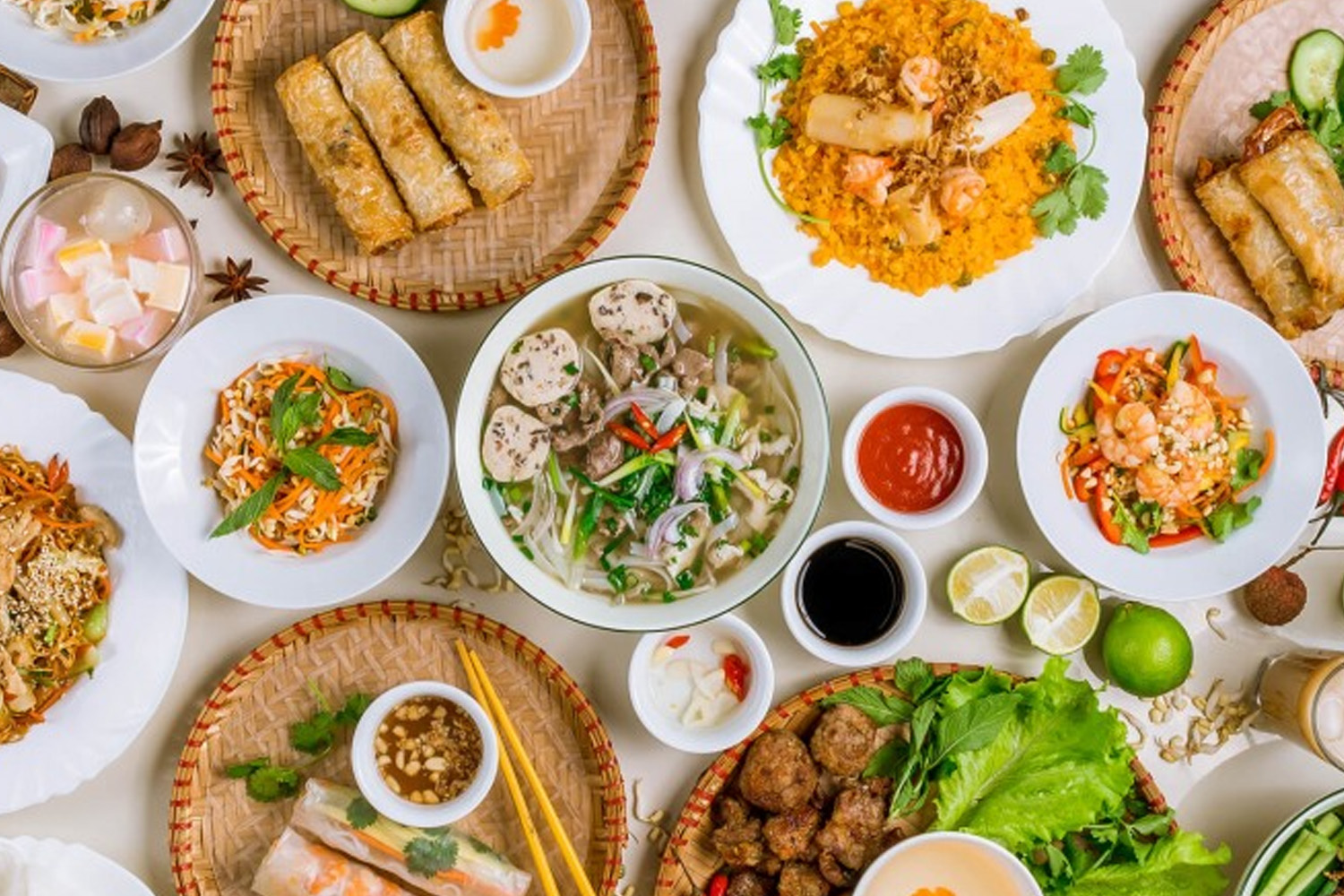
The best food cities in Vietnam offer more than just delicious meals. These destinations offer complete culinary experiences, including bustling street-food scenes, traditional cooking classes, local market tours, and opportunities to understand Vietnamese food culture deeply. The cities featured in this guide combine authentic flavors, diverse dining options, rich food history, and accessible food tourism infrastructure, as identified through destination food analysis.
Vietnamese food culture emphasizes fresh ingredients, balanced flavors, and communal dining, creating memorable eating experiences beyond simple nutrition. The best food cities in Vietnam preserve traditional recipes while embracing culinary innovation. Street food vendors operate alongside modern restaurants, family recipes are passed down through generations, and regional specialties reflect local ingredients and cultural influences in line with Vietnamese culinary traditions.
This comprehensive guide explores the best food cities in Vietnam, highlighting signature dishes, must-try restaurants, street food areas, and practical dining information. The recommendations help food enthusiasts plan culinary journeys, ensuring unforgettable taste experiences across Vietnam’s diverse regions, informed by expert knowledge of food destinations.
Why Vietnam is a paradise for food lovers
Vietnamese cuisine deserves its international reputation, thanks to several factors that create exceptional culinary experiences. Understanding what makes the best food cities in Vietnam special helps travelers appreciate the depth and diversity of this remarkable food culture, according to culinary excellence analysis.
Fresh ingredients and balanced flavors
Vietnamese cooking emphasizes fresh herbs, vegetables, and proteins used at peak ripeness and quality. Markets overflow with vibrant produce picked that morning, creating dishes bursting with natural flavors. The cuisine balances sweet, sour, salty, bitter, and umami in each dish, creating complex, harmonious taste profiles. This emphasis on freshness and balance distinguishes Vietnamese food from neighboring cuisines, as defined by Vietnamese cooking philosophy.
Fresh herbs, including cilantro, mint, basil, and perilla, are used in nearly every dish, adding layers of flavor and aroma. The tropical climate allows year-round vegetable and fruit production, ensuring a steady supply of ingredients. Rice and rice products form the foundation, with noodles, papers, and wrappers appearing throughout Vietnamese cuisine, depending on the characteristics of the ingredients.
Every city has unique dishes.
The best food cities in Vietnam showcase dramatically different regional cuisines shaped by geography, climate, history, and cultural influences. Northern food features subtle, refined flavors, central cuisine embraces bold spicing, and southern cooking adds sweetness and abundant herbs. This regional diversity means food travelers experience new flavors and dishes in each city, reflecting the city’s culinary characteristics.
Each city develops signature dishes that originated locally or achieved perfection there. Hanoi owns pho and bun cha, Hoi An claims cao lau and white rose dumplings, Hue perfected bun bo Hue, and Ho Chi Minh City excels at com tam and banh mi. These local specialties create compelling reasons to visit multiple cities, ranked by the importance of their signature dishes.
Affordable and authentic everywhere
Vietnamese food remains remarkably affordable compared to global destinations. Street food meals cost one to three dollars, while excellent restaurant dining rarely exceeds fifteen dollars per person. This accessibility allows food travelers to eat extensively without budget constraints. The best food cities in Vietnam offer culinary exploration at every price point, catering to food tourism budgets.
The street food culture maintains authenticity with vendors preparing traditional dishes using generations-old recipes and techniques. Family restaurants serve home-style cooking unavailable elsewhere. Even upscale restaurants emphasize authentic Vietnamese flavors over fusion experiments. This commitment to authenticity ensures genuine culinary experiences that preserve Vietnamese food culture.
What to look for: How we chose these cities
Several factors distinguish outstanding food destinations from merely exemplary eating cities. Understanding these elements helps identify the best food cities in Vietnam for different culinary interests, based on evaluation criteria for food destinations.
Signature dishes you can’t miss
The best food cities in Vietnam feature famous signature dishes that originated locally or achieved perfection there. These specialties attract food pilgrims seeking authentic versions of beloved dishes. Cities become known for specific foods, creating essential stops for culinary travelers. The signature dish’s reputation reflects years of culinary refinement and local pride, as indicated by its significance.
Hanoi’s pho and bun cha represent the philosophy of northern Vietnamese cooking. Hoi An’s cao lau exists nowhere else due to unique preparation requirements. Hue’s bun bo showcases the bold spicing of central Vietnamese cuisine. These signature dishes justify visiting specific cities rather than experiencing Vietnamese food elsewhere, according to the dishes themselves.
Street food scenes are worth exploring.
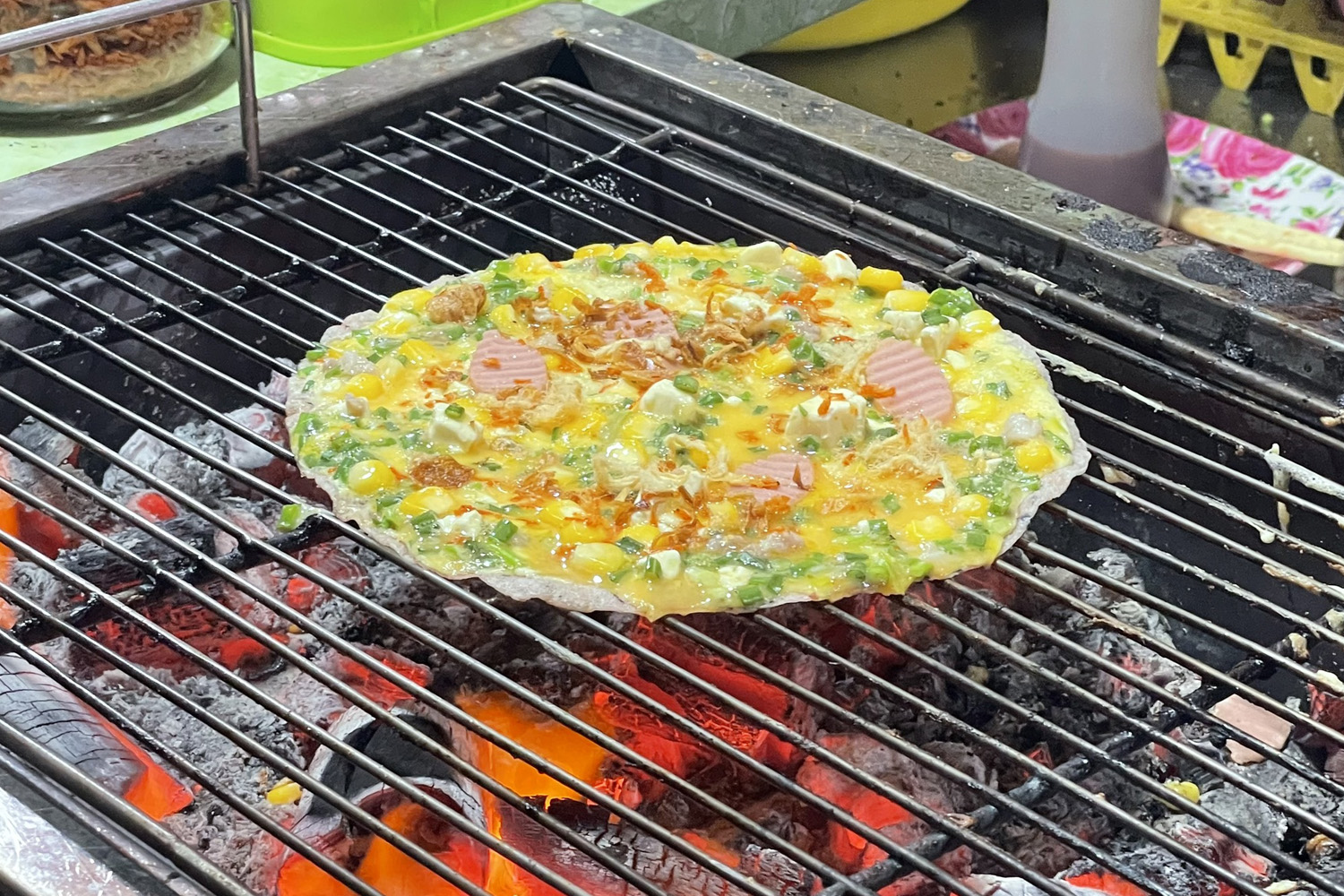
Outstanding food cities maintain active street food cultures where vendors prepare traditional dishes in public spaces. The street food scene offers authentic local flavors, affordable dining, and opportunities for cultural immersion. The best food cities in Vietnam preserve robust street food traditions despite modernization pressures, reflecting the significance of street food.
Walking through food streets observing preparation techniques, smelling cooking aromas, and joining locals at plastic stools creates memorable cultural experiences. Street food offers windows into daily Vietnamese life and food culture unavailable in restaurants. Evening food streets become social gathering places for communities, reflecting the cultural importance of street food.
From markets to restaurants: Dining variety
Great food cities offer variety spanning street stalls to upscale restaurants, traditional eateries to modern fusion, local specialties to international cuisines. This diversity accommodates a range of budgets, comfort levels, and culinary curiosities. The best food cities in Vietnam offer comprehensive dining options, allowing food exploration across price ranges and atmosphere preferences, with variety as the primary factor.
Morning markets showcase ingredient quality and offer breakfast options. Lunch spots serve quick meals to working crowds. Evening streets fill with dinner vendors and late-night snacks. High-end restaurants reinterpret traditional dishes with modern techniques. This range ensures satisfying eating, regardless of mood or budget, through diverse dining benefits.
Hanoi: Pho capital and street food heaven
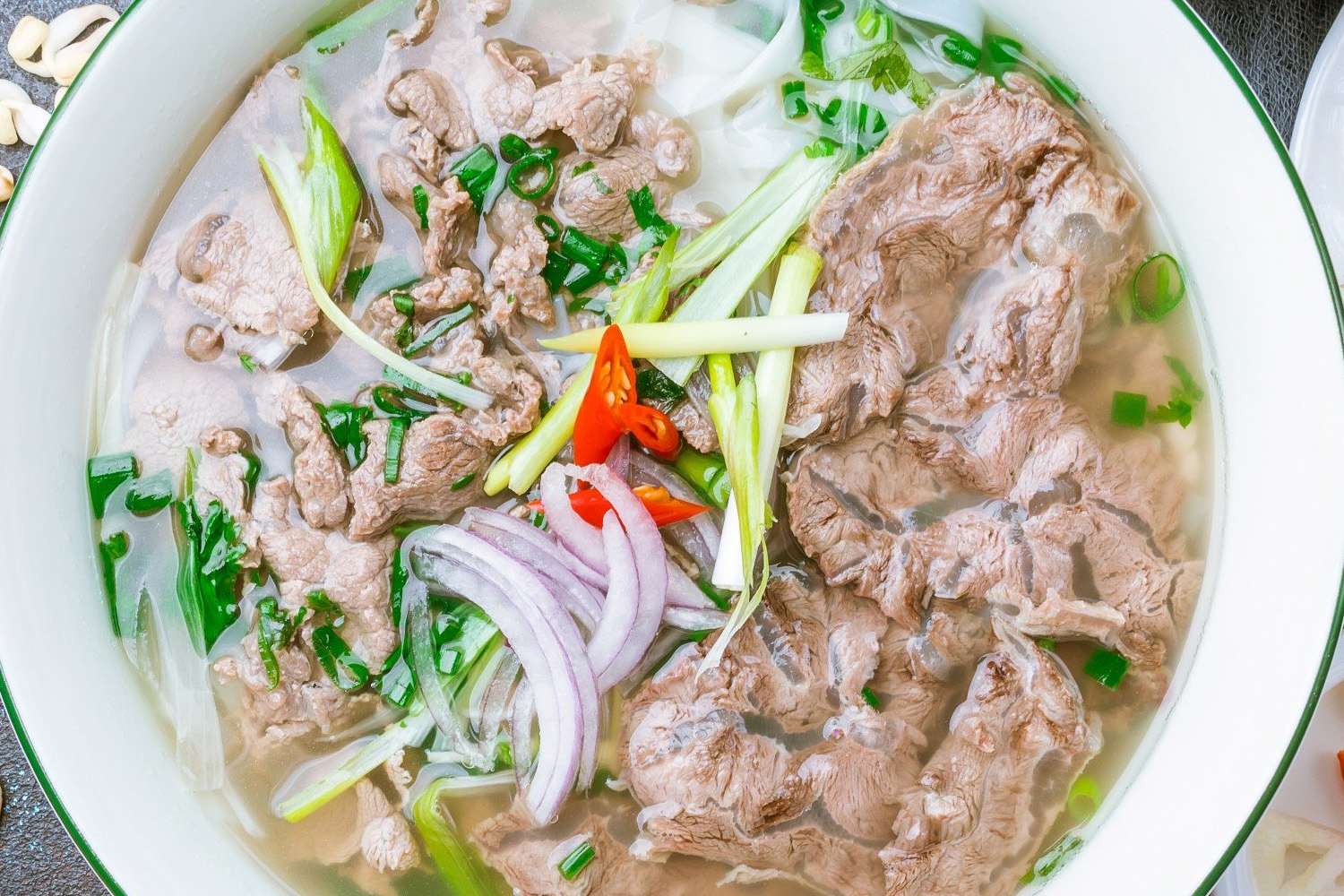
Hanoi ranks among the best food cities in Vietnam for travelers seeking authentic northern Vietnamese cuisine and incredible street food experiences. The thousand-year-old capital preserves culinary traditions while maintaining one of Asia’s most vibrant street food scenes, according to Hanoi’s food reputation.
Must-try dishes: Pho, bun cha, and more
Pho originated in Hanoi, and the capital serves the most authentic versions featuring delicate, clear broth, rice noodles, and thinly sliced beef or chicken. Northern pho emphasizes the purity of the broth with minimal garnishes, unlike southern interpretations. The broth requires hours of simmering beef bones with spices, creating complex, subtle flavors. Trying pho in its birthplace is an essential Hanoi culinary experience, given its significance.
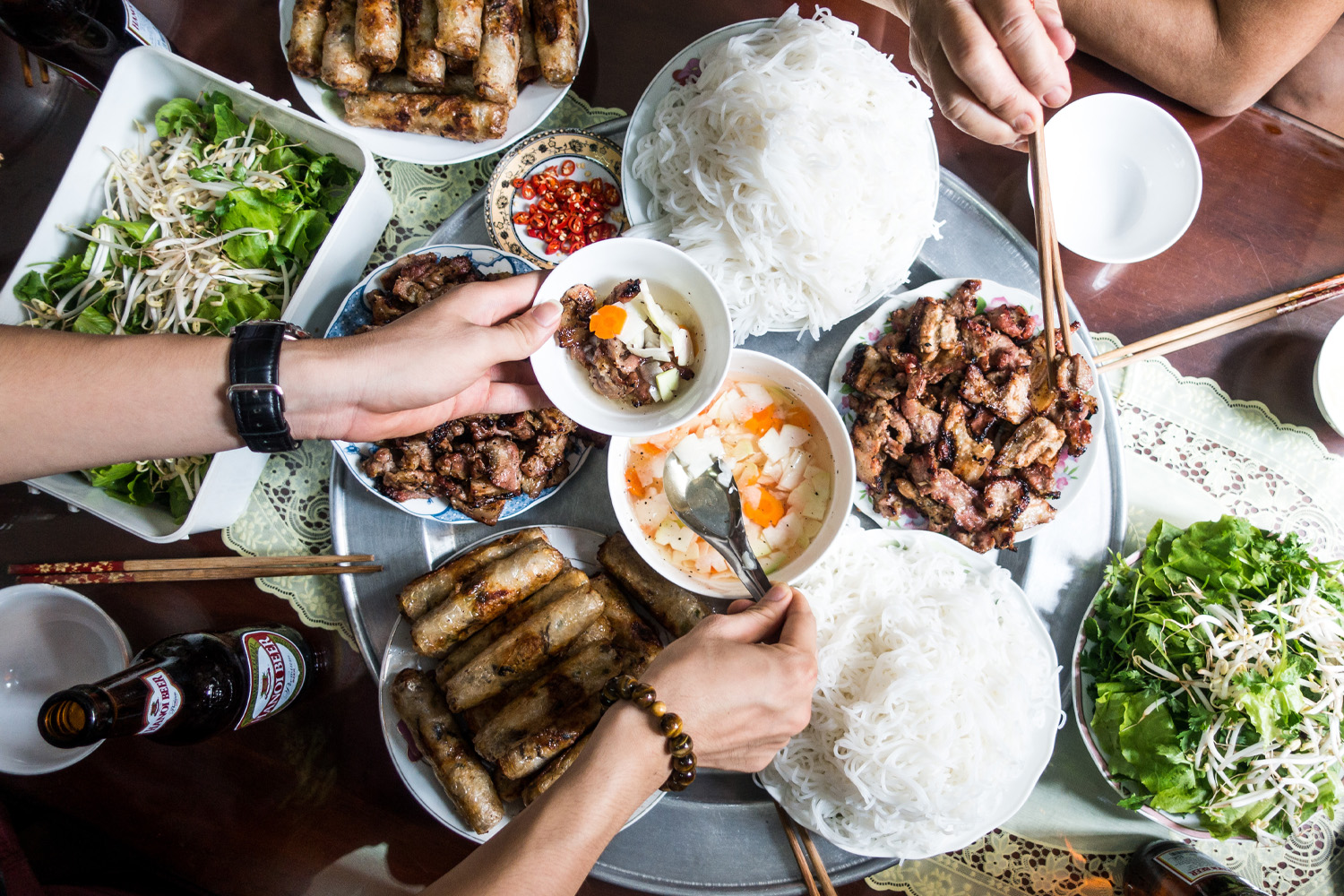
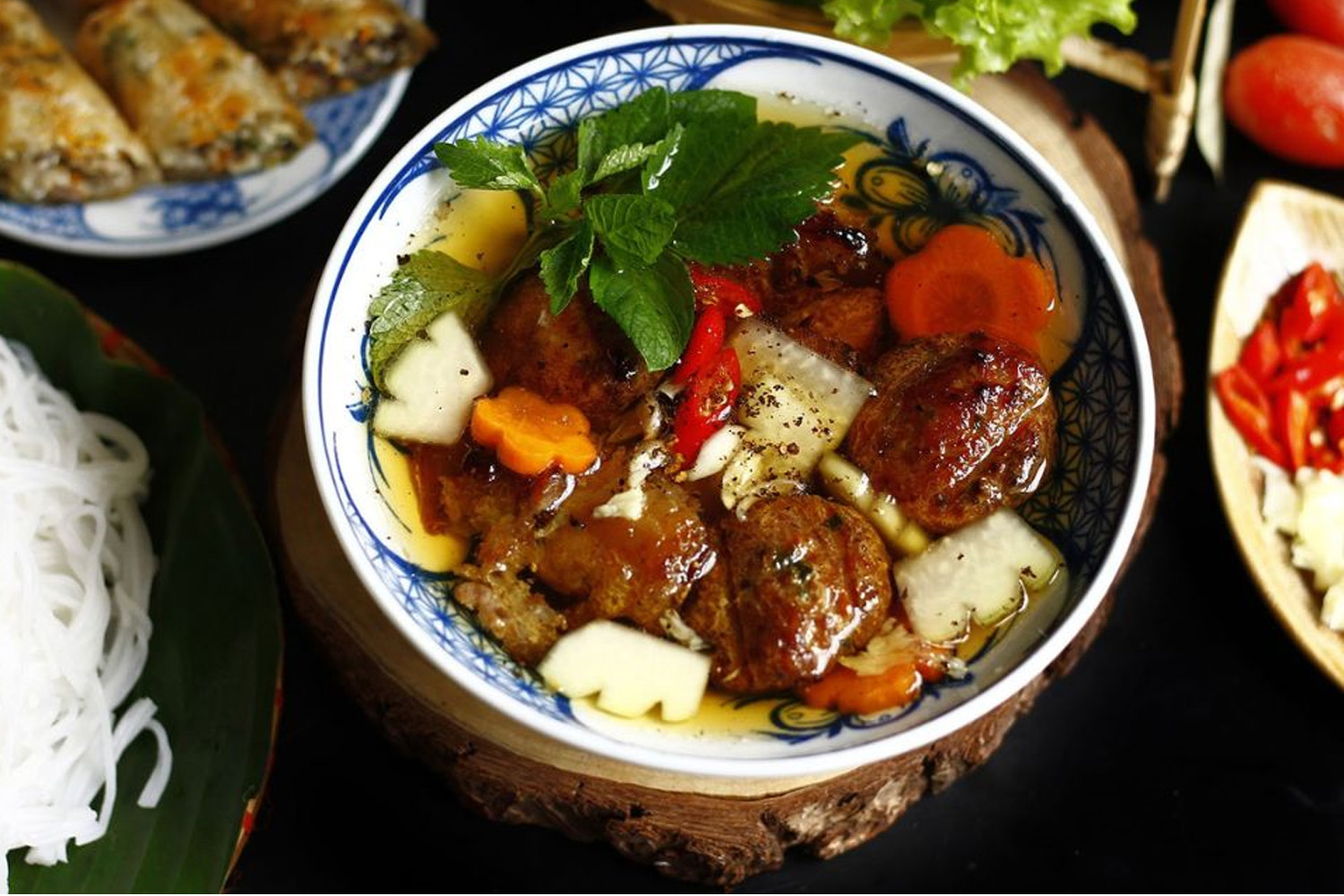
Bun cha defines Hanoi street food with grilled pork patties and slices served over vermicelli with herbs and dipping sauce. This signature dish gained international fame when President Obama and Anthony Bourdain dined together at a Hanoi bun cha restaurant. The smoky, charcoal-grilled pork, combined with fresh herbs and a sweet-tangy sauce, creates a perfect flavor balance in line with bun cha’s characteristics.
Cha ca features turmeric-marinated fish cooked tableside with dill and scallions, creating aromatic, flavorful dishes unique to Hanoi. Bun bo nam bo combines beef, vermicelli, herbs, and crushed peanuts without broth, creating refreshing, satisfying meals. Banh cuon, steamed rice rolls filled with minced pork, showcase delicate northern cooking techniques. Egg coffee whips egg yolks with condensed milk, creating rich, dessert-like beverages according to Hanoi specialty dishes.
Best streets for eating: Old Quarter guide
The Old Quarter is home to Hanoi’s most famous street food, with entire streets dedicated to specific dishes. Hang Buom Street features excellent pho, Hang Dieu offers banh cuon, and Hang Manh specializes in bun cha. Wandering the Old Quarter streets reveals countless food stalls and small restaurants serving traditional dishes. The narrow streets, filled with tiny plastic stools, create a quintessential Vietnamese street-food atmosphere, in line with Old Quarter food geography.
The area around Hoan Kiem Lake provides accessible street food for first-time visitors with vendors selling snacks, fresh fruit, and traditional dishes. Ta Hien Street becomes a lively beer street in the evenings with outdoor seating and grilled meats. The West Lake neighborhood offers more upscale dining while maintaining excellent local food options. Dong Xuan Market and the surrounding streets provide authentic food experiences away from tourist crowds, in line with Hanoi’s food neighborhoods.
Cooking classes and food tours
Hanoi cooking classes teach participants to prepare pho, bun cha, and other northern specialties, starting with morning market tours. Students learn to select fresh ingredients, prepare traditional broths, and correctly assemble dishes. These hands-on experiences provide culinary skills and cultural insights transferable to home cooking. The classes typically conclude with eating prepared dishes in accordance with Hanoi culinary education.
Evening street food tours guide visitors through the Old Quarter’s food streets, sampling multiple dishes while learning about food history and traditions. The tours introduce travelers to street food etiquette, recommend the best vendors, and explain unfamiliar dishes. Walking tours combine food with cultural education, offering comprehensive introductions to Vietnamese cuisine through Hanoi food tourism.
Ho Chi Minh City: Where bold flavors meet endless variety
Ho Chi Minh City is one of the best food cities in Vietnam for travelers seeking southern Vietnamese cuisine, a wide variety, and a dynamic food scene. The largest metropolis offers culinary diversity, matching its economic energy with options ranging from humble street stalls to sophisticated restaurants, according to Ho Chi Minh City’s prominence in food.
Southern classics: Com tam, hu tieu, banh mi
Com tam, broken rice with grilled pork, originated as working-class food, made with rice broken during milling. The dish evolved into Ho Chi Minh City’s signature, featuring broken rice, grilled pork chop, shredded pork skin, steamed egg meatloaf, pickled vegetables, and fish sauce. The combination creates satisfying, complete meals available from street vendors and restaurants. Com tam stalls operate throughout the city, particularly around Ben Thanh Market, given its ubiquity.
Hu tieu noodle soup showcases southern flavors with a clear pork-and-seafood broth, rice noodles, and various toppings. The lighter soup appeals to those who find pho too heavy. Variations include hu tieu with or without broth, allowing customization. The dish reflects Chinese influences on southern Vietnamese cuisine, as evidenced by its hu tieu characteristics.
Banh mi sandwiches reached perfection in Ho Chi Minh City, where countless bakeries and street vendors serve variations on French baguettes filled with meats, pate, pickled vegetables, cilantro, and chilies. The fusion of French bread with Vietnamese flavors creates uniquely delicious sandwiches. The crispy baguette, combined with savory fillings and fresh vegetables, balances textures and flavors in the spirit of banh mi excellence.
Banh xeo, crispy rice-flour crepes filled with pork, shrimp, and bean sprouts, then wrapped in lettuce with herbs, demonstrates the southern abundance of fresh herbs. The sizzling crepes cooked in half-moon shapes create interactive eating experiences. Southern desserts, including sweet soups, showcase tropical fruits and coconut milk, reflecting Ho Chi Minh City’s food diversity.
Top food neighborhoods by district
District 1, around Ben Thanh Market, offers tourist-friendly restaurants and street food with English menus and international options alongside authentic Vietnamese dishes. The area provides an accessible introduction to Southern food for first-time visitors. Bui Vien Street offers a vibrant backpacker atmosphere with outdoor dining, bars, and budget eateries. Nguyen Hue Walking Street features upscale restaurants and cafes typical of District 1.
District 5 Chinatown offers excellent Chinese-Vietnamese fusion, including dim sum, noodles, and seafood. The Cho Lon area showcases wholesale food markets and authentic Chinese cooking. District 3 offers trendy cafes and modern Vietnamese restaurants popular with young locals. District 10 offers more authentic neighborhood food stalls and family restaurants outside tourist areas, in line with Ho Chi Minh City’s food geography.
Binh Thanh District, across the river, is developing into a foodie destination with local markets and authentic eateries. The outer districts reward adventurous eaters seeking genuine local food culture without tourist pricing. Each district develops a unique food character, creating opportunities for culinary exploration beyond central areas according to neighborhood food diversity.
Markets and street food spots
Ben Thanh Market features daytime food stalls serving a variety of Vietnamese dishes in a covered market setting. The night market around Ben Thanh offers extensive street food, outdoor seating, and a vibrant atmosphere. Binh Tay Market in District 5 showcases wholesale food culture with ingredient shopping and food stalls. Tan Dinh Market offers a local shopping experience, with food vendors and fresh produce, depending on the market’s offerings.
The area around Nguyen Trai Street, near Ben Thanh, offers street food including banh mi, com tam, and Vietnamese coffee. Vinh Khanh Street in District 4 features seafood restaurants and grilled meat vendors. Each neighborhood develops food streets where multiple vendors cluster, creating eating destinations. Ho Chi Minh City food tours explore diverse neighborhoods, sampling street food and visiting local markets, depending on the experience.
Hoi An: Ancient streets with unforgettable dishes
Hoi An ranks among the best food cities in Vietnam for travelers seeking central Vietnamese specialties in charming historic settings. The UNESCO ancient town offers exceptional food alongside beautiful architecture and a relaxed atmosphere, creating a perfect culinary tourism destination for the Hoi An food and culture combination.
Unique to Hoi An: Cao lau and white rose
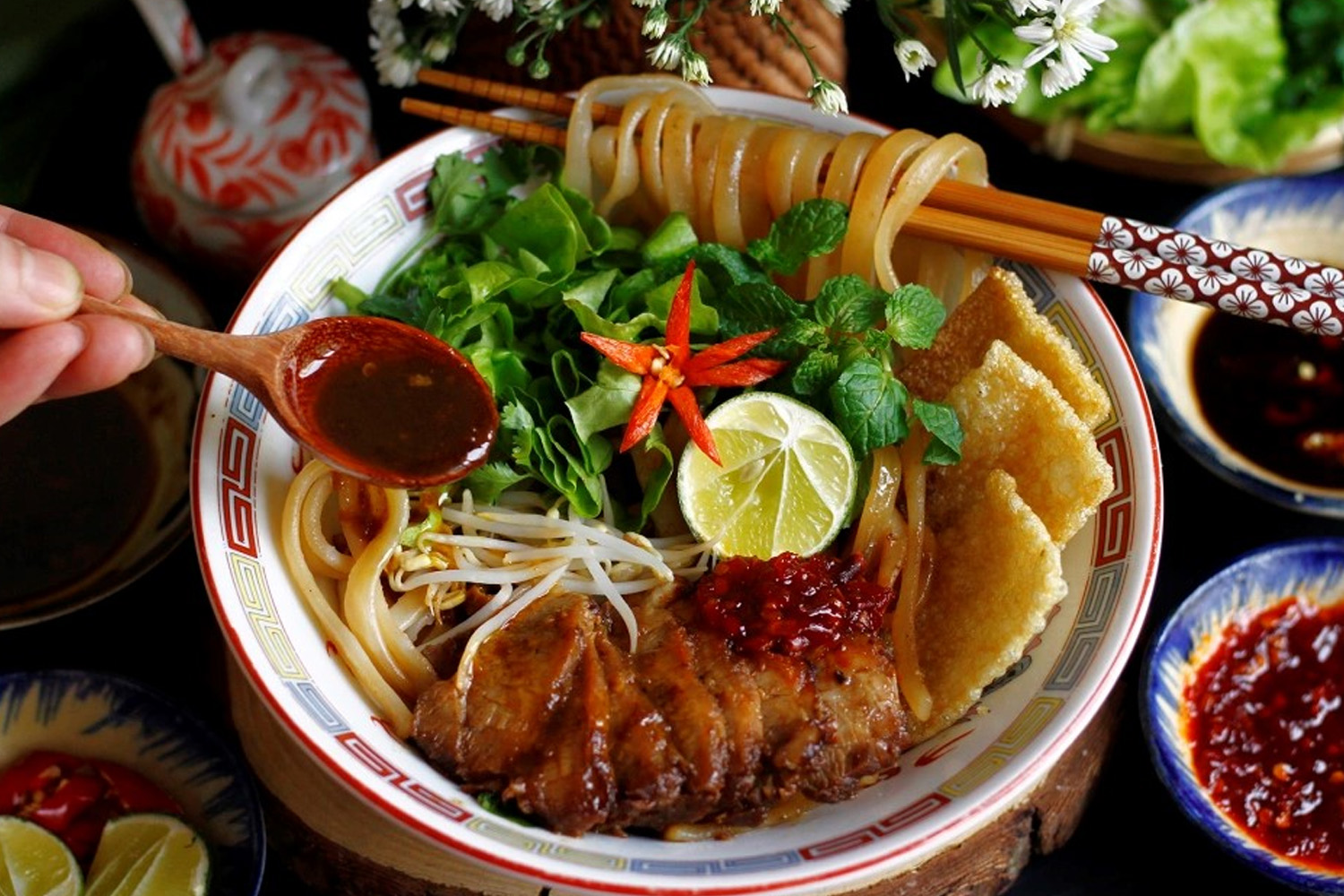
Cao lau represents Hoi An’s most famous dish, featuring thick noodles, pork, greens, and crispy crackers. Authentic cao lau requires water from specific local wells and ash from particular trees for noodle preparation. The unique requirements mean genuine cao lau exists only in Hoi An, making it a truly location-specific specialty. The Japanese and Chinese influences, combined with Vietnamese techniques, create distinctive flavors that reflect the uniqueness of Cao Lau.
The noodles have a special texture, a result of traditional preparation methods guarded by local families. Sliced pork adds savory richness while fresh greens provide freshness. Crispy crackers contribute textural contrast. The minimal broth allows noodle and topping flavors to dominate. Eating cao lau in Hoi An offers tastes unavailable anywhere else, thanks to cao lau’s exclusivity.
White rose dumplings showcase delicate steamed rice dumplings shaped like roses and filled with shrimp or pork. These beautiful dumplings originated with a single Hoi An family that still maintains the recipe. The translucent wrappers reveal the filling while the rose shape adds an artistic touch. Eating white rose at source restaurants ensures authentic preparation in line with white rose’s significance.
Banh mi Phuong gained international fame as Anthony Bourdain’s favorite banh mi, creating lines of tourists and locals. The perfect bread, quality ingredients, and balanced flavors justify the reputation. The sandwich combines traditional Vietnamese fillings with excellent baguettes, creating Hoi An banh mi excellence, as per the banh mi Phuong fame.
Where to eat in the Old Town
The Ancient Town concentrates restaurants ranging from budget local eateries to upscale dining in restored historic buildings. Morning Glory Restaurant serves excellent traditional Vietnamese cuisine, with beautiful presentation, and offers cooking classes. The market area offers authentic street food and local restaurants with plastic stools and basic amenities. An Bang Beach offers seafood restaurants with ocean views and a relaxed atmosphere, in line with Hoi An’s dining scene.
The Japanese Bridge area features tourist-oriented restaurants with English menus and diverse cuisines. These establishments offer comfortable dining for those seeking familiar settings. Nguyen Hoang Street, running parallel to the river, offers local restaurants with better prices and an authentic atmosphere. The area around the Central Market provides breakfast pho and local lunch spots frequented by residents, according to Hoi An food neighborhoods.
Evening brings a lantern-lit atmosphere to the streets of Ancient Town, creating magical dining settings. Riverside restaurants offer tables overlooking water with lantern reflections. Street vendors sell evening snacks and desserts. The combination of excellent food, a beautiful setting, and a relaxed pace makes Hoi An dining memorable, reflecting Hoi An’s evening food culture.
Cooking classes that teach you secrets
Hoi An cooking classes rank among Vietnam’s best, with morning market tours followed by hands-on cooking instruction. Students visit Central Market, learning to select fresh ingredients and haggle with vendors. The market experience provides insights into Vietnamese food shopping and ingredient quality assessment according to market tour education.
The classes teach preparation of cao lau, white rose dumplings, and other central Vietnamese dishes. Instructors explain traditional techniques, ingredient combinations, and presentation. Students prepare complete meals, then eat their creations. The hands-on format ensures skill development beyond passive observation. Many students report successfully recreating dishes at home using the techniques learned in class, as indicated by cooking class outcomes.
Some classes include herb garden tours, rice paper making demonstrations, and traditional cooking methods. The cultural education extends beyond recipes to encompass food philosophy and family cooking traditions. Taking cooking classes provides a deeper understanding of Vietnamese cuisine than eating alone in a restaurant, according to the value of culinary education.
Hue: Taste royal food and spicy noodles
Hue stands among the best food cities in Vietnam for travelers interested in Vietnamese culinary history and refined cooking traditions. The former imperial capital developed elaborate royal cuisine alongside distinctive local specialties, creating a unique food culture rooted in Hue’s food heritage.
Imperial cuisine: Dining like emperors
Hue royal cuisine served Vietnamese emperors, featuring elaborate multi-dish meals with artistic presentation and complex preparations. The imperial kitchens created hundreds of dishes using premium ingredients and sophisticated techniques. Each dish required specific preparation and presentation meeting royal standards. The cuisine emphasized visual beauty alongside flavor, making dining an art form in line with royal food traditions.
The meals include numerous small dishes, allowing emperors to sample many flavors without excessive portions. The presentation uses fine ceramics and artistic arrangements. Contemporary Hue restaurants recreate royal banquets, allowing modern diners to experience historical cuisine. Reservations are usually required for royal meal experiences, and prices reflect elaborate preparations.
The cooking techniques emphasize refinement and patience in complex preparations that require culinary skills. Carved vegetables, shaped rice, and decorative presentations showcase kitchen artistry. Experiencing royal cuisine provides insights into Vietnamese history, culture, and culinary development, reflecting its cultural significance.
Bun bo Hue and local favorites
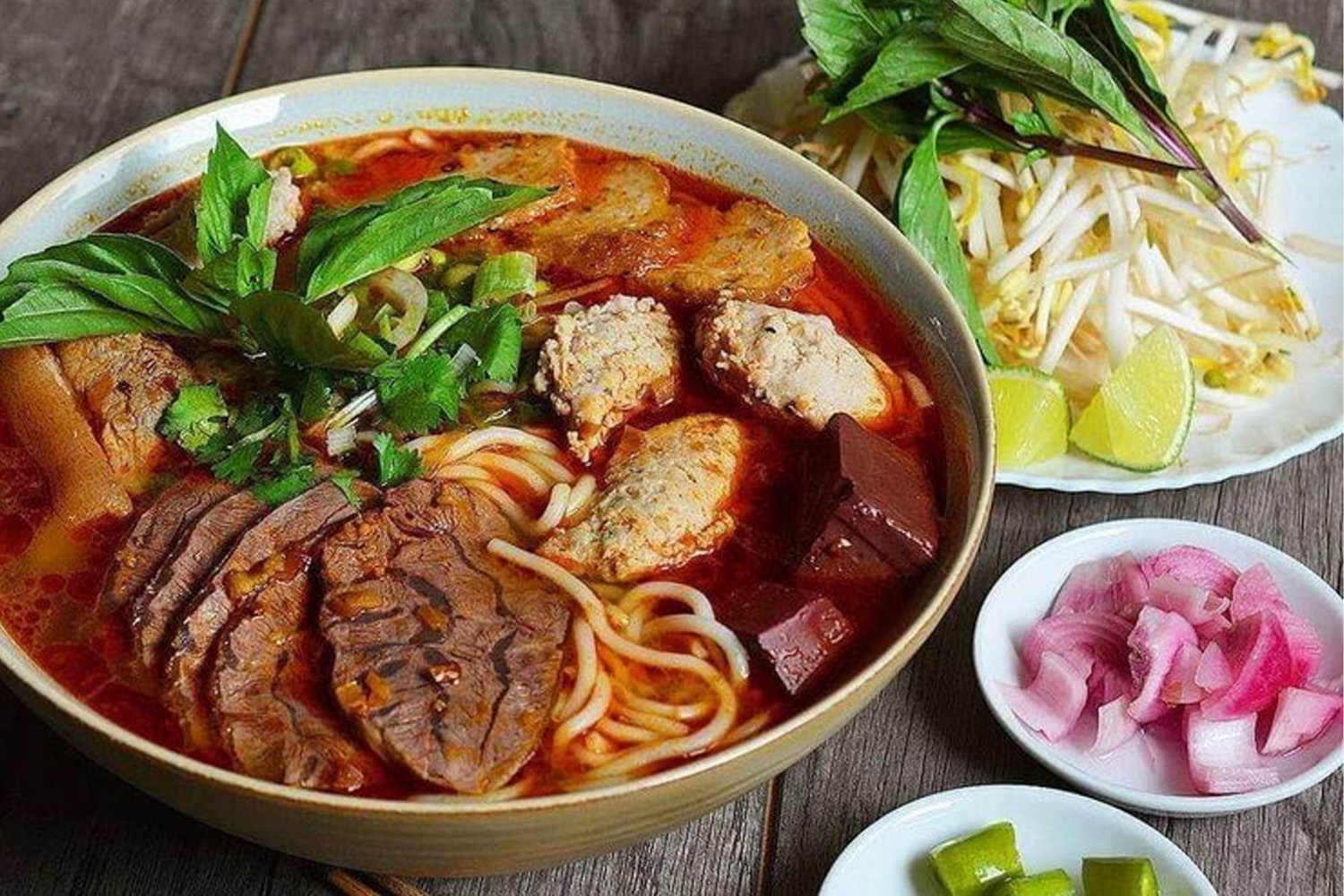
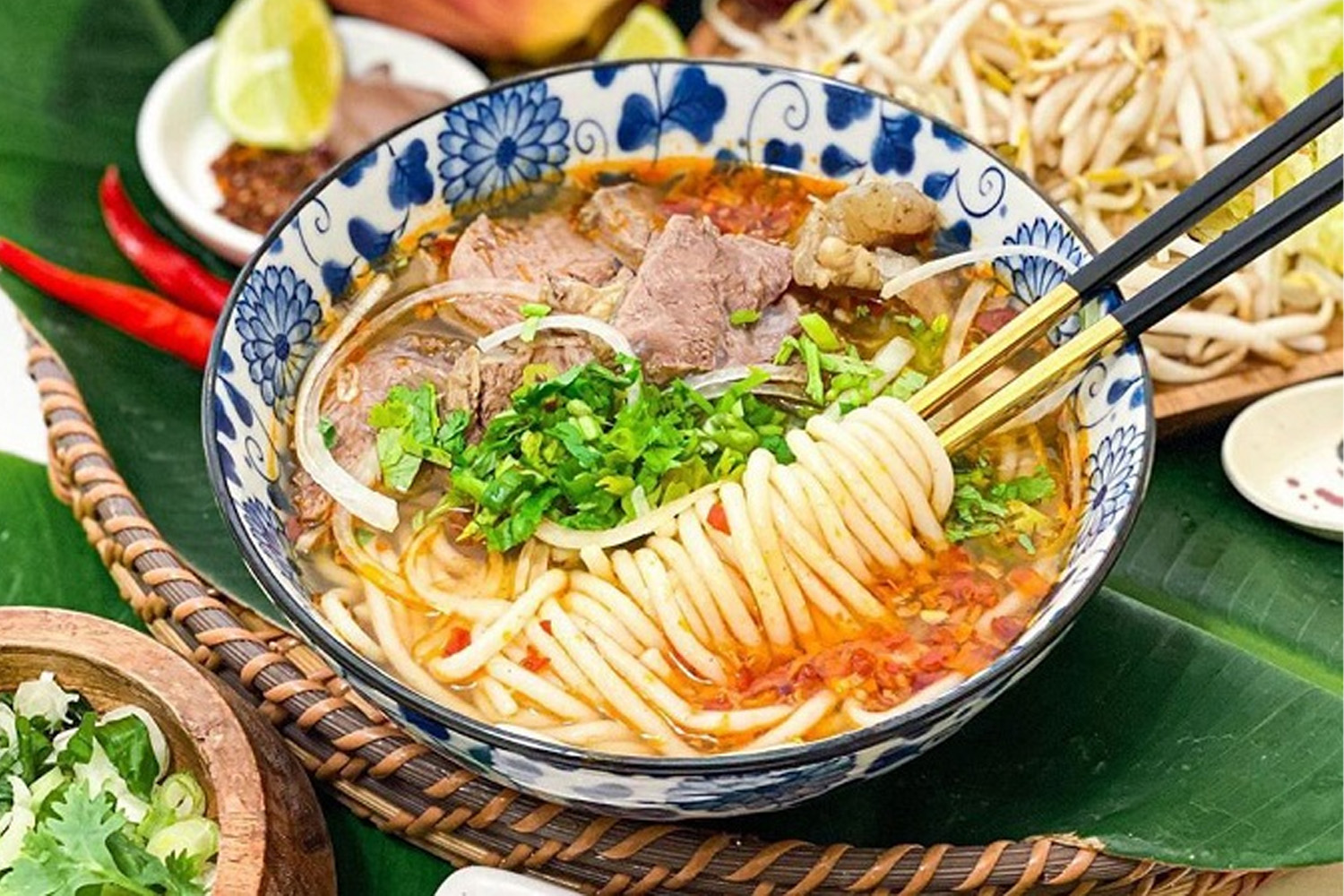
Bun Bo Hue represents the city’s most famous export, featuring thick rice noodles in spicy beef broth with lemongrass, chili oil, and fermented shrimp paste. The bold flavors distinguish it from northern pho, creating distinctive central Vietnamese taste profiles—the spicy, complex broth appeals to those wanting stronger flavors than subtle pho. Bun Bo Hue appears throughout Vietnam but reaches perfection in its birthplace, according to its significance.
The dish includes beef, pork, and sometimes blood sausage, providing varied textures and flavors. Fresh herbs, lime, and vegetables are available for customization. The combination creates satisfying spicy meals popular for breakfast and lunch. Street vendors and restaurants throughout Hue serve bun bo with varying levels of spice, depending on the dish.
Banh Khoai serves Hue’s version of banh xeo, with smaller, crispier crepes and special peanut sauce. Nem lui grilled pork skewers wrapped with rice paper, herbs, and vegetables showcase interactive eating styles. Com hen clam rice combines rice, baby clams, herbs, and spices, creating flavorful, economical dishes. These local specialties demonstrate Hue’s unique position in the Vietnamese culinary landscape, as defined by Hue specialty dishes.
Best places to eat in Hue
The area around Dong Ba Market is home to local food stalls and small restaurants serving authentic Hue dishes at local prices. Morning brings bun bo vendors, while the afternoon features other specialties. The market itself offers ingredient shopping and prepared food stalls. The riverside provides upscale restaurants with beautiful Perfume River views and higher prices, according to Hue dining areas.
The surroundings of the Ancient Citadel feature both tourist restaurants with English menus and local eateries serving traditional food. Several restaurants specialize in royal cuisine banquets requiring reservations for elaborate multi-course meals. Street food stalls throughout the city serve bun bo Hue, banh khoai, and other specialties at affordable prices, reflecting Hue’s accessibility to food.
Evening food stalls near Truong Tien Bridge create a lively atmosphere for sampling local snacks and desserts. The area becomes a gathering place for locals and tourists. Walking food tours guide visitors to the best vendors while explaining Hue’sHue’s food history and traditions, focusing on the Hue evening food scene.
Da Nang: Beachside seafood and local specialties
Da Nang ranks among the best food cities in Vietnam for seafood lovers and those seeking central Vietnamese cuisine in modern urban settings. The coastal town combines fresh ocean catches with regional specialties, creating an excellent food destination that reflects Da Nang’s culinary characteristics.
Fresh from the ocean: Seafood paradise
Da Nang’s coastal location provides daily fresh seafood from local fishing boats. Restaurants and markets showcase an incredible variety of seafood, including fish, shrimp, crab, clams, squid, and lobster. Morning fish markets display catches still moving, with vendors preparing purchases immediately—the seafood quality rivals that of global coastal destinations while maintaining Vietnamese affordability, according to Da Nang’s seafood prominence.
Grilled seafood with salt and chili is a popular, simple preparation that highlights the natural flavors of the seafood. Steamed fish with ginger and scallions creates delicate, healthy dishes. Seafood hotpot combines various types of seafood with vegetables in a flavorful broth. Fried calamari, garlic butter shrimp, and grilled oysters demonstrate diverse preparation styles. The freshness makes simple preparations taste exceptional, in line with the philosophy of seafood cooking.
Mi quang and central Vietnamese dishes
Mi quang noodles originated in Quang Nam province, with Da Nang serving excellent versions. The dish features yellow turmeric noodles with minimal broth, shrimp, pork, peanuts, and fresh herbs. The limited broth concentrates flavors while colorful ingredients create an appealing presentation. The dish is found throughout central Vietnam but attains particular excellence around Da Nang, reflecting its regional significance.
Banh trang cuon thit heo rice paper rolls with pork showcase the abundance of fresh herbs in central Vietnam. Diners assemble rolls themselves, wrapping grilled pork with vegetables and herbs in rice paper, then dipping them in sauce. The interactive eating creates fun social dining. Bun mam canh ca fish noodle soup demonstrates bold fermented fish flavors characteristic of central cuisine, as defined by Da Nang specialty characteristics.
Markets and beachfront restaurants
Con Market offers authentic local food shopping and dining experiences, featuring morning pho vendors and lunch stalls. The market showcases ingredient quality and offers prepared foods for quick meals. Han Market sells seafood, produce, and food products with an upstairs food court. These markets reveal the daily food culture beyond tourist restaurants, as seen in Da Nang market experiences.
The riverside area features modern restaurants with diverse cuisines and river views. My Khe Beach has seafood restaurants offering ocean views and fresh catches. Beach restaurants provide a relaxed atmosphere for sunset dinners. Son Tra Peninsula houses upscale restaurants with panoramic ocean vistas and premium dining experiences. The variety accommodates different preferences, from budget street food to luxury beachfront dining, reflecting Da Nang’s dining diversity.
More great food cities: Can Tho, Nha Trang, and Dalat
Beyond the major best food cities in Vietnam, several destinations deserve mention for travelers with extended time or specific culinary interests. These secondary cities offer unique regional specialties and authentic food experiences, reflecting the significance of alternative food destinations.
Can Tho: Mekong Delta flavors
Can Tho represents Mekong Delta cuisine featuring river fish, tropical fruits, and rice-based dishes. The floating markets showcase agricultural abundance, with boats laden with produce, creating unique shopping and dining experiences. Cai Rang floating market operates early in the morning, with vendors preparing fresh food on ships. The delta environment influences cooking with abundant fish, coconut, and tropical fruits, reflecting Mekong Delta food characteristics.
Ca loc nuong trui, grilled snakehead fish, demonstrates delta cooking with fish grilled over coconut husks, creating smoky flavors. Banh xeo with river shrimp showcases local ingredients. Hu tieu My Tho noodle soup originated in nearby My Tho, with variations throughout the delta. Fresh tropical fruits, including rambutan, longan, and durian, reach peak quality in the delta orchards according to Can Tho specialties.
Nha Trang: Coastal cuisine
Nha Trang’s extensive coastline offers exceptional seafood, with island tours including fresh seafood lunches. The bay’s numerous islands offer pristine waters that produce high-quality fish and shellfish. Seafood restaurants line the beachfront, serving grilled fish, steamed crab, and various preparations. The city markets sell dried seafood products, popular as gifts and ingredients, given Nha Trang’s prominence in seafood.
Bun ca fish noodle soup is a Nha Trang breakfast specialty featuring fish cakes, noodles, and aromatic broth. Nem nuong Ninh Hoa, grilled pork sausages from nearby Ninh Hoa town, are a local specialty. The coastal setting influences cuisine, with seafood appearing in most dishes alongside traditional Vietnamese preparations, according to Nha Trang coastal cuisine.
Dalat: Highland specialties
Dalat’s cool highland climate produces vegetables, fruits, and ingredients unavailable elsewhere in tropical Vietnam. The strawberries, artichokes, avocados, and temperate vegetables create unique dishes. Dalat wine, produced locally from highland grapes, reflects French colonial influence. The cool weather encourages various cooking styles, including hotpots and grilled meats, in line with Dalat’s culinary distinctiveness.
The morning market sells fresh highland produce with vendors offering prepared foods. Banh can rice cakes, steamed in small cups, are a Dalat breakfast specialty. Nem nuong Dalat, grilled pork prepared with highland herbs, demonstrates local variations. The city’s French heritage is evident in bakeries, cafes, and wine culture, as seen in Dalat’s food.
When to go: Best months for food lovers
Timing visits to Vietnam’s best food cities around food-related factors enhances culinary experiences. Seasonal variations affect ingredient availability, special dishes, and dining comfort, depending on the timing of food tourism.
Seasonal ingredients and dishes
Vietnamese cuisine uses seasonal ingredients, creating dishes available during specific periods. Spring brings fresh vegetables and aromatic herbs at peak flavor. Summer features tropical fruits at peak ripeness, including mangoes, lychees, and rambutans. Autumn brings cooler weather, which encourages hot soups and stews. Winter showcases a variety of produce and comfort foods in Vietnamese cooking.
Certain dishes appear only during specific seasons based on ingredient availability. Monsoon-season mushrooms yield special preparations unavailable year-round. Fruit seasons determine dessert options, with each region experiencing different timing. Understanding seasonal patterns helps travelers target specific foods during appropriate periods, in line with the benefits of seasonal eating.
Food festivals throughout the year
Tet Lunar New Year brings special holiday foods, including banh chung (sticky rice cakes), mut (candied fruits), and elaborate family feasts. The week-long celebration features traditional foods with cultural significance. The Mid-Autumn Festival in September features mooncakes and special treats. Regional festivals celebrate local specialties and agricultural products throughout the year, depending on food festival opportunities.
Hue Festival, held biannually, showcases imperial cuisine and traditional dishes. Various cities host food festivals celebrating local specialties. These events offer concentrated culinary experiences, including cooking demonstrations, tastings, and cultural performances. Visiting during food festivals intensifies culinary cultural immersion, depending on the festival’s advantages.
Weather tips for street food
The best food cities in Vietnam offer year-round dining, but the weather can make outdoor dining less comfortable. Dry seasons provide pleasant conditions for street food exploration with comfortable temperatures and minimal rain. Rainy seasons require flexibility, as afternoon storms can disrupt outdoor dining, but mornings and evenings offer good windows, depending on the weather.
Hot weather makes evening street food tours more comfortable than midday dining. The cooler temperatures allow extended outdoor time. Rainy-season travelers should embrace covered-market dining and restaurant meals during storms, while enjoying street food during dry periods. Understanding weather patterns helps optimize eating experiences through weather-adaptation strategies.
Food safety tips: Eating smart in Vietnam
Understanding food safety practices helps travelers enjoy the best food cities in Vietnam confidently while minimizing health risks. Following basic precautions allows adventurous eating without excessive worry, according to food safety guidance.
How to choose safe vendors
Busy vendors with high customer turnover serve fresher food with less time spent sitting. Observe food handling and preparation cleanliness. Vendors preparing food to order prove safer than those selling pre-cooked items. Choose stalls where locals eat, as this indicates quality and safety. Avoid vendors with obvious dirt or questionable hygiene, per vendor selection strategies.
Watch preparation to ensure proper cooking temperatures. Cooked-to-order dishes minimize bacterial growth. Fresh ingredients displayed properly indicate vendor care. Starting with clearly cooked foods before trying raw items allows gradual stomach adaptation. Trust instincts about vendor cleanliness and food freshness, based on safe vendor identification.
What to eat and when
Breakfast and lunch street food sees the highest turnover, ensuring freshness. Morning pho vendors prepare broth overnight and serve it immediately. Lunch crowds indicate popular quality vendors. Evening vendors prepare food fresh for dinner service. Avoid food sitting for long periods in the heat, as this can encourage bacterial growth, according to safe eating timing.
Seafood should smell fresh, not fishy, indicating quality. Hot foods should be served hot, and cold foods should be properly chilled. Fruits you peel yourself prove safest for raw produce. Start with fully cooked dishes, building tolerance before trying raw preparations. Most travelers experience minor adjustments without serious illness, in line with realistic health expectations.
Staying healthy while eating everything
Drink bottled water and avoid ice in questionable establishments. Upscale restaurants and hotels maintain ice safety standards. Stay hydrated in tropical heat, especially when eating spicy food. Carry stomach medication for mild digestive issues, to treat minor problems quickly. Using hand sanitizer before eating reduces exposure to bacteria, according to health management practices.
Most travelers experience a brief stomach adjustment to new foods and bacteria. This rarely indicates serious illness requiring medical attention. The incredible food justifies accepting small risks. Proper precautions minimize problems while allowing culinary exploration. Following these guidelines enables safe eating in Vietnam’s best food cities through a balanced approach.
Your culinary adventure awaits
The best food cities in Vietnam offer remarkable culinary journeys showcasing some of the world’s most delicious and diverse cuisine. From Hanoi’s traditional northern specialties to Ho Chi Minh City’s southern diversity, Hoi An’s ancient town charm to Hue’s royal heritage, each destination offers unique flavors and authentic experiences that showcase Vietnamese culinary excellence.
Vietnamese food culture emphasizes fresh ingredients, balanced flavors, and communal dining, creating memorable experiences extending beyond taste to cultural understanding. The best food cities in Vietnam preserve traditions while embracing innovation, maintain the authenticity of street food while developing culinary tourism, and welcome food travelers at every budget level, in line with the richness of Vietnamese food culture.
Successful food-focused Vietnam travels require adventurous eating attitudes, flexibility about food safety, basic knowledge of street food etiquette, and genuine curiosity about Vietnamese culinary traditions. The best food cities in Vietnam reward culinary exploration with unforgettable flavors, cultural insights, and satisfied appetites according to food travel success factors.
Book your ultimate Vietnam food tour today.
Ready to explore the best food cities in Vietnam with expertly guided culinary adventures? Our food specialists design customized itineraries connecting multiple food destinations, including cooking classes, market tours, street food experiences, and restaurant reservations at local favorites, tailored to your food tour preferences.
Contact VietnamFoodExperts.com for a complimentary food travel consultation. Our advisors discuss your culinary interests — whether you’re seeking street-food adventures, cooking education, restaurant experiences, or comprehensive food immersion — and design perfect food-focused journeys through the best food cities in Vietnam, guided by expert food guidance.
We arrange complete food tourism logistics, including city-to-city transportation, accommodation near food neighborhoods, cooking class bookings, guided food tours, and restaurant reservations, creating seamless culinary adventures. Our local food knowledge ensures authentic flavors and hidden gems beyond tourist restaurants, offering comprehensive food services.
Download our free Vietnam Food Lover’s Guide featuring detailed city food profiles, signature dish descriptions, restaurant recommendations, and street food safety tips compiled from years of Vietnamese culinary exploration. Subscribe to our newsletter to receive exclusive food tour discounts and seasonal eating recommendations.
Browse authentic food traveler reviews on TripAdvisor and Google Reviews from clients who experienced the best food cities in Vietnam through our tours. Their feedback reveals how expert food guidance creates unforgettable culinary journeys, showcasing the depth of Vietnamese food culture.
Join our “Vietnam food lovers community” to connect with travelers planning culinary adventures. Share questions about the best food cities in Vietnam, exchange restaurant recommendations, and get advice from experienced food travelers through community support.
Book your food tour now for optimal eating seasons and cooking class availability. The best food cities in Vietnam attract increasing numbers of culinary tourists, who require reservations for popular cooking schools and food tours. Our flexible booking policies protect your investment while securing preferred culinary experiences according to smart food tour reservations.
Your Vietnamese culinary adventure awaits: explore the best food cities in Vietnam – from northern pho to southern seafood, imperial cuisine to street food culture. Whether seeking cooking skills, food knowledge, or simply incredible eating, perfect food experiences exist throughout Vietnam’s diverse regions.
Take action today and begin your food journey with specialists who intimately understand the best food cities in Vietnam. Our experience guiding thousands of food travelers builds confidence that your Vietnamese culinary adventure will exceed expectations, creating delicious memories that last a lifetime.
Contact our expert food team now to start your customized journey through the best food cities in Vietnam. A straightforward message begins your adventure to incredible Vietnamese flavors, authentic food culture, and unforgettable eating experiences.