Ho Chi Minh City stands as Vietnam’s largest metropolis and economic hub, attracting millions of international visitors each year. This vibrant city blends French colonial architecture with modern skyscrapers, bustling markets with trendy cafes, and rich history with contemporary energy. However, the best time to visit Ho Chi Minh City varies throughout the year based on weather patterns, festivals, and tourist seasons, according to Vietnam tourism statistics.
Understanding Ho Chi Minh City’s tropical climate proves essential for planning a comfortable and enjoyable visit. Unlike northern Vietnam’s four distinct seasons, this southern metropolis experiences only two main seasons with consistently warm temperatures year-round. The timing of your visit significantly impacts daily comfort levels, activity possibilities, and overall travel experience, according to climate research data.
The best time to visit Ho Chi Minh City depends on individual priorities, including weather preferences, budget considerations, festival interests, and tolerance to rain. Some travelers prioritize the dry season’s sunny reliability, willing to accept higher prices and larger crowds. Others find value during the rainy season, when afternoon storms bring drama to the city, while prices drop and tourist numbers decrease, according to visitor preference patterns.
Ho Chi Minh City welcomes travelers year-round, with hotels, restaurants, attractions, and transportation operating consistently, regardless of the season. However, the quality of experiences varies notably between the dry and rainy periods. This comprehensive guide provides detailed seasonal information, enabling informed decisions about the best time to visit Ho Chi Minh City for your specific circumstances, based on travel planning principles.
Understanding Ho Chi Minh City’s location and climate
Ho Chi Minh City is situated in southern Vietnam, approximately 1,730 kilometers south of Hanoi, near the Mekong Delta region. The city’s location at 10 degrees north latitude places it firmly in the tropical zone, experiencing hot, humid weather throughout the year, according to geographical climate analysis.
The tropical monsoon climate in Vietnam creates two distinct seasons, rather than the four seasons found in northern Vietnam. The dry season typically runs from December through April, bringing minimal rainfall and abundant sunshine. The rainy season lasts from May to November, characterized by daily afternoon thunderstorms and warm temperatures. This two-season pattern creates more predictable weather planning than regions with greater seasonal variation, as dictated by the characteristics of tropical climates.
The city’s location near the equator results in minimal temperature variation throughout the year. Average temperatures remain consistently between 27 °C and 32°C across all twelve months. The lack of cool winters or extreme summer heat makes packing straightforward, requiring only lightweight tropical clothing, regardless of visit timing, according to temperature consistency data.
Humidity levels remain high throughout the year, typically ranging from 75% to 85%. The persistent moisture makes temperatures feel warmer than actual readings suggest. The combination of heat and humidity requires adjustment for visitors from temperate climates, although acclimatization typically occurs within a few days, according to tropical adaptation research.
The urban heat island effect intensifies temperatures in Ho Chi Minh City’s dense central districts. Concrete buildings and limited green spaces cause city center temperatures to exceed those in surrounding areas by 2-3 degrees Celsius. This urban heating makes air-conditioned spaces essential for comfort during midday hours, according to urban climate studies.
Rainfall patterns show dramatic differences between seasons, creating the primary distinction for determining the best time to visit Ho Chi Minh City. The dry season averages 10 to 50mm monthly rainfall, while the rainy season brings 150 to 300mm monthly totals. Understanding these precipitation patterns proves more critical than temperature considerations for travel planning, according to weather impact analysis.
Ho Chi Minh City weather by season
The two-season tropical climate creates distinct experiences, making seasonal understanding crucial for choosing the best time to visit Ho Chi Minh City, considering seasonal tourism patterns.
Dry season: December to April
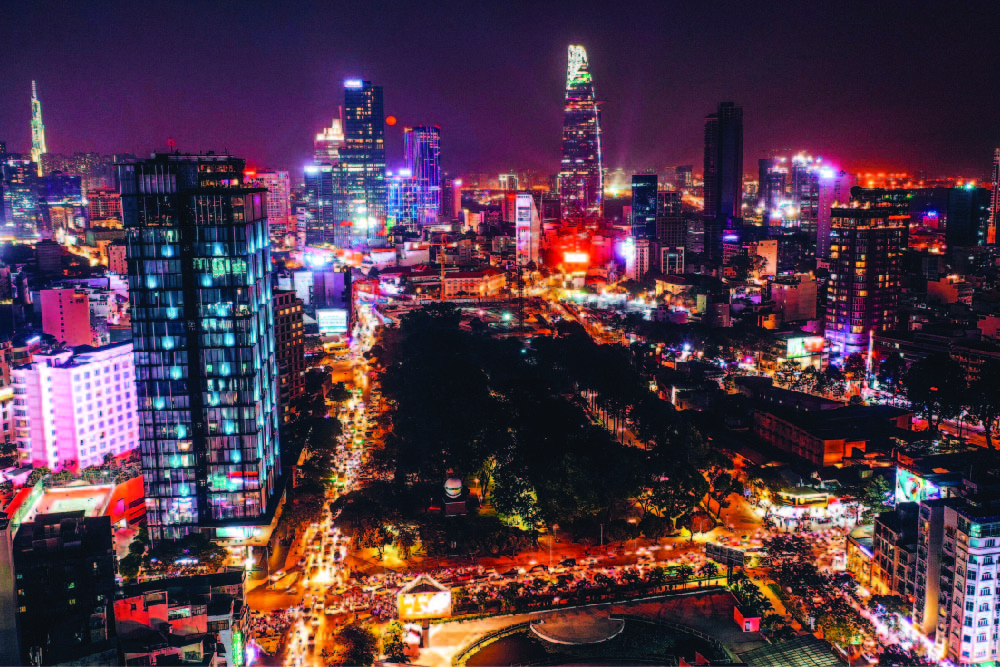
The dry season is generally considered the best time to visit Ho Chi Minh City for most international travelers seeking reliable, sunny weather. These five months are characterized by minimal rainfall, abundant sunshine, and the most comfortable humidity levels of the year, according to visitor satisfaction surveys.
December through February marks the coolest and driest portion with temperatures ranging from 26 to 31 degrees Celsius. The term ‘cool’ remains relative in this tropical context, as temperatures never approach icy conditions. However, the slightly lower temperatures combined with reduced humidity create the most comfortable outdoor conditions of the year. Morning and evening temperatures around 26 degrees feel pleasant for walking tours and outdoor dining, according to dry season climate data.
March and April bring increasing heat as the transition toward the rainy season begins. Temperatures rise to 28 to 34 degrees Celsius, with April often recording the year’s hottest conditions. The heat intensifies through April, while the rain probability remains low, resulting in extremely hot and dry conditions. Midday outdoor activities become challenging, although mornings and evenings maintain comfortable temperatures, in line with late dry season patterns.
Rainfall during the dry season remains minimal, averaging 10 to 50mm per month, with rain falling on only 2 to 5 days per month. When rain occurs, it typically comes as brief showers rather than prolonged storms. The reliable sunshine allows for confident activity planning without the need for constant weather contingency due to dry season precipitation characteristics.
The best time to visit Ho Chi Minh City for ideal weather is from January to February. Comfortable temperatures, minimal rainfall, lower humidity, and excellent outdoor conditions characterize these months. The period coincides with the winter holidays and Vietnamese Tet, bringing peak tourist numbers and maximum pricing. December and March provide similar weather with slightly fewer crowds, according to optimal timing analysis.
The disadvantages of the dry season include peak tourist crowding, particularly from December to February. Popular attractions experience queues while hotels and tours book to capacity. Pricing reaches annual highs across accommodation, tours, and flights. The extreme heat of late April, the peak of the dry season, can prove exhausting for outdoor activities, as noted in the challenges of the dry season.
Rainy season: May to November
The rainy season brings daily afternoon thunderstorms, creating different travel dynamics. However, these seven months should not be dismissed, as the rain follows predictable patterns, allowing successful visits for prepared travelers according to rainy season tourism data.
May through July marks the rainy season, characterized by an increase in storm frequency and intensity. Temperatures remain hot, ranging from 27 to 32 degrees Celsius. Afternoon thunderstorms typically arrive with remarkable predictability, usually between 2:00 pm and 5:00 pm. These tropical downpours bring heavy rain, thunder, lightning, and temporary flooding, which usually clears after one to three hours, in line with early rainy season patterns.
August through October represent the peak of the rainy season, with maximum precipitation. Monthly rainfall totals range from 250 to 300mm, with rain occurring 15 to 20 days per month. However, the morning hours typically remain dry, allowing for normal activities before the afternoon storms. The storms intensify during this period, occasionally bringing all-day rain; however, this remains less common than the typical afternoon pattern, according to peak rainy season characteristics.
November transitions into the dry season, marked by a decrease in rain frequency and intensity. The weather improvements through November create an underrated travel window combining better conditions with continuing low-season pricing. Late November, in particular, exhibits dry season characteristics, making it an excellent value period due to transitional weather patterns.
The best time to visit Ho Chi Minh City during the rainy season is either November, when conditions improve significantly, or May, when storms remain less intense than in the peak months. Budget-conscious travelers can find exceptional value throughout the rainy season, with hotel rates 30-50% below those of the dry season, according to a seasonal cost analysis.
The rainy season offers several advantages, including dramatic price reductions on accommodations and tours, significantly reduced tourist crowding, and the surprising beauty of tropical storms. The morning sunshine allows regular sightseeing before the afternoon rain. The storms bring cooling relief from the heat while purifying the city’s air. Many travelers appreciate the authentic monsoon experience, which is enhanced by the rainy season.
The disadvantages of the rainy season include daily afternoon disruptions to outdoor plans, occasional street flooding during heavy storms, and increased humidity levels. The need for flexible scheduling and rain gear requires adaptation. Some outdoor attractions close or limit operations during storms due to challenges posed by the rainy season.
Ho Chi Minh City weather month by month
Understanding specific monthly conditions helps travelers determine the best time to visit Ho Chi Minh City within their available travel windows, based on detailed climate analysis.
December: Dry season begins
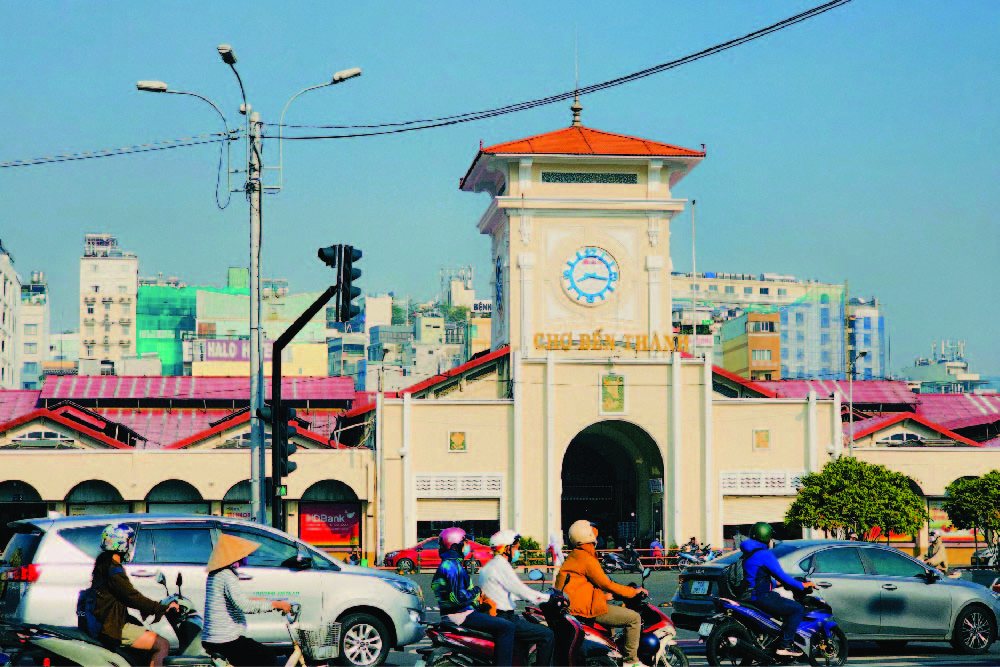
December marks the arrival of the dry season, with temperatures ranging from 26 to 31 degrees Celsius. Rainfall decreases dramatically to 20-40mm per month, with rain occurring only 3-5 days per month. Humidity levels drop slightly, making conditions more comfortable. The pleasant weather coincides with winter holidays, bringing the highest international tourist numbers, according to December climate and tourism data.
December represents the prime visiting time, with excellent weather, creating high demand—hotels and tours book to capacity, requiring reservations. Pricing reaches annual peaks across all categories. The festive atmosphere and reliable sunshine attract travelers escaping the northern hemisphere winter, according to December tourism characteristics.
January: Peak dry season perfection
January is the best time to visit Ho Chi Minh City for perfect weather. Temperatures range from 26 to 31 degrees Celsius, with minimal rainfall averaging 10 to 20mm per month. Humidity typically reaches its annual low around 75 percent. Clear sunny skies dominate, creating ideal conditions for all activities according to January’s optimal weather.
January marks the peak tourist season, with hotels operating at full capacity and charging maximum prices. The combination of perfect weather and winter holiday timing creates hectic conditions. Booking becomes essential for preferred accommodations and popular tours, given the realities of the January peak season.
February: Continued excellence with Tet
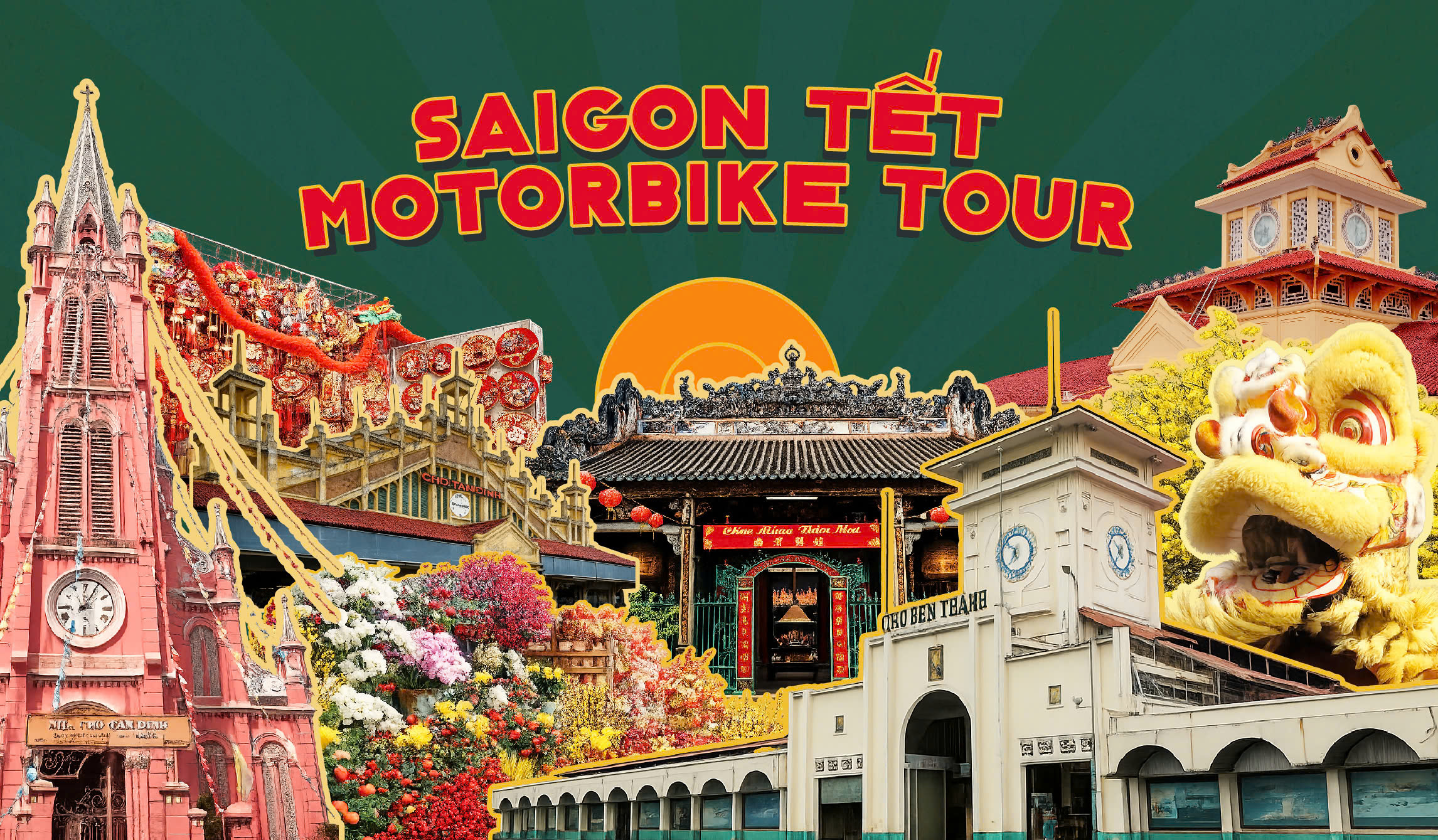
February maintains excellent weather similar to January, with temperatures from 27 to 32 degrees Celsius. Rainfall stays minimal, around 10 to 20mm. The month features the Vietnamese Tet Lunar New Year, typically falling in late January or early February. The week-long celebration marks a peak in domestic travel, as many businesses close temporarily, in line with the February climate and cultural patterns.
Visiting during Tet offers unique cultural experiences with decorations, special foods, and celebrations throughout the city. However, many restaurants, shops, and tour operators close for 3 to 7 days. Transportation becomes expensive and crowded as Vietnamese travel to their hometowns. Travelers should plan carefully around Tet dates, either embracing the cultural experience or avoiding disruptions, taking into account Tet tourism considerations.
March: Late dry season warmth
March brings increasing temperatures, rising from 28 to 33 degrees Celsius, as the transition toward the hot season begins. Rainfall remains low, averaging 20 to 40mm monthly. The heat intensifies through March, though conditions stay manageable with proper planning. Tourist numbers begin to decrease slightly as the peak season comes to a close, according to transitional patterns in March.
March represents good value timing with improving pricing while the weather remains excellent. The increasing heat requires sun protection and midday indoor breaks. Morning and evening activities provide comfortable conditions for outdoor exploration according to the March advantages.
April: Hottest month arrives
April records the year’s highest temperatures, ranging from 29 to 35 degrees Celsius. The intense heat combined with low rainfall of around 40 to 60mm creates very hot, dry conditions. Midday outdoor activities become genuinely challenging with heat indices exceeding 40 degrees Celsius. However, morning and evening hours remain viable for activities according to the April extreme heat.
April offers good value as tourist numbers drop in response to the heat. Travelers who tolerate hot conditions often find excellent deals and fewer crowds at attractions. Strategic scheduling around heat, utilizing air-conditioned spaces during peak temperature hours, enables successful visits in accordance with April adaptation strategies.
May: Rainy season begins.
May marks the arrival of the rainy season, with temperatures ranging from 28 °C to 32 °C. Rainfall increases significantly to 150-200mm per month, with afternoon storms establishing regular patterns. The storms typically arrive around 3 pm, bringing heavy rain for one to two hours before clearing. The morning hours stay sunny, allowing for everyday activities in accordance with May’s transitional weather.
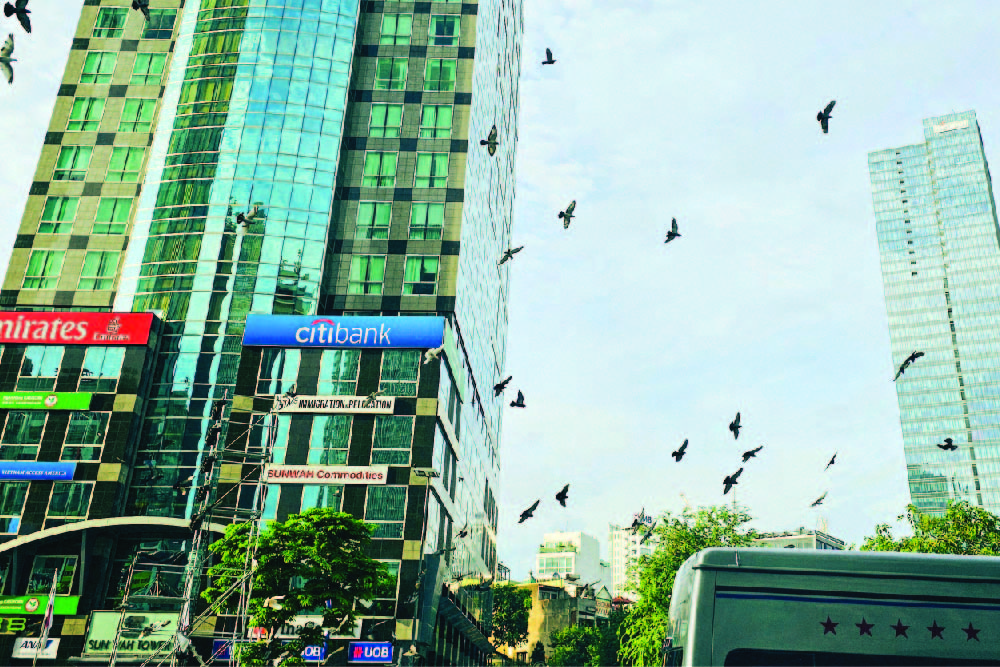
May represents the best time to visit Ho Chi Minh City for value-focused travelers. Prices drop 30 to 40 percent from peak season while weather remains manageable with planning. The tourist reduction creates peaceful experiences at typically crowded sites, according to the advantages of the May shoulder season.
June: Full rainy season
June brings full rainy season conditions with temperatures from 27 to 31 degrees Celsius. Rainfall totals 250 to 280mm monthly, with daily afternoon storms becoming routine. The predictable storm timing allows morning activities before seeking shelter. The cooling effect of rain provides relief from heat, as observed during the June rainy season.
June continues to offer low-season benefits with minimal tourists and excellent pricing. The dramatic tropical storms create photogenic conditions for those prepared with waterproof gear. The city’s attractions remain open and typically operate, regardless of the weather, according to June tourism operations.
July: Peak rain continues
July maintains peak rainy conditions similar to those in June, with temperatures ranging from 27 to 31 degrees Celsius. Rainfall remains high, averaging around 270 to 300mm per month. The afternoon storm pattern continues reliably with occasional all-day rain events. Flooding can occur in low-lying neighborhoods during intense storms, as evidenced by the high intensity of July’s weather.
July offers absolute minimum pricing with tourist numbers at annual lows. The dramatic cost savings appeal to budget travelers accepting daily afternoon rain. The empty city offers unique experiences that are impossible during crowded peak seasons, according to July value opportunities.
August: Continued monsoon
August extends the peak rainy season with similar conditions to those in July. Temperatures range from 27 to 31 degrees Celsius, with rainfall around 270 to 300mm. The monsoon patterns continue reliably, making planning straightforward—morning activities followed by afternoon indoor time become routine according to the consistency of August weather.
September: Late monsoon
September maintains its rainy season characteristics, with temperatures ranging from 27 °C to 31 °C. Rainfall begins decreasing slightly to 250 to 280mm as the season peaks pass. Storm intensity may decrease marginally, although daily afternoon rain is expected to continue. The weather remains challenging but shows subtle signs of improvement according to the late monsoon patterns of September.
September offers continued low-season value, with gradual improvements in the weather. The combination appeals to budget travelers seeking better conditions than peak rainy months while maintaining cost savings, according to the September transition opportunities.
October: Rain decreasing
October shows a more noticeable improvement, with temperatures ranging from 27 to 31 degrees Celsius. Rainfall decreases to 200-250mm monthly, with storm frequency also dropping. The weather remains officially in the rainy season, but conditions improve notably compared to the peak months. Late October particularly shows improvement according to the October weather evolution.
October represents an underrated time to visit, with improving weather and continuing low prices. The number of tourists remains minimal, creating peaceful experiences. The value proposition strengthens as conditions improve, according to the emerging advantages in October.
November: Transition to dry
November marks the transition to the dry season, with temperatures ranging from 26 °C to 30 °C. Rainfall drops significantly to 100-150mm, with storms becoming less frequent and less intense. Late November exhibits clear dry season characteristics, characterized by sunny and reliable weather. Tourist numbers are beginning to increase as word spreads about the improving conditions, according to the November transitional report.
The best time to visit Ho Chi Minh City for good value and good weather is in November. The shoulder season timing offers improved dry season weather while maintaining rainy season pricing. Booking becomes more critical as November’s reputation grows, according to the optimal value timing of November.
Ho Chi Minh City festivals and events
Understanding local festivals and events helps travelers choose the best time to visit Ho Chi Minh City for cultural experiences, while avoiding potential disruptions, according to an analysis of the annual event calendar.
Tet Nguyen Dan: Lunar New Year
Tet represents Vietnam’s most important celebration, typically occurring in late January or early February. The week-long festival brings Vietnamese families together, creating nationwide travel peaks—many businesses, including restaurants, shops, and tour operators, close for 3 to 7 days. Transportation becomes expensive and crowded as millions travel to their hometowns, according to Tet impact documentation.
Visiting during Tet offers a remarkable cultural experience with elaborate decorations, special traditional foods, family gatherings, and a festive atmosphere throughout the city. Flower markets, traditional performances, and cultural activities create unique photo opportunities. However, the widespread closures significantly impact tourism services, requiring careful planning in accordance with Tet tourism considerations.
Travelers seeking authentic cultural immersion should embrace Tet, accepting any service limitations that may arise. Those prioritizing convenience should avoid the week before and after Tet when disruption peaks. Understanding specific Tet dates for your travel year proves essential for planning according to Tet timing strategies.
Reunification Day: April 30
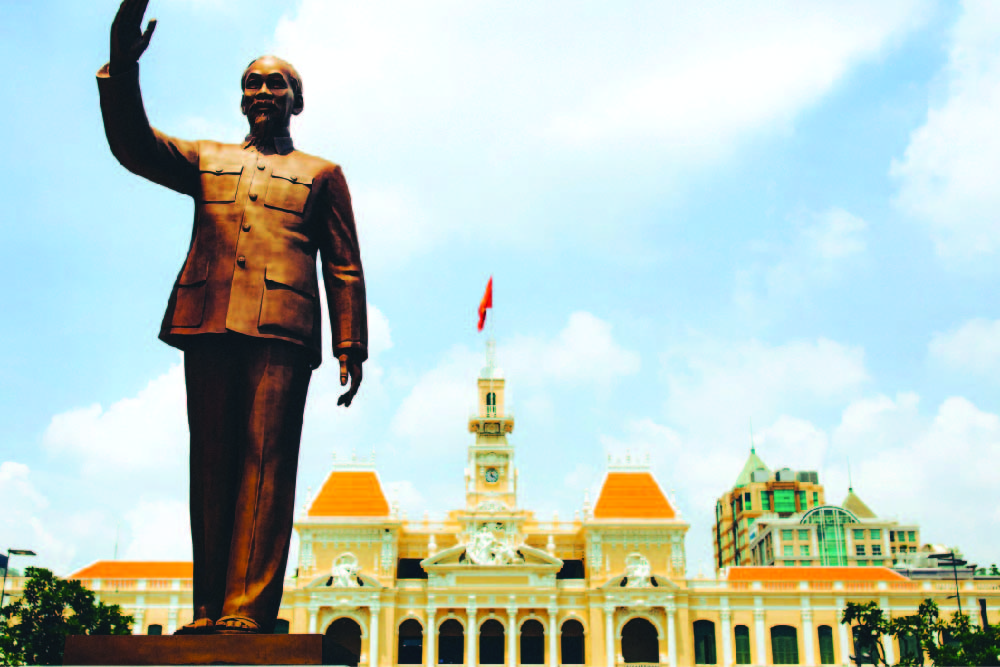
Reunification Day celebrates the end of the Vietnam War and the reunification of North and South Vietnam. This national holiday creates four-day weekends when combined with International Labor Day on May 1. Vietnamese domestic tourists visit Ho Chi Minh City, resulting in temporary congestion. Some businesses close, although major attractions remain open, following Reunification Day patterns.
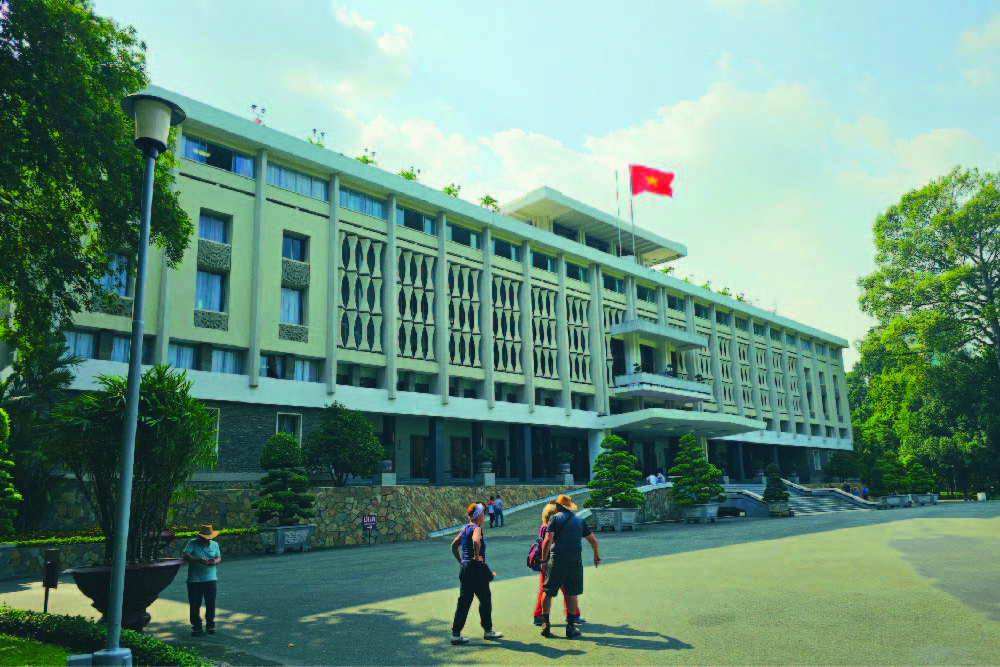
The holiday brings special events, parades, and celebrations concentrated around historic sites, such as the Reunification Palace. Travelers who visit during this period experience unique patriotic displays and a profound sense of cultural pride. Booking becomes important as domestic travel surges, according to April 30 tourism impacts.
National Day: September 2
National Day commemorates Vietnam’s declaration of independence as another national holiday. The celebration exhibits similar patterns to Reunification Day, with domestic travel temporarily increasing. Special events and patriotic displays take place throughout the city, particularly at government buildings and historic sites, in observance of September 2.
Southern Vietnam Liberation Day: April 30
Combined with Reunification Day, this celebration holds special significance in Ho Chi Minh City as the southern capital. The city hosts major parades, performances, and cultural events. The patriotic displays and celebrations offer cultural insights for international visitors, highlighting the significance of Liberation Day.
Seasonal festivals
Various smaller festivals occur throughout the year, including the Mid-Autumn Festival in September or October, the Wandering Souls Day in August or September, and the Christmas celebrations in December. These events add cultural richness without significantly impacting tourism operations, particularly in line with the characteristics of seasonal festivals.
Best time to visit Ho Chi Minh City: Final recommendations
After a comprehensive analysis of weather patterns, tourism trends, and practical considerations, clear guidance emerges for determining the best time to visit Ho Chi Minh City, as evaluated by experts.
For optimal weather conditions
January and February are considered the best times to visit Ho Chi Minh City for ideal weather conditions. These dry season months deliver comfortable temperatures, minimal rainfall, lower humidity, and reliable sunshine, creating perfect conditions for all activities. December and early March offer nearly identical weather with slightly fewer tourists, according to weather optimization analysis.
Travelers prioritizing weather above all other factors should target these months, accepting higher prices and peak crowds as worthwhile trade-offs for excellent conditions. The weather reliability enables confident planning without the need for weather contingency measures, as recommended by weather-focused experts.

For budget-conscious travelers
June through September offer the best time to visit Ho Chi Minh City for budget travelers, although daily afternoon rain is to be expected. The 30- to 50-percent price reductions make luxury hotels more affordable, while reduced tourist numbers create more peaceful experiences. The predictable morning sunshine allows regular sightseeing before afternoon storms, according to budget optimization strategies.
November offers excellent budget value as a transitional month, with improving weather and continuing low-season pricing. It may also provide good value, as rain patterns tend to be less intense than in peak months, according to value timing analysis.
For avoiding crowds
May through October represents the best time to visit Ho Chi Minh City for peaceful experiences. The dramatic decline in tourists during the rainy season creates empty attractions and authentic local interactions. July and August see absolute minimum tourist numbers for those seeking complete solitude according to crowd avoidance priorities.
For cultural experiences
Late January or early February, during Tet, is the best time to visit Ho Chi Minh City for cultural immersion, although there may be potential service disruptions. The elaborate celebrations, traditional customs, and festive atmosphere create unique experiences unavailable at other times. April 30 presents another cultural opportunity with Reunification Day celebrations, in line with cultural timing recommendations.
For first-time visitors
December through March is the best time to visit Ho Chi Minh City for first-time visitors seeking reliable and comfortable experiences. The dry season weather allows for comprehensive city exploration without interruptions from rain. The timing creates a positive first impression, highlighting the city’s strengths as recommended by first-time visitors.
For repeat visitors

November provides the best time to visit Ho Chi Minh City for return visitors seeking value. The improved weather, combined with low pricing and fewer crowds, makes for a great experience. May through October also appeals to experienced travelers comfortable navigating rainy season patterns according to repeat visitor strategies.
Months to potentially avoid
April brings the year’s most intense heat, making outdoor activities genuinely uncomfortable during midday hours. However, early morning and evening activities remain viable for heat-tolerant travelers according to April challenges.
Peak Tet week creates maximum disruption with widespread business closures and transportation challenges. Travelers should either fully immerse themselves in the cultural experience or avoid this period entirely, according to the Tet impact assessment.
Conclusion: Planning your Ho Chi Minh City visit
The best time to visit Ho Chi Minh City ultimately depends on individual priorities, balancing weather preferences, budget constraints, crowd tolerance, and cultural interests. Understanding the detailed seasonal patterns enables informed decisions, maximizing trip satisfaction according to personalized planning principles.
For most international travelers, the dry season months of December through March offer optimal conditions combining excellent weather with comprehensive service availability. January and February stand out as peak months for weather perfection despite maximum pricing and crowds, according to the overall timing evaluation.
Budget-conscious travelers discover exceptional value during rainy season months, accepting predictable afternoon storms for dramatic cost savings. The morning sunshine allows normal activities, while empty attractions create peaceful experiences. Tropical storms add dramatic beauty for those who embrace rather than fight the weather, according to a value-focused assessment.
Ho Chi Minh City’s consistent year-round warmth means there is no terrible time for a visit. Even during the peak rainy season, hot temperatures and morning sunshine persist. The city’s excellent infrastructure, including numerous air-conditioned spaces, covered shopping areas, and indoor attractions, enables comfortable visits regardless of the weather, thanks to its year-round viability.
Successful visits to Ho Chi Minh City require appropriate expectations and planning for the chosen period. Visitors to the dry season should book accommodations and tours well in advance, while preparing for the heat. Rainy season travelers need quality rain gear and flexible scheduling around afternoon storms. Understanding seasonal characteristics prevents disappointment while enabling trip optimization based on the importance of preparation.

Book your perfect Ho Chi Minh City experience today.
Ready to explore dynamic Ho Chi Minh City during your optimal season? Our expert team specializes in creating customized experiences tailored to your timing, budget, and interests, delivering personalized service excellence.
Contact SaigonCityExperts.com for a professional consultation on the best time to visit Ho Chi Minh City tailored to your specific needs. Our experienced advisors provide honest, seasonal assessments to ensure appropriate expectations and optimal planning, regardless of travel timing, based on transparent guidance principles.
Our carefully curated tour selection includes options for every season, ranging from comprehensive city tours to specialized experiences such as food walks, history tours, and day trips to the Cu Chi Tunnels and Mekong Delta. We provide detailed weather preparation guidance, packing recommendations, and insider tips to ensure successful visits year-round, backed by comprehensive planning support.
Download our free Ho Chi Minh City planning guide featuring month-by-month weather details, festival calendars, neighborhood guides, and local insights from years of city expertise. Subscribe to our newsletter to receive exclusive booking discounts and seasonal travel updates.
Browse authentic traveler reviews on TripAdvisor and Google Reviews from clients who visited during various seasons. Their honest feedback reveals real experiences across different periods, helping inform your timing decisions according to verified testimonial transparency.
Check current Ho Chi Minh City weather forecasts on AccuWeather and Weather.com before finalizing travel dates. While seasonal patterns provide reliable guidance, current conditions help optimize specific scheduling within chosen months.
Join our Ho Chi Minh City Travel Community, connecting with travelers planning visits during different seasons. Share questions and insights with people making similar decisions about the best time to visit Ho Chi Minh City for their circumstances.
Book early for dry season visits, especially from December to February, when demand is at its peak. Our flexible cancellation policies protect your investment while securing preferred tour options during the best time to visit Ho Chi Minh City, tailored to your priorities, through innovative booking strategies.
Your Ho Chi Minh City adventure awaits during your optimal season. Whether seeking weather perfection, budget value, cultural immersion, or peaceful exploration, the right timing creates unforgettable experiences. Contact us today to begin your perfectly planned journey with expert guidance, ensuring the best time to visit Ho Chi Minh City becomes a reality.
Take action now and secure your spot during your ideal period. Our experienced team ensures the selection of an appropriate tour, realistic seasonal expectations, and thorough preparation for the best time to visit Ho Chi Minh City, tailored to your priorities. Limited availability exists for the peak dry season, requiring early booking commitment.
Start planning your Ho Chi Minh City adventure today with specialists who understand seasonal variations and timing optimization. Your perfect visit during the best time to visit Ho Chi Minh City awaits with a straightforward message to our expert team.