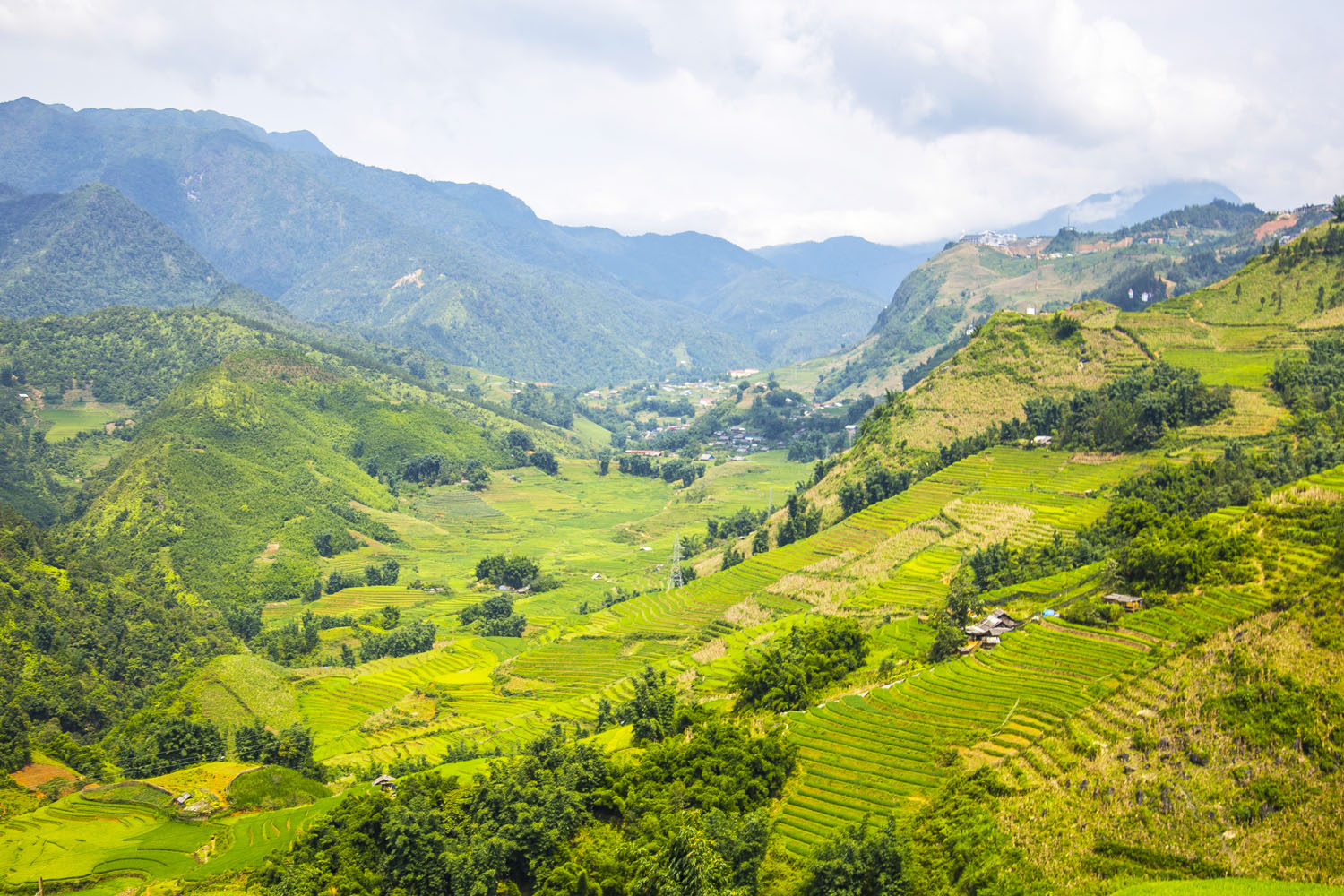
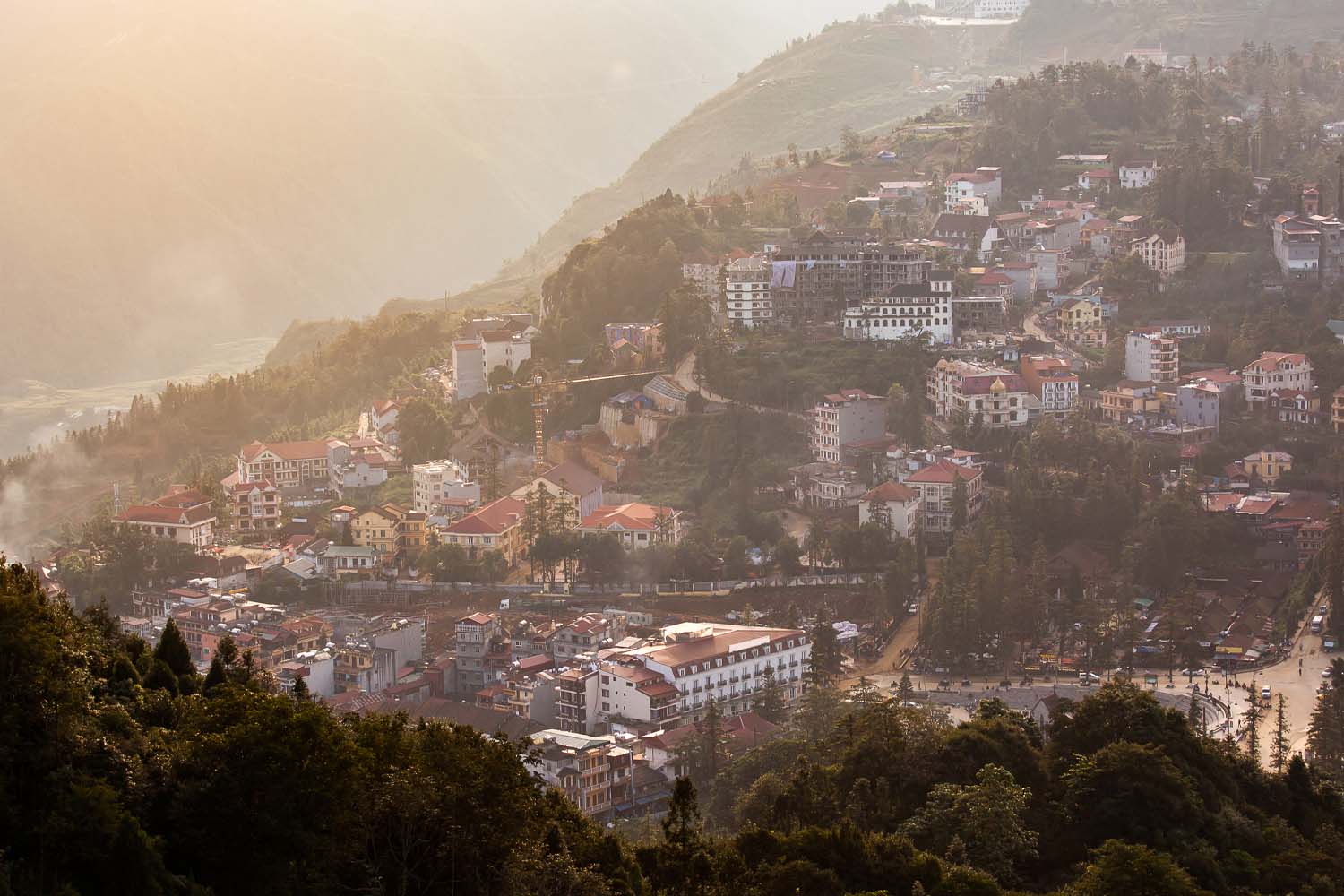
Determining the best time to visit Sapa depends entirely on what travelers hope to experience. Sapa is one of Vietnam’s most diverse destinations, with its weather, scenery, and seasonal atmosphere. The region’s mountainous geography and elevation create conditions that shift dramatically between seasons, sometimes even within the same week. As a result, travelers seeking golden rice terraces may arrive during a completely different visual landscape than those wanting cloud-hunting or misty mountain views. Similarly, trekkers who expect clear trails might instead find fog-covered paths if they visit at the wrong time. The question of the “best time” cannot be answered with a single month or period; instead, it depends on matching personal expectations to Sapa’s rapidly changing seasonal environment.
Sapa’s landscapes vary more dramatically than most destinations in Vietnam. Its rice terraces shift from vibrant green to golden yellow, then lie bare in winter. Fog rolls through the valleys, rearranging the visibility of mountains from hour to hour. Cloud layers settle across high peaks, turning ridges into floating islands. Flower seasons bloom at distinct intervals, and ethnic minority communities rotate agricultural activities throughout the year, shaping the atmosphere of villages and markets. For travelers, this means Sapa can feel like multiple destinations depending on when they arrive.
This guide takes an experience-focused approach to determine the best time to visit Sapa. Instead of simply listing months and weather descriptions, it explains when specific activities and landscapes reach their peak. Travelers seeking green rice terraces will find a different ideal season than those wanting golden harvest scenery. Trekking enthusiasts may prefer clearer, drier weather, while travelers wanting misty mountains or foggy winter aesthetics will choose another period entirely. Understanding these distinctions ensures that each traveler visits Sapa during the time that aligns with their expectations, interests, and comfort level.
Beautiful green rice terraces
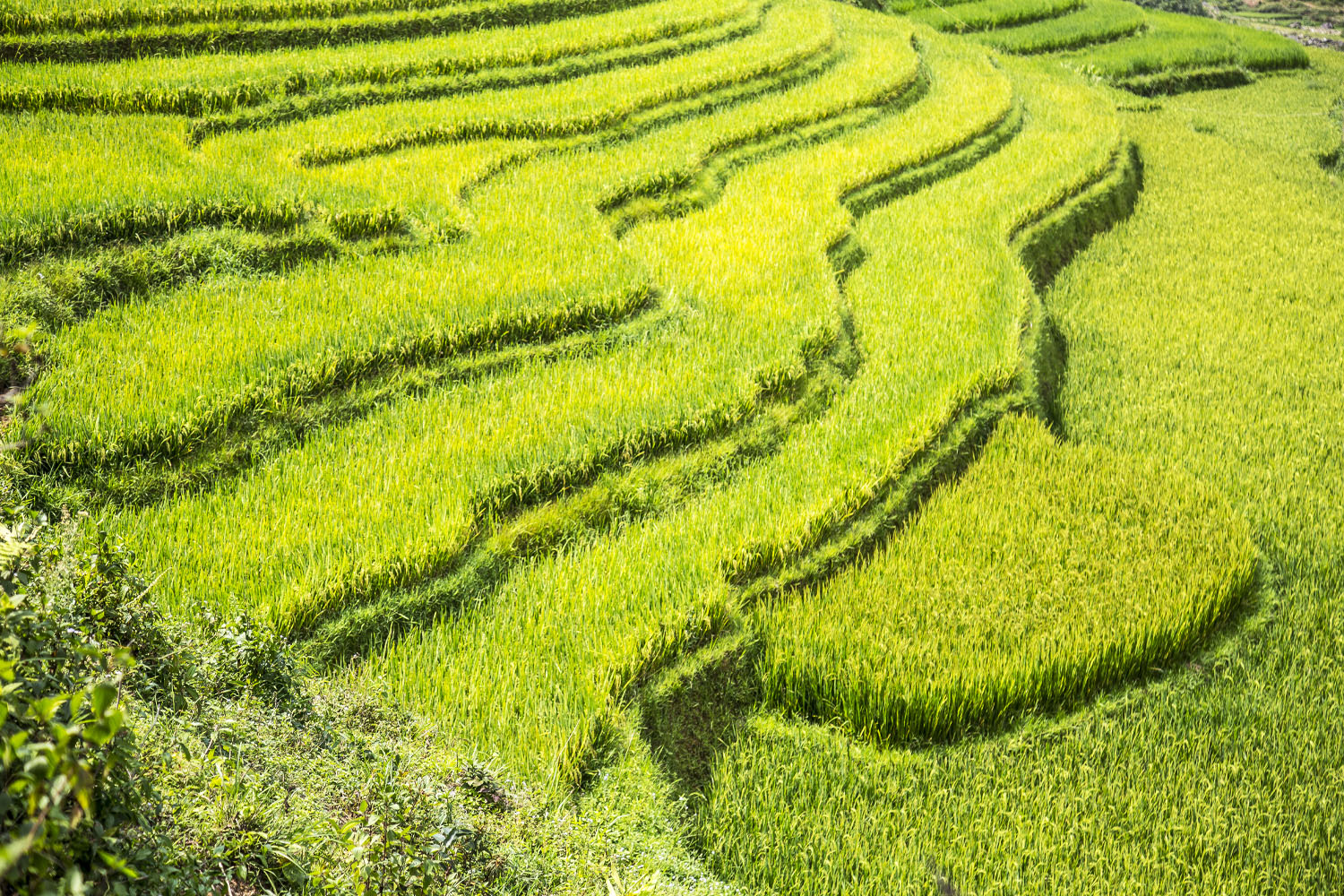
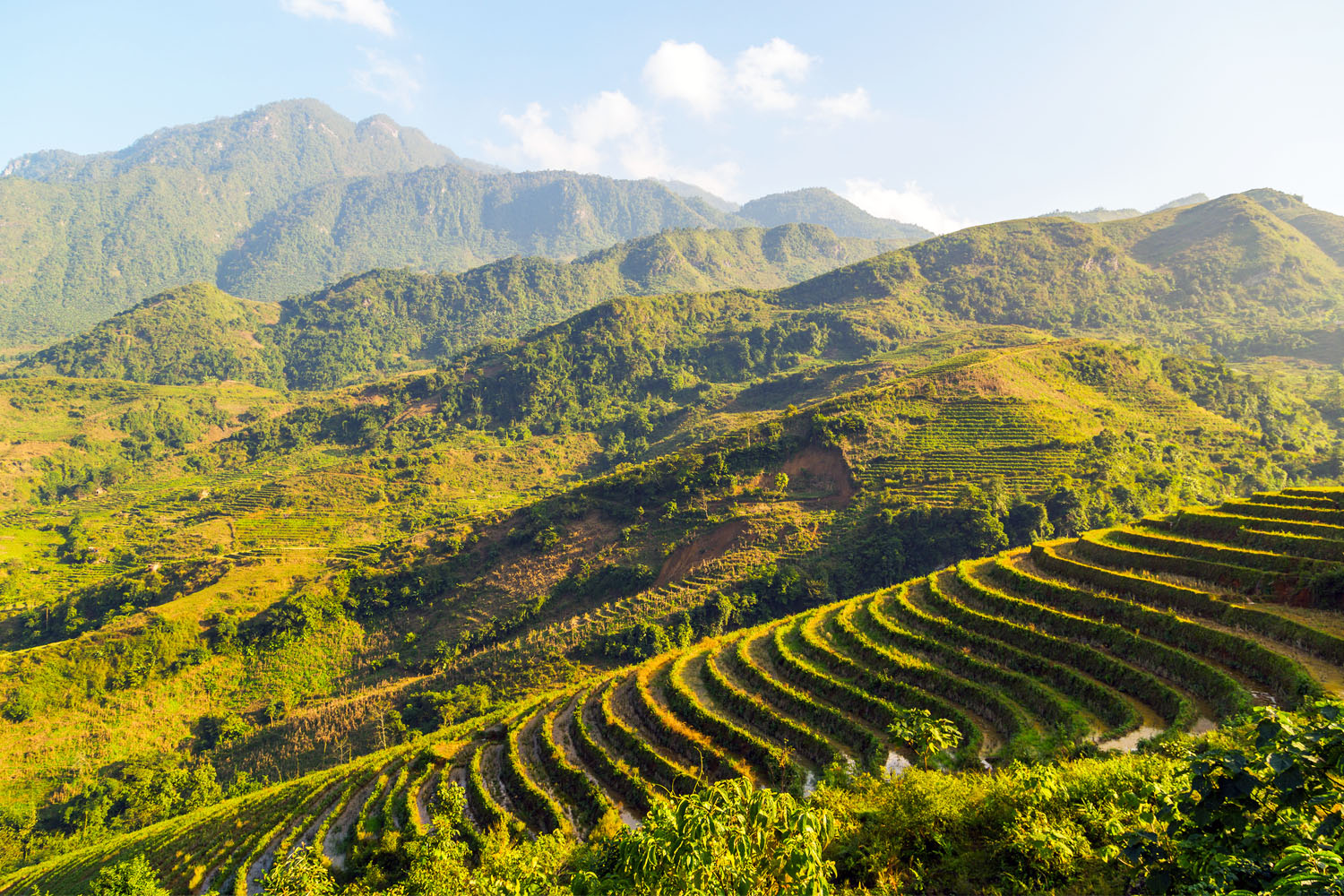
Travelers who want to see Sapa’s terraces at their freshest, brightest, and most vibrant should plan their visit during the green season. This period presents Sapa’s rice terraces in full growth, with a layered landscape of lush textures stretching along the mountains. The new rice shoots create a soft, smooth appearance across the terraces, giving them a clean, uniform look that contrasts with the golden harvest season.
The green season typically begins after farmers transplant rice into the terraces. In Sapa, the growing cycle depends on both altitude and specific ethnic minority communities, but generally, the landscape becomes vibrantly green in the late summer period. During this time, the rice grows rapidly, filling each terrace with dense vegetation. The vivid green color looks particularly striking when early morning sunlight hits the slopes, turning the terraces into luminous bands of color visible from afar.
Travelers visiting Sapa for the purpose of photographing or walking through green rice landscapes often find this season particularly rewarding. The terraces look healthier and more uniform compared to later stages of the harvest cycle, and the consistent green tones across the mountains make the scenery feel harmonious and balanced. The atmosphere feels lively as well, with local farmers spending long days tending to the rice. Visitors walking through villages such as Lao Chai, Ta Van, and Cat Cat during this season experience daily life at its most active.
Weather conditions during the green season tend to be warm but manageable. Fog is less frequent than in winter, allowing clearer views of the mountains, though occasional showers can occur. These showers help maintain the vibrant color of the terraces and usually pass quickly, creating a fresh, revived landscape afterward. The temperature supports long walks, though travelers should be prepared for humidity and intermittent rain, depending on the specific period they choose to visit.
For those prioritizing green terraces, this season offers the fullest representation of Sapa’s agricultural beauty. The fields appear consistent, structured, and intensely lush, offering travelers sweeping views of green carpets cascading down the mountain ridges.
The golden harvest season
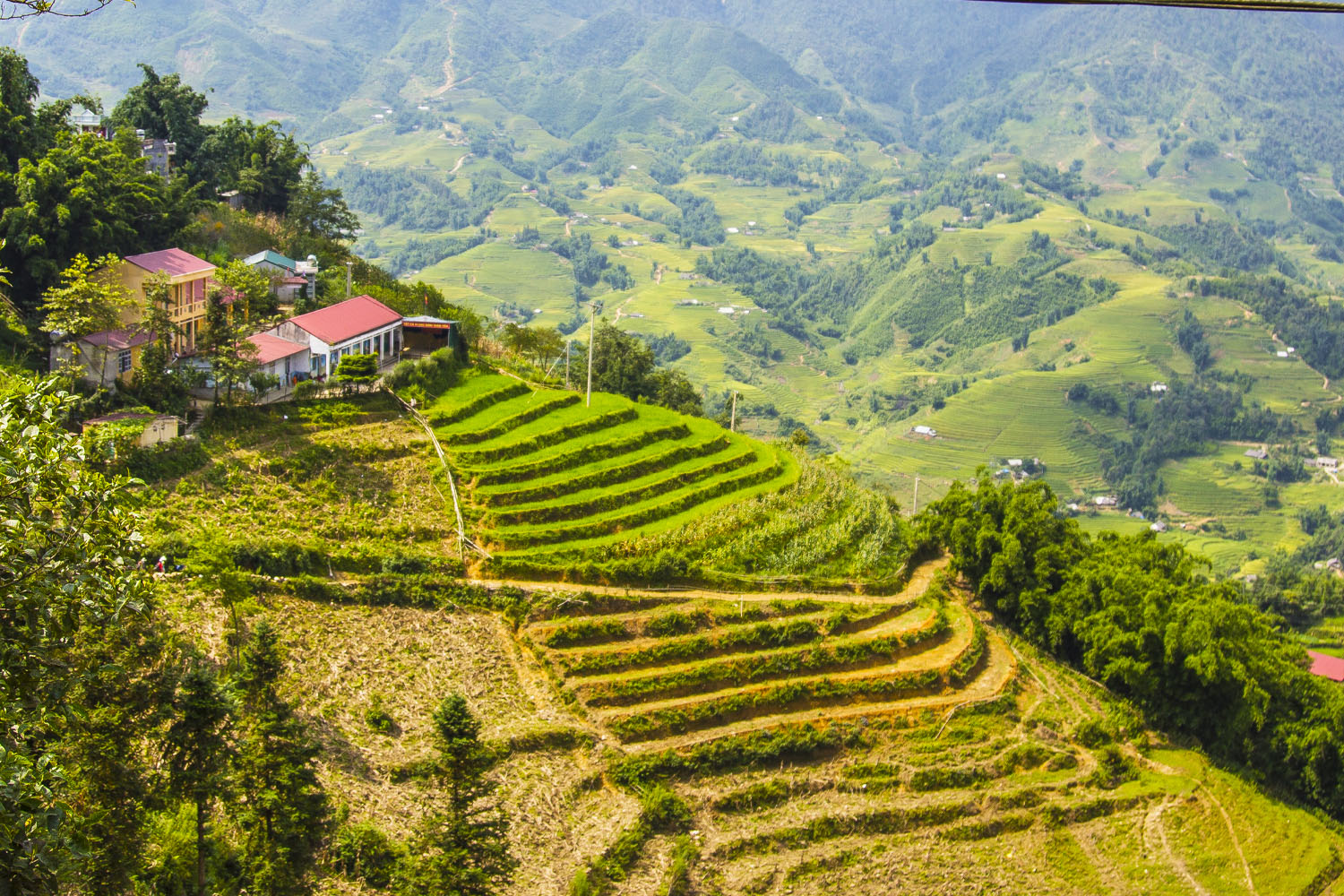
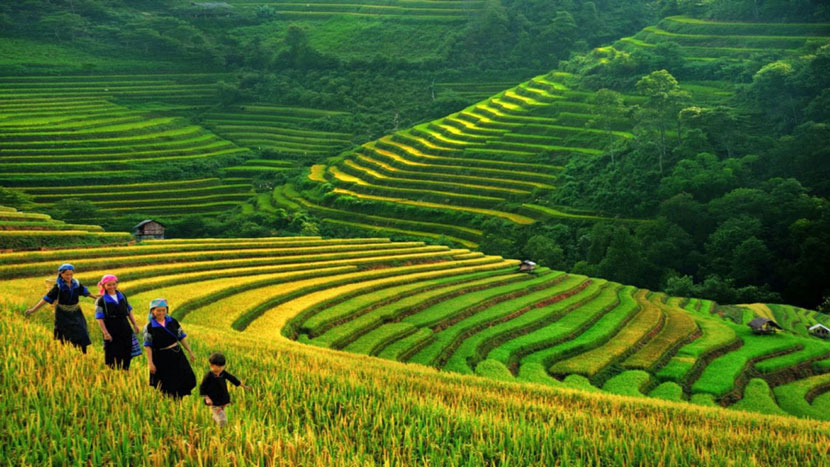
For many travelers, the golden harvest season represents the most iconic time to visit Sapa. During this period, the rice terraces transform into shimmering layers of gold, yellow, and soft brown as the rice reaches maturity. The golden season is often featured in travel photography, promotional images, and social media because it visually represents the richness of Vietnam’s northwest region.
The harvest typically occurs in late September to early October, depending on weather conditions and specific villages. During this time, the terraces glow under direct sunlight, creating the impression of a sweeping golden quilt laid across the mountains. Travelers standing at vantage points such as the Muong Hoa Valley, the viewpoint toward Y Linh Ho, or the ridge overlooking Ta Van often remark that the golden terraces feel surreal, especially during bright morning light or late afternoon shadows.
The golden season is ideal for photography, trekking, and cultural immersion. The terraces display sharp contrasts between gold and the surrounding green forests, providing dramatic scenery not available during other periods. Travelers also witness local communities harvesting rice, transporting bundles, and preparing terraces for the next cycle. This creates opportunities to observe traditional farming practices that remain unchanged for generations.
Weather during the harvest season is generally favorable. The rainy season fades by this time, bringing clearer skies, cooler nights, and reduced humidity. Visibility often improves, enabling travelers to view mountains that may be hidden behind fog during the winter months. Trekking conditions also become excellent, with drier trails and mild temperatures supporting long distances.
Those seeking iconic Sapa landscapes will find the golden harvest season unmatched in visual impact. It is the time when the terraces are not only beautiful but deeply meaningful, representing the culmination of a year’s agricultural effort.
Cloud hunting among the misty mountain tops
Some travelers are drawn to Sapa for its mystical, atmospheric side rather than its agricultural views. For this group, the best time to visit is during the winter season, when fog, mist, and cloud layers regularly sweep across the mountains. This season presents Sapa in a moodier, more dramatic form, with peaks appearing and disappearing throughout the day as the fog shifts.
Cloud hunting has become a popular activity in Sapa due to the formation of dense, low-lying clouds that settle among the valleys and ridges. These cloud layers often resemble a vast, white ocean seen from above, giving mountain viewpoints an ethereal appearance. Travelers looking for this phenomenon typically head toward areas at higher altitude, such as Fansipan Peak, O Quy Ho Pass, or Heaven’s Gate. These areas offer elevated views that allow travelers to observe cloud layers forming below them.
The atmospheric conditions during this season vary. Fog may appear thick in the morning, limiting visibility, but as sunlight breaks through, clouds drift upward or dissipate, revealing dramatic peaks and ridges. This makes cloud hunting an unpredictable but rewarding activity, as travelers may witness scenery that shifts dramatically in a matter of minutes.
Temperatures drop significantly during this season. Visitors should prepare for cold conditions, especially at high altitudes. Sapa town itself can become chilly, and rural villages feel even colder due to wind exposure and the absence of insulation in local homes. Despite the cold, many travelers find the winter season appealing for its raw, natural aesthetic. The subdued colors, fog-covered villages, and quiet atmosphere create a version of Sapa that feels peaceful and introspective.
For those seeking a dramatic, moody landscape with shifting visibility and cloud layers, the winter season offers the ideal experience.
Trekking and outdoor adventures
Sapa is one of Vietnam’s premier trekking destinations, attracting adventurers from around the world. Travelers seeking the best time for trekking must consider weather conditions, terrain stability, visibility, and overall comfort. The ideal period for trekking generally falls outside of the rainy season, as wet trails can become slippery and unsafe. For those who want long-distance trekking, village-to-village routes, or challenging hikes, selecting the right season is essential.
The post-rainy period between September and November offers excellent trekking conditions. Trails dry out after the heavy summer rain, temperatures become more manageable, and skies often remain clear. This creates an environment in which trekkers can cover long distances without worrying about slippery mud or extreme heat. The cooler nights also make accommodation in homestays more comfortable. Visibility improves during this period, allowing trekkers to enjoy wide mountain views and colorful landscapes.
The early spring period, from March to early May, also provides favorable trekking weather. Although the terraces are not at their greenest or most golden during this time, temperatures are mild, skies remain relatively clear, and the landscape begins to show early signs of new growth. Travelers who prioritize physical activity over landscape aesthetics often choose this season. The flowers that bloom during spring add subtle color to the trekking routes, enhancing the visual experience without dominating it.
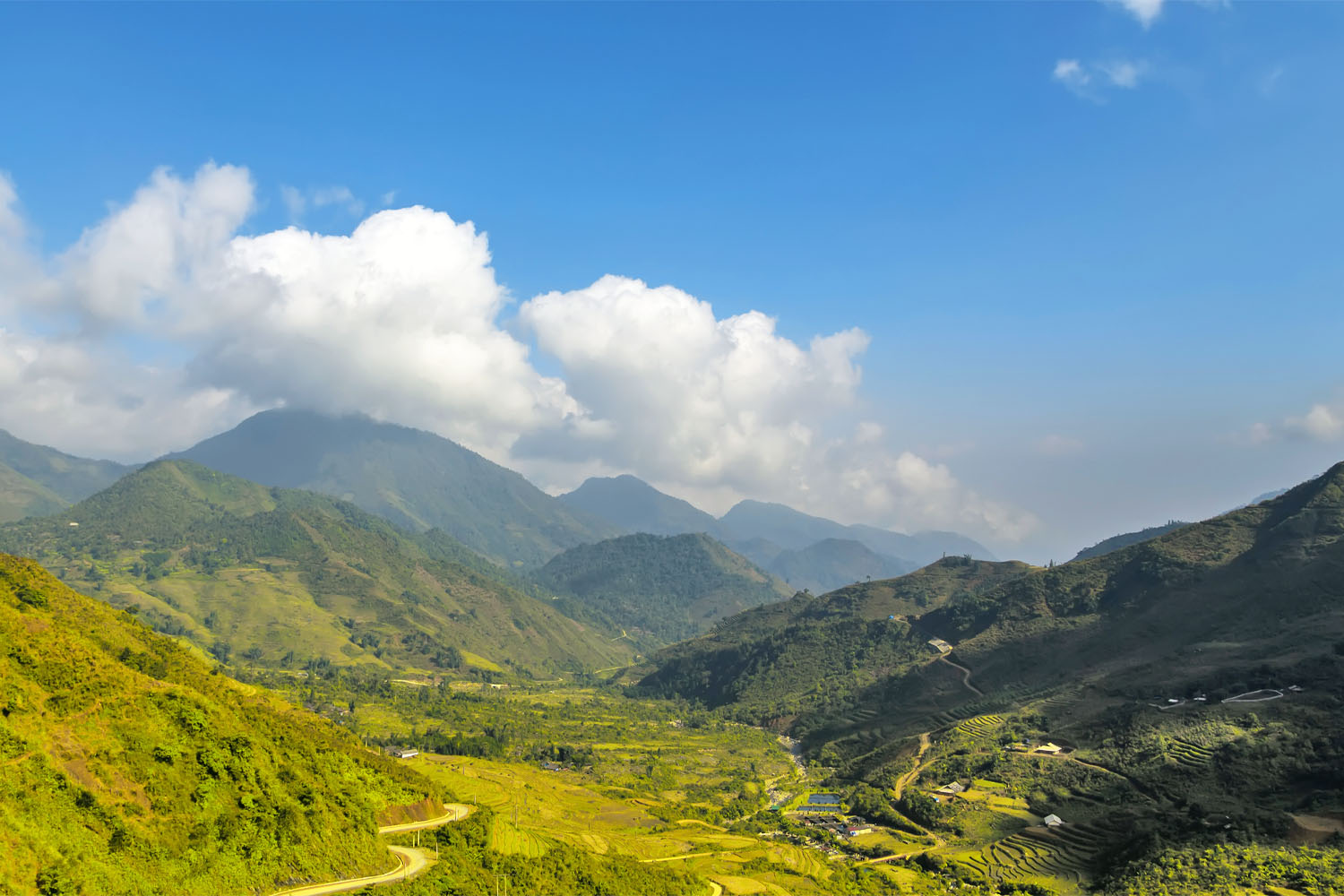
Winter trekking, while possible, presents challenges. The cold temperatures, thick fog, and reduced visibility can make hikes feel physically demanding and less scenic. Trails may be slippery due to moisture, and shorter daylight hours limit the time available for long routes. However, trekkers who enjoy cold weather and atmospheric scenery may still find this period appealing.
Summer trekking is the most unpredictable due to frequent rainfall and occasional storms. The wet ground increases the risk of slipping, and visibility may decrease during misty conditions. Travelers interested in trekking during summer should select shorter routes and plan flexible itineraries.
Overall, the best time for trekking depends on the type of conditions travelers find most comfortable. Those seeking clear weather and dry trails should visit in autumn or spring, while those who enjoy misty mountain atmospheres may prefer winter.
Cultural experiences and local festivals
Sapa is home to several ethnic minority groups, each with distinct traditions, customs, and agricultural cycles. Travelers who are interested in culture rather than scenery may find certain periods more rewarding than others. Festivals, farming seasons, and community events shape the cultural atmosphere throughout the year.
The post-harvest period in late autumn brings a relaxed, celebratory mood to many villages. With the busiest agricultural work complete, families have more free time, and communities often engage in traditional rituals, gatherings, and ceremonies. Travelers who visit during this time may witness activities such as communal meals, ceremonial offerings, and cultural performances. Although these events are not always publicly advertised, interacting with local guides increases the chances of experiencing authentic traditions.
The early days of the lunar new year, typically in late January or February, also offer rich cultural experiences. Villages prepare festive meals, visit ancestral altars, and participate in unique customs that vary between ethnic groups. During this period, Sapa becomes quieter, as many people focus on family activities. However, this quieter atmosphere offers travelers rare insight into household traditions and community structure. Visitors may participate in meal gatherings, help prepare holiday dishes, or learn about local myths and rituals.
Spring is another culturally significant period. As the landscape begins to warm and early flowers bloom, many ethnic communities conduct rituals meant to bless their crops and livestock. Travelers visiting during this time may witness ceremonies, hear traditional music, or encounter community gatherings that celebrate renewal and growth.
The cultural atmosphere fluctuates depending on agricultural cycles. Travelers seeking the most immersive cultural experiences should align their visit with periods when community life is most active, particularly after harvest or during early spring festivals.
A golden spot for art lovers
Photography enthusiasts will find that Sapa offers drastically different visual opportunities depending on the season. The region’s combination of terraced landscapes, fog-covered mountains, ethnic villages, and dramatic valleys creates opportunities for diverse styles of photography.
Those seeking classic rice terrace photographs should visit during the golden season in late September and early October. The light during this period is often soft and warm, and the terraces glow under the sun, making them ideal for capturing wide valley shots. The sharp contrast between golden terraces and dark green forests enhances the composition of landscape images.
The green season provides another style of photography. The terraces appear lush, dense, and symmetrical, offering a calmer aesthetic compared to the bold appearance of the golden terraces. Early morning shoots are particularly rewarding, as sunlight filtering through the moisture-laden air adds a gentle glow to the green landscape.
For dramatic, moody photography, the foggy winter season provides exceptional opportunities. Photographers can capture shifting cloud layers, partially revealed peaks, and atmospheric village scenes. The unpredictability of fog movement allows for dynamic compositions, though patience is required to wait for the right moment. The contrast between fog-covered mountains and traditional village homes offers striking images that differ from the typical terrace shots.
Spring brings blooming flowers, fresh greenery, and softer lighting conditions. Photographers focusing on macro shots, cultural portraits, or subtle landscape details may find this season particularly rewarding.
Sapa supports diverse photography styles, and the best time depends entirely on the subjects travelers want to capture.
Escape from Vietnam’s heat
Wanderers seeking relief from Vietnam’s hot, humid climate often look to Sapa as a cool-weather escape. With the best time for those seeking fresh, crisp mountain air being in the late autumn and winter seasons, when temperatures drop significantly, and the environment now feels starkly different from the average lowland destinations such as Hanoi or Ho Chi Minh City.
Sapa’s winter produces some of the coldest conditions in Vietnam, with nighttime temperatures dipping into single digits. Wind chill can make the air feel even colder, especially at high-altitude viewpoints. This cool weather attracts travelers who enjoy winter landscapes and cold morning walks through villages or hillsides.
The cool season also reduces the presence of insects, making trekking and exploring more comfortable. The crisp air feels refreshing, and many travelers appreciate the opportunity to drink hot tea or enjoy warm local dishes while overlooking fog-covered mountains.
However, visitors seeking cool weather should prepare for foggy conditions and reduced visibility. The crispness comes at the cost of limited panoramic views, as fog often settles in valleys and thickens during the morning. Despite this, many travelers enjoy the winter atmosphere for its introspective and peaceful qualities.
A tranquil vacation spot
Sapa can become much crowded during peak travel seasons, particularly during the golden harvest and summer holidays. For those who are seeking a quieter atmosphere should consider planning their visit during the early spring period or deep winter. These times see fewer domestic tourists, and international visitation also tends to be lower.
During quieter months, trekking routes become more peaceful, viewpoints less crowded, and accommodation more expensive only during Tet. Travelers who enjoy solitude or slow-paced exploration often appreciate these periods. The ability to walk through villages without encountering large groups enhances cultural immersion and encourages deeper interactions with local families.
However, quieter periods often coincide with colder or foggier conditions. Visitors must weigh the trade-off between solitude and visibility. Those comfortable with a more subdued landscape will find these months ideal for a crowd-free Sapa experience.
Mastering your time management to get the best out of Sapa
The best time to visit Sapa depends entirely on what travelers hope to see and experience. Sapa’s dynamic climate, shifting landscapes, and seasonal rhythms create distinct environments that appeal to different preferences. Travelers seeking green rice terraces will find the summer months rewarding, while those chasing golden harvest scenery should visit in late September or early October. Photographers seeking dramatic fog and cloud layers will favor winter, while trekkers often prefer the clear, dry conditions of late autumn or early spring.
Understanding these distinctions ensures that each traveler arrives during the period that aligns with their expectations. Sapa is a destination shaped by its seasons, and appreciating its beauty requires recognizing how its landscapes evolve throughout the year. Whether visitors seek agricultural beauty, cultural depth, atmospheric landscapes, or physically engaging treks, Sapa offers unique experiences in every season.
Frequently Asked Questions About the Best Time to Visit Sapa
What is the best overall time to visit Sapa?
Late September to early October is considered the most popular period because the golden rice terraces reach their peak and the weather is cool, dry, and ideal for trekking and photography.
When are the rice terraces green?
The terraces turn bright green during the growing season from July to early September, when the rice plants are fully developed but not yet ripe. This is the best time for travelers who prefer vibrant, fresh landscapes.
When is the golden harvest season in Sapa?
The terraces turn golden in late September, and the harvest continues into early October. This short window offers the most iconic terrace scenery.
When is the best time for cloud hunting?
The ideal cloud-hunting months are from December to February, when mist, fog, and low-lying clouds form consistently across the valleys and high ridges.
When is the weather best for trekking?
The most favorable trekking weather occurs from September to November and again from March to May, when temperatures are mild, rainfall is low, and visibility is good.
Is winter a good time to visit Sapa?
Yes, if you prefer cold weather, foggy scenery, and atmospheric landscapes. However, visibility can be limited, and temperatures drop significantly, especially in the early morning.
Is summer a good time to visit?
Summer offers lush green rice terraces and dramatic mountain scenery, but it also brings more rainfall and occasional storms, which can make trekking routes slippery.
When is Sapa least crowded?
January, February, and early March are the quietest months, offering fewer tourists and calmer trekking routes, though these months also bring the coldest and foggiest conditions.
Is Sapa worth visiting during Tet?
Sapa becomes quieter as many locals celebrate at home, and some services may close. However, the cultural atmosphere can feel special, and the cold-season scenery remains atmospheric.
What time is best for photography?
Golden season (late September) provides the most dramatic terrace shots, while winter offers unique fog-and-cloud compositions. Photographers seeking lush green tones should visit from July to September.