Introduction to the Mekong Delta
The Mekong Delta holds a special place in Vietnam’s cultural, agricultural, and emotional identity. It is a region where the river becomes a world of its own, dividing into countless tributaries that support floating markets, riverbank villages, fruit orchards, mangrove forests, and wide rice fields stretching toward the horizon. Travelers who reach this southern corner of Vietnam often describe the experience as discovering the country’s “most genuine heartbeat.” Everything here seems shaped by water: how people move, eat, work, and celebrate. Understanding the best time to visit the Mekong Delta is not just about choosing pleasant weather. It also means understanding how the region changes month by month, and how the lives of its people follow the pace of nature more closely than anywhere else in Vietnam.
Why the Mekong Delta feels different
The Delta’s charm is easy to feel when you glide down a quiet canal at sunrise. Coconut palms hang over the water, fishermen lift their nets in the soft morning light, and wooden boats move slowly between fruit orchards and rice paddies. Daily life looks simple, but it carries a kind of sincerity that is rare in more developed destinations. Even after only a short time here, travelers notice how deeply the community connects to its environment. Farmers read the river currents by instinct. Boatmen read the sky like a familiar book. Families rise before dawn to prepare goods for the floating markets and move through the day with a rhythm shaped by tides and seasons.
Why timing your visit matters
Choosing when to visit the Mekong Delta has a direct effect on your travel experience. The region changes dramatically throughout the year. Some months bring peaceful canals under blue skies. Others reveal swollen rivers that turn fields into wide, shimmering wetlands. Certain periods overflow with fruit harvests, while others fill with festival colors and holiday traditions. The way people cook, work, move, and celebrate also shifts with the climate. For travelers who want their journey to feel meaningful, understanding these seasonal changes becomes part of the experience.
This guide walks through the Mekong Delta’s climate, travel patterns, and seasonal atmosphere in depth. Instead of quick tips, it offers a complete picture of southern Vietnam’s “land of rivers,” showing how each period of the year shapes the landscapes, markets, food culture, and ways of life. With this knowledge, you can decide not only when the weather is pleasant, but when the Mekong Delta feels most alive for the type of trip you want.
Climate and seasonal patterns shaping the Mekong Delta
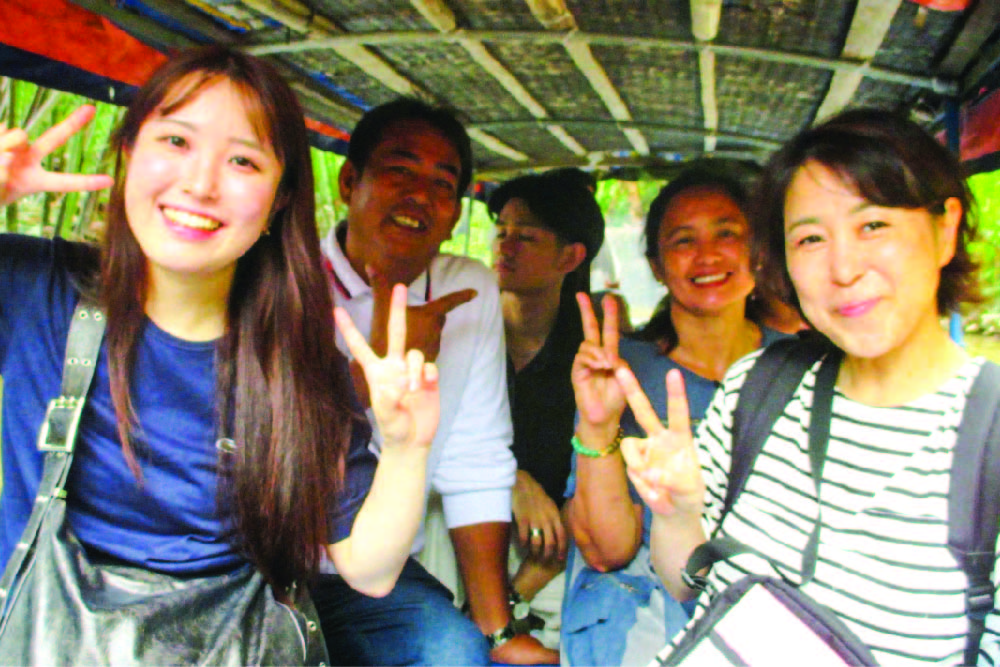
The Mekong Delta follows a tropical monsoon climate defined not by four seasons, but by two main cycles: the dry season and the rainy season. These two periods create very different environments. They influence water levels, river clarity, agricultural output, local festivals, and the way travelers experience the region. Even though temperatures stay warm throughout the year, the Delta behaves less like a typical beach destination and more like a living landscape that responds quickly to changes in rainfall and river flow.
Dry season versus rainy season in simple terms
The dry season brings stable skies, light breezes, and long stretches of sunshine. From December to April, the Delta shows a quieter landscape that feels wide and open under clear skies. Travelers find this period the easiest and most reliable for movement between provinces, river cruises, cycling routes, and market visits. Waterways stay calm, so boat journeys are smooth and predictable. For many first-time visitors, this season creates the classic image of the Mekong Delta: reflective canals lined with coconut palms, fruit orchards heavy with produce, and fishermen standing at the water’s edge.
The rainy season, by contrast, turns the Delta into a fertile basin full of new growth. Rain rarely lasts all day. It usually arrives in short afternoon bursts that cool the air and deepen the green landscape. Rice fields shine in shades of bright emerald. Lotus ponds fill to the brim. Vegetation becomes thick and lush. Rather than discouraging travel, the rainy months often reveal the Delta at its most vibrant and photogenic.
The floating season within the rainy months
Within the rainy season sits the floating season, a period when seasonal floods reshape the region in a very visible way. Floodwaters from upstream Cambodia move into Vietnam and spread across fields, orchards, and riverbanks. Locals do not treat these floods as disasters. They see them as blessings that bring mineral-rich sediment essential for future harvests. Villages adjust with ease. People travel by boat, floating markets expand, and life continues with familiar patterns that have existed for generations. For culturally curious travelers, this season offers a rare chance to see the Delta’s relationship with nature at its most intimate.
Temperature, humidity, and visibility
Throughout these seasonal shifts, temperatures stay fairly stable. Warmth is present year-round, usually ranging from the mid-twenties to low thirties in Celsius. What changes more dramatically is humidity, rainfall intensity, and visibility. These factors influence how comfortable it feels to explore on foot, how scenic boat tours appear, and how easy it is to travel across rural districts.
Because the Mekong Delta changes so clearly and so meaningfully throughout the year, choosing the best time to visit becomes a personal decision. Some travelers value predictability and clear skies. Others seek authenticity, agricultural activity, festivals, or rich landscapes. The next sections look at each season in more detail so you can match your expectations to the Delta’s natural rhythm.
Dry season experience (December to April)
The dry season is the most popular time to visit the Mekong Delta. During these months, the region leaves behind the unpredictability of the monsoon and settles into a stable climate that supports almost every type of travel activity. For inbound visitors who want smooth itineraries, comfortable weather, and clean landscapes, December to April offers the most convenient conditions.
How December and January feel in the Delta
December marks the beginning of this calmer period. The air becomes lighter, humidity drops, and skies brighten as the last rains fade. Rivers turn gentler, and early mornings feel especially peaceful. At this point travelers begin to experience the Delta in its most relaxed form. Wooden boats glide with little effort, and the reflections of coconut palms appear almost still on the canal surface. By January, the full dry-season mood has arrived, with long sunny days and a predictable climate that encourages exploration.
One of the main benefits of the dry months is comfort. Even though temperatures stay warm, the lower humidity changes how the heat feels on the skin. Travelers who usually struggle with tropical conditions often find the Mekong Delta manageable at this time. Long bike rides along riverside paths feel pleasant rather than tiring. Walking tours through markets are easier because the air no longer carries the heavy weight of the wet season. Even extended boat trips under the sun remain enjoyable when there is a mild breeze and clear visibility.
Tet and the fruit-rich months that follow

Scenic clarity is another highlight of the dry season. Without the haze or mist that often appears during the monsoon, landscapes look crisp and sharp. The horizon stretches across rice paddies. Bridges reflect cleanly on the river’s surface. The colors of fruit orchards intensify under direct sunlight. For photographers, this period offers some of the best conditions for capturing the Delta’s signature scenery.
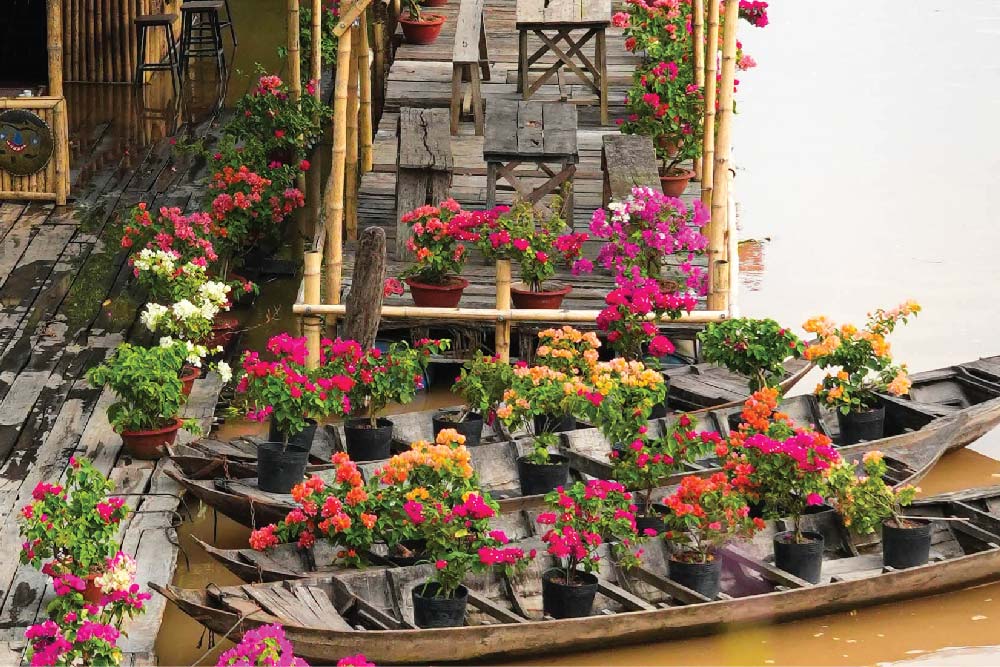
Culturally, December and January coincide with the build-up to Tet, Vietnam’s Lunar New Year. Across the Delta, towns and villages decorate houses with flowers and arrange outdoor markets full of holiday goods. Families clean and repaint their homes, prepare offerings, and visit relatives. The atmosphere feels warm and welcoming. Many residents treat travelers as guests, inviting them to taste holiday dishes or learn about ancestral traditions. Visiting during this time provides a deeper connection to local life and gives a very human context to the region’s seasonal changes.
After Tet, the Delta moves into its fruit season, which runs from roughly February to April. These months bring heavy abundance to orchards across Vinh Long, Ben Tre, Can Tho, and other provinces. Mangoes, longan, rambutan, star apples, and pomelos hang from the branches in large clusters. Many families open their orchards to visitors. You can taste fruit straight from the tree, learn how each variety is grown, and see how producers dry, candy, or preserve seasonal harvests. Walking through these farms under soft sunlight often becomes one of the most memorable parts of a Mekong Delta trip.
Exploring villages and waterways in the dry months
The weather in the dry season also supports longer excursions into rural areas that may be harder to reach when roads are muddy. Cycling tours along village lanes, sampan rides through shaded canals, and visits to remote floating villages become easier because surfaces stay firm and stable. Rice fields move through planting and growth stages, creating wide views of green stretching across the landscape. Clear water, bright foliage, and clean air all contribute to a welcoming atmosphere.
If your goal is to experience the Mekong Delta with maximum comfort, consistent sunshine, and smooth movement from province to province, the dry season offers the strongest advantages. It is when the region feels organized, vibrant, and easy to explore, which is why it remains the most popular choice for first-time international visitors.
Rainy season and floating season experience (May to November)
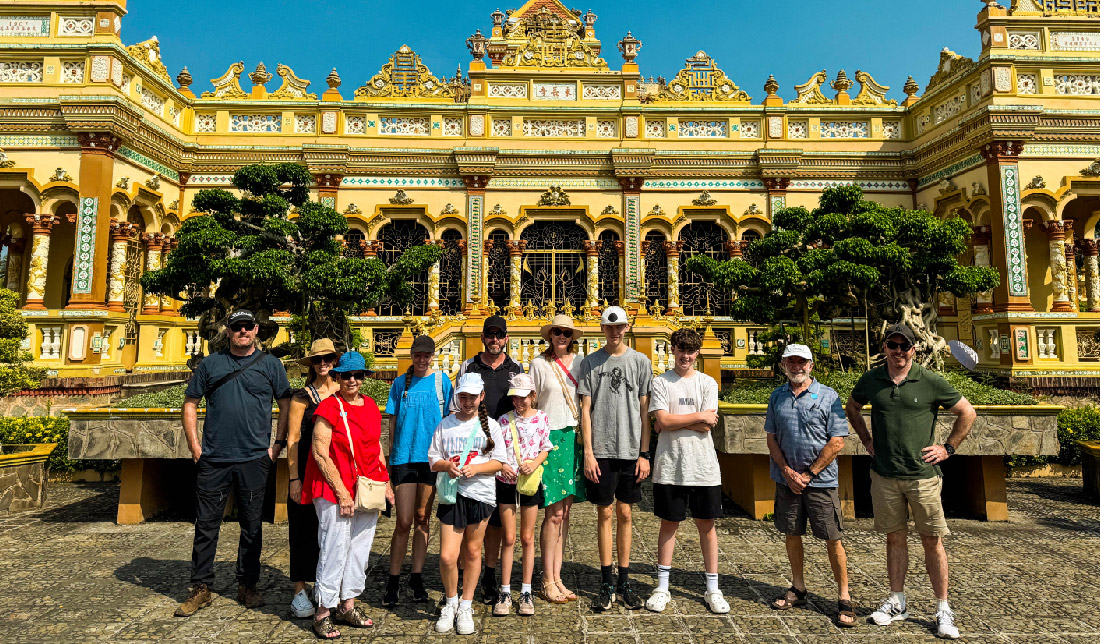
Many travelers hesitate to visit the Mekong Delta during the rainy season, but those who do often discover a very rewarding side of the region. From May to November, the Delta changes in ways that highlight its deep connection to water. This is a period of fast growth, intense agricultural work, and rich natural scenery.
Everyday life in the rainy months
The rainy season starts gradually in May with short afternoon showers that cool the day without ruining the morning. In most cases, rain does not dominate the entire day. It usually comes in bursts—sometimes heavy, often brief—followed by fresh air and clearer skies. Locals know this pattern well and plan their work around it. Travelers can do the same, using mornings for outdoor activities and keeping indoor options in mind for the wettest hours.
During these months, the Delta becomes very green. Rice paddies fill with bright shoots, lotus ponds spread wider, and canals deepen in color. Humidity rises, but it also feeds the vegetation. Trees grow thicker canopies. Fruit orchards absorb plenty of water and prepare for strong harvests. The air feels full of life. These conditions create dramatic landscapes, especially in the late afternoon when rain clouds gather over open fields and reflect on water-filled paddies.
Fewer crowds, richer food, and slower travel
One clear advantage of visiting in the rainy season is the lower number of tourists. Many people avoid this period because they worry about storms. As a result, the Delta feels quieter and more local. You may cycle along rural paths without seeing another traveler, or share a riverside café almost entirely with residents. This calmer environment can give your trip a more personal, less commercial feel.
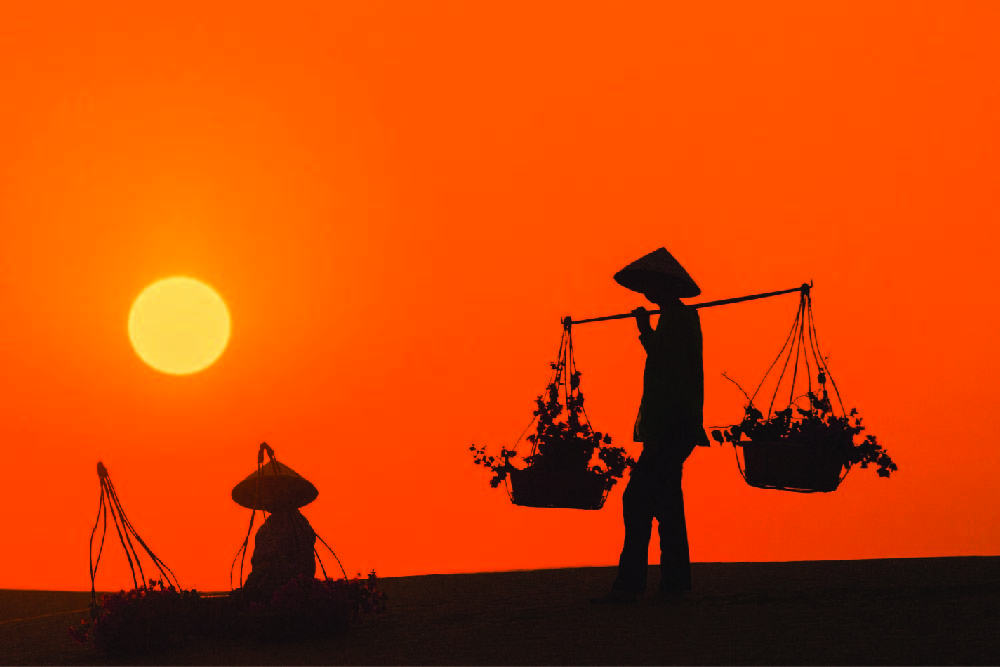
The rainy months also strengthen the region’s food scene. Vegetables, herbs, and fruits grow quickly, and ingredients reach markets in huge quantities. Homestays and small restaurants often cook with produce harvested the same day. Tropical fruits such as durian, mangosteen, and rambutan reach their best quality in this period. Visitors interested in Vietnamese food will find plenty to taste, from simple countryside dishes to rich river fish stews prepared for the season.
The floating season: August to October
From August to October, the Mekong Delta enters the floating season. This is the most distinctive part of the year. Floodwaters rise from upstream and spread across fields, swamps, and low-lying villages. Locals expect this change and prepare for it. They build homes on stilts or floating structures, adjust their work routines, and use boats as their main transport.
For visitors, the floating season can feel like stepping into a different world. You may see children rowing to school, farmers checking traps in flooded rice fields, or families cooking in houses that appear to stand directly on the water. Fishing becomes easier, and markets offer more river fish and aquatic plants. Many travelers describe this period as the most authentic expression of life in the Mekong Delta because it shows how people live with the river rather than fighting against it.
The rainy and floating seasons can introduce small challenges. Some rural roads turn muddy and a few activities may be delayed or rescheduled. However, they also offer experiences that are impossible in the dry months. If you place a high value on authenticity, traditional lifestyles, and dramatic scenery, this time of year can be extremely rewarding.
Which season is the best? Final insights for travelers
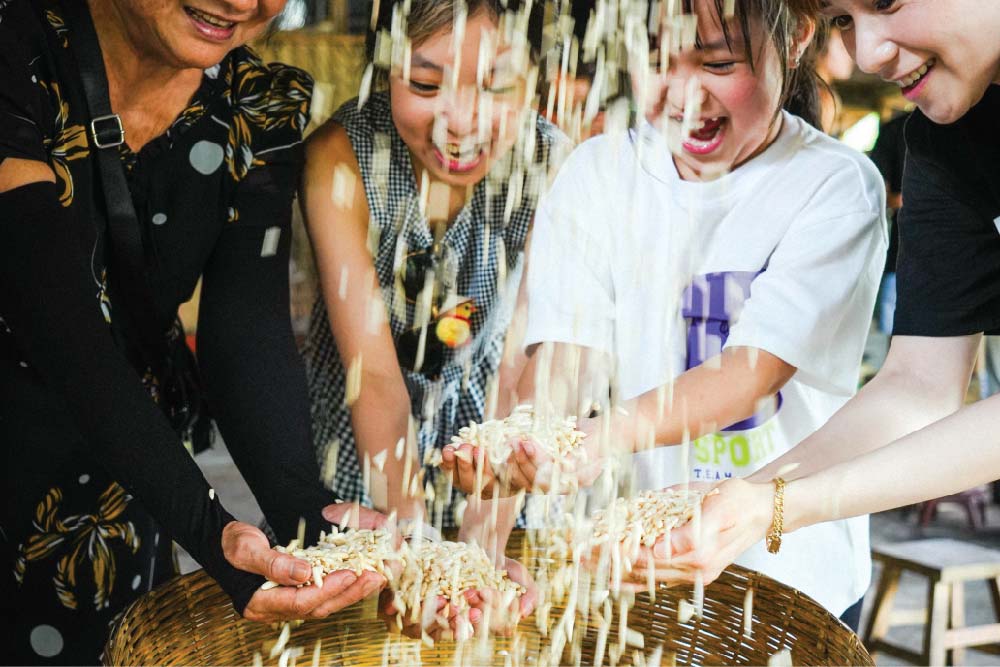
Choosing the best time to visit the Mekong Delta depends on the kind of journey you want. If you prefer clear skies, easy logistics, and a lighter climate, the dry season from December to April is the strongest fit. It offers stable weather, comfortable heat, and simple movement between provinces. This period is ideal for cycling, multi-day boat trips, and first-time visitors who want an introduction to life in southern Vietnam without dealing with heavy rain.
The rainy season from May to November is different but equally appealing in its own way. The landscape turns greener and more alive. Agricultural work intensifies, and the character of daily life comes into sharp focus. Short rains cool the air rather than stopping all activity. The floating season from August to October adds an extra layer of uniqueness, showing how communities live in harmony with seasonal floods.
For travelers who prioritise comfort and predictability, the dry season remains the most practical choice. For those who seek deeper cultural immersion, rich landscapes, and fewer crowds, the rainy season may offer more value. In both cases, the Mekong Delta delivers a mix of charm, hospitality, food, and scenery that stays in memory long after the trip ends.
The region is not just another stop on a Vietnam itinerary. It is a living environment shaped by water, history, and a long relationship between people and their river. Understanding the seasons will help you choose when to come, but the real essence of the Mekong Delta appears when you slow down, watch daily life unfold, and let the rivers set the pace of your journey.
Frequently asked questions
Is there a single best month to visit the Mekong Delta?
Not really. December to April is best for clear skies and easy travel, while August to October is best if you want to see the floating season.
Is December a good time to visit?
Yes. It is dry, pleasant, and ideal for first-time travelers.
Does it rain a lot in the Mekong Delta?
Rain falls mainly from May to November and usually comes in short afternoon showers, not all day.
Can I still travel during the rainy season?
Yes. Most tours run as normal and most mornings are dry.
What is the floating season?
The floating season from August to October is when floodwaters rise and turn fields and villages into a connected water landscape.
Is the floating season safe for travelers?
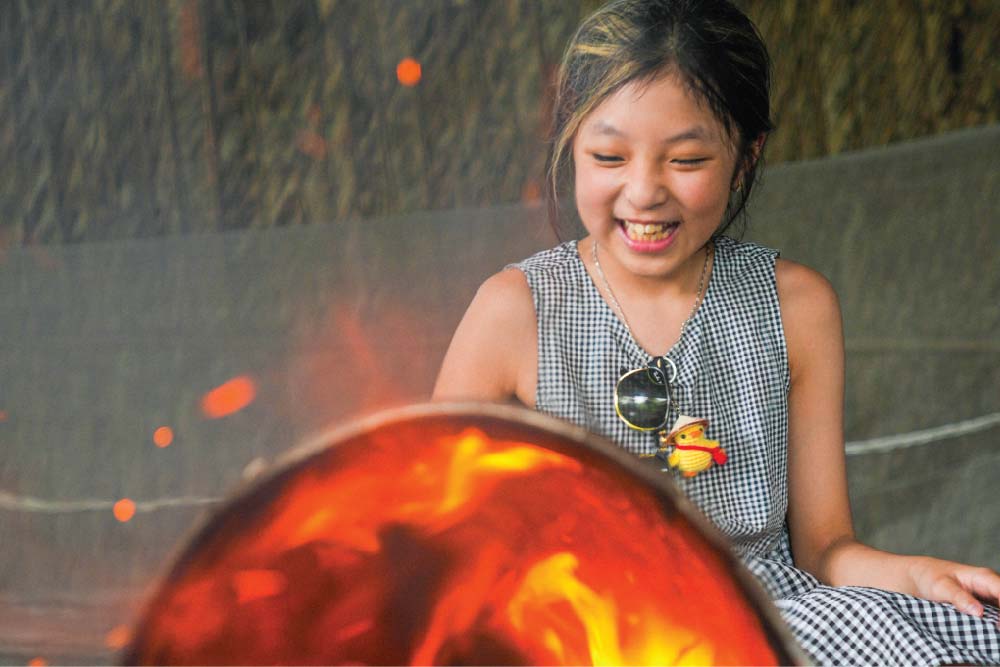
Yes. Locals are used to these water levels, and boats and tours operate with safety in mind.
Is the dry season too hot?
No. Temperatures are warm but the lower humidity makes them easier to handle than in the rainy months.
Are floating markets better in the dry or rainy season?
They operate year-round. The rainy season often brings more local activity and greener scenery.
Which months are best for the fruit season?
February to April usually offer the widest variety and the freshest harvests.
Do I need to worry about mosquitoes?
They are present all year, more noticeable in the rainy months. Regular insect repellent is usually enough.
Is cycling a good activity in the Mekong Delta?
Yes. The dry season offers easier roads, while the rainy season brings cooler air and greener views.
Are day trips from Ho Chi Minh City possible year-round?
Yes. Weather conditions rarely stop day tours from running.
What should I wear?
Light, breathable clothing works in all seasons. Pack a light rain jacket from May to November.
Is the Mekong Delta suitable for family travel?
Yes. The region is calm, friendly, and full of activities that work well for children and adults.