
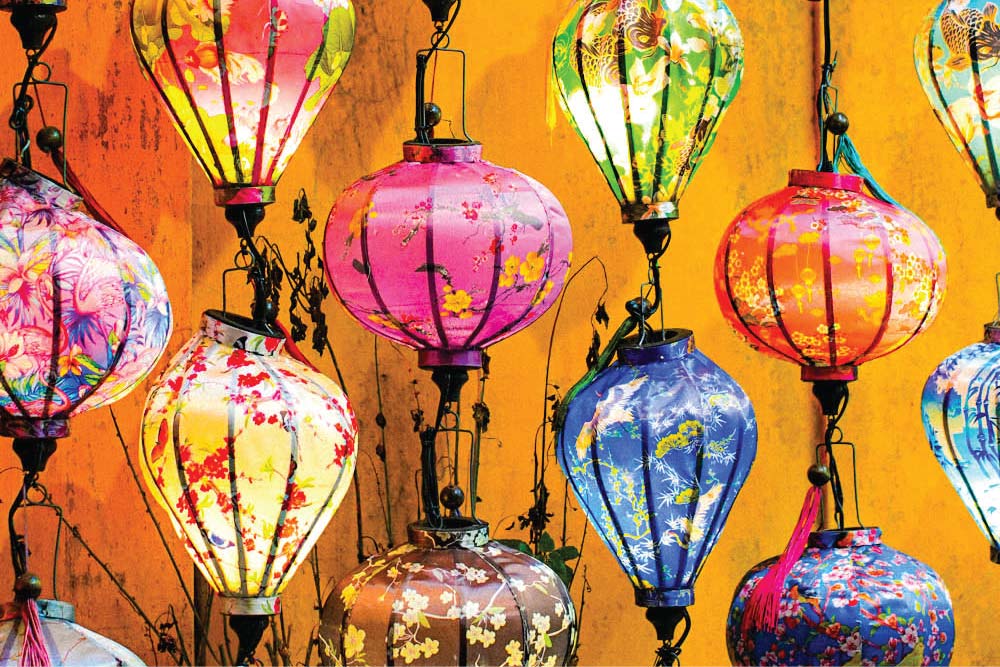
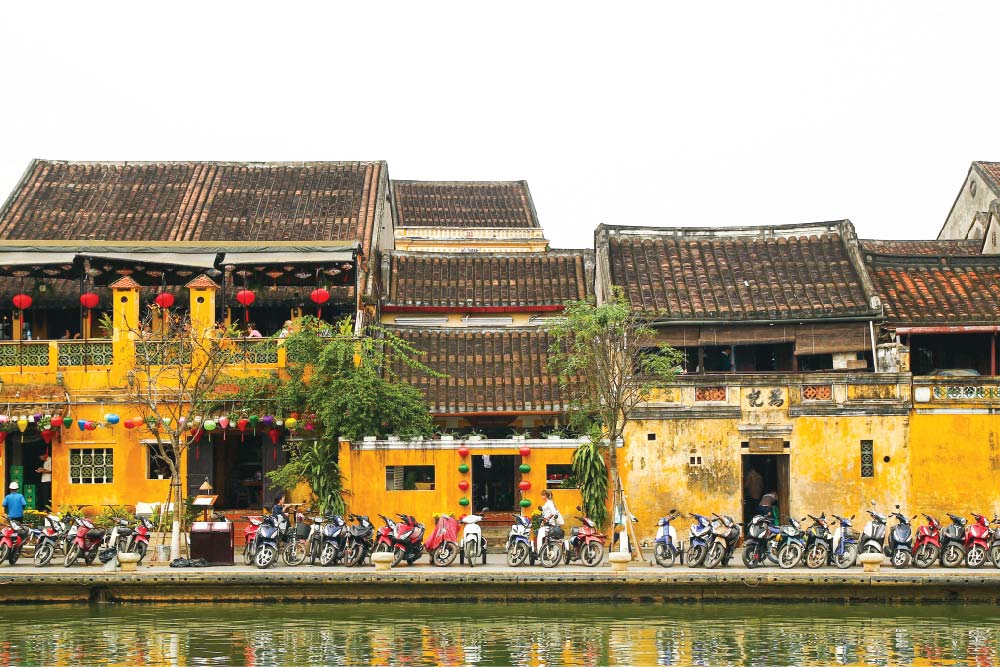
Picture this: lanterns glowing gold against twilight skies, their reflections dancing across the Thu Bon River. Ancient wooden houses line narrow streets where tailors have been crafting custom clothing for generations. The scent of cao lau noodles drifts from family-run restaurants, and everywhere you look, there’s another perfect Instagram moment waiting to happen.
This is Hoi An, the ancient town that Travel + Leisure readers voted as the number one city in Asia. But here’s what the magazine spreads don’t always tell you: Hoi An’s magic shifts dramatically throughout the year. Visit during the wrong season, and you might find yourself wading through flooded streets or wilting in oppressive heat. Choose wisely, and you’ll experience one of Southeast Asia’s most captivating destinations at its absolute best.
After guiding countless travelers through Vietnam’s central coast, I’ve learned that the best time to visit Hoi An isn’t a simple answer. It depends on what you’re seeking, what you’re willing to tolerate, and sometimes, what you’re hoping to photograph for your social media feed. Let me share everything you need to know to time your visit perfectly.
Understanding Hoi An‘s Two Main Seasons
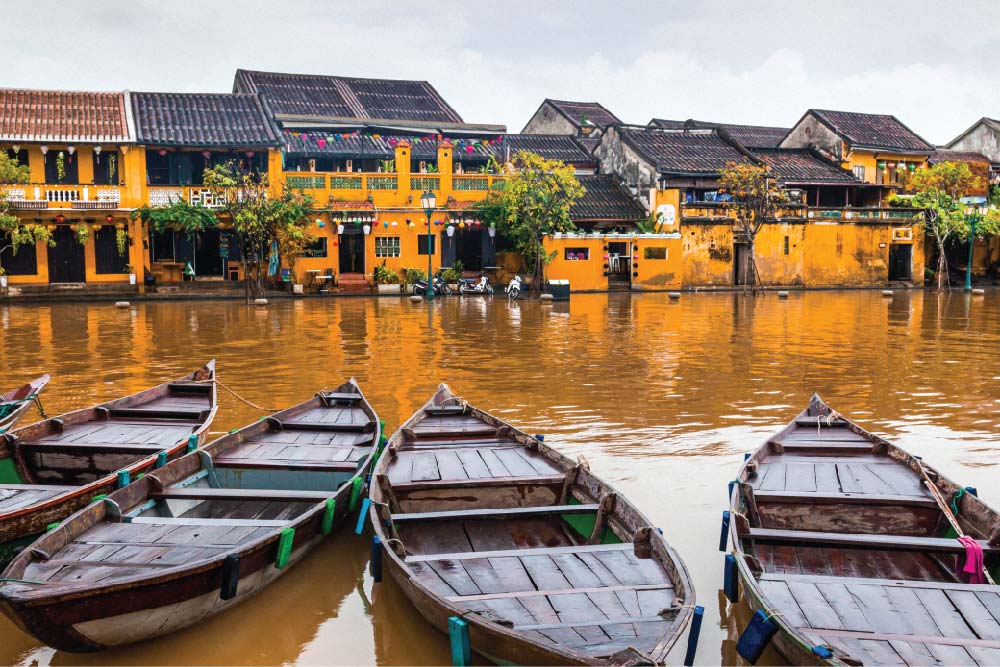
Unlike northern Vietnam with its four distinct seasons, Hoi An operates on a simpler but more dramatic two-season system: dry and wet. Each brings its own character to this UNESCO World Heritage town, and understanding these patterns is crucial for planning.
The Dry Season: February to August
The dry season represents what most people picture when they dream of visiting Hoi An. Clear blue skies stretch overhead, the ancient town glows under reliable sunshine, and those famous lanterns create picture-perfect scenes night after night.
February through April offers the sweet spot that many travelers consider ideal. Temperatures hover between 23 and 30 degrees Celsius, warm enough for beach time but comfortable for walking through the old town’s pedestrian streets. The humidity hasn’t reached its summer peak yet, and rain remains rare enough that you won’t need to plan around it.
You’ll notice the town comes alive during these months. Street vendors arrange their colorful displays with confidence that rain won’t ruin their merchandise. Restaurants fill their outdoor seating, and the evening lantern-lighting ceremony along the river becomes a nightly spectacle without weather-related cancellations.
But as we move into May and June, the character shifts. Temperatures climb steadily, often pushing past 35 degrees Celsius. The sun beats down with intensity that makes midday exploration genuinely uncomfortable. This is when you’ll understand why locals take long lunch breaks and why air conditioning becomes non-negotiable in your accommodation.
July and August bring peak summer heat. The beaches at An Bang and Cua Dai become the town’s saving grace, offering relief from the sweltering temperatures in Hoi An’s ancient quarter. Many travelers split their days between morning old town exploration and afternoon beach relaxation, a rhythm that makes perfect sense when you experience the heat firsthand.
The advantage of summer’s intensity? Fewer crowds compared to the optimal spring months, and accommodation prices that reflect the challenging conditions. If you’re heat-tolerant and plan your activities strategically, summer can work well, especially if beach time features prominently in your plans.
The Wet Season: September to January
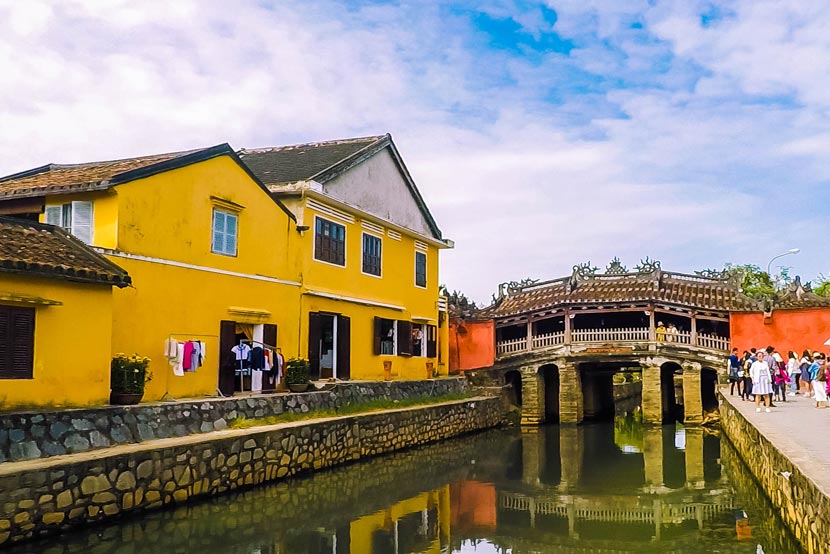
Here’s where Hoi An reveals its most dramatic and challenging personality. The wet season doesn’t mean constant drizzle. It means torrential downpours, rising rivers, and periodic flooding that can transform streets into canals.
September and October mark the transition, with increasing rainfall but not yet the severe flooding that characterizes later months. You’ll experience brief but intense afternoon storms, the kind that send everyone scrambling for cover and turn the streets into rushing streams for an hour before clearing.
November through January represents the wettest period, when Hoi An faces its biggest challenge: flooding. The Thu Bon River can rise dramatically, sometimes submerging the ancient town’s streets under a meter or more of water. Locals take this in stride, pulling out plastic tables and chairs that can handle the water, and life continues with remarkable normalcy.
I’ve seen travelers completely enchanted by flooded Hoi An, photographing the surreal scenes of people wading through ancient streets, boats replacing motorbikes as transportation. I’ve also seen visitors heartbroken that they can’t access certain areas or that their carefully planned itineraries need complete reorganization.
The flooding isn’t constant throughout these months. Hoi An might experience three or four major flood events during the wet season, each lasting a few days. Between floods, you’ll find surprisingly pleasant conditions, fewer tourists, and a more authentic glimpse of local life.
December and January also bring cooler temperatures, a welcome change from summer’s intensity. While rain remains frequent, you’ll notice locals bundling up in jackets when temperatures drop to 18 or 20 degrees Celsius, a reminder that comfort is relative.
Month by Month: What to Expect When You Visit Hoi An
February: The Season Awakens

February marks the beginning of Hoi An’s prime season. Temperatures remain moderate, rainfall stays minimal, and the town shakes off its wet season quietness. You’ll find excellent conditions for all activities, from old town exploration to beach days.
Tourist numbers increase compared to January but haven’t reached peak season levels. This creates a pleasant balance where the town feels vibrant without being overwhelmed. Accommodation prices start climbing but remain reasonable if you book a few weeks ahead.
Tet festivities often fall in February, transforming Hoi An into an even more spectacular destination. The ancient town decorates extensively, families reunite, and traditional celebrations fill the streets. Just remember that many shops and restaurants close for several days during Tet itself.
March and April: Peak Perfection
Ask ten travel experts about the best time to visit Hoi An, and at least eight will say March or April. These months deliver consistently beautiful weather, warm days without excessive heat, and minimal rainfall.
The ancient town reaches its photogenic peak during these months. Every element aligns perfectly: clear skies, comfortable temperatures, blooming flowers in courtyards, and those Instagram-famous lantern-lit evenings. You’ll understand why Hoi An dominates Southeast Asia travel feeds.
This perfection comes with crowds and prices to match. Popular restaurants require reservations, tailor shops buzz with customers, and the Japanese Covered Bridge becomes a congested photo spot. Book accommodations well in advance, as the best places fill up months ahead for March and April visits.
May and June: Heat Arrives
Summer announces its arrival in May, and by June, there’s no denying it. Temperatures soar, humidity climbs, and midday becomes genuinely oppressive. This is when you’ll see locals avoiding outdoor activities during the hottest hours, and you’ll want to follow their example.
The smart approach to visiting Hoi An during these months involves strategic timing. Start your days early, exploring the old town when morning light creates beautiful photographs and temperatures remain tolerable. Retreat to air-conditioned spaces or the beach during afternoon heat. Resume activities in late afternoon when things cool slightly.
Tourist numbers decrease compared to spring perfection, but you’ll still find plenty of company. The trade-off of heat for fewer crowds appeals to certain travelers, particularly those planning significant beach time or unbothered by high temperatures.
July and August: Summer Peak
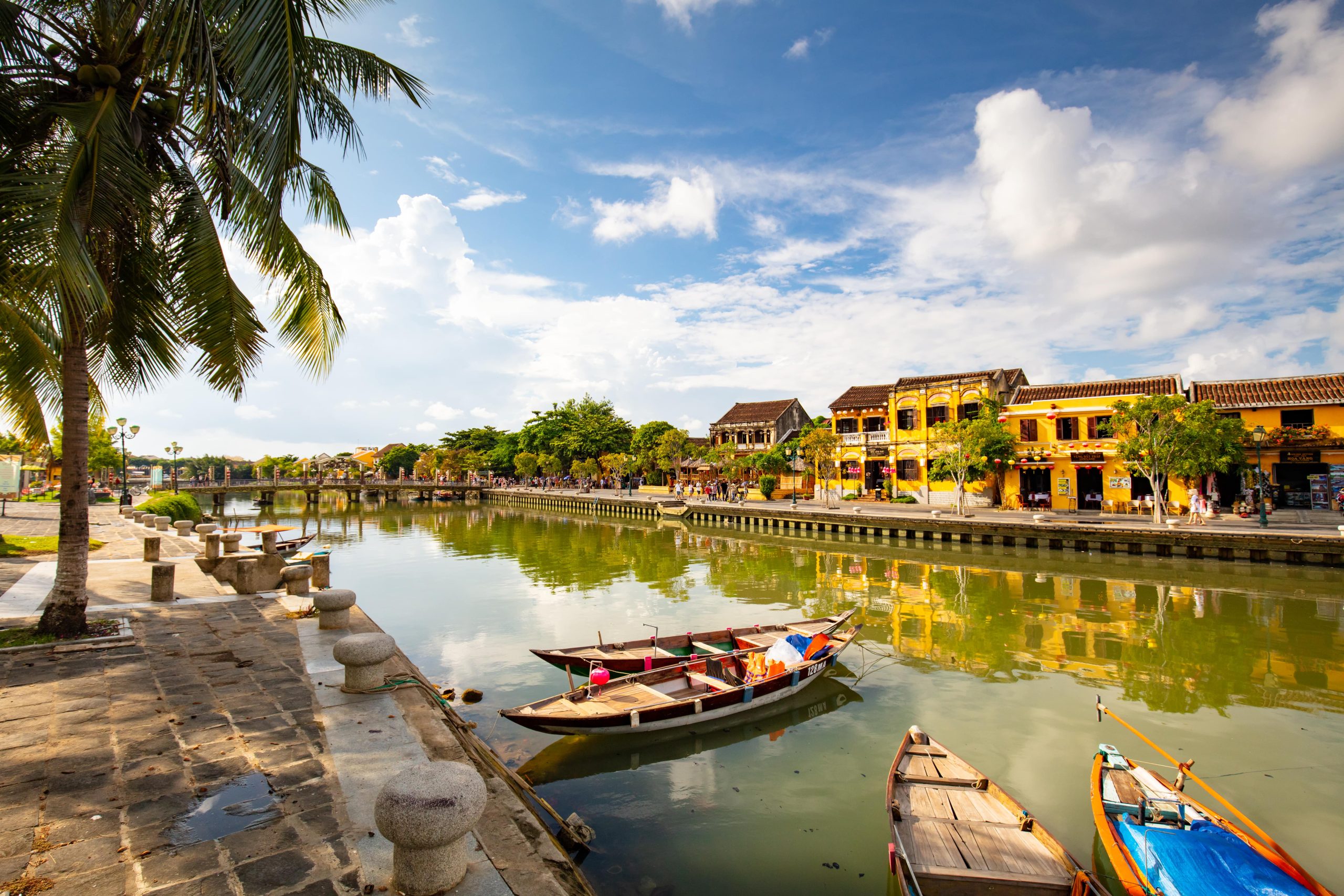
Peak summer in Hoi An means peak heat. Temperatures regularly exceed 35 degrees Celsius, and stepping outside midday feels like walking into a wall of hot air. The sun’s intensity requires serious sun protection and frequent hydration.
Yet these months have their devotees. Families with children on summer holiday, digital nomads who don’t mind heat, and beach lovers who want guaranteed sunshine all find reasons to visit during this period. The beaches deliver reliable weather, and the ocean provides essential cooling relief.
Evening becomes the prime time for old town exploration during summer months. As the sun sets and temperatures drop slightly, the ancient quarter comes alive with an energy that makes the daytime heat feel worth enduring.
September and October: Transition Time
September brings welcome relief from summer’s extremes, but it introduces new uncertainty: increasing rainfall. These transition months can surprise you with stretches of beautiful weather interrupted by sudden storms.
The rain typically arrives in intense but brief bursts during September and October. You’ll experience brilliant sunshine, then watch dark clouds roll in, experience a deluge for an hour, then see blue skies return. Traveling with a rain jacket and waterproof bag becomes essential.
Flooding becomes possible during these months but isn’t yet at its peak. You might visit without experiencing any flooding, or you might encounter one of the season’s first significant events. This unpredictability makes planning challenging but also keeps things interesting.
Prices drop noticeably compared to peak season, and tourist numbers decrease. If you don’t mind weather uncertainty and pack appropriately, these months offer good value and a more relaxed atmosphere.
November through January: Wet Season Reality
These are Hoi An’s most controversial months. Weather conditions can range from perfectly pleasant to severely flooded, sometimes within the same week. This unpredictability makes these months risky for travelers with fixed schedules or specific expectations.
The flooding deserves honest discussion. When the Thu Bon River rises significantly, parts of the ancient town become inaccessible except by boat. Some restaurants and shops close temporarily. Certain activities become impossible. This isn’t subtle inconvenience; it’s genuine disruption.
However, between flood events, you’ll often find beautiful conditions. December and January bring cooler temperatures that many travelers prefer over summer heat. The air feels fresh after rain, colors appear more vibrant, and the ancient town takes on a romantic, mysterious quality.
Budget travelers find these months attractive. Accommodation prices drop significantly, sometimes by fifty percent compared to peak season. Tour operators offer deals, and you’ll have more negotiating power with tailors and in markets.
The key to enjoying wet season Hoi An is flexibility. Don’t pack your itinerary tight. Build in buffer days. Maintain backup plans for activities. And consider flood timing as unpredictable as it is temporary.
Experiencing Hoi An’s Famous Festivals
Hoi An’s festival calendar adds another dimension to timing your visit. These celebrations offer cultural insights that transform a good trip into an unforgettable one.
Lantern Festival: Monthly Magic
Hoi An’s Full Moon Lantern Festival occurs monthly on the fourteenth day of the lunar calendar. The entire old town participates, turning off electric lights and illuminating streets with traditional lanterns instead. Locals release floating lanterns on the river, creating scenes of ethereal beauty.
This monthly occurrence means you can likely catch the festival regardless of when you visit. However, experiencing it during dry season offers more reliable weather and fuller participation. The combination of lantern glow, clear skies, and festive atmosphere creates genuinely magical evenings.
Tet Nguyen Dan: Lunar New Year
Tet transforms Hoi An completely. The ancient town decorates extensively with flowers, particularly yellow apricot blossoms and bright marigolds. Families reunite, traditional foods appear everywhere, and the atmosphere buzzes with celebration.
Visiting during Tet offers incredible cultural immersion but requires preparation. Many businesses close for several days, typically three to five days around the new year. Accommodation prices spike, and availability decreases. Transportation becomes challenging as locals travel to family gatherings.
If you plan to visit during Tet, book everything far in advance and accept that normal tourist services will be limited. The cultural experience compensates for logistical challenges, but only if you approach it with the right expectations.
Mid-Autumn Festival: September Celebration
September’s Mid-Autumn Festival brings another dimension of lantern-lit beauty to Hoi An. Children parade through streets with colorful lanterns, mooncakes fill bakery windows, and the ancient town radiates joy.
This festival coincides with the wet season’s early stages, so weather can be unpredictable. However, it’s worth considering if timing aligns, particularly if you’re interested in family-oriented celebrations and don’t mind potential rain.
Making Your Decision: Choosing the Best Time for Your Visit
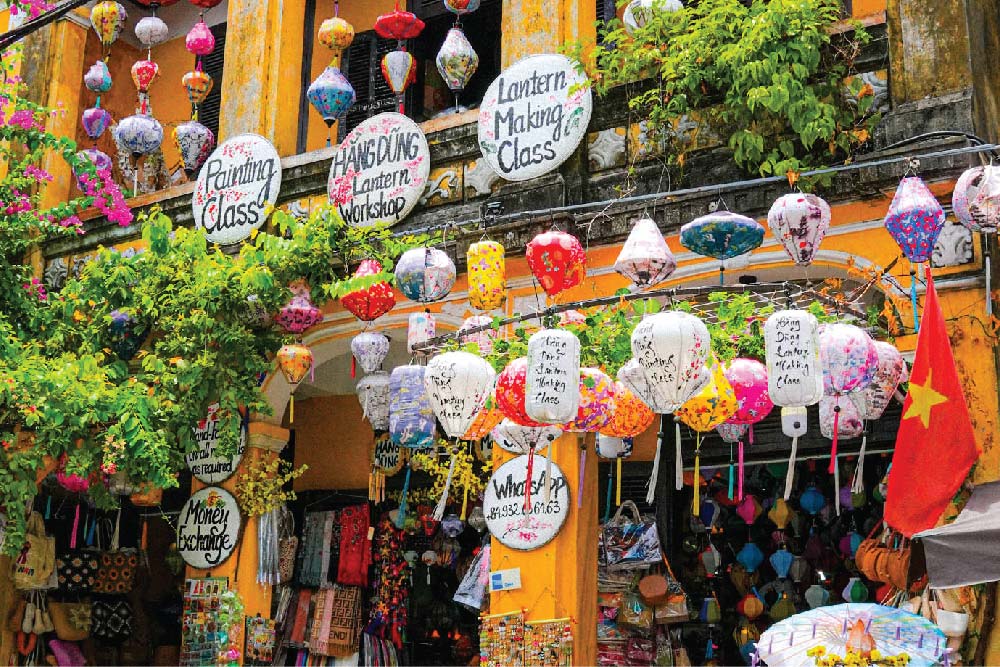
The best time to visit Hoi An ultimately depends on your personal priorities, tolerances, and what you hope to experience. Let me break down the considerations that should guide your decision.
Choose March or April if you want optimal conditions and don’t mind crowds or premium prices. These months offer the safest bet for first-time visitors who want everything to work smoothly. You’ll get great weather, full access to all activities, and the ancient town at its most photogenic.
Pick February if you want similar weather to March and April but with slightly fewer tourists and lower prices. You might catch Tet celebrations, adding cultural depth to your visit. Just be prepared for reduced services during the actual holiday period.
Consider May or June if you handle heat well and want fewer crowds without wet season risks. These months work particularly well if beach time factors heavily in your plans. The old town remains accessible and beautiful despite the temperature challenges.
Select July or August if you’re visiting with family during summer holidays or if you’re primarily interested in beach activities with old town exploration as a secondary focus. The heat is intense, but the reliable sunshine and ocean access compensate.
Think about September or October if you’re flexible about weather, interested in lower prices, and able to handle occasional rain disruptions. These transition months can surprise you with excellent conditions, but they can also challenge you with storms.
Choose November through January only if you’re genuinely flexible, deeply interested in experiencing authentic local life, or traveling on a tight budget that makes the risk worthwhile. Be prepared for possible flooding and have backup plans ready.
Beyond the Weather: What Makes Hoi An Special Year-Round
Despite seasonal variations, certain elements make Hoi An extraordinary regardless of when you visit. The ancient town’s UNESCO-protected architecture remains stunning in any weather. The tailor shops continue their craft whether it’s hot, cool, rainy, or dry. The food scene delivers incredible meals year-round.
The town’s compact layout means even weather challenges don’t completely prevent exploration. Most main attractions sit within walking distance of each other, and covered walkways provide shelter during rain. Many activities, from cooking classes to lantern-making workshops, happen indoors and work perfectly regardless of outdoor conditions.
Hoi An’s beaches offer different experiences across seasons but remain accessible and enjoyable most of the year. An Bang Beach and Cua Dai Beach provide escape from old town crowds, and the coastal environment brings refreshing breezes even during hot months.
The surrounding countryside deserves consideration too. Rice paddies turn brilliant green during wet season, creating stunning landscapes. The nearby Tra Que Vegetable Village offers cultural experiences that work year-round. Day trips to My Son Sanctuary or the Marble Mountains remain possible in most weather conditions.
Practical Tips for Every Season
Regardless of when you visit Hoi An, certain practical considerations apply. The ancient town’s streets are pedestrian-only in the central area, meaning you’ll do significant walking. Comfortable shoes are essential year-round, though you’ll want quick-dry options if visiting during wet season.
Sun protection matters in every season except the coolest wet season months. The central Vietnam sun is intense, and you’ll get more exposure than expected while exploring the old town’s open areas. Sunscreen, hats, and sunglasses are year-round essentials.
Hydration deserves constant attention, particularly during hot months. Carry water everywhere, and take advantage of the numerous cafes offering fresh coconut water and other refreshing drinks. Dehydration sneaks up quickly when you’re absorbed in exploring.
Photography enthusiasts should time their shots carefully regardless of season. Early morning and late afternoon offer the best light year-round. The ancient town’s yellow buildings glow particularly beautifully during golden hour. For lantern photography, arrive early to claim prime spots along the river before crowds gather.
Cultural respect matters in every season. Hoi An remains a living town where people work and worship, not just a tourist attraction. Dress modestly when visiting temples and assembly halls. Ask before photographing locals. Support family-run businesses rather than just international chains.
Planning Your Perfect Hoi An Experience
The questions about timing Hoi An visits reflect a larger truth about travel: there’s rarely one perfect answer that suits everyone. Your ideal time to visit Hoi An depends on factors unique to your situation, your preferences, your budget, and your tolerance for various challenges.
What I’ve learned from years of helping travelers plan Vietnam trips is that knowledge beats guesswork every time. Understanding what each season truly offers, beyond glossy magazine photos or influencer posts, allows you to make decisions aligned with your actual needs rather than idealized expectations.
Hoi An earns its reputation as one of Asia’s most beautiful destinations regardless of season. Yes, some months offer easier conditions than others. Yes, certain times bring challenges that test your flexibility. But the ancient town’s essential magic, its ability to transport you to another era while surrounding you with genuine warmth and incredible food, persists through every season.
The lanterns still glow. The tailors still stitch. The cao lau still satisfies. The Thu Bon River still flows, sometimes within its banks, sometimes over them. And travelers still fall in love with this place, whether they visit during peak perfection or wet season uncertainty.
Your job isn’t to identify the single “perfect” time to visit Hoi An. Your job is to understand the options, consider your priorities, and choose the season that matches what you’re seeking. Armed with realistic expectations and good information, any season can deliver an incredible Hoi An experience.
Start Your Hoi An Journey Today
Ready to experience the ancient town that captured the hearts of Travel + Leisure readers? Stop wrestling with endless research and conflicting advice. Our expertly designed Vietnam tours take the guesswork out of planning, ensuring you experience Hoi An at its best regardless of when you travel.
We craft itineraries that account for seasonal variations, building flexibility where needed and maximizing opportunities unique to your travel dates. Whether you want to master Vietnamese cooking, have custom clothing tailored, explore hidden villages, or simply soak in the ancient town’s timeless atmosphere, we design experiences that match your vision.
Our local guides know exactly how to navigate Hoi An’s seasonal quirks, from finding the best spots during high season crowds to making the most of wet season conditions. We handle all logistics, from timing your activities optimally to ensuring you never miss the monthly Lantern Festival or other cultural celebrations.
Contact us today for a personalized consultation. Our Vietnam travel specialists will help you choose the ideal time for your visit, design an itinerary that brings your Hoi An dreams to life, and ensure every detail works seamlessly. Your journey to Asia’s most enchanting ancient town starts here.