Vietnam is one of the most budget-friendly destinations in Asia, but traveling cheaply does not automatically mean traveling well. The difference between a great low-cost trip and a frustrating one often comes down to knowing where to spend, where to save, and how things work locally.
With the right approach, Vietnam offers excellent value for money. Food is affordable, transportation is flexible, and accommodation options cover every budget level. Even cultural experiences and long-distance travel can be surprisingly inexpensive.
These budget travel tips focus on helping you save money while still enjoying authentic experiences across Vietnam.
Understand what “budget” really means in Vietnam
Budget travel in Vietnam does not mean constant discomfort.
Many services are priced for local incomes, which means travelers benefit from naturally low costs rather than reduced quality. A cheap meal can still be fresh and delicious. A budget hotel can still be clean and well located.
The key is adjusting expectations. Instead of luxury standards at low prices, think in terms of good value and local norms.
When you travel the way locals do, costs drop quickly.
Choose the right time to travel

Timing has a major impact on your budget.
Low season, especially during the rainy months, offers lower prices on accommodation and tours. Popular destinations are less crowded, and discounts are common.
High season brings better weather but higher prices, especially around holidays like Lunar New Year. Traveling just before or after peak periods often gives the best balance of price and comfort.
Flexible dates are one of the easiest ways to save money in Vietnam.
Eat where locals eat
Food is where Vietnam shines for budget travelers.
Local eateries, street food stalls, and small family-run restaurants serve meals at very low prices. Portions are generous, and quality is usually high.
Avoid restaurants that aggressively target tourists or display long menus with photos of every dish. Instead, look for places that are busy with locals, especially during meal times.
Eating like a local not only saves money but also gives you a better understanding of Vietnamese culture.
Use local transportation whenever possible
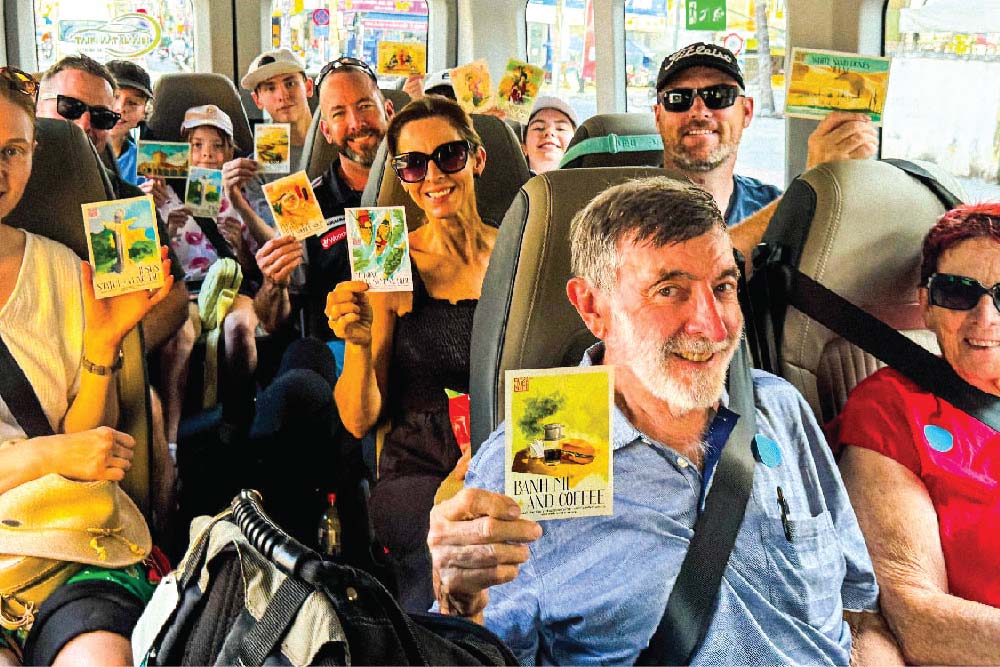
Vietnam has a wide range of transportation options at different price points.
Local buses, trains, and shared vans are much cheaper than private transfers. In cities, ride-hailing apps are affordable and transparent.
Overnight buses and trains save money on accommodation while covering long distances. Sleeper buses are common and widely used by locals.
Understanding transport options helps you move efficiently without overspending.
Be selective with tours and activities
Not all tours offer good value.
Short, mass-market tours are often cheap but rushed. Slightly more expensive small-group tours usually provide better experiences and are still affordable by international standards.
Free or low-cost activities are everywhere. Walking through old towns, visiting markets, exploring neighborhoods, and sitting in cafés cost little but offer rich experiences.
Prioritize experiences over checklists to keep costs down.
Choose accommodation strategically

Vietnam offers a wide range of budget accommodation.
Guesthouses, homestays, and small hotels often provide the best value. They are usually family-run, centrally located, and include basic amenities.
Hostels are common and suitable not only for backpackers but also for solo travelers who want private rooms at low cost.
Location matters more than luxury. Staying slightly outside tourist centers can reduce prices significantly.
Learn basic bargaining etiquette
Bargaining is part of daily life in markets and small shops, but it should be done respectfully.
For food and fixed-price services, bargaining is not expected. For souvenirs, clothing, and taxis without meters, negotiation is common.
A friendly attitude works better than aggressive haggling. Saving a small amount is less important than maintaining goodwill.
Understanding when and how to bargain prevents unnecessary spending and awkward situations.
Use cash wisely
Cash is still widely used in Vietnam, especially outside major cities.
Small denominations are useful for daily expenses and help avoid overpaying or losing money through unfavorable exchange rates.
ATMs are common, but withdrawal fees may apply. Planning fewer, larger withdrawals can reduce costs.
Using cash carefully helps control spending and avoid hidden charges.
Avoid common budget travel mistakes
Many travelers overspend not because Vietnam is expensive, but because they make avoidable choices.
Booking last-minute flights, relying only on taxis, eating exclusively in tourist areas, or joining unnecessary tours quickly increases costs.
Researching routes, reading reviews, and allowing flexibility reduce both expenses and stress.
Budget travel rewards preparation more than spontaneity.
Why Vietnam is ideal for first-time budget travelers

Vietnam is easy to navigate, safe, and welcoming.
Services are affordable, and infrastructure supports independent travel. English is commonly spoken in tourist areas, and travelers can adjust their budget easily as they go.
For those new to budget travel, Vietnam offers a forgiving learning curve.
You can travel comfortably without strict budgeting, which makes the experience more enjoyable.
Cheap transportation tips across Vietnam
Transportation is one of the easiest areas to control your budget in Vietnam.
For long distances, overnight buses and trains offer excellent value. Sleeper buses are widely used by locals and cover major routes at low prices. They save you the cost of a night’s accommodation while moving you efficiently between destinations.
Trains are slightly more expensive but more comfortable and reliable. Booking soft sleeper or soft seat tickets in advance helps keep costs down.
For shorter distances, shared vans and local buses are significantly cheaper than private cars. In cities, ride-hailing apps offer transparent pricing and are often cheaper than traditional taxis.
Avoid booking transportation through hotels unless convenience matters more than cost, as markups are common.
How much food actually costs in Vietnam
Food is one of the biggest advantages for budget travelers.
Street food meals typically cost very little and are filling. Local restaurants serving Vietnamese dishes remain affordable even in tourist areas.
A daily food budget can stay low while still allowing multiple meals, snacks, and drinks. Western restaurants, imported alcohol, and upscale cafés are where costs rise quickly.
Drinking coffee, fresh juice, and local beverages is inexpensive. Imported drinks and cocktails cost more and add up fast.
Eating simply and locally keeps food costs predictable and enjoyable.
Budget accommodation: what to expect

Vietnam’s budget accommodation is generally good value.
Guesthouses and small hotels offer clean rooms, private bathrooms, and helpful hosts at reasonable prices. Homestays provide both affordability and cultural interaction, especially in rural areas.
Hostels are widespread and not limited to dorm beds. Many offer private rooms at prices lower than hotels.
Booking platforms allow price comparison, but walking in and asking for a room can sometimes lead to better deals, especially outside peak season.
Pay attention to location. Staying slightly away from main tourist streets often reduces prices without sacrificing convenience.
How to save money on tours and activities
Tours can be affordable if chosen carefully.
Avoid packing your itinerary with tours every day. Many of Vietnam’s best experiences cost little or nothing, such as walking through old towns, visiting markets, or exploring neighborhoods.
When you do book tours, compare prices and group sizes. Small-group tours often offer better value than very cheap mass tours.
Day trips from major cities are usually cheaper than multi-day tours and still provide insight into local life.
Free walking tours are available in some cities, but tipping the guide is expected.
Use local experiences instead of paid attractions
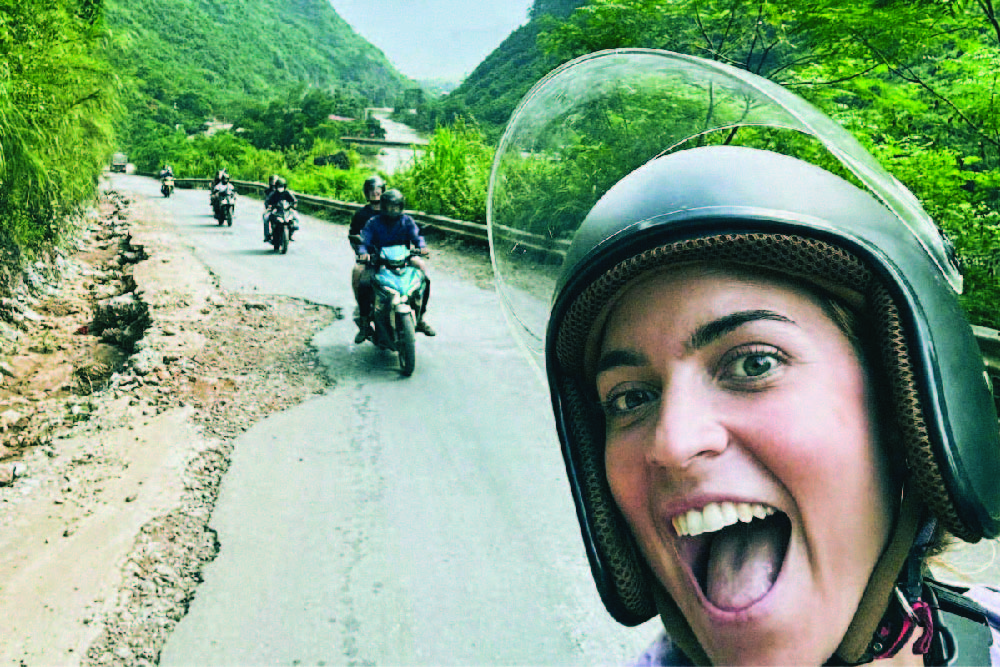
Many paid attractions in Vietnam are inexpensive, but costs add up if you visit many in one day.
Instead, focus on everyday experiences. Watching morning routines, visiting local cafés, observing street life, and exploring markets are free and often more memorable.
Religious sites, public parks, and riverside areas are usually free or cost very little to enter.
This approach keeps spending low while offering deeper cultural insight.
How to manage money and avoid hidden costs
ATM withdrawal fees vary, so withdrawing larger amounts less frequently helps reduce charges.
Currency exchange at airports is usually less favorable than in city centers. Using official exchange counters or ATMs gives better rates.
Be cautious with “too cheap to be true” offers. Extremely low prices often come with hidden costs, forced shopping stops, or reduced quality.
Understanding what is included before paying prevents surprise expenses.
Sample daily budget for Vietnam
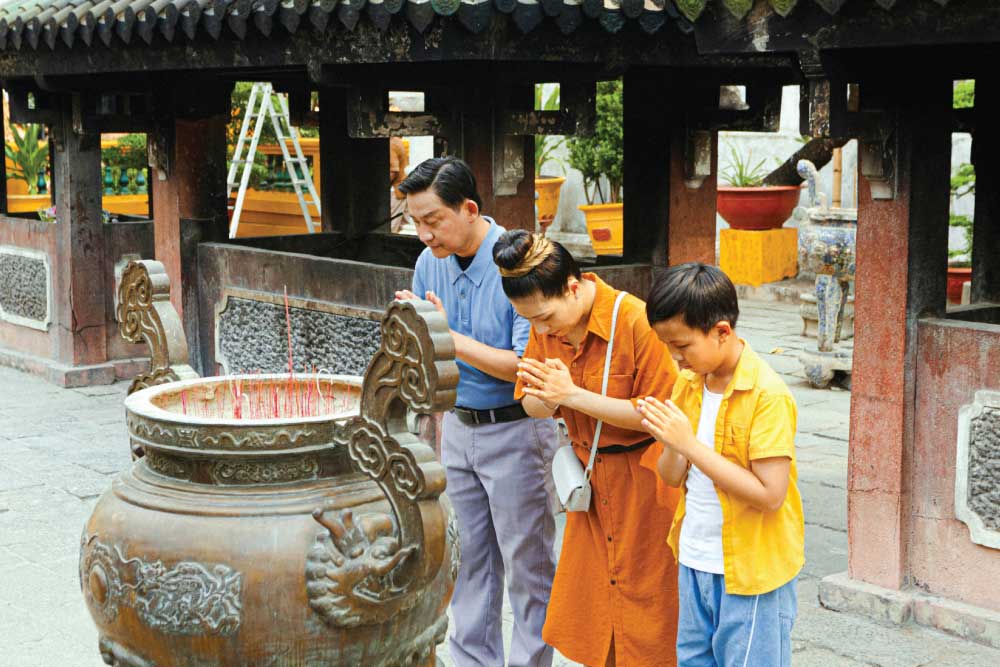
A realistic daily budget varies by travel style, but many travelers find Vietnam affordable without strict limits.
A budget-focused traveler staying in guesthouses, eating local food, and using public transport can keep daily costs low.
Mid-range travelers who mix budget options with occasional comfort upgrades still find Vietnam excellent value compared to many destinations.
Luxury spending is optional rather than necessary, which is what makes Vietnam flexible for different budgets.
Common mistakes that increase travel costs
One common mistake is booking everything in advance without comparing options. Vietnam allows flexibility, and prices often drop on arrival.
Another mistake is relying entirely on taxis or private transfers. Using buses and ride-hailing apps saves significant amounts.
Eating only in tourist-heavy areas also raises costs without improving quality.
Avoiding these habits keeps your budget under control.
Is Vietnam still cheap in 2026?
Vietnam remains affordable, but prices have increased gradually.
Accommodation and transportation costs have risen slightly, especially in popular destinations. However, food and local services remain inexpensive.
Compared to many other countries, Vietnam still offers strong value for budget travelers.
Being informed and flexible matters more than strict budgeting.
Who budget travel in Vietnam is best for
Budget travel in Vietnam suits:
-
first-time budget travelers
-
solo travelers and backpackers
-
long-term travelers
-
digital nomads
-
couples traveling independently
Vietnam’s infrastructure makes it easy to adjust spending without sacrificing comfort.
Final thoughts on budget travel in Vietnam
Budget travel in Vietnam is not about cutting corners. It is about understanding how the country works.
When you eat locally, move like residents do, and choose experiences thoughtfully, Vietnam becomes both affordable and deeply rewarding.
With preparation and openness, traveling Vietnam on a budget feels less like compromise and more like smart travel.