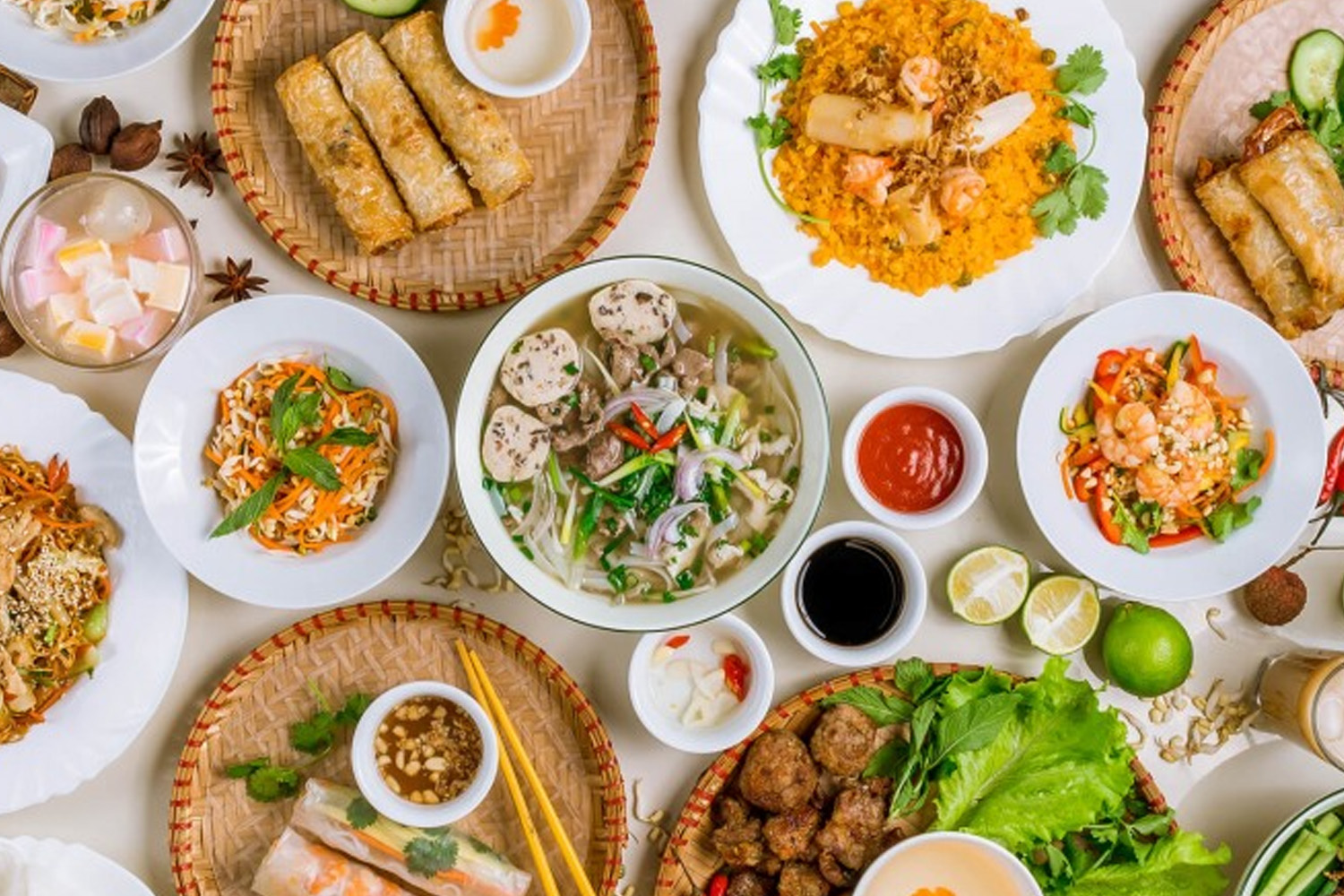
Discover Vietnam‘s culinary treasures beyond pho and banh mi. This complete guide explores authentic flavors, regional specialties, and where to find the best Vietnamese food experiences across the country.
Vietnamese cuisine ranks among the world’s most beloved food cultures. Fresh herbs enhance every dish. Moreover, complex spices add depth. Additionally, cooking techniques have been refined over centuries. You might know pho. You might also know banh mi. However, these alone barely scratch the surface. Vietnam’s culinary heritage offers so much more.
This guide explores 20 essential Vietnamese dishes. Every traveler should experience these foods. Furthermore, we provide practical information about ingredients. Regional variations are explained clearly. Additionally, we share where to find authentic preparations. Vietnam’s diverse culinary landscape awaits your discovery.
Essential Vietnamese dishes: national favorites
Pho: Vietnam’s most famous soup
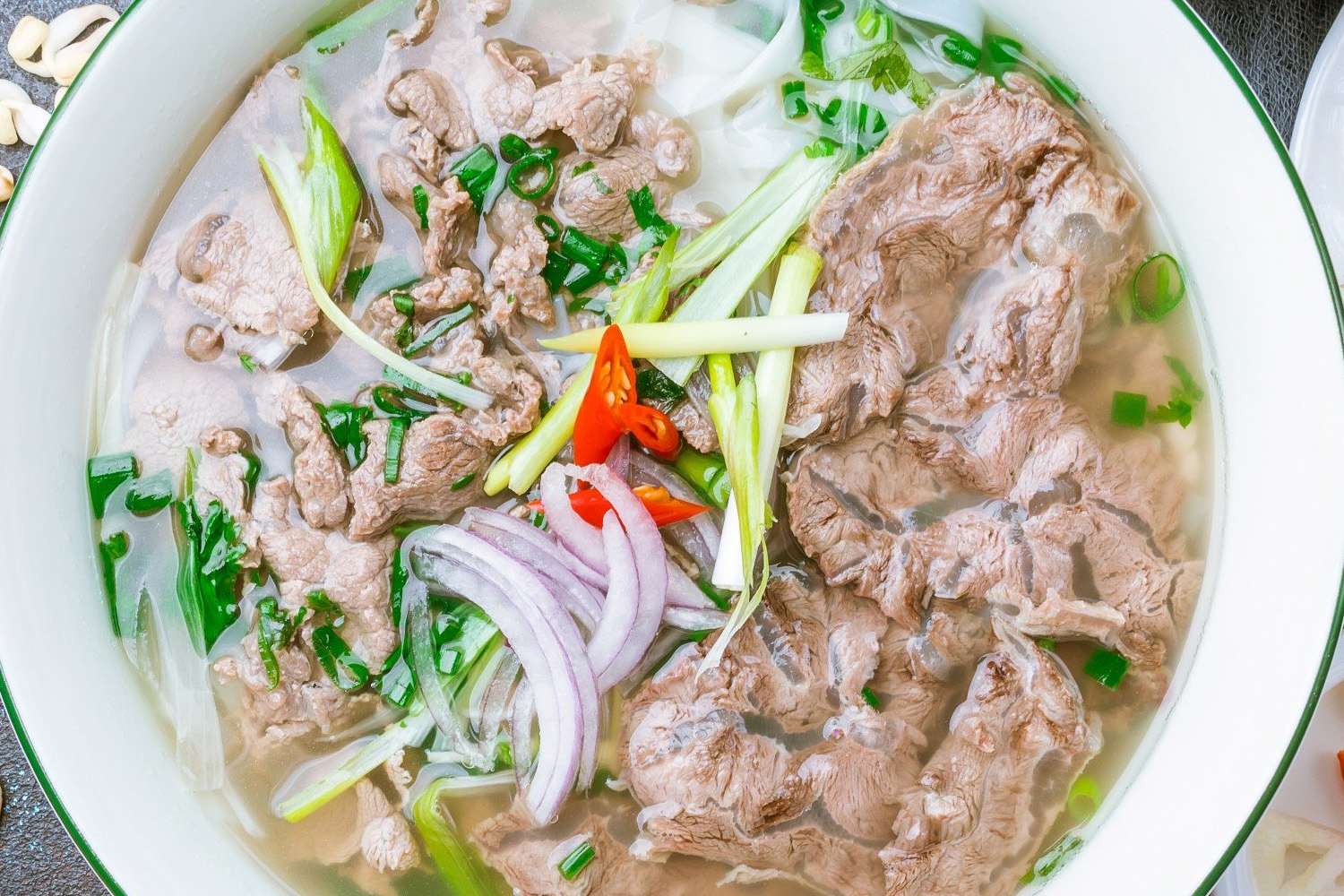
Pho serves as Vietnam’s culinary ambassador to the world. Aromatic broth forms the foundation. Rice noodles add substance. Moreover, fresh herbs provide brightness. Meat completes this comfort food perfection. This beloved soup varies significantly between regions. Northern and southern preparations offer different flavors. Therefore, each style reflects regional preferences and historical influences.
Northern pho characteristics
Hanoi-style pho features clearer, more refined broth. Subtle flavors dominate the taste. Additionally, minimal garnishes keep things simple. Traditional beef cuts include rare slices. Well-cooked brisket also appears frequently. The northern approach emphasizes broth purity. Furthermore, balanced seasoning allows individual ingredients to shine. Overwhelming complexity never occurs in authentic northern pho.
Southern pho variations
Ho Chi Minh City pho incorporates sweeter broth. Abundant fresh herbs add complexity. Moreover, bean sprouts provide crunch. Lime juice brightens the flavors. Southern preparations often include additional condiments. For instance, hoisin sauce appears commonly. Similarly, sriracha adds heat. Consequently, diners customize their bowls according to personal preferences.
Regional pho specialties
Beyond beef pho (pho bo), Vietnam offers chicken pho (pho ga). Seafood variations also exist. Additionally, vegetarian alternatives demonstrate the dish’s versatility. Each region adds unique touches. These reflect local ingredients effectively. Furthermore, cultural preferences shine through in every bowl. Pho’s essential character remains constant despite variations.
Banh mi: French-Vietnamese sandwich fusion
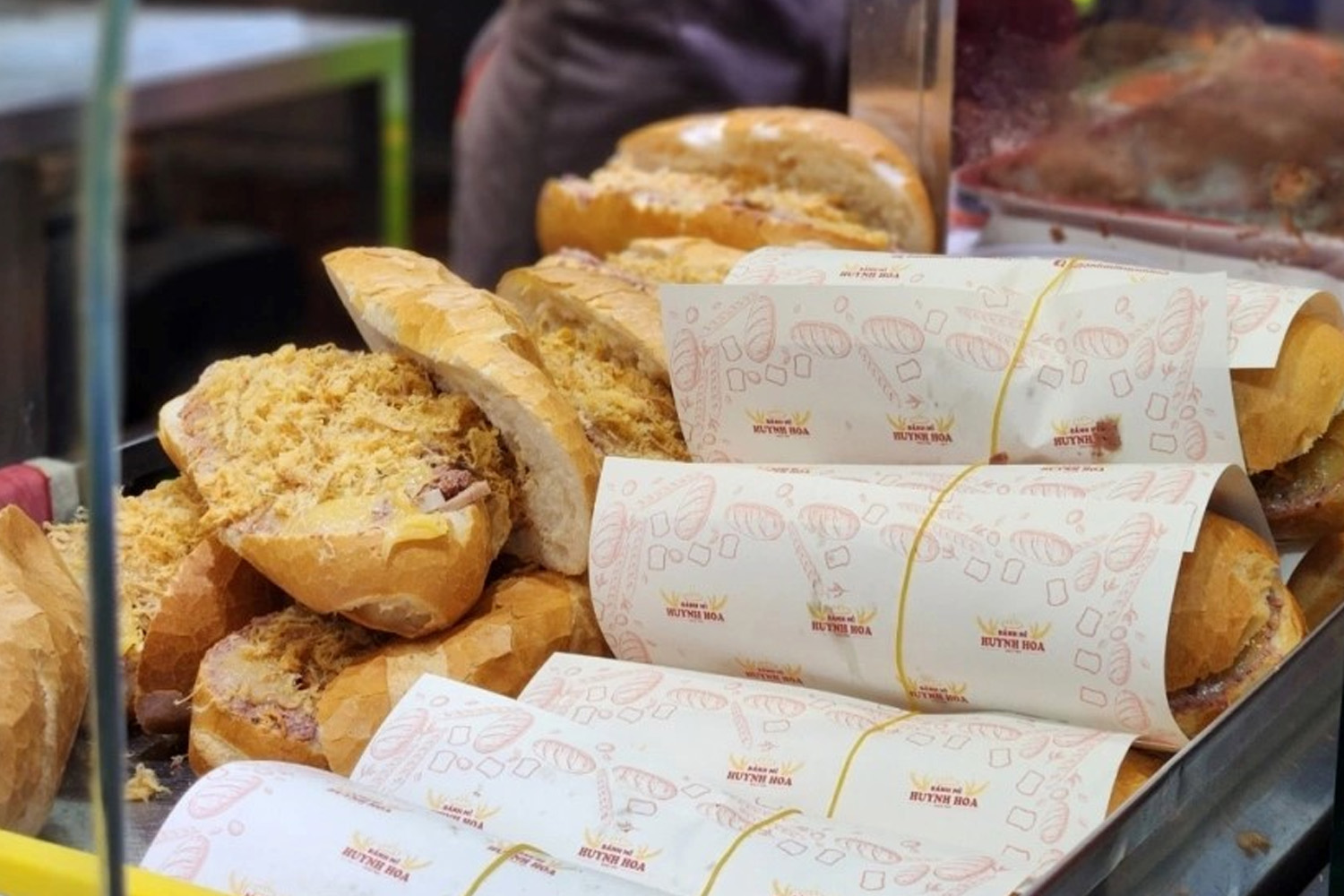
Banh mi shows Vietnamese culinary creativity brilliantly. French baguettes transform into distinctly Vietnamese sandwiches. Pickled vegetables add tang. Moreover, cilantro provides freshness. Various proteins create satisfying substance. Therefore, perfect flavor balance emerges. Textural contrast makes every bite interesting.
Classic banh mi fillings
Traditional preparations include Vietnamese cold cuts. Pate adds richness. Additionally, pickled daikon and carrot provide sourness. Cucumber offers coolness. Moreover, cilantro brings brightness. Jalapeño peppers deliver heat. Sweet, sour, spicy, and savory elements appear in each bite. Therefore, the combination reflects Vietnamese mastery of flavor balance. Textural variety enhances the experience significantly.
Regional banh mi variations
Different Vietnamese regions offer unique banh mi styles. Grilled pork (banh mi thit nuong) appears frequently. Similarly, Vietnamese meatball versions (banh mi xiu mai) showcase local preferences. Street vendors throughout Vietnam create personalized variations. Furthermore, these reflect neighborhood tastes effectively. Available ingredients influence each vendor’s approach creatively.
Modern banh mi evolution
Contemporary banh mi includes fusion fillings. Vegetarian alternatives appeal to plant-based eaters. Additionally, international influences create new possibilities. Vietnamese cuisine’s adaptability shows clearly. However, traditional preparation techniques remain important. Moreover, flavor principles stay consistent across variations.
North Vietnam food specialties and Hanoi cuisine
Bun cha: Hanoi’s signature grilled pork dish
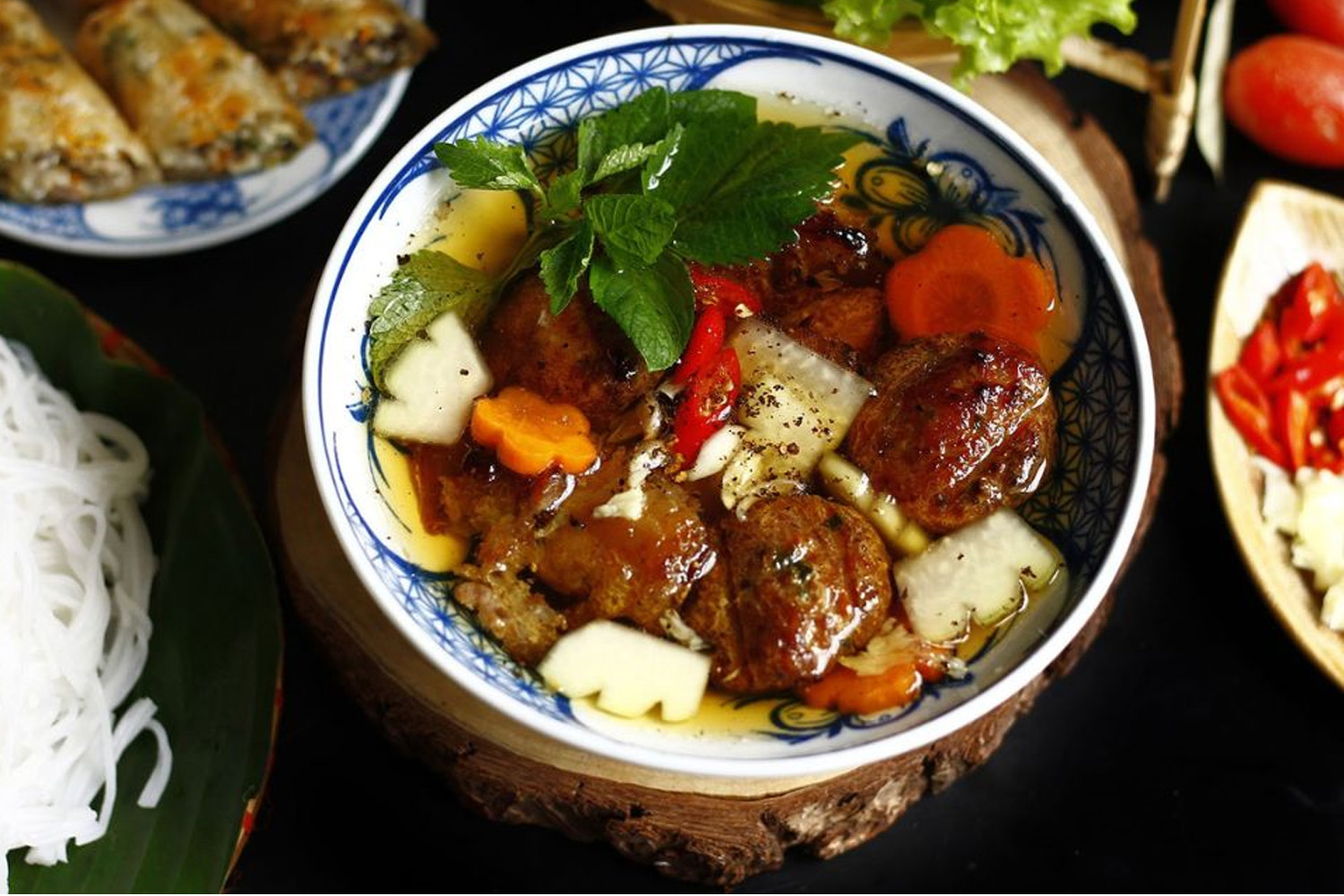
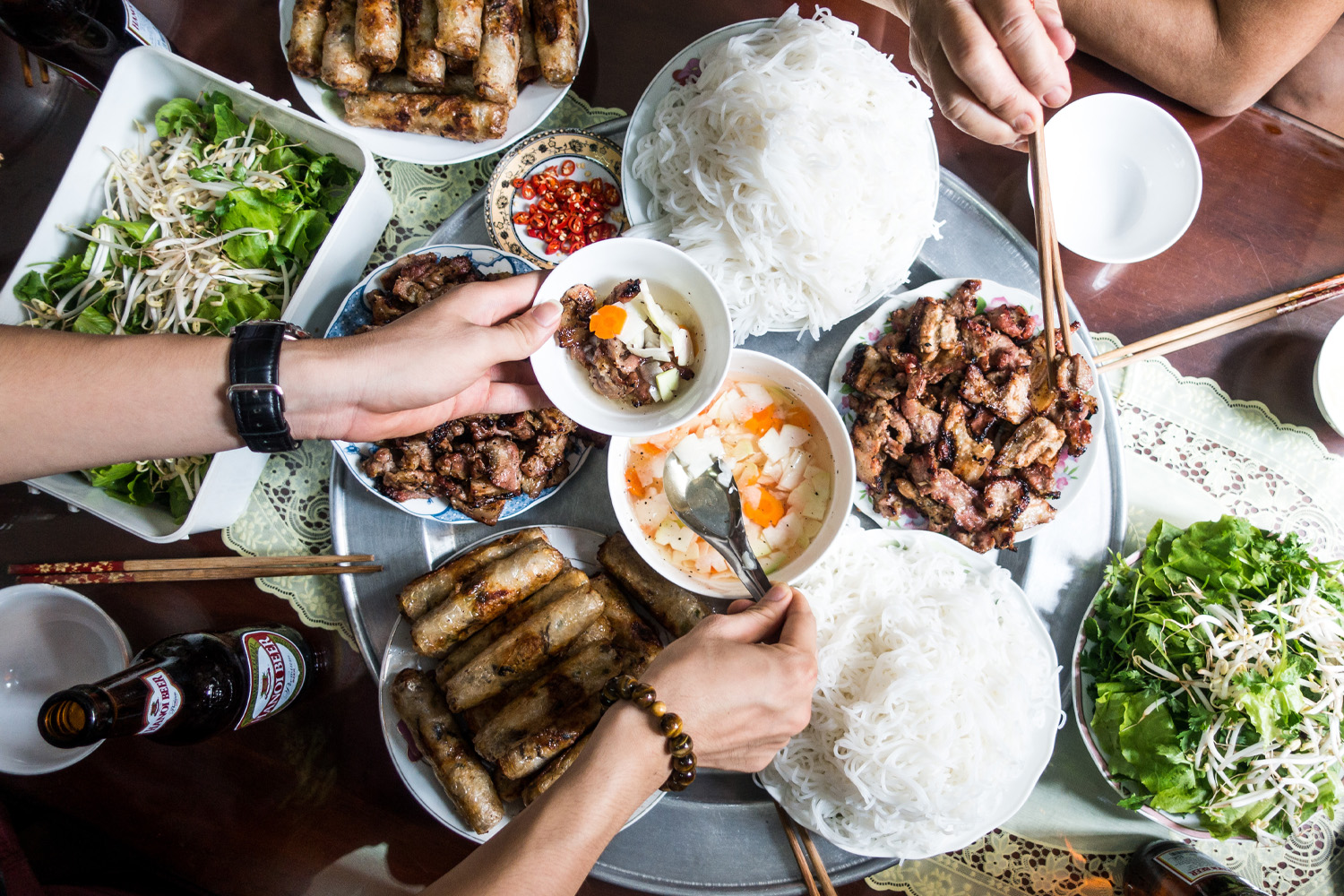
Bun cha represents Hanoi’s most distinctive culinary contribution. Grilled pork patties provide substance. Moreover, sliced pork adds variety. Rice vermicelli creates the base. Fresh herbs bring brightness. Additionally, dipping sauce ties everything together. This creates an interactive dining experience. Northern Vietnam claims this dish exclusively.
Traditional bun cha preparation
Charcoal-grilled pork provides smoky flavors beautifully. Sweet and tangy dipping sauce (nuoc cham) complements the meat. Fresh lettuce adds crunch. Moreover, herbs bring aromatic complexity. Rice noodles provide satisfying substance. Diners assemble each bite individually. Therefore, customized flavor combinations emerge naturally. Vietnamese dining culture’s interactive nature shines through this dish.
Bun cha cultural significance
This dish gained international attention through a famous meal. President Obama and Anthony Bourdain shared bun cha in Hanoi. Their dinner highlighted Vietnamese food culture’s ability to connect people. Furthermore, cultural boundaries dissolve over good food. Authentic local flavors create memorable experiences effectively.
Best bun cha locations in Hanoi
Street-side vendors throughout Hanoi’s Old Quarter serve exceptional bun cha. Many family-run establishments maintain traditional recipes. These have been passed down through generations. Moreover, the social atmosphere surrounding bun cha provides insights. Cultural understanding emerges beyond mere culinary experience.
Cha ca: Hanoi’s famous turmeric fish dish
Cha ca La Vong represents one of Hanoi’s most celebrated dishes. Turmeric-marinated fish creates the foundation. Tableside cooking adds drama. Moreover, dill provides distinctive aroma. Scallions add sharpness. Vermicelli noodles complete the meal. Therefore, aromatic and flavorful dining experiences emerge. Vietnamese cuisine offers nothing else quite like this.
Cha ca preparation techniques
Fresh fish marinates in turmeric beforehand. Galangal adds depth. Additionally, other spices create complexity. Cooking happens with generous amounts of dill. Scallions also appear abundantly. Therefore, distinctive flavors and aromas emerge naturally. The tableside cooking process allows participation. Furthermore, diners enjoy the theatrical presentation throughout their meal.
Cultural dining experience
Cha ca restaurants often maintain traditional settings. Low tables create intimacy. Moreover, small stools reflect authentic Vietnamese style. Communal atmosphere encourages social interaction. The dish requires active participation from diners. Therefore, people assemble their own portions freely. Provided ingredients and condiments enable customization effectively.
Bun bo nam bo: Hanoi’s dry noodle specialty
This popular Hanoi dish combines rice vermicelli with seasoned beef. Fresh herbs add brightness. Moreover, pickled vegetables provide tang. Crushed peanuts deliver crunch. No broth appears in this preparation. Therefore, refreshing and flavorful meals emerge naturally. Vietnam’s climate demands such cooling dishes. Furthermore, northern Vietnamese cooking techniques shine through clearly.
Ingredient combinations
Marinated beef provides savory richness. Fresh herbs including mint and cilantro add complexity. Moreover, pickled vegetables offer acidity. Bean sprouts bring crunch. Additionally, crispy shallots provide aromatic appeal. Complex flavor and texture combinations emerge naturally. Therefore, the dish demonstrates Vietnamese cuisine’s mastery. Contrasting elements balance within single preparations beautifully.
Preparation techniques
The beef receives careful seasoning beforehand. Cooking creates tender texture effectively. Moreover, rich flavors develop through proper technique. Fresh vegetables provide cooling contrast naturally. The assembly process allows customization freely. Therefore, individual preferences can be accommodated. Essential flavor balance maintains consistency throughout variations.
Central Vietnam culinary traditions and Hue royal cuisine
Bun bo Hue: Central Vietnam’s spicy soup
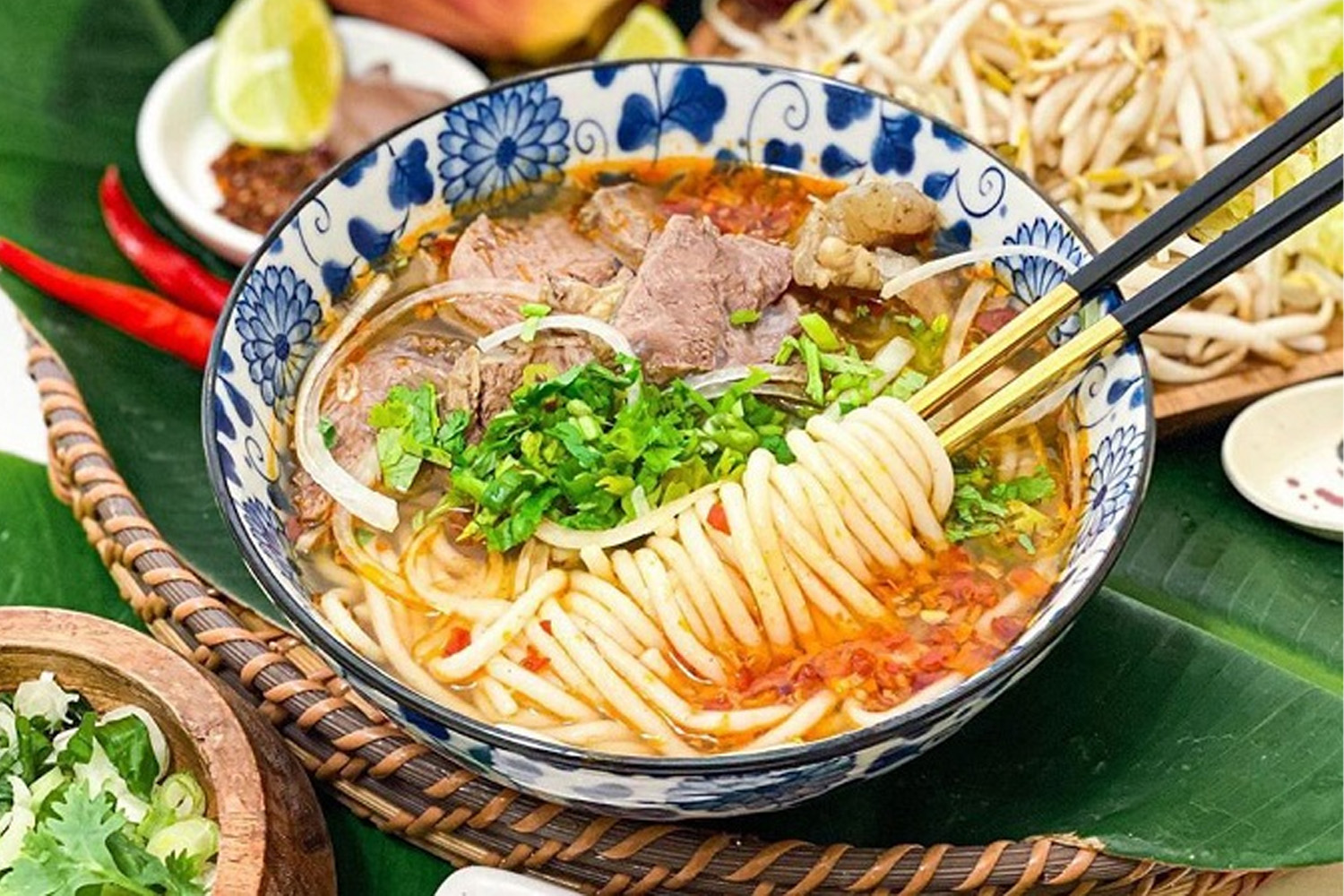
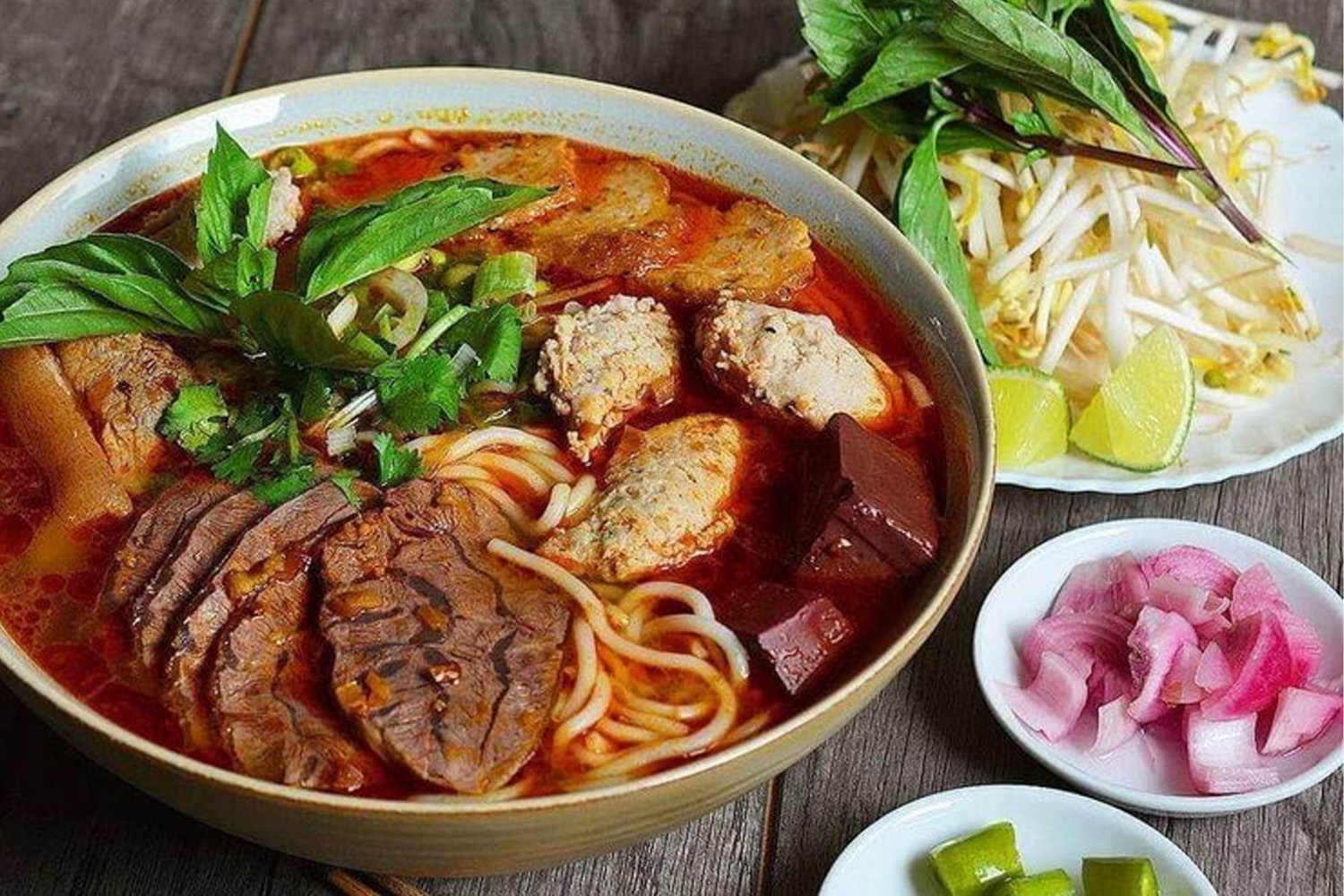
Bun bo Hue represents central Vietnam’s signature soup. Thick rice noodles provide substance. Moreover, aromatic broth creates the foundation. Generous spice levels distinguish it from northern pho. Therefore, Hue’s imperial culinary traditions shine through. Regional preferences for bold flavors appear clearly.
Distinctive broth characteristics
The soup features lemongrass prominently. Chili oil adds heat. Additionally, fermented shrimp paste creates depth. Complex, spicy flavors emerge naturally. These differ significantly from pho’s subtle approach. The red-tinted broth catches the eye. Furthermore, generous spice levels reflect central Vietnamese preferences. Bold, assertive seasonings dominate this preparation.
Traditional ingredients
Beyond beef, bun bo Hue often includes pork knuckle. Vietnamese ham (cha lua) adds variety. Moreover, blood sausage provides rich flavors. Varied textures emerge throughout the bowl. Therefore, the dish demonstrates central Vietnam’s approach. Diverse ingredients appear within single preparations freely.
Regional preparation differences
While originating in Hue, various central Vietnamese cities offer interpretations. Local versions modify spice levels accordingly. Additionally, ingredient combinations change based on availability. Serving styles reflect local preferences effectively. Therefore, available ingredients influence each preparation naturally.
Cao lau: Hoi An’s exclusive noodle dish
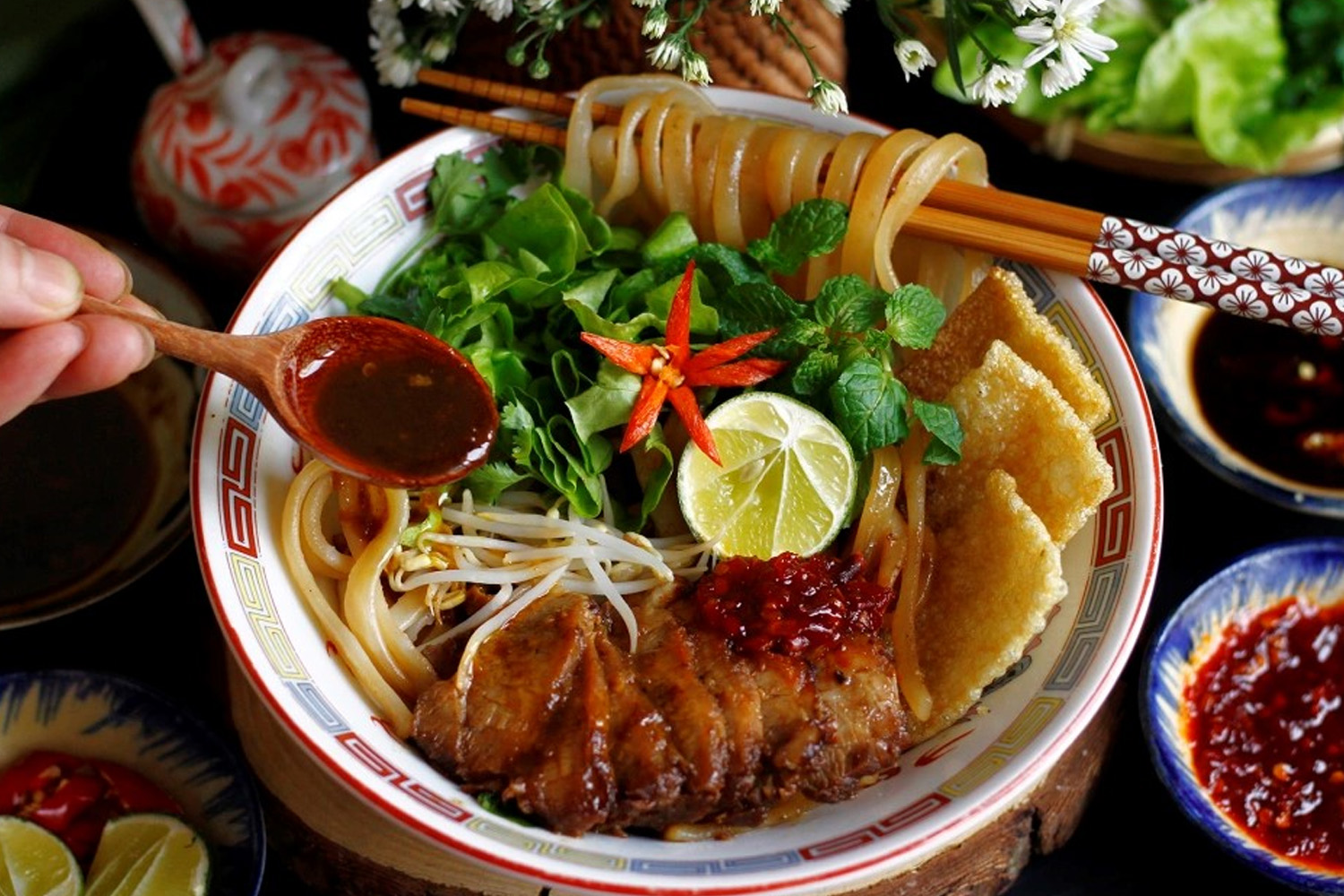
Cao lau represents Hoi An’s most famous culinary contribution. Thick noodles provide the base. Moreover, pork adds substance. Greens bring freshness. Herbs enhance aromatic appeal. Authentic preparation requires water from specific local wells. Therefore, this dish remains truly unique. Only this UNESCO World Heritage ancient town can produce real cao lau.
Unique preparation requirements
Authentic cao lau requires water from Ba Le well. Ash from Cu Lao Cham island trees also appears. Therefore, noodles achieve distinctive texture and flavor. Replication elsewhere proves impossible. This geographic specificity makes cao lau special. Furthermore, it becomes a must-try experience. Hoi An offers this exclusively to visitors.
Ingredient combinations
Sliced pork provides savory richness. Crispy rice crackers add crunch. Moreover, bean sprouts bring freshness. Lettuce offers cooling contrast. Herbs enhance aromatic complexity. Therefore, textural variety emerges naturally. Flavor complexity develops through careful combination. The minimal broth allows individual ingredients to shine. Therefore, distinct characteristics remain visible throughout each bite.
Cultural significance
Cao lau reflects Hoi An’s historical role effectively. The ancient town served as an international trading port. Therefore, Chinese influences appear clearly. Japanese elements also emerge. Additionally, European culinary traditions contributed. However, distinctly Vietnamese character remains strong. Furthermore, traditional preparation techniques maintain authenticity consistently.
Mi quang: Da Nang’s regional noodle specialty
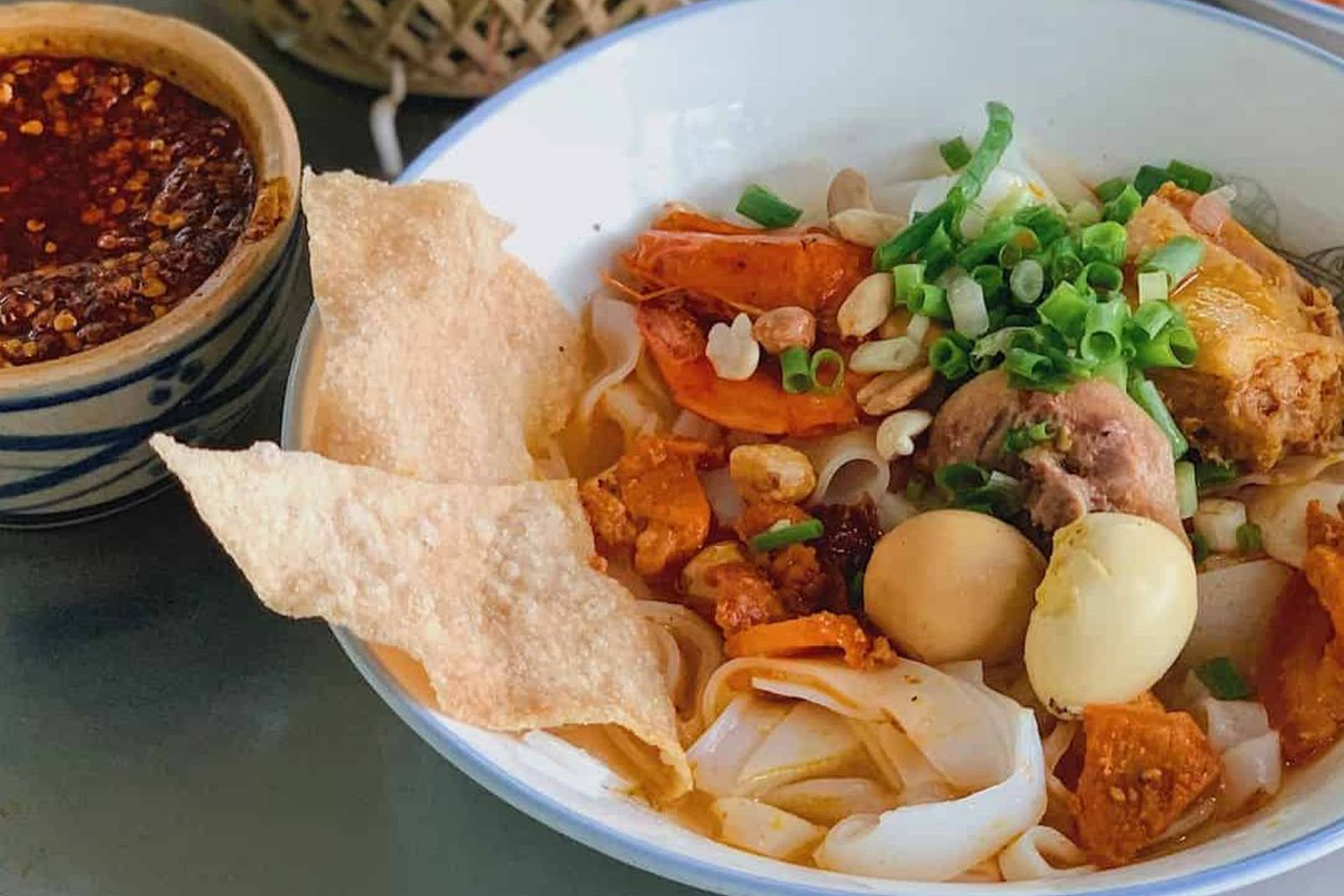
Mi quang showcases Da Nang and Quang Nam province’s regional cuisine. Wide rice noodles create the foundation. Moreover, rich broth adds flavor. Diverse proteins provide substance. Unique presentation catches the eye. Therefore, visually striking and flavorful dishes emerge. Central Vietnam’s culinary creativity shines through brilliantly.
Distinctive presentation
Mi quang features limited broth coverage. The liquid barely covers noodles. Therefore, concentrated flavors develop naturally. Individual ingredients remain visible clearly. They also stay distinct throughout the dish. The yellow-tinted noodles look appealing. Furthermore, colorful toppings create visual interest effectively.
Protein variety
Traditional mi quang includes shrimp regularly. Pork appears frequently. Moreover, chicken offers alternative options. Quail eggs sometimes feature. Multiple proteins often combine within single servings. Therefore, this abundance reflects the dish’s origins. Celebration food for special occasions demanded richness. Important gatherings required impressive presentations.
South Vietnam food culture and Ho Chi Minh City specialties
Hu tieu: Southern Vietnam’s beloved noodle soup
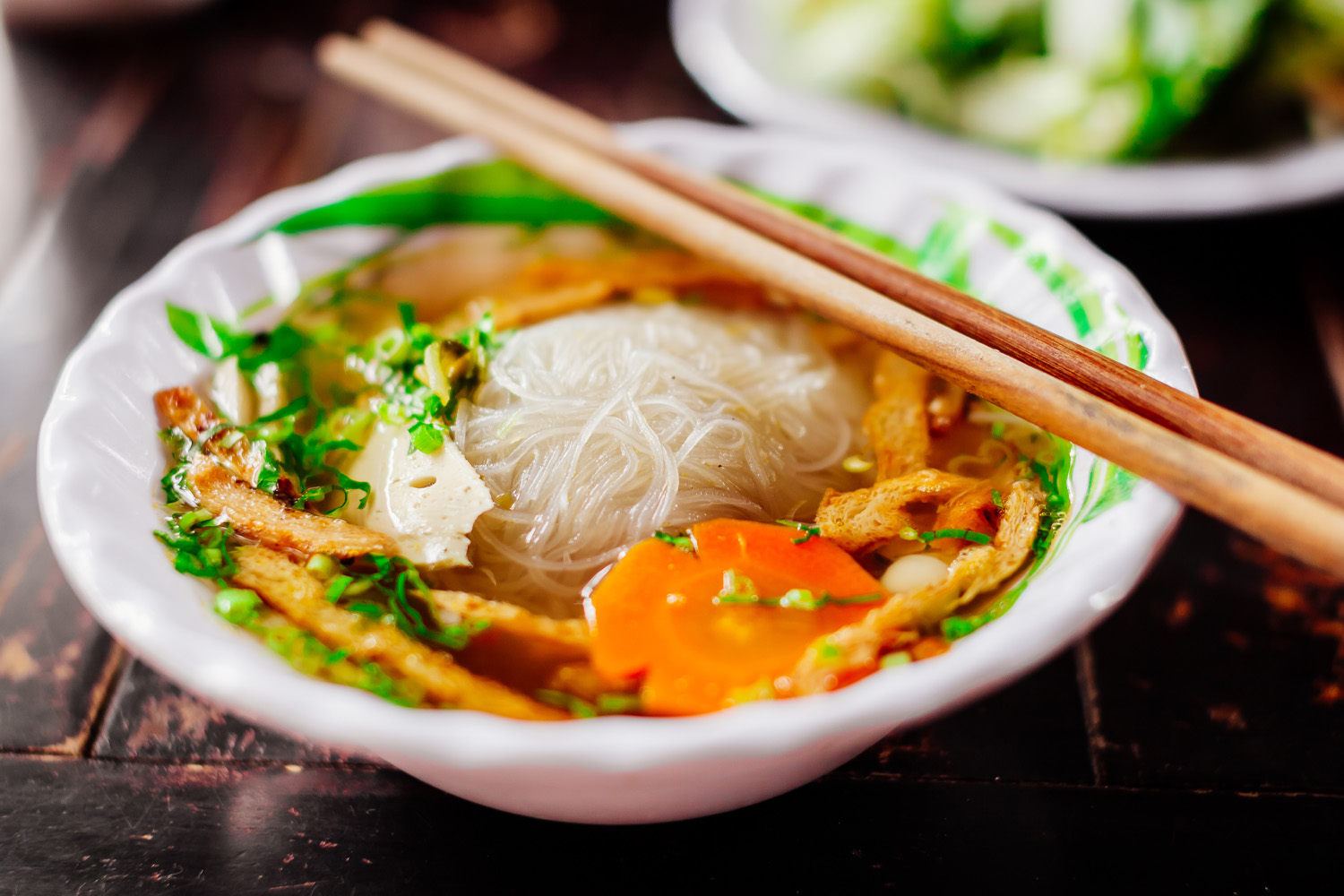
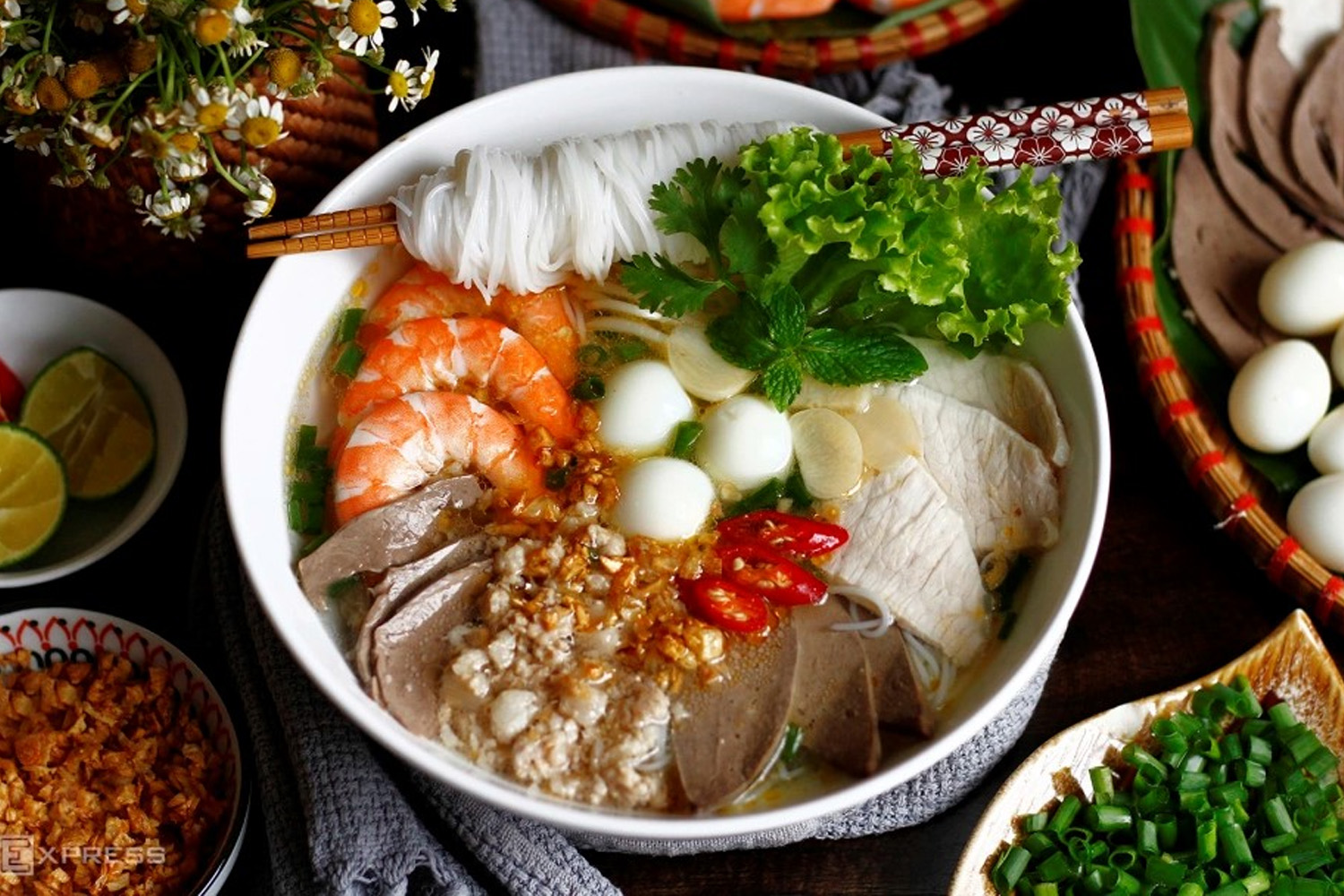
Hu tieu represents southern Vietnam’s answer to northern pho. Clear broth creates the foundation. Moreover, rice noodles provide substance. Seafood or pork adds protein. Lighter, more delicate flavors emerge naturally. Therefore, southern Vietnamese preferences shine through. Abundant coastal ingredients influence this preparation heavily.
Broth characteristics
Hu tieu broth typically features pork bones. Dried squid adds umami depth. Therefore, subtle, sweet flavors develop naturally. Northern pho’s intensity never appears here. Similarly, central Vietnamese spicy soups differ greatly. The clear appearance appeals visually. Furthermore, gentle seasoning attracts milder taste preferences effectively.
Seafood variations
Coastal influence appears in seafood hu tieu versions. Shrimp provides sweetness. Moreover, crab adds richness. Fish offers lean protein. Therefore, southern Vietnam’s marine resources shine through. These variations demonstrate regional adaptation clearly. Furthermore, traditional recipes change based on local availability.
Serving style differences
Hu tieu can be served with broth (hu tieu nuoc). Alternatively, dry versions (hu tieu kho) also exist. Therefore, options suit different weather conditions. Personal preferences also influence the choice. Essential flavor profiles remain constant. Furthermore, ingredient combinations maintain consistency across styles.
Com tam: Broken rice with grilled pork
Com tam originated as working-class food initially. Broken rice grains were considered unsuitable for export. However, it evolved into beloved Ho Chi Minh City fare. Therefore, the dish demonstrates Vietnamese resourcefulness clearly. Culinary creativity transformed humble ingredients effectively.
Traditional accompaniments
Grilled pork chop (suon nuong) provides savory richness. Shredded pork skin (bi) adds texture. Moreover, steamed egg meatloaf (cha trung) offers variety. Pickled vegetables bring acidity. Additionally, fish sauce ties everything together. Complete meals emerge with proper portions. Therefore, protein, carbohydrates, and vegetables balance effectively.
Cultural significance
Com tam represents Vietnamese ability brilliantly. Humble ingredients transform into satisfying meals. Furthermore, flavorful combinations emerge from simple components. Southern Vietnam’s practical approach appears clearly. Moreover, efficient use of available resources demonstrates creativity.
Modern variations
Contemporary com tam includes various grilled meats. Seafood options also appear frequently. Additionally, vegetarian alternatives expand appeal. The dish’s reach grows consistently. However, traditional preparation techniques remain important. Furthermore, serving styles maintain authenticity effectively.
Banh xeo: Vietnamese crepe with filling
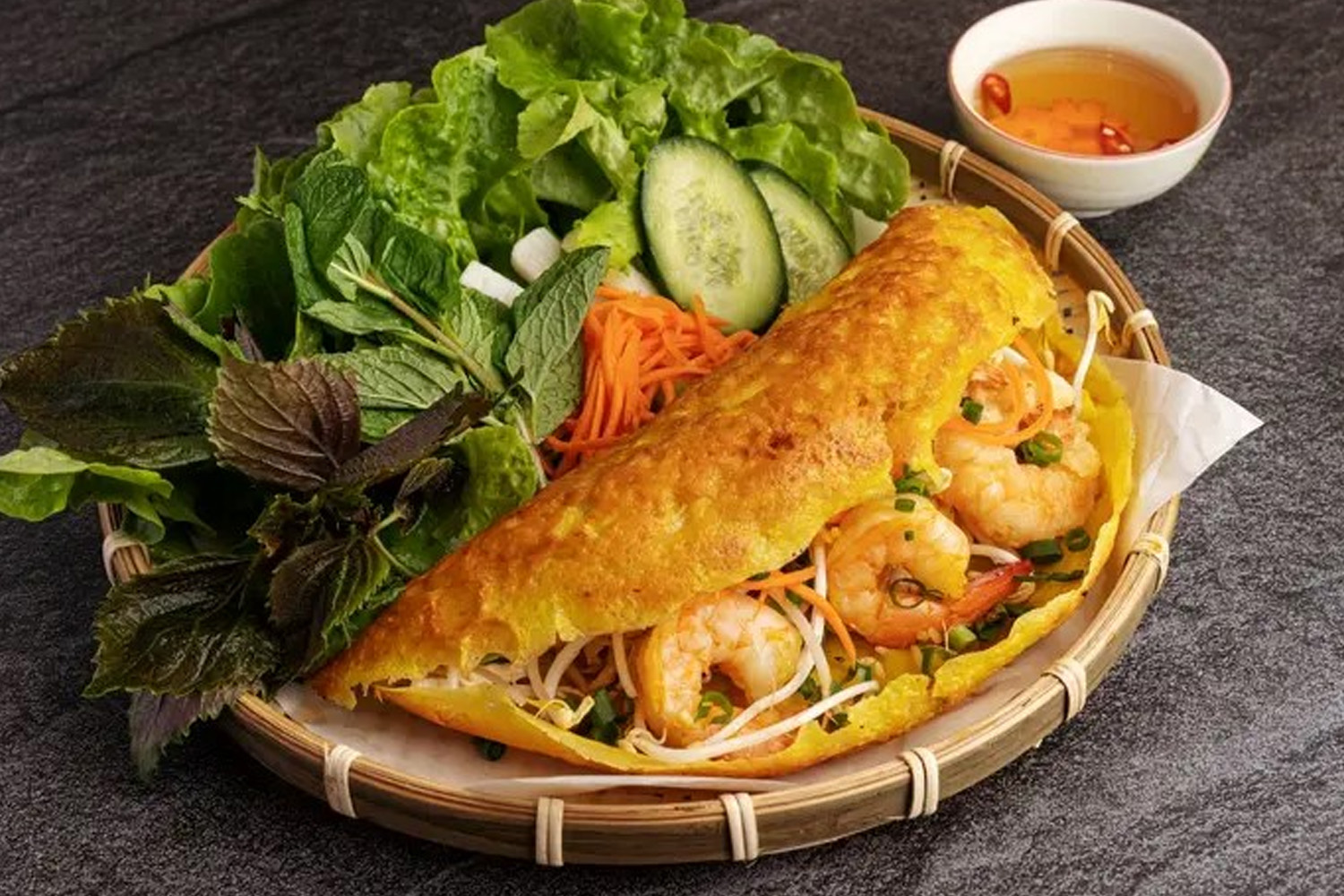
Banh xeo features rice flour crepes colored with turmeric. Pork provides savory richness. Moreover, shrimp adds sweetness. Bean sprouts bring crunch. Lettuce wraps contain each bite. Additionally, herbs enhance aromatic appeal. Dipping sauce completes the experience. Therefore, interactive dining experiences emerge naturally. Vietnamese cuisine’s fresh, healthy approach shines through.
Preparation techniques
The crepe requires skillful cooking technique. Proper texture becomes essential. Crispy edges must develop. Meanwhile, tender centers hold fillings securely. Tearing should not occur. Therefore, the cooking process often provides entertainment. Skilled cooks demonstrate their technique proudly.
Eating methodology
Diners tear crepe pieces manually. They wrap them in lettuce with fresh herbs. Moreover, dipping in nuoc cham sauce completes each bite. Customized combinations emerge freely. Therefore, crispy, tender, fresh, and savory elements balance. This interactive eating style reflects Vietnamese dining culture. Furthermore, social aspects become visible throughout meals.
Regional size variations
Northern banh xeo tends to be smaller. Thickness also increases in the north. Meanwhile, southern versions create large, thin crepes. Therefore, different eating techniques emerge naturally. Textural experiences also vary significantly between regions.
Vietnam food tours and culinary experiences
Street food exploration in major cities
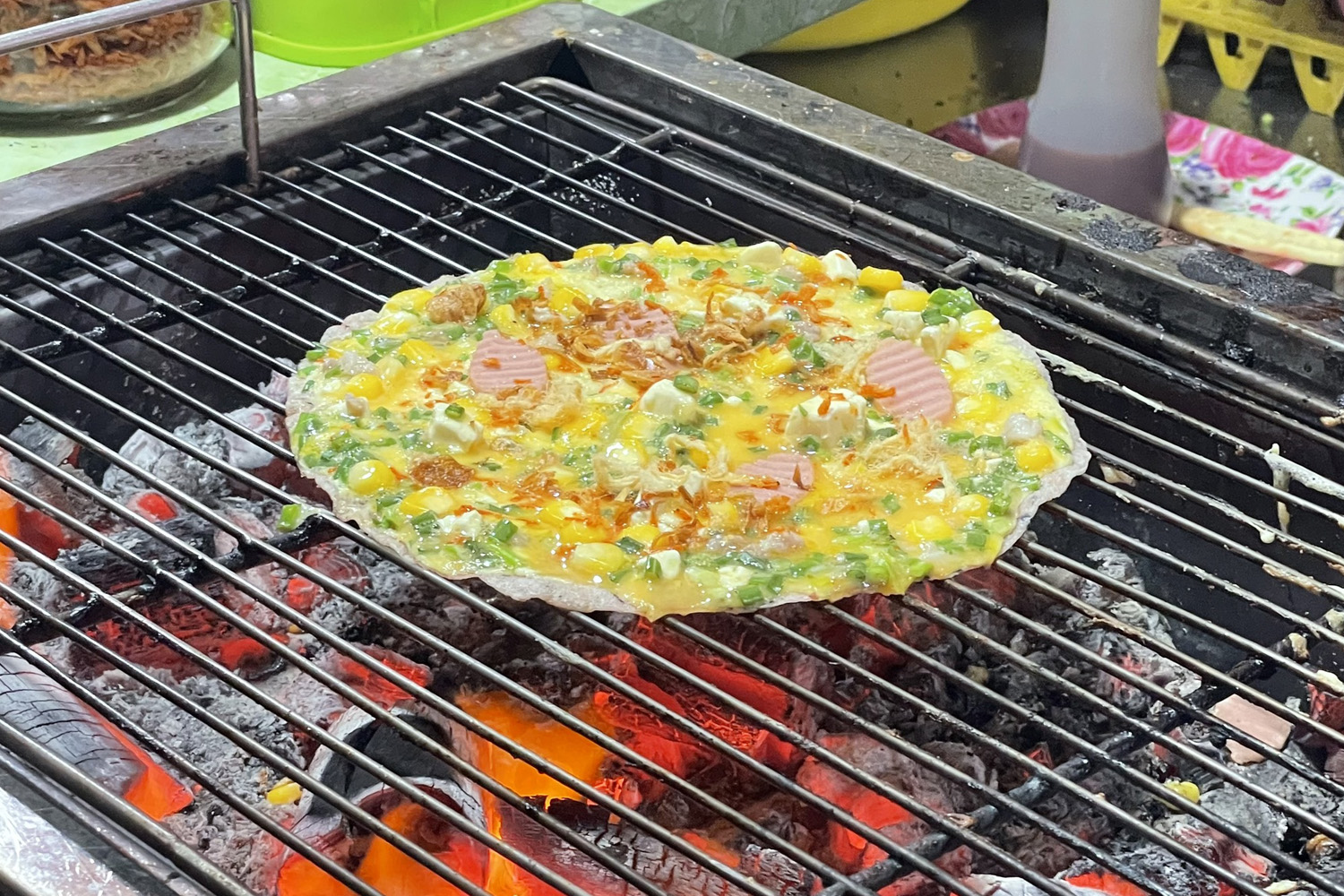
Vietnamese street food provides authentic culinary experiences. Affordable prices make it accessible. Moreover, insights into local food culture emerge naturally. Daily rhythms become visible. Additionally, community interactions appear throughout. Restaurant dining cannot replicate these experiences.
Hanoi street food districts
The Old Quarter features numerous street food vendors. Local specialties appear throughout the area. Moreover, specific streets become known for particular dishes. Evening food tours provide safe, guided introductions. Therefore, street food culture becomes accessible. Nervous travelers receive hygienic eating experiences through proper guidance.
Ho Chi Minh City food markets
Ben Thanh Market offers diverse street food options. Surrounding streets also provide variety. Therefore, southern Vietnamese cuisine appears extensively. The bustling atmosphere can overwhelm first-time visitors. Furthermore, variety of choices creates confusion. Guided food tours provide valuable navigation help. Additionally, cultural context enhances understanding significantly.
Food safety considerations
Choosing vendors with high turnover helps ensure safety. Visible food preparation also indicates quality. Moreover, local customer bases suggest reliability. Therefore, basic precautions allow street food enjoyment. Health concerns diminish with proper care. Furthermore, authentic experiences become accessible safely.
Vietnam family tours: kid-friendly Vietnamese dishes
Certain Vietnamese dishes appeal particularly to children. Families find these options helpful. Moreover, cultural food experiences remain possible. Varying taste preferences can be accommodated. Additionally, dietary needs are respected throughout.
Mild-flavored introductions
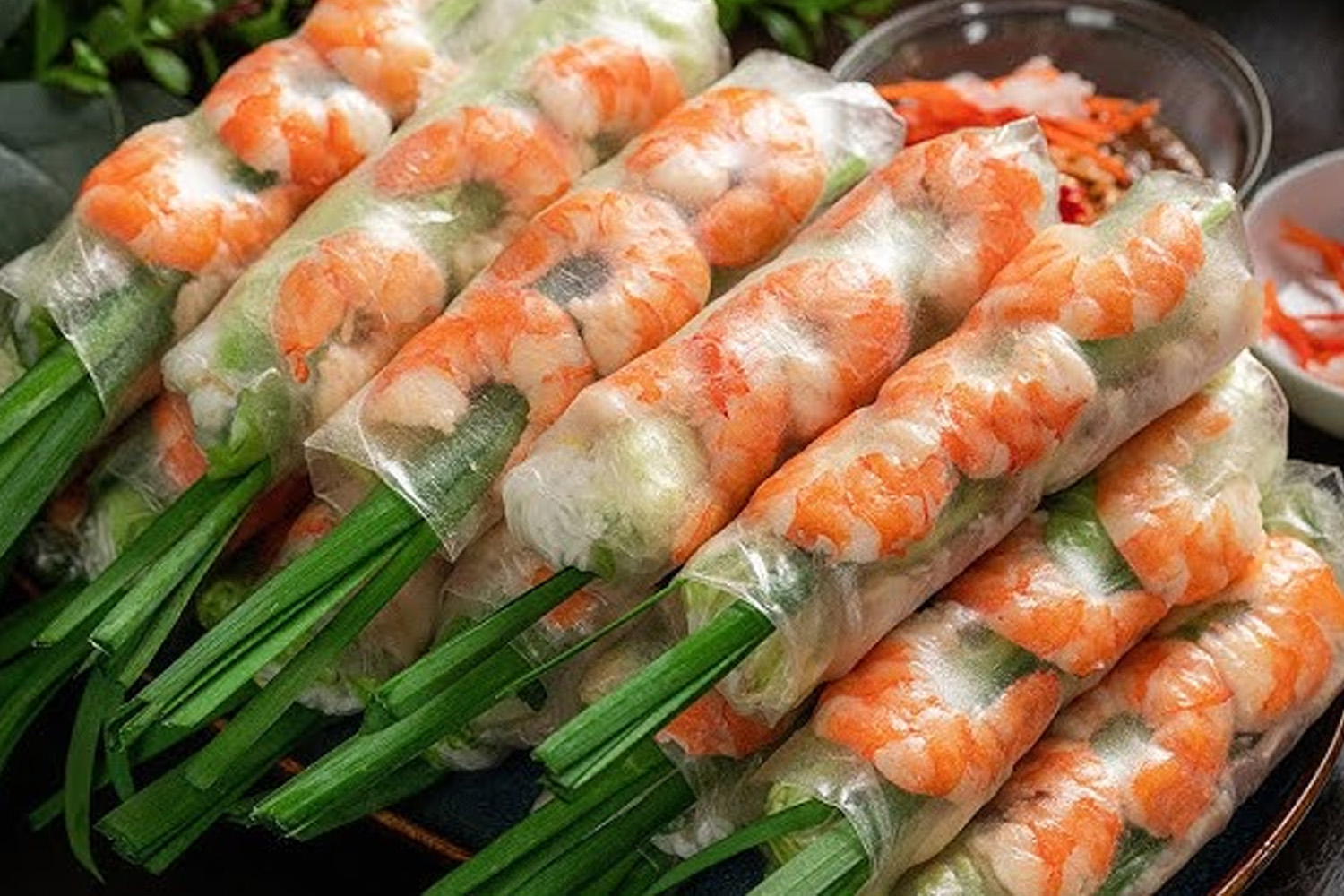
Dishes like chicken pho provide familiar flavors. Spring rolls also work well. Moreover, fried rice offers comfort. Therefore, children ease into Vietnamese cuisine gradually. Overwhelming spices never appear initially. Furthermore, unfamiliar textures stay minimal. These gateway dishes often lead to adventurous eating. Comfort levels increase naturally over time.
Interactive dining experiences
Dishes requiring assembly like banh xeo engage children effectively. Fresh spring rolls also provide hands-on fun. Therefore, the eating process becomes entertaining. Cultural education emerges through participation. Furthermore, the hands-on approach encourages trying new foods. Active involvement creates positive associations naturally.
Sweet treats and desserts
Vietnamese desserts including che (sweet soup) appeal to children. Banh flan offers familiar custard texture. Moreover, tropical fruit provides natural sweetness. Therefore, Vietnamese ingredients become approachable. Preparation techniques also gain exposure through desserts.
Conclusion: exploring Vietnamese culinary heritage
Vietnamese cuisine offers extraordinary diversity naturally. Complex flavors reward adventurous eaters. Moreover, cultural insights emerge through food experiences. From iconic preparations like pho and banh mi to regional specialties, opportunities abound. Therefore, culinary discovery becomes endless throughout Vietnam.
Whether embarking on dedicated food tours or incorporating culinary experiences into broader travel, Vietnamese cuisine accommodates various preferences. Dietary needs are respected. Moreover, authentic cultural connections remain strong. The country’s street food culture provides constant discovery. Furthermore, regional variations ensure new experiences. Modern interpretations also create fresh perspectives throughout extended visits.
Planning culinary exploration around regional specialties maximizes food experiences. Seasonal ingredients also deserve consideration. Additionally, local festivals provide unique opportunities. Therefore, cultural education enhances overall travel satisfaction. Vietnamese cuisine’s emphasis on fresh ingredients creates memorable experiences. Furthermore, balanced flavors and social dining extend far beyond mere sustenance. Windows into Vietnamese values, history, and contemporary life emerge through food.