
Da Nang is often described as Vietnam’s most livable coastal city, balancing modern infrastructure with natural beauty, cultural heritage, and a relaxed pace of life. Located in central Vietnam, Da Nang sits between mountains and sea, making weather one of the most important factors when planning a visit. Among all months of the year, January is frequently asked about by travelers, especially those visiting Vietnam during winter holidays or combining Da Nang with destinations like Hoi An and Hue.
Understanding Da Nang weather in January helps travelers decide what to pack, what activities to prioritize, and whether this time of year matches their travel style. January offers a very different experience compared to the hot, beach-focused summer months. Instead of intense heat and crowds, visitors encounter cooler temperatures, softer light, and a calmer atmosphere.
This article provides a complete guide to Da Nang weather in January. It covers temperature, rainfall, sea conditions, daily climate patterns, and how weather affects sightseeing, beaches, food experiences, and outdoor activities. Whether you are planning a short city break or a longer central Vietnam itinerary, this guide will help you plan realistically and travel comfortably.
Overview of Da Nang weather in January
January falls in the heart of Da Nang’s dry and cool season. While central Vietnam does not experience winter in the same way as northern regions, January is noticeably cooler and more comfortable than most other months.
During this period, Da Nang transitions fully out of the rainy season, which usually peaks between September and November. Rainfall decreases significantly, humidity drops, and skies become more stable. Although occasional light rain can still occur, long downpours become rare.
Daytime temperatures remain mild, evenings feel cool, and mornings often begin with soft cloud cover or light mist. For many travelers, especially those coming from colder climates, January feels refreshing rather than cold. For others expecting tropical heat, the weather may feel surprisingly cool, especially near the coast or after sunset.
Overall, Da Nang weather in January is ideal for sightseeing, cultural exploration, and outdoor activities that would feel uncomfortable during hotter months.
Average temperature in Da Nang in January
Temperature is the first thing most travelers ask about, and January is one of the coolest months of the year in Da Nang.

Average daytime temperatures typically range between 22°C and 25°C. On cooler days, temperatures may stay closer to 20°C, especially when cloud cover persists. On sunnier days, afternoon temperatures can rise to around 26°C, but rarely feel hot.
Nighttime temperatures drop to around 18°C to 20°C. In coastal areas or when winds blow in from the sea, evenings can feel noticeably cool. Light jackets or long sleeves are often welcome, particularly for nighttime walks, rooftop dining, or early morning activities.
Compared to summer months, when temperatures regularly exceed 32°C, January offers a much more comfortable climate. Walking long distances, visiting temples, or exploring outdoor markets feels easier and less tiring.
Rainfall and humidity levels in January
Rainfall plays a major role in central Vietnam travel planning. Fortunately, January marks a significant improvement in weather conditions.
Da Nang receives relatively low rainfall in January compared to the previous months. Average rainfall typically ranges between 40 mm and 90 mm across the month. Rain usually falls in short, light showers rather than prolonged storms.
Humidity levels also drop during this time, averaging around 75 to 80 percent. While still higher than in dry continental climates, this humidity level feels far more comfortable than the sticky conditions experienced during summer.
Because rain is less frequent and usually predictable, January allows for more reliable planning. Outdoor activities, sightseeing, and day trips are less likely to be disrupted by weather.
Sunshine and daylight hours
January in Da Nang offers moderate sunshine rather than intense tropical sun. On average, the city receives around 5 to 6 hours of sunshine per day.
Mornings may begin cloudy, with clearer skies developing later in the day. Some days remain overcast but dry, creating soft lighting that many photographers appreciate. When the sun does appear, it feels gentle rather than harsh.
Daylight hours are slightly shorter than in summer, with sunrise around 6:15 am and sunset around 5:45 pm. While days are not long, there is still ample daylight for sightseeing and excursions.
Sea conditions and beach weather in January
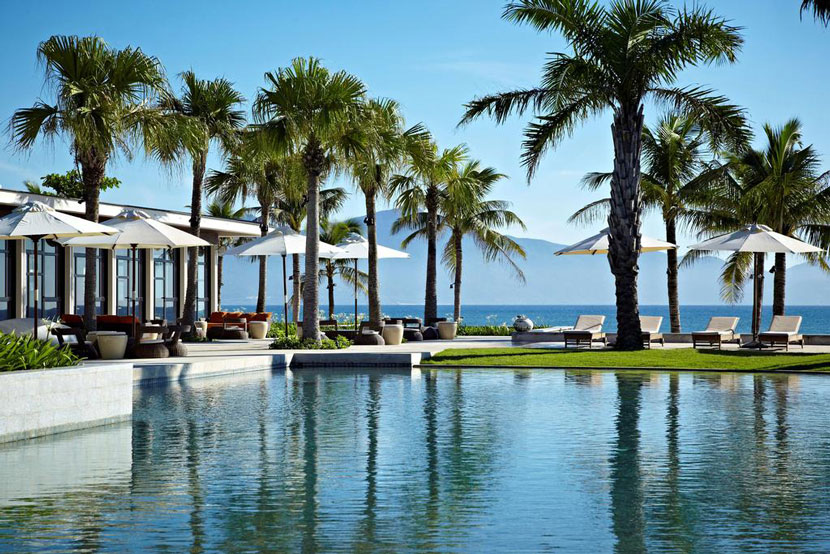
Da Nang is famous for its long coastline and beaches such as My Khe, Non Nuoc, and Bac My An. However, January is not considered peak beach season.
Sea temperatures in January average around 22°C to 24°C. While this is comfortable for some swimmers, others may find the water cool, especially during cloudy days or windy conditions.
Winds are more noticeable during this time of year. The sea can be choppy, and waves are often stronger than in summer. As a result, swimming conditions vary day by day.
Sunbathing is still possible, but not guaranteed. Some days are perfect for relaxed beach walks, photography, and coffee by the sea rather than swimming.
For travelers whose primary goal is beach time, January may feel less ideal. For those who enjoy coastal scenery without intense heat, it can be a pleasant alternative.
How Da Nang weather in January affects sightseeing
One of the biggest advantages of visiting Da Nang in January is how comfortable the weather feels for sightseeing.
Cooler temperatures make it easier to explore landmarks such as the Marble Mountains, Linh Ung Pagoda, and the Dragon Bridge without rushing to escape the heat. Walking tours, cycling, and outdoor markets become more enjoyable.
Cloud cover can enhance the atmosphere of cultural sites and temples, creating a calm, reflective mood. Photography benefits from softer light and fewer harsh shadows.
January is also an excellent time for day trips to nearby destinations. Travel to Hoi An, Hue, or the Ba Na Hills feels more comfortable without extreme heat or heavy rain.
Visiting Ba Na Hills in January
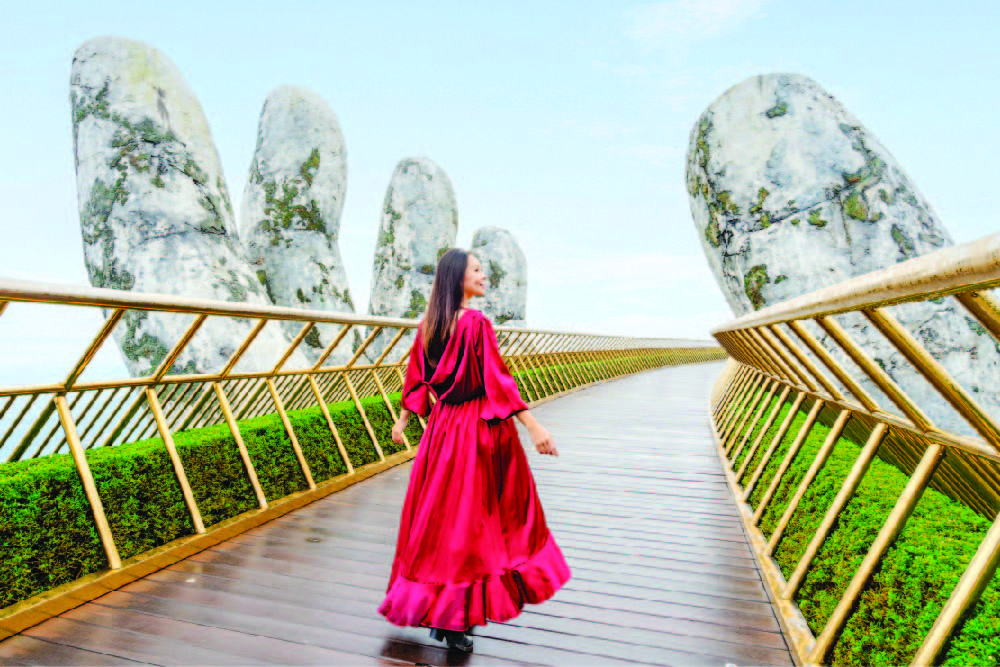
Ba Na Hills is one of the most popular attractions near Da Nang, known for its cool mountain climate and the famous Golden Bridge.
In January, Ba Na Hills experiences cooler temperatures than Da Nang city. Daytime temperatures can range between 15°C and 18°C, and mornings may feel quite cold, especially with fog or mist.
Visibility varies throughout the day. Some mornings are foggy, while afternoons may clear up. The mist adds a dramatic atmosphere to the mountains but can obscure views from the bridge.
Warm clothing is essential when visiting Ba Na Hills in January. A light jacket or sweater is recommended, and travelers should be prepared for sudden temperature changes.
Weather conditions for outdoor activities
January is one of the best months in Da Nang for outdoor activities that involve movement rather than water.
Hiking, cycling, city walking tours, and countryside exploration all benefit from cooler temperatures. The absence of intense heat allows travelers to stay active longer without exhaustion.
Golf courses around Da Nang also see increased interest during this time, as conditions are comfortable and scenic.
However, water-based activities such as snorkeling, diving, or paddleboarding are less popular due to cooler sea temperatures and rougher waves.
What to pack for Da Nang in January
Packing appropriately makes a significant difference when visiting Da Nang in January.
Light layers are key. Short-sleeved shirts are suitable for daytime, while long sleeves or light jackets are useful for mornings and evenings. Comfortable walking shoes are essential for sightseeing.
A compact rain jacket or umbrella is recommended, even though rainfall is limited. Sudden light showers can still occur.
For beach visits, swimwear is optional rather than essential. Those planning to swim should bring a towel and quick-dry clothing.
If visiting Ba Na Hills or traveling to nearby mountainous areas, warmer clothing is necessary.
Is January a good time to visit Da Nang?
Whether January is a good time to visit Da Nang depends on travel preferences.
For travelers seeking mild weather, fewer crowds, and comfortable sightseeing conditions, January is an excellent choice. The city feels calmer, and major attractions are easier to enjoy without extreme heat.
For travelers focused primarily on beach activities, January may feel less ideal due to cooler water and occasional wind.
For those combining Da Nang with cultural destinations such as Hoi An or Hue, January offers one of the most balanced climate windows of the year.
Festivals and local events in Da Nang in January
January in Da Nang is not the city’s busiest festival month, but it still offers a glimpse into local life as preparations for the Lunar New Year begin. Depending on the year, late January may fall close to Tet, Vietnam’s most important holiday.
In the weeks leading up to Tet, the atmosphere in Da Nang slowly changes. Streets become livelier, flower markets appear, and families prepare their homes for the new year. Peach blossoms, kumquat trees, and colorful decorations begin to fill public spaces.
Travelers visiting during this period may not encounter large public celebrations yet, but they can experience a sense of anticipation that adds cultural depth to the trip. Markets feel busier, local shops focus on holiday goods, and traditional foods start to appear more frequently.
If Tet falls in late January, some businesses may close for a few days. However, Da Nang generally remains more functional than smaller towns, with restaurants, hotels, and transport services continuing to operate, especially in tourist areas.
How January weather shapes food experiences
Weather plays a subtle but important role in how food is enjoyed, and Da Nang in January offers ideal conditions for exploring central Vietnamese cuisine.
Cooler temperatures encourage longer meals and hot dishes. Soups, broths, and grilled foods feel especially comforting during evenings when the air becomes cooler. Local specialties such as mi quang, bun bo, and banh xeo are particularly enjoyable at this time of year.
Because January is not overly hot, travelers often feel more comfortable eating street food and sitting at open-air eateries. There is less rush to escape the heat, allowing meals to become social experiences rather than quick stops.
Rain-free days also make it easier to explore food areas on foot. Neighborhood markets, local food streets, and evening stalls feel more approachable when weather conditions are mild.
Day trips from Da Nang in January
One of the biggest advantages of visiting Da Nang in January is how favorable the weather is for nearby excursions.
A short drive south leads to Hoi An, where cooler temperatures make walking through the old town far more comfortable than in summer. Lantern-lit streets, riverside cafés, and heritage houses can be explored without intense heat or heavy rain.
To the north, Hue becomes more appealing in January. Visiting imperial tombs, pagodas, and the Citadel requires walking and outdoor exploration, which is far more enjoyable in cooler weather.
Mountain destinations such as Hai Van Pass also benefit from January’s climate. While visibility can vary, cooler air and lighter traffic create a pleasant experience for scenic drives and photography.

Crowd levels and travel atmosphere in January
January is considered a shoulder season in Da Nang. International visitor numbers are moderate, and domestic tourism has not yet peaked unless Tet falls early.
As a result, popular attractions feel calmer compared to peak summer months. Beaches are less crowded, restaurants are easier to access, and hotels often offer better availability.
This quieter atmosphere suits travelers who prefer relaxed exploration rather than busy sightseeing. Photography becomes easier, and interactions with locals feel less hurried.
However, crowd levels can increase toward the end of the month if Tet approaches. During this period, domestic travel rises, and prices may increase slightly.
Travel costs and accommodation prices
January generally offers good value for travelers visiting Da Nang.
Hotel prices remain lower than during peak summer and holiday periods. Mid-range and upscale hotels often provide promotions, especially in early January. Homestays and boutique accommodations are also widely available.
Flights to Da Nang may be slightly higher around New Year’s holidays, particularly for international routes. However, prices typically stabilize after the first week of January.
Food and local transportation costs remain stable throughout the month, making it easy to manage daily expenses.
January compared to other months in Da Nang
Understanding how January compares to other months helps travelers decide if it suits their preferences.
Compared to summer months such as June and July, January is far cooler and more comfortable for sightseeing. While beach conditions are better in summer, the heat and humidity can be challenging.
Compared to the rainy season between September and November, January offers far more reliable weather. Rainfall is lower, and travel disruptions are rare.
Compared to February and March, January is slightly cooler and less sunny. Travelers who want warmer beach weather may prefer late spring, while those prioritizing sightseeing may favor January.
Who should visit Da Nang in January
January suits a specific type of traveler particularly well.
It is ideal for cultural travelers, city explorers, food lovers, and those combining Da Nang with central Vietnam destinations. Couples, solo travelers, and mature travelers often appreciate the calm atmosphere and comfortable climate.
Active travelers interested in walking, cycling, or light hiking benefit from cooler temperatures.
However, travelers focused primarily on swimming, sunbathing, or water sports may find January less satisfying compared to warmer months.
Practical travel tips for January visitors

Planning ahead ensures a smooth trip to Da Nang in January.
Checking weather forecasts before day trips helps manage expectations, especially for mountain destinations. Packing layers allows flexibility throughout the day. Booking accommodations early is recommended if traveling near Tet.
Travelers should also be aware that sea conditions can change quickly. Beach activities should remain flexible rather than fixed.
Sample itinerary for Da Nang in January
A January itinerary benefits from balance rather than speed.
Three to four days in Da Nang allow time for city exploration, food experiences, and coastal walks. Adding one or two days in Hoi An creates cultural contrast. A day trip to Hue or Ba Na Hills rounds out the journey.
This slower pace matches January’s weather and creates a more relaxed experience.
Final thoughts on Da Nang weather in January
Da Nang weather in January offers comfort, calm, and flexibility. While it may not deliver classic tropical beach conditions, it provides something equally valuable: balance.
Cooler temperatures, lower rainfall, and fewer crowds create ideal conditions for exploring culture, food, and everyday life. January allows travelers to experience Da Nang beyond its beaches, revealing the city’s depth and character.
For travelers who value comfort, cultural immersion, and a slower pace, January stands out as one of the most rewarding times to visit Da Nang.