
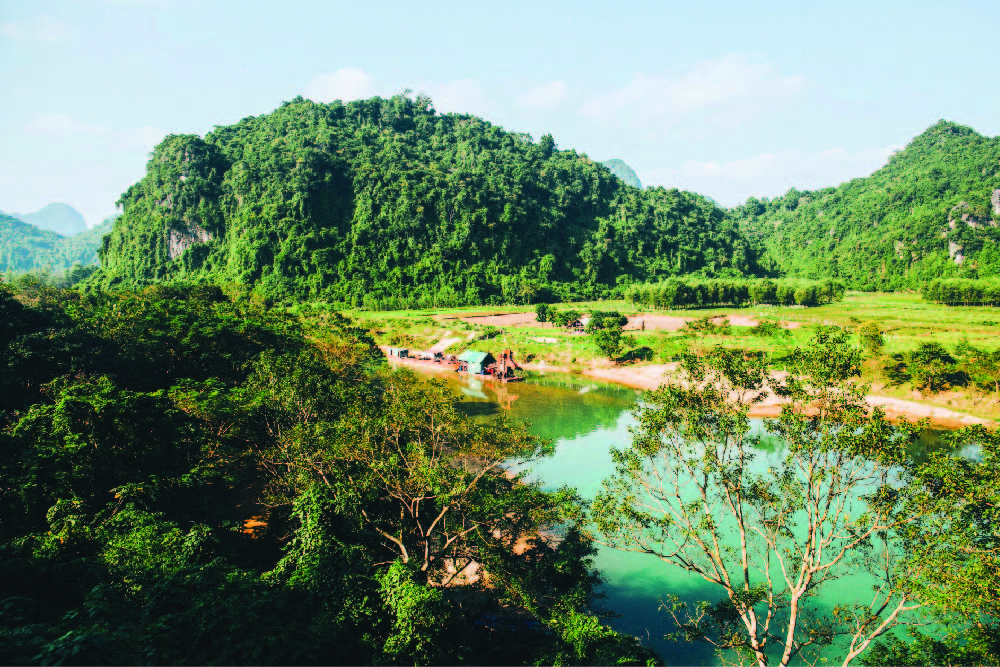
Where Da Nang sits in Vietnam’s climate map
Da Nang enters December with a sense of transition that gives the city a different character from any other month of the year. Located in Central Vietnam, the city acts as an environmental bridge between the cool winter of the north and the warm dry season of the south. Because of this geographic positioning, its December weather does not fit neatly into either pattern. Instead, Da Nang experiences a gradual shift from the prolonged rainy season into the beginning of the dry months that define the city’s peak tourism period. This transition is visible in the lighter sky, the return of outdoor activities, and the gradual reappearance of beach life along My Khe and Non Nuoc.
How travelers experience this seasonal change
The cooler and less humid atmosphere provides a refreshing counterpoint to the heat-heavy months earlier in the year. For many inbound travelers coming from colder climates, this combination of mild warmth and coastal breeze offers a comfortable escape from winter at home. For those arriving from tropical regions, December feels like a moderated, more manageable version of Vietnam’s usual climate, with temperatures low enough to remain active for long stretches without fatigue.
The shift away from the monsoon season brings immediate benefits. Flooding that occasionally affects parts of Central Vietnam during October and November recedes. Mountain areas such as Son Tra Peninsula and Ba Na Hills regain visibility as the thick rain clouds dissipate. Roads become more reliable, allowing travelers to move more easily between Da Nang and neighboring destinations like Hoi An or Hue. Tour operators resume normal schedules, especially for outdoor activities that were frequently postponed during the wet season.

Yet December is not a full dry season month. The transition is gradual, and early December may still reflect the tail end of the region’s wet weather patterns. Light showers, cloudy skies, and occasional cool winds remain possible. However, these conditions are far less severe than the heavy, sustained rains that characterize the preceding months. As days pass, the sunshine becomes more consistent, the breeze becomes less damp, and the city emerges into a more stable, appealing climate for travelers who prefer cooler but still comfortable conditions.
Temperature, comfort levels, and seasonal atmosphere
Daytime and nighttime temperatures
The temperature patterns in Da Nang during December create one of the most travel-friendly environments of the year. Average daytime temperatures generally sit between 20°C and 25°C, though some days may climb slightly higher toward the end of the month. These temperatures fall well below the city’s peak heat levels and avoid the combination of heat and humidity that defines the long summer. Nights cool down into the range of 17°C to 19°C, which feels refreshing rather than cold. Travelers accustomed to warm climates may want to bring a light jacket for evening walks, but for most visitors, the nighttime climate feels crisp and pleasant.
Humidity, sunshine, and wind
Humidity decreases significantly, especially after mid-December. The air feels lighter, making it easier to walk long distances. Sweat evaporates more quickly, and travelers notice they can spend entire days outdoors without the discomfort that often accompanies summer exploration. This reduction in humidity enhances many aspects of the travel experience. Museums become more enjoyable because the interior spaces do not trap heat. Markets feel less stifling, even during busy hours. Strolling along Bach Dang Street or the Han River waterfront becomes a relaxing experience instead of a physically demanding one.
Sunshine gradually increases throughout the month. Early December may still experience cloudy days, but the consistent, heavy cloud cover of the rainy season fades. By late December, many days see extended sunshine, soft coastal light, and brighter afternoons. The improved clarity adds visual appeal to Da Nang’s cityscape, revealing sharp outlines of bridges, shimmering reflections on the river, and a more vibrant look to buildings and vegetation. Travelers who enjoy photography or sightseeing from elevated viewpoints appreciate the cleaner air and clearer skies, especially during late morning and afternoon hours.
Wind levels increase near the coastline, particularly around My Khe Beach and the Son Tra Peninsula. This wind carries a cool bite early in the day, making beaches feel quiet and peaceful before sunrise. As the day warms, the breeze transitions into a comfortable airflow that reduces heat and keeps outdoor areas pleasant. The wind is not constant throughout the month but tends to be more noticeable during the first half of December. By the end of the month, coastal winds weaken, aligning more closely with the calmer conditions typical of January and February.
The coastline in December: beauty, transition, and accessibility
Changing sea conditions through the month
Da Nang’s beaches define much of its identity, and December is an interesting month for experiencing their transitional character. The coastline remains one of the city’s greatest strengths, offering wide sandy stretches, palm-lined pathways, and unobstructed views of the ocean. However, December is not the same as the peak beach months that follow in early spring.
Because the rainy season ends just before December, ocean conditions may vary depending on the week. Early in the month, waves can still be strong, and red flags may appear along certain stretches to indicate unstable water conditions. This is common after the months of monsoon activity, during which waters remain agitated and unpredictable. As the month progresses, the waves become more manageable, allowing for calmer, more relaxed beach scenes. While December is still too early for the flat, turquoise conditions that appear in spring, it is far more stable than November and offers many clear, pleasant days for beachside activities.

How travelers use the beaches in December
The transition benefits travelers who enjoy beach walks, photography, and observing local life. Fishermen often repair nets or sort equipment along the coastal areas in December, taking advantage of the drier weather. Beach cafés begin opening their outdoor seating areas again, slowly rebuilding the lively beachfront atmosphere that Da Nang is famous for. The cooler temperature makes it possible to spend hours walking along the shoreline without discomfort, unlike the hotter months when the sand can feel scorching by midday.
Sunrise viewing becomes particularly enjoyable in December. Because the air is cooler and less humid, the sky often appears soft and subtly colored, creating good conditions for peaceful morning scenes as fishing boats move offshore. Travelers who wake early find that My Khe Beach provides some of the most rewarding sunrise moments during this period, with clean air and gentle light reflecting off the water.
How the weather influences Da Nang’s city life
Daily routines and social spaces
Weather shapes the rhythm of daily life in Da Nang, and December’s conditions allow the city to take on a more open and social character than during the rainy season. Streets become livelier as residents feel more comfortable spending time outdoors. Cafés with large glass windows open their doors to let in the cool air. Local markets see an increase in morning activity as vendors appreciate the milder environment. Schoolchildren, office workers, and shopkeepers enjoy walking or biking without worrying about sudden downpours.
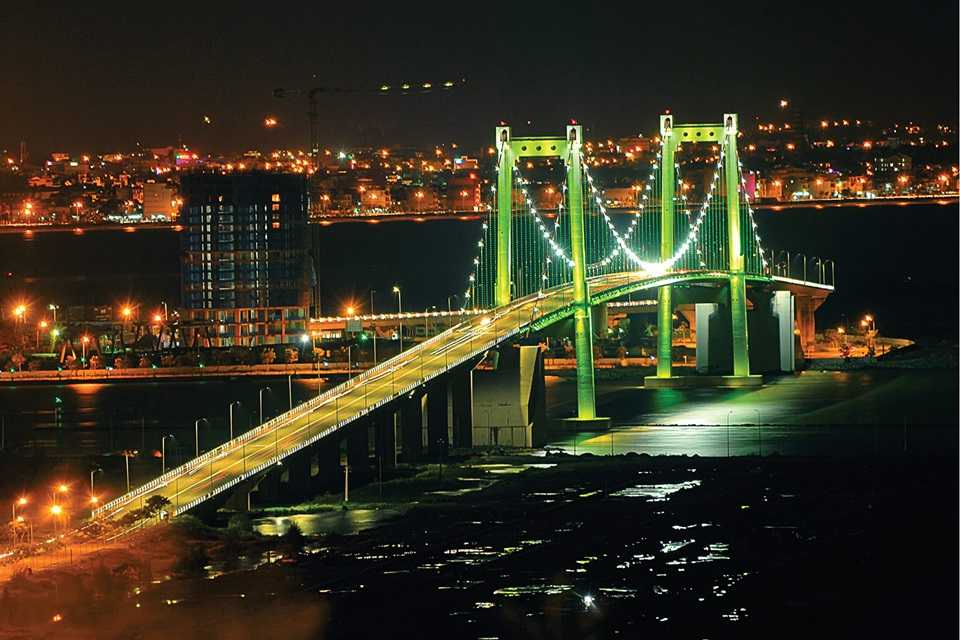
Riverside areas come alive again. The Han River promenade, which is central to Da Nang’s daily social activity, becomes more active from morning until night. Families gather along the walkway, joggers use the path more frequently, and couples enjoy evening strolls. The city’s bridges, especially the Dragon Bridge, regain their appeal as fog clears and visibility improves. At night, their colorful lights reflect on the water more sharply, creating a pleasant atmosphere for dining or walking.
Festive mood at the end of the year
December also introduces a festive undertone throughout the city. Although Christmas is not an official national holiday, Da Nang displays a noticeable amount of holiday décor compared to other regions in Vietnam. Shopping malls, major hotels, and popular restaurants begin decorating in early December, creating cheerful scenes across commercial districts. Families take photos near decorated trees, cafés introduce seasonal drinks, and expat communities organize small gatherings. While this does not reach the scale of Western celebrations, the combination of mild weather and festive décor creates an inviting environment for travelers.
Sightseeing and outdoor activities supported by December weather
Major attractions in cooler conditions
December marks one of the most supportive months for sightseeing across Da Nang. The cooler temperatures make walking between attractions a practical choice. Many of Da Nang’s main points of interest are partially outdoors, meaning that weather plays a significant role in how comfortable these visits feel.
Marble Mountains becomes especially suitable for exploration. The site involves stair climbing, outdoor viewpoints, and movement between caves and pagodas. During hot months, this can feel physically taxing. In December, the mild temperatures allow travelers to explore without rushing, pausing comfortably to examine stone carvings, temple interiors, and panoramic views over the coastline. The improved visibility enhances the experience from the highest points, offering clearer views of Da Nang’s beaches and city districts.
Exploring Son Tra and the city’s cultural sites
Son Tra Peninsula offers one of the most rewarding December experiences. The winding coastal roads that lead to viewpoints such as Ban Co Peak or the Linh Ung Pagoda provide scenic rides with moderate temperatures and reduced humidity. The peninsula retains a natural coolness due to its elevation and vegetation, making it pleasant for outdoor walks or short hikes. Wild monkey sightings remain a possibility, and the landscape appears crisp thanks to December’s cleaner air. Travelers who enjoy photography appreciate how the landscape changes throughout the day, with morning mist giving way to afternoon clarity.
Within the city, Da Nang’s architectural and cultural attractions become easier to appreciate. The Cham Museum, housing one of the world’s largest Cham artifact collections, offers a comfortable indoor environment complemented by the crisp outdoor air. Visits to Cao Dai temples, local markets, and small art galleries also benefit from the cooler weather. The city’s walkability improves significantly, making it easier to design half-day routes covering multiple sites without discomfort.
December also supports lighter, low-key urban activities such as café hopping, food tours, and river cruises. Evening dining becomes particularly enjoyable due to the comfortable nighttime temperature. Many restaurants with outdoor terraces or open-air seating areas can operate fully again, providing pleasant settings for seafood meals or regional dishes.
December as a month for day trips: Hoi An, Ba Na Hills, and Hai Van Pass
Hoi An’s nearby winter charm
Day trips form a major part of Da Nang’s appeal, and December provides some of the best conditions for moving between regions. The decline in rainfall reduces the likelihood of road closures or delays, and highways remain dry and safe to navigate.
Hoi An, located roughly thirty minutes south of Da Nang, benefits from December’s mild conditions. The ancient town becomes especially atmospheric during this time, with cooler evenings that highlight the charm of lantern-lit streets, riverside dining areas, and historic alleys. The Old Town’s narrow roads feel more comfortable to explore when heat is not an obstacle. Although early December may still experience occasional rain, the volume is far smaller than in autumn, and the conditions rarely interfere with walking or photography.
Ba Na Hills and Hai Van Pass under clearer skies
Ba Na Hills introduces a different kind of December climate. The elevation makes the mountaintop significantly colder than Da Nang city. Temperatures may drop into single digits, especially during cloudy periods. Despite the chill, December remains a highly rewarding time to visit. The cooler air makes walking through the European-inspired village more pleasant, and the Golden Bridge offers some of its most dramatic views under scattered clouds or soft winter light. The cable car ride is smoother and more scenic as rainfall decreases, revealing clear valleys and ridges below.
Hai Van Pass is one of the most scenic drives in Vietnam, and December’s improved visibility makes the route especially appealing for travelers. The winding coastal road offers panoramic views of the sea and mountains, which appear far cleaner and more defined in the crisp air. Motorbike trips across the pass become safer in December due to dry road conditions, and the mild temperature makes the ride enjoyable rather than exhausting.
Food, dining culture, and seasonal eating patterns
Warm dishes and fresh seafood
Da Nang’s food culture becomes even more enjoyable in December due to the cooler climate. Warm dishes that might feel too heavy during summer become inviting during this month. Regional specialties such as mì Quảng and bún chả cá become ideal lunch or dinner options. These dishes combine hearty ingredients with aromatic broths or sauces, offering warmth without excessive heaviness.
Seafood is central to Da Nang’s culinary identity, and December remains an excellent month for seafood dining. Fishermen operate consistently during this period, supplying fresh fish, shrimp, squid, and shellfish to markets and restaurants along the coast. Outdoor seafood restaurants benefit greatly from the cooler weather, allowing diners to enjoy grilled or steamed dishes while seated near the ocean. The absence of intense humidity improves the sensory experience, keeping the air cleaner and enhancing the natural aromas of grilled or stir-fried seafood.
Cafés and street food in cooler evenings
Café culture thrives throughout December. Da Nang offers a wide range of cafés, from beachfront coffee shops to rooftop lounges and stylish urban cafés. The cooler environment makes hot drinks more appealing, especially Vietnamese drip coffee, coconut coffee served warm, and regional specialties like salted coffee. These cafés serve as quiet places to relax between activities or as observation points for watching local daily life.
December evenings also suit street food exploration. Areas such as Helio Night Market or small alleys near Han Market become more pleasant to walk through when temperatures drop and the air feels crisp. Vendors continue serving popular items like grilled skewers, rice paper rolls, and noodle soups, allowing travelers to sample Da Nang’s local flavors under comfortable conditions.
Movement, transportation, and general travel logistics in December
Getting around the city
Getting around Da Nang becomes far easier in December due to the more stable weather. The absence of heavy rain reduces traffic disruptions and eliminates the risk of sudden flooding in low-lying areas. Motorbike rentals become more attractive for travelers comfortable with two-wheel driving. The cooler weather makes rides more pleasant, especially on scenic coastal roads or city-center routes.
Ride-hailing services like Grab operate smoothly without rain-related delays. Taxis remain widely available, and private car transfers to destinations like Hoi An or Ba Na Hills run on predictable schedules. For travelers planning multi-stop itineraries, December offers a higher level of logistical reliability compared to the rainy months.
Flights and accommodation
Da Nang International Airport experiences fewer weather-related delays, particularly during the second half of the month. The improved visibility and reduced storm activity contribute to smoother flight operations. Travelers connecting between Hanoi, Ho Chi Minh City, Da Lat, Nha Trang, or international destinations will find December one of the more reliable months for air travel.
Accommodation availability remains consistent throughout December. While the Christmas and New Year period attracts an uptick in international travelers, Da Nang’s hospitality infrastructure is extensive enough to support demand without creating peak-season scarcity. Prices increase slightly near the major holidays but generally remain moderate compared to the high-season months of January to April.
Why December is one of the best months to visit Da Nang
December offers an appealing balance of weather conditions, travel comfort, and cultural atmosphere that makes it one of the most favorable months to explore Da Nang. The climate moves decisively away from the heavy rainfall of autumn, yet it avoids the intense heat that will eventually return later in the dry season. The combination of mild temperatures, reduced humidity, and improving sunshine provides an excellent environment for sightseeing, walking, dining, and day trips.
Travelers appreciate how manageable the city becomes in December. Outdoor attractions feel accessible throughout the day. Evenings become ideal for riverside social activities and city-center exploration. Nearby destinations such as Hoi An, Ba Na Hills, and the Hai Van Pass benefit greatly from the stable conditions. The reduced rainfall makes travel planning easier, and the mild weather ensures that activities remain pleasant without the physical strain caused by high heat.

For first-time visitors, December showcases Da Nang at its most welcoming. The city feels lively but not hectic, atmospheric but not gloomy, and cool without being uncomfortable. For returning travelers, December reveals a refreshed version of Da Nang that contrasts sharply with the humid and rainy weeks that precede it.
Overall, Da Nang in December provides a well-balanced travel experience—cool, scenic, and practical—offering inbound travelers a reliable window to enjoy Central Vietnam’s coastal charm, cultural sites, and natural landscapes.
Frequently asked questions
Is December a good month to visit Da Nang?
Yes. December is one of the most comfortable months with mild temperatures, improving sunshine, and low humidity.
Does it still rain in Da Nang in December?
Light rain is possible early in the month, but heavy monsoon rain has mostly ended.
How hot is Da Nang in December?
Daytime temperatures usually range between 20°C and 25°C, which feels mild and comfortable.

Is the beach good in December?
You can enjoy the beach for walking and relaxing. Swimming depends on wave conditions, which improve toward late December.
Is the sea rough in December?
Early December can still have strong waves. Conditions calm gradually toward the end of the month.
What should I wear in Da Nang in December?
Light layers during the day and a light jacket for cooler evenings.
Can I visit Ba Na Hills in December?
Yes. It will be colder at higher elevations, but the visibility is much better than during rainy months.
Is December good for Hoi An trips from Da Nang?
Yes. The mild weather and reduced rain make Hoi An very pleasant in December.
Does Da Nang get crowded in December?
Moderately. Tourist numbers rise around Christmas and New Year, but the city is not overcrowded.
Is it safe to ride a motorbike in December?
Safer than in rainy months, since the roads are dry and visibility is better.
Does Da Nang get cold at night?
It can feel cool, around 17–19°C, especially with the coastal breeze.