
When travelers plan their Vietnam cruise, they inevitably face the question: Should I visit Halong Bay or Lan Ha Bay? These two spectacular destinations, both featuring the iconic limestone karsts rising from emerald waters, lie side by side yet offer remarkably different experiences. Understanding the distinctions between Halong and Lan Ha Bay helps you choose the option that matches your preferences, whether you prioritize world-famous landmarks or seek quieter, more pristine conditions.
As someone who has guided countless travelers through both Halong and Lan Ha Bay over many years, I can tell you that neither choice is inherently better. Instead, each bay delivers distinct advantages that appeal to different traveler profiles. Some visitors want to see the UNESCO World Heritage Site that appears in countless travel magazines. Others prefer escaping crowds to find the tranquility that makes Vietnam’s north coast so magical. Many travelers discover that the ideal solution is to experience both Halong and Lan Ha Bay on a single cruise that showcases the best of each.
Understanding Halong Bay
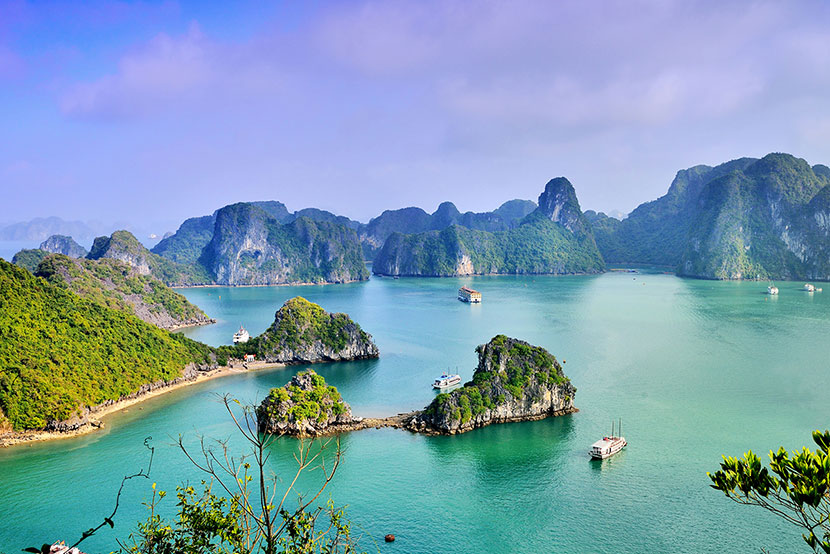
Halong Bay has earned its position as one of Vietnam’s most iconic destinations through a combination of spectacular natural beauty, cultural significance, and widespread international recognition that draws millions of visitors annually.
What makes Halong Bay world famous
Halong Bay was inscribed on the UNESCO World Heritage list in 1994, gaining global recognition as one of Earth’s natural wonders. The designation acknowledged both the bay’s geological significance and its outstanding natural beauty. The limestone karst formations, created over millions of years through tectonic activity and erosion, represent unique geological processes that scientists study to understand Earth’s evolutionary history.
The bay’s name, meaning Descending Dragon Bay, connects to Vietnamese mythology. Legend tells of dragons sent by gods to defend Vietnam against invaders, spitting jewels that became the limestone islands forming natural fortresses. This mythological significance adds cultural depth beyond mere scenic beauty, making Halong Bay an essential part of Vietnamese national identity.
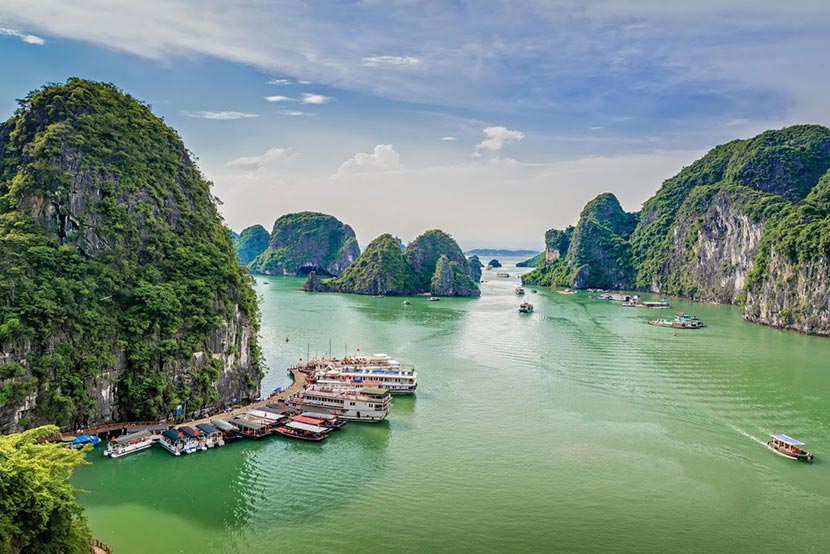
Photography has spread Halong Bay’s fame worldwide. The dramatic karsts silhouetted against sunrise or sunset, fishing boats gliding between islands, and floating villages perched on the water create images that symbolize Vietnam for international audiences. These iconic photographs appear in travel magazines, tourism campaigns, and social media, attracting visitors who want to experience these famous scenes personally.
Tourism infrastructure in Halong Bay
Halong Bay’s international fame has driven the development of extensive tourism infrastructure. Hundreds of cruise boats operate in the bay, ranging from budget vessels to luxury ships with every amenity. The variety means travelers can find options that match any budget and comfort preferences.
Tour operators have refined Halong Bay itineraries over decades, creating efficient routes that showcase highlights within limited timeframes. Most cruises follow similar patterns, visiting the same caves, viewpoints, and activities that have proven most popular with visitors. This standardization ensures consistent experiences but also means less flexibility and spontaneity compared to less developed destinations.
The concentration of tourism services in Halong Bay provides convenience. Travel agencies worldwide offer Halong Bay packages. Hotels in Hanoi arrange transfers and bookings. The established infrastructure eliminates uncertainty for travelers who prefer organized tourism with clear expectations and reliable execution.
Activities and attractions in Halong Bay

Halong Bay cruises typically include visits to several caves that have become standard stops on most itineraries. Sung Sot Cave, also called Surprise Cave, impresses with its massive chambers decorated with stalactites and stalagmites. Thien Cung Cave features colorful lighting that illuminates rock formations. These caves demonstrate the geological processes that formed the bay’s karst features.
Kayaking through Halong Bay allows closer exploration of areas that boats cannot access. Paddling between karsts, you appreciate their scale and discover hidden lagoons surrounded by limestone walls. The perspective from the water level reveals details invisible from the cruise ship decks.
Swimming at designated beaches provides refreshment on hot days. The beaches, though often crowded during peak season, offer chances to cool off and enjoy the bay from the water rather than constantly viewing from boats. Swimming quality varies by location and season, with some areas affected by boat traffic and others remaining relatively clean.
Floating villages in Halong Bay demonstrate how communities have adapted to life on the water. Visiting these villages provides cultural insights, though the tourism focus means experiences sometimes feel staged rather than authentic. Many floating village visits now include opportunities to purchase seafood or souvenirs, blurring lines between cultural exchange and commercial transaction.
Crowds and tourism pressure in Halong Bay
The popularity that makes Halong Bay famous also creates challenges related to overcrowding. During peak season, hundreds of boats cruise the same routes, clustering at popular caves and attractions. The concentration of vessels reduces the sense of wilderness and creates traffic jams at narrow passages between islands.
Pollution is a growing concern in Halong Bay. The volume of boat traffic, combined with waste from floating villages and inadequate environmental regulations, affects water quality in some areas. Authorities have implemented measures to reduce pollution, but the sheer scale of tourism makes environmental protection challenging.
Noise pollution from boat engines and crowds diminishes the peaceful atmosphere that many travelers seek. At popular swimming spots or viewpoints, dozens of boats anchor simultaneously, their passengers creating a cacophony that contrasts sharply with the serene natural beauty. Sensitive travelers find this commercialization disappointing.
Understanding Lan Ha Bay
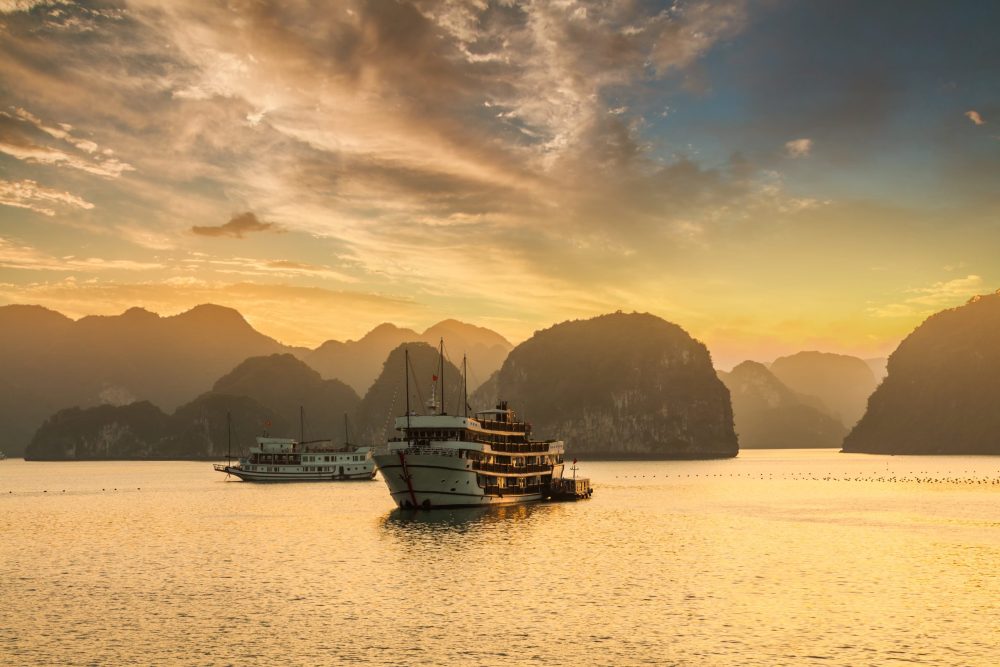
Lan Ha Bay, technically an extension of Halong Bay but administratively separate, offers a different experience that appeals to travelers seeking quieter, more pristine conditions while still enjoying spectacular karst scenery.
What makes Lan Ha Bay special
Lan Ha Bay contains nearly 400 limestone karsts and islands, creating scenery comparable to Halong Bay’s famous vistas. The geological formations are essentially identical, formed by the same processes over the exact timeframes. However, Lan Ha Bay receives far fewer visitors, maintaining a sense of wilderness and tranquility that Halong Bay lost decades ago.
The bay’s relative obscurity works to its advantage. Without a UNESCO designation or widespread international recognition, Lan Ha Bay avoided the intensive development that transformed Halong Bay. Fewer cruise boats operate in Lan Ha Bay, and those that do follow more varied routes rather than clustering at the exact locations. This dispersion creates the feeling of having the bay to yourself, even during busy seasons.
Cat Ba Island, adjacent to Lan Ha Bay, provides a base for exploring the area. The island itself offers attractions beyond the water, including Cat Ba National Park with hiking trails through protected forests, secluded beaches, and traditional fishing villages that maintain an authentic character. The combination of land and water activities makes the Lan Ha Bay area more diverse than Halong Bay alone.
Pristine conditions in Lan Ha Bay
Water quality in Lan Ha Bay generally exceeds Halong Bay standards because fewer boats and less development result in lower pollution levels. Swimming locations throughout Lan Ha Bay offer cleaner water and better visibility. The difference becomes particularly noticeable when snorkeling or kayaking, where clear water allows you to see marine life and underwater features.
The beaches scattered throughout Lan Ha Bay tend to be cleaner and less crowded than those in Halong Bay. Several islands feature white sand beaches that remain relatively undeveloped, providing the kind of tropical paradise experience that has become rare in heavily touristed areas. These beaches offer genuine relaxation rather than the crowded swimming spots common in Halong Bay.
The reduced boat traffic in Lan Ha Bay creates quieter conditions, allowing you to hear natural sounds. Bird calls, water lapping against karsts, and wind through limestone formations provide the soundtrack rather than constant engine noise. This auditory difference significantly affects the overall experience for travelers seeking peaceful natural environments.
Adventure activities in Lan Ha Bay
Lan Ha Bay has become known for more adventurous activities compared to standard Halong Bay cruise itineraries. Rock climbing routes on limestone karsts attract climbers seeking unique settings for their sport. Several karsts feature bolted routes of varying difficulty, allowing climbers to ascend these natural towers with spectacular views as rewards.
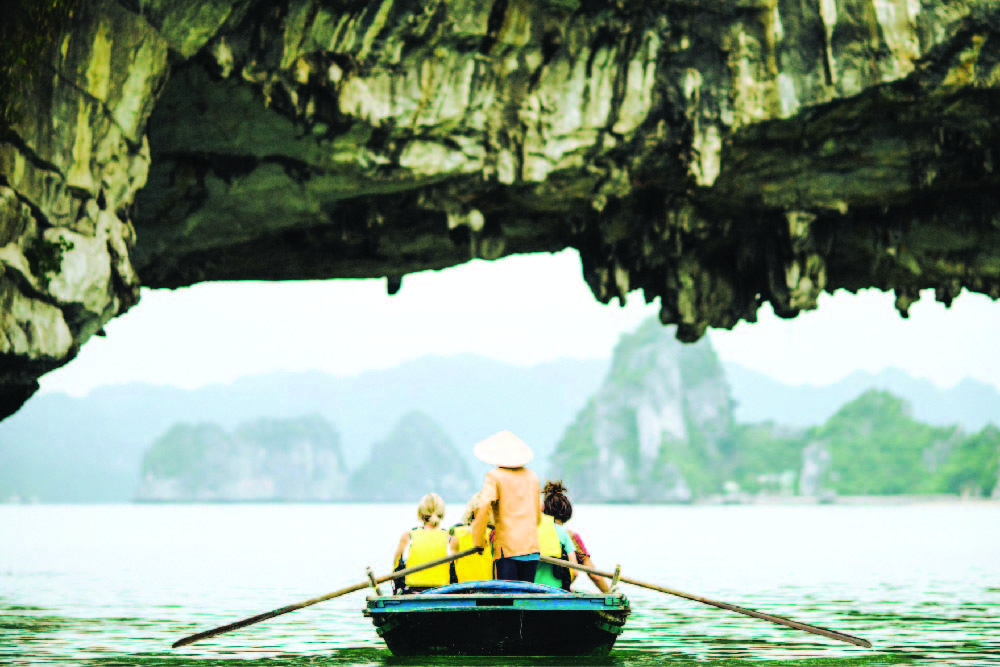
Kayaking in Lan Ha Bay offers more varied and interesting routes than Halong Bay. The lower boat traffic means kayakers can explore freely without constantly dodging cruise ships. Hidden lagoons, sea caves accessible only by kayak, and secluded beaches create genuine exploration opportunities. The kayaking quality attracts paddling enthusiasts who consider Lan Ha Bay superior to more crowded alternatives.
Deep-water soloing, a specialized rock-climbing discipline that involves climbing without ropes above deep water, has found ideal conditions in Lan Ha Bay. Several karsts feature overhanging walls above water deep enough to jump or fall into safely. This activity appeals to adventurous travelers seeking unique experiences beyond standard tourist activities.
Accommodation options near Lan Ha Bay
Cat Ba Island offers accommodation ranging from budget hostels to comfortable resorts. The variety means travelers can find lodging matching any budget. Staying on Cat Ba Island lets you explore both Lan Ha Bay and the island’s terrestrial attractions, offering a more comprehensive experience than pure water-based tourism.
Many Lan Ha Bay cruises now offer overnight options on boats anchored in quiet bays. These cruises provide the sailing experience without returning to port each evening. Sleeping on the water, surrounded by limestone karsts under star-filled skies, creates magical moments impossible on day trips.
The developing infrastructure on Cat Ba Island maintains a more authentic character than Halong City’s tourist-focused development. Restaurants serve local seafood rather than standardized tourist menus. Guesthouses remain family-run rather than corporate chains. This authenticity appeals to travelers who prefer destinations that retain local character despite welcoming visitors.
Key differences between Halong Bay and Lan Ha Bay
Understanding the specific distinctions between Halong and Lan Ha Bay helps you determine which destination better matches your preferences and priorities.
Scenery comparison of Halong and Lan Ha Bay
The limestone karst formations in both Halong and Lan Ha Bay are geologically identical. The same processes created similar landscapes, indicating that the core scenic beauty is equally present in both locations. Photographs of either bay can look interchangeable to untrained eyes.
However, the karst context differs significantly between Halong and Lan Ha Bay. In Halong Bay, dozens of cruise boats often appear in the same vista, diminishing the sense of untouched nature. In Lan Ha Bay, you usually find yourself alone or with just a few other boats visible, creating a wilderness feel that many travelers seek.
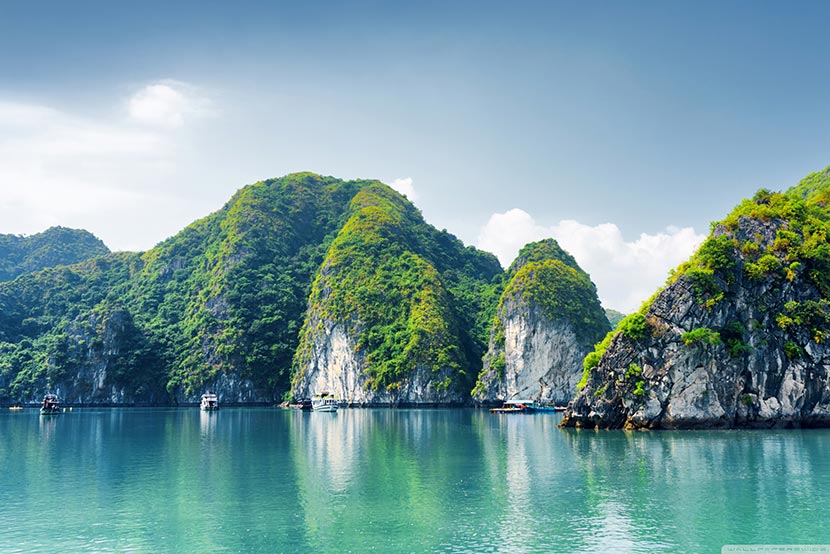
Water clarity also affects the perception of scenery. Lan Ha Bay’s cleaner water allows sunlight to penetrate deeper, creating the vivid turquoise and emerald colors that make photographs so striking. Halong Bay’s slightly murkier water, while still beautiful, produces less vibrant colors in images.
Tourism levels in Halong and Lan Ha Bay
The tourism disparity between Halong and Lan Ha Bay represents their most significant difference. Halong Bay receives millions of visitors annually, with hundreds of boats operating simultaneously during peak season. This volume creates crowded conditions at popular caves, swimming spots, and viewpoints.
Lan Ha Bay attracts far fewer visitors despite its comparable beauty. On many days, you might encounter only a handful of other boats throughout an entire cruise. The reduced numbers mean you can enjoy attractions without crowds, take photographs without other tourists in frame, and actually experience the peaceful natural environment that the bay’s pristine beauty suggests.
This tourism differential also affects environmental conditions. Halong Bay shows signs of stress from intensive use, including pollution, disturbed marine life, and erosion at heavily visited caves. Lan Ha Bay remains relatively pristine because lower visitor numbers allow ecosystems to maintain balance despite tourism.
Activity options in Halong and Lan Ha Bay
Standard Halong Bay cruises focus on sightseeing from boats with stops at significant caves, swimming beaches, and perhaps kayaking at designated areas. The activities are reliable and well-organized, but offer limited variety or adventure. Most Halong Bay experiences follow similar patterns, creating predictable rather than unique adventures.
Lan Ha Bay cruises offer a wider range of adventurous activities. Rock climbing, deep-water soloing, extended kayaking expeditions, and visits to less-developed islands provide options for active travelers seeking more than passive sightseeing. The varied activities appeal to younger travelers and adventure enthusiasts who want physical engagement with destinations.
The flexibility in Lan Ha Bay also allows for more customized experiences. With fewer boats and less rigid routes, operators can adjust itineraries based on weather, group interests, or spontaneous opportunities. This adaptability creates more personal and memorable experiences compared to standardized Halong Bay tours.
Accessibility of Halong and Lan Ha Bay
Halong Bay’s proximity to Halong City makes it highly accessible from Hanoi. Highways connect the capital to the bay in about 3 hours. Hundreds of tour operators offer packages with hotel pickup, making logistics simple even for inexperienced travelers. The ease of access contributes to Halong Bay’s popularity but also to its crowding.
Reaching Lan Ha Bay requires slightly more effort. Most visitors travel to Cat Ba Island by ferry from Ha Long City or by boat that departs from Ha Long City and cruises into Lan Ha Bay. The extra travel time and logistics deter some visitors, particularly those with limited schedules who prefer straightforward access.
However, the accessibility difference is relatively minor. The additional hour or two required to reach the Lan Ha Bay area yields significant crowd-reduction benefits that far outweigh the modest inconvenience. Travelers who have time to reach Lan Ha Bay almost always find the extra effort worthwhile.
Which bay should you choose for your visit?
Deciding between Halong and Lan Ha Bay depends on your priorities, travel style, and what you most value in cruise experiences.
Choose Halong Bay if these factors matter to you.
Halong Bay suits travelers who prioritize seeing world-famous landmarks and don’t mind crowds. If checking off UNESCO World Heritage Sites drives your travel, if you want to see the exact locations from famous photographs, or if experiencing destinations at peak popularity appeals to you, then Halong Bay delivers what you seek.
The extensive tourism infrastructure in Halong Bay provides security for travelers who prefer established tourism with clear expectations. Numerous operators, standardized itineraries, and decades of refined systems mean you know exactly what to expect. This predictability appeals to travelers who prefer avoiding surprises.
Halong Bay also works well for travelers with minimal time. The proximity to Hanoi and the efficient, streamlined tour operations mean you can experience the bay during short visits. Day trips, while rushed, are feasible from Hanoi to Halong Bay, though less practical for Lan Ha Bay.
Choose Lan Ha Bay if these priorities drive you.
Lan Ha Bay attracts travelers who prioritize tranquility, pristine conditions, and authentic experiences over famous landmarks. If you prefer having destinations largely to yourself, if environmental quality matters more than name recognition, or if you seek the peaceful natural beauty that inspired you to visit in the first place, then Lan Ha Bay exceeds expectations.
Adventure-focused travelers find Lan Ha Bay more satisfying than standard Halong Bay tours. The rock climbing, deep water soloing, extensive kayaking, and exploration opportunities create active engagement rather than passive sightseeing. Younger travelers and outdoor enthusiasts particularly appreciate these activity options.
Photography enthusiasts often prefer Lan Ha Bay because the absence of crowds allows them to capture images of pure natural beauty without the visible signs of tourism infrastructure. The cleaner water and less developed settings create the pristine tropical paradise aesthetic that makes compelling photographs.
Combining Halong and Lan Ha Bay in one trip
The ideal solution for many travelers is to experience both Halong and Lan Ha Bay on a single extended cruise. Several tour operators now offer routes that begin in Halong Bay, visiting its famous caves and landmarks, then continue into Lan Ha Bay for quieter exploration and adventure activities.
These combination cruises typically last two or three days, providing enough time to appreciate both areas without feeling rushed. You experience the famous highlights of Halong Bay while also enjoying the pristine conditions and fewer crowds in Lan Ha Bay. This approach delivers comprehensive experiences that showcase the full range of what the region has to offer.
The combination option works particularly well for travelers who want to see iconic landmarks but also value authentic experiences and natural beauty. You satisfy the desire to visit famous locations while avoiding disappointment from crowds and commercialization by escaping to quieter Lan Ha Bay sections.
Planning your Halong or Lan Ha Bay adventure
Successfully experiencing either Halong or Lan Ha Bay requires understanding practical considerations about timing, booking, and preparation.
Best time to visit Halong and Lan Ha Bay
The ideal season for both Halong and Lan Ha Bay runs from September through November and March through May. These periods offer comfortable temperatures, lower rainfall, and better visibility compared to hot summer or cold winter months. The autumn period offers particularly stunning conditions, with clear skies and moderate temperatures.
Summer, from June through August, brings hot temperatures and occasional typhoons. While many visitors still travel during summer, the weather can be uncomfortable and sometimes dangerous. The heat makes extended time on boats without air conditioning challenging, and sudden storms can disrupt itineraries or create hazardous conditions.
Winter, from December through February, can be surprisingly cold in northern Vietnam. Temperatures on the water drop significantly, and fog frequently reduces visibility. While winter visits remain possible, you need appropriate clothing and should expect the weather to affect activities and views.
How to book Halong and Lan Ha Bay cruises
Booking directly with tour operators typically provides better value than booking through hotels or travel agencies, which add commissions. Research operators carefully, read recent reviews, and confirm exactly what is included in package prices. The cheapest options often disappoint through poor service, low-quality food, or hidden costs.
For Halong Bay, reservations are essential during peak season, when popular boats fill months in advance. Last-minute bookings risk settling for inferior options or paying premium prices for remaining availability. Lan Ha Bay offers slightly more flexibility due to lower demand, though booking remains advisable.
Clarify whether tours include transportation from Hanoi, what meals are provided, which activities are included versus optional extras, and whether kayaking, swimming, or cave entrance fees require additional payment. Hidden costs can quickly inflate budget tour prices to match advertised rates of more expensive options that include everything.
Start your Halong or Lan Ha Bay adventure today.
The spectacular limestone karsts rising from emerald waters await your discovery. Whether you choose the famous landmarks and established infrastructure of Halong Bay or the pristine conditions and adventure activities of Lan Ha Bay, you will experience some of Vietnam’s most stunning natural beauty. The question is not which bay is better, but rather which bay better matches your personal priorities, travel style, and what you most value in cruise experiences.
Book your perfect bay cruise now.
Our cruise operations in both Halong and Lan Ha Bay combine years of local expertise with a genuine commitment to creating exceptional experiences. We have refined our routes, built relationships throughout the region, and developed comprehensive service systems that ensure your safety while maximizing your enjoyment and creating memories that last a lifetime.
Our classic Halong Bay cruise visits all the famous landmarks, including Sung Sot Cave, Thien Cung Cave, and the most spectacular viewpoints throughout the UNESCO World Heritage Site. Comfortable boats with quality amenities provide relaxing platforms for experiencing the bay’s beauty. English-speaking guides share cultural and geological insights throughout the journey.
Our Lan Ha Bay adventure cruise prioritizes pristine conditions, fewer crowds, and active engagement with the stunning environment. Rock climbing sessions, extended kayaking expeditions, swimming at secluded beaches, and visits to undeveloped islands create authentic adventure experiences. Small group sizes ensure personal attention and flexibility.
Our combined Halong and Lan Ha Bay cruise showcases the best of both areas during two- or three-day journeys. Visit Halong Bay’s famous caves and landmarks, then escape to Lan Ha Bay’s quieter waters for adventure activities and pristine conditions. This comprehensive option delivers the full range of experiences that make the region special.
All our cruises include quality boats maintained to high safety standards, comfortable cabins with private bathrooms, all meals featuring fresh seafood and regional specialties, kayaking equipment and guidance, swimming stops at beautiful beaches, cave entrance fees, English-speaking guides, and comprehensive insurance coverage.
Book your cruise today and receive exclusive benefits, including a complimentary sunrise tai chi session on deck, a professional photography package documenting your journey, a welcome drink and fresh fruit, and priority booking during peak season, when cruises fill quickly.
Contact us now through our website, WhatsApp, or email to discuss whether Halong Bay, Lan Ha Bay, or our combination cruise best matches your interests and schedule. Our travel consultants will answer all questions, provide honest recommendations, and ensure you choose the cruise option that creates your ideal bay experience.
The karsts are waiting. The emerald waters are calling. Your adventure through Vietnam’s most spectacular coastal scenery begins with a simple decision: book today. Let our experience guide you to the perfect bay experience, whether you seek famous landmarks or hidden paradises. Contact us now to start planning your cruise through these magnificent limestone wonderlands.