
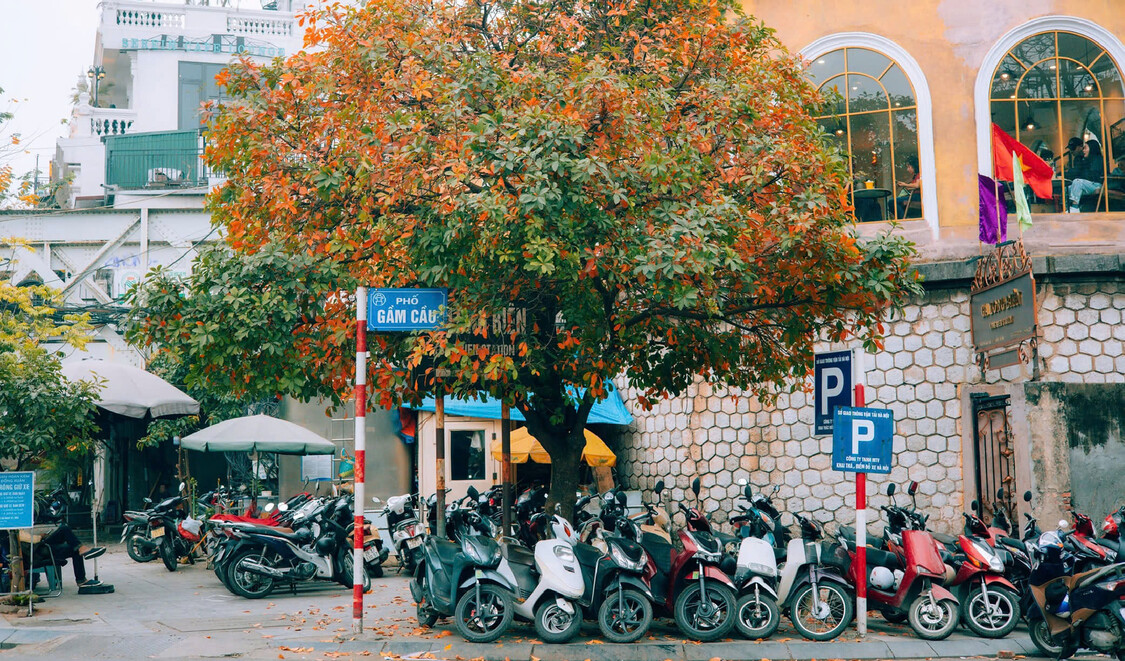
Lunar New Year, known in Vietnam as Tet, is the most culturally significant time of the year. For travelers planning a visit to northern Vietnam, one of the most common and important questions is about the weather. Hanoi weather during Lunar New Year often surprises visitors, especially those expecting tropical heat.
Unlike southern Vietnam, Hanoi experiences a true winter season. When Tet arrives, the city is usually at its coolest point of the year. Temperatures drop, humidity lingers, and the atmosphere feels very different from the image many travelers associate with Southeast Asia.
Understanding Hanoi’s weather during the Lunar New Year helps travelers pack correctly, plan realistic activities, and decide whether Tet is the right time to visit the capital.
When the Lunar New Year usually falls in Hanoi
Lunar New Year does not have a fixed date. It follows the lunar calendar and usually occurs between late January and mid-February.
Because of this timing, Tet in Hanoi almost always falls in the middle of winter. Weather conditions are relatively consistent from year to year, even though exact dates change.
Travelers should not plan based on calendar months alone. Instead, they should expect winter conditions whenever the Lunar New Year occurs.
General winter climate in Hanoi
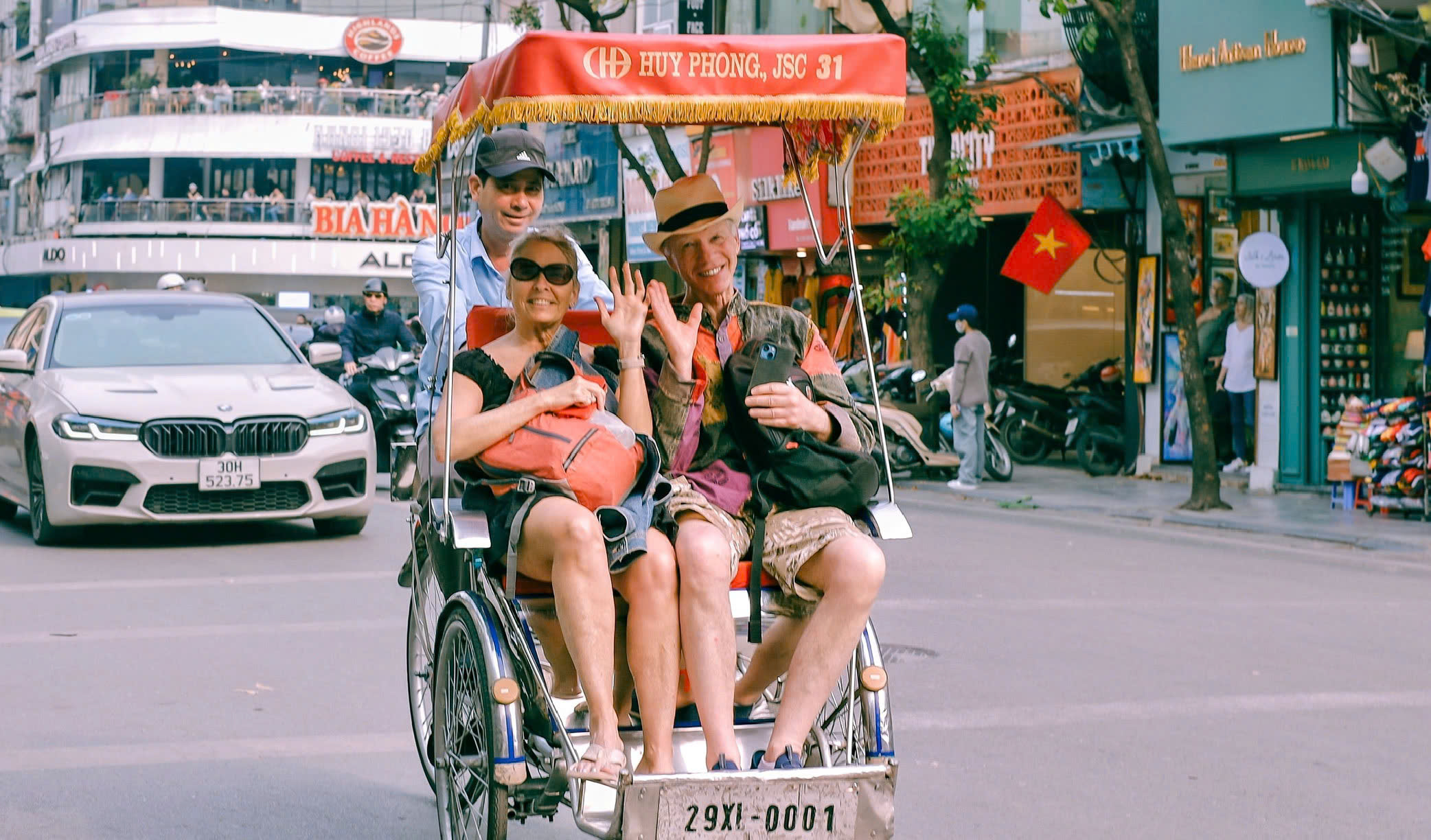
Hanoi has a humid subtropical climate with four distinct seasons. Winter lasts from roughly December to February.
During winter, temperatures are cooler, sunlight is limited, and humidity remains high. While snow is unheard of, the cold can feel sharper than expected due to damp air and lack of indoor heating.
Lunar New Year usually coincides with the coldest or second coldest period of the year in Hanoi.
Average temperatures during Lunar New Year
During Tet, average daytime temperatures in Hanoi typically range between 14°C and 20°C. Nighttime and early morning temperatures can drop to 10°C–12°C, and occasionally lower during cold spells.
These temperatures may sound mild to travelers from colder climates, but many visitors find Hanoi colder than expected. This is largely due to humidity and wind, which make the air feel colder than the thermometer suggests.
On colder days, locals wear winter jackets, scarves, and gloves, especially in the mornings and evenings.
Why Hanoi feels colder than the temperature suggests
One of the biggest surprises for travelers is how cold Hanoi feels indoors.
Most buildings in Hanoi are not insulated, and heating systems are uncommon. As a result, cafés, restaurants, and hotel rooms can feel just as cold as the streets.
Humidity plays a major role. Moist air penetrates clothing and makes warmth harder to retain. This creates a bone-chill effect, especially when walking or sitting still.
Travelers who underestimate this often feel uncomfortable during Tet, even when temperatures are not extremely low.
Rain, drizzle, and mist during Tet
Hanoi weather during Lunar New Year is not typically rainy in the sense of heavy downpours. Instead, the city experiences light drizzle, mist, and fog.
These conditions are especially common in the early mornings and late evenings. Skies are often overcast, and sunshine can be limited for several days in a row.
While this weather reduces visibility and brightness, it also creates a calm, atmospheric mood that many travelers find appealing.
Does it rain a lot during Lunar New Year?
Rainfall during Tet is generally low compared to summer months. However, the frequent drizzle can make streets damp and sidewalks slippery.
Umbrellas or light rain jackets are useful, not because of heavy rain, but because of persistent mist.
Travelers should expect grey skies rather than clear blue ones.
How wind affects Hanoi weather during Tet
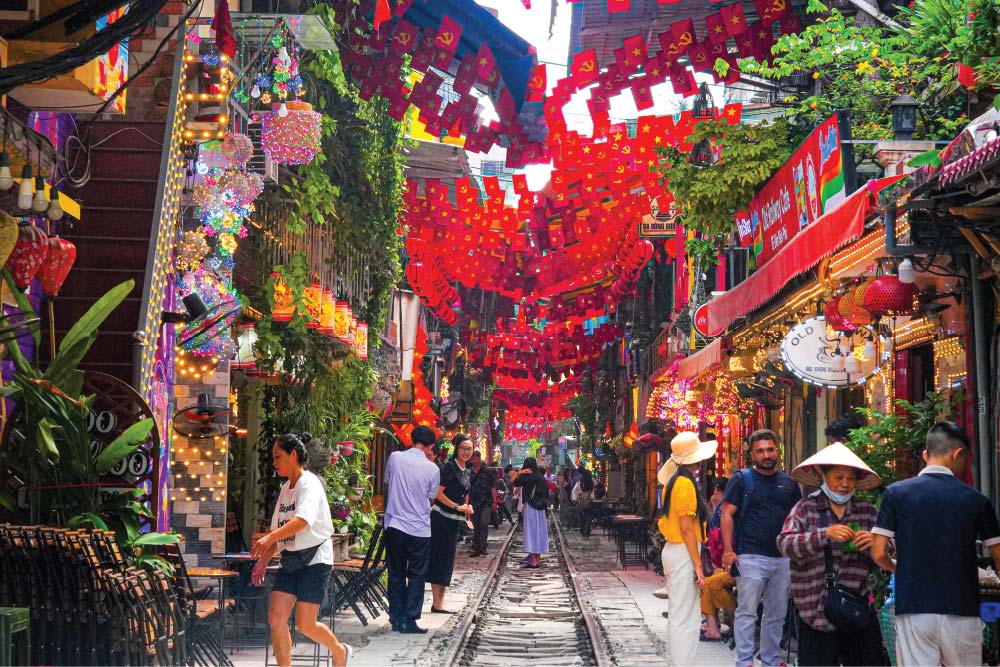
Cold winds from northern regions occasionally reach Hanoi during winter. When this happens around Lunar New Year, temperatures can drop suddenly and noticeably.
These cold waves may last a few days and significantly affect comfort levels. Wind makes walking less pleasant and increases the need for warm layers.
Local weather forecasts often warn of these cold spells, but travelers should be prepared regardless.
Morning weather during Lunar New Year
Mornings are usually the coldest part of the day.
During Tet, Hanoi mornings often feel quiet, misty, and still. Temperatures are at their lowest, and fog may reduce visibility around lakes and parks.
This time of day feels peaceful and reflective, aligning closely with the spirit of Tet. Locals still go out for morning walks and temple visits, but they dress warmly and move slowly.
For travelers, mornings are ideal for photography and observation, provided they dress appropriately.
Afternoon weather conditions
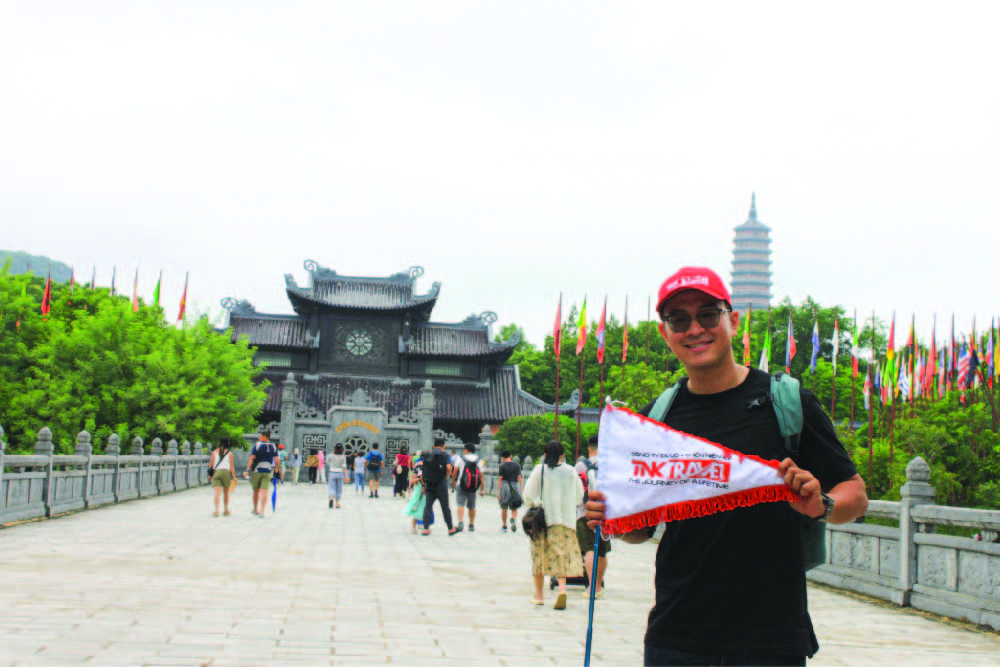
Afternoons are the most comfortable time of day during Lunar New Year.
Temperatures usually rise slightly, reaching their daily peak between early and mid afternoon. On some days, the weather can feel pleasantly cool rather than cold.
If there is any sunshine, it usually appears briefly during this window. This makes afternoons the best time for walking, sightseeing, and outdoor activities.
Travelers should plan most outdoor exploration during these hours.
Evening and nighttime temperatures
After sunset, temperatures drop quickly.
Evenings during Tet can feel quite cold, especially if wind is present. Streets become quieter, and many people stay indoors with family.
Travelers who plan evening walks or night photography should wear additional layers. Dining outdoors can feel uncomfortable without proper clothing.
How Hanoi weather affects Tet celebrations
Weather influences how Tet is celebrated in Hanoi.
Because of the cold, many activities take place indoors. Families gather inside homes rather than spending long periods outside. Meals are warm and hearty, and hot drinks are common.
Public celebrations still happen, but people tend to move between locations rather than lingering outdoors for long periods.
For travelers, this means Tet feels more intimate and less performative in Hanoi compared to warmer cities.
How locals adapt to Tet weather
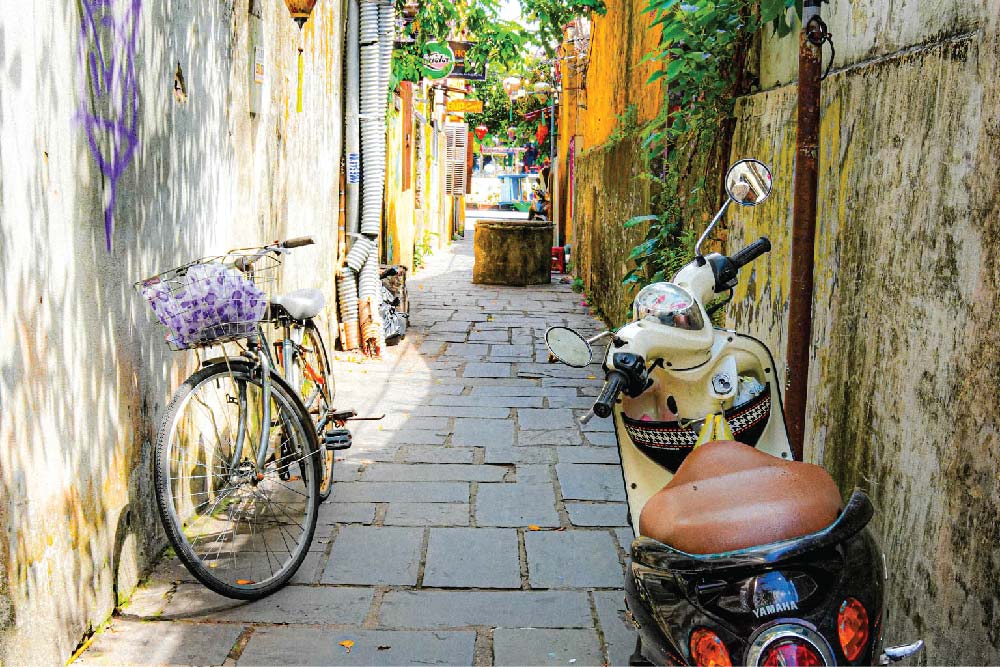
Local residents are well adapted to winter Tet conditions.
They layer clothing carefully, drink hot tea, and gather around warm meals. Street vendors sell hot foods, and cafés serve fewer iced drinks.
People also adjust schedules, going out later in the morning and returning home earlier in the evening.
Observing these adaptations gives travelers insight into daily life during Tet.
Is Hanoi weather during Lunar New Year good for sightseeing?
The answer depends on expectations.
From a comfort perspective, Hanoi weather during Tet is suitable for walking and sightseeing if travelers dress correctly. Heat is not an issue, and crowds are smaller than usual.
From a visual perspective, the city looks muted rather than vibrant. Grey skies and mist soften colors and reduce contrast.
Travelers who enjoy atmosphere, culture, and calm often appreciate Hanoi during Tet. Those seeking sunshine and bright cityscapes may be disappointed.
How weather influences travel pace during Tet
Cold weather naturally slows travel.
People walk more slowly, take more breaks, and spend more time indoors. This aligns with the Tet mindset of rest and reflection.
Travelers who accept this slower pace often enjoy Hanoi more during Lunar New Year than those trying to follow packed itineraries.
Common misconceptions about Hanoi weather during Tet
Many travelers assume Vietnam is always warm. This is one of the biggest misconceptions.
Others believe winter weather will ruin the trip. In reality, Hanoi during Tet offers a unique experience shaped by seasonality and culture.
Understanding weather conditions in advance helps set realistic expectations and avoid disappointment.
Who should consider visiting Hanoi during Lunar New Year
Hanoi during Tet is best suited for travelers who:
-
enjoy cooler weather
-
value cultural immersion
-
are comfortable with slower travel
-
appreciate atmosphere over sunshine
It may not suit travelers who:
-
dislike cold or damp weather
-
want busy nightlife
-
expect everything to operate normally
Knowing your travel style is key.
Why Hanoi weather is part of the Tet experience
Weather is not separate from Tet. It shapes how the holiday feels.
The cold reinforces the idea of gathering, resting, and reconnecting. It encourages warmth through food, family, and shared time rather than outdoor spectacle.
For travelers, accepting Hanoi weather during Lunar New Year as part of the cultural experience leads to a deeper understanding of Tet itself.
What to wear in Hanoi during Lunar New Year
Packing correctly makes a major difference to comfort during Tet in Hanoi. Many travelers underestimate how cold the city can feel, especially indoors.
Layering is essential. A light winter jacket or insulated coat is strongly recommended, particularly for mornings and evenings. Underneath, sweaters or long-sleeve tops work better than thin shirts. Avoid relying on hoodies alone, as humidity can cut through light fabrics.
Long pants are far more practical than shorts. Jeans or thick trousers help retain warmth, especially when sitting outdoors or riding motorbikes. Closed shoes are important, as cold pavement and damp streets can quickly chill feet.
Scarves are surprisingly useful in Hanoi during Tet. Locals wear them not for style, but for warmth and wind protection. Gloves are optional but welcome during cold spells.
Indoors, hotels may feel cooler than expected. Sleeping clothes that provide warmth are worth packing, especially if you are sensitive to cold.
How weather affects what is open and closed during Tet
Cold weather reinforces the tendency for Tet to be an indoor holiday in Hanoi.
Because temperatures are low, families prefer staying inside, and many small local businesses close completely for several days. Street food stalls, which normally operate daily, are more likely to close in winter Tet than during warmer holidays.
Larger businesses such as hotels, shopping malls, and major tourist attractions are less affected by weather and usually reopen quickly after the first day of Tet. However, opening hours may be shorter, especially in the mornings when it is coldest.
Travelers should not expect morning café culture or street breakfasts during Tet. Food availability improves later in the day when temperatures rise slightly.
Best things to do in Hanoi during Tet despite cold weather
Cold weather does not mean there is nothing to do. It simply changes how activities are enjoyed.
Walking around Hoan Kiem Lake is especially atmospheric during Tet. Morning mist, quiet streets, and locals exercising create a calm, reflective mood. Dressing warmly makes this one of the most memorable experiences in Hanoi.
Visiting temples and pagodas is ideal during Lunar New Year. These sites are culturally significant during Tet and remain active despite the weather. Cooler temperatures actually make temple visits more comfortable than in summer.
Museums and indoor attractions are excellent choices during cold days. Hanoi’s historical and cultural museums provide warmth, context, and shelter from damp air.
Cafés become central to daily routines. Hanoi’s coffee culture shines during winter, with hot drinks replacing iced beverages. Sitting inside cafés watching quiet streets is a defining Tet experience.
How weather shapes Tet food in Hanoi
Hanoi’s Tet food reflects winter conditions.
Meals are warm, filling, and designed to be eaten slowly. Sticky rice cakes, braised dishes, and soups dominate the holiday table. These foods provide warmth and comfort during cold days.
Street food that remains available often focuses on hot dishes rather than snacks. Vendors selling warm corn, roasted sweet potatoes, and hot drinks appear more frequently than cold desserts.
For travelers, winter Tet is one of the best times to appreciate Hanoi’s comfort food culture.
How cold weather affects transportation and movement
Cold weather combined with Tet reduces overall movement in Hanoi.
Traffic drops significantly, making walking easier but reducing public transport frequency. Ride-hailing services still operate, but fewer drivers may be available, especially in the mornings.
Cold mornings discourage early starts. Locals tend to leave home later in the day, and travelers may find mid-morning or afternoon exploration more comfortable.
Because rain is usually light, weather rarely disrupts transportation completely. However, damp roads can make walking slippery, so appropriate footwear is important.
Common mistakes travelers make during Tet in Hanoi
One of the most common mistakes is underpacking warm clothing. Many travelers assume Vietnam will be warm and arrive unprepared for cold, damp days.
Another mistake is planning too many outdoor activities early in the morning. This is when temperatures are lowest and many places remain closed.
Some travelers also expect Tet to feel festive in a loud, public way. In Hanoi, Tet is quiet, introspective, and family-focused, especially when weather keeps people indoors.
Understanding these realities helps avoid frustration.
Is Hanoi weather during Lunar New Year good for photography?
Yes, but in a specific way.
Hanoi during Tet offers moody, atmospheric photography rather than bright, colorful scenes. Fog, mist, and soft light create a timeless feel, especially around lakes and old streets.
Photographers who enjoy minimalism, emotion, and storytelling often love Hanoi during winter Tet. Those seeking vibrant skies and bold colors may struggle.
Timing matters. Early mornings and late afternoons provide the most interesting light conditions.
Comparing Hanoi Tet weather to other parts of Vietnam
Compared to southern Vietnam, Hanoi feels significantly colder during Tet. Cities in the south remain warm and dry, making outdoor celebrations more lively.
Compared to central Vietnam, Hanoi is cooler but often less rainy. Central regions may experience heavier rain during Tet depending on the year.
This contrast explains why Tet feels quieter and more inward-focused in Hanoi than elsewhere.
Travelers planning multi-region trips should prepare for very different weather conditions across the country.
Is Tet a good time to visit Hanoi despite the weather?
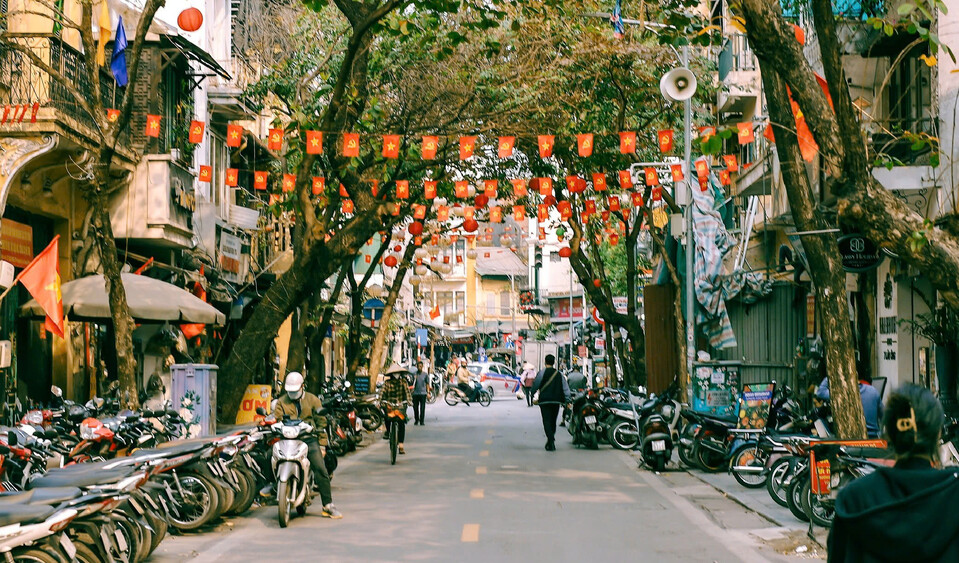
The answer depends entirely on expectations.
Hanoi during Lunar New Year is ideal for travelers who enjoy:
-
cooler temperatures
-
cultural observation
-
slower travel
-
quiet cityscapes
It is less suitable for travelers who want:
-
sunshine
-
nightlife
-
packed itineraries
-
street food variety
Cold weather amplifies Tet’s reflective nature. If you embrace that, Hanoi can be deeply rewarding.
Frequently asked questions about Hanoi weather during Lunar New Year
Is Hanoi cold during Tet?
Yes. Hanoi is usually at its coldest during Tet, with temperatures often between 14°C and 20°C.
Does it rain during Lunar New Year in Hanoi?
Heavy rain is uncommon, but mist and drizzle are frequent.
Can I still walk around the city during Tet?
Yes, walking is comfortable if you dress warmly, especially during afternoons.
Do hotels have heating during Tet?
Some hotels provide heating, but many rely on air conditioners with limited heating capacity.
Final thoughts on Hanoi weather during Lunar New Year
Hanoi weather during Lunar New Year is not something to endure. It is something to understand.
The cold, misty atmosphere reinforces the meaning of Tet itself: slowing down, gathering warmth, and turning inward. The city becomes quieter, softer, and more intimate.
For travelers willing to adjust expectations and pack properly, Tet in Hanoi offers a rare chance to experience the capital at its most authentic and reflective.
Weather shapes culture, and during Tet, Hanoi shows exactly how deeply those two are connected.