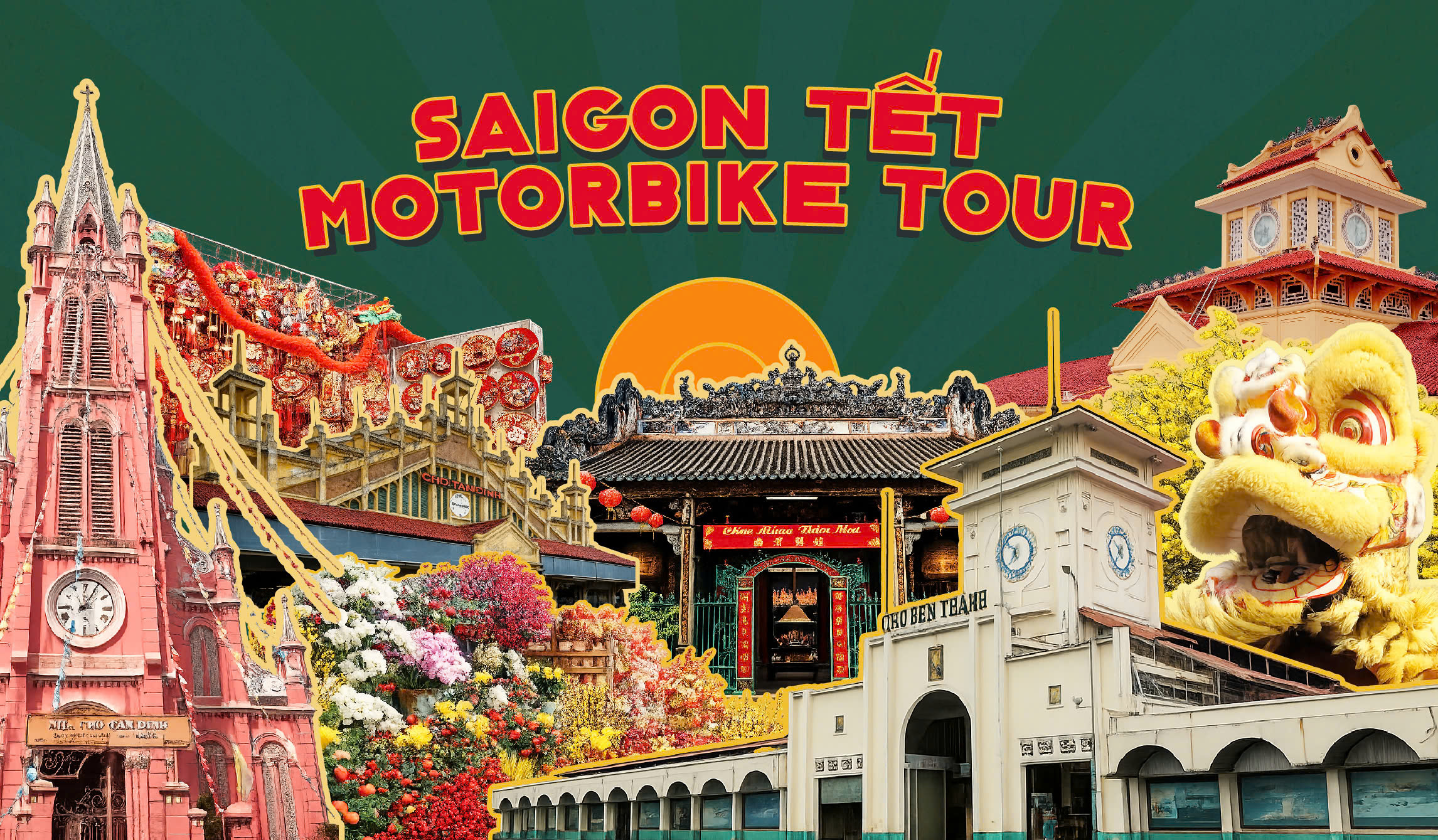
Few cities in Southeast Asia embody energy and ambition quite like Ho Chi Minh City. Formerly known as Saigon, this southern metropolis has grown from its colonial roots into Vietnam’s most dynamic and cosmopolitan hub. Today it stands proudly as the country’s second-highest destination for international arrivals, welcoming millions of travelers each year who come for its unique blend of history, modernity, and unending vibrancy.
Wandering its streets, you quickly understand why it holds this position. The city hums with life from dawn till midnight — scooters weave through tree-lined boulevards, markets overflow with color and aroma, and rooftop bars glitter against the skyline. Beyond its bustle, Ho Chi Minh City offers deep cultural layers, fascinating architecture, and world-class cuisine that together paint a portrait of Vietnam’s progress and identity. Whether you’re visiting for business, adventure, or curiosity, this city represents the spirit of modern Vietnam — bold, forward-looking, and endlessly engaging.
The rise of a global gateway
The story of Ho Chi Minh City’s rise as a major international destination reflects Vietnam’s broader transformation over recent decades. Once defined by its turbulent past, the city has evolved into the beating heart of the country’s economy and its most important southern gateway. Each year, millions of travelers arrive through Tan Son Nhat International Airport — one of Vietnam’s busiest aviation hubs — connecting to destinations across Asia, Europe, and beyond.
As global tourism recovered after years of pause, Ho Chi Minh City quickly reasserted its magnetic pull. Its location at the crossroads of trade routes, coupled with an open economy and rapidly improving infrastructure, makes it an ideal first stop for international visitors exploring Vietnam. Business travelers, digital nomads, backpackers, and luxury seekers alike find something that fits their pace. Yet the appeal extends beyond convenience. What truly draws travelers here is the character of the city itself — its contrasts, its vitality, and its authenticity.
A city that never sleeps
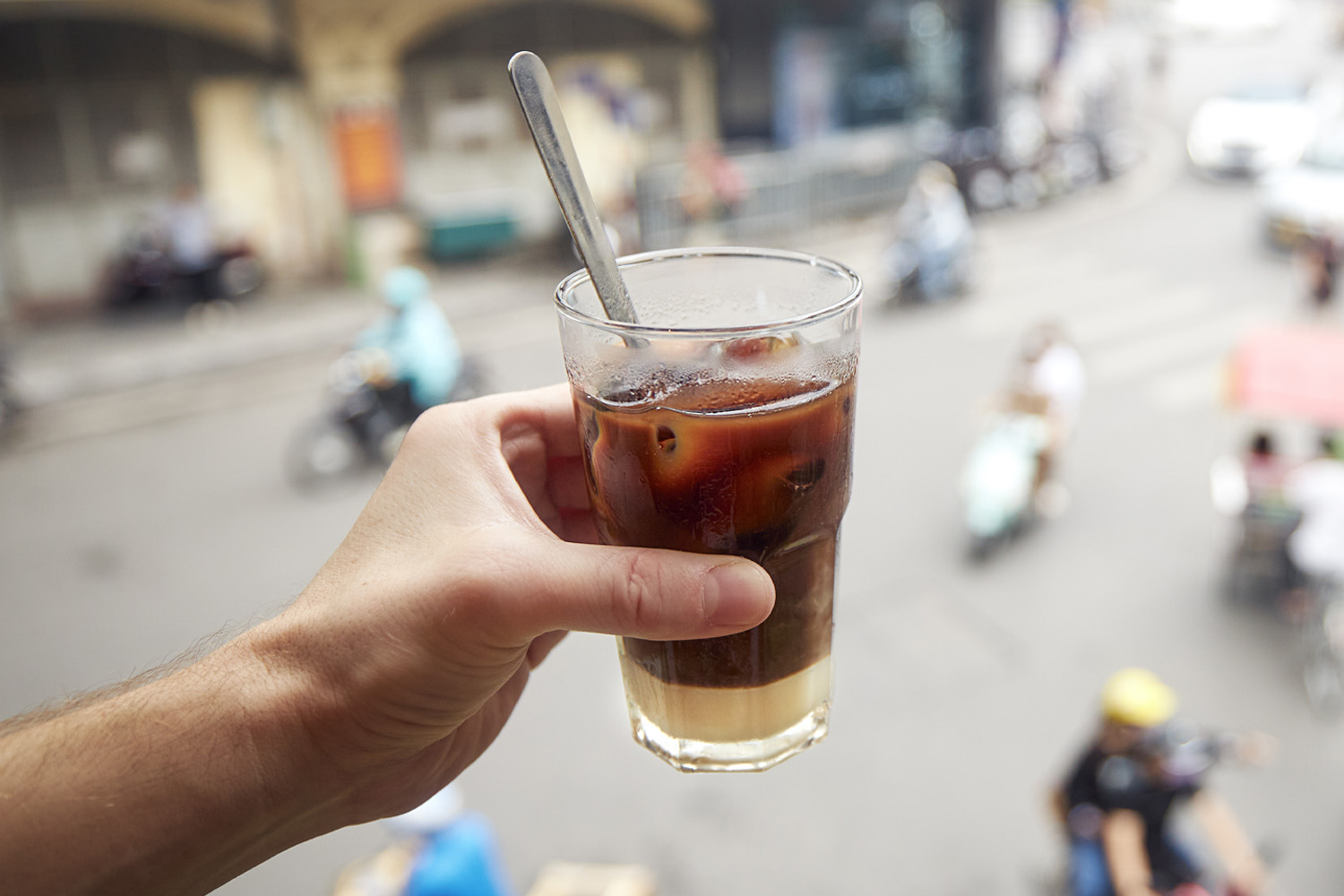
Life in Ho Chi Minh City moves quickly, yet somehow it always feels welcoming. The streets are a stage where everyday moments turn cinematic: a vendor pouring Vietnamese iced coffee at sunrise, children chasing each other through alleys, and neon lights illuminating the humid night air. The rhythm is constant but never monotonous.
District 1 forms the beating heart of the city — a mix of colonial architecture, luxury hotels, and trendy restaurants. Here you can walk from the grand Saigon Opera House to Nguyen Hue Walking Street, where locals and tourists gather for evening strolls and impromptu performances. A few blocks away, the famous Ben Thanh Market captures the soul of Saigon commerce with its maze of stalls selling spices, fabrics, and handmade souvenirs.
At night, the city transforms. Street food vendors appear on every corner, and music drifts from rooftop bars overlooking the skyline. Bui Vien Street comes alive with laughter and color, while quieter cafés and hidden speakeasies offer intimate spaces for conversation. The energy of Ho Chi Minh City is contagious — it flows from its people, proud of their city’s growth yet deeply rooted in tradition.
Culture and heritage amid modern growth
While skyscrapers dominate the horizon, Ho Chi Minh City’s past is never far away. The city’s heritage reveals itself in layers — from ornate French colonial buildings to centuries-old temples and the remnants of wartime history.
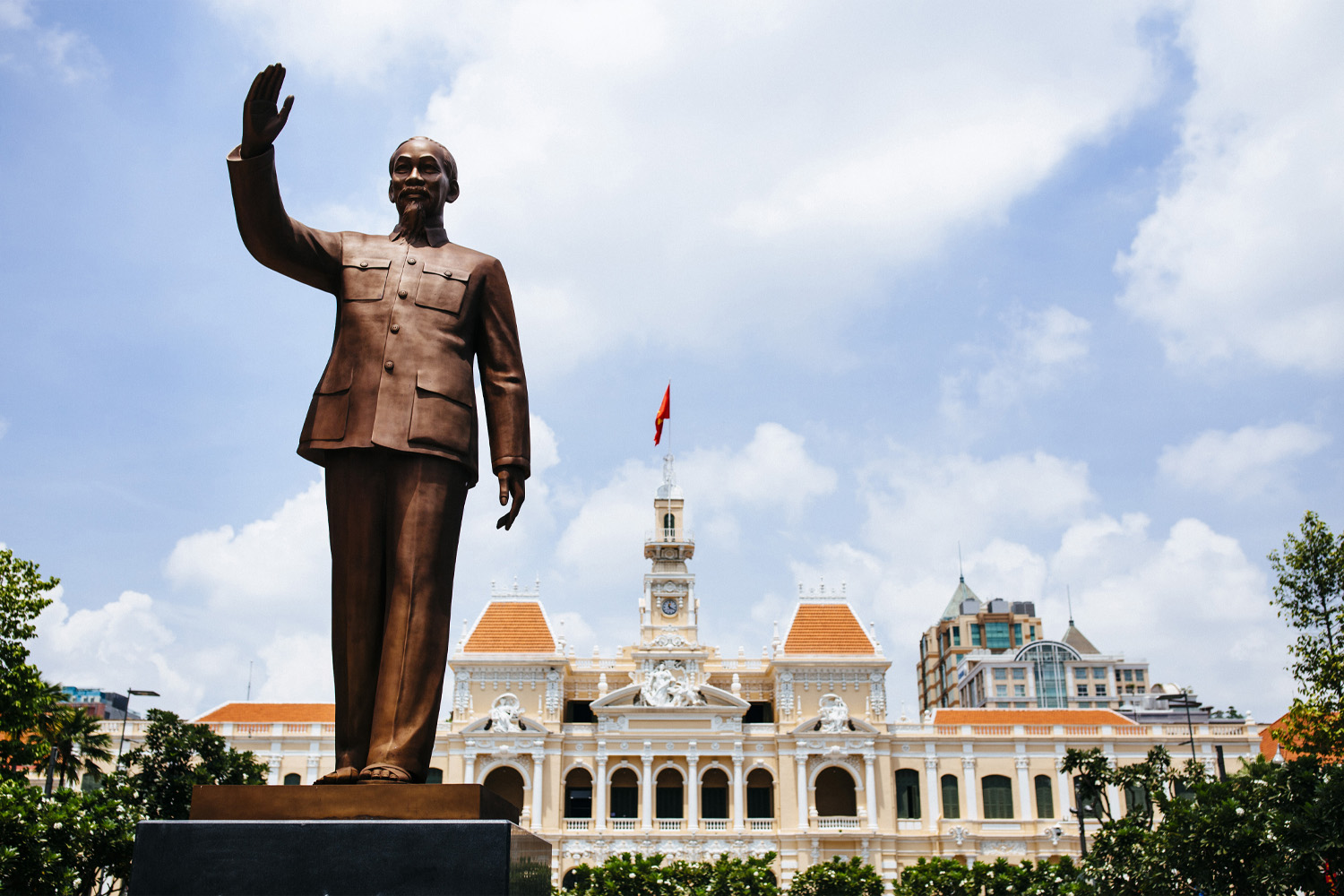
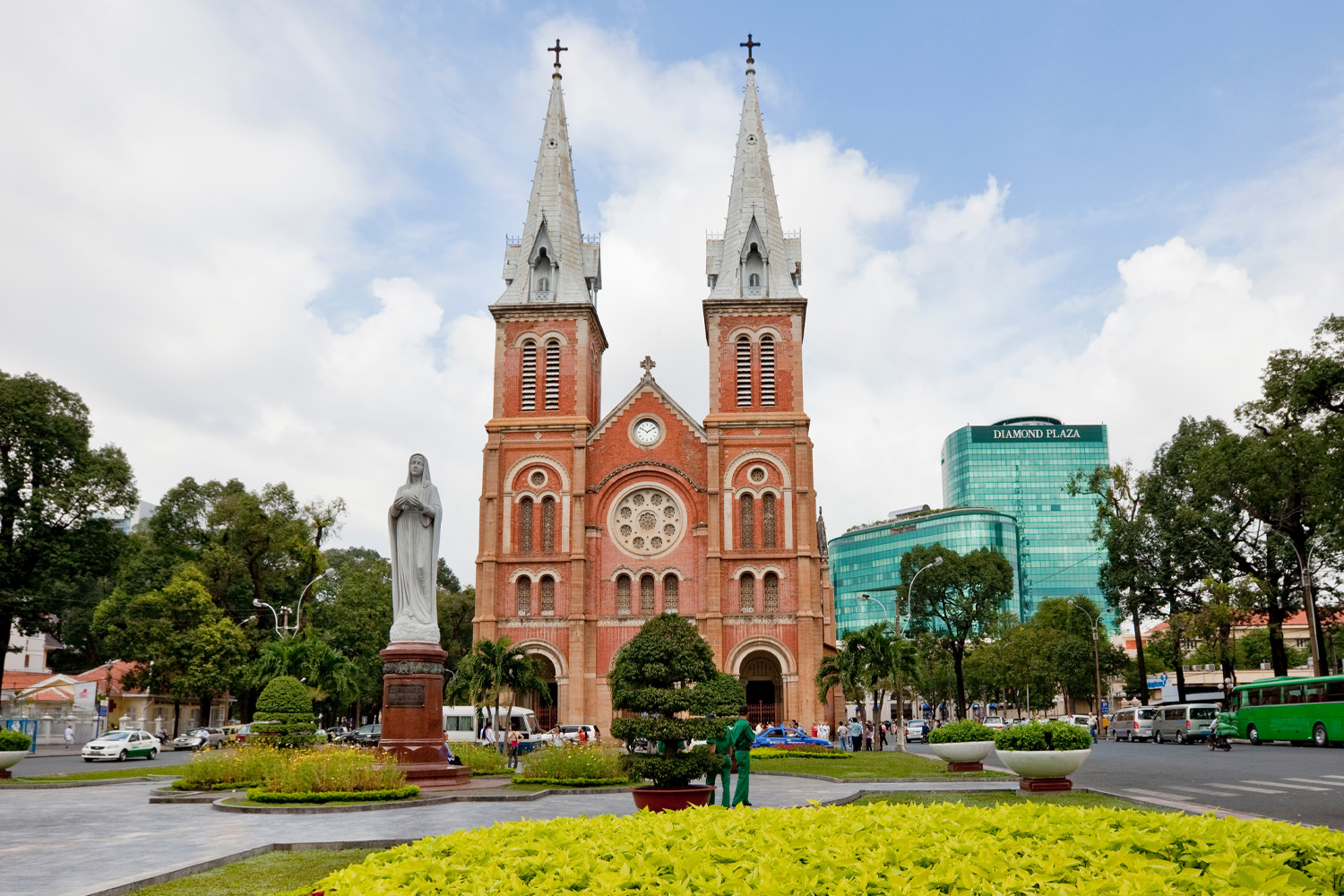
The Notre Dame Cathedral and Central Post Office, built during the French colonial period, remain two of the most photographed landmarks. Their detailed architecture tells stories of a time when Saigon was considered the “Pearl of the Orient.” Not far away, the Reunification Palace stands as a reminder of Vietnam’s journey through division and reunification. Visiting these sites provides context to the country’s modern identity — resilient, adaptive, and always evolving.
For deeper reflection, the War Remnants Museum offers a sobering but essential experience, documenting the realities of the Vietnam War through photos and personal accounts. While heavy in tone, it highlights the remarkable progress and peace that followed, showing how the city has transformed adversity into strength.
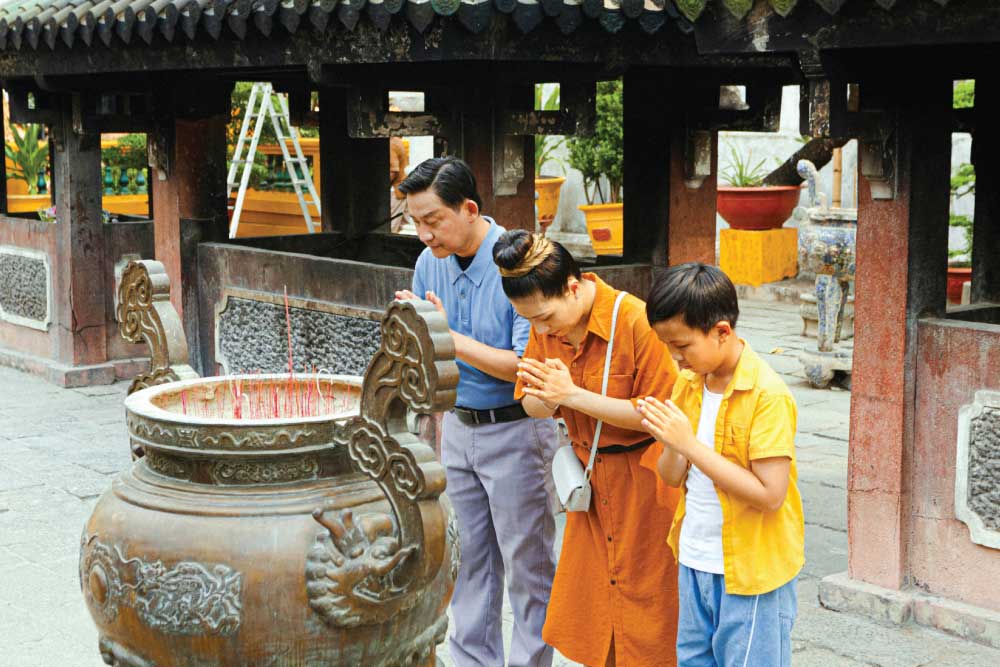
Temples and pagodas bring serenity to the urban tempo. The Jade Emperor Pagoda, with its incense-filled chambers and intricate wood carvings, is one of the city’s spiritual landmarks. Across town, Chinese influences thrive in Cholon — Saigon’s historic Chinatown — where ornate temples and herbal medicine shops coexist with modern street markets. Walking through Cholon feels like stepping into another layer of the city’s identity, one shaped by centuries of trade and migration.
The taste of the city
If there’s one thing that connects all travelers who arrive in Ho Chi Minh City, it’s the love of food. Vietnamese cuisine is celebrated worldwide, and here it reaches its most diverse and vibrant expression. The city’s culinary landscape blends flavors from the north, central, and south regions with creative local twists.
Street food remains the heart of the experience. You can start your morning with a hot bowl of phở bò — beef noodle soup perfumed with herbs — or a fresh bánh mì stuffed with pickled vegetables, pate, and grilled pork. Lunchtime might lead you to a tiny stall serving cơm tấm, the beloved broken rice dish topped with marinated pork and a fried egg. As the day fades, aromatic smoke rises from countless grills serving seafood, noodles, and skewers.
But Ho Chi Minh City also excels at modern dining. Fine restaurants reinterpret traditional dishes with artistic flair, while cozy cafés serve the signature Vietnamese iced coffee, known locally as cà phê sữa đá. Each sip captures the city’s dual nature — strong, sweet, and energizing. Whether you eat at a five-star rooftop restaurant or a roadside cart, the flavors carry the same warmth that defines the people who make them.
A magnet for global travelers
What makes Ho Chi Minh City’s growing number of international arrivals especially impressive is the diversity of travelers it attracts. The city appeals not just to tourists but also to entrepreneurs, investors, and expatriates who see opportunity in its momentum. Over the past decade, a thriving start-up ecosystem, affordable cost of living, and expanding transport network have transformed it into one of Southeast Asia’s most livable big cities.
Visitors from across Asia — particularly South Korea, Japan, and Thailand — arrive for short breaks and business trips. Western travelers often include Saigon as part of longer Vietnam itineraries, combining its urban excitement with countryside retreats. Increasingly, digital nomads choose the city as a base, drawn by its connectivity, modern cafés, and co-working spaces. The welcoming nature of residents adds to the attraction. English is widely spoken in tourism areas, and the hospitality industry continues to evolve with global standards without losing its local soul.
For many travelers, Ho Chi Minh City is more than a destination; it’s a feeling. It’s the hum of motorbikes, the scent of grilled meat at night, the contrast of a Buddhist temple standing beside a luxury mall, and the conversations that begin with a smile. This combination of tradition and transformation keeps people coming — and coming back.
Festivals, nightlife, and daily rhythm
Arriving in December or January, you might witness the city at its most festive. Streets light up with decorations for Christmas and New Year, followed closely by preparations for Tết Nguyên Đán, the Vietnamese Lunar New Year. During this time, flower markets bloom, families reunite, and the city takes on a golden glow of anticipation.
Throughout the year, other celebrations fill the calendar: the Mid-Autumn Festival, Ao Dai Festival, and various cultural fairs that showcase Vietnamese art, food, and design. Visitors often stumble upon these moments organically — a lion dance parade crossing the street or a pop-up market selling handmade crafts.
Nightlife in Ho Chi Minh City is another layer of its magnetism. The rooftop bars of District 1 provide sweeping views of the skyline, while live-music venues in District 3 and Binh Thanh host jazz, acoustic, or indie performances. For those who prefer quieter evenings, the city’s café culture offers endless corners to unwind. In Ho Chi Minh City, night doesn’t mark an end but rather a change in rhythm.
Day Trips and beyond
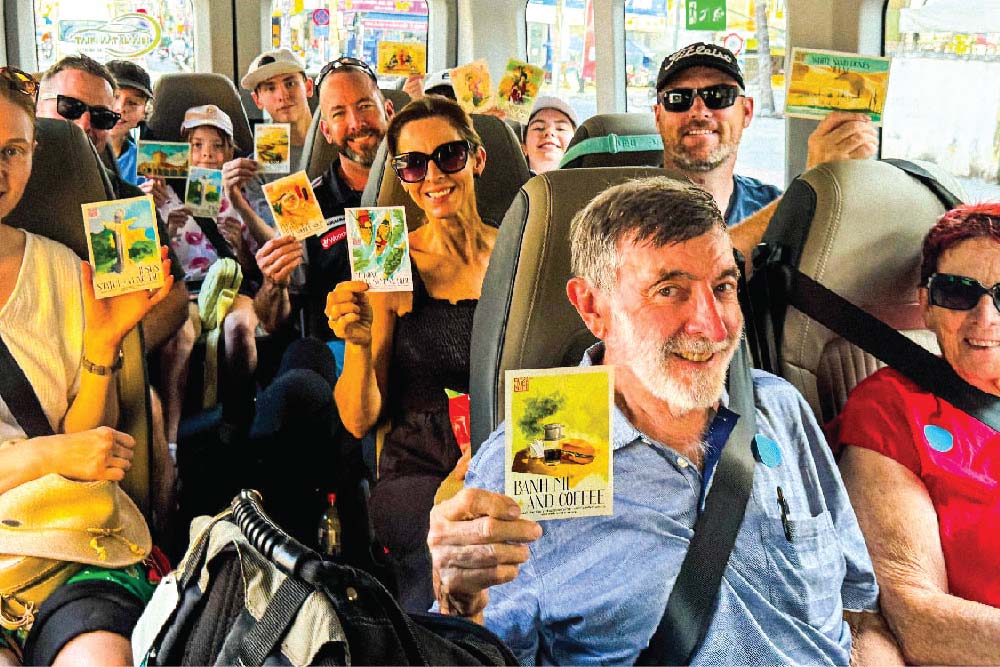
While the city itself offers endless discovery, Ho Chi Minh City also serves as a gateway to southern Vietnam’s diverse landscapes. Within a few hours, you can escape the urban rush and explore contrasting worlds.
A popular choice is the Mekong Delta, where wide rivers and floating markets reveal Vietnam’s rural heartbeat. Cruising through narrow canals, you’ll see coconut groves, rice paddies, and villages where life unfolds on water. For history enthusiasts, the Cu Chi Tunnels offer an eye-opening look at the underground network used during wartime, blending education with adventure.
Closer to the coast, Vung Tau provides a quick seaside getaway, while Can Gio Biosphere Reserve offers mangrove forests and quiet beaches perfect for eco-travelers. These easy excursions highlight one of Ho Chi Minh City’s great advantages — its accessibility to both culture and nature within a short journey.
Infrastructure and connectivity
The city’s ability to attract such a large number of international arrivals is also rooted in its growing infrastructure. Tan Son Nhat International Airport remains the busiest in Vietnam, and an even larger new airport, Long Thanh, is currently under development to accommodate future demand. Improved public transport systems, including the long-awaited metro lines, promise easier mobility for both residents and visitors.
Hotels in Ho Chi Minh City cater to every budget and taste. From luxury brands that overlook the Saigon River to boutique hotels in colonial buildings and budget hostels in bustling alleyways, accommodation options are abundant. Many properties focus on sustainable operations, catering to travelers who want comfort with conscience.
The digital ecosystem has also played a crucial role in the city’s growth. With widespread Wi-Fi availability, mobile payment systems, and efficient ride-hailing apps, navigating daily life becomes effortless. This combination of connectivity and convenience enhances the visitor experience and reinforces why so many international travelers rank Ho Chi Minh City as one of their favorite urban destinations in Asia.
Economic and tourism impact
Behind the title of Vietnam’s “2nd highest international arrivals” lies a broader story about the city’s impact on national tourism and economic development. International travelers contribute significantly to hospitality, transportation, and cultural industries, generating employment and encouraging urban improvement. The city’s government has invested in campaigns promoting cultural tourism, gastronomy, and heritage conservation, recognizing that authenticity is a powerful draw.
In addition to leisure tourism, business travel continues to grow. Ho Chi Minh City hosts numerous international conferences and exhibitions each year, drawing delegates from around the world. The blend of professional infrastructure, modern amenities, and leisure opportunities creates a well-rounded environment for travelers who combine work with exploration.
This balance between growth and experience positions the city as a cornerstone of Vietnam’s global image — modern yet soulful, ambitious yet welcoming.
Sustainability and the future of tourism
As visitor numbers rise, Ho Chi Minh City faces both opportunity and responsibility. Sustainable tourism has become a central focus, encouraging travelers to explore thoughtfully and support local communities. Many hotels and tour operators now emphasize eco-friendly practices, such as minimizing plastic use, sourcing local produce, and offering cultural workshops that preserve traditional crafts.
Walking tours and cycling programs help reduce carbon footprints while offering authentic insights into daily life. Neighborhoods like District 3 and Thao Dien showcase how modern design can coexist with greenery and community spaces. Local initiatives promoting cleanliness and conservation further demonstrate how the city is adapting to global expectations.
Looking ahead, Ho Chi Minh City aims not just to maintain its ranking for international arrivals but to redefine what a world-class urban destination can be — one that values both growth and grace.
Why people keep coming back
When travelers talk about Ho Chi Minh City, certain themes repeat: warmth, energy, diversity, and surprise. It’s a place where every visit feels slightly different, where a café you loved last year has reinvented itself, and where every conversation leads you somewhere new. Unlike destinations that rely solely on natural beauty or ancient monuments, this city thrives on emotion and engagement.
The charm of Saigon lies in its ability to connect — people to culture, visitors to locals, past to present. It doesn’t offer a single grand spectacle but rather a thousand small encounters that together create lasting memories. A friendly wave from a street vendor, the aroma of coffee on a humid morning, the hum of scooters at sunset — these moments weave into the fabric of travel stories long after visitors return home.
That is why, year after year, millions of travelers choose Ho Chi Minh City as their entry point to Vietnam, and why so many depart already planning their return.
Final thoughts
Ho Chi Minh City’s status as Vietnam’s second-highest destination for international arrivals is no accident. It is the result of culture, hospitality, innovation, and heart. The city embodies the essence of modern Vietnam — youthful yet wise, fast-moving yet deeply human. Whether you come for the history, the cuisine, or the contagious energy of its streets, you will leave with a sense of having witnessed a living, breathing story of progress and pride.
If you are ready to experience this remarkable city for yourself, we can help craft the perfect journey. From immersive city tours to excursions into the Mekong Delta and beyond, our travel experts design itineraries that blend discovery with comfort and authenticity.
Book your Ho Chi Minh City adventure today, and see for yourself why millions of international visitors choose this destination — a place where Vietnam’s past meets its future, and where every traveler finds a story worth telling.