
The lunar new year in Vietnam, commonly called Tết, is the most important holiday in Vietnamese culture. It blends family rituals, food, community celebrations, and meaningful customs. If you want to understand what people do during the lunar new year in Vietnam, here are the main activities to know.
1. Family Reunions and Homecomings
One of the central features of the lunar new year in Vietnam is the family reunion. Many people travel long distances to return to their hometowns to celebrate with parents, grandparents, and extended family. Reunion dinners on New Year’s Eve are elaborate and symbolic, emphasizing unity and gratitude.
2. Ancestor Worship and Home Altars
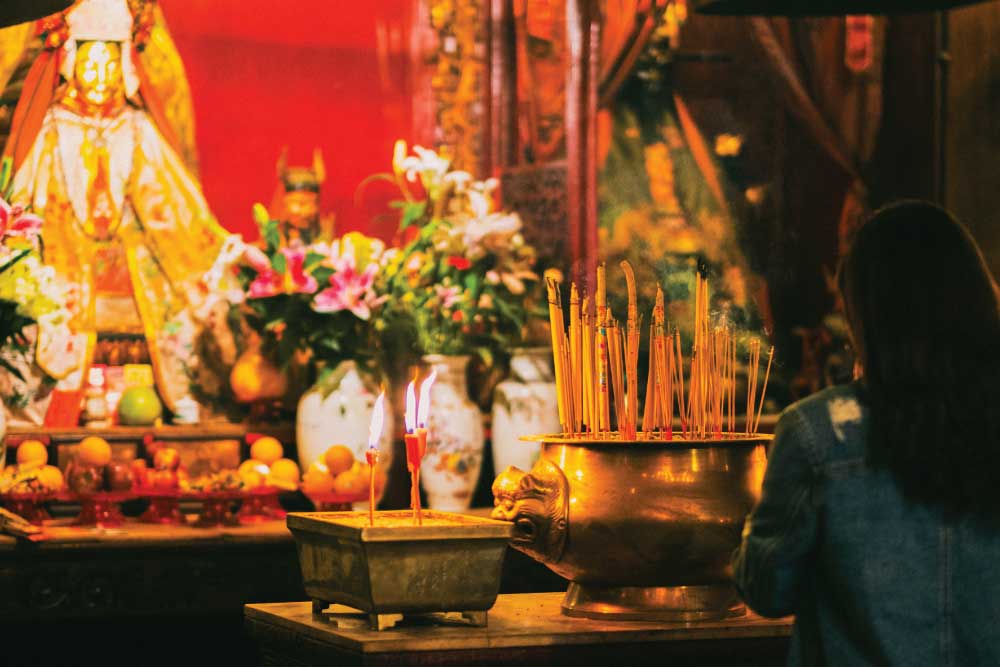
Preparing the family altar and offering food, incense, and prayers to ancestors is a core practice. Families clean and decorate the altar, arrange offerings like boiled chicken, fruits, sticky rice cakes, and burn joss paper to invite blessings and show respect. Visiting ancestral graves to tidy them and offer incense is also common in the days before or during Tết.
3. Preparing Special Foods
Food is central to celebrations. The most iconic dishes include:
- Bánh chưng (square sticky rice cake) or bánh tét (cylindrical sticky rice cake) — made with glutinous rice, mung beans, and pork, wrapped in banana or dong leaves. These cakes symbolize the earth and are often made in family gatherings.
- Boiled chicken, pickled onions, and various soups that carry symbolic
Things to Keep in Mind for Lunar New Year in Vietnam
Experiencing Lunar New Year in Vietnam (Tết) is a vibrant cultural highlight. To make the most of it and show respect, keep these practical tips and etiquette pointers in mind.
Understand the Timing and Atmosphere
- Tết follows the lunar calendar and lasts several days; some businesses close for up to a week. Check exact dates before you travel.
- The period before Tết is busy with shopping, cleaning and last-minute travel; expect trains, buses and flights to sell out.
Plan Travel and Accommodation Early
- Book transport and lodging well in advance; prices rise and availability drops.
- Allow extra time for travel—roads and stations are crowded, and travel can be delayed by celebratory activities.
Respect Local Customs and Etiquette
- Wear modest, tidy clothing when visiting family, temples or elders; bright, cheerful colors (especially red) are appreciated.
- Greet people with a polite nod or handshake; use formal titles if you know them. New Year greetings: “Chúc Mừng Năm Mới” (Happy New Year).
- First-footing matters: being the first visitor to a home on New Year’s Day is considered auspicious—families often invite a lucky person to enter first. Follow the host’s lead.
Gifts and Money Etiquette
- Red envelopes (lì xì) containing money are given to children and sometimes to employees or friends. Use clean, unused bills and present them in red envelopes.
- When visiting elders, bring fruit, sweets, or a small, thoughtful gift. Avoid giving sharp objects, white flowers or clocks (associated with bad luck).
- Present gifts with both hands and do not expect immediate reciprocation; many hosts will offer refreshments.
Food and Dining
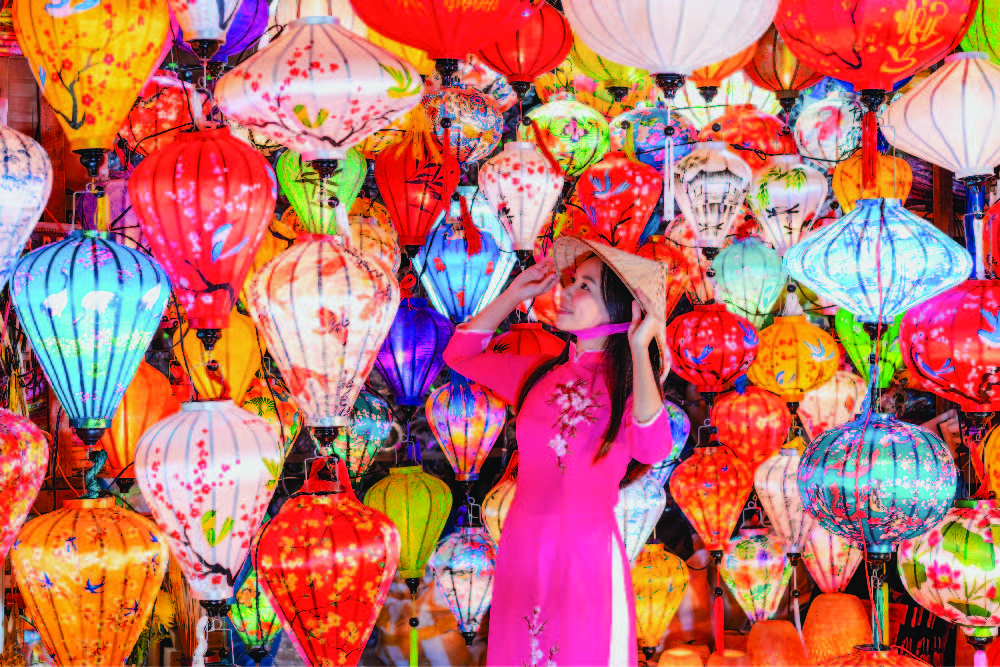
- Tết food is symbolic—banh chung or banh tet (rice cakes), pickled onions, boiled chicken, and candied fruits are common. Accepting a small portion shows respect.
- If invited to a family meal, arrive on time but don’t be surprised if the schedule is flexible. Try a bit of everything and compliment the cook.
Temple Visits and Good Wishes
- Many people visit pagodas and temples to pray for luck. Dress respectfully, remove hats, and follow shrine rules (no loud talking, no stepping in front of altars).
- When making offerings, use incense and money slips where appropriate; observe local practices and ask if unsure.
Dos and Don’ts
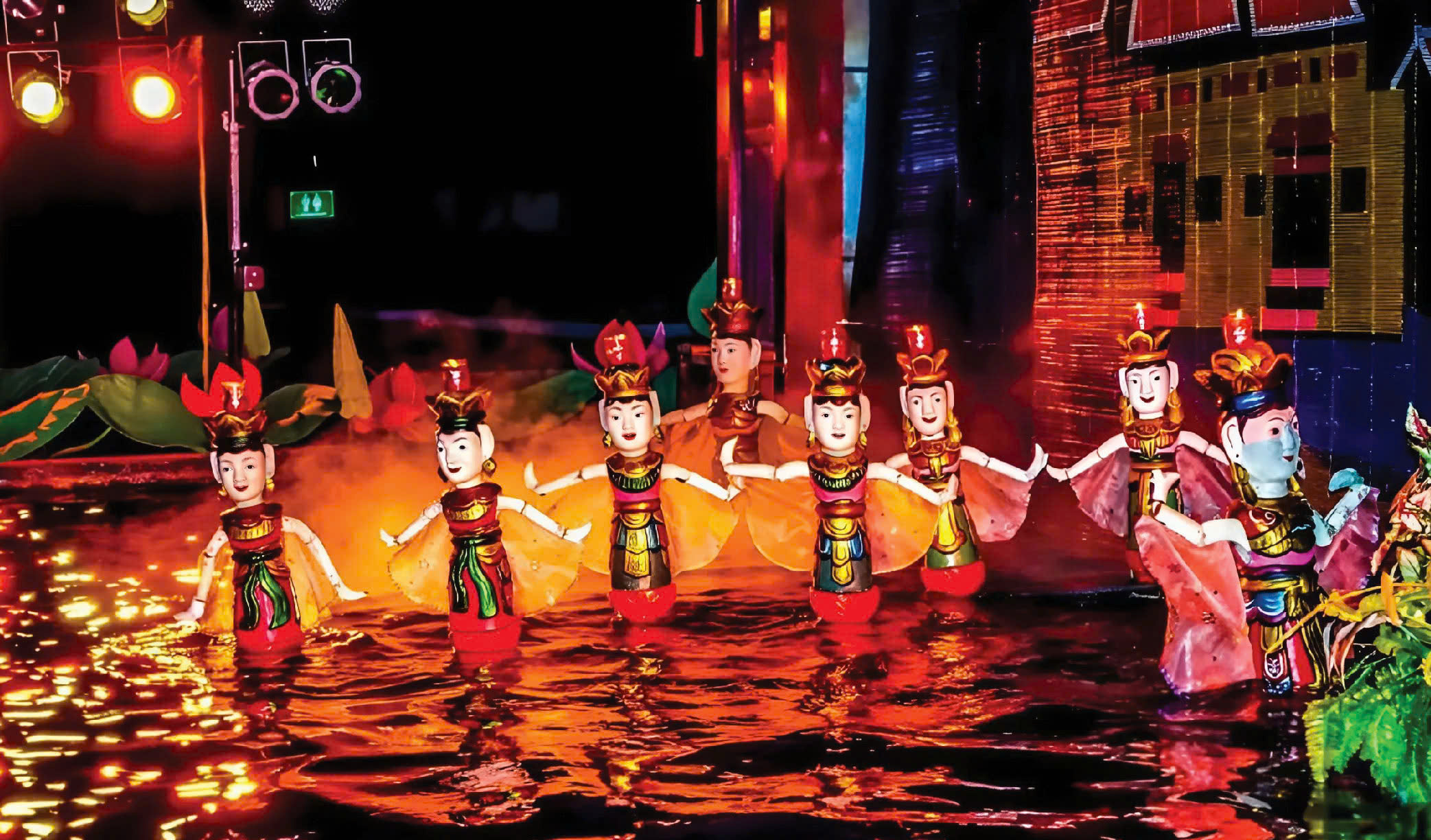
- Do: Be polite, patient, and open to joining celebrations. Learn a few Vietnamese greetings.
- Do: Keep your composure in crowded places and secure belongings—pickpocketing can increase in busy areas.
- Don’t: Sweep or clean the house on New Year’s Day (believed to sweep away good luck). Avoid discussing death, bad luck or unhappy topics.
- Don’t: Wear black or white as primary colors for celebrations; these are linked to mourning.
- Don’t: Give unlucky numbers (like 4) in gifts or money amounts; even numbers and amounts ending in 8 are considered favorable.
Practical Tips
- Cash is king during Tết—ATMs and banks may be closed or out of service; carry small bills for gifts and purchases.
- Many shops and restaurants close for the holiday; stock up on essentials before major closure dates.
- Keep copies of important documents and emergency contacts; embassies may have limited hours.
Safety and Fireworks
- Fireworks and firecrackers are traditional in some areas but can be dangerous. Observe from a safe distance and follow local safety guidance.
- Emergency services can be slower during holidays; avoid risky activities and know the local emergency numbers.
Enjoying the Experience
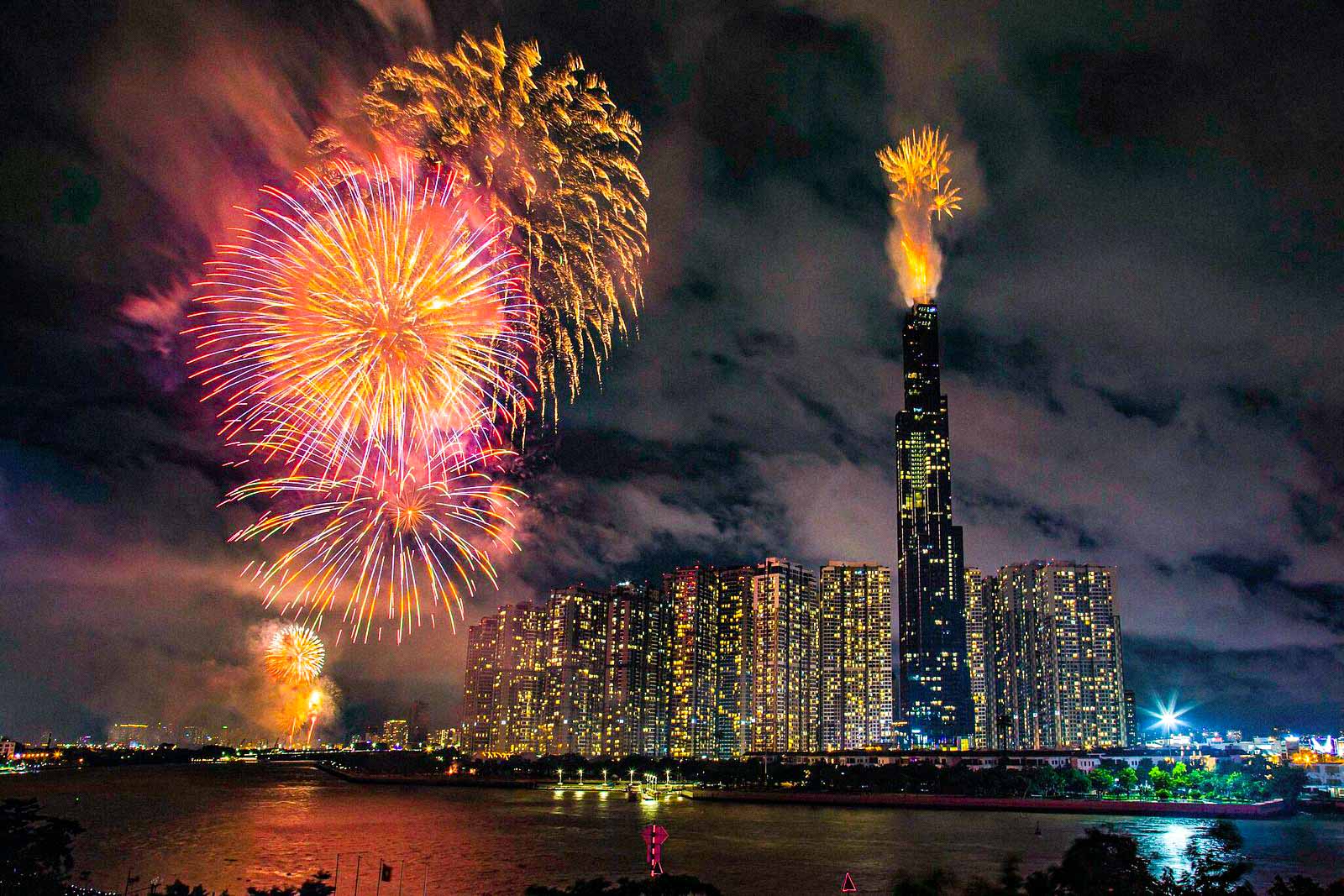
Lunar New Year in Vietnam is warm, colorful and deeply familial. Embrace local customs with respect, plan ahead for closures and crowds, and take the opportunity to learn about traditions, try special foods and share in the celebrations.
meanings of prosperity and health.
- Sweets and fruits arranged on a tray for guests and ancestor offerings. Kumquats, watermelon, and persimmons are popular choices.
4. Decorating Homes
Homes are cleaned thoroughly before the holiday to sweep away bad luck and make room for good fortune. Popular decorations include:
- Peach blossoms (in the north) or apricot blossoms (in the south).
- Kumquat trees and ornamental plants symbolizing fertility and prosperity.
- Red envelopes (li xi) and calligraphy banners with wishes for luck, health, and wealth.
5. Giving and Receiving Lucky Money (Li Xi)
Adults, especially elders, give children and young people red envelopes with money called li xi. This tradition symbolizes passing on good fortune and blessings for the year ahead. It’s often accompanied by good wishes or short phrases of luck.
6. Visiting Relatives, Neighbors, and First-Footing
During the first days of the lunar new year in Vietnam, people pay visits to relatives and close friends to exchange greetings and presents. The concept of “xông đất” or “first-footing” is important: the first visitor in the new year is believed to influence the household’s fortune for the year, so families often invite someone with good luck to be the first guest.
7. Temple and Pagoda Visits

Many Vietnamese visit temples and pagodas to pray for health, prosperity, and good luck. Temples become very busy with incense, offerings, and fortune-telling. People may draw lucky sticks, consult monks, or make donations as part of their spiritual practice.
8. Community Celebrations and Performances
Public events include lion and dragon dances, traditional music, folk games, parades, and fireworks in some places. Local festivals and Tet markets offer crafts, flower stalls, and seasonal treats. These community activities make the lunar new year in Vietnam lively and colorful.
9. Calligraphy, Poetry, and Cultural Gifts
Calligraphers write auspicious words or short verses on red paper for families to display. These calligraphy works often convey wishes for prosperity, longevity, and success. People exchange small cultural gifts such as tea, specialty foods, or decorative items.
10. Observing Taboos and Good-Luck Behaviors
Many families observe customs believed to influence luck: avoiding sweeping on New Year’s Day so good luck isn’t swept away, not arguing or using negative words, and not lending or borrowing money during the first days. Pregnant women and visitors may follow specific taboos based on local beliefs.
11. Markets, Flower Streets, and Shopping
Before Tet, flower markets and craft stalls are busy with people buying decorations, flowers, and special foods. Flower streets and temporary markets light up cities and towns, offering festive colors and a chance to experience local flavors.
12. Games and Family Activities
Traditional games, board games, and storytelling keep families entertained. Playing card games or watching cultural performances together strengthens bonds and continues oral traditions.