

Vietnam’s tourism story is changing. For decades, international travel narratives focused on a familiar set of destinations: Hanoi, Ha Long Bay, Hoi An, Ho Chi Minh City, and a handful of beach resorts. These places still deserve their reputation, but by 2025–2026, they no longer define the full Vietnamese travel experience.
A new generation of travelers is looking past the obvious. They want quieter landscapes, deeper cultural contact, and experiences shaped by nature rather than crowds. Instead of rushing through a checklist, they travel slowly. Instead of iconic viewpoints, they search for everyday life. This shift has pushed Vietnam’s lesser-known regions into the spotlight, creating space for offbeat destinations and nature-based travel to thrive.
Vietnam is uniquely positioned for this evolution. Its geography stretches across multiple climate zones, elevations, and ecosystems. Its cultural diversity includes more than fifty ethnic minority groups, many of whom live in regions that remain lightly touched by mass tourism. Roads are improving, local tourism initiatives are growing, and travelers are increasingly comfortable navigating places that prioritize authenticity over polish.
This guide explores the hidden destinations and emerging nature travel trends shaping offbeat Vietnam in 2025–2026. It is written for inbound travelers who want more than highlights. Whether you are planning a multi-week journey or looking to add depth to a classic route, this article explains where offbeat Vietnam is heading, why these places matter now, and how to experience them responsibly.
Why offbeat travel is rising in Vietnam
The rise of offbeat travel in Vietnam reflects broader global shifts in how people perceive tourism. After years of disruption, travelers are more selective about where they go and how they travel. Comfort still matters, but meaning matters more.
Crowding plays a role. Popular destinations in Vietnam have become busier, especially during peak seasons. While infrastructure has improved, many travelers feel that constant movement, large tour groups, and rising prices reduce the sense of discovery. As a result, people actively seek alternatives that offer space, silence, and spontaneity.
Nature has also moved to the center of travel decisions. Forests, mountains, rivers, and coastlines are no longer secondary attractions. They are the main reason people travel. Vietnam’s landscapes are exceptionally varied, yet large areas remain under-visited simply because they require more time or curiosity.
Sustainability influences choices as well. Travelers increasingly want their spending to support local communities instead of international chains. They choose homestays over hotels, local guides over mass tours, and destinations where tourism feels like a partnership rather than an invasion.
Vietnam’s offbeat regions meet all of these needs. They reward patience, respect, and open-mindedness. For 2025–2026, this makes them central to the country’s evolving travel identity.
Northern Vietnam beyond the familiar routes
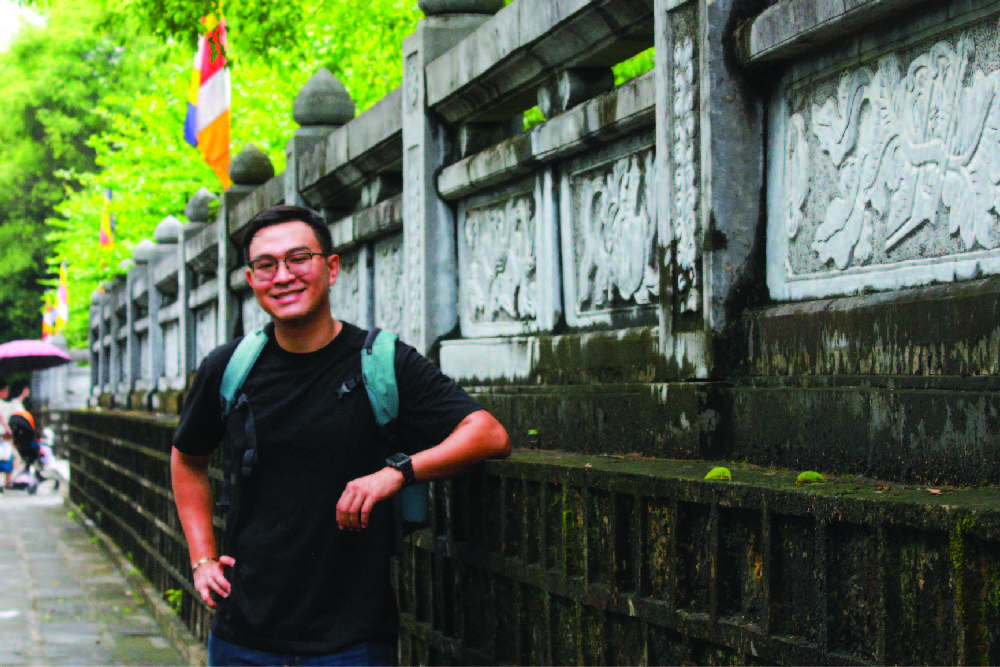
Northern Vietnam has long attracted travelers for its history, food culture, and dramatic landscapes. Hanoi, Sapa, Ha Long Bay, and Ninh Binh remain popular, but beyond these names lies a quieter north that feels worlds away from tour buses and fixed itineraries.
Ha Giang beyond the loop
Ha Giang has become famous for its motorbike loop, yet tourism still concentrates along a narrow corridor. Outside this route, entire valleys remain calm and largely untouched.
Districts such as Du Gia, Lung Ho, and parts of Xin Man offer the same limestone mountains, winding rivers, and terraced fields, but without constant traffic. Villages sit deeper in the valleys, connected by narrow roads that reward slow travel. Here, mornings begin with mist lifting from the fields and evenings end early, guided by firelight and quiet conversation.
Travelers drawn to these areas usually value immersion over adrenaline. Trekking with local guides, staying in family-run homestays, and sharing meals made from homegrown ingredients define the experience. In 2025–2026, this form of travel aligns strongly with demand for low-impact adventures and cultural respect.
Cao Bang and the northeast frontier
Cao Bang Province sits along Vietnam’s northeastern border and remains one of the country’s most underrated destinations. While Ban Gioc Waterfall attracts domestic visitors, most international travelers stop there briefly before leaving. Those who stay longer discover a region shaped by rivers, caves, forests, and quiet agricultural life.
Road improvements make Cao Bang more accessible, yet tourism infrastructure remains small. This balance appeals to travelers seeking scenery without spectacle. Kayaking on calm rivers, cycling between villages, and hiking through karst landscapes provide days of exploration without pressure.
Cao Bang also offers historical depth. Revolutionary sites, ethnic minority villages, and traditional markets add cultural layers that complement the natural environment. As interest in slower, region-based travel grows, Cao Bang stands out as a destination where nature and history feel inseparable.
Pu Luong and the rise of gentle nature travel
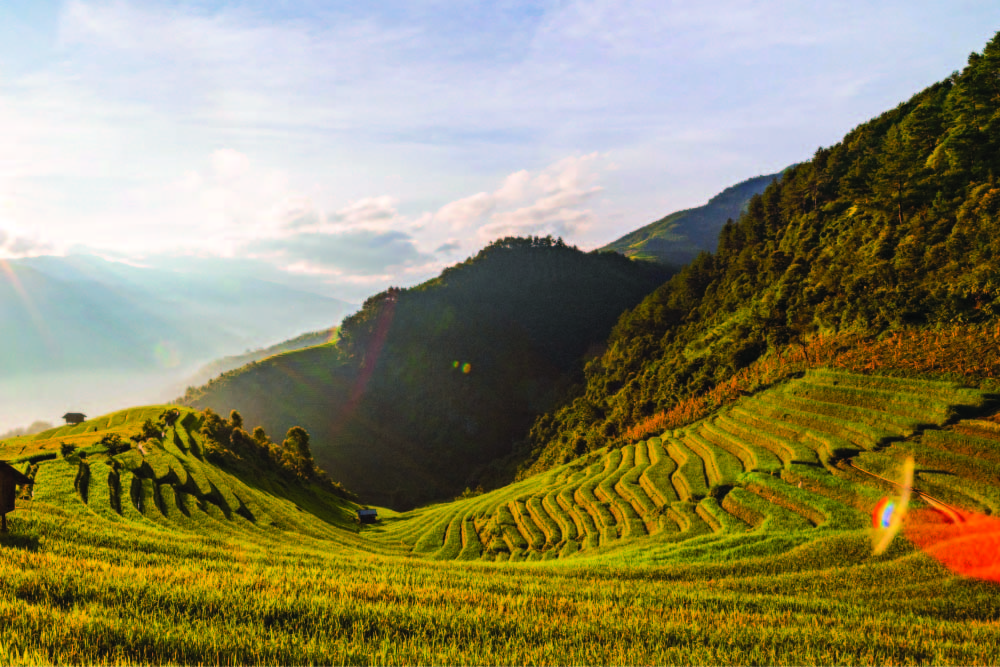
Pu Luong Nature Reserve often appears on lists of hidden gems, yet its surrounding areas still escape attention. Located between Hanoi and the northwest mountains, this region offers rolling rice terraces, forest paths, and stilt villages without extreme altitude or long travel times.
Pu Luong’s appeal lies in balance. It feels remote but accessible, rustic but comfortable. Travelers hike short trails between villages, cycle through valleys, and relax in small eco-lodges that emphasize views rather than luxury.
Wellness travel is growing here. Yoga retreats, digital detox stays, and slow countryside escapes align with 2025–2026 trends focused on mental health and nature connection. Pu Luong shows how offbeat destinations can evolve without losing their character.
Central Vietnam’s interior and forgotten coastlines
Central Vietnam often appears in itineraries as a straight line: Hue, Da Nang, Hoi An. These places remain compelling, but the region’s interior highlands and secondary coastlines reveal a different side of central Vietnam.
Kon Tum and the quiet highlands
Kon Tum sits in the northern central highlands, far from the beaches and heritage cities that dominate tourism marketing. Forests, rivers, and minority villages define the landscape. Life moves slowly, shaped by agriculture and community traditions rather than visitor schedules.
Travel here feels intimate. Wooden churches, small markets, and longhouse villages offer insight into cultures rarely seen by casual travelers. Guided forest walks and village stays create meaningful encounters without intrusion.
As interest in indigenous cultures grows, Kon Tum becomes increasingly relevant for 2025–2026. The region suits travelers who prioritize learning, listening, and contributing to local economies through small-scale tourism.
Quy Nhon and the appeal of secondary coastal towns
Quy Nhon remains quiet compared to Da Nang or Nha Trang, despite having long beaches and clear water. The city retains a local rhythm shaped by fishing, markets, and daily routines rather than resort schedules.
Travelers come for simplicity. Morning swims, coastal cycling, seafood dinners, and unstructured time define the experience. Rocky coves, hilltop viewpoints, and small islands nearby offer exploration without crowds.
Secondary coastal destinations like Quy Nhon fit well with offbeat travel trends. They provide access to nature without overdevelopment, allowing visitors to enjoy Vietnam’s coastline in a more relaxed, grounded way.
Southern Vietnam beyond quick stops
Southern Vietnam often gets reduced to Ho Chi Minh City and a short Mekong Delta excursion. Offbeat travel trends encourage deeper exploration that reveals how varied the south truly is.
The Mekong Delta beyond floating markets
The Mekong Delta changes dramatically when travelers slow down. Provinces such as Ben Tre, Tra Vinh, Soc Trang, and Dong Thap reveal daily life shaped by water, agriculture, and community.

Instead of crowded floating markets, travelers visit family orchards, cycle through villages, learn traditional crafts, and share meals in homes. Homestays offer insight into rural routines and seasonal rhythms.
This form of travel supports local livelihoods while delivering meaningful experiences. For 2025–2026, deeper Mekong journeys align perfectly with demand for authenticity and sustainability.
Forest escapes near the city
Cat Tien National Park offers rainforest, wildlife habitats, and river systems just hours from Ho Chi Minh City. Travelers choose Cat Tien for guided nature walks, birdwatching, and eco-lodges rather than entertainment-focused resorts.
The park’s appeal grows as urban travelers seek green escapes. Cat Tien demonstrates how offbeat travel does not require extreme remoteness, only a shift in priorities.
Nature travel trends shaping Vietnam in 2025–2026
Offbeat destinations do not rise in isolation. They grow because broader travel behaviors change. In Vietnam, several nature-focused trends now shape how travelers move, where they stay, and what they value. These trends explain why lesser-known places feel more relevant than ever.
Slow travel replaces fast itineraries
Travelers increasingly reject packed schedules. Instead of covering five destinations in seven days, they choose two or three places and stay longer. Vietnam’s geography supports this shift well. Each region offers enough cultural depth and natural variety to reward extended stays.
Slow travel allows visitors to adapt to local rhythms. Mornings begin earlier in rural areas. Markets close by midday. Afternoons slow down. Evenings focus on shared meals rather than nightlife. These patterns become clear only when travelers remain in one place long enough to notice them.
For offbeat destinations, slow travel reduces pressure on infrastructure and deepens visitor satisfaction. A week in Ha Giang’s valleys or the Mekong’s smaller provinces often feels richer than a rushed north-to-south dash.
Community-based tourism gains momentum
Community-based tourism has existed in Vietnam for years, but 2025–2026 marks a shift from novelty to expectation. Travelers now look for stays that involve local families, guides, and producers rather than isolated resorts.
Homestays evolve accordingly. Many now balance comfort with authenticity, offering clean private rooms while preserving shared meals and daily interaction. Guests learn how families farm, cook, celebrate, and manage seasonal changes.
This model benefits both sides. Communities gain income and pride in cultural exchange. Travelers gain insight that guidebooks cannot provide. In offbeat regions, community tourism acts as a bridge rather than a filter between visitor and destination.
Nature as the primary attraction
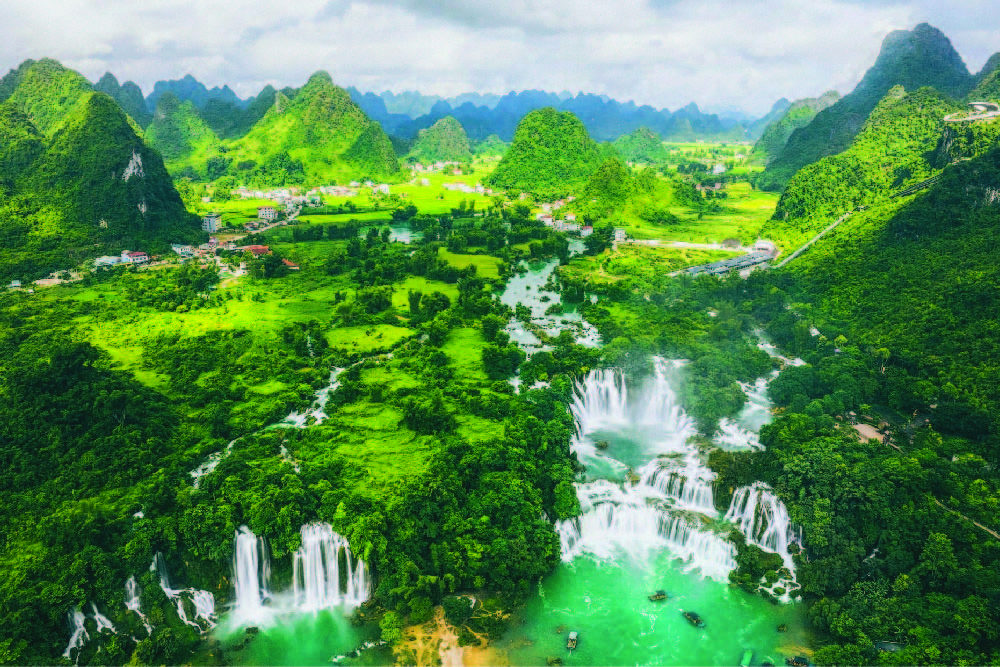
Nature travel no longer serves as a supplement to city tourism. For many visitors, it becomes the main reason to travel. Vietnam’s forests, mountains, wetlands, and coastlines support this shift naturally.
Travelers choose destinations based on landscapes rather than landmarks. They value sunrise over valleys, quiet rivers, forest trails, and unmarked viewpoints. Activities like trekking, cycling, kayaking, and wildlife observation gain importance over sightseeing checklists.
This trend favors lesser-known regions because they offer intact environments and fewer interruptions. In 2025–2026, destinations that protect nature while allowing respectful access stand out.
Digital detox and wellness escapes
Vietnam’s offbeat destinations increasingly attract travelers seeking mental rest. Limited connectivity, quiet surroundings, and simple routines appeal to people overwhelmed by constant information.
Places like Pu Luong, Kon Tum, Cat Tien, and remote Mekong villages support this naturally. Days revolve around walking, cooking, reading, and conversation rather than screens. Even without formal wellness programs, these environments encourage reset.
Some regions now host small retreats focused on yoga, meditation, or creative work. Unlike large wellness resorts, these stays emphasize integration with local life rather than isolation from it.
Ethical wildlife and conservation awareness
Travelers show growing concern for wildlife ethics. They avoid attractions involving captive animals and instead seek experiences that support conservation.
Vietnam’s national parks and protected areas benefit from this shift. Guided forest walks, birdwatching tours, and conservation education replace entertainment-driven encounters. Parks such as Cat Tien, Yok Don, and Phong Nha’s extended regions align well with this trend.
Offbeat travel increasingly overlaps with conservation awareness. Visitors want their presence to contribute rather than consume.
How to plan an offbeat Vietnam itinerary
Offbeat travel requires a different approach to planning. Flexibility matters more than precision. Curiosity matters more than efficiency.
Choose regions, not just destinations
Instead of selecting famous names, choose regions with shared characteristics. For example, rather than visiting “Ha Giang,” explore northern limestone valleys. Instead of “the Mekong Delta,” focus on river-based rural life.
This approach allows smoother transitions and deeper understanding. It also reduces pressure to see everything.
Allow time for adjustment

Offbeat destinations rarely reveal themselves immediately. The first day often feels quiet or unfamiliar. The second day brings recognition. By the third or fourth day, routines form.
Planning fewer moves creates space for this adjustment. It also allows weather changes, community events, or spontaneous invitations to shape your experience.
Travel light and pack intentionally
Offbeat travel involves uneven roads, limited transport, and simple accommodations. Packing light improves comfort. Layered clothing suits Vietnam’s varied climates. Comfortable walking shoes matter more than fashion.
Respectful dress remains important in rural areas. Modest clothing signals cultural awareness and builds trust.
Use local guides where possible
Local guides open doors that maps cannot. They interpret landscapes, translate conversations, and explain customs. In offbeat regions, guides also ensure safety and responsible access.
Hiring local guides supports community income and deepens experiences. Even short guided walks often reshape how travelers perceive a place.
Who offbeat Vietnam is best for
Offbeat Vietnam does not suit everyone. Understanding whether it fits your travel style helps avoid disappointment.
Ideal travelers
Offbeat Vietnam suits travelers who enjoy flexibility, observation, and interaction. It rewards patience and curiosity. People interested in culture, nature, food, and everyday life thrive here.
Photographers, writers, hikers, cyclists, and slow travelers often find offbeat routes deeply satisfying. So do repeat visitors who want to see Vietnam beyond highlights.
Less suitable travelers
Those seeking nightlife, luxury shopping, or constant entertainment may feel underwhelmed. Offbeat destinations prioritize calm over stimulation. Comfort exists, but it feels understated.
Travelers on very short schedules may also struggle. Offbeat travel needs time to unfold.
Sustainability and responsibility in offbeat travel
Offbeat travel carries responsibility. These destinations remain special because they avoid mass tourism’s pressures. Visitors play a role in preserving that balance.
Respect local rhythms
Rural life follows agricultural cycles and community schedules. Shops close early. Meals happen at set times. Flexibility and respect matter more than expectations.
Support local businesses
Choosing local accommodation, food, and guides ensures that tourism income stays within communities. Even small choices shape long-term outcomes.
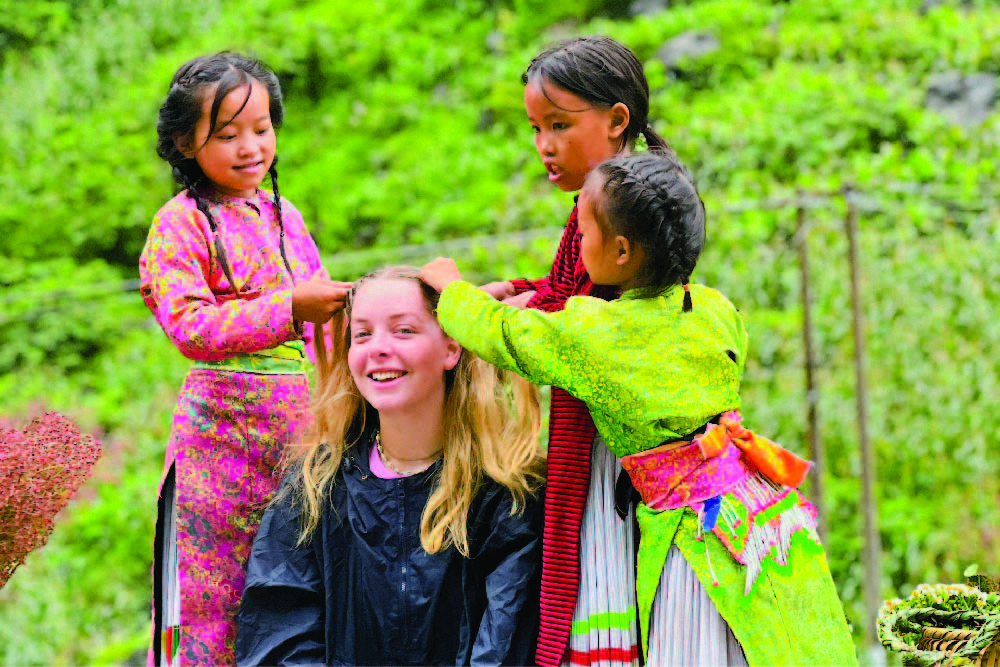
Minimize environmental impact
Carry reusable items. Avoid plastic waste. Follow local guidance in protected areas. Simple actions preserve fragile environments.
Offbeat Vietnam in 2025–2026: what lies ahead
Offbeat travel in Vietnam will continue to grow, but it will likely remain selective rather than mainstream. Infrastructure improvements will increase access, yet many regions intentionally limit development. The future favors travelers who value quality over quantity. Vietnam’s hidden destinations will not compete with famous landmarks. They will complement them, offering depth where highlights offer scale.
For travelers willing to slow down, listen, and engage, offbeat Vietnam offers something increasingly rare in global tourism: genuine connection.
Final thoughts: why offbeat Vietnam matters now
Vietnam stands at a crossroads in its tourism story. It can expand outward without losing inward depth. Offbeat destinations represent this balance. In 2025–2026, hidden valleys, quiet rivers, forest villages, and secondary coastlines define Vietnam’s most meaningful travel experiences. These places do not advertise loudly. They invite quietly.
Offbeat Vietnam rewards those who arrive with respect rather than expectations. It offers beauty without spectacle, culture without performance, and nature without crowds. For travelers ready to experience Vietnam beyond its postcard images, this is the journey that stays with you long after you leave.