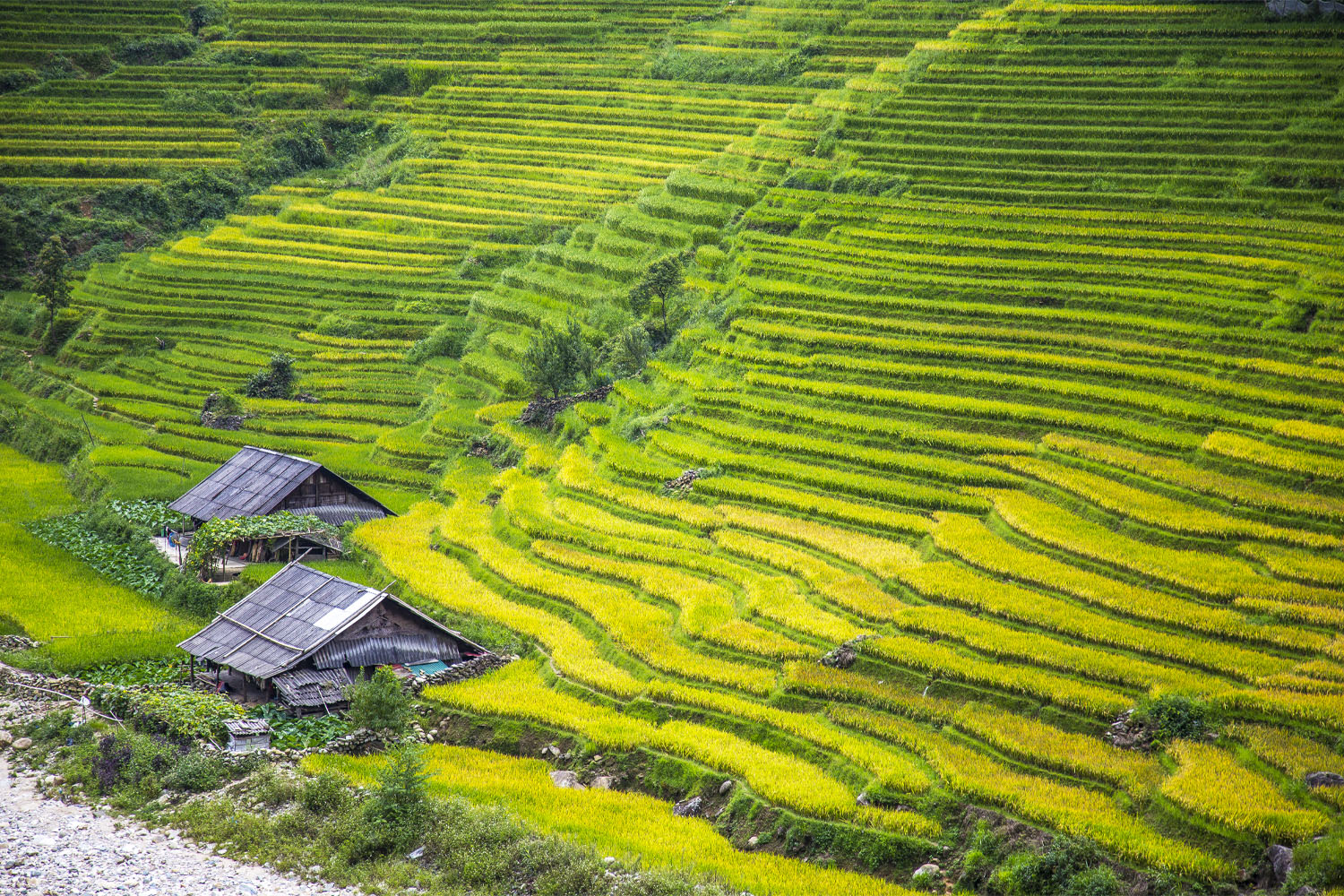
High in the northwest mountains of Vietnam lies a landscape so mesmerizing that it has become the country’s most iconic image. The rice terraces of Sapa stretch endlessly across steep hillsides, forming an intricate mosaic of green, gold, and bronze that changes with every season. These terraces are more than just fields; they are a living symbol of the harmony between humanity and nature, a masterpiece shaped by generations of ethnic minority farmers who transformed rugged mountains into fertile land.
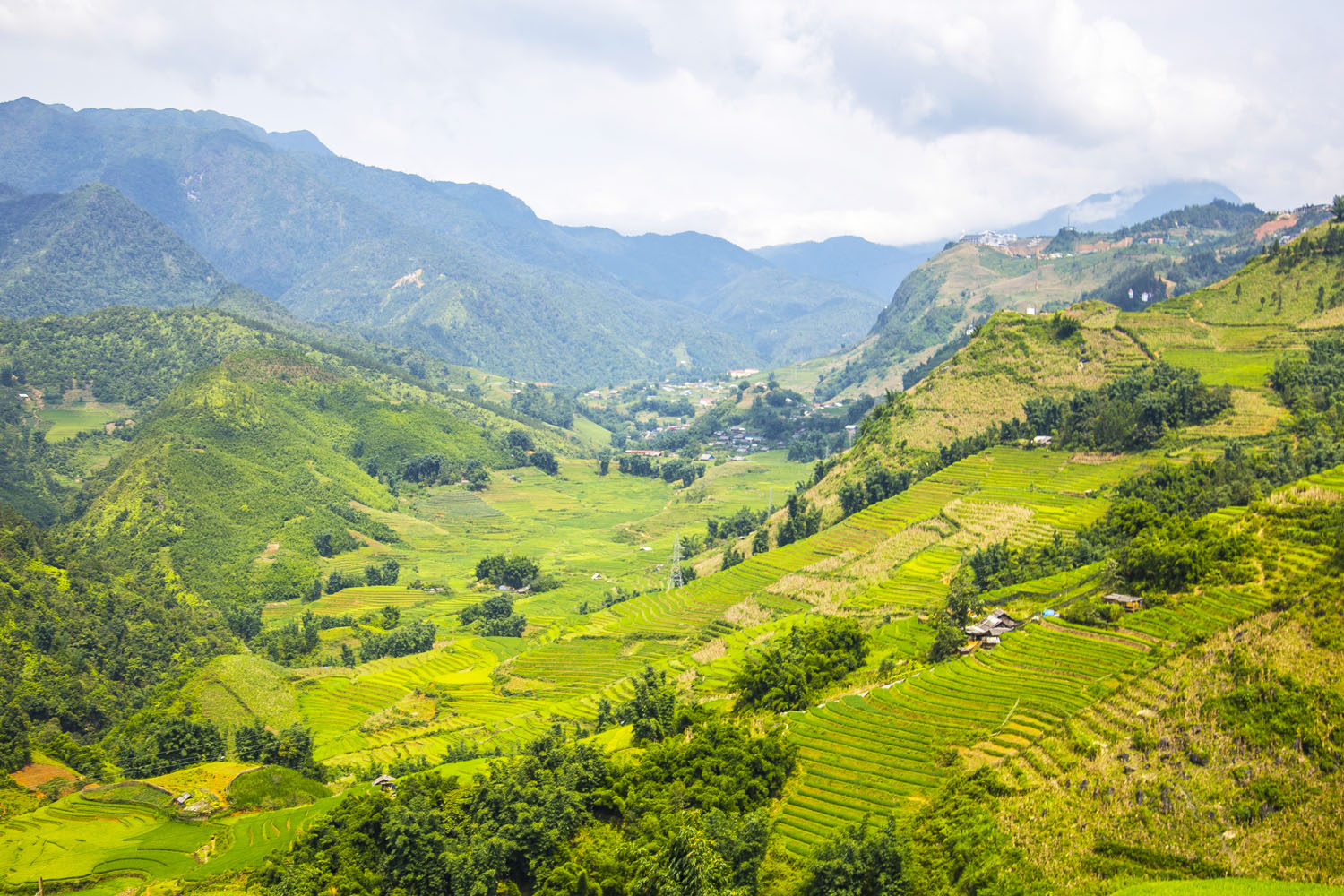
When you first arrive in Sapa, the cool air greets you like a gentle whisper, and the mist rolls across the valleys in soft waves. The terraces unfold below like steps leading into the clouds, each one reflecting sunlight in a different shade. In this remote corner of Vietnam, time slows down, and every turn on the mountain road reveals a new breathtaking view. The beauty of the rice terraces in Sapa is not something you simply look at; it is something you feel deeply: a blend of awe, peace, and respect for the resilience of those who created it.
The Story Behind the Rice Terraces
The story of the Sapa rice terraces began hundreds of years ago when ethnic groups such as the H’Mong, Dao, Tay, and Giay settled in the region. The land was steep, and farming seemed nearly impossible, but necessity inspired innovation. Over time, these communities carved steps into the mountains to trap rainwater and create flat surfaces where rice could grow. The result is one of the most remarkable examples of sustainable agriculture in the world.
Each terrace is a reflection of human perseverance. The farmers built stone walls to prevent soil erosion and developed irrigation systems that allowed water to flow naturally from higher paddies to lower ones. When viewed from above, the terraces curve and twist around the hills, forming patterns that seem almost artistic. In reality, these designs are the product of precision, knowledge, and hard work passed down through generations.
Standing among these terraces, you can sense the rhythm of rural life that has remained unchanged for centuries. The people of Sapa plant, tend, and harvest according to the seasons, their lives synchronized with the cycles of the earth. The terraces are not just their livelihood; they are part of their identity. They represent balance, patience, and the timeless connection between people and the land.
A Landscape That Changes With the Seasons
One of the most magical aspects of the rice terraces in Sapa is how they transform throughout the year. The scenery is never static—it evolves with the weather and the work of the farmers, offering visitors a different palette of colors and moods depending on the season.
From April to early May, Sapa enters what locals call the “water-pouring season.” This is when farmers flood the fields in preparation for planting. The terraces turn into vast mirrors that reflect the sky, creating a dreamlike landscape of clouds floating on water. The sound of trickling streams fills the air, and every sunrise paints the terraces in hues of silver and pink. This season is beloved by photographers, who capture the surreal reflections of mountains and sky in the watery paddies.
By June and July, the rice begins to grow, turning the terraces into a lush green carpet that stretches as far as the eye can see. The valley comes alive with the sound of people working, the rustle of leaves, and the scent of fresh earth. The green intensifies through the summer, wrapping the mountains in a blanket of life.
From mid-September to early October, the terraces reach their golden season. The ripened rice glows in shades of amber and yellow under the autumn sun. This is harvest time, the most famous and photogenic period in Sapa. Farmers cut rice stalks by hand, and the sound of laughter and chatter echoes across the valley. The terraces appear as waves of gold rolling down the mountainsides, symbolizing abundance and gratitude.
Even in the winter months, when the fields are bare and mist cloaks the mountains, Sapa’s terraces retain a quiet beauty. The air is crisp, and the landscape feels serene and introspective, a reminder that every season has its poetry.
Villages That Define the Soul of Sapa
To truly understand the beauty of Sapa’s rice terraces, you must visit the villages where they are born. Each town has its own character, traditions, and charm, and exploring them offers a glimpse into the lives of the people who maintain this extraordinary landscape.
The Muong Hoa Valley is often considered the heart of Sapa’s terrace country. This valley stretches beneath the town and is home to some of the most accessible and spectacular rice fields in the region. Villages such as Y Linh Ho, Lao Chai, and Ta Van line the valley floor, surrounded by terraced slopes that seem to stretch into infinity. The local people welcome travelers warmly, offering homestays that allow visitors to experience daily life in the highlands. Staying in a wooden stilt house, you’ll wake up to the sound of roosters crowing and the mist lifting slowly from the paddies outside your window.
Cat Cat Village, located just a short walk from Sapa town, offers another perspective on terrace life. It is one of the oldest H’Mong villages in the area, where cobblestone paths lead past waterfalls, weaving workshops, and traditional homes. Though more popular with tourists, it still retains a sense of authenticity, especially if you visit early in the morning when the crowds are thin and the terraces glow with soft light.
For those who prefer more solitude, Ta Phin and Hau Thao villages provide quiet escapes into the mountains. Here, the terraces are wilder and less uniform, framed by dense bamboo forests and small streams. The Red Dao people, known for their intricate embroidery and distinctive red headscarves, live here and continue to farm the land much as their ancestors did. Spending time in these villages feels like stepping into another world—one where simplicity, cooperation, and respect for nature shape every aspect of life.
The Art of Exploring the Terraces
Exploring the rice terraces in Sapa is not just about seeing them, it is about experiencing them. The best way to appreciate their scale and beauty is by walking through them slowly, taking in the sounds, smells, and textures of the land. Trekking routes vary in difficulty and length, but even a short walk brings you close to the pulse of the countryside.
As you follow narrow dirt paths between the paddies, you can see farmers working knee-deep in water, planting rice seedlings one by one. You might meet children running along the ridges or water buffalo grazing peacefully beside the trails. The combination of effort and grace in the farmers’ movements creates a kind of natural choreography, and every step reveals a new angle of the terraces’ design.
For travelers who prefer a less strenuous experience, motorbike tours or private car journeys provide an excellent alternative. The winding roads that connect Sapa to remote villages such as Ban Ho or Su Pan offer panoramic views from high vantage points. Each turn reveals another valley filled with terraces cascading into the distance. Watching the sunset from these roads, as golden light spreads across the mountains, is one of the most unforgettable moments you can have in Vietnam.
Connecting With Local Culture
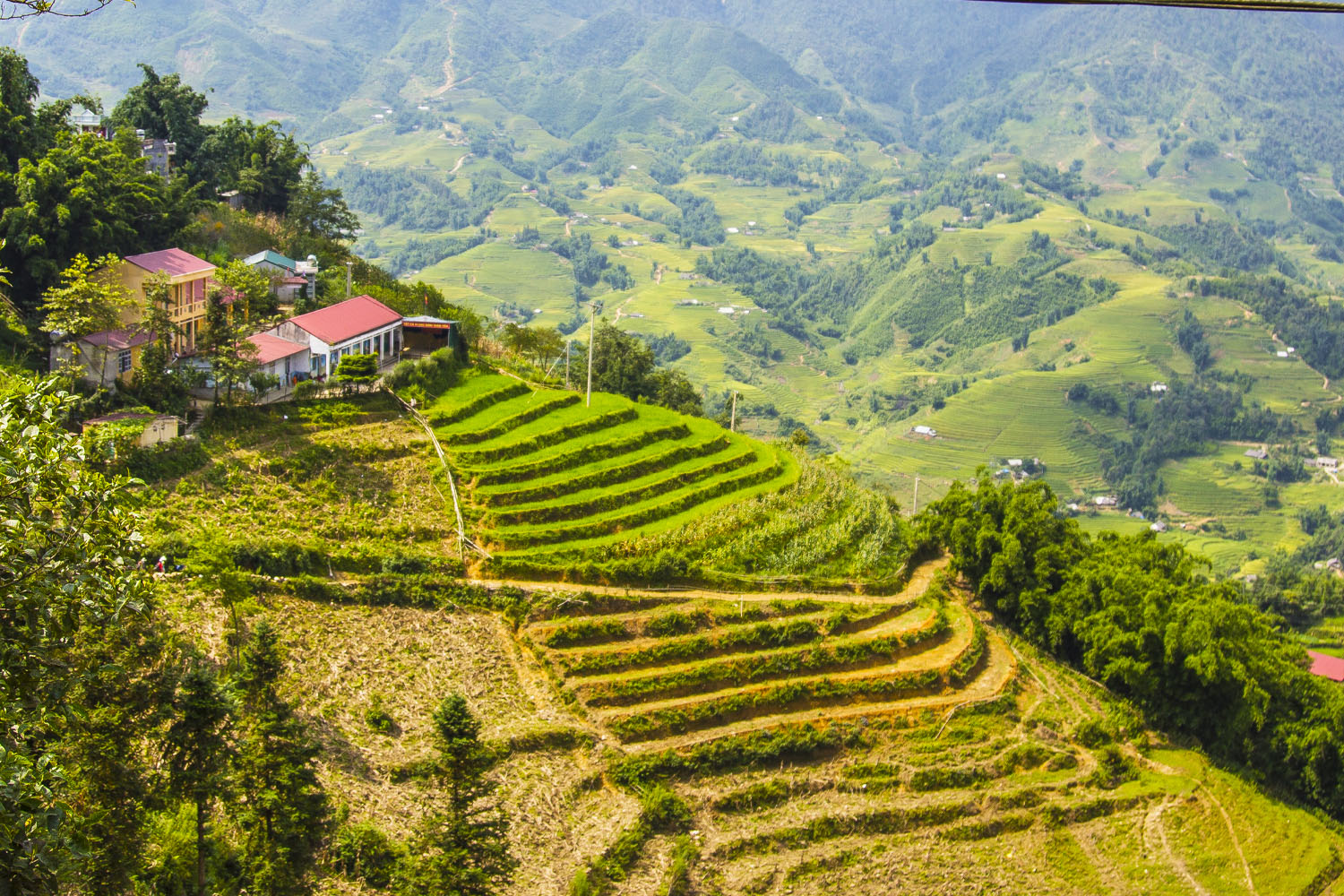
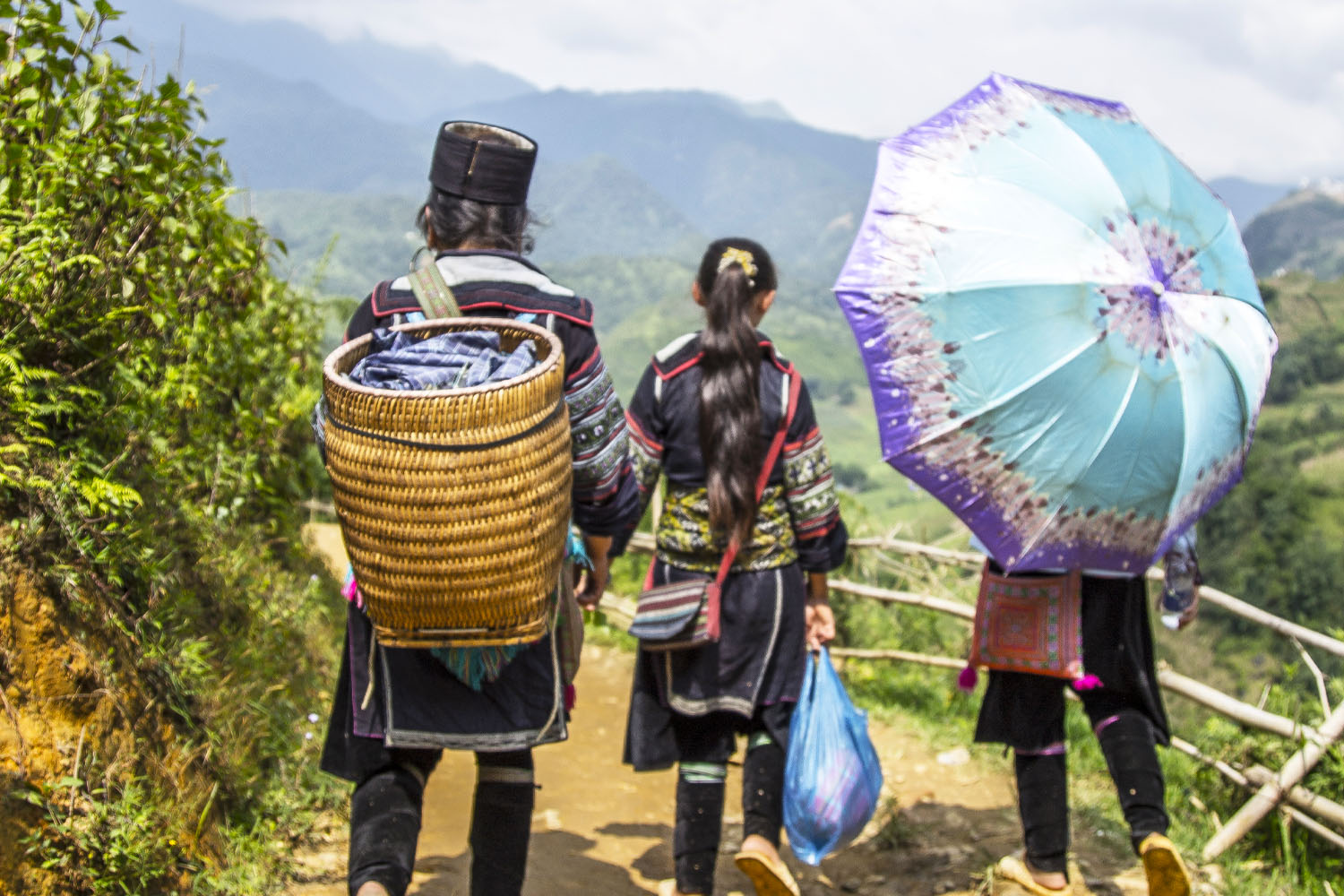
The rice terraces in Sapa are inseparable from the culture of the people who cultivate them. Each ethnic group adds its own traditions, language, and artistry to the region’s identity. Visiting local markets is a great way to witness this diversity firsthand. On market days, villagers from miles around descend into town, wearing colorful traditional clothing and carrying baskets filled with produce and handmade goods.
The H’Mong women are known for their indigo-dyed hemp fabrics, which they decorate with intricate patterns using beeswax and embroidery. The Dao people, recognizable by their bright red headdresses, specialize in herbal medicine and natural remedies. Sharing a cup of green tea with a local family or learning how they dye fabric with natural materials is a cultural exchange that enriches your journey.
Homestays offer another layer of connection. Spending a night with a local family allows you to experience life at a slower pace. You might help cook dinner over an open fire, listen to folk songs by candlelight, or simply sit outside watching the stars emerge above the valley. These moments of shared humanity remind you that travel is not only about places but about people, their kindness, their resilience, and their stories.
Practical Insights for Your Visit
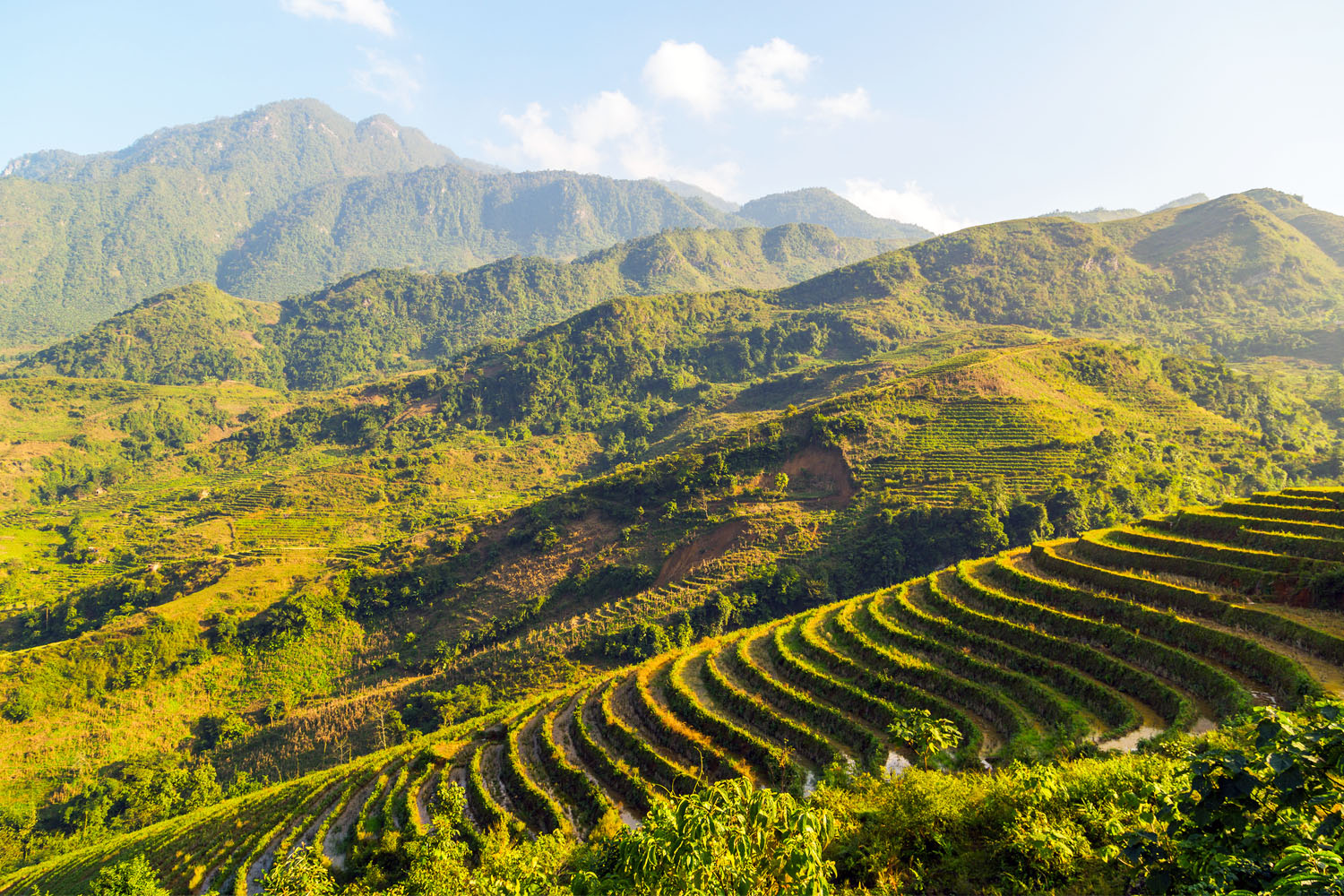
Visiting Sapa’s rice terraces requires a little preparation, as the mountainous environment can be unpredictable. The best time to visit depends on what kind of scenery you want to experience. For reflective, water-filled terraces, aim for late April to early May. For lush green landscapes, visit between June and August. For the golden harvest views, September and early October are ideal.
Weather in Sapa can change quickly. Mornings often begin clear, but fog and rain can roll in by afternoon. Bring a waterproof jacket, sturdy shoes, and layers to adapt to temperature shifts. The higher altitudes mean the air is cooler than in most parts of Vietnam, especially at night.
Transportation to Sapa is relatively simple. From Hanoi, overnight trains and sleeper buses run daily to Lao Cai, the nearest major town, from where it’s an hour’s drive up the mountain to Sapa. Many hotels and tour operators offer pickup services. Once in Sapa, you can hire a local guide for treks, which not only ensures safety on tricky paths but also supports the local economy.
Because tourism plays a vital role in Sapa’s economy, it’s important to travel responsibly. Stay on established trails to avoid damaging crops, and always ask permission before taking photos of local people. Small gestures of respect, like buying a handmade souvenir or contributing to a community fund—help preserve both the culture and environment that make Sapa so special.
The Emotional Power of the Landscape
What makes the rice terraces in Sapa so unforgettable is not just their visual beauty, but the emotion they evoke. There is a stillness here that contrasts with the busy rhythm of the rest of the world. The terraces seem to breathe, shifting subtly with the light, the mist, and the wind. At sunrise, when the first rays touch the paddies and the valley glows softly, you feel as though you are standing inside a living painting.
For photographers and artists, this landscape offers endless inspiration. The terraces curve gracefully, leading the eye into the distance, while clouds drift across the peaks like brushstrokes. But even if you never lift a camera, Sapa leaves its mark on your soul. Watching the farmers at work—bending, planting, and harvesting with deliberate care, you sense a wisdom older than time itself. The terraces embody patience, balance, and harmony, values that modern life often overlooks.
As evening falls, the mountains fade into layers of blue and purple. Smoke rises from kitchen fires in the villages, and the sound of distant laughter echoes through the valley. It is in these quiet moments that you understand why the rice terraces of Sapa are more than a destination—they are a reminder of what it means to live in rhythm with the earth.
Preserving a Living Heritage
While the rice terraces in Sapa continue to enchant visitors from around the world, they also face challenges. Rapid tourism development and changing weather patterns threaten both the environment and traditional ways of life. The local communities work hard to preserve their cultural heritage, but sustainable tourism is key to maintaining this delicate balance.
Supporting local guides, choosing eco-friendly accommodations, and respecting cultural boundaries all contribute to responsible travel. Some organizations in the area focus on training young locals to become tour leaders, ensuring that the benefits of tourism stay within the community. Others encourage reforestation and soil conservation to protect the terraces from erosion.
By traveling thoughtfully, visitors become part of this preservation effort. The terraces you admire today exist because generations cared for them with dedication and respect. As a traveler, you can help ensure that future generations will still walk these same fields and marvel at their beauty.
Why Sapa’s Rice Terraces Represent Vietnam’s Spirit
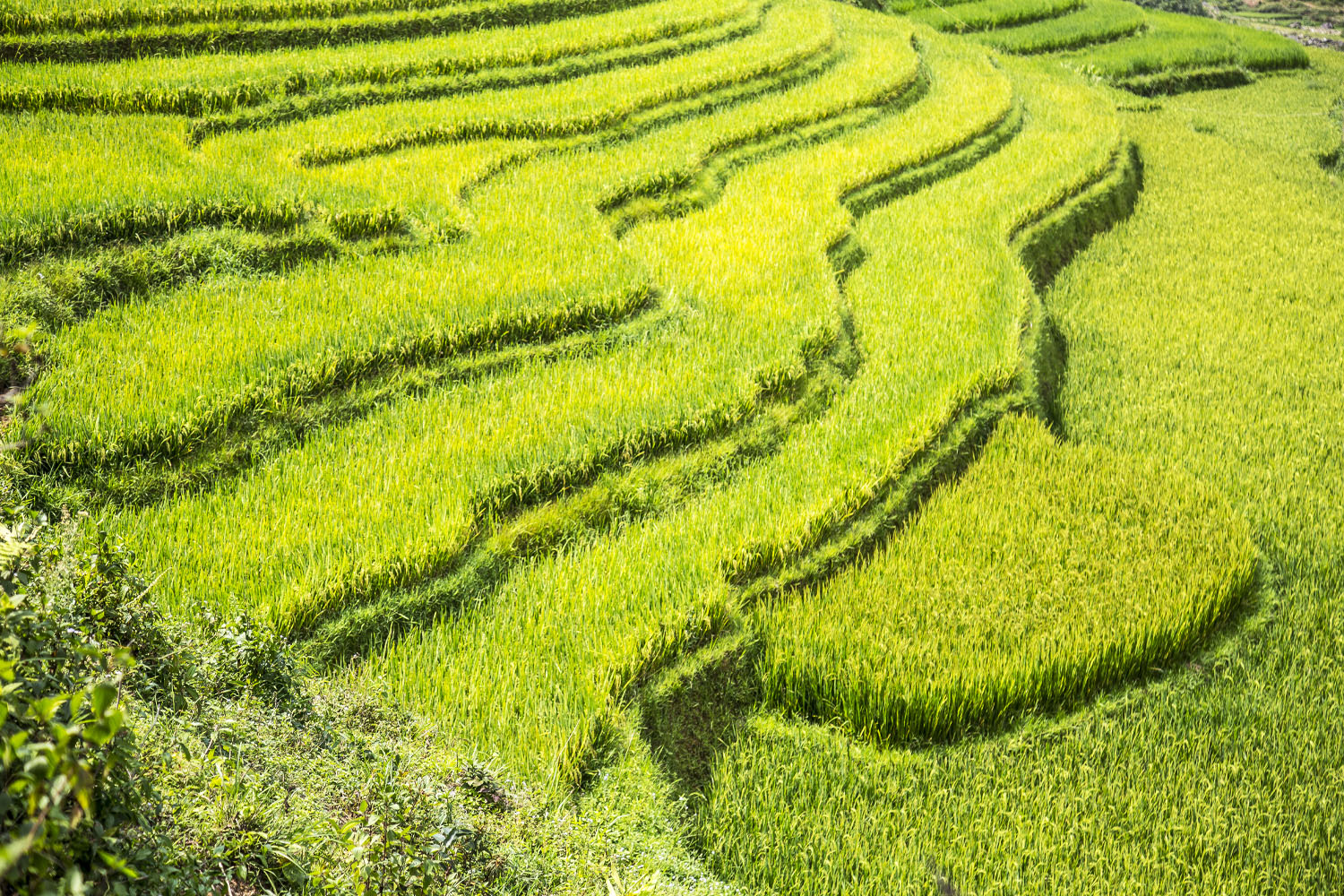
Vietnam is a country of contrasts: bustling cities, tranquil beaches, dense jungles, and quiet mountain villages. Yet, if one image could capture the soul of Vietnam, it would be the rice terraces of Sapa. They represent everything that defines the nation, hard work, unity, creativity, and an unbreakable bond with nature.
From afar, the terraces resemble waves rolling through the mountains; up close, they reveal countless individual efforts, each hand-shaped step a testament to care and perseverance. This duality reflects Vietnam itself: a country both collective and deeply personal, ancient yet ever adapting.
To witness the terraces at sunrise or sunset is to witness Vietnam’s poetic heart. The sight evokes humility and admiration, reminding us that beauty often arises from persistence. In a world of speed and distraction, Sapa invites you to pause, breathe, and rediscover a slower rhythm of life.
Final Thoughts and Call to Action
A visit to Sapa is more than a journey through a stunning landscape—it is a journey into the essence of Vietnam. The rice terraces are not just fields of grain; they are living symbols of harmony, endurance, and grace. Each season transforms them, each sunrise brings them to life anew, and each traveler who walks their paths carries away a sense of wonder.
If you dream of standing above a sea of golden terraces, feeling the mountain breeze on your face, and hearing the quiet hum of a village at dawn, then Sapa is waiting for you. Let us help you experience this masterpiece with comfort, authenticity, and care. Whether you seek a guided trek through hidden valleys, a relaxing stay in a local homestay, or a luxury escape surrounded by breathtaking views, our team can tailor the perfect itinerary for you.
Start planning your journey today and discover why the rice terraces of Sapa are not only Vietnam’s most iconic image but also one of the world’s most captivating wonders. Step into the mist, follow the mountain paths, and let Sapa show you the beauty of simplicity, patience, and life in perfect balance.