
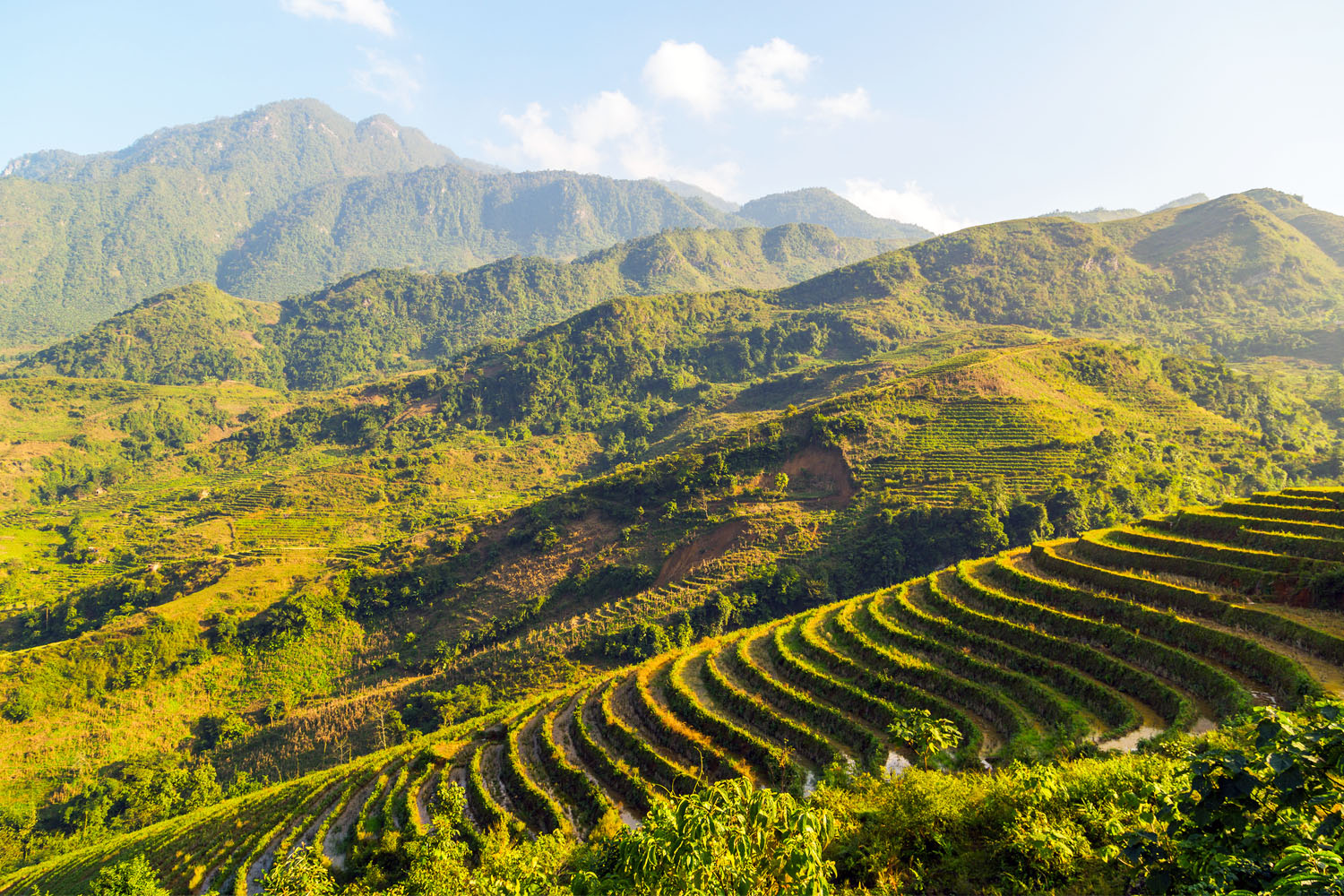
 Sapa in December is not the lush, rice-terraced image that fills postcards or travel magazines. Instead, it reveals a version of northern Vietnam that is dramatic, quiet, and deeply shaped by winter. The region shifts into its coldest season, creating mist-covered valleys, crisp afternoons, and landscapes transformed by the arrival of dry winter air. For travelers who imagine Vietnam as a warm tropical country, the cold of December in Sapa can come as a surprise. Yet this season offers an entirely different beauty—one that shows the mountains in their rawest form, the ethnic minority villages in their winter routines, and the highland culture in a slower rhythm shaped by cold mornings and short days.
December is not simply another month in Sapa’s calendar. It marks the transition to a completely different climate pattern, one that affects everything from transportation and trekking to local lifestyles and agricultural work. Understanding what December feels like in Sapa—its temperature patterns, fog conditions, daylight, visibility changes, and cultural rhythms—helps travelers prepare realistically. It also allows them to appreciate the unique atmosphere that winter brings to the highlands. This long-form guide explores Sapa’s December climate from every angle so inbound travelers can decide whether this month aligns with their expectations and preferred travel style.
Understanding Sapa’s December climate in depth
Sapa lies high in the Hoang Lien Son mountain range, and this elevation shapes almost every aspect of its December climate. The town sits at around 1,500 meters, but many surrounding villages and mountain passes reach far higher. Elevation causes the air to thin and temperatures to drop more sharply than most first-time visitors anticipate. Unlike southern Vietnam, where temperatures rarely fall below the mid-twenties, Sapa experiences a genuine winter with cold nights, chilly mornings, and occasional frost.
During the daytime in December, temperatures in Sapa Town usually range between eight and fifteen degrees Celsius. These conditions are cool but comfortable for walking, exploring, and trekking, especially when the fog lifts and sunlight begins to warm the valley. The dry season has already arrived by December, meaning rainfall is minimal. Instead of rain, travelers should expect mist and shifting fog patterns that move across the mountains with the changing winds.
Nighttime temperatures fall considerably lower. Remote villages such as Lao Chai, Ta Van, Ta Phin, Ban Ho, and Giang Ta Chai often dip below ten degrees at night. High-altitude locations such as O Quy Ho Pass, the Fansipan summit, and ridge-top Hmong communities can approach freezing. While snow is rare, it does occasionally fall during strong cold waves, especially in the higher elevations. Frost appears more frequently, coating vegetation in the early morning hours.
Humidity levels decrease during this season. The crisp, dry air is a relief for some travelers who find Vietnam’s tropical humidity uncomfortable. However, the dryness also amplifies the cold, making the wind feel sharper along exposed mountain roads. The winter monsoon winds coming from China strengthen the chill, especially on days when cold fronts move across northern Vietnam. These frontal systems affect Sapa more strongly than lower areas like Hanoi, Lao Cai City, or Yen Bai.
Fog becomes one of the defining characteristics of December in Sapa. Morning fog often sits thick in the valleys, reducing visibility. Sometimes it burns off by late morning, but on certain days it lingers until afternoon. The fog brings a moody, atmospheric layer to the scenery. Villages appear and disappear behind curtains of white mist. Ridges emerge in soft outlines. Terraces reveal themselves only when sunlight briefly breaks through. This changing visibility can be both a challenge and a highlight for travelers.
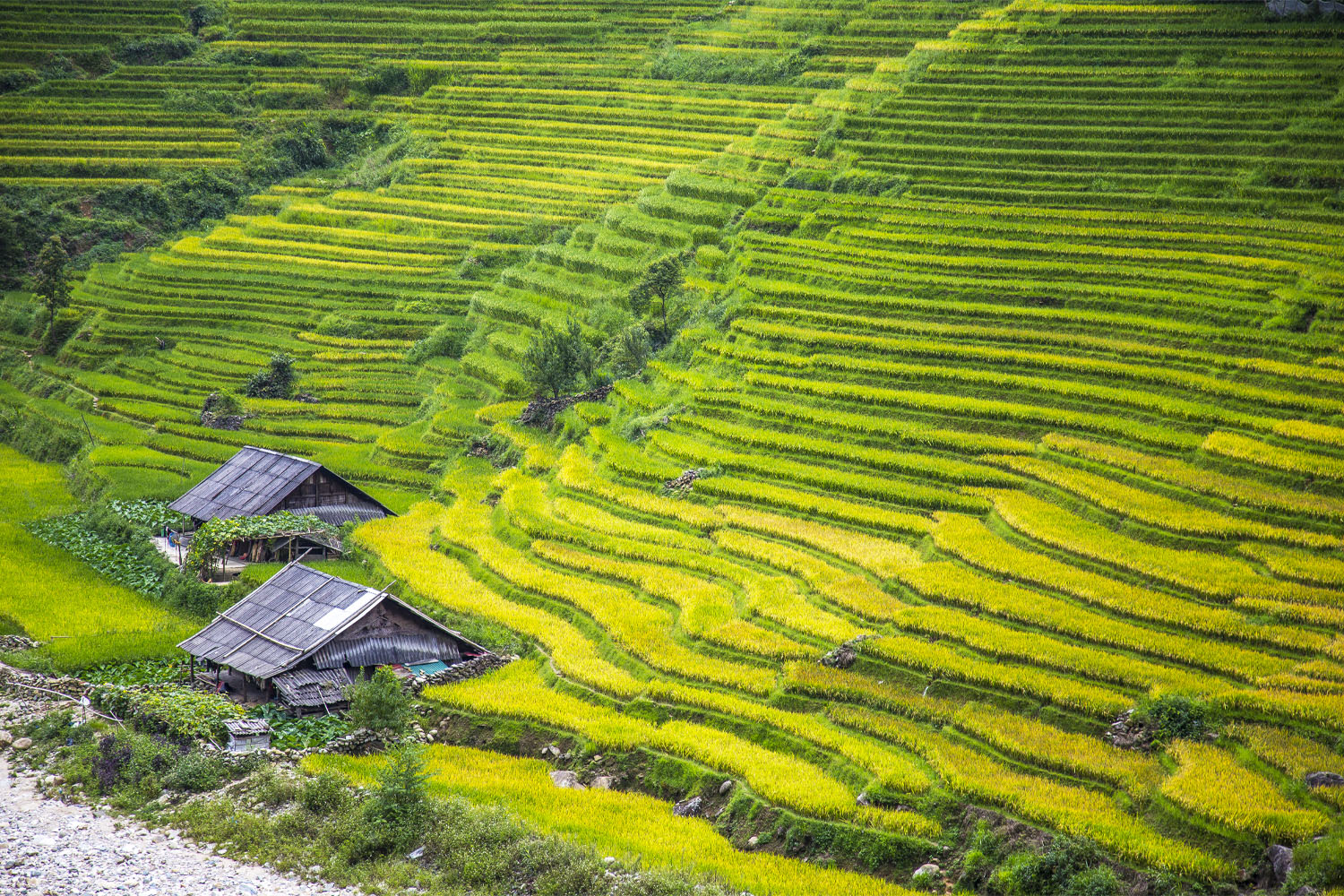
Another important factor is daylight. December is the month with the shortest days in Sapa’s calendar. Sunrise occurs later and sunset arrives earlier, which compresses the ideal sightseeing window into the middle of the day. Travelers need to plan hiking routes and motorbike rides around this schedule so they don’t end up on mountain roads after dark, when the temperature plummets.
All these elements combine to create a winter atmosphere that is distinct from the rest of Vietnam. The climate feels closer to regions in northern China or mountainous Laos than the tropical image travelers usually associate with Southeast Asia.
How Sapa’s landscape changes during December
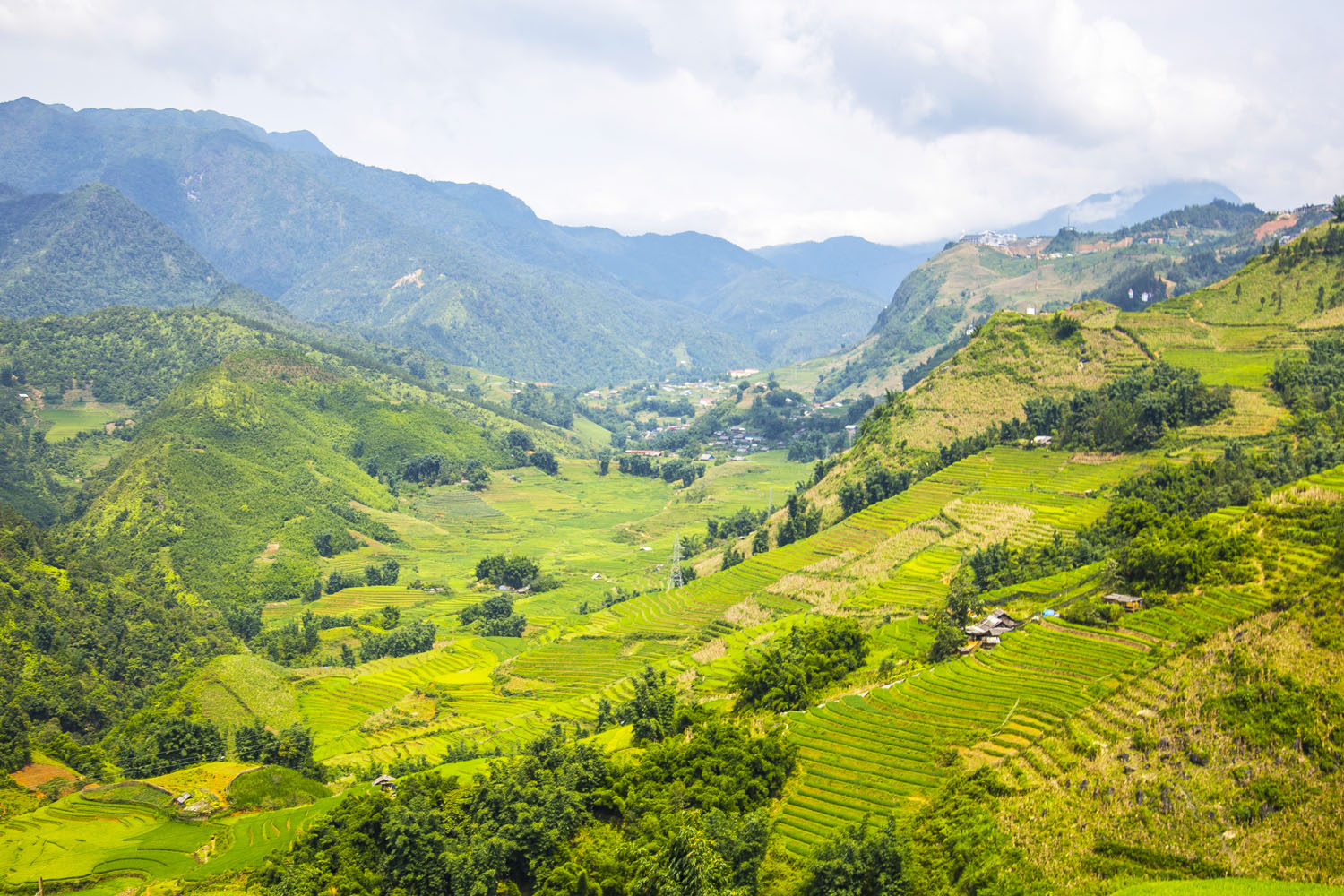
The Sapa most travelers imagine—bright green rice terraces, golden harvest landscapes, clear skies, and sweeping valley views—is tied to the growing season, not winter. By December, the harvest is long over. Fields have been cleared and the terraces reveal their structural outlines beneath a muted winter colour palette. For many travelers, this more understated version of Sapa comes as a pleasant surprise because it exposes the engineering, history, and labour that went into shaping the land.
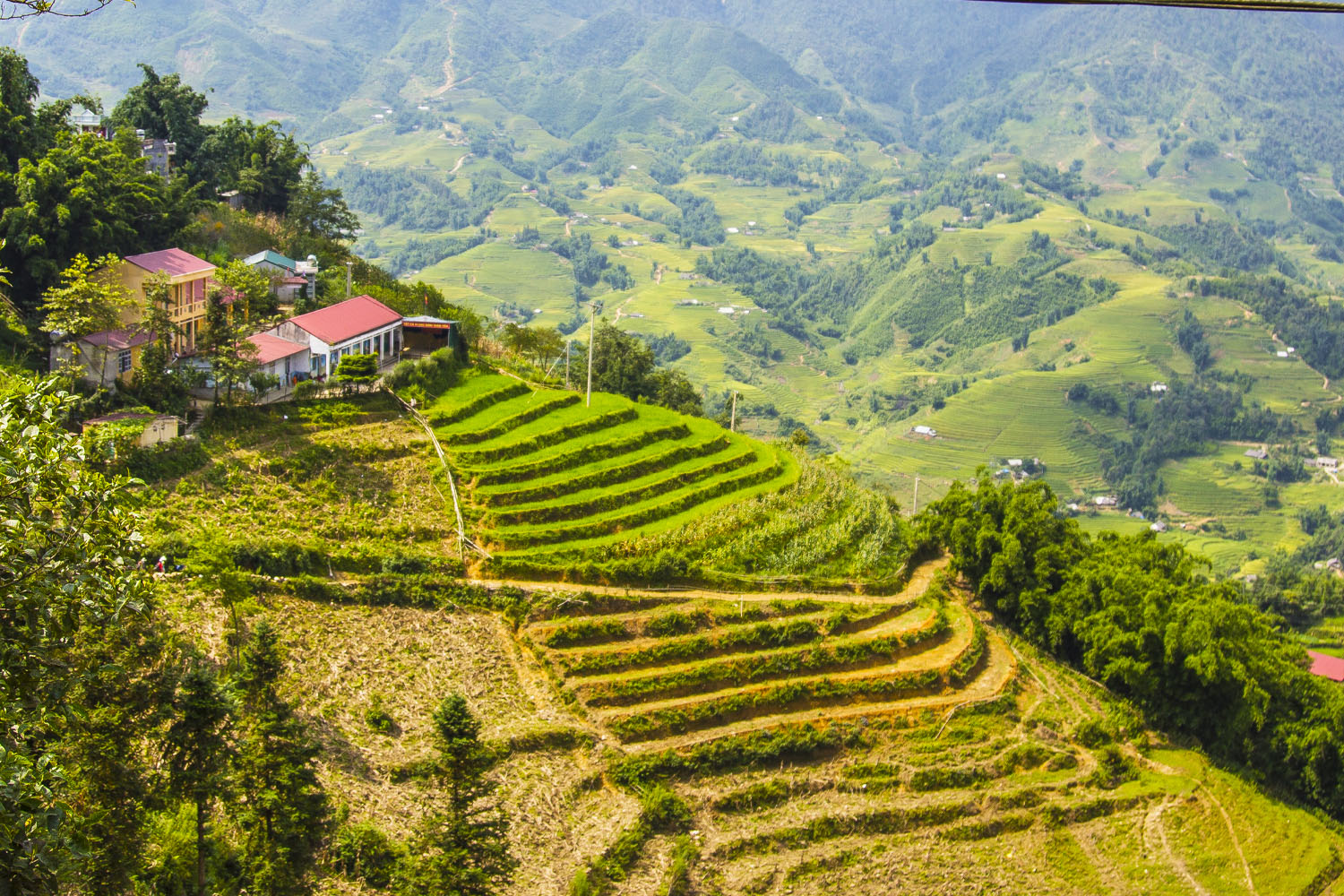
Terraced fields during this period have a raw, skeletal beauty. Without the cover of rice plants, their shapes appear sharper. The curves of the terraces follow the contours of the hills. The earthen walls, normally hidden by vegetation, stand exposed. Water remaining in the fields reflects the fog and sky, creating mirror-like surfaces that change throughout the day. When sunlight hits these terraces in the late morning or afternoon, the contrast between earth, water, and dark stone creates striking photography conditions.
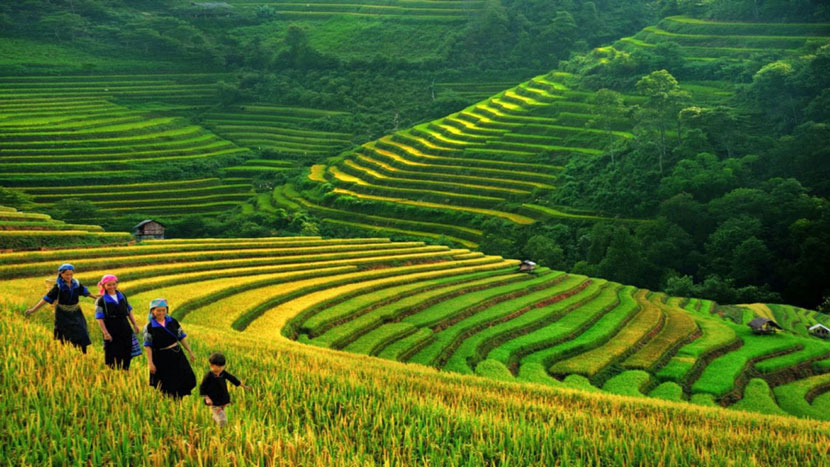
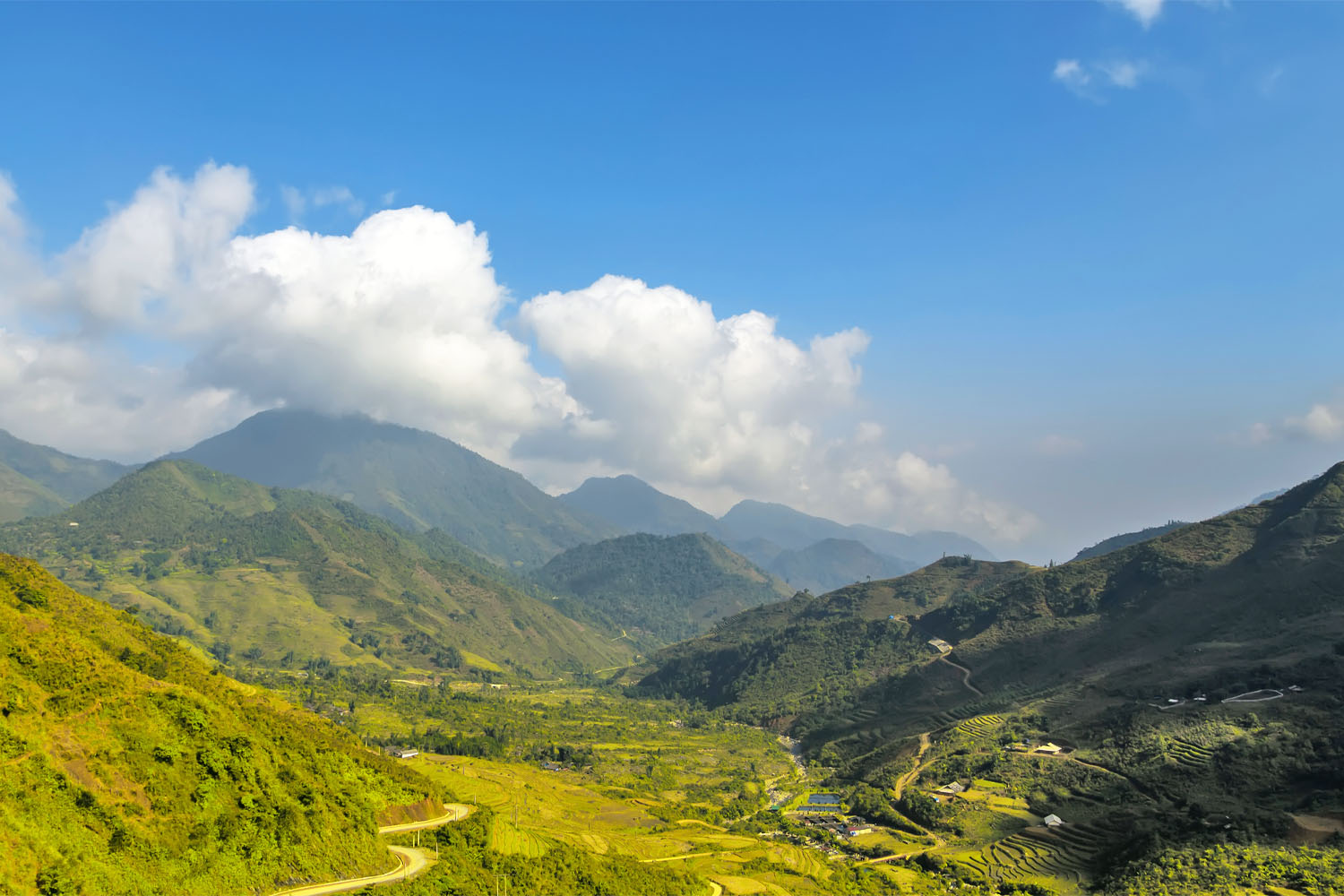
The Muong Hoa Valley, one of the most famous landscapes in Sapa, shifts from its lush green summer appearance into a winter aesthetic consisting of browns, greys, and deep evergreen shades. Bamboo forests maintain some of their colour, but the overall tone of the valley becomes more subdued. Smoke rising from household kitchens becomes a visible part of the landscape because cold air traps it close to the ground. This gives villages a peaceful winter character that differs greatly from their lively summer atmosphere.
Higher up in the mountains, the landscape shifts again. Peaks in the Hoang Lien Son range often remain partly covered in cloud. On clear days, the silhouettes of these mountains appear sharp and strong against the sky. On foggy days, the mountains seem to dissolve into the air, creating a dreamlike, layered effect. The trails leading toward Fansipan, O Quy Ho, and Tram Ton often shift between fog and clarity within minutes.
Vegetation undergoes significant seasonal change. Many trees lose their leaves, especially around higher villages. Some fruit trees begin to develop small buds in preparation for spring blossoms, but the most colourful blooming season takes place later, in January and February. The famous peach and plum blossoms that attract photographers do not bloom until late winter or early spring.
The less colourful winter landscape highlights the architecture of ethnic minority communities. Stone houses in the Hmong villages, wooden stilt houses of the Tay people, and the clay-walled buildings in Dao communities stand out more clearly. Without thick vegetation covering the hills, the placement of each home along the terraces becomes more visible, providing a strong sense of how these communities coexist with their environment.
December also reveals details that are often overlooked during the lush seasons. The pathways carved by livestock, the stone walls built to divide fields, and the irrigation channels used to transport water all appear more prominently. Travelers who visit in winter often find that they gain a deeper understanding of how the landscape functions because everything is visible in its simplest form.
Daily weather patterns and how they shape travel plans
Although December is part of Sapa’s dry season, the day is still divided into distinct weather phases that influence how travelers should plan activities.
Early mornings in December are typically cold, sometimes accompanied by frost in higher villages. Mist often lies thick over the valley, obscuring mountain views. The combination of darkness, cold, and fog makes this period less ideal for sightseeing or motorbike riding. Travelers staying in homestays often begin their mornings indoors, enjoying a slow breakfast and waiting for the fog to lift.
Late morning is when the weather begins to change. As the sun rises higher, the fog gradually recedes, revealing clearer views across the valley. Temperatures climb enough to feel comfortable. This transition period is ideal for starting treks, visiting markets, or exploring villages. Most trekking tours schedule their departures around this time because the weather becomes more predictable and the visibility improves.
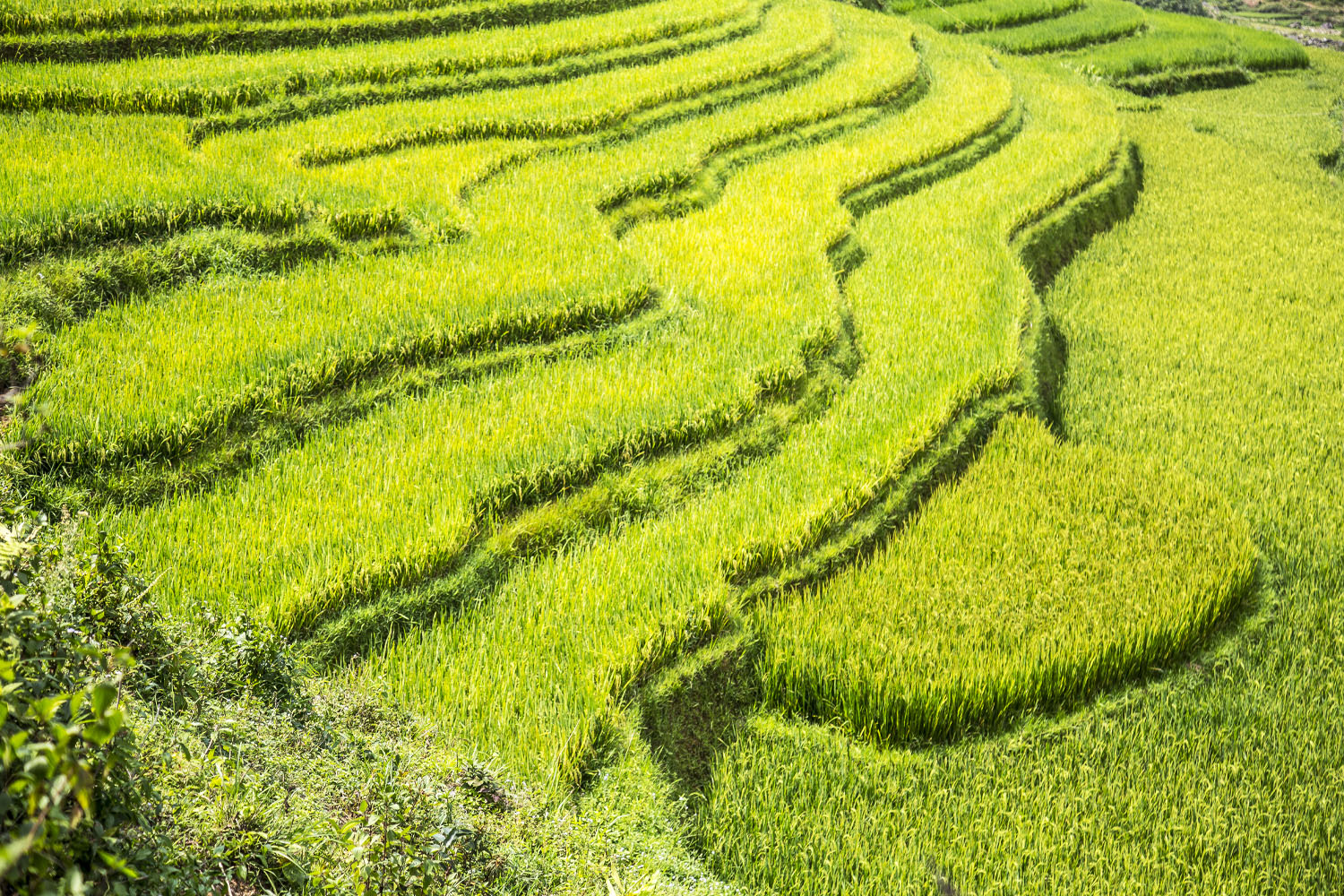
Afternoons offer the best conditions for outdoor activities. The light softens, revealing warm tones across the landscape. Even on foggy days, the afternoon often brings clearer skies. This is when travelers can enjoy the wider viewpoints such as Ham Rong Mountain, Fansipan Sapa Station, the ridge above Lao Chai, or the panoramic trails near Hau Thao. The improved lighting makes photography more rewarding.
Late afternoons cool down quickly. Shadows lengthen, and temperatures begin to fall. Because the sun sets earlier in December, travelers should plan to finish their outdoor activities before dusk. Mountain roads after sunset become extremely cold, and fog may return to certain areas. This is not a safe time to ride a motorbike unless necessary.
Evenings in December are quiet in Sapa. Restaurants become warm havens for hotpot meals, grilled dishes, and herbal teas. Homestays light their fireplaces, and families gather indoors. The cold outside encourages slow, calm evenings. Travelers often describe winter nights in Sapa as peaceful and grounding.
How winter influences local culture and daily life
December gives travelers a unique opportunity to witness the daily rhythms of ethnic minority communities during winter. The Hmong, Dao, Tay, Giay, and Xa Pho communities all adapt their lifestyles to the cold months in different ways. Agricultural work slows down because the harvest is finished and planting does not begin until later in the season. Families shift their routines toward indoor work, handicrafts, livestock care, and preparations for the upcoming Lunar New Year.
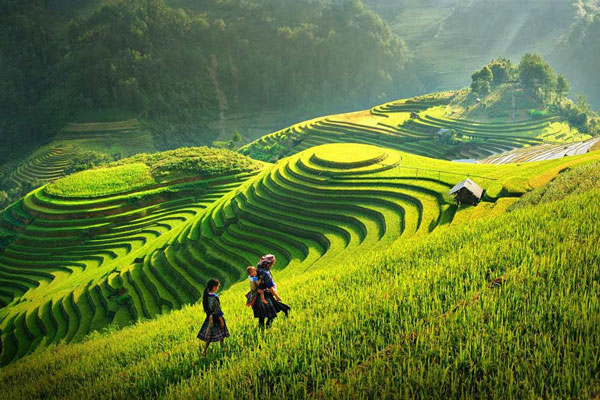
In many Hmong households, women spend their time embroidering traditional costumes, weaving hemp fabric, or dyeing cloth with indigo. These activities become more common during winter because outdoor farm work has paused. Meanwhile, men work on repairing tools, maintaining stone walls around their fields, cutting firewood, or preparing shelters for livestock to protect them from the cold. The slower pace of winter allows families to spend more time together around indoor stoves.
Markets play a central role in community life during December. Weekly markets in Bac Ha, Can Cau, Sapa Town, and Muong Hum attract villagers who come to buy warm clothing, trade livestock, share news, and sell handicrafts. The cold creates a distinct market atmosphere. Stalls selling hot soups, grilled meat, sticky rice, and herbal teas gather crowds. The colours of traditional clothing stand out against the muted winter landscape.
December also marks the beginning of preparations for Tet, although the main celebrations occur later, usually in January or February. Families start cleaning homes, fermenting traditional drinks, raising pigs for holiday meals, and storing firewood. Visiting Sapa in December provides a glimpse into these preparations without the crowds that arrive closer to Tet.
Children continue attending school throughout the month, walking along mountain paths bundled in layers of clothing. Elderly villagers gather around fire pits during the coldest hours of the day. Life becomes quieter and more introspective, giving travelers a chance to observe local culture in its winter rhythm.
Trekking in Sapa during December
Trekking is one of the main reasons travelers come to Sapa, and December can be an excellent month for it. The dry weather means trails are less muddy and more navigable than during the rainy season. The cool air makes hiking less physically taxing, allowing trekkers to cover longer distances without overheating.
Popular routes such as Lao Chai to Ta Van, Sapa to Y Linh Ho, and Ta Phin remain open and accessible. The terraced fields along these routes are not at their most colourful, but they reveal their structure and engineering more clearly. Treks become less about vibrant scenery and more about cultural interaction and mountain atmosphere.
Visibility remains the main challenge for December treks. Fog can obscure views throughout the morning, requiring trekkers to stay patient. Guides often adjust the pace depending on visibility. Sometimes the fog clears suddenly, revealing vast mountain views that feel even more dramatic after being hidden.
Homestay treks remain popular in December, offering warmth and hospitality at the end of cold outdoor days. Families prepare hot meals, heat their kitchens, and provide thick blankets. Some offer herbal baths made from local plants, which are especially comforting during winter.
Longer or more challenging treks, such as routes toward Fansipan or the ridge trails above Hau Thao, require more preparation. The cold becomes more intense at higher elevations, and appropriate clothing is essential. Travelers must ensure they have windproof layers, sturdy shoes, and a guide familiar with winter conditions.
Fansipan in December: The roof of Indochina in winter
Fansipan, Vietnam’s highest peak, transforms dramatically during December. The summit area becomes one of the coldest places in the country, particularly during strong cold waves. Frost, thin ice, and occasional snow add to the winter atmosphere.
Most travelers visit Fansipan via the cable car, which continues operating during December except on extremely windy days. The ride offers sweeping views of the Hoang Lien Son range, with clouds drifting between peaks. At the summit, the cold is intense. Temperatures often drop close to freezing, and the wind can be strong enough to make outdoor photography difficult.
Travelers who choose to hike Fansipan in December face more demanding conditions. Trails can be slippery, visibility unpredictable, and temperatures much colder than in Sapa Town. Hikers need proper winter gear, warm layers, gloves, and waterproof clothing. The reward, however, is a dramatic winter experience that reveals a side of Fansipan few travelers witness.
Travel logistics: Getting in and around Sapa in December
Transportation to Sapa in December remains reliable because this month falls in the dry season. Highways between Hanoi and Lao Cai operate normally. Buses and limousines run frequent schedules. The road from Lao Cai to Sapa, although steep and winding, benefits from dry conditions that improve traction.
In Sapa itself, traveling by motorbike remains possible but requires caution. The cold wind along O Quy Ho Pass can be intense, and fog reduces visibility. Those who are unsure about riding in winter conditions should consider hiring a local driver or using taxis.
Accommodation options in Sapa vary widely in heating quality. Luxury hotels offer full heating systems, heated pools, and insulated rooms. Budget hotels and homestays rely on electric blankets, space heaters, heated mattress pads, or thick quilts. Travelers should confirm their heating arrangements before booking.
Dining in Sapa during December becomes an enjoyable part of the trip because restaurants adapt their menus to winter. Hotpot, grilled dishes, sturgeon and salmon from local farms, sticky rice, roasted chestnuts, and herbal teas appear more frequently. Cafés provide warm spaces to rest after cold outdoor excursions.
Why December is one of Sapa’s most atmospheric months
December offers a version of Sapa that feels more intimate, more dramatic, and more culturally grounded than many other seasons. The absence of crowds means that trails are quieter, viewpoints more spacious, and markets less commercialized. The cold air, fog, and winter light combine to create a mood that differs sharply from the rest of Vietnam.
Travelers who seek lush rice terraces should visit during summer or early autumn. Those who seek the golden harvest season should aim for late September or early October. But those who seek atmosphere, authenticity, winter landscapes, and cultural immersion will find December one of the most rewarding months of the year.
The scenery feels raw and honest. The culture feels more visible because the pace of life slows down. The mountains present themselves in muted tones that highlight their contours rather than their colours. The winter quietness creates a deeper sense of connection with the land and the people who inhabit it.
Final reflection
Sapa in December is not the easiest destination, but it is one of the most revealing. Travelers willing to embrace cold mornings, foggy valleys, and short days are rewarded with a deeper understanding of the northern highlands. Winter shows how the ethnic communities adapt to the climate, how the mountains express their rugged beauty, and how daily life unfolds at a slower, more reflective pace.
The landscape becomes a study in texture and form. The culture becomes more intimate. The atmosphere becomes quieter and more contemplative. For travelers seeking more than just photographs—for those who want to understand the rhythms of the mountains—December offers one of the most meaningful introductions to Sapa’s true character.
Frequently Asked Questions
Is December a good month to visit Sapa?
Yes, if you enjoy cool weather, fewer crowds, and dramatic winter landscapes. It is not ideal for travelers seeking lush green terraces.
How cold does Sapa get in December?
Temperatures range from 8°C to 15°C during the day in town but drop to 3°C–7°C at night. High-altitude areas can approach freezing.
Does Sapa get snow in December?
Snow is rare but possible at Fansipan or O Quy Ho Pass during strong cold waves.
Is trekking safe in December?
Yes, but fog and cold require proper clothing and cautious planning. Trails are less slippery than in rainy months.
Can I visit Fansipan in December?
Yes. The cable car operates daily except during severe winds. The summit is extremely cold.
What should travelers wear?
Warm layers, thermals, gloves, scarf, waterproof shoes, and a windproof jacket. Motorbike riders need extra insulation.
Are roads safe in December?
Generally yes, but fog reduces visibility on mountain passes. Avoid riding early morning or late afternoon.
Is December crowded in Sapa?
No. It is quieter than autumn and spring, except on Christmas and New Year weekends.
Do rice terraces look good in December?
They appear bare after harvest, offering a different but still striking geometric look.
Are homestays warm?
Traditional homestays are cold indoors but provide thick blankets and heating pads.