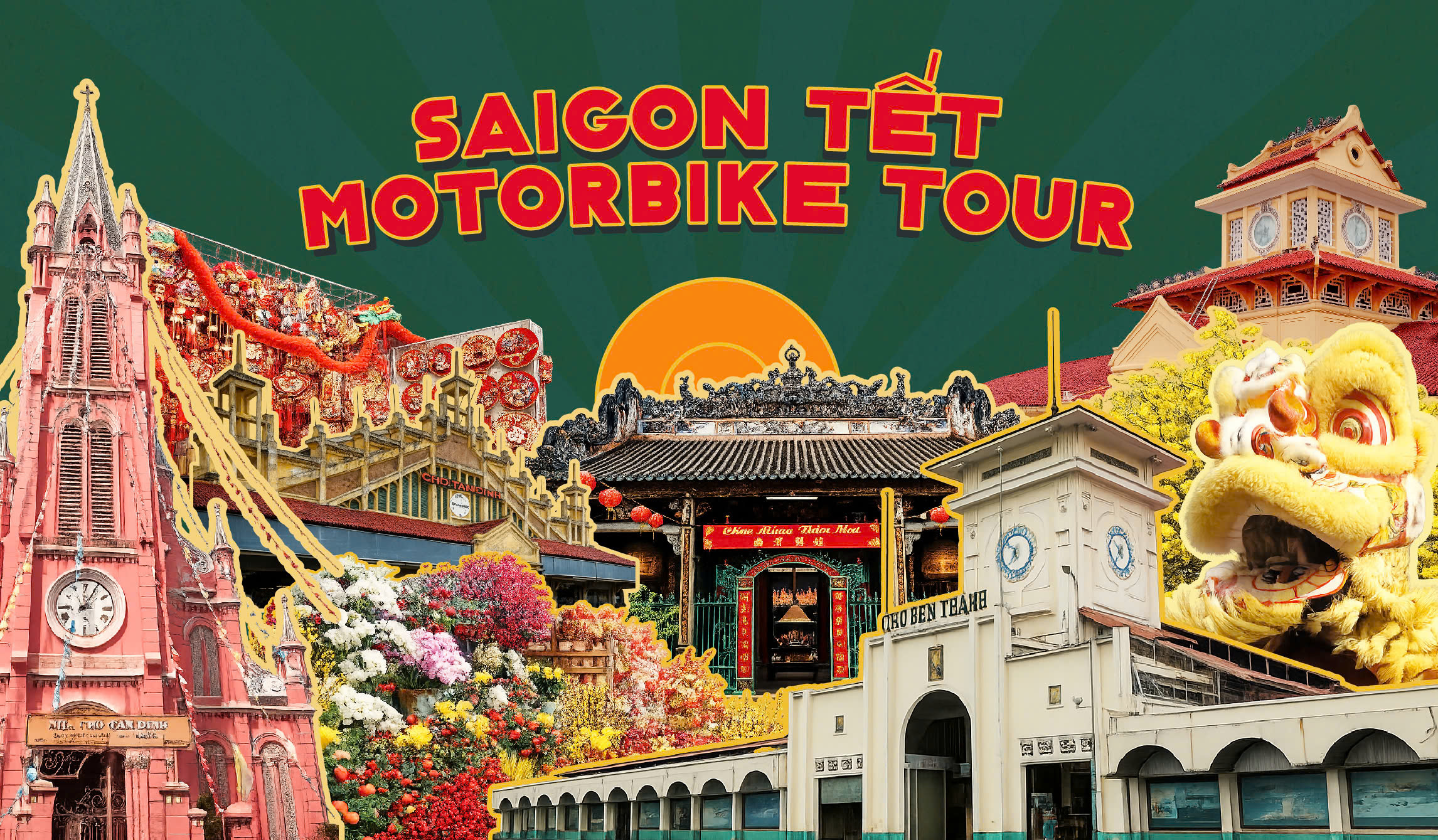
January brings one of the most reliable, comfortable, and traveler-friendly climate patterns to Southern Vietnam. The region, which includes Ho Chi Minh City, the Mekong Delta, Phu Quoc, Vung Tau, Mui Ne, and the stretch of coastline running toward Ca Mau, enters the heart of its dry season during this month. The heavy rains of the monsoon have left the landscape months earlier, humidity continues to drop, sunshine increases across the region, and the climate stabilizes in a way that creates excellent conditions for sightseeing, beach travel, cultural exploration, and multi-destination itineraries. For inbound travelers who want predictable tropical weather without the discomfort of peak heat, January offers one of the best windows of the year.
Unlike Central and Northern Vietnam, where cool winds and winter patterns create a noticeable shift in temperature, the south maintains a warm, steady climate throughout January, with the kind of mild tropical heat that works for almost any outdoor activity. The mornings start comfortably, the afternoons reach their warmest point without becoming oppressive, and the evenings remain warm enough to move around freely without needing extra layers. The dryness of the air is one of the first things visitors notice. Even when temperatures rise toward midday, the lack of humidity prevents the heat from feeling heavy, allowing travelers to spend long days outdoors without sweating heavily or feeling drained. This balance between warmth and dryness sets the tone for travel across the region and makes January an easy month for both first-time visitors and seasoned travelers returning to explore lesser-known destinations.
Southern Vietnam’s January weather also shapes the local rhythm of life. Streets in Ho Chi Minh City remain active from early in the morning, markets in the Mekong Delta hum with activity, and coastal areas prepare for the surge of travelers who seek good beach conditions. Tet, Vietnam’s Lunar New Year, often falls between late January and mid-February. The weeks leading up to Tet create a festive atmosphere throughout the region. Decorations go up, markets expand, and businesses prepare for one of the biggest cultural celebrations in the Vietnamese calendar. Even if Tet does not fall directly in January in a given year, the sense of anticipation can still be felt, giving the region a lively backdrop that blends cultural tradition with modern travel appeal.
For travelers seeking an organized, predictable, and comfortable trip through Southern Vietnam, January offers one of the best opportunities. This article provides a complete look at what to expect from the region during the month, covering temperature patterns, humidity changes, rainfall behavior, sea and beach conditions, local culture, food, logistics, and the travel experience in each major destination.
How January shapes Southern Vietnam’s climate
January is one of the driest months in Southern Vietnam, falling firmly within the dry season, which lasts from late November to April. This period is characterized by stable atmospheric conditions caused by northeastern monsoon winds that bring dry air across the region. The shift away from the storm systems of the rainy season creates a level of consistency that travelers appreciate, especially those planning multi-day flights, beach trips, excursions, or cultural tours.
Temperatures in January typically range from 23°C to 31°C across most Southern destinations. These numbers fluctuate slightly depending on location, but the difference is small enough that travel conditions remain uniform across the region. Ho Chi Minh City, which sits inland, tends to experience slightly higher daytime temperatures than coastal areas. Phu Quoc and Vung Tau maintain slightly cooler afternoons due to the sea breeze. Mui Ne, known for strong coastal winds, often experiences brisker airflows during the early part of the month, while the Mekong Delta tends to feel milder due to its river systems, shade, and abundant water sources.
Humidity drops significantly during January, especially compared to the wet season. It usually falls between 55% and 65%, which is low for tropical climates. This decrease has a major impact on the comfort level of daily activities. Travelers walking through urban neighborhoods, cycling through countryside areas, or exploring coastal roads feel less sticky and overheated. Clothes dry faster, energy levels remain stable throughout the day, and even high-energy activities such as climbing dunes, hiking, or kayaking feel manageable.
Rainfall is minimal throughout January, often with only one or two short drizzles the entire month in many destinations. Most travelers will not experience any rain at all during a trip in January. The sky remains consistently bright in the morning, develops scattered clouds in the afternoon, and clears again toward sunset. This weather pattern supports full-day itineraries without modifications or backup plans.
January’s sky quality improves compared to autumn and early winter months. The reduction in moisture leads to sharper visibility, cleaner horizons, and more vibrant landscapes. This clarity benefits both photography and general sightseeing. Sunrises and sunsets are more intense in color, with oranges, pinks, and soft purples across coastal destinations like Phu Quoc, Mui Ne, and Vung Tau.
Taken together, these elements form a clear picture: January brings Southern Vietnam one of the most pleasant and consistent climates of the entire year.
What the weather actually feels like day to day
January offers one of the most balanced daily climate patterns in Southern Vietnam. The early morning hours are cool and refreshing, often around 23°C to 25°C. Locals take advantage of this comfortable window to exercise, shop at markets, or begin their workday. Travelers who wake early experience some of the best hours for exploring cities or waterways, as the light is soft and the temperature perfectly suited for walking or cycling.
By late morning and early afternoon, temperatures rise into the 28°C to 31°C range. Unlike humid summer heat, January’s warmth feels lighter and more breathable. Travelers often notice that they can stay outdoors for long periods without feeling overheated. Museum visits, historical sites, riverside walks, and beach activities remain manageable. Sun protection is important during this period, as the sun can be intense, but the underlying temperature remains pleasant.
Afternoons continue to feel warm but manageable. Coastal destinations often experience a slight breeze that adds to the comfort level. The Mekong Delta, with its dense canopy of coconut trees and waterways, remains calm and pleasantly shaded even at midday. Urban areas like Ho Chi Minh City can feel warmer because of concrete and traffic, but the dryness keeps conditions comfortable and prevents the heavy suffocating heat that travelers sometimes encounter during April or May.
Evenings in January are one of the highlights of the month. Temperatures generally fall back to around 23°C to 25°C, making it ideal for outdoor dining, nightlife, riverside strolls, and walking streets. Markets stay open later, night cruises operate smoothly, and restaurants with outdoor terraces offer excellent conditions for meals. The absence of rain or wind chill ensures that evenings remain inviting. January nights often carry a festive atmosphere, especially in the period leading up to Tet.
Nighttime temperatures stay warm enough for travelers to dress lightly. A jacket is rarely necessary. Even after midnight, the climate remains mild and steady. This dependable nighttime weather allows travelers to plan long days that combine outdoor sightseeing, evening entertainment, and late-night food experiences without concern for weather disruption.
Overall, the day-to-day feel of Southern Vietnam in January is stable, warm, and comfortable—ideal for both relaxing days and active adventures.
How January affects Southern Vietnam’s landscapes
January’s weather patterns influence Southern Vietnam’s scenery in a noticeable way. The reduced humidity sharpens colors across urban, rural, and coastal areas, giving the region a crisp visual quality that differs from the misty skies or heavy rainfall of the previous months.
Coastal destinations benefit most from these changes. My Khe Beach in Da Nang (though technically Central Vietnam), Phu Quoc’s Long Beach, Mui Ne’s coast, Vung Tau’s Back Beach, and Ho Tram’s quieter shoreline all show dramatic improvements as the dry season deepens. Sand remains dry and smooth, ocean colors shift from grey to blue, and the light becomes ideal for sunrise and sunset photography. January is one of the best months to see Southern Vietnamese beaches in their most attractive state.
In the Mekong Delta, the dry season reveals the region’s full agricultural richness. Fruit orchards appear bright and colorful. Floating markets operate without weather delays, and waterways remain calm. Rice paddies move closer to harvest season in some provinces, offering varied shades of green or golden yellow. The availability of local produce increases as well, enhancing the overall food experience.
Ho Chi Minh City presents a clearer appearance during January. The skyline appears sharper, trees along major boulevards look greener, and the riverbanks become more appealing for evening walks. The absence of moisture reduces haze, giving the city a more defined profile when viewed from rooftops or bridges.
Nature-based destinations such as Ba Ria, Con Dao, Cat Tien National Park, and cultural areas like Tay Ninh also benefit from January’s clarity. Trails stay dry, sunlight filters through forests with better visibility, and wildlife comes out more frequently compared to rainy months.
Overall, January creates a visually appealing environment that enhances the travel experience across the south.
Ho Chi Minh City in January
Ho Chi Minh City experiences some of its best weather of the year in January. The heat remains moderate, humidity stays low, and rain becomes extremely rare. The city’s daily pace speeds up in the lead-up to Tet, with markets extending hours, shops decorating their storefronts, and flower streets being planned and built for the holiday. Even outside Tet years, January carries a lively, energetic atmosphere that reflects the city’s social rhythm.
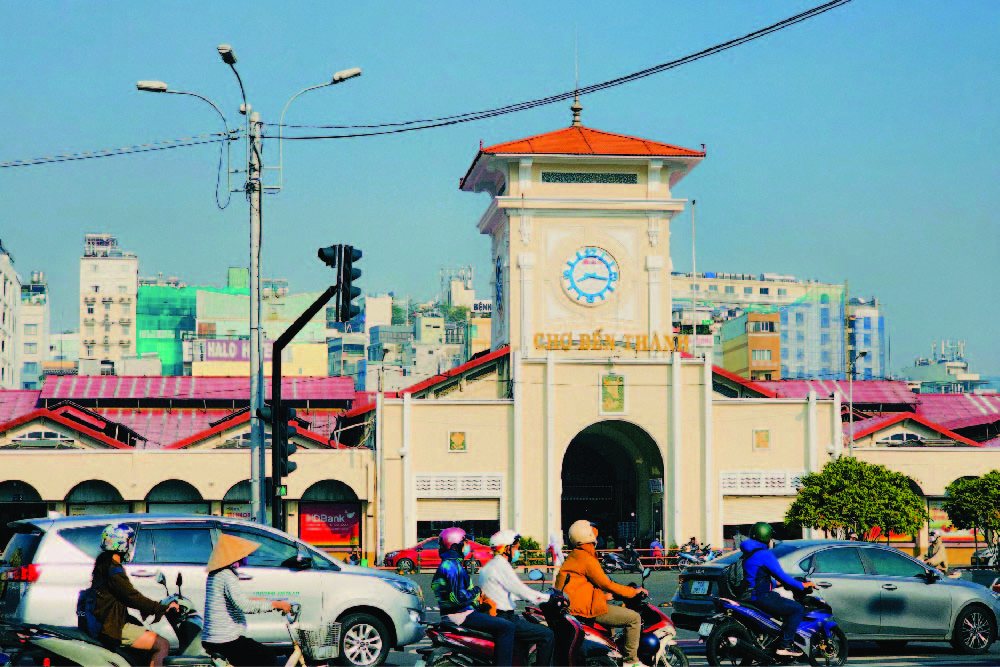
Walking through District 1 becomes easier compared to more humid months. Sidewalks near Ben Thanh Market, the Central Post Office, Nguyen Hue Walking Street, and Dong Khoi Street remain dry and clean. Cafés open their sliding windows, street food vendors operate consistently throughout the day, and rooftop bars offer excellent evening views under clear skies.
Day trips from the city also benefit from January’s climate. The Cu Chi Tunnels, Cao Dai Temple, Can Gio Biosphere Reserve, and nearby provinces such as Tay Ninh and Binh Duong remain accessible and pleasant throughout the month. Transportation disruptions are rare, and road conditions stay dry even in rural areas.
January is also an excellent month for local food culture. Warm but crisp evenings support outdoor dining. Hotpots, grilled seafood, and Vietnamese barbecue feel more comfortable to eat in the dry season. The cultural mood ahead of Tet introduces seasonal treats such as sticky rice cakes, candied fruit, and holiday snacks sold in markets and small shops.
The Mekong Delta in January
The Mekong Delta flourishes in January. With the rains gone, rural roads dry out, canals clear, and floating markets regain full activity. Morning temperatures around 22°C to 24°C make early-day boat tours comfortable, and fog occasionally forms over rivers at sunrise, giving the region a serene and atmospheric quality.
Daytime temperatures remain warm but manageable. The shade from trees along canals keeps boat rides cool even during the warmest hours. Cycling routes through villages become safer and more enjoyable because the ground stays firm. Homestays benefit from the dry season as well; gardens look healthier, outdoor areas remain clean, and evening gatherings can take place outside.
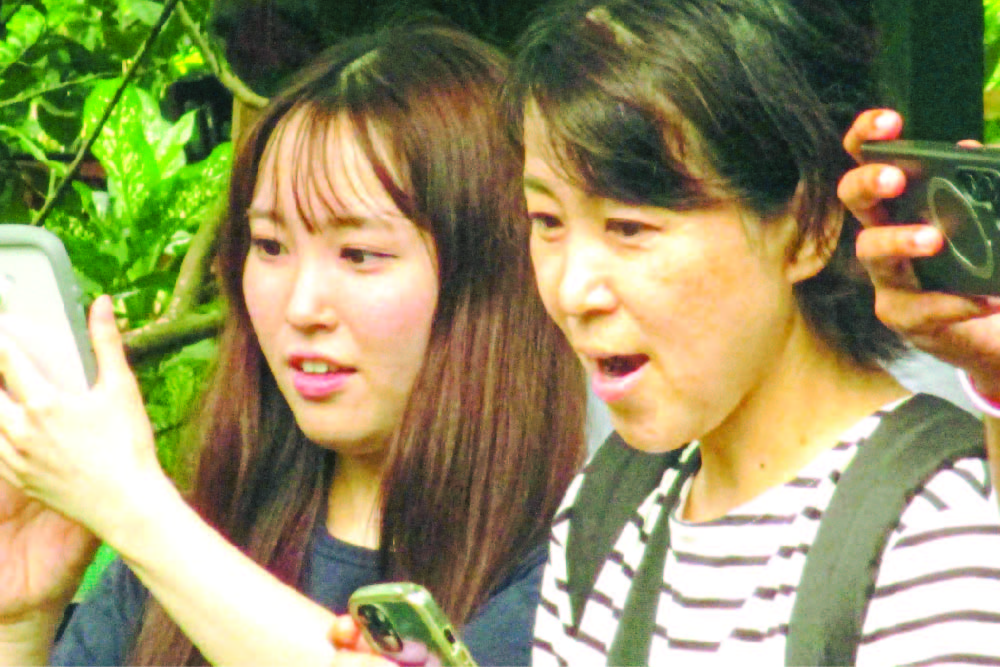
Floating markets such as Cai Rang (Can Tho), Phong Dien, Cai Be, and Long Xuyen operate predictably during January. The lack of rain ensures that boats navigate easily. Vendors often carry more produce as the region heads into harvest cycles.
January is also ideal for exploring fruit orchards, coconut farms, rice noodle factories, cacao gardens, and fish farms since these places usually rely on outdoor space and good weather for full operations.
Phu Quoc in January
Phu Quoc enters its peak season in January. The island experiences some of its best weather of the year during this month. Sunshine is abundant, the sea becomes calm and clear, rainfall is almost nonexistent, and humidity stays low enough to make beach days relaxing.
Temperatures range between 25°C and 30°C, with cool mornings ideal for sunrise walks and warm afternoons perfect for swimming or snorkeling. Beaches such as Long Beach, Bai Sao, Ong Lang, and Ganh Dau offer excellent conditions.
January also supports outdoor activities such as motorbike loops, national park hikes, snorkeling tours to the An Thoi archipelago, and sunset cruises. The water clarity improves significantly, providing ideal conditions for marine activities.

Evenings remain lively on the island. Night markets expand, beach bars stay open late, and outdoor dining becomes the preferred choice for many visitors. Seafood becomes abundant and fresh due to the calm seas.
Vung Tau in January
Vung Tau becomes an ideal coastal escape in January due to mild temperatures, low humidity, and calm sea conditions. Back Beach and Front Beach remain accessible throughout the day. Mornings feel brisk but comfortable, the midday sun remains gentle enough for beach hours, and afternoons offer cool breezes that improve the overall atmosphere.
The Christ the King Statue, the Vung Tau Lighthouse, and other hilltop attractions remain easier to explore because the visibility improves. Seafood restaurants benefit from the dry season, offering outdoor seating that remains pleasant even late into the evening.
Mui Ne and Phan Thiet in January
Mui Ne continues to be a strong destination for water sports in January. The coastal winds that define much of the region remain active, making the area popular among kitesurfers and windsurfers. Temperatures remain warm but controlled, the sand dunes stay dry, and visibility improves dramatically across the coastline.
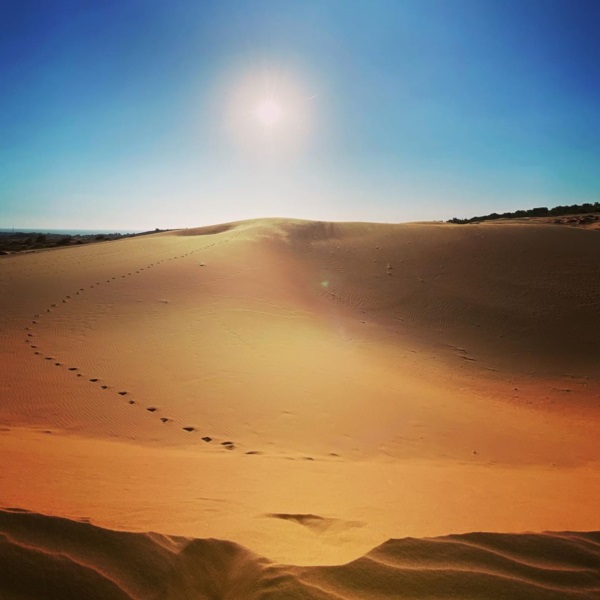
The Red Sand Dunes and White Sand Dunes become ideal for sunrise photography. Fairy Stream offers easy walking conditions thanks to dry pathways and clear water. Fishing villages operate at full pace during this period, providing excellent cultural photography opportunities.
The southern coastline in January
The wider southern coast—from Ho Tram to La Gi, Ham Tan, and all the way to Ca Mau—experiences stable weather in January. The lack of rainfall highlights scenic coastal roads, and fishing communities carry out daily routines uninterrupted by storms. This stability allows travelers to explore quieter beaches and lesser-known stretches without worrying about weather-related disruptions.
Cultural atmosphere: January and Tet preparations
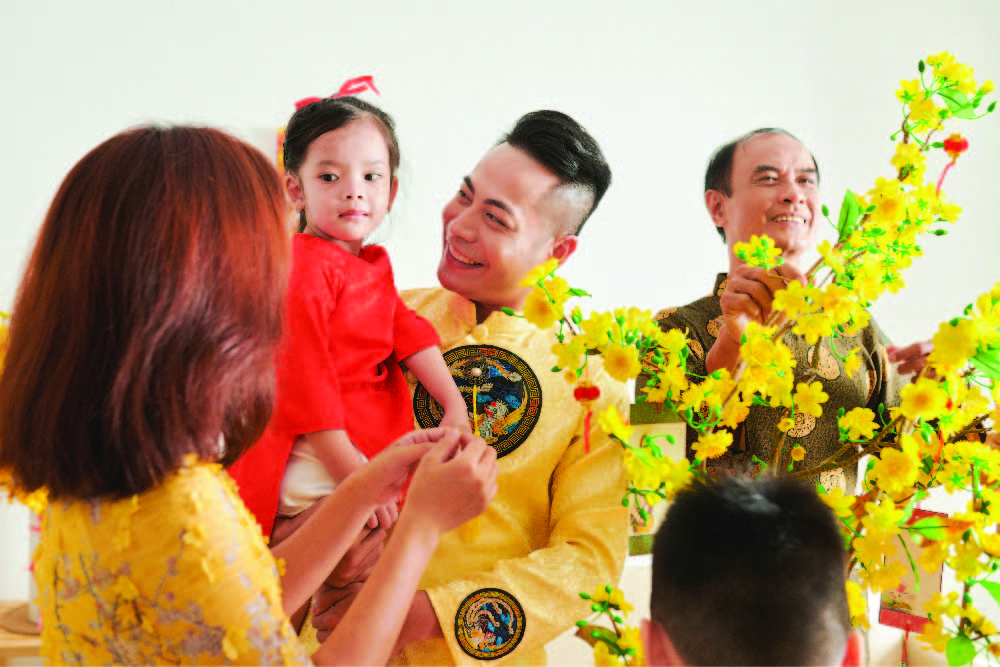
January carries a strong cultural energy in Southern Vietnam because of Tet preparations. Even if Tet falls in early February in a given year, the buildup begins weeks before. Families repaint homes, markets expand, flower vendors begin appearing along sidewalks, and seasonal products fill shop shelves.
Travelers visiting in January can observe this unique transition. Ho Chi Minh City becomes especially vibrant with floral decorations, outdoor displays, and increased shopping activity. Even smaller towns in the Mekong Delta and along the coast prepare for Tet in their own ways, creating a sense of shared cultural anticipation.
Food culture during January
Food plays a central role in Southern Vietnam’s January experience. The cooler and drier weather enhances the enjoyment of a wide range of dishes. Outdoor dining becomes comfortable throughout the day, and evening food tours operate smoothly without rain interruptions.
Seafood remains abundant along the coast, and street food markets stay active throughout the season. Travelers can enjoy southern specialties such as bánh xèo, hủ tiếu, cơm tấm, seafood BBQ, and fresh tropical fruits. Seasonal Tet treats begin to appear late in the month, adding to the overall food diversity.
Transportation and travel logistics in January
January is one of the easiest months for travel logistics in Southern Vietnam. Roads remain dry and safe, ferries operate without disruption, airlines experience minimal weather delays, and day trips run according to plan. Ride-hailing apps such as Grab function smoothly. Rural roads in the Mekong Delta remain fully accessible.
The only time when logistical challenges may appear is during the week before Tet when locals travel back to their hometowns. However, this varies by year and rarely affects foreign tourist travel within January unless their trip overlaps with the start of the holiday.
Why January is considered one of the best months to visit Southern Vietnam
January stands out because it presents a nearly ideal combination of climate, comfort, and cultural vibrancy. The stable weather eliminates the unpredictability that sometimes affects the region in other months. Temperatures stay warm but manageable. Rain becomes a non-issue. Outdoor activities—from boating in the Mekong Delta to swimming in Phu Quoc and hiking in Mui Ne—operate smoothly.
The pre-Tet energy adds character to cities and towns, giving travelers a richer cultural experience. Food becomes more enjoyable without humidity weighing down the atmosphere. Beaches remain attractive, day trips become easier, and multi-city travel feels seamless.
For inbound travelers planning their first visit to Vietnam, January is one of the most reliable months for exploring the south. Returning visitors will also find that January offers a cleaner, brighter, and more organized version of Southern Vietnam compared to other parts of the year.
Frequently asked questions
Is January a good month to visit Southern Vietnam?
Yes. It is one of the best months, with dry weather, mild heat, and excellent travel conditions.
How hot is Southern Vietnam in January?
Daytime temperatures usually range from 28°C to 31°C, with cooler mornings around 23°C to 25°C.
Does it rain in Southern Vietnam in January?
Very rarely. Most travelers experience little to no rain during their entire trip.
Is January humid in Southern Vietnam?
Humidity is low compared to other months, making the heat feel lighter and more comfortable.
Are the beaches good in January?
Yes. Beaches in Phu Quoc, Vung Tau, Mui Ne, and the south coast have calm seas and plenty of sunshine.
Can you swim in the ocean in January?
Yes. Sea conditions are stable, and water temperatures remain warm and pleasant.
Is January a windy month?
Coastal areas like Mui Ne can be breezy, especially in early January, but the weather remains ideal for beach travel.
What should I wear in January?
Light clothing during the day and something slightly warmer for late evenings, although jackets are rarely needed.
Is Ho Chi Minh City comfortable in January?
Yes. The city is warm, dry, and easy to explore on foot, with little risk of rain.
Is the Mekong Delta nice in January?
Yes. River cruises, floating markets, and countryside routes operate smoothly with cool mornings and dry roads.
Is January a good month for Phu Quoc?
It is one of the best months of the year, with clear waters, calm seas, and perfect beach weather.
Is January crowded in Southern Vietnam?
Moderately. Tourist numbers rise before Tet, but the region does not feel overcrowded except around major holidays.
Does Tet affect travel in January?
Only if Tet falls in late January. Prices rise and transportation gets busier around the holiday week.
Is January a good month for outdoor activities?
Yes. Hiking, boating, cycling, sightseeing, snorkeling, and island tours operate in excellent conditions.
Are flights reliable in January?
Yes. The weather is stable, and delays are less common than in rainy months.