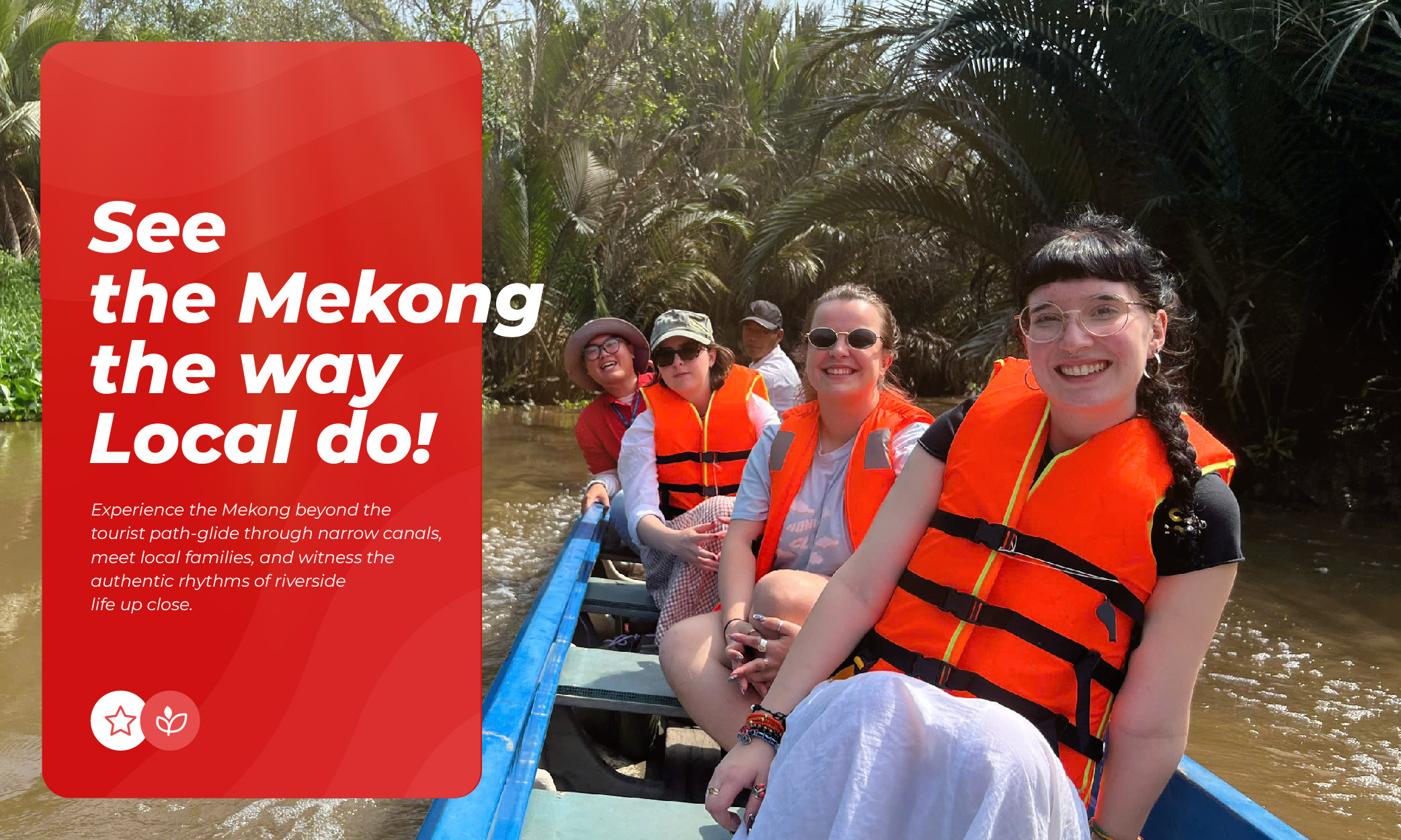
What does “Sustainable” actually mean for Mekong Delta tours?
When we talk about sustainable tourism in the Mekong Delta, we’re not talking about complicated carbon credits or fancy eco-certifications. We’re talking about something much simpler and more powerful: tourism that puts money directly into local families’ pockets while giving you genuine cultural experiences.
Here’s what sustainable Mekong Delta tourism really looks like in 2026:
- Eating lunch in a family’s home instead of a tour bus restaurant
- Buying coconut candy from the woman who made it, not a souvenir shop
- Learning to row a traditional sampan from a local farmer
- Staying overnight with a homestay family instead of a chain hotel
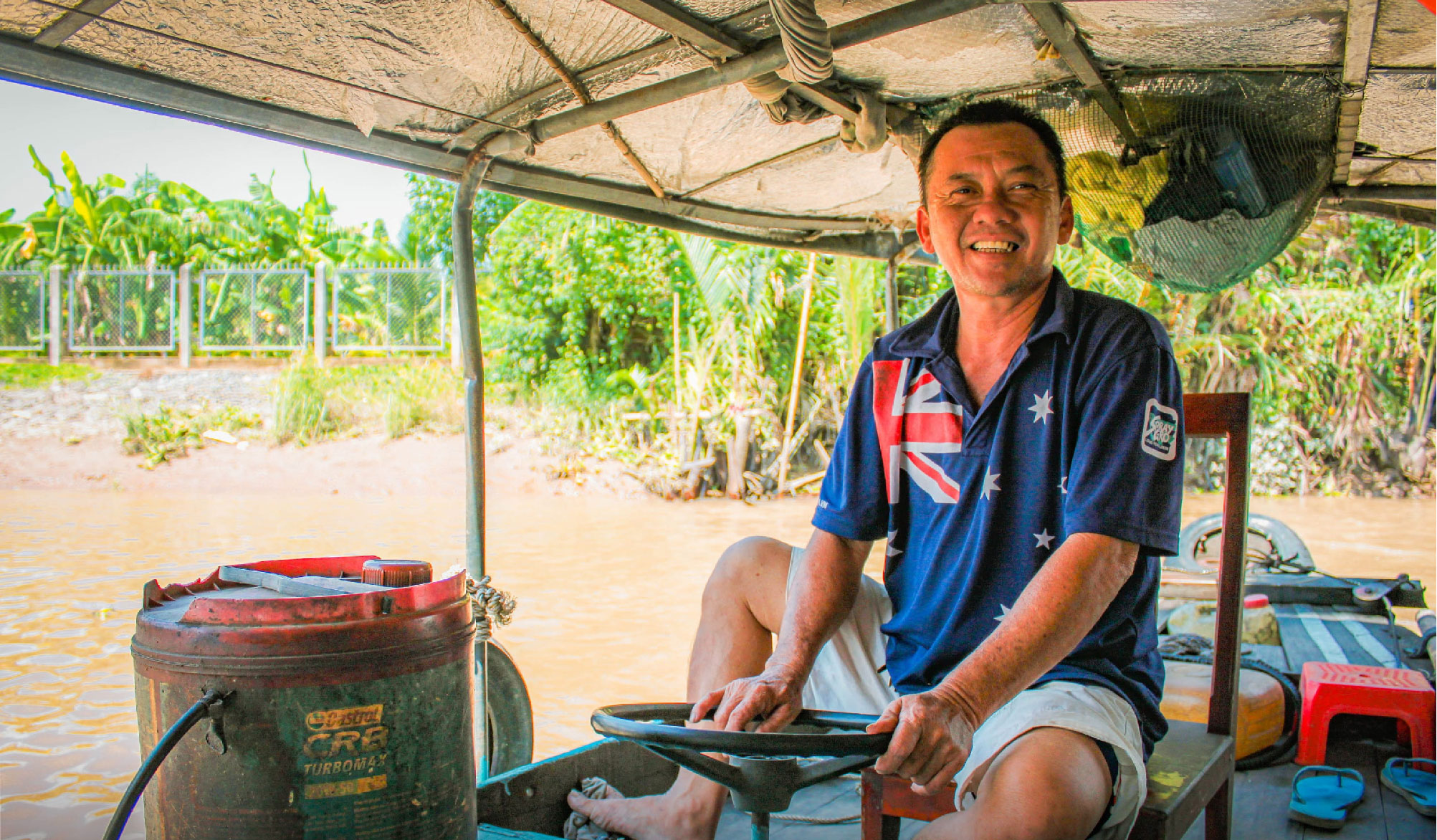
- Having your guide be someone who actually grew up in the villages you’re visiting
Say no to greenwashing cause we are giving you authentic Mekong Delta experiences that benefit the people who live there.
Understanding Sustainable Mekong Delta Tours vs Regular Tours
What’s the Real Difference?
| Aspect | Regular Mass Tours | Community-Based Sustainable Tours |
| Group Size | 20-45 people on large buses | 4-12 people in small groups |
| Lunch Venue | Tourist restaurants | Local family homes or markets |
| Guides | City-based tour guides | Residents from the villages |
| Souvenir Shopping | Commission-based shops | Direct purchases from artisans |
| Money to Locals | 15-25% stays in the community | 60-70% goes to local families |
| Price Range | $25-35 per person (day tour) | $35-55 per person (day tour) |
| Experience Quality | Rushed, photo stops | Hands-on, interactive activities |
Why choose sustainable tours?
What European & American travelers say:
“We wanted something authentic, not a tourist show. Having lunch with a farming family in Ben Tre and learning how they make coconut candy in their backyard—that’s what we came to Vietnam for.” – Sarah, UK.
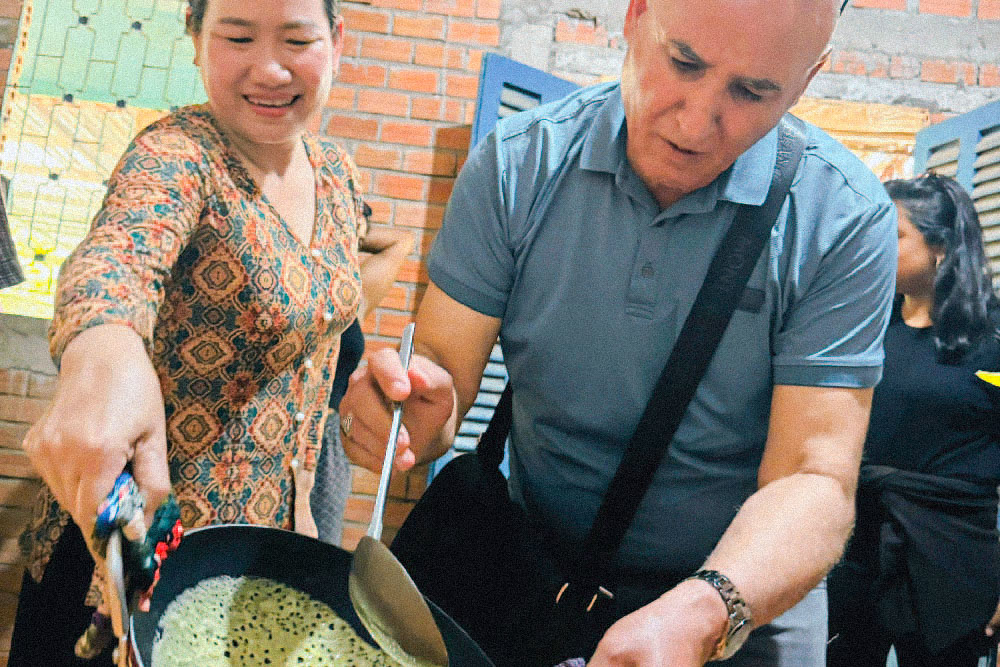
“The highlight wasn’t the floating market—it was our homestay host teaching us to cook banh xeo at midnight because we were curious. You can’t get that on a bus tour.” – Michael, USA.
What Indian travelers appreciate:
“Good value for money with many activities included. We did boat rides, cycling, tried local fruits, visited temples, and the lunch was excellent—all in one day!” – Rajesh, Mumbai.
“Perfect for Instagram content! The floating market, coconut groves, and traditional boats gave us amazing photos. Plus, the local guide knew all the best spots.” – Priya, Delhi.
Best Mekong Delta tours from Ho Chi Minh City: Sustainable options
1. My Tho – Ben Tre Coconut Village day tour (Most popular for first-Timers)
Duration: Full day (8:00 AM – 5:00 PM)
Price range: $30-40 per person
Best for: Hands-on cultural experiences, families, photographers
What you’ll do:
- Travel 2 hours from HCMC to My Tho & Ben Tre Province
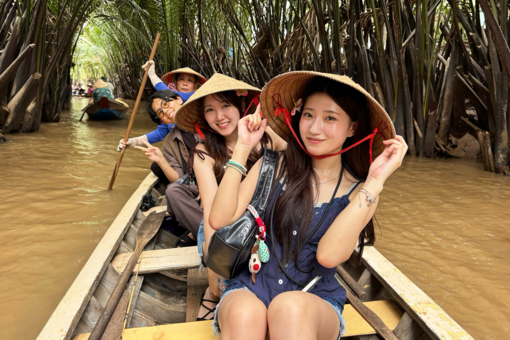
- Boat through coconut palm-lined canals on traditional wooden sampans
- Visit a family-run coconut candy workshop and try making candy yourself
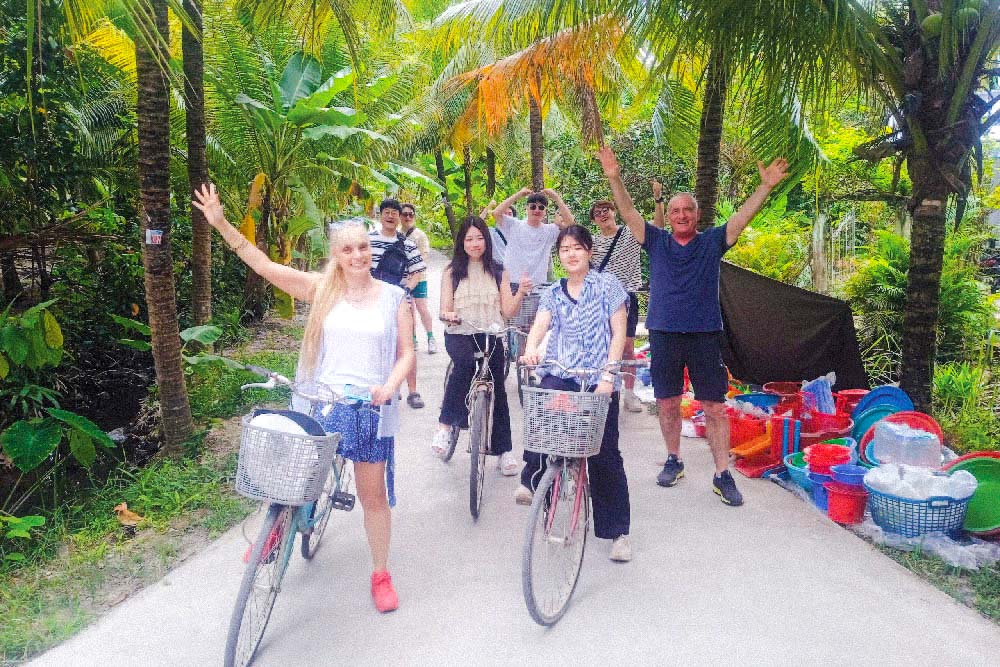
- Cycle through village paths and fruit orchards
- Lunch at a local home (real home-cooked Vietnamese food)
- Visit a honey bee farm and sample fresh honey tea
- Optional: traditional music performance by local artists
Why it’s sustainable:
- Small groups (max 12 people) ensure quality interaction
- Families who host lunch, run candy workshops, and provide homestays earn directly from your visit
- Local English-speaking guides from the villages themselves
- No commission-based souvenir stops
2. Can Tho Floating Market Tour (Best for early risers)
Duration: 2 days/1 night
Price range:
- Day tour: $100-120 per person
- 2-day tour with homestay: $120-130 per person
Best for: Photography enthusiasts, market lovers, and authentic cultural immersion
What you’ll do:
- Early morning departure (5:30-6:00 AM) to catch the floating market at its busiest
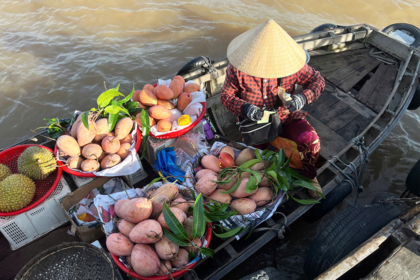
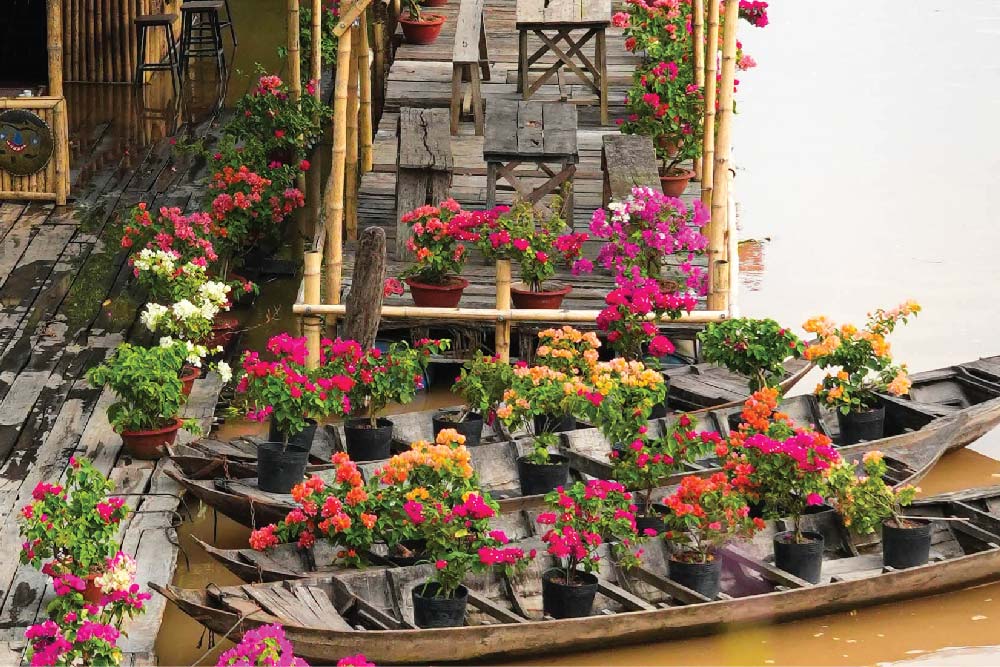
- Traditional wooden boat through the Cai Rang floating market
- Breakfast on the ship with fresh market purchases (pho or banh mi)
- Visit the rice noodle-making workshop
- Explore fruit orchards (depending on season: rambutan, longan, dragon fruit)
- Lunch at a riverside restaurant supporting local farmers
- Optional overnight: homestay with local family, evening cooking class
Why it’s sustainable:
- Support small-scale vendors at the floating market by buying directly
- Homestay families earn supplementary income while maintaining their farming lifestyle
- Learn about traditional river commerce that’s been unchanged for centuries
- Avoid the “Instagram tour” buses that rush through in 2 hours
3. Multi-province Mekong Delta tour (For deeper exploration)
Duration: 2 days/1 night or 3 days/2 nights
Price range: $120-180 per person (2 days), $200-280 (3 days)
Best for: Travelers with more time, those seeking authentic immersion
Provinces covered: Ben Tre + Can Tho + Chau Doc (or An Giang for 3-day tours)
What you’ll do:
- Multiple homestay experiences with different families
- Extensive cycling through rural villages
- Participate in rice farming activities (planting or harvesting, depending on the season)
- Multiple floating markets (Cai Rang, Phong Dien)
- Traditional fishing methods demonstration
- Visit local temples and pagodas with cultural context
- Cooking classes using ingredients from family gardens
How much do sustainable Mekong Delta tours cost?
Realistic price breakdown (2026)
Day tours from HCMC:
- Budget mass tours: $25-35 (large groups, tourist restaurants)
- Community-based sustainable tours: $40-65 (small groups, local families)
- Private tours: $80-150 (flexibility, customized itinerary)
2-Day tours with homestay:
- Standard: $85-110 per person
- Premium with better accommodations: $130-180 per person
What’s included in Sustainable tours:
- Round-trip transportation from HCMC
- English-speaking local guide
- All activities and entrance fees
- Meals (typically lunch for day tours, all meals for overnight tours)
- Homestay accommodation (for overnight tours)
- Boat rides and cycling equipment
- Drinking water and fresh fruits
What’s NOT Included:
- Personal expenses and additional drinks
- Tips for guides (optional but appreciated: $3-5 per person for day tours)
- Travel insurance
Why are Sustainable Tours more expensive? Simple: more money goes to local families rather than to the tour company profits. You’re paying for:
- Smaller group sizes (better experience, more attention)
- Home-cooked meals instead of buffet restaurants
- Direct payments to families, artisans, and local guides
- Better working conditions for guides (fair wages, reasonable hours)
Things to do in the Mekong Delta: Sustainable activities
Hands-on cultural experiences
Cooking classes with local families: Learn to make traditional dishes like:
- Banh xeo (Vietnamese crispy pancakes)
- Goi cuon (fresh spring rolls)
- Canh chua (sweet and sour soup with river fish)
- Hu tieu (Mekong Delta-style noodle soup)
Using vegetables from the family garden and techniques passed down through generations.
Traditional craft workshops:
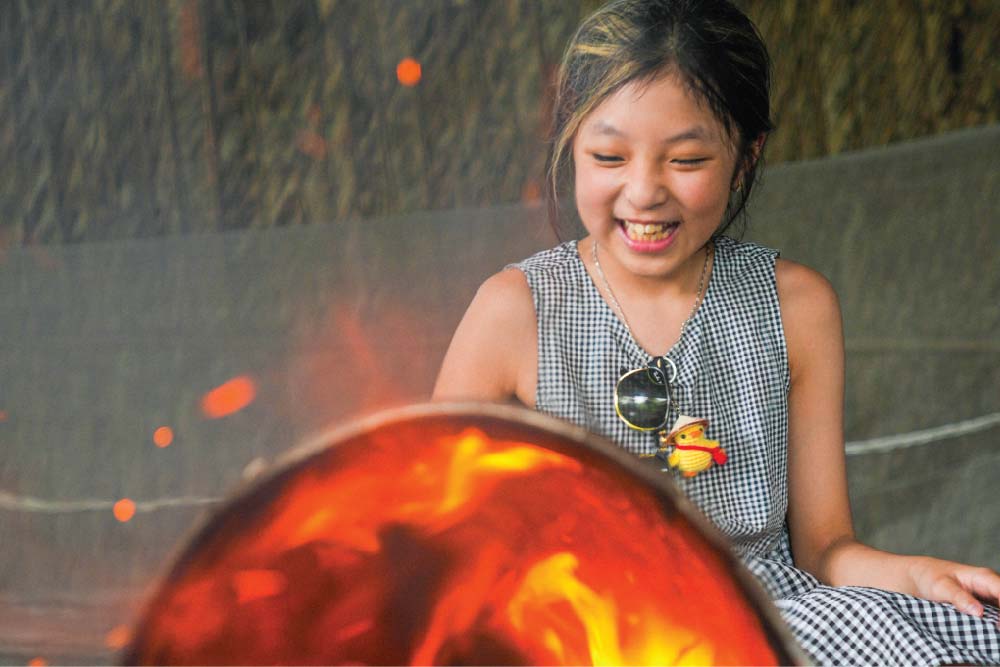
- Coconut candy making (Ben Tre): Mix, cook, cut, and wrap your own candy
- Rice paper making (Vinh Long): See how those spring roll wrappers are made
- Conical hat weaving (various villages): Try your hand at this iconic craft
- Fish trap weaving (Can Tho): Learn traditional fishing equipment construction
Agricultural activities:
- Rice planting or harvesting (seasonal)
- Fishing with traditional cast nets
- Rowing traditional sampans through small canals
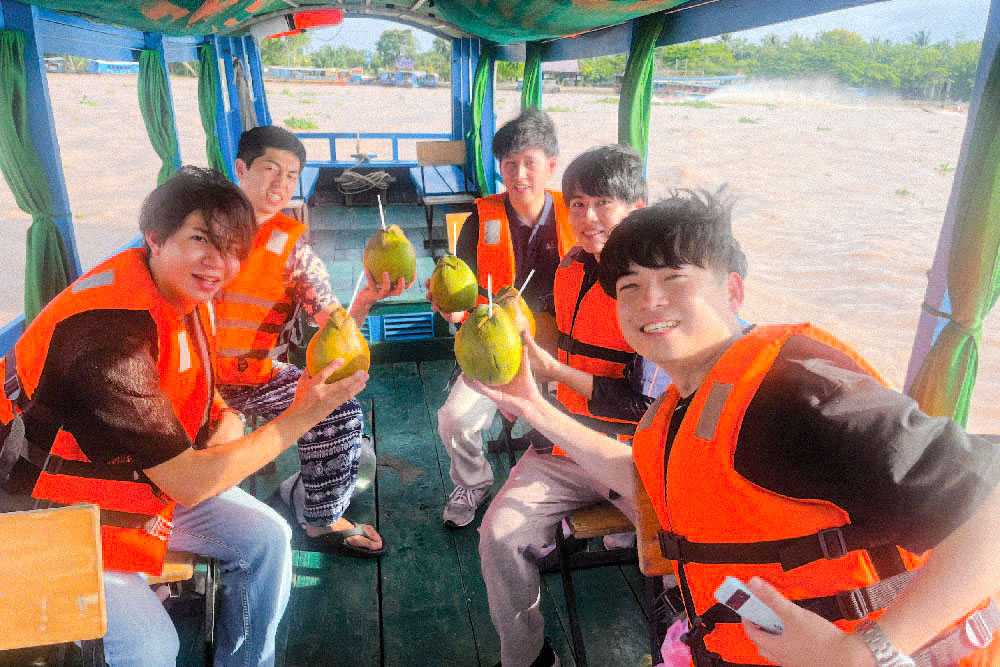
- Fruit picking in orchards (dragon fruit, coconut, longan)
- Feeding fish at local aquaculture farms
Nature & cycling
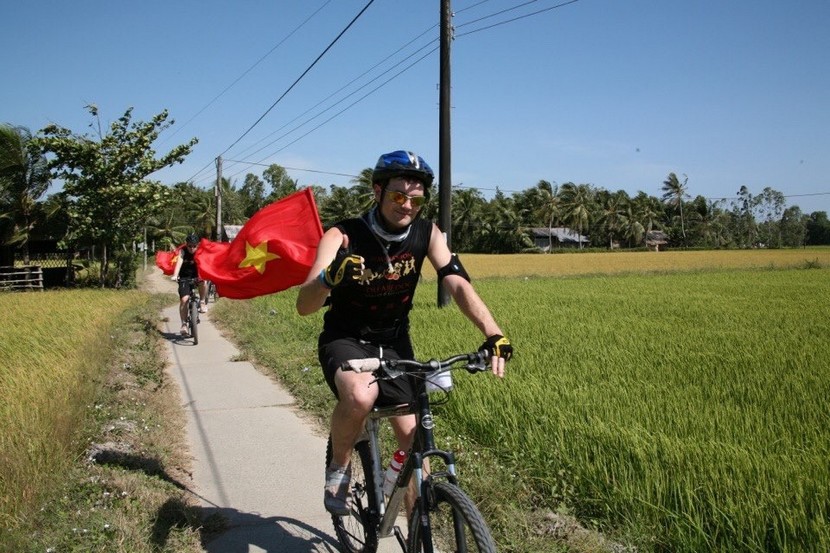
Cycling routes: Most sustainable tours include 5-15 km cycling through:
- Village paths lined with fruit trees
- Rice paddy viewing points
- Coconut palm groves
- Local markets
- Small canal bridges
Boat experiences:
- Narrow canal exploration on hand-rowed sampans
- Floating market visits
- Sunset river cruises
- Traditional fishing trips
Mekong Delta itinerary: 1 Day vs 2 Days vs 3 Days
Is 1 day enough for the Mekong Delta?
Honest answer: Yes, for a taste. No, for true immersion.
What you CAN experience in 1 Day:
✅ One main area (Ben Tre OR Can Tho)
✅ Floating market OR village activities (not both in-depth)
✅ 2-3 cultural activities (cooking, workshops, cycling)
✅ Authentic meals with local families
✅ Good photos and initial cultural understanding
What you’ll MISS with only 1 day:
❌ Homestay experience
❌ Multiple provinces/perspectives
❌ Early morning AND evening local life
❌ Deeper conversations and connections
❌ Agricultural activities (if not harvest season)
Who should do 1 Day:
- First-time Vietnam visitors with limited time
- Travelers continuing to other regions (Phu Quoc, Da Lat)
- Those on a tighter budget
- Families with young children
Who should do 2-3 Days:
- Travelers who prioritize cultural immersion over checking boxes
- Photography enthusiasts want varied lighting and scenes
- Those interested in sustainable/community tourism
- Travelers who prefer slower-paced experiences
Sample 1-day sustainable Mekong Delta itinerary
My Tho, Ben Tre community-based day tour:
- 7:30 AM: Pickup from HCMC hotel
- 9:30 AM: Arrive My Tho – Ben Tre, board a traditional boat
- 10:00 AM: Cruise through coconut palm canals
- 10:45 AM: Visit the coconut candy workshop, hands-on candy making
- 11:30 AM: Cycling through village paths (5-7 km)
- 12:30 PM: Lunch at local family home (home-cooked meal)
- 1:30 PM: Visit honey bee farm, sample honey tea
- 2:15 PM: Traditional music performance or additional cycling
- 3:00 PM: Depart for HCMC
- 5:00 PM: Arrive back at the hotel
Sample 2-day Sustainable Mekong Delta itinerary
Day 1 – Ben Tre:
- Morning: HCMC departure, coconut village exploration
- Afternoon: Cooking class with the homestay family
- Evening: Dinner and family time, traditional music
- Night: Homestay in Ben Tre
Day 2 – Can Tho:
- 5:00 AM: Early departure for Cai Rang floating market
- 6:30 AM: Breakfast on the boat at the floating market
- 8:30 AM: Visit rice noodle workshop
- 10:00 AM: Fruit orchard exploration
- 12:00 PM: Lunch, then return to HCMC
- 4:00 PM: Arrive HCMC
Practical information for your Mekong Delta Tour
How to get to the Mekong Delta from Ho Chi Minh City
Option 1: Join a tour (Easiest)
- Tours include round-trip transportation in air-conditioned vehicles
- Pickup from your HCMC hotel (District 1 typically)
- 2-3 hour drive depending on the destination province
- No hassle with navigation or language barriers
Option 2: Independent travel (For adventurous travelers)
- Bus: From Mien Tay Bus Terminal to Can Tho (3.5 hrs, ~$5), Ben Tre (2.5 hrs, ~$4)
- Private car/taxi: $80-120 round trip (expensive for solo travelers)
- Motorbike rental: Only for very experienced riders familiar with Vietnam traffic
Most travelers choose tours because the price difference is minimal when you factor in local transportation, boat rentals, guide fees, and meal costs.
What to wear in the Mekong Delta
Essential items:
- Comfortable walking shoes or sandals that can get wet/muddy
- Light, breathable clothing (cotton or moisture-wicking fabrics)
- Sun hat or cap – the sun is strong year-round
- Sunglasses and sunscreen (SPF 50+)
- Light long pants or a skirt for cycling (comfortable movement)
- Shawl or light cardigan for air-conditioned vehicles and temple visits
What to avoid:
- ❌ Flip-flops (difficult for cycling and boat boarding)
- ❌ Heavy jeans (uncomfortable in heat and humidity)
- ❌ Expensive jewelry (unnecessary risk, looks out of place)
- ❌ Revealing clothing (respectful dress for village visits)
Seasonal considerations:
- Dry Season (December-April): Light, breathable clothes, strong sun protection
- Wet Season (May-November): Light rain jacket or poncho, quick-dry clothes
Best time to visit the Mekong Delta
Dry season (December – April):
- ✅ Comfortable temperatures (25-32°C)
- ✅ Minimal rain, easy navigation
- ✅ Peak fruit season (Feb-May): rambutan, mangosteen, durian
- ✅ Clear skies for photography
- ⚠️ Higher tourist numbers, book in advance
Wet season (May – November):
- ✅ Lush green landscapes
- ✅ Fewer tourists, more authentic experiences
- ✅ Rice planting and harvesting activities
- ✅ Lower prices (10-20% discounts possible)
- ⚠️ Afternoon thunderstorms (usually short)
- ⚠️ Some areas may have high water levels
Harvest season: June-July and November-December (see rice farming in action)
Floating market peak season: January-April (most active trading)
How to choose a Sustainable Tour Operator
Green flags to look for:
✅ Small group sizes advertised (under 12 people)
✅ Specific village/family partnerships mentioned
✅ Local guide photos and bios on website
✅ Transparent itineraries showing exact activities and locations
✅ Homestay family information (for overnight tours)
✅ Reasonable pricing ($40-65 for day tours – too cheap means corners are cut)
✅ Flexible booking (can accommodate dietary restrictions, pace adjustments)
✅ Honest reviews mentioning guide names and specific families
Red flags to avoid:
🚩 “Visit 5 provinces in 1 day!”
🚩 Prices significantly below market ($20-25 for day tours)
🚩 Large bus tours (30+ people)
🚩 No information about specific villages or communities
🚩 Pushy upselling tactics
🚩 “Luxury Mekong tour” with no local community involvement
🚩 Reviews mentioning shopping commission stops
Questions to ask before booking:
- “What’s the maximum group size?”
- “Where exactly will we have lunch?” (family home vs restaurant)
- “Is the guide from the local community?”
- “How much cycling/walking is involved?”
- “What happens if it rains?”
- “Can you accommodate dietary restrictions?” (vegetarian, allergies)
- “What percentage of the tour price goes to local families?”
Frequently Asked Questions (FAQ)
Is sustainable tourism in the Mekong Delta more expensive?
Yes, but not dramatically. Expect to pay $30-45 for a sustainable day tour vs. $25-35 for mass tourism. The extra $15-30 ensures:
- Your money goes to local families, not just tour companies
- Smaller groups for better experiences
- Home-cooked meals instead of buffet restaurants
- Guides who actually grew up in the villages
Most travelers find that the value far exceeds the minimal extra cost.
Can I do a sustainable Mekong Delta day tour, or do I need multiple days?
Absolutely! Many excellent sustainable tours operate as day trips from HCMC. You’ll get:
- Authentic village experiences
- Meals with local families
- Hands-on cultural activities
- Small group interactions
However, overnight homestays (2-3 day tours) provide deeper immersion—seeing evening and morning village life, building relationships with host families, and experiencing the Mekong’s rhythm beyond tourist hours.
What’s the difference between Ben Tre and Can Tho tours?
Ben Tre (closer to HCMC, 2 hrs):
- Known as “Coconut Kingdom”
- Focus: coconut crafts, canal cycling, village life
- Better for: hands-on activities, families, first-timers
- Less touristy, more intimate experiences
Can Tho (farther, 3.5-4 hrs):
- Home to the largest floating markets
- Focus: water-based culture, markets, river life
- Better for: photography, market enthusiasts, foodies
- More developed tourism, but still authentic
Best approach: Ben Tre for day tours, Can Tho for 2-day tours (allows early morning market visit).
How do I know if a tour is truly sustainable or just greenwashing?
Look for these concrete indicators:
- Named local partners: “Lunch with the Nguyen family in Tan Thach village,” not just “local lunch.”
- Small groups: Maximum 8-12 people, not 30+
- Transparent pricing: Operators willing to explain where money goes
- Local guides: From the actual villages, not HCMC-based guides
- Realistic claims: No “eco-certified” badges that don’t exist in Vietnam
- Community activities: Hands-on participation, not just watching demonstrations
True sustainable tourism focuses on people and authentic experiences, not green labels.
What if I have dietary restrictions?
Most sustainable tour operators accommodate:
- Vegetarian: Very easy, Vietnamese cuisine has many veggie dishes
- Vegan: Possible with advance notice (family meals use fish sauce, so substitutions needed)
- Halal: More challenging in the Mekong Delta, limited halal-certified options
- Allergies: Communicate clearly at booking (e.g., shellfish, peanuts, etc.).
Important: Inform the tour operator at least 24-48 hours before the tour. Families preparing meals need time to adjust ingredients.
Is the Mekong Delta safe for solo travelers?
Yes, very safe. The Mekong Delta is one of Vietnam’s safest regions. Community-based tours are particularly safe because:
- Small groups allow guides to give individual attention
- Local guides know everyone in the villages
- Homestays are with vetted, trusted families
- Most tour operators have emergency protocols
Solo traveler tips:
- Book through established operators with reviews
- Share your itinerary with someone
- Keep valuables minimal and secure
- Trust your instincts with homestay families (though issues are sporadic)
What’s the cancellation policy for sustainable tours?
Policies vary, but typical terms:
- Free cancellation: 2-3 days before tour date
- Partial refund (50%): 24 hours before
- No refund: Less than 12 hours’ notice
Why are they stricter than mass tours? Local families prepare specific ingredients, arrange time off from farming, and coordinate multiple village activities. Last-minute cancellations affect their livelihoods directly.
Weather cancellations: Reputable operators reschedule or refund for severe weather (flooding, storms).
Can I book directly with families instead of tour operators?
Technically possible but not recommended unless:
- You speak Vietnamese fluently
- You have personal connections in villages
- You have your own transportation
- You’re comfortable with no backup support
Why use tour operators:
- They coordinate multiple families/activities seamlessly
- Provide English-speaking guides (most family members speak limited English)
- Handle transportation logistics
- Offer insurance and emergency support
- Ensure fair payment distribution to all involved families
Best middle ground: Use operators that transparently work with named families and communities.
Ready to Experience the Authentic Mekong Delta?
Sustainable tourism in the Mekong Delta isn’t about eco-certifications or complicated carbon calculations. It’s about choosing tours that:
✅ Keep your money in local communities
✅ Give you real cultural exchanges, not staged performances
✅ Support small groups for quality experiences
✅ Connect you with actual families, not just tourist attractions
Whether you choose a Ben Tre coconut village day tour, a Can Tho floating market adventure, or a multi-day homestay experience, sustainable tours offer something mass tourism never can: genuine human connections that benefit both you and the families who welcome you.
The Mekong Delta’s most excellent resource isn’t its coconuts, rice paddies, or floating markets—it’s the warmth and generosity of its people. Sustainable tourism ensures your visit honors and supports that.
Start planning your Mekong Delta tour:
- Research small-group operators with transparent community partnerships
- Book at least 3-7 days in advance for better availability
- Pack light, comfortable clothes, and an open mind
- Prepare to be welcomed into homes, not just tour buses
Your adventure in Vietnam’s river heartland awaits—one that benefits both you and the families who call the Mekong Delta home.