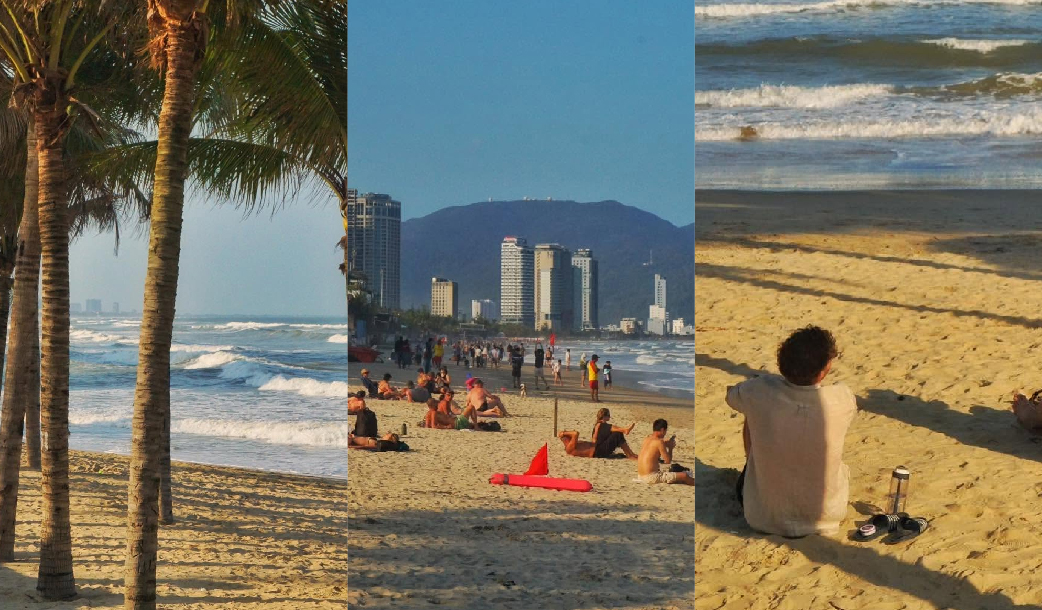
Planning a first trip to Vietnam usually starts with excitement and ends with a dozen open browser tabs. Between visa rules, regional weather patterns, transportation options, and cultural etiquette, there’s genuinely a lot to piece together — and a fair amount of outdated or conflicting advice floating around online doesn’t help.
This guide pulls everything into one place: the practical planning steps to sort out before you fly, how to think about timing and regional differences once you’re there, and the small mistakes that trip up even well-prepared travelers. Consider it the groundwork for a smoother, more confident trip.
Getting your visa sorted
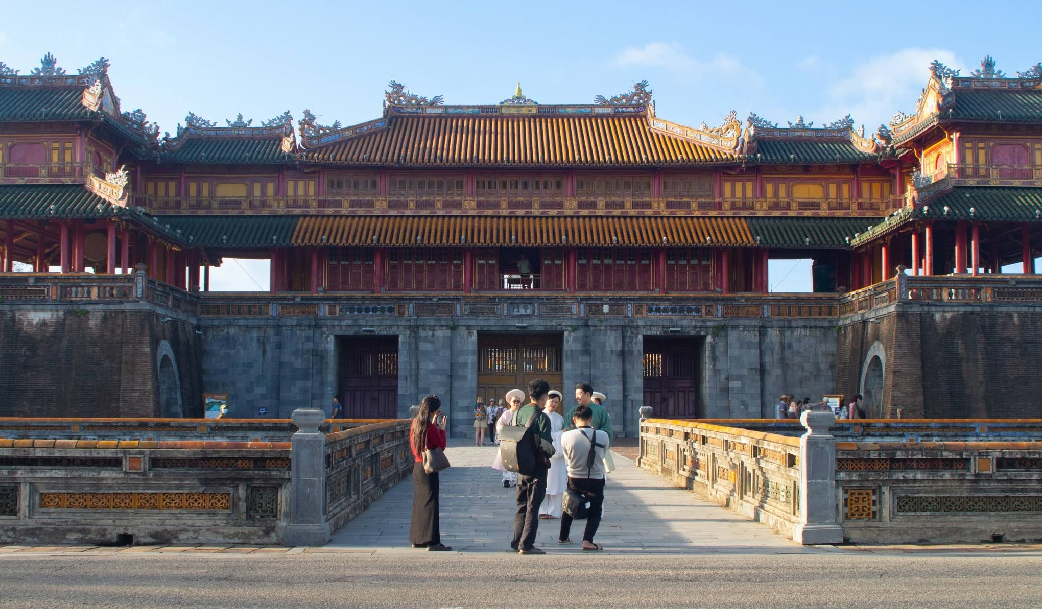
Vietnam’s entry requirements depend on your nationality, how long you’re staying, and which port of entry you’re using, so it’s worth confirming the specifics for your passport well ahead of travel rather than assuming a blanket rule applies.
Visa-free entry: Citizens of a number of countries can enter Vietnam without a visa for a set period, typically somewhere between 14 and 30 days depending on nationality. These exemptions do shift periodically and sometimes come with conditions, like proof of onward travel or a minimum passport validity, so check official Vietnamese government sources close to your travel date rather than relying on older blog posts.
E-visa: Vietnam’s online e-visa system covers most nationalities and generally processes within a few business days. You’ll need a digital passport photo and a completed application form, but it’s a more convenient route than visiting an embassy in person.
Visa on arrival: This option still exists, but it requires a pre-approval letter arranged in advance — meaning it functions similarly to an e-visa with an extra processing step at the airport. It typically costs more and takes longer at immigration than simply arranging an e-visa beforehand, so it’s rarely the more convenient choice.
Travel insurance: what to actually check for
Healthcare quality in Vietnam varies significantly between major cities and rural areas, which makes solid travel insurance more than a box-ticking exercise.
Medical coverage: Confirm your policy covers emergency medical evacuation to a major hospital in Ha Noi or Ho Chi Minh City, since smaller regional facilities may not have the equipment or specialists for more serious situations.
Activity-specific coverage: A number of popular Vietnam experiences — motorbike touring, cave exploration, water sports, multi-day trekking — fall outside what standard travel policies cover. If your itinerary includes the Ha Giang Loop, a Ha Long Bay cruise with water activities, or Sa Pa trekking, read the exclusions section of your policy carefully, or add supplemental coverage where needed.
Money: currency, cash, and cards
The Vietnamese dong (VND): Exchange rates generally sit somewhere in the 23,000–25,000 VND per US dollar range, though this fluctuates. Carry a stock of smaller notes for street food, local transport, and markets — many small vendors simply can’t break a large bill.
Cash vs. card: Hotels, restaurants, and attractions in major cities generally accept cards without issue. Rural areas, street food stalls, and local transport are a different story — cash is often the only option. ATMs are common in cities but sparse once you’re off the main tourist trail, so plan ahead with cash before heading into more remote regions.
Tipping: Tipping isn’t a traditional Vietnamese custom, but it’s increasingly appreciated in tourist-facing services. A modest tip (roughly 20,000–50,000 VND) for genuinely good service is a nice gesture — there’s no need to feel obligated, and there’s also no need to over-tip, which can create awkward expectations for other travelers down the line.
Best time to visit, region by region
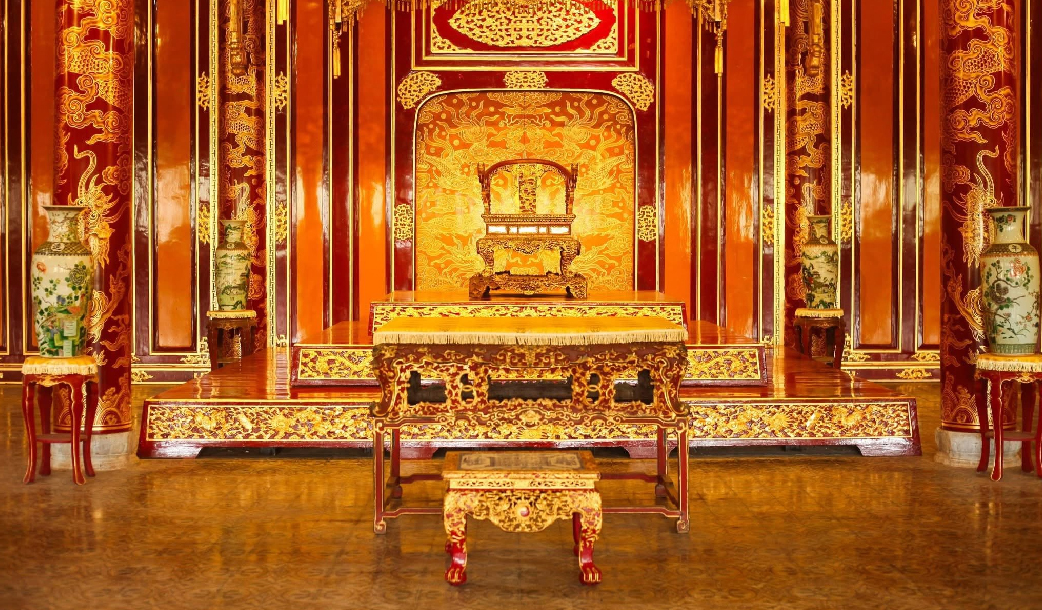
Vietnam’s north-to-south length means there’s no single “best time to visit” — the right timing depends heavily on which region you’re headed to.
Northern Vietnam (Ha Noi and surroundings)
The north experiences four distinct seasons, which meaningfully shapes when to go.
- October–December: Widely considered the best window — cool, dry air, temperatures around 15–25°C (59–77°F), and clear skies well suited to exploring Ha Noi, cruising Ha Long Bay, or trekking in Sa Pa.
- January–March: Cooler and occasionally misty, particularly in mountain areas like Sa Pa, where temperatures can dip close to freezing. Generally dry, though mist can obscure mountain views.
- April–September: Hot, humid, and prone to afternoon thunderstorms, with temperatures ranging 25–35°C (77–95°F). Landscapes are lush and crowds thinner, but outdoor plans need more flexibility.
Central Vietnam (Hue and Hoi An)
Central Vietnam runs on its own seasonal rhythm, distinct from both the north and south.
- February–August: The dry season, and generally the best window for exploring Hue’s imperial sites, Hoi An’s ancient town, and the region’s beaches, with warm but manageable temperatures (22–30°C / 72–86°F).
- September–January: The wet season, bringing heavier rainfall, occasional flooding, and rougher coastal conditions that can disrupt transportation and outdoor plans. Accommodation is cheaper and crowds thinner during this window, but it requires more flexible planning.
Southern Vietnam (Ho Chi Minh City and the Mekong Delta)
The south’s tropical climate stays fairly consistent year-round, though a wet and dry season still shape comfort levels.
- December–April: The dry season and generally the most comfortable stretch — lower humidity, minimal rain, and pleasant temperatures (24–32°C / 75–90°F) for exploring Ho Chi Minh City and the Mekong Delta.
- May–November: The wet season, though rainfall typically arrives in predictable afternoon bursts rather than all-day downpours, still leaving mornings and evenings open for activities.
Getting around Vietnam

Domestic flights: Vietnam Airlines, Jetstar, and VietJet connect Ha Noi, Ho Chi Minh City, Da Nang, and other major hubs frequently. Booking ahead typically saves meaningfully over last-minute fares, and it’s worth building some flexibility into your schedule around smaller regional airports (Phu Quoc, Hue, Hai Phong), which can see more weather-related delays than the major hubs.
Trains: The Reunification Express connects Ha Noi and Ho Chi Minh City over roughly 30+ hours, running through some genuinely scenic countryside along the way. It’s slow, but it offers a different, more immersive way to see the country than flying over it. Overnight sleeper trains combine transport and accommodation in one, though comfort varies noticeably between classes and operators — it’s worth booking a higher class for longer overnight journeys.
Buses: Tourist-oriented “open tour” bus companies offer hop-on, hop-off service between major destinations with reasonable comfort and English-speaking staff, at a higher price than local buses. Local buses are the cheapest option and offer a more authentic slice of daily life, but expect crowded conditions, language barriers, and less direct routes.
Motorbike rental: Renting a motorbike offers real independence, particularly for exploring northern Vietnam’s mountains, rice terraces, and ethnic minority villages. That said, mountain roads can be genuinely challenging for inexperienced riders, especially in wet weather. Vietnamese law requires an International Driving Permit with a motorcycle endorsement to legally ride anything over 50cc, and many standard travel insurance policies exclude motorbike accidents — both are worth sorting out before you consider self-driving.
Cultural etiquette worth knowing
At temples and pagodas: Dress conservatively — shoulders, legs, and midriffs covered — and remove your shoes before entering the main temple areas. Photography is usually fine in public areas but often restricted near altars or during active ceremonies, so watch for posted signs and ask if you’re unsure. If you interact with monks or temple caretakers, respectful questions are generally welcomed, though it’s best to maintain some physical distance and avoid initiating contact.
Everyday greetings: A simple spoken greeting — “Xin chào” — paired with a smile and a nod covers most everyday situations. Handshakes are common and comfortable in business and tourist contexts, particularly in cities. Following the lead of the person you’re greeting is usually the safest approach if you’re ever unsure.
“Face” and public composure: Vietnamese culture places real value on maintaining dignity and avoiding public embarrassment, for yourself and others. Speaking calmly, steering clear of confrontation, and giving people a graceful way out of an awkward situation all go a long way — raising your voice or pushing a disagreement in public tends to backfire rather than resolve anything faster.
Eating well and safely
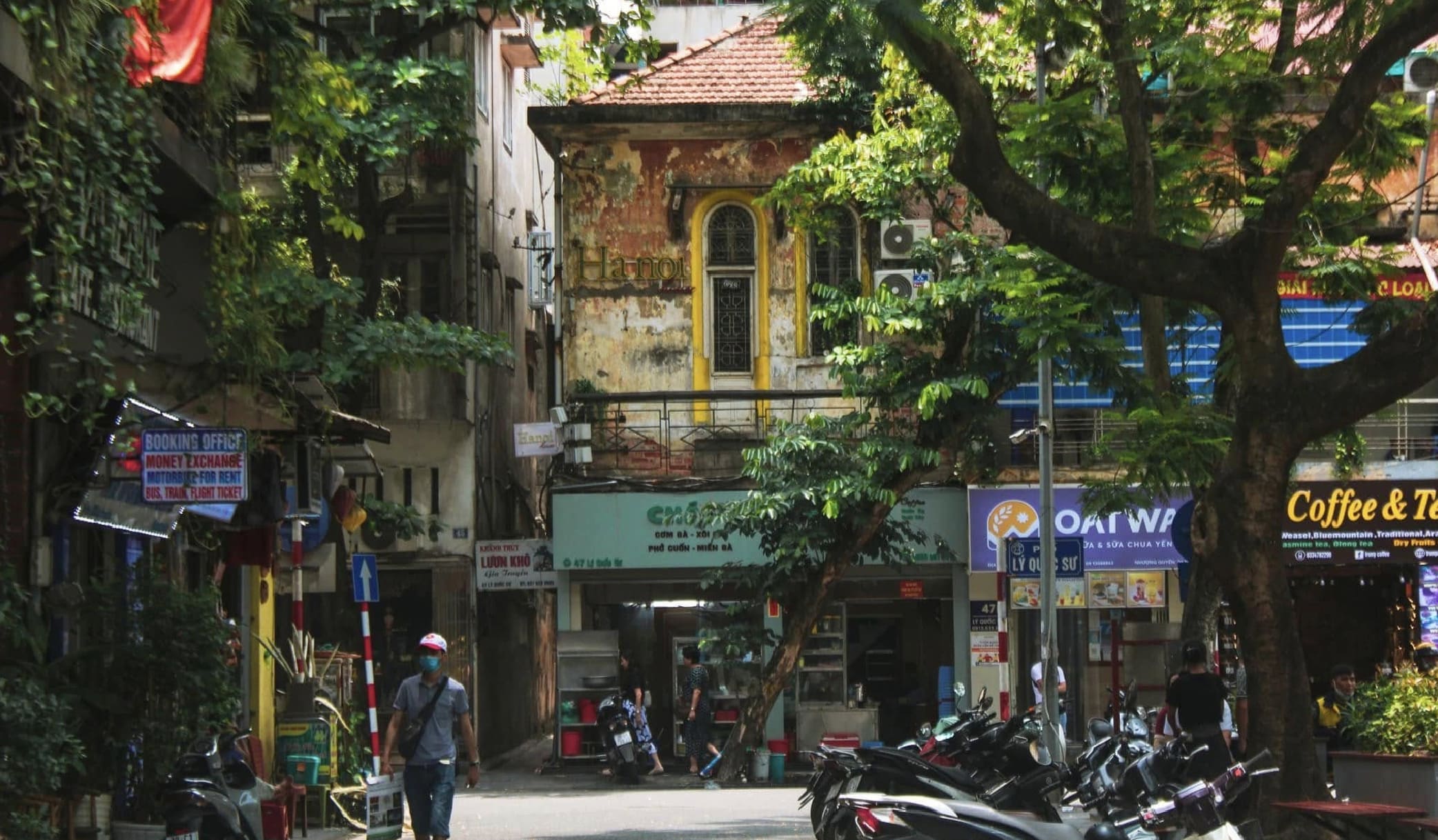
Finding good street food: Look for stalls with a steady stream of local customers, food that’s visibly being cooked to order rather than sitting out, and general cleanliness around the preparation area. If locals are eating there, that’s usually a good sign.
Ordering and paying: Many stalls run on minimal English, so pointing, a few basic Vietnamese words, or a translation app all help. Payment typically happens after you’ve eaten, and at some tourist-oriented spots, prices can be a little more flexible than they first appear.
Dietary restrictions: Communicating allergies or dietary needs can be tricky across a language barrier. Carrying a short written translation of your restrictions in Vietnamese is a simple, effective workaround.
Restaurant dining: Vietnamese meals are often shared — multiple dishes placed in the center of the table rather than individual plates. Watching how your table companions eat and following their lead is the easiest way to navigate unfamiliar serving customs. Upscale restaurants in major cities, by contrast, tend to run closer to international dining norms, often with English-speaking staff.
How the regions actually differ
Ha Noi vs. Ho Chi Minh City: Ha Noi carries a slower pace and a stronger connection to traditional culture, with four distinct seasons shaping the city’s rhythm throughout the year. Ho Chi Minh City runs faster and more internationally influenced, with a steadier tropical climate year-round. Vietnamese is spoken nationwide, but accents, vocabulary, and English proficiency shift somewhat between the two.
Traveling with family: Ha Noi and Ha Long Bay offer strong cultural and scenic experiences for families, though cooler weather in the north (especially October–March) is worth planning around with the right layers. Hue and Hoi An offer walkable historical sites that tend to hold kids’ attention well, thanks to genuinely engaging imperial history. Ho Chi Minh City and the south generally offer more familiar amenities and international dining options, which can ease the adjustment for families traveling with younger children.
Higher-end travel: Vietnam’s luxury hospitality scene has grown substantially, with international-standard hotels in Ha Noi and Ho Chi Minh City, premium Ha Long Bay cruise operators offering private cabins and curated excursions, and an increasing number of private guide and driver services that add real convenience for travelers who’d rather skip the logistics of public transport and group tours.
Common first-time mistakes worth avoiding
Overpacking the itinerary: Vietnam stretches over 1,000 miles from north to south, and the travel time between distant regions adds up quickly. Trying to fit too many destinations into too short a trip tends to result in exhaustion rather than the immersive experience most travelers are actually after — better to see fewer places properly than rush through a long list.
Misjudging bargaining norms: Bargaining applies at markets, with street food vendors, and for unmetered transport — but not at hotels, restaurants with posted menus, or professional services, which generally run on fixed pricing. Some tourist-facing vendors quote inflated opening prices expecting negotiation; others simply charge a fair, fixed rate. Learning to tell the difference avoids both overpaying and unnecessary friction.
Underestimating regional weather differences: Assuming Vietnam has one climate is a common and costly mistake — packing for Ho Chi Minh City’s tropical heat won’t prepare you for a cool, misty morning in Sa Pa, and vice versa. Weather also directly affects specific activities: Ha Long Bay cruises, Sa Pa treks, and Mekong Delta boat trips can all be disrupted by seasonal conditions, so build a little flexibility into weather-dependent plans.
What to pack

Clothing for multiple climates: If your route includes the north between October and March, pack layers — cool mornings can give way to warmer afternoons. Lightweight, breathable, quick-drying fabrics work best for Vietnam’s generally hot and humid conditions elsewhere, and conservative options (covering shoulders and knees) come in handy for temple visits.
Power and connectivity: Vietnam runs on 220V/50Hz power, primarily using Type A and Type C plugs, with many modern hotels offering hybrid sockets that accept both — a universal adapter is still the safest bet given some regional and hotel-by-hotel variation. A portable charger is worth having for long sightseeing days.
Translation help: A translation app or a basic phrasebook smooths over the moments English doesn’t quite reach — ordering food, catching a taxi, or handling an unexpected situation.
Health basics: Pack any personal medication you rely on, along with insect repellent and sunscreen, since sourcing specific brands or formulations locally isn’t always straightforward.
Staying connected
Wi-Fi: Major cities offer widespread Wi-Fi at hotels, restaurants, and cafes, though speed and reliability vary by provider and location. Once you’re in more remote areas — mountain regions, some islands — connectivity becomes noticeably less reliable.
Local SIM cards: A Vietnamese SIM or eSIM is generally more reliable and cost-effective than international roaming. Major carriers offer tourist data packages, commonly available at airports and phone shops, and by law require passport registration at the point of sale — a straightforward process, though it’s worth having your passport on hand.
Bringing it all together
None of this needs to feel overwhelming once it’s broken down. Vietnam’s regional differences, seasonal patterns, and cultural nuances aren’t obstacles to work around — they’re a meaningful part of what makes the country worth visiting in the first place. A little preparation on the practical side (visas, insurance, timing, packing) frees you up to actually engage with the parts of the trip that matter: the food, the landscapes, the people, and the unexpected moments that rarely show up in a planning guide.
Approach the trip with some flexibility built in, a genuine curiosity about local customs, and realistic expectations about distances and timing, and Vietnam tends to reward that preparation many times over.