
Timing a trip around a Vietnamese festival can turn an already good itinerary into something genuinely memorable. Most of Vietnam’s traditional celebrations follow the lunar calendar and blend indigenous beliefs, Buddhist practice, and Confucian values built up over centuries — which means dates shift year to year, but the celebrations themselves carry a depth that’s hard to manufacture. This guide walks through the festivals worth knowing about, region by region, along with the practical details for planning around them.
How Vietnam’s festival calendar works
Most traditional Vietnamese festivals run on the lunar calendar rather than the Western one, so exact dates move annually. This timing generally aligns with agricultural cycles and astronomical events that hold spiritual significance, which is why so many festivals cluster around the same handful of dates — full moons, harvest time, and the turn of the lunar new year. When planning a trip around a specific festival, always check that year’s exact date rather than assuming it falls on the same Western calendar date as the year before.
Vietnam’s three biggest national celebrations
Tet: Vietnamese New Year
Tet Nguyen Dan is, without question, Vietnam’s most important celebration, marking the lunar new year and the arrival of spring. The weeks leading up to it are almost as significant as the holiday itself — families deep-clean their homes, buy new clothes, and prepare traditional foods like banh chung (a savory sticky rice cake), while markets fill with flowering peach and kumquat branches that signal the season.
The first three days of Tet center on family: visiting relatives, paying respects at ancestral graves, and observing customs believed to set the tone for the year ahead. It’s genuinely one of the most meaningful times to be in Vietnam, but it comes with real logistical trade-offs — many businesses close, and transportation gets significantly more crowded as the entire country travels home for the holiday. Booking well ahead and building flexibility into your itinerary is essential if your trip overlaps with Tet.
Mid-Autumn Festival
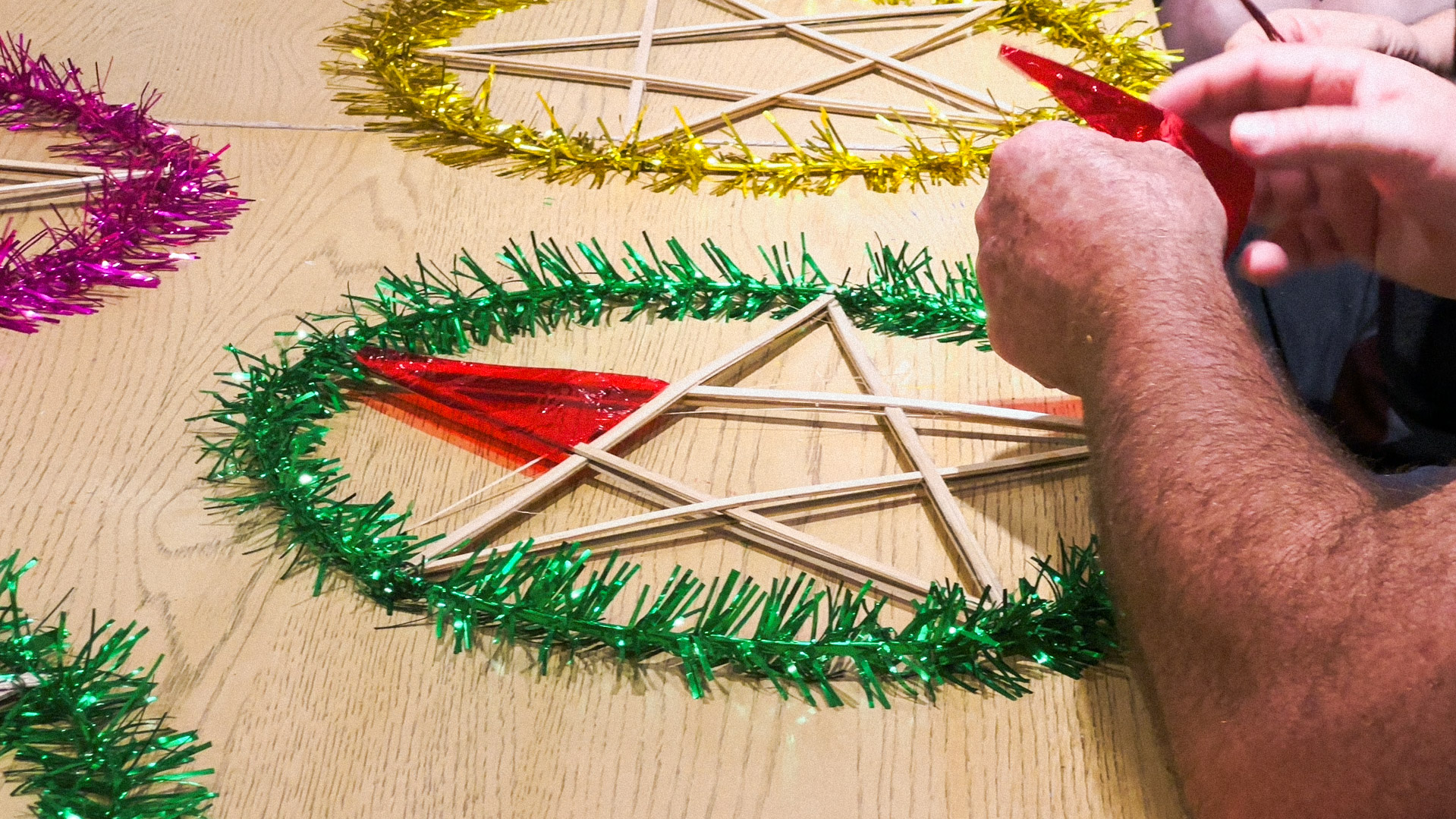
Falling on the full moon in September or October, the Mid-Autumn Festival centers on children, family, and gratitude for the harvest. Streets fill with children carrying colorful lanterns, while families exchange mooncakes — round pastries filled with lotus seed paste, mung bean, or salted egg yolk, symbolizing family completeness. Many communities also stage dragon and lion dances, turning public squares into genuine spectacle. Hoi An’s Ancient Town is one of the most atmospheric places to experience it, given the town’s existing lantern culture.
National Day (September 2nd)
National Day commemorates Ho Chi Minh’s 1945 declaration of independence at Ba Dinh Square in Ha Noi. Ha Noi hosts the largest official commemorations, particularly in milestone anniversary years, while cities and towns nationwide mark the day with fireworks and public celebrations. For the full history behind the date, it’s worth reading up separately — but as a traveler, expect a genuinely festive, flag-lined atmosphere nationwide, along with the usual holiday considerations around closures and higher demand for accommodation.
Festivals in northern Vietnam
Dong Da Hill Festival (Ha Noi): Held during the Tet season, this festival commemorates Emperor Quang Trung’s 1789 victory over Chinese forces, with historical reenactments and traditional games that bring an important chapter of Vietnamese history to life.
Temple of Literature Festival (Ha Noi): Held twice yearly, in spring and autumn, this celebration honors Vietnam’s Confucian education tradition, featuring calligraphy demonstrations and ceremonies tied to Vietnamese scholarly heritage.
Old Quarter street festivals (Ha Noi): Throughout the year, Ha Noi’s historic Old Quarter hosts craft fairs and street celebrations that turn its ancient streets into an ongoing, informal festival calendar worth checking for during any Ha Noi visit.
Bai Chay Festival (Ha Long Bay): A summer celebration of local fishing traditions, featuring boat races and seafood festivities staged partly on the water — a distinctly maritime counterpart to Vietnam’s more inland festival traditions.
Sa Pa Love Market: A traditional Saturday-night gathering historically used by young people from the region’s ethnic minority communities for courtship and cultural exchange. Modern tourism has changed the tradition considerably, but it remains a genuinely interesting window into highland cultural practices, alongside separate New Year celebrations that several ethnic minority groups observe on their own calendars throughout the year.
Festivals in central Vietnam
Hue Festival: Historically a biennial, week-long celebration of Nguyen Dynasty court culture, the Hue Festival has evolved into a year-round, four-season program as of 2026, spreading royal ceremonies, international arts performances, and traditional craft demonstrations across the calendar rather than compressing them into a single week. Spring programming (January–March) leans into royal ritual reenactments, including the Ban Soc ceremony marking the old imperial calendar, while summer brings the festival’s most elaborate international performances. If a single marquee week matters to your planning, check that year’s schedule specifically, since the format and headline dates shift from year to year.
Hoi An Lantern Festival: Held every full moon, this is one of the most accessible cultural experiences in the country for travelers — Hoi An’s Ancient Town shuts off electric lighting for a few hours each lantern festival night, leaving the streets lit entirely by traditional silk lanterns. Locals and visitors alike float small paper lanterns down the Thu Bon River while making wishes, and the atmosphere is genuinely magical rather than staged for tourists. Because it happens monthly, it’s one of the easiest festival experiences to build into almost any Hoi An visit.
My Son cultural festivals: The Cham temple ruins at My Son occasionally host festivals celebrating Cham heritage and Hindu-influenced traditions that shaped this part of Vietnam before Vietnamese southward expansion. These events are less frequent and more niche than Hue’s or Hoi An’s festivals, but worth checking for if Cham history interests you.
Festivals in southern Vietnam
Nguyen Hue Flower Street Festival (Ho Chi Minh City): During Tet, the city’s main pedestrian street transforms into an elaborate flower display, drawing enormous crowds and offering one of the most visually striking Tet experiences in the country.
Ok Om Bok Festival (Mekong Delta): A Khmer cultural celebration honoring the moon, water, and rice harvest, featuring boat races and traditional performances — a strong reminder of the Mekong Delta’s distinct ethnic and cultural makeup within southern Vietnam.
Rice harvest festivals (Mekong Delta): Various Delta communities hold their own harvest celebrations, featuring traditional games and community feasts that reflect the region’s deep agricultural identity.
Floating market festivals (Mekong Delta): Some floating markets, including those near Can Tho, host special celebrations during lunar festivals, layering festivity on top of the markets’ usual early-morning trading activity.
Dinh Cau Festival (Phu Quoc): Held to honor the sea spirit believed to protect local fishermen, this island celebration includes traditional ceremonies and community gatherings that reflect Phu Quoc’s maritime heritage, alongside occasional seafood-focused festivals celebrating the island’s fishing industry more broadly.
Best time to visit for festival travel, by region
- Northern Vietnam: October through December offers the most comfortable weather for outdoor festival participation, and this window includes several notable Buddhist and agricultural celebrations.
- Central Vietnam: February through August is the region’s dry season and the more comfortable window for festival travel, avoiding the heavier rains that arrive from September.
- Southern Vietnam: December through April brings lower humidity and minimal rainfall, making it the most comfortable stretch for outdoor festivals and city-based celebrations.
Practical considerations for festival travel
Transportation: Major festivals, especially Tet, significantly increase domestic travel demand and can mean modified transportation schedules, road closures for celebrations, and generally heavier traffic in festival cities. Building extra time into transfers around major festival dates is a sensible precaution.
Accommodation: Prices rise and availability tightens around major festivals, particularly Tet and any milestone-year events like a mega-format Hue Festival week. Booking well ahead, rather than assuming you can arrange something on arrival, matters more here than during a typical trip.
Business closures: Many businesses, including some restaurants and shops, close for at least part of Tet, and some regional festivals bring temporary local closures as well. It’s worth checking ahead if a specific business or restaurant is central to your plans.
Festival etiquette for travelers
Dress modestly, particularly at religious ceremonies or temple-based festival events, where the same shoulders-and-knees guidance that applies to everyday temple visits carries extra weight during an active ceremony.
Ask before photographing, especially during spiritual ceremonies, family gatherings, or moments that feel personal rather than performative. Many festival elements are genuinely open to respectful visitor photography, but not all of them, and asking first is always the safer approach.
Participate where invited, observe where not. Many festivals welcome visitor participation in games, craft activities, or communal meals, and jumping in respectfully tends to be well received. Where participation isn’t clearly invited, observing quietly is the better default.
Approach it as someone else’s tradition, not a show staged for you. Vietnamese festivals exist first for the communities that hold them, with visitor access as a welcome secondary layer rather than the primary purpose — a distinction that shapes how enjoyable and respectful the experience feels on both sides.
FAQ
What is the most important festival in Vietnam? Tet (Vietnamese New Year) is by far the most significant, involving weeks of preparation and the country’s largest annual travel surge as families reunite.
Do Vietnamese festival dates change every year? Yes — most traditional festivals follow the lunar calendar, so their Western calendar dates shift annually. Always check the specific year’s date before planning travel around one.
Is it worth visiting Vietnam during Tet? It can be a genuinely special time to visit, with a uniquely festive atmosphere nationwide, but it also comes with real logistical challenges: closed businesses, crowded transportation, and higher accommodation prices. Plan well ahead if your trip overlaps with it.
What’s the easiest Vietnamese festival for a traveler to experience? Hoi An’s monthly Lantern Festival is one of the most accessible — it happens every full moon, requires no special planning beyond checking the date, and offers a genuinely atmospheric, low-key cultural experience.
Are visitors welcome at Vietnamese festivals? Generally yes, with respectful behavior and appropriate dress. Some smaller or more spiritually significant ceremonies may have more limited visitor access, so it’s worth checking specifics for any festival that’s a primary reason for your trip.
Planning a festival-timed trip to Vietnam
Vietnam’s festival calendar offers a genuinely different way to experience the country — not just its landmarks, but the living traditions, family customs, and community celebrations that shape everyday Vietnamese life. Whether that means catching a Hoi An full moon, timing a Hue visit around the festival’s seasonal programming, or simply being present for the flag-lined energy of National Day, building a festival into your itinerary adds a layer of cultural depth that’s hard to get any other way.





