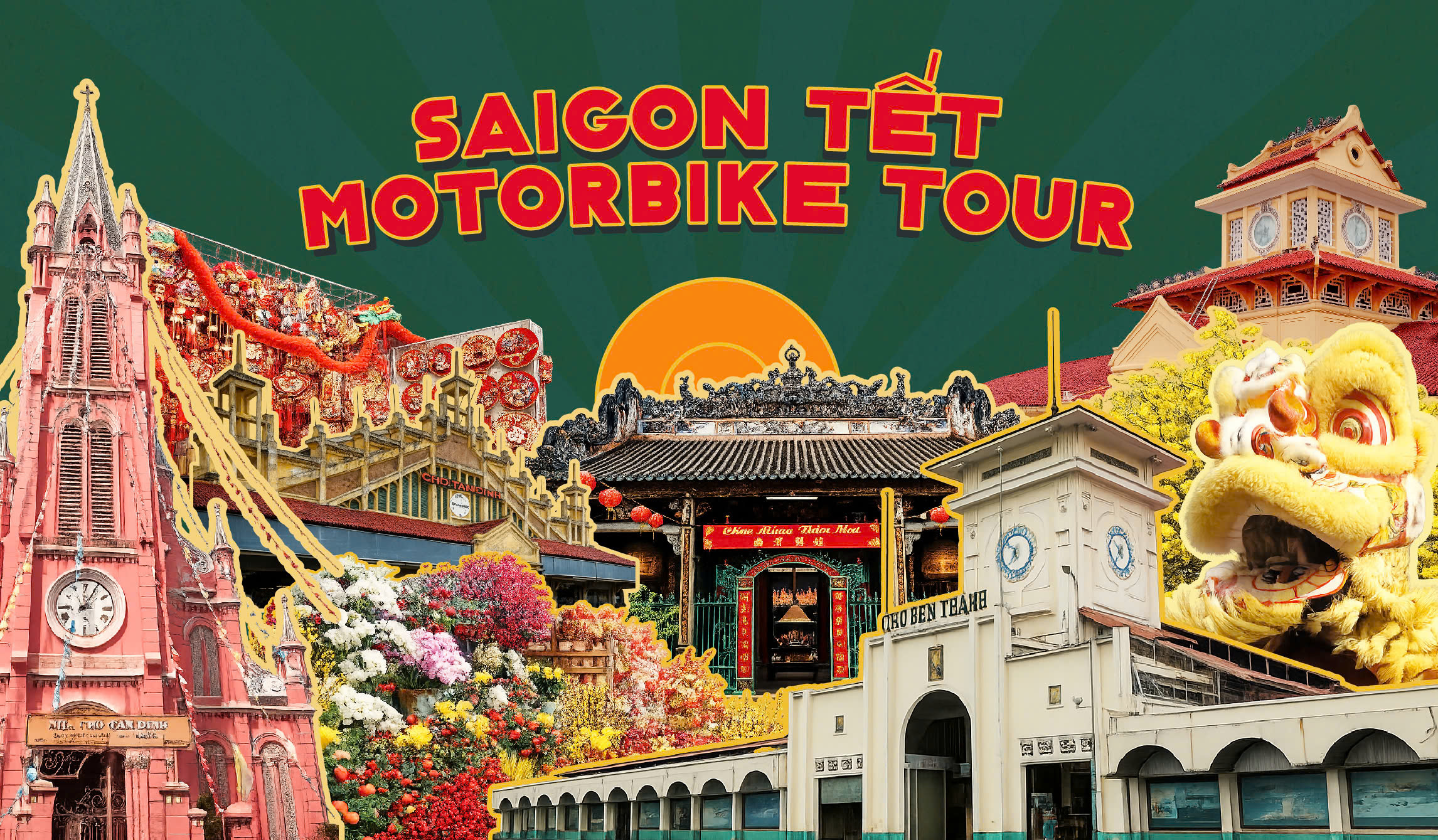
 The lunar new year, known locally as Tet, is the most important celebration in Vietnam. It is not simply a holiday marked by fireworks or time off work. Tet represents renewal, gratitude, family connection, and hope for the year ahead. Every activity during this period carries meaning, shaped by centuries of tradition and cultural values.
Unlike many festivals that focus on public events, traditional lunar new year activities begin quietly, inside homes and hearts. Preparation is as important as celebration. The days leading up to Tet are filled with rituals that cleanse the past year and welcome a fresh beginning.
To understand Tet is to understand how Vietnamese people view family, time, and balance in life.
Preparing for the lunar new year
Preparation for Tet often begins weeks in advance. Homes are cleaned thoroughly, not just to remove dust, but to symbolically clear away bad luck and unfinished energy from the old year. This cleaning is done carefully and intentionally, as it represents starting the new year with a clean slate.
Families repair household items, repaint walls, and replace broken objects. These actions reflect a belief that entering the new year with damaged or neglected belongings invites misfortune.
New clothes are purchased for Tet, especially for children. Wearing new clothing symbolizes renewal, growth, and positive beginnings. For many families, this is one of the few times each year when everyone wears something new at the same time.
Visiting markets and choosing symbolic items
Markets take on a special atmosphere in the days before the lunar new year. People are not only shopping for food but selecting items rich in symbolism.
Flowers play a central role. In northern Vietnam, peach blossoms represent luck and vitality, while in the south, yellow apricot blossoms symbolize prosperity and happiness. Kumquat trees, heavy with fruit, are displayed in homes to represent abundance and good fortune.
Food shopping is equally meaningful. Ingredients are chosen carefully, often from trusted vendors, as meals prepared during Tet are believed to influence the coming year. Markets become places of connection, tradition, and shared anticipation.
Ancestor worship and family altars
One of the most important traditional lunar new year activities is honoring ancestors. Vietnamese families believe that during Tet, ancestors return home to celebrate with their descendants.
Homes usually have an altar dedicated to ancestors, which is cleaned and decorated before Tet. Offerings of fruit, incense, flowers, and traditional foods are placed on the altar as a sign of respect and gratitude.
This ritual reflects the deep-rooted belief that family extends beyond the living. Honoring ancestors is a way of acknowledging the past while asking for guidance and protection in the future.
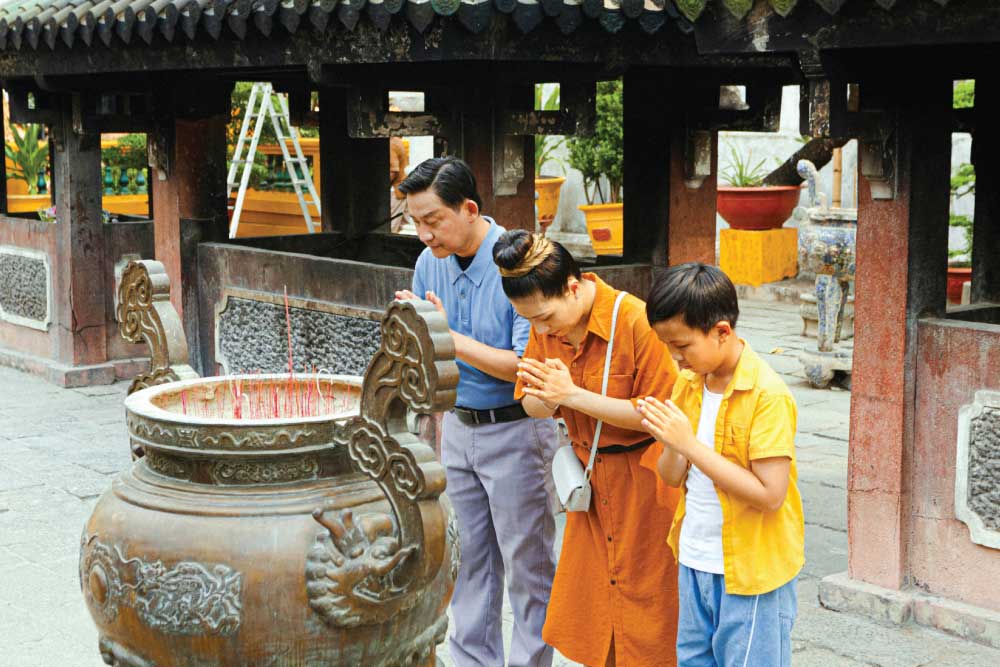
During Tet, family members gather to light incense, bow respectfully, and express wishes for health, harmony, and success.
The reunion meal and family gathering
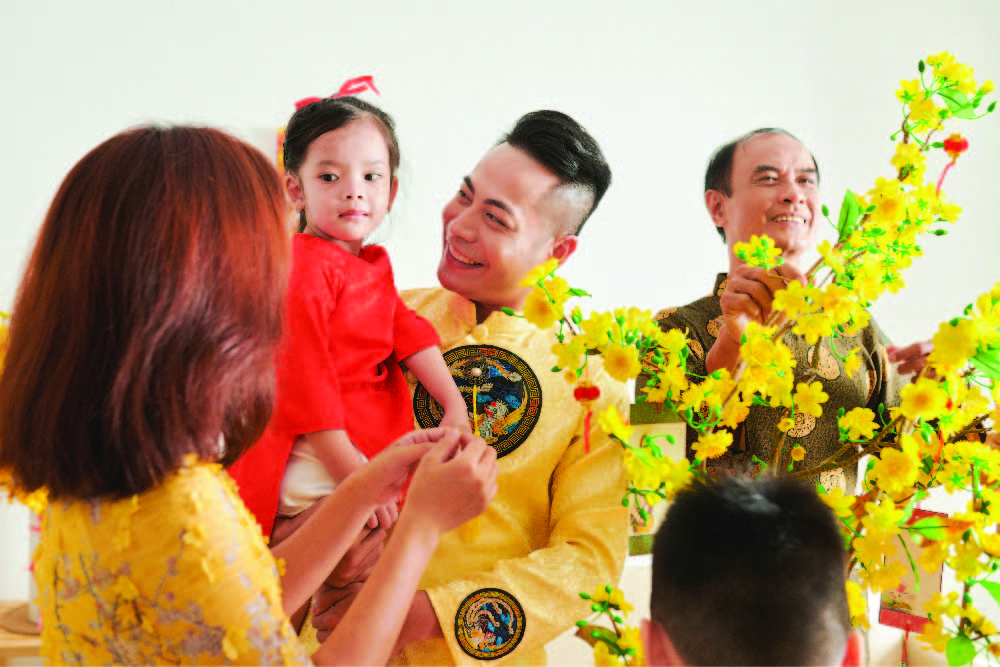
Family reunion is at the heart of Tet. Regardless of distance or busy schedules, people make great efforts to return home for the lunar new year.
The reunion meal, often held on New Year’s Eve, is a deeply emotional moment. Generations sit together, sharing food that has been prepared with care and tradition. This meal symbolizes unity and continuity.
Conversations during this time often reflect on the past year, lessons learned, and hopes for the future. While laughter fills the room, there is also a quiet respect for the significance of being together.
For many Vietnamese people, this gathering is the most meaningful part of the entire celebration.
Welcoming the new year at midnight
As midnight approaches, families prepare to transition from the old year to the new. This moment is believed to carry powerful energy, making it one of the most spiritually important times of Tet.
Some families perform rituals at home, offering incense and prayers. Others visit temples or pagodas to welcome the new year in a sacred space. The act of stepping into the new year is done with intention, mindfulness, and hope.
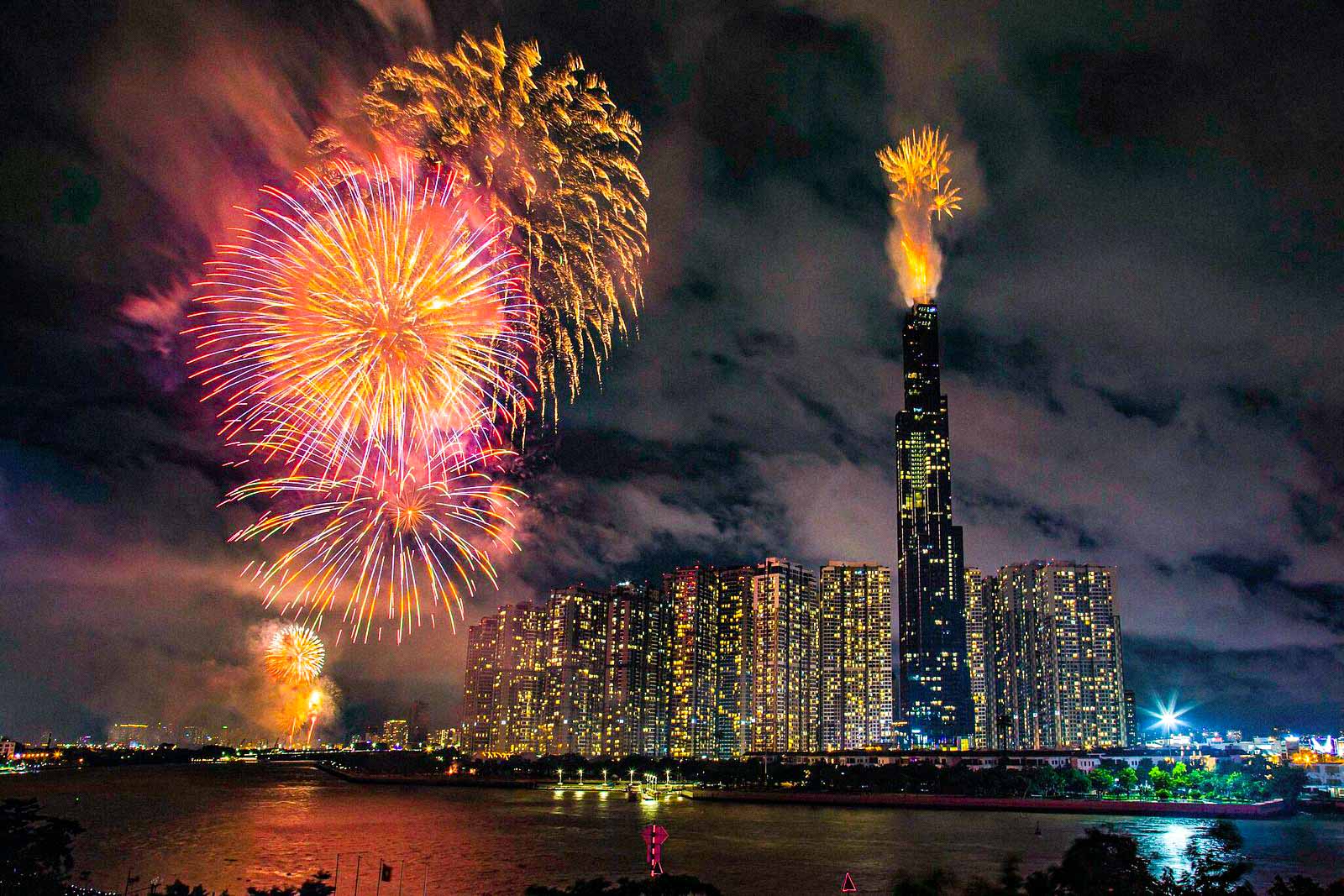
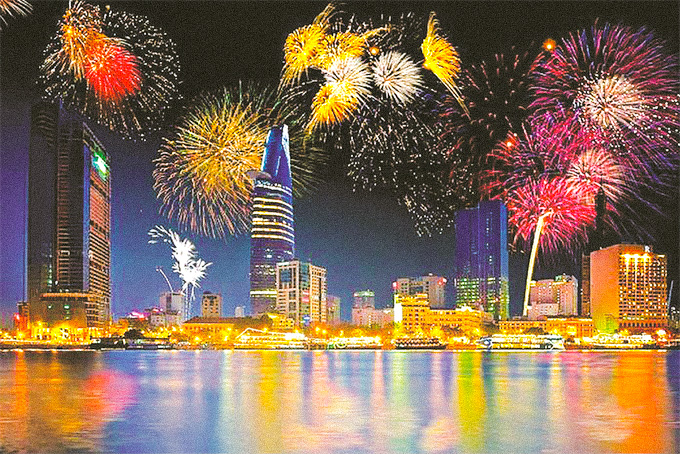
Fireworks, where permitted, symbolize the driving away of negative energy and the welcoming of luck and prosperity. Even in quieter areas, the sense of transition is deeply felt.
First visitor of the new year
One unique traditional lunar new year activity is the belief in the first visitor of the year. The first person to enter a home after midnight is thought to influence the family’s fortune for the coming year.
Because of this, families may carefully choose who enters first, selecting someone believed to be kind, successful, or compatible with the household’s hopes. In some cases, a family member steps outside briefly and re-enters the home to ensure positive energy.
This custom reflects the importance placed on harmony, relationships, and intention at the beginning of the year.
Giving lucky money
Giving lucky money, often placed in red envelopes, is one of the most recognizable Tet traditions. These envelopes are typically given to children, elderly family members, and sometimes employees or service workers.
The money itself is symbolic rather than substantial. It represents blessings, good luck, and wishes for growth and success. Red envelopes symbolize happiness and protection from bad spirits.
Children receive lucky money with excitement, while adults view the act of giving as a way to pass on good fortune and express care.
Visiting relatives and paying respects
In the days following New Year’s Day, families visit relatives, neighbors, and close friends. These visits are structured and respectful, often following traditional orders such as visiting the husband’s family first or honoring elders before peers.
During visits, guests bring small gifts, exchange good wishes, and share food and tea. Conversations focus on health, happiness, and positive plans rather than past difficulties.
These visits strengthen family bonds and reinforce community connections that extend beyond immediate households.
Temple visits and spiritual reflection
Temples and pagodas become especially busy during the lunar new year. People visit to pray for peace, health, and prosperity.
Lighting incense, making offerings, and seeking blessings from monks are common practices. Some people also request calligraphy or symbolic charms to display at home throughout the year.
These visits provide a moment of reflection and calm amid celebrations, reminding people of balance between material success and spiritual well-being.
The meaning behind traditional lunar new year activities
Each activity during Tet carries symbolic meaning. Cleaning represents renewal. Family meals represent unity. Ancestor worship reflects gratitude. Visiting others strengthens relationships.
Together, these traditions create a celebration that is deeply personal and collective at the same time. Tet is not about spectacle alone, but about values passed from one generation to the next.
This is why traditional lunar new year activities remain meaningful even as modern life changes.
Traditional lunar new year foods and their meanings
Food plays a central role in traditional lunar new year activities. Each dish prepared for Tet carries symbolic meaning, reflecting wishes for prosperity, unity, and good fortune.
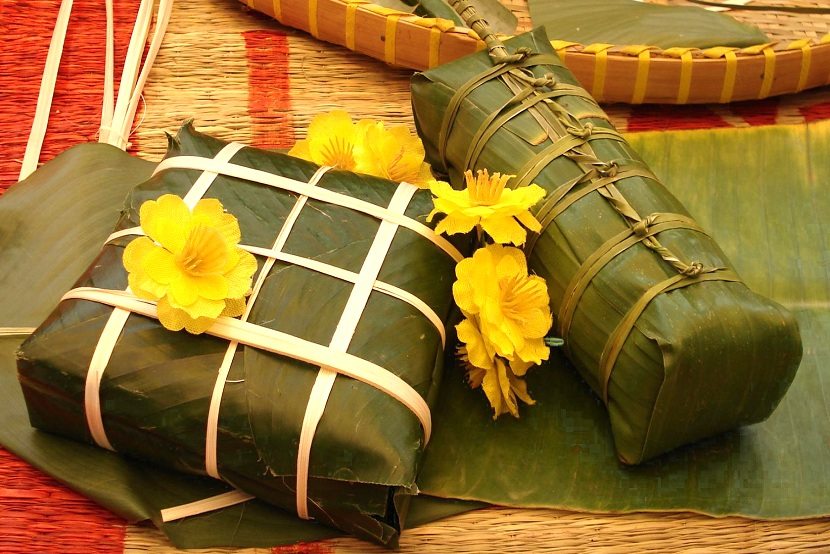
One of the most important foods is sticky rice cake, which represents gratitude to ancestors and the earth. In northern Vietnam, this takes the form of square cakes, while in the south, cylindrical versions are more common. The slow preparation process itself is meaningful, often involving family members working together late into the night.
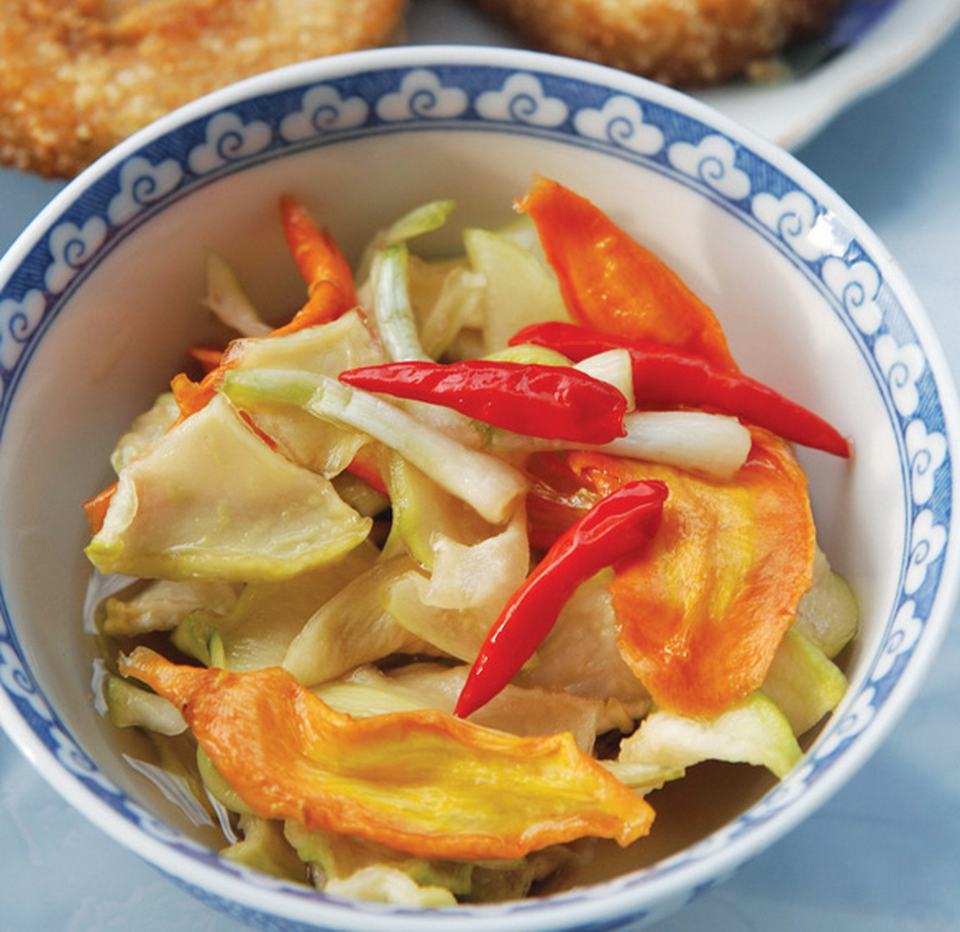
Pickled vegetables are another essential part of the Tet meal. They balance rich dishes and symbolize harmony in life. Their slightly sour taste reminds people that balance is necessary for long-term happiness.
Braised dishes cooked slowly over many hours are also common during Tet. These meals are prepared in advance so families can spend the first days of the new year resting and visiting loved ones rather than cooking. This reflects the belief that the new year should begin calmly and joyfully.
Sweet snacks, candied fruits, and seeds are placed on tables to welcome guests. Their colors and flavors symbolize abundance, sweetness in life, and ongoing growth.
Traditional taboos during the lunar new year
Just as there are many activities to encourage good fortune, there are also taboos meant to avoid bad luck during Tet. These customs are taken seriously, especially in traditional households.
Cleaning during the first days of the new year is often avoided, as it is believed to sweep away good luck. For this reason, most cleaning is completed before Tet begins.
Arguments and negative language are discouraged. People make an effort to remain calm, speak kindly, and avoid conflict, believing that the emotional tone of the first days will shape the year ahead.
Breaking objects such as bowls or glasses is considered unlucky, as it symbolizes loss or separation. Carefulness and mindfulness are emphasized throughout the holiday.
Borrowing or lending money during Tet is also often avoided, as it is believed to invite financial difficulties in the coming year.
How modern life has changed Tet celebrations
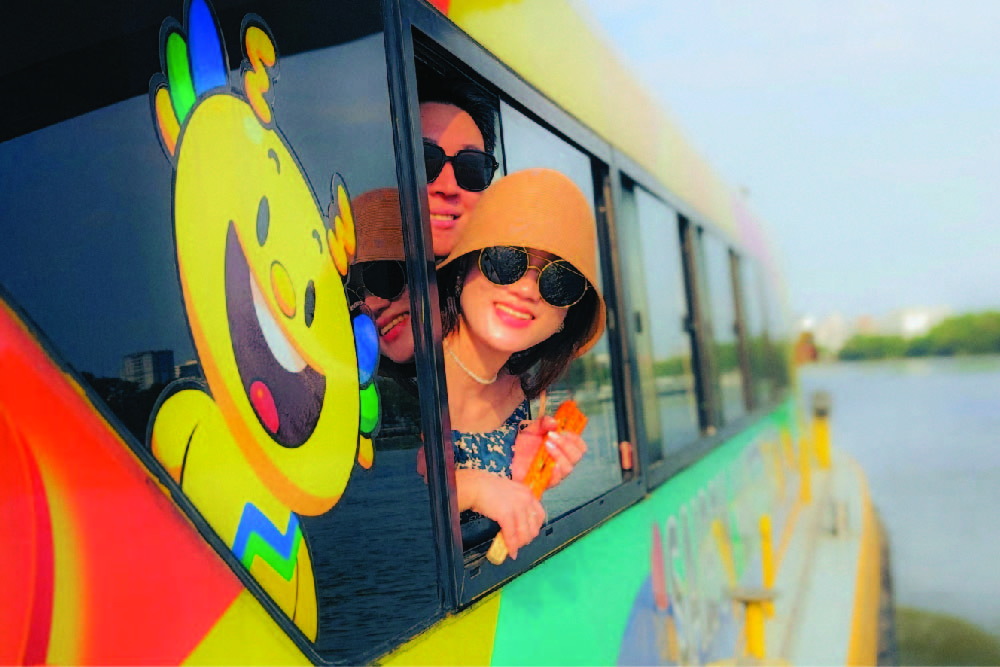
While traditional lunar new year activities remain deeply rooted in Vietnamese culture, modern life has introduced changes. Urban families may simplify rituals, shorten visits, or celebrate with smaller gatherings due to work schedules and travel constraints.
Technology has reshaped communication during Tet. Digital messages and online calls now complement in-person visits, especially for family members living abroad. However, the emotional intention behind these greetings remains the same.
Public celebrations have also grown in scale. Fireworks displays, flower streets, and cultural performances attract both locals and visitors. These events add a modern layer to Tet while preserving its festive spirit.
Despite these changes, the core values of Tet — family, gratitude, and renewal — remain unchanged.
Traditional lunar new year activities across generations
One of the most beautiful aspects of Tet is how it connects generations. Elders pass down customs, stories, and values to younger family members, ensuring cultural continuity.
Children learn through observation and participation. From helping prepare food to receiving lucky money respectfully, these moments shape their understanding of family and tradition.
For older generations, Tet is a time of reflection. Memories of past celebrations blend with hopes for the future, reinforcing a sense of belonging and purpose.
This intergenerational exchange is what keeps traditional lunar new year activities alive, even as society evolves.
Tet as a time of rest and reflection
Unlike many holidays focused on entertainment or travel, Tet encourages rest. Businesses close, schedules slow, and people are encouraged to stay present with family.
This pause offers a rare opportunity for reflection. People review the past year, acknowledge challenges, and set intentions for the future. Many write down wishes or silently commit to personal goals.
In this way, Tet functions as both a cultural and emotional reset, allowing individuals and families to move forward with clarity and balance.
What travelers should know about Tet
For travelers, experiencing Tet can be deeply rewarding, but it requires preparation and understanding.
Transportation becomes busier before the holiday, as people return to their hometowns. Booking flights, trains, and accommodation early is essential.
During the first days of Tet, many shops and restaurants close or operate on limited schedules, especially outside major tourist areas. However, this also offers a rare chance to see cities quieter than usual.
Visitors are often welcomed warmly if they show respect for local customs. Accepting lucky money with both hands, dressing modestly when visiting temples, and greeting elders politely are appreciated gestures.
Understanding traditional lunar new year activities allows travelers to experience Tet not as outsiders, but as respectful observers.
Tet and regional differences
While Tet is celebrated nationwide, regional variations add richness to the experience. Food preferences, decorations, and customs differ between northern, central, and southern Vietnam.
Northern traditions tend to emphasize formality and ancestral rituals, while southern celebrations often feel more relaxed and outwardly festive. Central regions balance both influences, maintaining strong ceremonial practices.
These differences reflect Vietnam’s cultural diversity and make Tet a uniquely layered celebration across the country.
Why traditional lunar new year activities still matter
In a rapidly changing world, Tet remains a powerful anchor. Traditional lunar new year activities remind people of their roots, responsibilities, and connections to others.
They encourage gratitude toward the past, mindfulness in the present, and optimism for the future. These values resonate beyond cultural boundaries, making Tet meaningful even to those experiencing it for the first time.
This is why, despite modernization, Tet continues to be the most cherished time of the year in Vietnam.
Frequently asked questions about traditional lunar new year activities
What is the most important activity during the lunar new year?
Family reunion and honoring ancestors are considered the most important activities during Tet, as they reflect gratitude, unity, and respect.
How long do lunar new year celebrations last?
Official celebrations usually last three days, but preparations and visits can extend over one to two weeks.
Is it appropriate for visitors to participate in Tet activities?
Yes, visitors are generally welcome to observe and participate respectfully, especially when invited by local families.
Why is lucky money given during Tet?
Lucky money symbolizes blessings, good fortune, and wishes for growth, especially for children and the elderly.
Final thoughts on traditional lunar new year activities
Traditional lunar new year activities are not just rituals passed down through generations. They are living expressions of values that continue to shape Vietnamese society today.
From quiet moments of ancestor worship to joyful family meals and thoughtful visits, Tet reflects a deep understanding of balance, connection, and renewal.
For those who experience it, Tet offers more than celebration. It offers insight into how a culture honors its past while welcoming the future with hope.