Overview
For many travelers visiting Ho Chi Minh City, a trip to the Mekong Delta is often one of the first excursions they consider. It is marketed as a peaceful escape from the city, a place where life moves slowly along rivers lined with coconut trees and small villages. Brochures and online listings promise floating markets, traditional music, local food, and glimpses into authentic rural life.
However, what many tourists experience does not always match what they imagined.
The truth is that there is a significant difference between a typical Mekong Delta tour and a real, meaningful experience in the region. Understanding this difference can completely change how you plan your trip and what you take away from it.
The expectation: a quiet, authentic river life
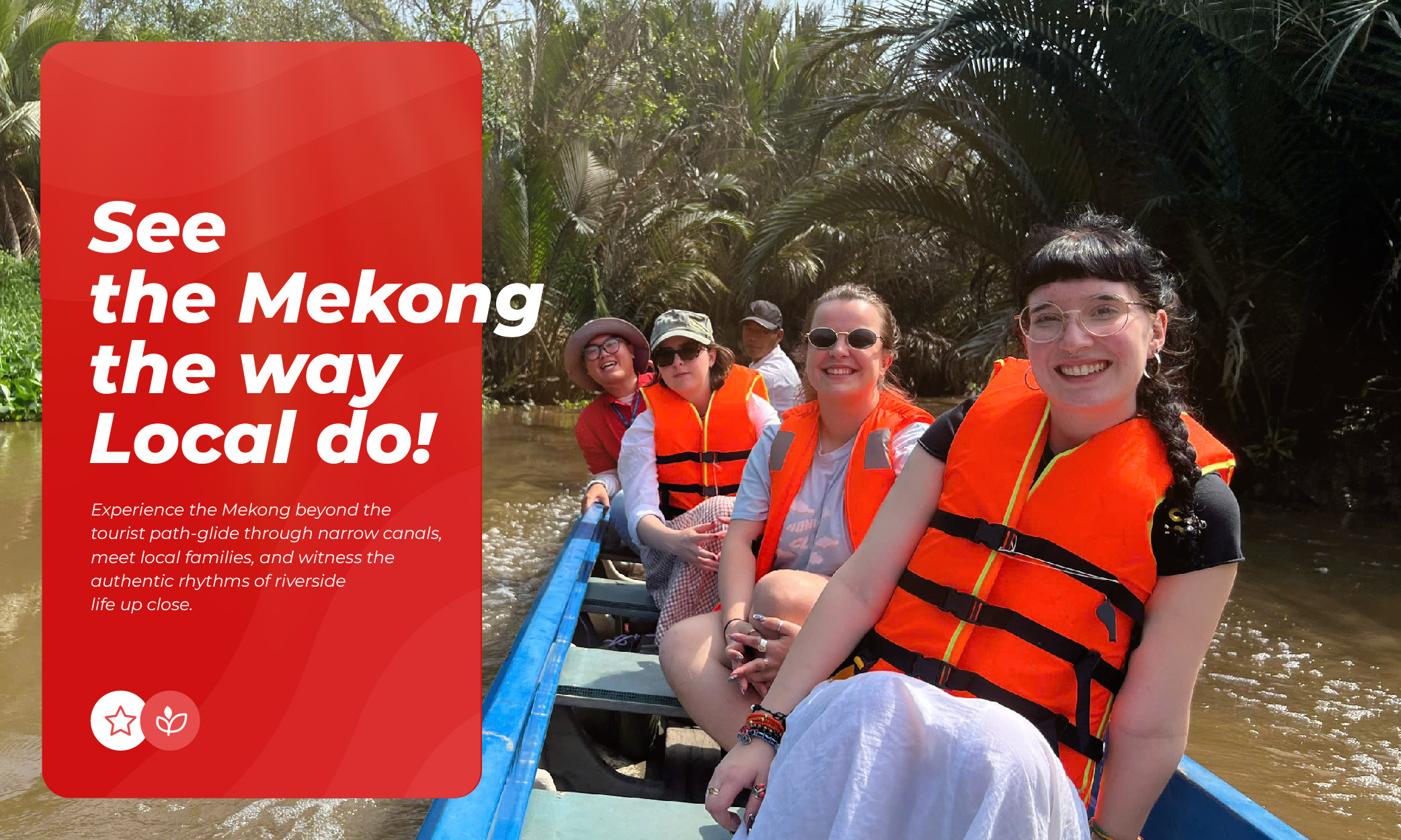
Most travelers arrive with a certain picture in mind. They imagine narrow canals shaded by palm trees, local families living along the river, and small wooden boats moving gently through the water.
They expect to see daily life unfold naturally, not staged or rushed.
This expectation is not wrong. The Mekong Delta does offer this kind of experience. But it depends heavily on how you explore it.
The reality of mass tourism tours
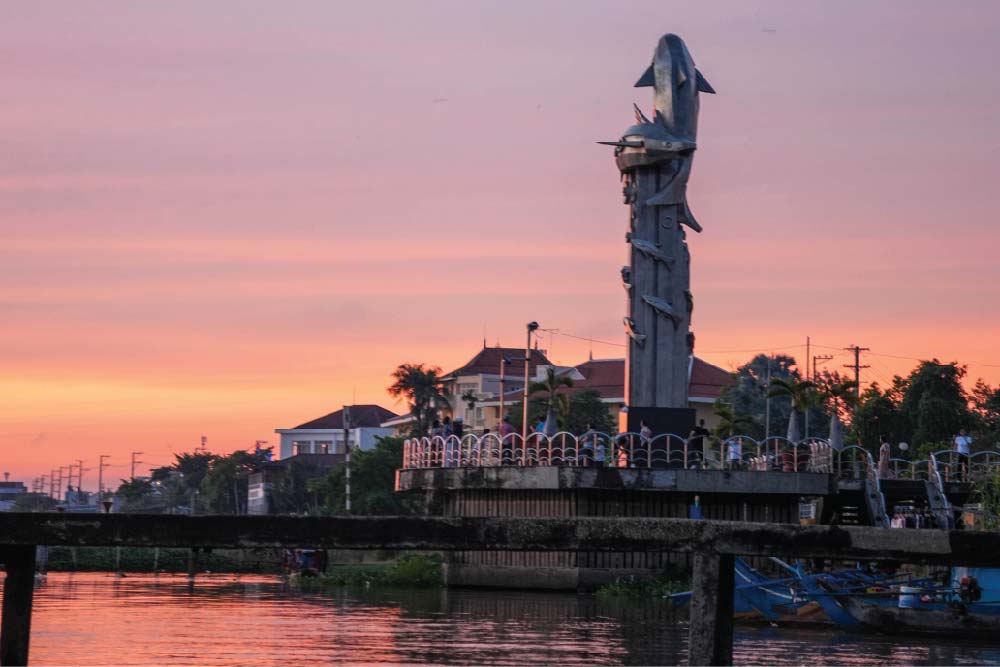
Many standard Mekong Delta tours are designed to accommodate large numbers of visitors in a short amount of time.
These tours often follow fixed itineraries with tight schedules. Travelers are moved quickly from one stop to another, usually in large groups, with limited time at each location.
Instead of experiencing daily life, visitors may feel like they are watching a series of demonstrations. A quick stop at a coconut candy workshop, a short boat ride, a brief music performance, and then back to the bus.
While these activities are not fake, they are often simplified and packaged for convenience.
The result is that many travelers leave feeling like they have seen the Mekong Delta, but not truly experienced it.
What gets lost in the typical tour
The biggest thing missing from many tours is connection.
When everything is scheduled tightly, there is little time to interact with local people or understand their way of life. Meals may be served in tourist restaurants instead of family homes. Guides may be from the city rather than the villages you are visiting.
This creates a distance between the traveler and the place.
Instead of feeling immersed, the experience can feel observational.
The real Mekong Delta experience
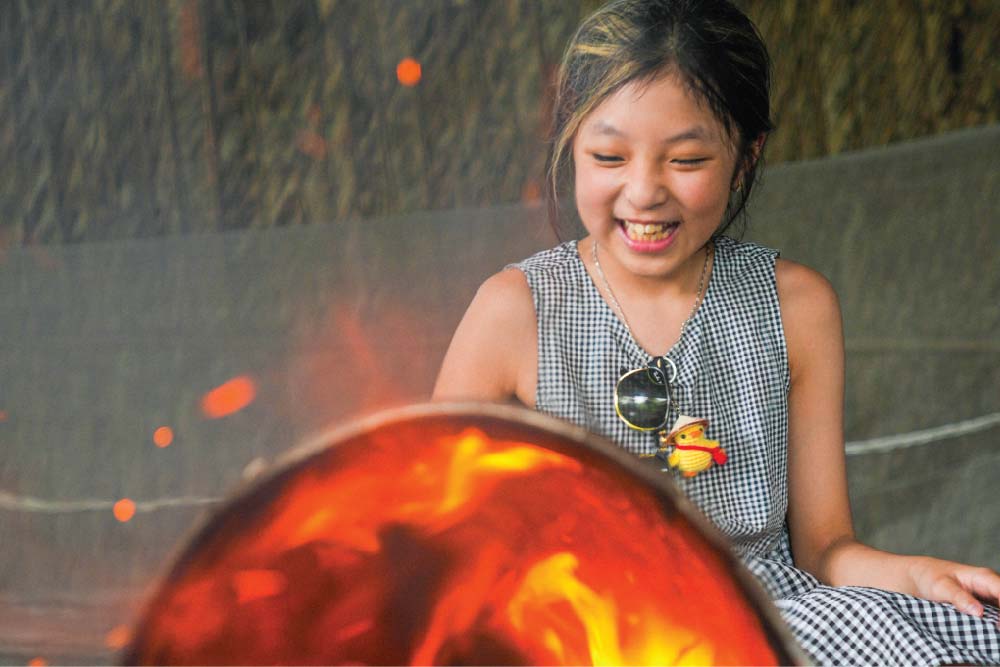
A more authentic experience in the Mekong Delta is slower, more personal, and less predictable.
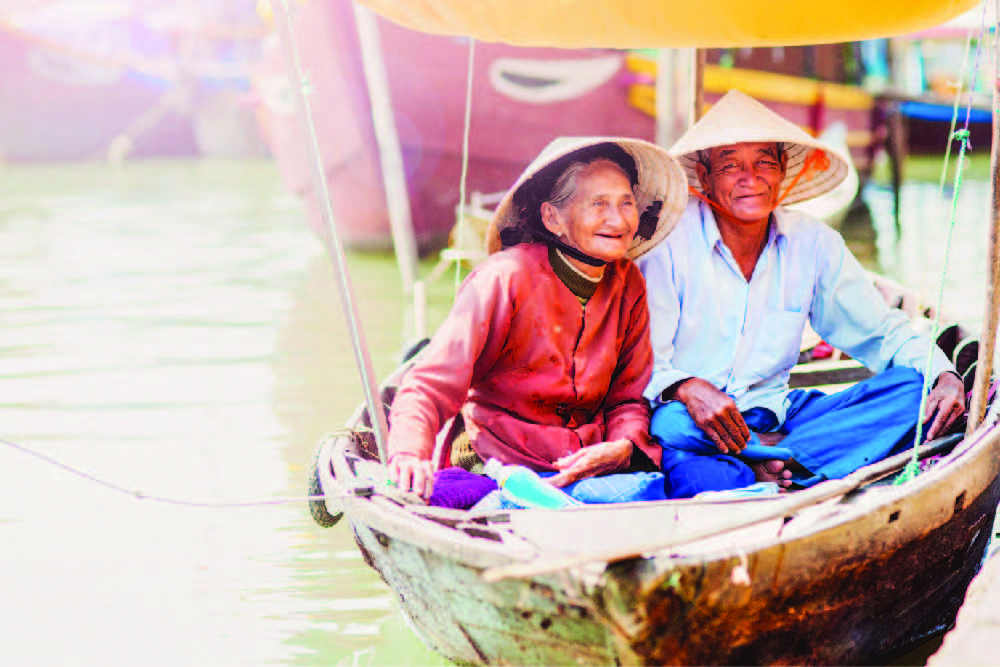
It might involve sitting in a small boat rowed by a local farmer, not for a quick photo, but for a longer journey through quiet canals. It could mean having lunch in a family’s home, where the food is prepared in the same way it has been for generations.
It may include conversations, even if they are simple or require translation, that give insight into daily life.
In these moments, the Mekong Delta stops being a destination and becomes a lived experience.
Why group size matters more than you think
One of the most important factors that shapes your experience is group size.
Large groups often limit flexibility and reduce opportunities for meaningful interaction. It is difficult to have a genuine conversation or explore at your own pace when you are moving with 30 or 40 people.
Smaller groups, on the other hand, allow for a more relaxed schedule. They create space for unexpected moments, such as stopping longer at a local market or spending extra time talking with a host family.
The difference may seem small at first, but it changes the entire tone of the trip.
The difference between watching and participating
Another key difference lies in how activities are presented.
In many tours, travelers watch demonstrations. They see how coconut candy is made or how traditional music is performed, but they remain observers.
In a more authentic experience, travelers are invited to participate. They might try making the candy themselves, cook a dish alongside a local family, or learn how to row a traditional boat.
Participation creates a deeper connection and makes the experience more memorable.
Floating markets are not always what you expect
Floating markets are often one of the main highlights promoted in Mekong Delta tours.
However, many travelers are surprised to find that some markets are less active than expected, especially if they arrive at the wrong time of day.
The reality is that floating markets are part of daily trade, not tourist performances. The busiest time is usually early in the morning, when local vendors are actively buying and selling goods.
Tours that arrive later may show only a quieter version of the market, which can feel underwhelming if expectations are not managed properly.
The role of local communities
In a real Mekong Delta experience, local communities are not just part of the scenery. They are active participants in the experience.
Families who host meals, guide visitors, or share their skills benefit directly from tourism. This creates a more meaningful exchange where both travelers and locals gain something from the interaction.
In contrast, mass tourism often channels most of the revenue through larger operators, with less direct benefit to the communities themselves.
Why slower travel creates better memories
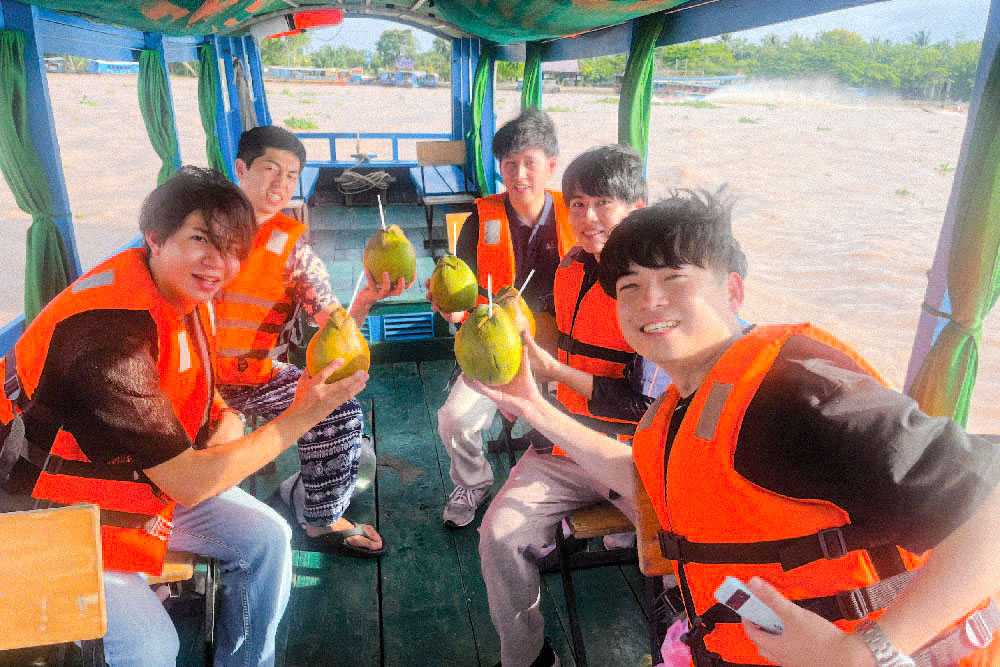
One of the biggest misconceptions about the Mekong Delta is that it can be fully experienced in a few hours.
While a day trip can provide a glimpse, the region reveals much more when explored slowly. Staying overnight, waking up early, and observing daily routines allows travelers to see a different side of the Delta.
Morning markets, quiet evenings, and conversations with local families create a richer understanding of the region.
Slowing down transforms the experience from a checklist into a story.
Choosing the right type of tour
Travelers who want a more authentic experience should pay attention to how tours are designed.
Look for tours that emphasize small group sizes, local guides, and community-based activities. It is also helpful to choose itineraries that allow enough time in each location rather than trying to cover too many places in one day.
Reading reviews that mention specific experiences, not just general satisfaction, can also provide useful insights.
The goal is not to avoid tours entirely, but to choose ones that align with the kind of experience you are looking for.
Final thoughts on Mekong delta tour vs real experience
The Mekong Delta is one of the most culturally rich regions in Vietnam, but the way you experience it depends entirely on how you choose to explore it.
A typical tour may show you the highlights, but a more thoughtful approach allows you to understand the people, traditions, and daily life behind those highlights.
By choosing slower, more personal experiences, travelers can move beyond surface-level impressions and create meaningful connections.
In the end, the Mekong Delta is not just about rivers and boats. It is about people, stories, and moments that cannot be rushed.
And those are the experiences that stay with you long after the trip is over.
Itinerary
Price & Bookings
Reservations
Reviews
Share your thoughts with other customers.