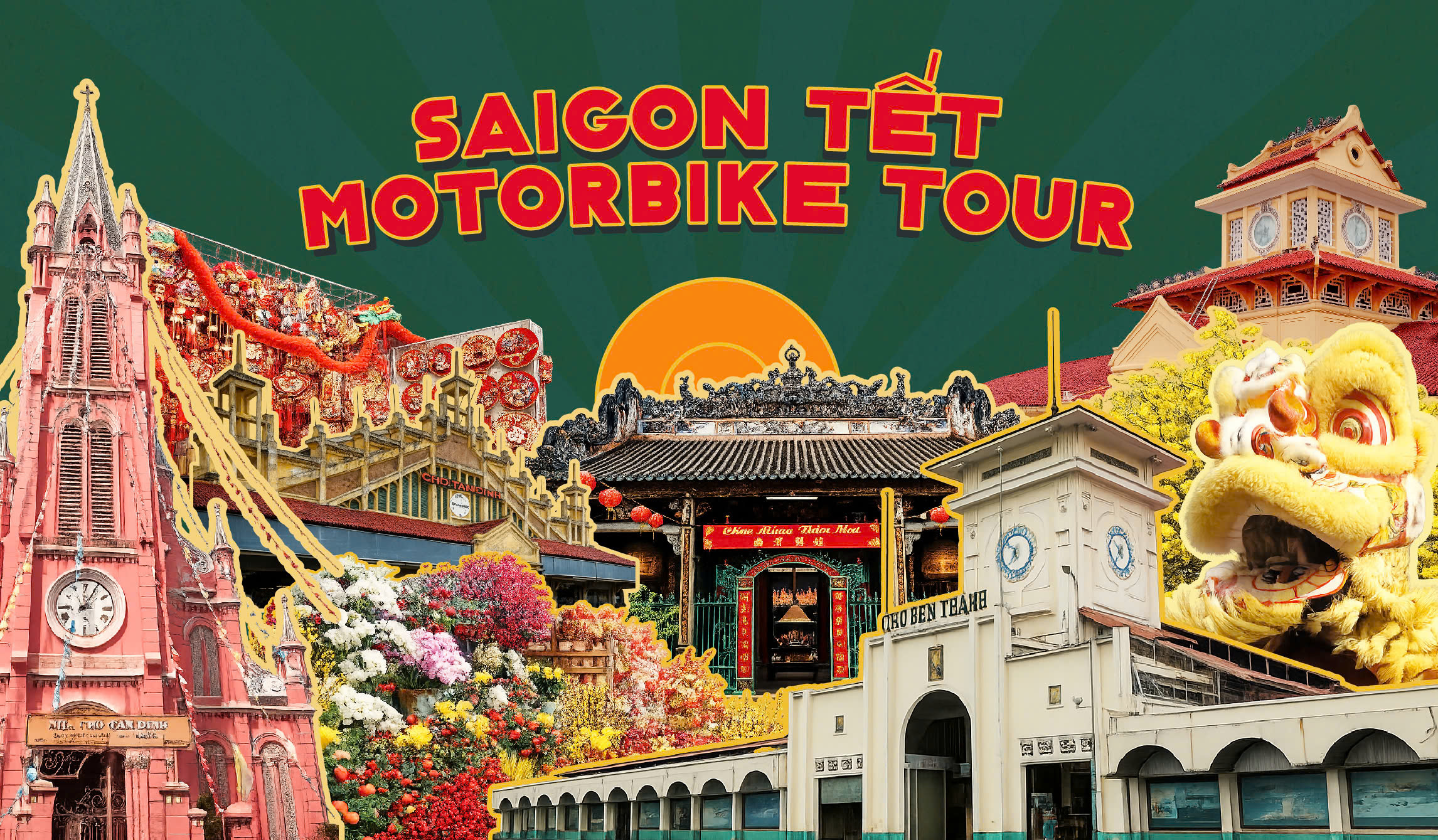
Vietnam’s Lunar New Year, known locally as Tet Nguyen Dan or simply Tet, is the most important cultural celebration of the year. While many travelers are drawn to Vietnam’s landscapes, cuisine, and history, few seasonal experiences match the depth, emotion, and cultural immersion that Tet provides. For inbound visitors arriving during this period, the experience can be both fascinating and confusing. Tet changes the rhythm of daily life, reshapes how cities function, transforms family routines, and alters how people interact with one another. At the same time, it offers travelers a rare chance to witness traditions that have been preserved for generations.
Understanding Tet as a traveler requires more than knowing the dates. The holiday is tied to centuries of history, agricultural cycles, family structures, spiritual beliefs, and regional customs. Many traditional activities take place in homes, temples, marketplaces, and public spaces, and each one has a symbolic meaning. From ancestor worship and house-cleaning rituals to vibrant flower markets, ceremonial gatherings, festive dishes, and temple visits, Tet reflects the core of Vietnamese identity. For travelers who wish to observe and respectfully join these traditions, having the right context makes the experience far richer.
This guide provides a comprehensive, traveler-focused look at traditional Tet activities—explaining what they mean, how they are practiced, how visitors can witness or participate, and what practical considerations are important during the season. It is designed for inbound travelers who want to not only enjoy the celebrations but also understand the cultural foundation behind them.
The Timeframe of Tet and its cultural significance
Tet does not refer only to the first day of the Lunar New Year. It encompasses an entire seasonal period, often stretching from two weeks before the holiday to at least a week after. For travelers, this wider timeframe is crucial because certain traditional activities are only visible before Tet, while others occur during or immediately after the holiday.
The weeks leading up to Tet are characterized by preparation. Families clean their homes, repaint walls, polish ancestral altars, and purchase decorations. Markets expand dramatically to serve the seasonal demand for flowers, fruit, food ingredients, and ceremonial offerings. Streets grow increasingly busy as people shop, finalize work obligations, and return to their hometowns. Travelers visiting during this pre-Tet period see an energetic, bustling version of Vietnam with every city operating at full speed.
The core holiday period reflects the opposite behavior. During the first days of Tet, most businesses close, streets are empty, and families stay indoors or gather at temples and ancestral homes. For travelers, this sudden shift can be surprising. Restaurants, tourist shops, and even transportation services may pause operations. Yet for those who prepare in advance, this quiet period offers a rare view of Vietnam’s introspective cultural heart.
The days following Tet gradually return to normalcy, but with a lingering festive atmosphere. People make ceremonial visits, exchange well wishes, enjoy leisurely meals, and slowly transition back into work. For travelers, this post-Tet phase can be easier to navigate than the first days, with more available services but still plenty of cultural activity to observe.
Tet matters deeply to Vietnamese people because it symbolizes renewal. It marks the start of a new year, the welcoming of good fortune, and the release of past burdens. Every traditional activity associated with Tet supports this theme of rebirth and prosperity. Travelers who understand this underlying purpose will be able to interpret the meaning behind seemingly simple rituals, such as buying a blossom branch or offering fruit on an altar.
Tet Markets and the energetic pre-holiday atmosphere
Tet markets are among the most fascinating traditional activities for inbound travelers to witness. These temporary or expanded markets appear in nearly every neighborhood and showcase an enormous variety of seasonal goods. Markets become busier, louder, and more vibrant as the holiday approaches. Visitors will see families selecting flowers, carrying stacks of decorations, bargaining over seasonal fruits, and gathering supplies for multi-day cooking sessions.
The flower markets are particularly important. Each city sets up large, open-air flower bazaars selling peach blossoms in the north, apricot blossoms in the south, and kumquat trees throughout the entire country. These plants carry symbolic meaning, representing vitality, renewal, and prosperity. Travelers walking through these flower markets will experience a festive explosion of colors and fragrances unlike anything in the everyday market environment.
Tet food markets are equally important. Vendors sell sticky rice, traditional sweets, pickled vegetables, dried fruits, glutinous rice, mung beans, pork belly, and countless ingredients needed for Tet dishes. The excitement grows as the markets become more crowded and the atmosphere intensifies. For travelers, these markets offer a chance to observe local shopping traditions, food customs, and family interactions up close.
Although markets remain accessible to visitors, they can become extremely congested during the final days before Tet. Travelers who wish to photograph or explore these environments should visit earlier in the day or during the week before the holiday. Markets are one of the easiest and most rewarding Tet experiences for travelers, requiring no preparation beyond being mindful of the crowd and showing respect when photographing local families.
Traditional House Cleaning and Home Preparations
One of the most important cultural activities before Tet is the cleaning and preparation of homes. This process goes beyond simple tidying. It represents a symbolic sweeping away of the old year’s misfortunes and making space for the new year’s blessings. Families may repaint their walls, replace old items, decorate their homes with red and gold ornaments, and refresh their ancestral altars.
For travelers staying in homestays or boutique hotels managed by families, this period is especially visible. Guests may see hosts reorganizing their kitchens, polishing family altars, or preparing decorative items. Many small guesthouses temporarily close or operate at reduced capacity because families focus their energy entirely on Tet preparation.
Visitors are rarely invited into private homes during these preparations, but some homestays and community-based tourism projects may allow guests to observe or participate in small rituals such as arranging fruit trays or cleaning shared spaces. Understanding the cultural significance helps travelers avoid unintentional offense. For example, entering a house with shoes on or moving decorative items without permission may be seen as disrespectful during this sensitive period.
Ancestor Worship and the Meaning of the Family Altar
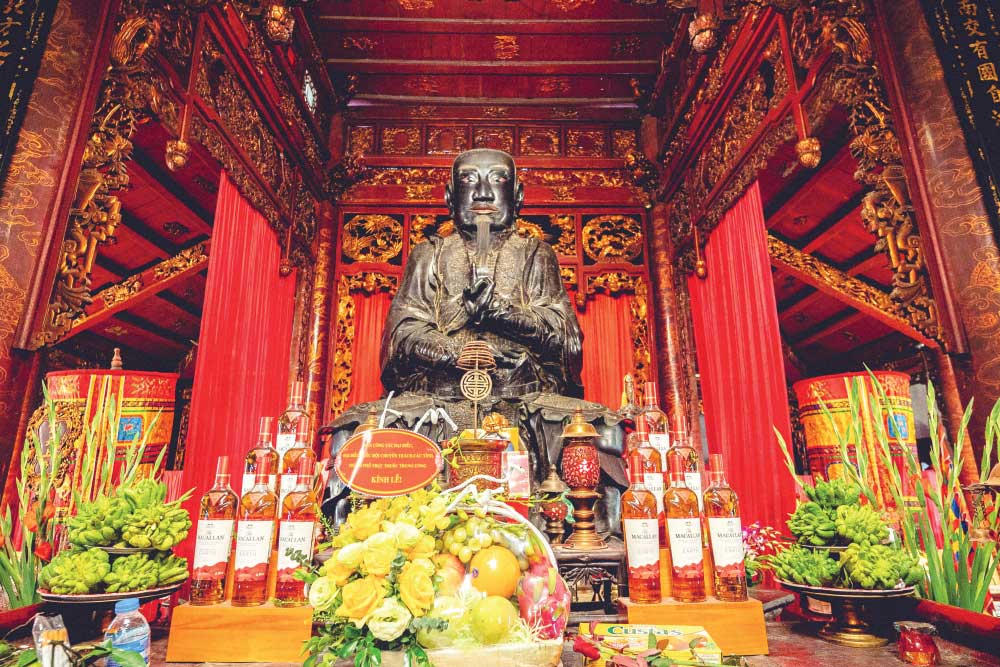
Ancestor worship sits at the center of most Tet traditions. The family altar is the symbolic heart of the holiday, representing connection between living family members and their ancestors. In the days leading up to Tet, families prepare the altar with fresh fruit, flowers, ceremonial dishes, incense, and photographs. They clean it carefully and ensure that every detail is ready for the new year.
Travelers rarely participate directly in ancestor worship, as it is considered a private family ritual, but they can observe the practices respectfully if invited. In some cultural villages or homestays, travelers may see families lighting incense, offering food, or praying quietly. Understanding that these actions represent gratitude, remembrance, and requests for protection helps travelers appreciate the spiritual dimension of Tet.
Ancestor worship also influences public behavior. During the first days of Tet, people avoid negative speech, arguments, or disrespectful actions because they believe their ancestors are watching over the family more closely during this period. Travelers should be mindful of their behavior in temples, markets, and homestays, especially during the peak Tet days.
Cooking Traditional Tet Dishes and the Communal Atmosphere
Food is one of the most integral and enjoyable parts of Tet traditions. Unlike daily meals, which may be simple and quick, Tet meals require extensive preparation and often bring entire families together for cooking sessions that last hours or even days. Dishes such as bánh chưng in the north and bánh tét in the south require soaking rice, preparing fillings, assembling ingredients, and wrapping the cakes in leaves. Families often sit around the cooking pot all night while the cakes boil, talking and sharing stories.
Travelers may be able to observe this process if staying with local families or participating in cultural tours. Some community tourism programs invite visitors to help wrap bánh chưng, learn about symbolic ingredients, or taste early versions of the dish. Because these moments carry deep cultural meaning, participation should always be guided by invitation rather than assumption.
Other Tet dishes include pickled onions, boiled chicken, sticky rice, candied fruits, and a wide range of regional specialties. Travelers exploring pre-Tet markets or dining in traditional restaurants may encounter seasonal dishes only available during this period. Food stalls operate less frequently during the first days of Tet, but some homestays or family-run lodges may offer Tet meals to their guests. These meals are often simpler but filled with cultural significance.
Tet Decorations and the Symbolism of Color
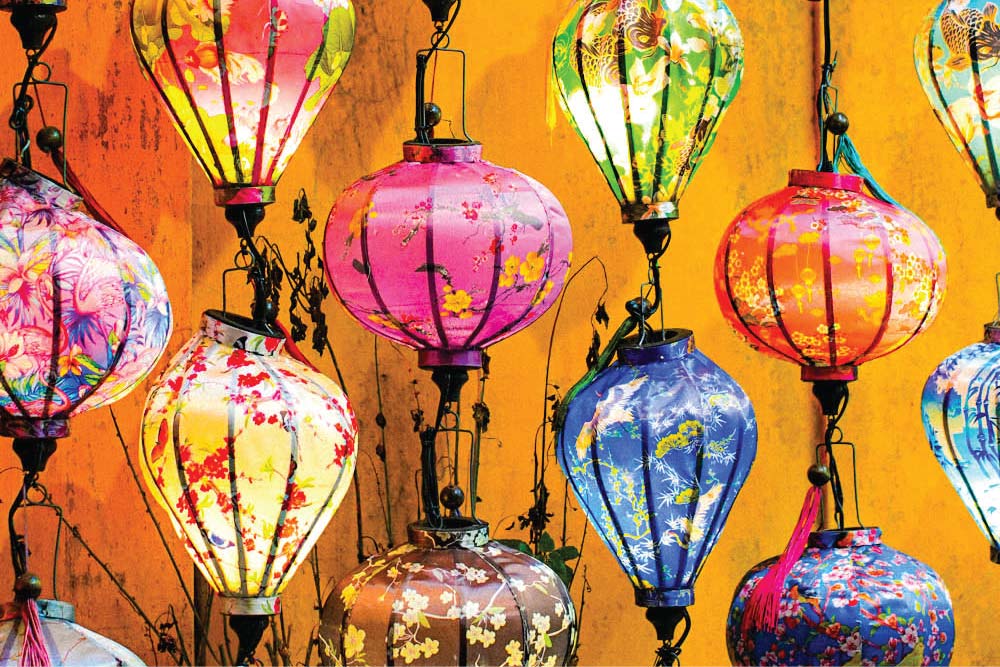
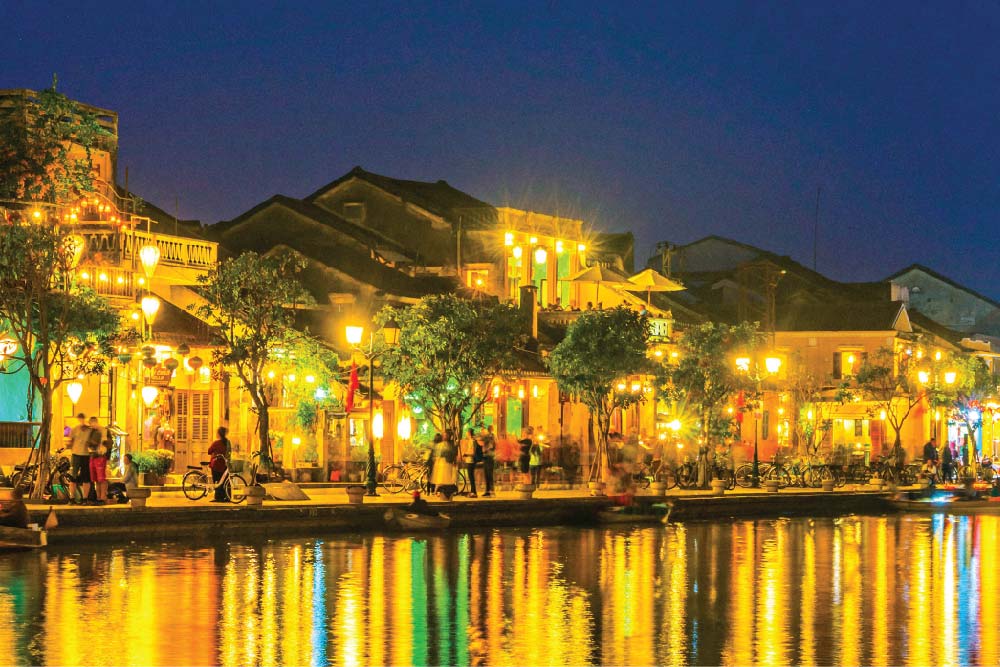
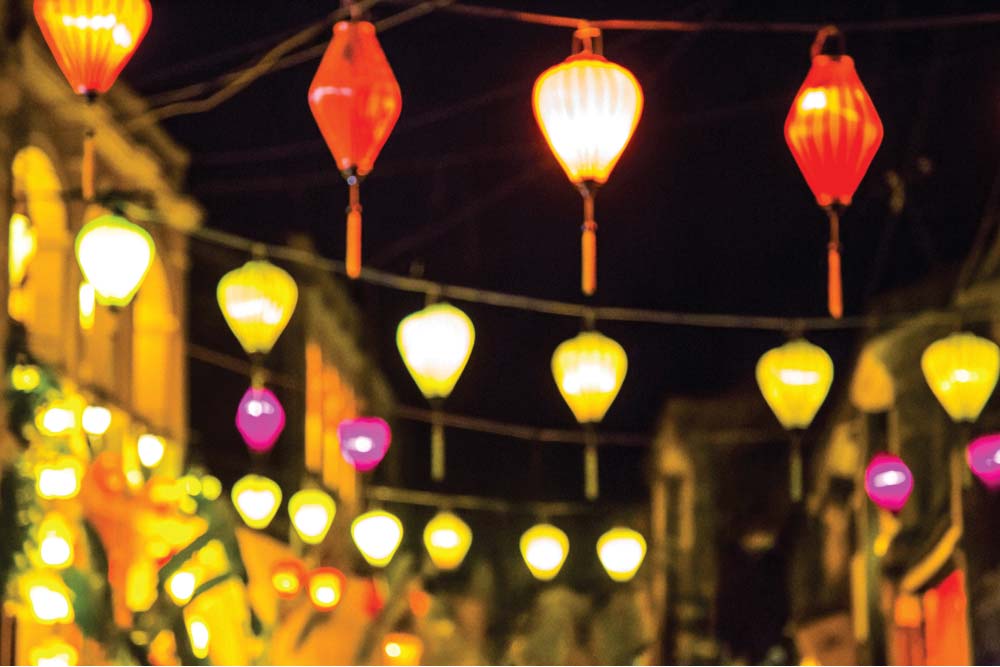
Red and gold dominate Tet decorations because they represent luck, prosperity, and good fortune. Travelers will see these colors displayed everywhere: on lanterns, banners, market stalls, storefronts, and residential gates. Each decoration carries meaning. Paper calligraphy displays wishes for health and success. Lucky envelopes symbolize blessings for children and elders. Peach blossoms signal vitality, while apricot blossoms reflect joy and optimism.
Understanding these symbols enhances the travel experience. For example, kumquat trees are not simply ornamental plants—they represent fertility and abundance. The shape and condition of the tree, along with the number of ripe fruits, are believed to influence the family’s fortune. Travelers visiting flower markets or observing families transporting kumquat trees will see the care given to choosing the perfect tree.
Temples and public spaces also receive elaborate decorations. Travelers visiting major temples around Tet will encounter floral arrangements, symbolic objects, ceremonial incense burners, and crowds praying for new-year blessings. Respectful behavior—such as dressing modestly, speaking softly, and following local customs—is essential.
The Rush Home and the Meaning of Family Reunions
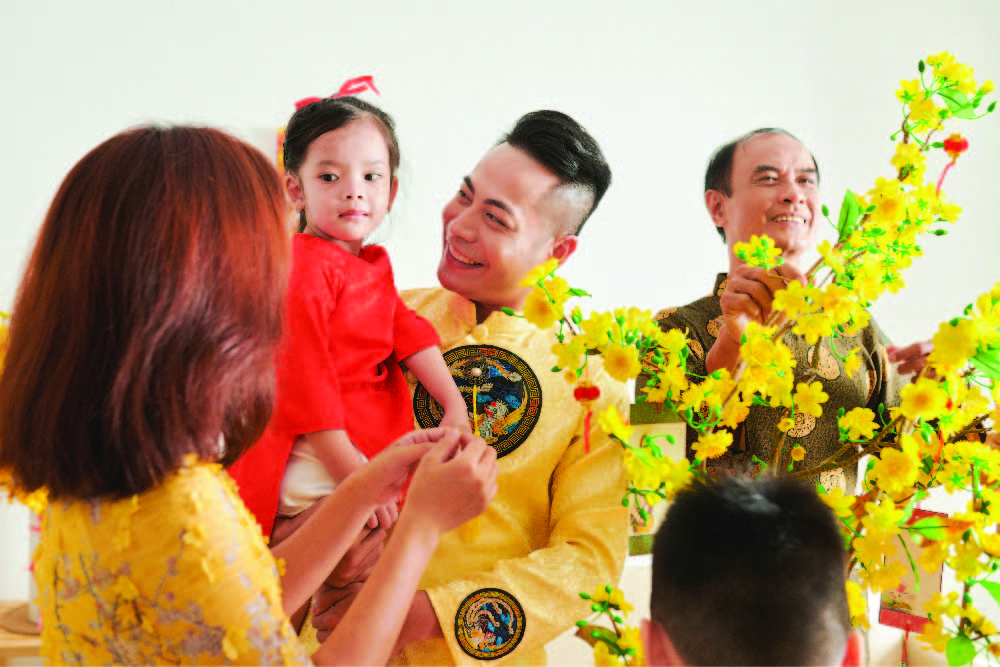
Tet is fundamentally a family holiday. No matter where people live or work, they attempt to return home in the days leading up to Tet. This mass movement reshapes the travel landscape. Buses, trains, and flights become fully booked. Streets grow increasingly crowded. Cities with large migrant populations, such as Ho Chi Minh City, become noticeably quieter once workers return to their hometowns.
For travelers, understanding this pattern helps with planning. Traveling long distances during the final days before Tet can be difficult without advance booking. However, witnessing the nationwide return home is a cultural experience in itself. Train stations, airports, and bus terminals fill with people carrying gift baskets, decorations, cakes, and flowers—all symbolic tokens meant for family gatherings.
Upon arriving home, families share stories, exchange well wishes, and prepare the house for the new year. Travelers staying in rural homestays may see extended families gathering under one roof, participating in cooking, decorating, or preparing ceremonial offerings. This period offers a rare glimpse into Vietnamese family life, but travelers must remember that these gatherings hold deep emotional value and should be approached with respect.
New Year’s Eve: The Transition Between Old and New
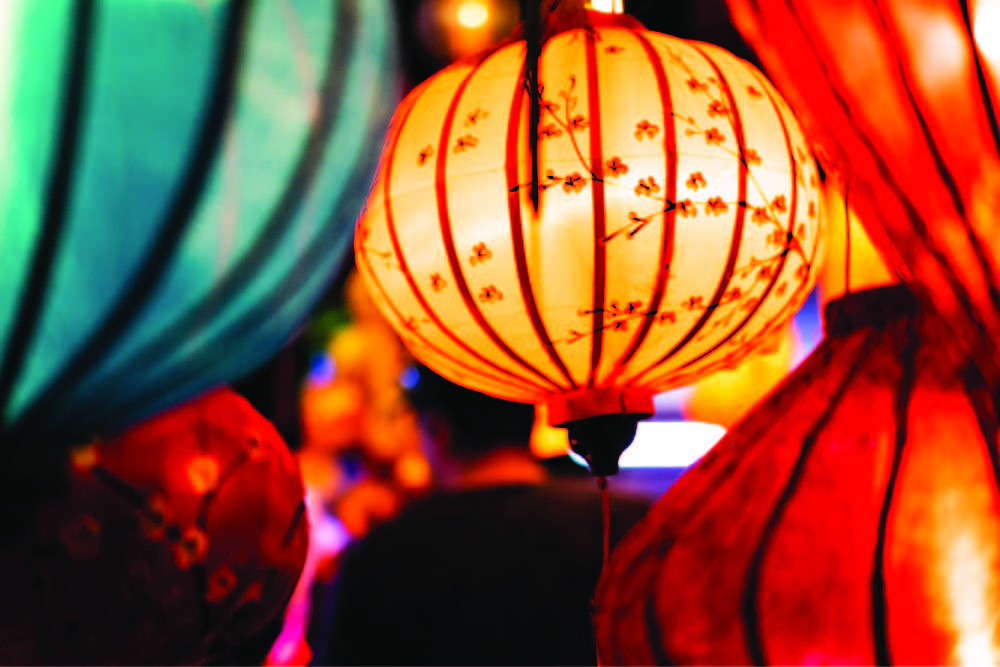
New Year’s Eve, or Giao Thừa, is one of the most important moments of Tet. The celebration marks the transition from the old year to the new, symbolizing renewal and opportunity. Cities and towns across Vietnam hold public celebrations, fireworks shows, and temple ceremonies.
Travelers can join public gatherings in major cities like Hanoi, Da Nang, and Ho Chi Minh City. These celebrations often include music, lanterns, and communal countdowns. Temples fill with people praying for blessings, lighting incense, and offering fruit or flowers. For travelers who prefer quieter experiences, rural areas and smaller towns offer more intimate ceremonies.
Families at home conduct rituals such as closing the door to the old year, opening the door to welcome the new year’s spirit, or making offerings at the family altar. Although travelers rarely participate directly in private rituals, understanding their significance helps contextualize the public celebrations.
The First Day of Tet and the Importance of Good Fortune
The first day of Tet is culturally the most sensitive. Families believe that the first visitor of the year influences their fortune. This visitor, known as the “xông đất” or “first-footer,” is chosen for their positive characteristics. For this reason, travelers should avoid entering local homes uninvited on the morning of Tet. This small cultural detail can easily go unnoticed by visitors but holds enormous meaning for Vietnamese families.
Public spaces such as temples, lakes, parks, and flower streets become lively on the first day. Travelers can observe or join these activities, which include wearing new clothes, giving lucky money to children, and making early-morning temple visits. Photography is usually welcomed in public spaces, but taking photos inside homes or of private rituals requires permission.
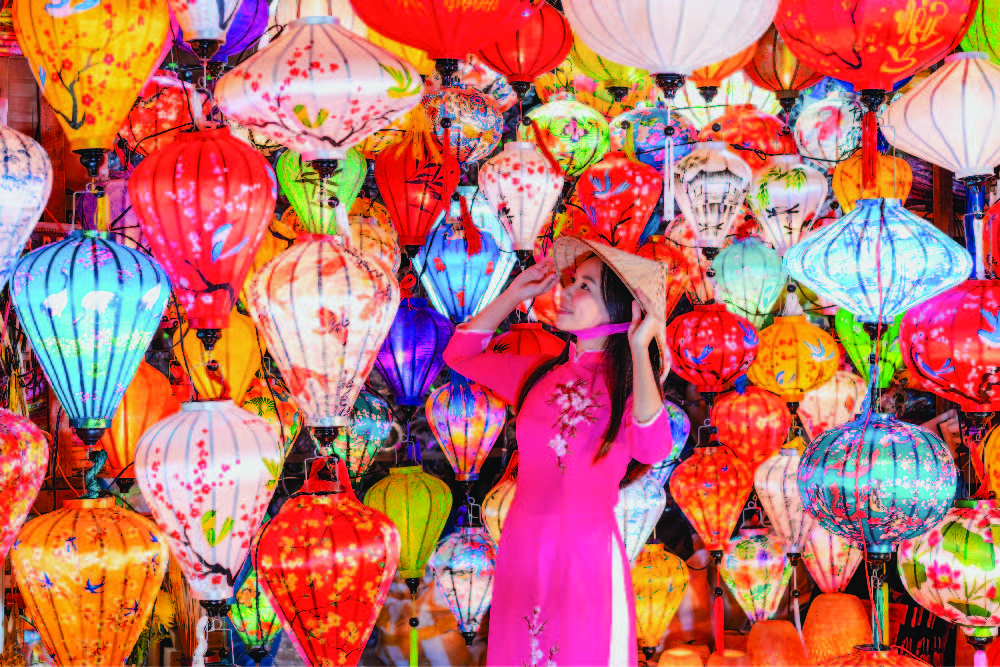
The first day also tends to be quiet in terms of commercial activity. Many shops and restaurants remain closed. Travelers should arrange meals and transportation in advance or inquire with hotels about services available during this period.
Temple Visits and Spiritual Rituals
Visiting temples during Tet is one of the most accessible and meaningful experiences for travelers. Families visit temples to pray for health, prosperity, and protection for the coming year. The atmosphere is different from ordinary days. Incense smoke fills the air, lanterns decorate temple gates, and donation boxes overflow with offerings.
Travelers observing these rituals will notice how people bow, light incense, and place offerings on altars. Many temples offer calligraphy blessings, where masters write characters symbolizing luck or happiness. Purchasing these calligraphy papers supports temple artists and gives travelers a meaningful cultural souvenir.
Respectful behavior is essential. Wearing modest clothing, keeping voices low, and following crowd movement helps maintain the spiritual environment. Because temples are extremely busy during Tet, travelers should remain patient and avoid obstructing ceremonies.
Giving and Receiving Lucky Money
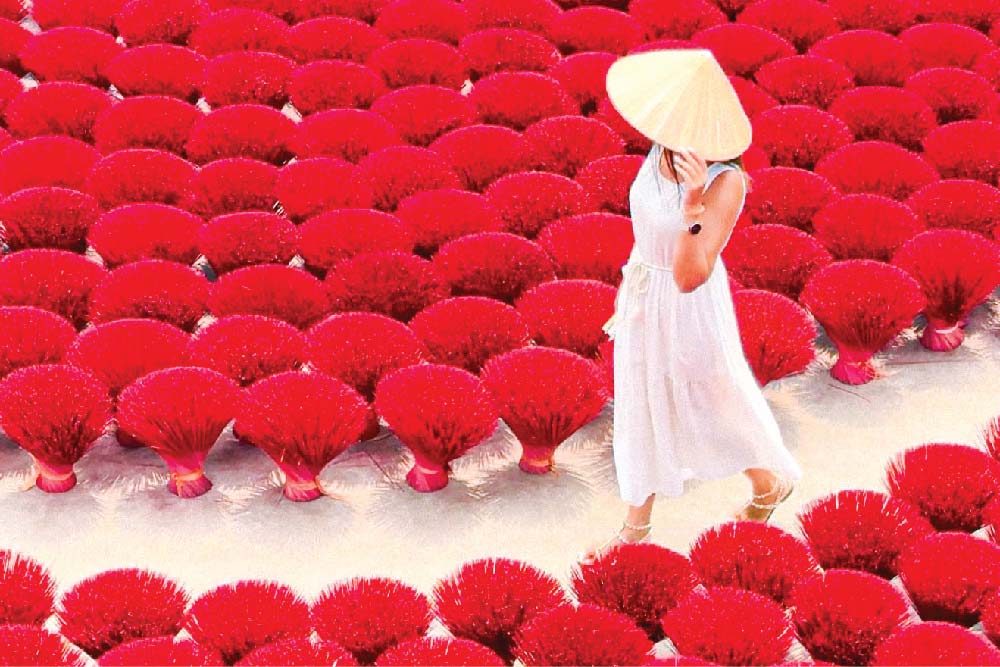
Lucky money, known as “li xi,” is one of the most joyful Tet traditions. Children receive small red envelopes filled with money as a symbol of fortune and growth. Adults may exchange envelopes as well, especially between younger and older generations. For travelers, understanding the etiquette is valuable. Guests do not typically give lucky money unless they have a close relationship with the family. Offering money in public settings is not customary.
Walking through parks and public areas during Tet, travelers may see families handing envelopes to children. This practice reinforces the sense of renewal and generosity that defines the holiday.
Festivals, Performances, and Public Celebrations
Tet includes a wide range of public cultural activities. These vary by region but often include lion dances, traditional music, folk games, flower parades, and craft exhibitions. In cities, public stages host performances featuring traditional instruments, dancing, and storytelling.
Travelers will find that the first few days of Tet are quieter, but festivities grow more visible during the later days. Streets lined with flower displays provide excellent photography opportunities. Cultural houses and museums sometimes host free Tet exhibitions. In rural areas, travelers may encounter traditional games such as bamboo swings or human chess.
These public festivals are ideal for travelers who want to interact with local culture without intruding on private family activities.
How Tet Affects Travel Logistics
Tet significantly changes how travel functions in Vietnam. Transportation—especially buses, trains, and domestic flights—becomes heavily booked before the holiday. After Tet begins, transportation becomes limited because many workers are off duty. Travelers should book intercity travel well in advance.
Accommodation availability varies. Large hotels remain open, but small homestays may close or accept limited bookings because families travel or prepare their homes for ceremonies. Restaurants and cafés often close for the first days of Tet. Travelers should confirm dining arrangements with their hotels or explore Tet buffets commonly offered by international hotels.
Visitors should also be prepared for price changes. Some services may cost more due to holiday wages. Cash is essential because ATMs sometimes run low during Tet.
Understanding these practical considerations helps travelers avoid surprises and enjoy the holiday more comfortably.
How Travelers Can Respectfully Participate in Tet

Travelers can join many Tet traditions without intruding on private rituals. Visiting flower markets, walking through decorated streets, watching fireworks, attending temple ceremonies, trying seasonal food, and photographing public festivities are all welcome activities.
Respecting local customs ensures a smooth experience. Travelers should dress modestly in temples, avoid entering homes without invitation, behave politely in crowded public spaces, and show gratitude when locals share cultural insights.
One of the best ways for travelers to connect with Tet is through conversation. Asking locals about their traditions, favorite dishes, or family customs creates meaningful cultural exchanges. Many Vietnamese people enjoy sharing Tet customs with foreign visitors, especially when approached with respect and curiosity.
A Final Reflection on Experiencing Tet as a Traveler
Tet is far more than a holiday. It is a cultural heartbeat that shapes identity, family, spirituality, and the rhythm of life across Vietnam. For travelers, experiencing Tet means entering a deeply meaningful moment in the nation’s calendar. Traditional activities offer insight into values such as respect for ancestors, family unity, spiritual renewal, and gratitude.
The Tet season may present logistical challenges, but it also provides one of the richest cultural experiences available in Southeast Asia. Visitors who arrive prepared, informed, and open to cultural immersion will find that Tet offers a unique perspective on Vietnam—one that is intimate, emotional, and unforgettable.
Frequently asked questions
What is Tet in Vietnam?
Tet is Vietnam’s Lunar New Year celebration and the most important holiday of the year, marked by family reunions, ancestor worship, traditional food, and nationwide festivities.
When does Tet take place?
Tet follows the lunar calendar, usually falling between late January and mid-February. The cultural activities begin up to two weeks before the holiday.
Is Vietnam a good place to visit during Tet?
Yes, if you are interested in cultural immersion. Travelers will experience unique traditions, but some shops, restaurants, and services may close during the first days.
What traditional activities can travelers see?
You can visit Tet flower markets, temple ceremonies, festive streets, calligraphy stalls, and public performances. Many activities happen in open, public spaces.
Are restaurants and shops open during Tet?
Major hotels and some restaurants remain open, but many family-run businesses close for several days. Travelers should plan meals and transportation in advance.
Can visitors participate in Tet traditions?
Travelers can join public celebrations, visit markets, try Tet foods, or watch fireworks. Private rituals—such as ancestor worship—should only be joined if invited.
Is it difficult to travel around Vietnam during Tet?
Transportation becomes crowded before Tet and limited during the first holiday days. Booking flights, trains, and buses early is essential.
What foods should travelers try during Tet?
Bánh chưng or bánh tét, pickled vegetables, boiled chicken, candied fruits, and regional noodle dishes are commonly prepared for the holiday.
Why do Vietnamese clean their houses before Tet?
House cleaning symbolizes sweeping away misfortune from the old year and preparing for good luck in the new year. It is one of the most important pre-Tet traditions.
What is lucky money?
Lucky money, or “lì xì,” is given in red envelopes to children and elders as a symbol of prosperity. Travelers should not give lucky money unless invited.